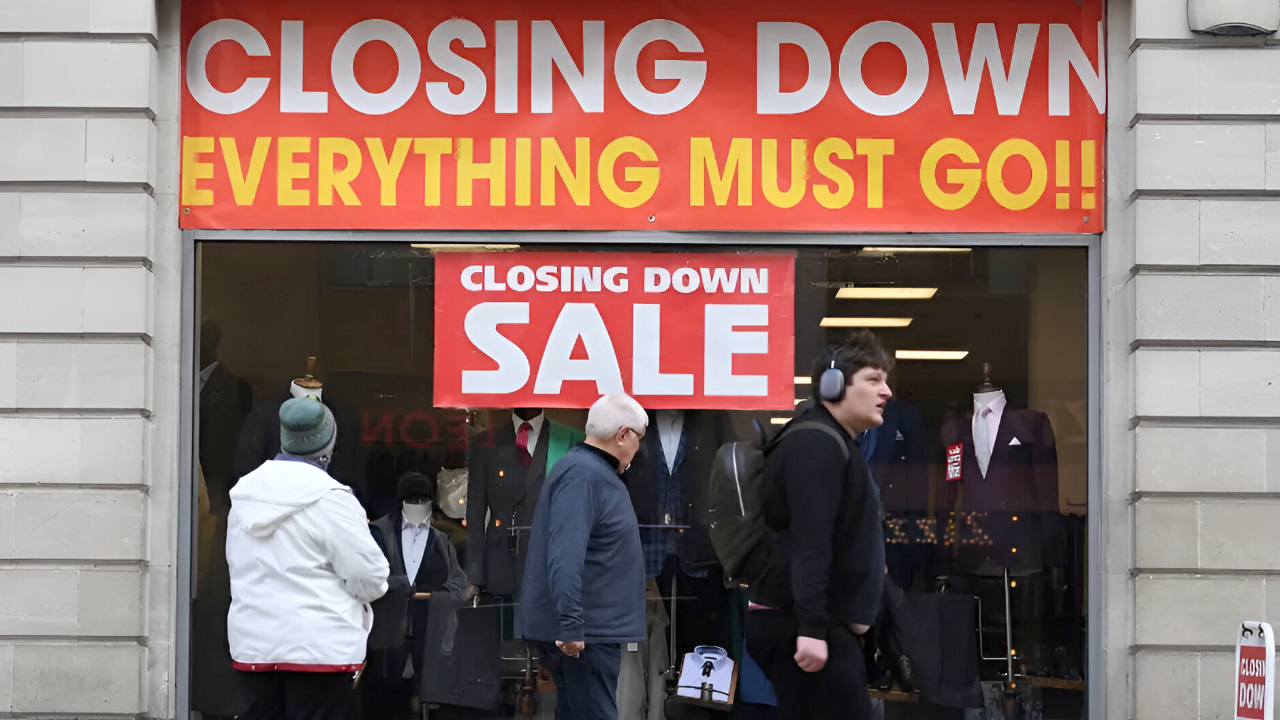
Victoria’s Secret is not shrinking, but rather it isnot disappearing. The American lingerie giant has closed 30 stores across the U.S. since January 2025.
Yet Q3 sales surged 9% to $1.47 billion, beating expectations. The company now operates 768 locations, compared to 1,070 five years ago.
Store closures accelerate at major retailers nationwide, raising an urgent question: Do brick-and-mortar stores still matter in 2025?
The Larger Collapse
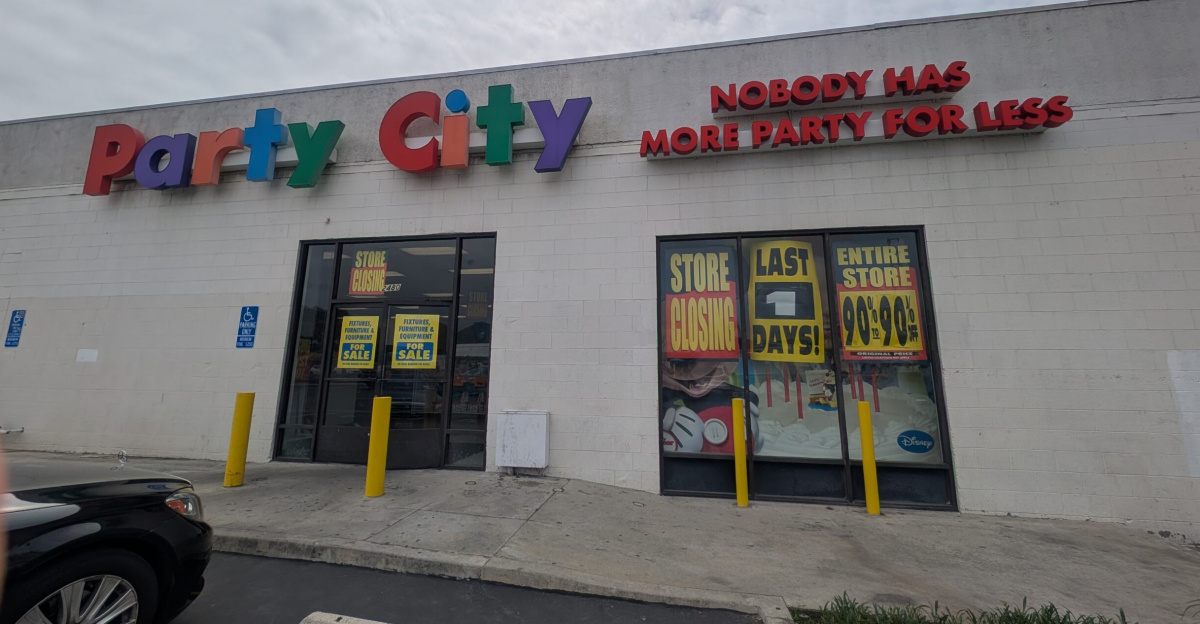
Retail is imploding nationwide. Approximately 15,000 U.S. stores will close in 2025—double the 7,325 closures in 2024—the worst since COVID crashed foot traffic.
Party City announced 738 closures, Big Lots announced 601 closures, and Walgreens announced 333 closures. Retailers expect a net loss of 9,200 locations this year, even after opening new stores.
Experts attribute the decline to inflation, shifting shopping habits, and competition from e-commerce and budget fashion brands like Shein and Temu.
A Decade of Decline
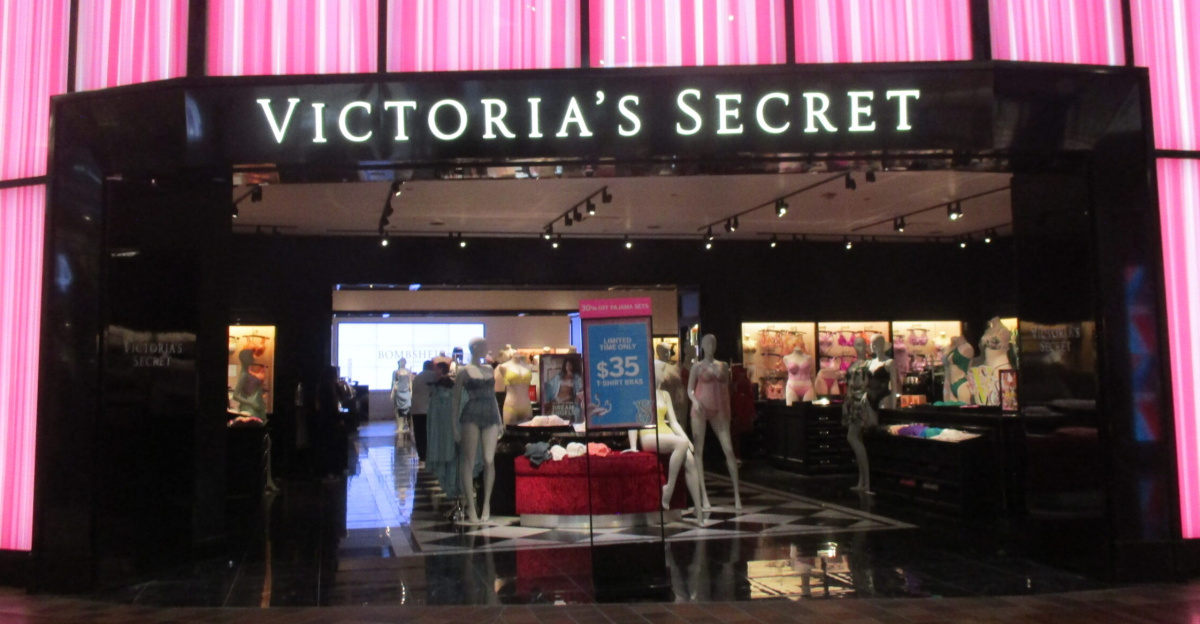
Victoria’s Secret struggled before the current retail crisis. In 2019, the brand closed 53 stores due to “declining sales performance,” the CFO said.
COVID accelerated the damage: Q1 2020 saw revenues plunge 37% from $2.63 billion to $1.65 billion. Closures continued: 241 stores in 2020, 50 in 2021, and 20 in 2023.
In 2022, the company acquired online retailer Adore Me to shift its focus toward digital-first shopping.
The Tariff Squeeze

Supply-chain pressure explains the store closures. Victoria’s Secret faces a $90 million tariff headwind for 2025 as import duties on goods from Southeast Asia squeeze its margins.
Q3 results showed $15 million in tariff costs eating into profit. CEO Hillary Super and CFO Scott Sekella shifted sourcing away from China, but tariffs remain the biggest threat.
Gross margins improved by 170 basis points through discipline and reduced discounting, despite pressure.
The Strategic Reveal
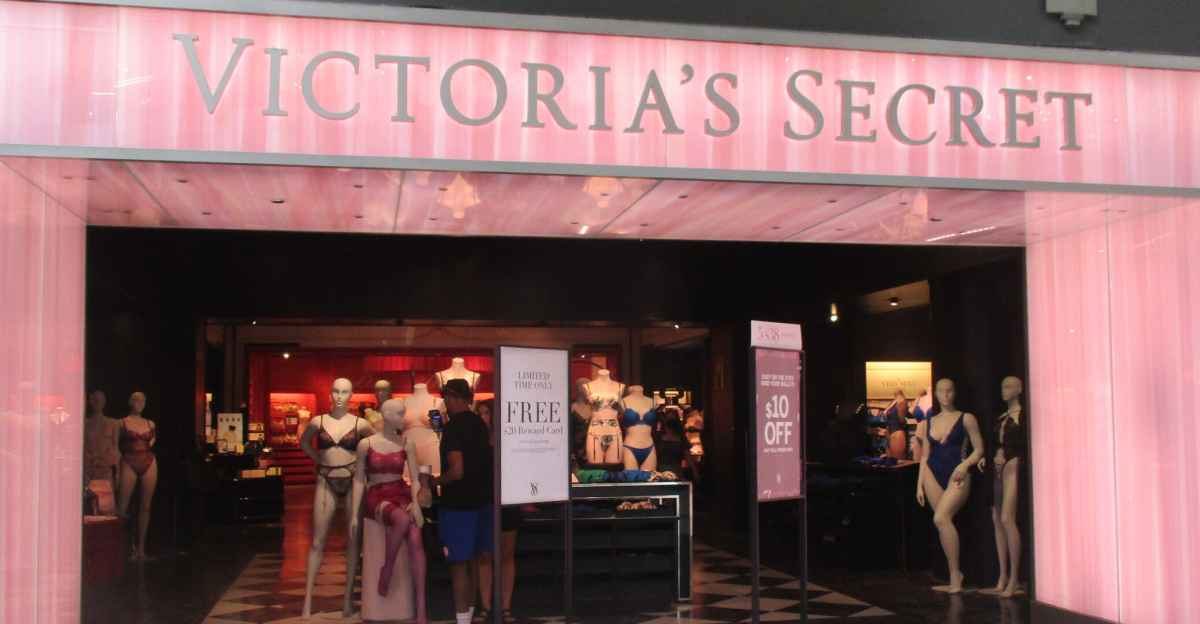
On November 1, 2025, Victoria’s Secret announced the closure of 30 stores as part of its “Store of the Future” initiative.
By year-end, 200 North American locations (25% of stores) and 40% of international stores will feature new technology, cleaner layouts, and better customer service.
The company plans to close more locations, reducing North American floor space by 2% annually. This is strategic pruning, not panic liquidation, mirroring the playbooks of Nordstrom and Macy’s.
Mall Exposure Risk
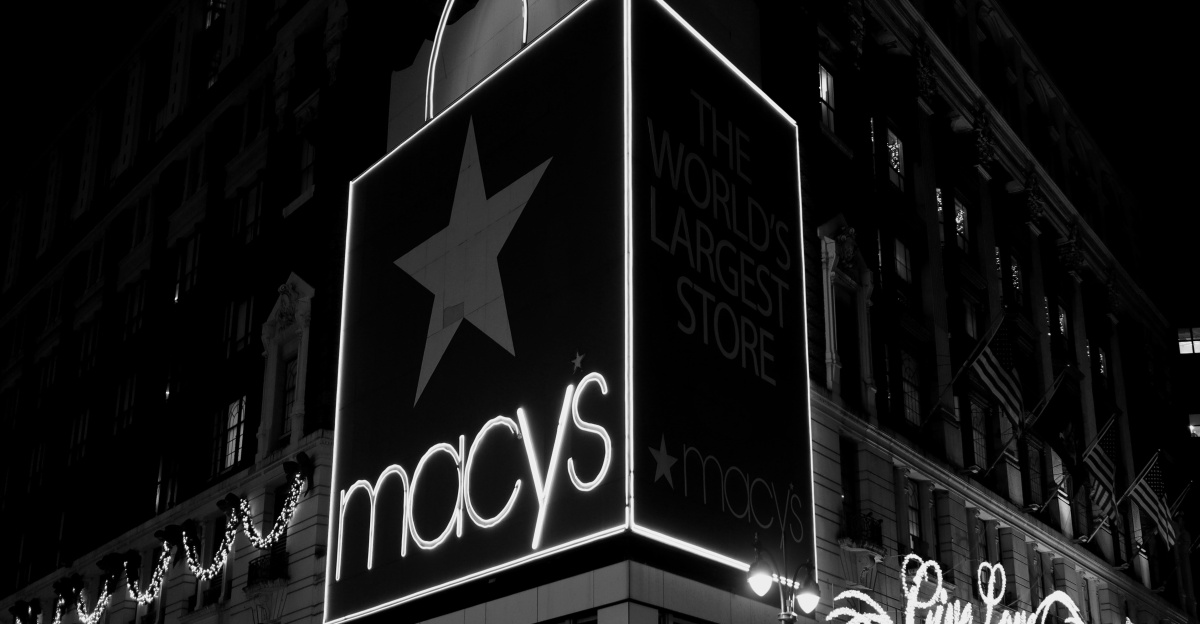
Victoria’s Secret’s closure strategy reflects the struggles of struggling malls. When major department stores like Macy’s close, foot traffic collapses, hurting smaller retailers.
Approximately 25% of U.S. malls are facing serious problems, particularly in smaller markets. Many Victoria’s Secret locations sit in vulnerable properties where competitor closures accelerate decline.
Regional recovery remains uneven after 2017–2019 store closures. Strategic store selection is now essential for survival as mall exposure compounds risk.
The Comeback Narrative
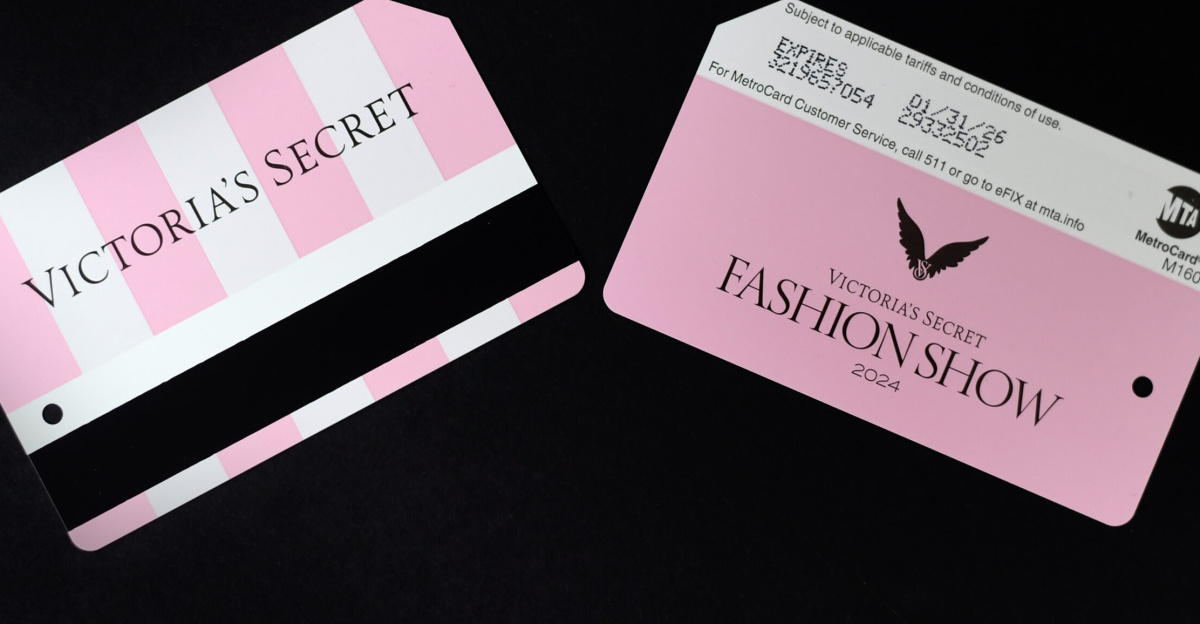
Victoria’s Secret is fighting back. In October 2025, CEO Hillary Super (former Savage x Fenty leader) launched the brand’s first major fashion show in years.
The livestreamed event, broadcast across Instagram, YouTube, TikTok, and Prime Video, reached 61 million viewers in four weeks—a 60% increase from last year.
The show generated 51 billion media impressions and attracted 9 million new social media followers. Customer acquisition increased by 15%, demonstrating that the inclusivity shift is effective.
Product Diversification
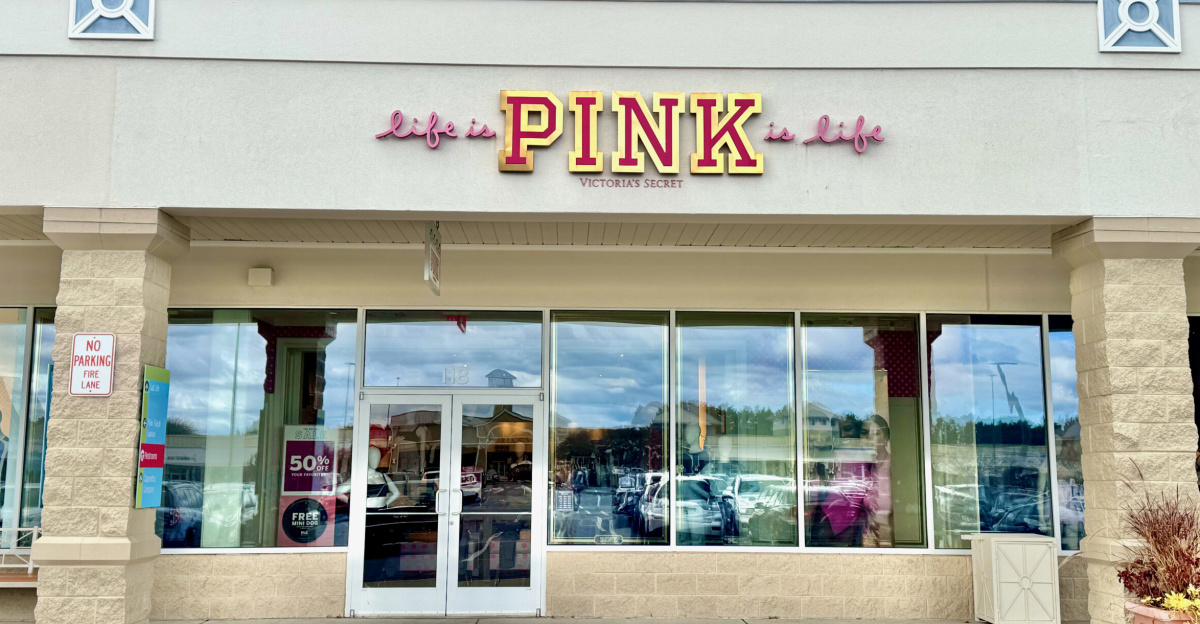
Fewer stores paired with more products. Victoria’s Secret’s 2025 “Path to Potential” strategy focuses on four areas: bra expertise, PINK revival, beauty growth, and brand evolution. Q3 proved it works: PINK intimates returned to growth after years of decline.
Beauty sales expanded significantly. Sportswear and sleepwear broadened the customer base beyond lingerie shoppers. U.S. market share grew 1%. Product variety reduces mall dependency and fights e-commerce competitors.
International Growth Engine

International expansion offsets store closures in North America. Q3 international sales jumped 34%, driven by strong digital sales during China’s 11.11 Singles’ Day shopping event. Three consecutive quarters of double-digit international growth demonstrate that the Asia-Pacific pivot is effective.
The company raised full-year guidance to $6.45–$6.48 billion, reflecting confidence in geographic diversification. International stores generate more profit per location and face less retail competition than U.S. markets.
The Mall Domino Effect
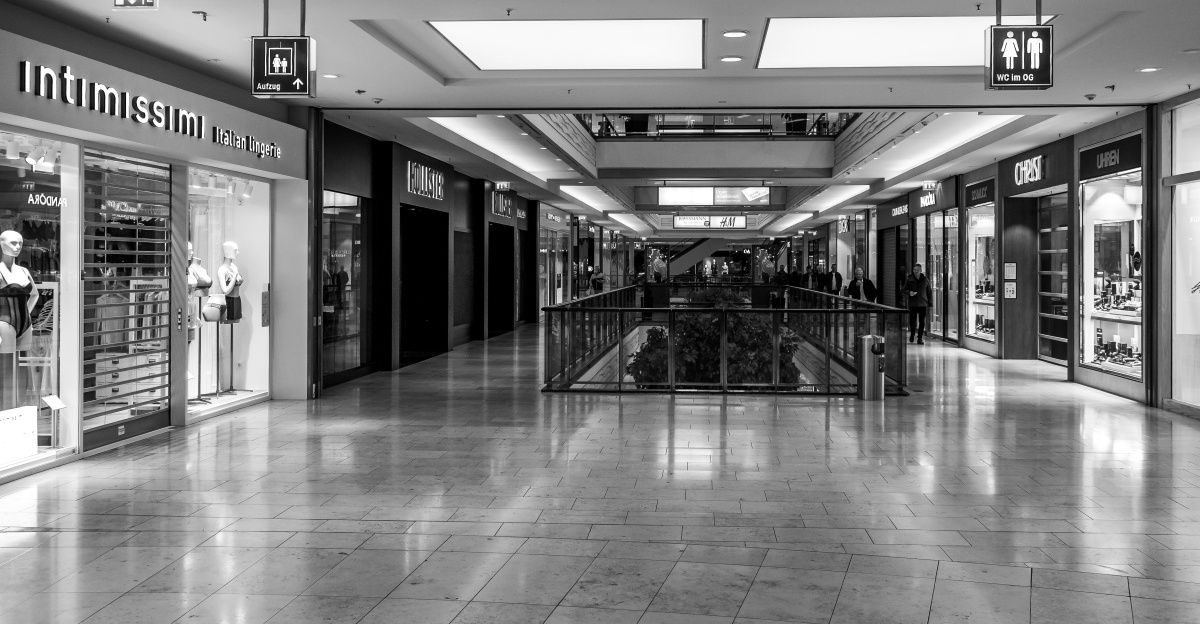
Store closures accelerate mall decline. When Victoria’s Secret shuts a 3,000–5,000 square foot location, nearby shops lose customers.
Property owners face pressure to repurpose empty spaces or accept higher vacancy rates. Smaller closures cascade as traffic drops.
However, some mall owners (like C Properties, managing 155 million square feet) report recovery by converting anchor spaces into entertainment and fitness destinations. Victoria’s Secret closures drive structural mall transformation.
Franchisor Tensions

Franchisees face mounting pressure behind the scenes, as evidenced by the earnings reports. Many Victoria’s Secret operators run franchise locations where profit margins fell after the pandemic.
Sales stalled while rent, utilities, and labor costs remained high. Company-ordered closures signal that weak locations face termination, creating renewal anxiety. The Street article doesn’t report specific franchise complaints, but industry practice indicates that franchisors typically absorb closure costs.
A company that focuses on flagship stores may reduce franchisee profits if high-traffic locations are shifted to corporate control.
Leadership Overhaul
Hillary Super’s 2024 CEO appointment signaled a shift in institutional leadership. She replaced the leadership that oversaw years of decline and failed rebranding.
Super, who built Savage x Fenty into a cultural powerhouse, appealed to younger shoppers. She hired Adam Selman (Savage x Fenty creative) as creative director, signaling genuine inclusivity over fake campaigns.
Super and CFO Scott Sekella improved gross margins by 170 basis points despite tariff pressure. Leadership stability contributed to store closures and the success of fashion shows.
E-Commerce & Omnichannel

Store closures accelerate Victoria’s Secret’s digital pivot. The company partnered with Google Cloud in 2024 to deploy AI-powered search, browsing tools, and an AI chatbot that mimics in-store service at scale.
Vertex AI Search for retail speeds product discovery and personalizes recommendations. Digital channels are expected to capture growing sales as the company upgrades its omnichannel strategy.
“Store of the Future” locations serve as both fulfillment hubs and brand showcases, rather than pure transaction centers.
Analyst Skepticism Persists

Wall Street remains unconvinced despite strong Q3 results. EY analyst Jon Copestake says “stores are valuable assets,” but questions whether Victoria’s Secret can sustain momentum amid tariff uncertainty, mall fragility, and competition from Aerie, Savage x Fenty, and digital-first brands.
Analysts worry tariffs will resurface in Q4 and 2026, eroding profit gains. The consensus is that 2025 will be a bottom year; recovery depends on Q4 sales and international growth. A guidance of $350–$375 million in operating income seems ambitious.
The Retail Reinvention Question
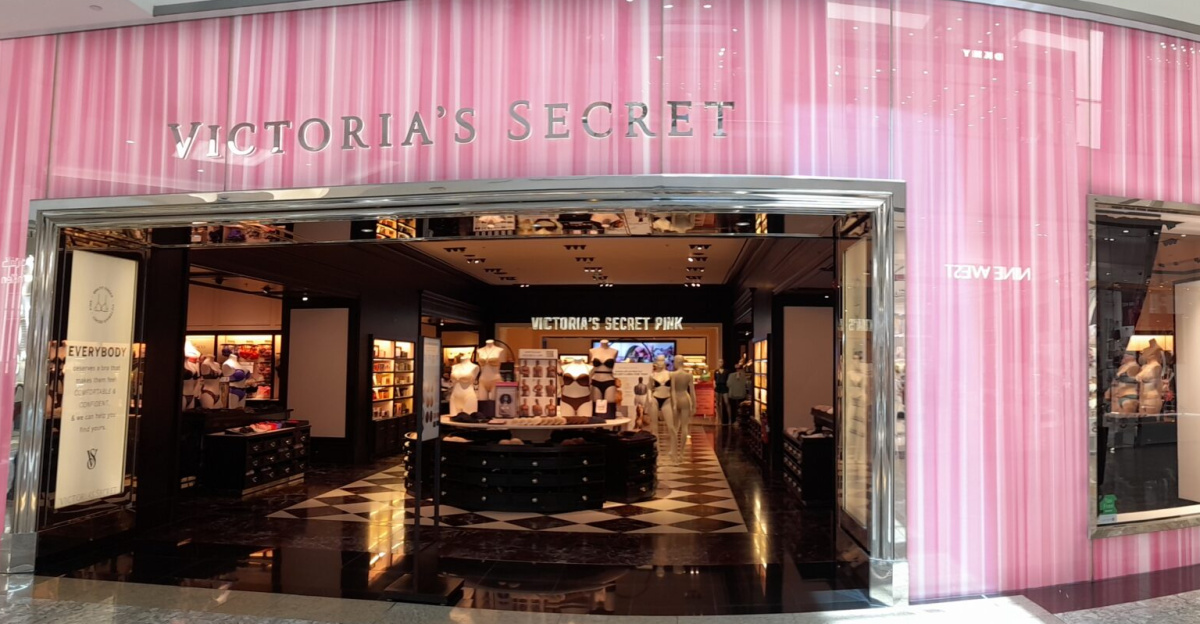
Victoria’s Secret’s 30-store closure reflects a broader retail shift: Will physical stores become luxury experiences rather than transaction centers?
The brand closed weak locations while investing in modernized flagships, fashion shows, and digital tools. This strategy mirrors Nordstrom—fewer, higher-productivity stores. However, risks exist: fashion shows can fail, tariffs remain volatile, and mall recovery is uncertain.
Will 9,200 net 2025 closures reshape retail into three tiers: flagship experiences, budget convenience, and digital-first? Victoria’s Secret bets yes.