The dealership’s doors were locked on November 3, 2025. Customers stood outside, confused and frustrated, unsure of why they couldn’t pick up their new cars or get their vehicles serviced. Word spread quickly that a local Michigan dealership had been temporarily shut down by the Michigan Department of State. No one expected it—especially not after the dealership had promised to clean up its act. But there was more to the story, and the fallout was about to unfold in ways nobody could have predicted.
What caused the shutdown? What had happened inside the dealership that led to this dramatic move? The answer wasn’t just about mismanagement. It was about something far more serious—something that would leave many consumers wondering whether they had been defrauded.
Sudden Suspension of Dealership
On November 3, 2025, the dealership’s license was suspended by the Michigan Department of State. The suspension followed an investigation into the dealership’s practices, leading to a temporary shutdown.
Customers who arrived for service or to pick up vehicles were met with locked doors. The abrupt action raised concerns among local residents and customers about the dealership’s future.
Unanswered Questions Spark Customer Confusion

As news of the suspension spread, customers were left uncertain about their pending transactions. Some arrived to pick up vehicles or finalize deals, only to find that the dealership could not conduct any business.
The lack of communication from the dealership added to the confusion, with many customers left wondering how the situation would impact their service or purchases.
State’s Investigation Exposes the Fraud
State officials revealed that the dealership had been selling loaner vehicles as new. These vehicles, initially registered for temporary use as loaners, were resold as “new” even after accumulating miles.
During a September 2025 inspection, more than 24 instances of this practice were found, including a vehicle with 6,000 miles on the odometer, which was sold as new.
The Practice Explained

The dealership had been registering new vehicles in its name, using them as loaners for customers. After these vehicles accumulated mileage, they were sold as “new” despite being technically used.
According to Michigan law, vehicles used as loaners must be sold as used cars, even if they still qualify for new vehicle warranties. The dealership ignored this rule, continuing the fraudulent practice despite prior warnings.
Regulatory Warnings Ignored—LaFontaine Chevrolet Buick GMC

The initial discovery of the practice in 2024 prompted action from both Michigan regulators and the Michigan Auto Dealers Association.
A statewide warning was issued to all dealerships, urging them to stop selling loaners as new or face severe penalties. Despite this, LaFontaine Chevrolet Buick GMC continued its illegal practice, which led to a probation period that was quickly violated.
Probation Violated, Leading to Suspension
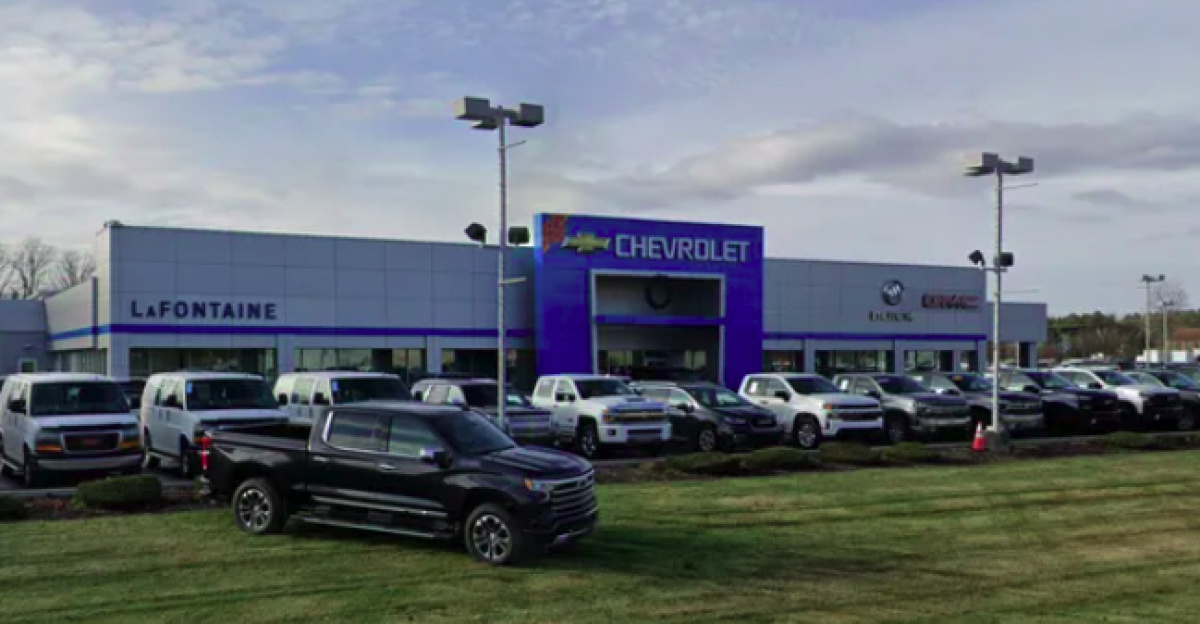
LaFontaine Chevrolet Buick GMC had been placed on probation for 18 months starting in December 2024, following the discovery of their illegal practices. However, after a follow-up inspection in September 2025, state investigators found more than 24 additional violations.
The continued illegal sales led to the dealership’s suspension in November 2025, with the state deeming the ongoing practice a risk to public trust and safety.
The Dealership’s Defense
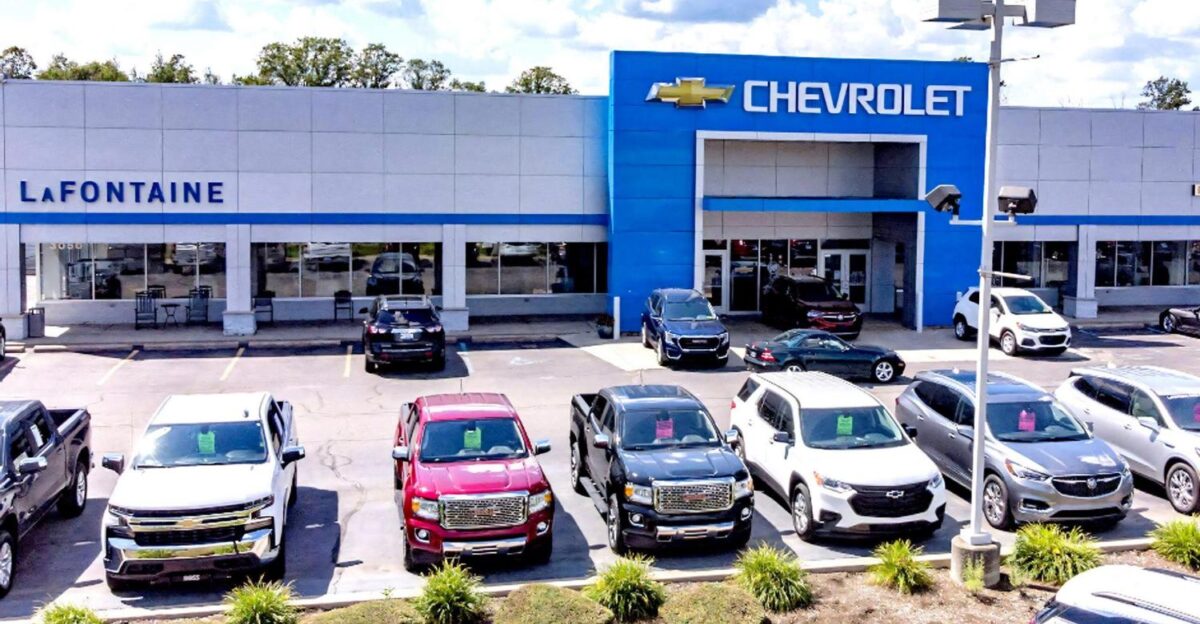
In response to the suspension, LaFontaine Automotive Group defended its actions, claiming that the issue arose from a “clerical error” and confusion between manufacturer programs and Michigan’s regulatory requirements.
The dealership argued that, under manufacturer guidelines, loaner vehicles qualify as new vehicles and are eligible for new vehicle warranties, despite being sold as used under state law.
State’s Position on the Violations

Michigan officials insisted that LaFontaine’s actions violated state law by misrepresenting used vehicles as new on title and registration documents.
State officials stated that LaFontaine had received ample warnings and training, yet chose to continue the practice. The violations were considered severe enough to prompt emergency action, including the dealership’s suspension.
A Pattern of Compliance Issues

This was not LaFontaine’s first regulatory issue. In December 2024, another LaFontaine dealership, LaFontaine Hyundai in Livonia, faced a similar suspension for selling used cars as new.
The pattern of violations at two locations suggests systemic issues in the dealership group’s understanding of state-specific regulations regarding vehicle classification.
Buyer Awareness: What to Look For

Consumers are advised to carefully review all paperwork when purchasing a vehicle, especially in cases where the vehicle may have been a loaner or rental.
It’s essential to verify that the vehicle is correctly classified on title documents, as this could affect its resale value and warranty coverage. Potential buyers should ask questions about a vehicle’s history before committing to a purchase.
LaFontaine’s Ongoing Compliance Efforts
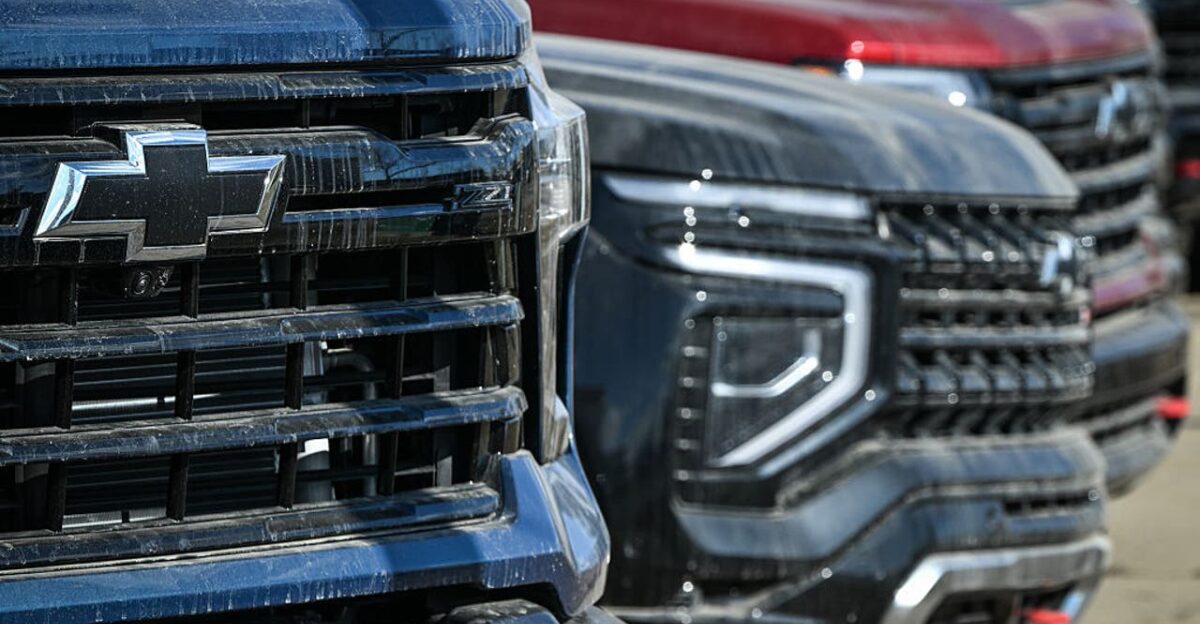
After the suspension, LaFontaine worked quickly with the Michigan Department of State to reach an agreement, which included a $25,000 fine, extended probation, and additional training.
Despite the suspension, the dealership reopened for business, now under stricter oversight. This marks the beginning of a more stringent regulatory period for the dealership.
The State’s Continued Vigilance
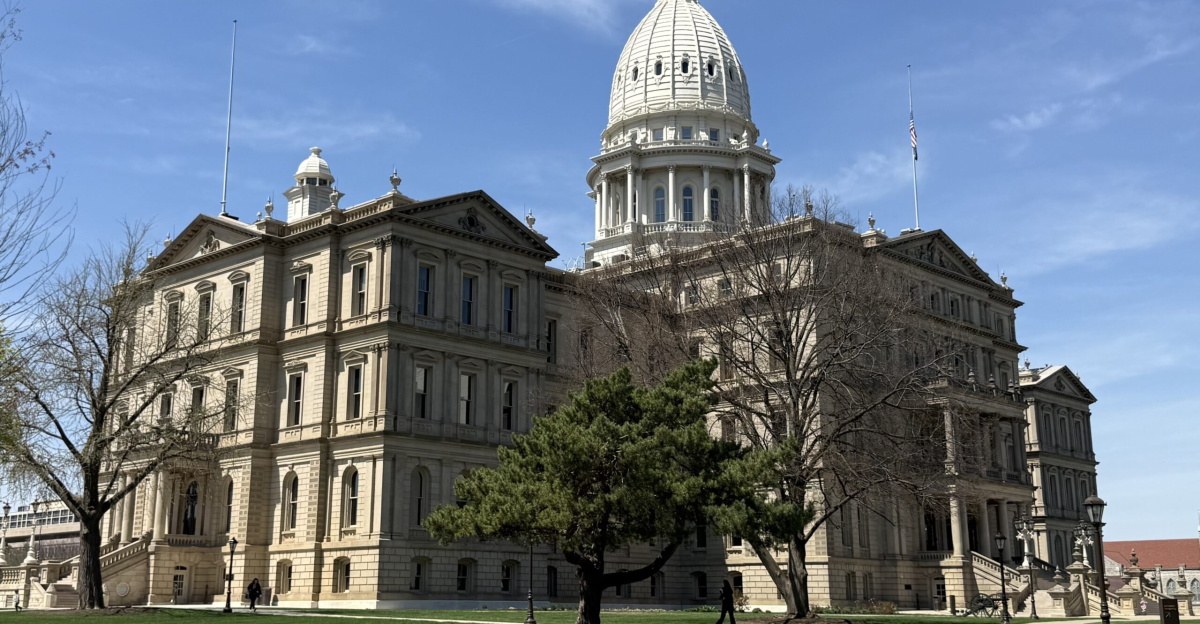
The Michigan Department of State emphasized that the dealership’s actions were a violation of consumer trust and the law.
They also reiterated that such fraudulent practices will not be tolerated, urging consumers who believe they were affected by the fraudulent sales to come forward and file complaints with the Department of State’s automotive complaint line.
Will Michigan’s Laws Change?

This case highlights the ongoing tensions between state regulations and automaker programs, which often allow for flexibility in how vehicles are classified.
The question now arises: will Michigan revise its titling laws to better align with other states and automaker guidelines? For now, consumers must remain vigilant and ensure they are fully informed about the vehicles they purchase.
Lessons for Consumers and Dealers
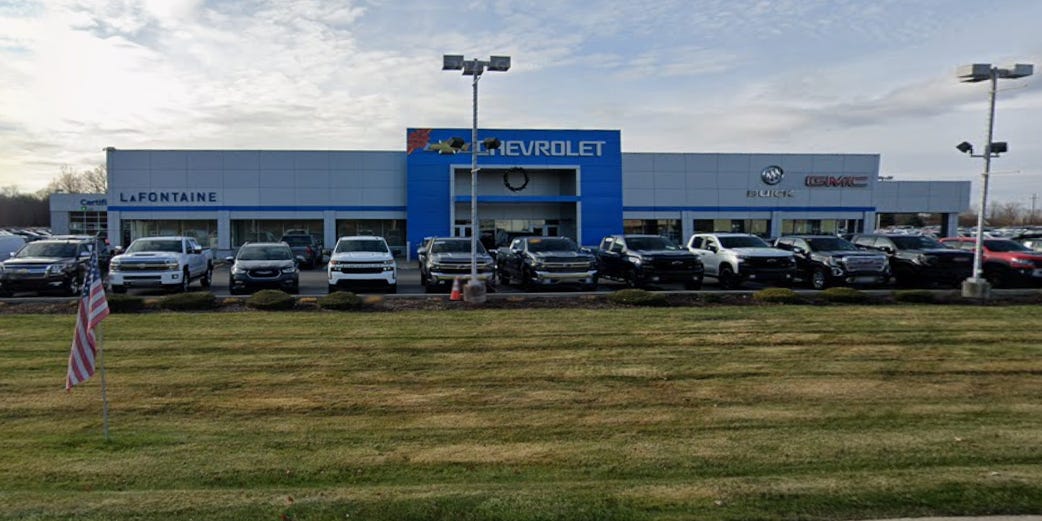
The LaFontaine case serves as a cautionary tale for both car buyers and dealerships. It’s essential for consumers to be aware of how vehicles are classified under Michigan law and to ask questions about any vehicle’s history.
Dealers must ensure they are in compliance with state-specific titling requirements to avoid severe legal and financial repercussions.
The Bigger Picture
As Michigan regulators continue to crack down on fraudulent vehicle sales, the LaFontaine case brings to light the broader issue of industry-wide compliance.
How many other dealerships have engaged in similar practices, and what measures will be taken to prevent future violations? The fallout from this case is sure to influence both dealership operations and consumer expectations across the state.