
On October 23, 2025, the mood at Target’s Minneapolis headquarters shifted dramatically as the company announced it would eliminate 1,800 corporate jobs—its largest workforce reduction in a decade. As employees received the news, the weight of the cuts was felt across the building.
This wasn’t just a routine restructuring; it was a major shift for one of America’s most beloved retailers. The company’s once-solid foundation now showed cracks, signaling deeper challenges ahead. What prompted this drastic move, and what will happen to Target’s future?
Why Now? The Forces Behind Target’s Layoffs
The layoffs are a direct result of stagnant sales, a 65% drop in stock value since 2021, and the need to streamline operations.
Target aims to adapt to changing consumer habits while competing against giants like Walmart and Amazon, which have been more agile in their strategies.
Direct Consumer Impact: What Shoppers Will Notice
Target’s focus on improving operational efficiency may lead to noticeable changes for customers. The company might experience delays in the launch of new products, and fewer in-store innovations could result in less engaging shopping experiences.
As the corporate restructuring continues, shoppers may encounter slower service and changes in the availability of certain items across Target’s nearly 2,000 stores.
Corporate Response: Restructuring Across Departments

The layoffs affected various corporate departments, including engineering, product design, analytics, and HR, with leadership roles cut at a higher rate than other positions.
Remaining employees now face increased workloads and a growing sense of uncertainty. Target is working to rebuild morale while accelerating decision-making processes to navigate the challenges ahead.
Adjacent Markets: Competitors and Substitutes React

As Target downsizes, competitors such as Walmart and Amazon are in a prime position to capture market share.
Walmart, which has seen a stock rise of 110% during the same period that Target’s stock has plummeted, is benefiting from Target’s operational struggles. Smaller retailers and e-commerce platforms could also capitalize on Target’s missteps, as consumer loyalty shifts.
International Trade: Global Sourcing and Supply Chain
The layoffs could have global implications, especially for Target’s international supply chain. Reduced corporate headcount may slow the company’s ability to renegotiate supplier contracts, impacting manufacturers and logistics partners worldwide.
This shift could lead to delays in the production and delivery of goods, both domestically and overseas.
Human Impact: Stories from Inside Target

The restructuring process includes 1,800 job cuts, including approximately 1,000 layoffs of long-tenured employees. Some employees were informed of their fate through glitchy Zoom calls, increasing stress and anxiety.
Although severance and benefits are guaranteed through January 3, 2026, many workers now face an uncertain future in an increasingly competitive job market.
Policy and Political Ripples: Local and State Response

Minnesota state officials are closely monitoring the layoffs, given that Target is the state’s fourth-largest employer. With WARN notices filed for 815 lost jobs in Minneapolis and Brooklyn Park, policymakers are contemplating economic support and retraining initiatives.
The state government may need to step in to assist those affected and mitigate the broader economic impact.
Economic Ripple: Broader Signs of White-Collar Strain
Target’s layoffs are part of a larger trend of white-collar job cuts across industries, with companies like Amazon and UPS following similar strategies.
Though Minnesota’s unemployment rate remains lower than the national average, long-term joblessness is increasing, particularly in management and IT. These layoffs may signal broader economic headwinds, as large companies rethink their workforce strategies.
Retailer Strategies: How Others Are Adapting

Many of Target’s competitors, including Walmart, Best Buy, and Starbucks, are also undergoing corporate restructurings.
These companies are redirecting resources into technology, supply chain improvements, and customer experience to remain competitive in a market that is becoming more focused on efficiency and cost-cutting. This trend reflects a broader shift in the retail industry.
Hospitality and Restaurant Shifts: Indirect Effects

While Target’s cuts focus on corporate roles, the ripple effect extends to the hospitality and food-service industries.
As consumer spending tightens, restaurants and fast-food chains may face decreased demand, leading to fewer large orders for catering or events. Suppliers to these sectors may also feel the pinch, seeing a reduction in bulk orders as discretionary spending shrinks.
Knock-On Industries: From Tech to Logistics

The layoffs are hitting teams across engineering, analytics, and product management, which could affect Target’s tech and logistics vendors.
As corporate spending slows, companies providing software, marketing services, and consulting may see reduced contracts. Local service providers in Minneapolis and beyond could experience a decrease in business as Target downsizes its operations.
Global Consumer Impact: Shoppers Worldwide

Target’s restructuring and cuts may lead to changes in product availability and pricing for international consumers, especially for its exclusive private-label goods.
Overseas suppliers might face reduced orders, and global shoppers may notice fewer Target-exclusive items in their markets as the company focuses on core categories and cost reduction.
Health and Lifestyle: Changing Shopping Habits
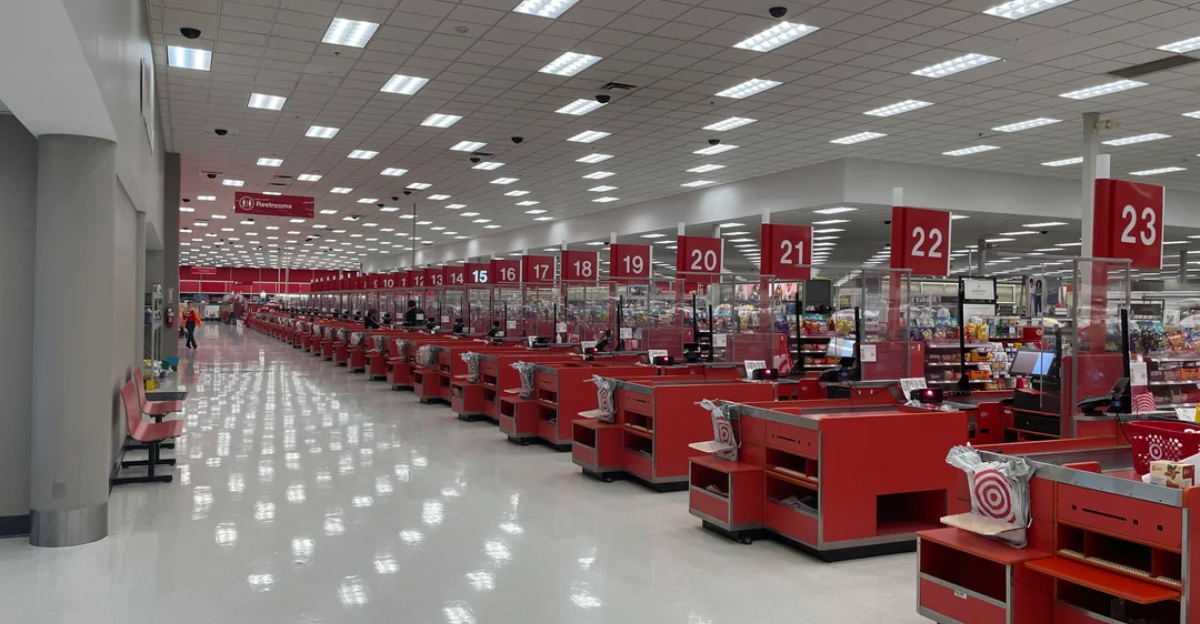
With 50% of Target’s sales coming from discretionary items, the company is feeling the effects of shifting consumer habits.
As inflation and tightening budgets influence spending, shoppers are gravitating toward essentials, forcing Target to rethink its product offerings. The company’s shift toward core categories will likely shape the way consumers shop for clothing, electronics, and home goods.
Cultural and Environmental Debate: Corporate Identity
Target’s restructuring comes at a time when the company is facing public backlash over its diversity, equity, and inclusion policies.
The layoffs have sparked renewed debate about corporate responsibility, workplace culture, and the balance between efficiency and employee well-being. The retailer’s brand identity is at a critical juncture, with its corporate values under intense scrutiny.
Winners and Losers: Unexpected Outcomes
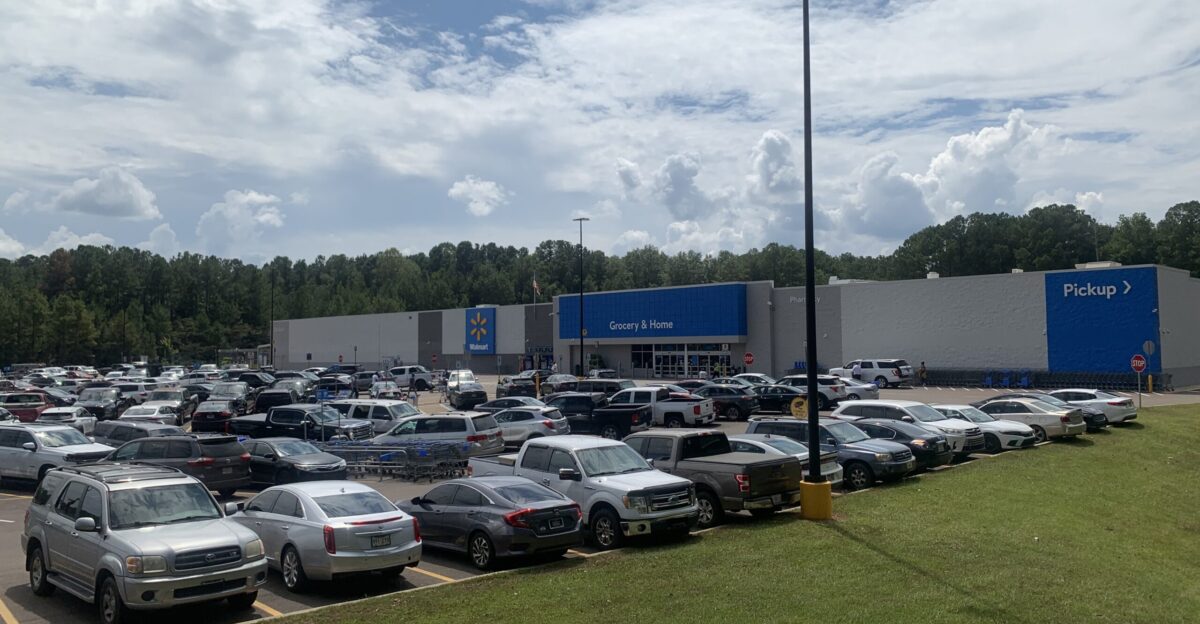
While laid-off employees and Minneapolis face the brunt of the cuts, competitors such as Walmart could benefit from Target’s struggles.
Walmart has outperformed Target with a 110% stock increase during the same period. Meanwhile, smaller companies and some vendors might capitalize on Target’s reduced market share, shifting consumer loyalty in their favor.
Financial Market Speculation: Investor Reactions

Target’s 65% stock decline since 2021 has caught the attention of investors.
While some analysts view the layoffs as a necessary step for restructuring and cost-saving, others fear that long-term brand erosion and market share loss could continue. Target’s ability to recover remains uncertain as its stock struggles to regain momentum.
Consumer Advice: Navigating the Changes

Shoppers should be prepared for potential changes at Target, including slower product rollouts and possible delays in restocking.
With the company focusing on efficiency, customers might also find fewer new product launches and a shift in product selection. However, there may be opportunities for bargain hunters, as clearance sales could increase.
What’s Next? Target’s Road Ahead

Michael Fiddelke takes over as CEO on February 1, 2026, facing the daunting task of navigating Target through a challenging period.
With a focus on agility and operational efficiency, the company aims to regain customer trust and market share. The road ahead will test Target’s ability to adapt to shifting retail dynamics and consumer demands.
The Broader Reflection: Ripples Across America
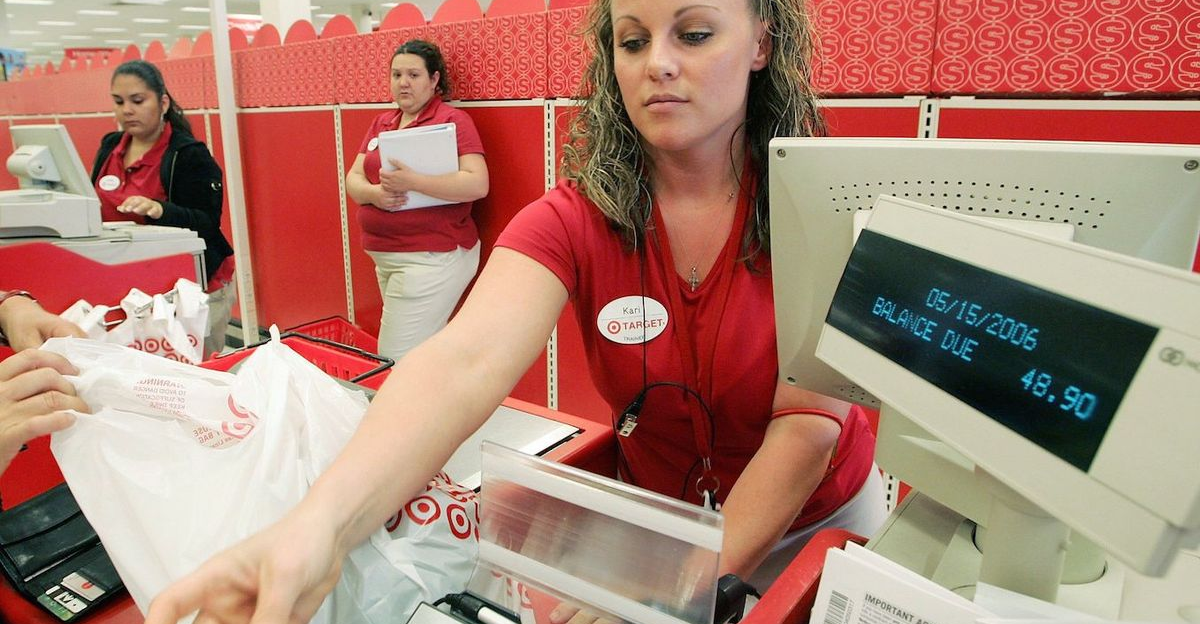
Target’s layoffs highlight a larger trend affecting not only retail but also the future of work in America. From Minneapolis to global markets, the decision reverberates, demonstrating how a single corporate move can reshape industries, economies, and communities.
As the retail landscape evolves, Target’s story may serve as a cautionary tale of how quickly a market leader can lose its footing.