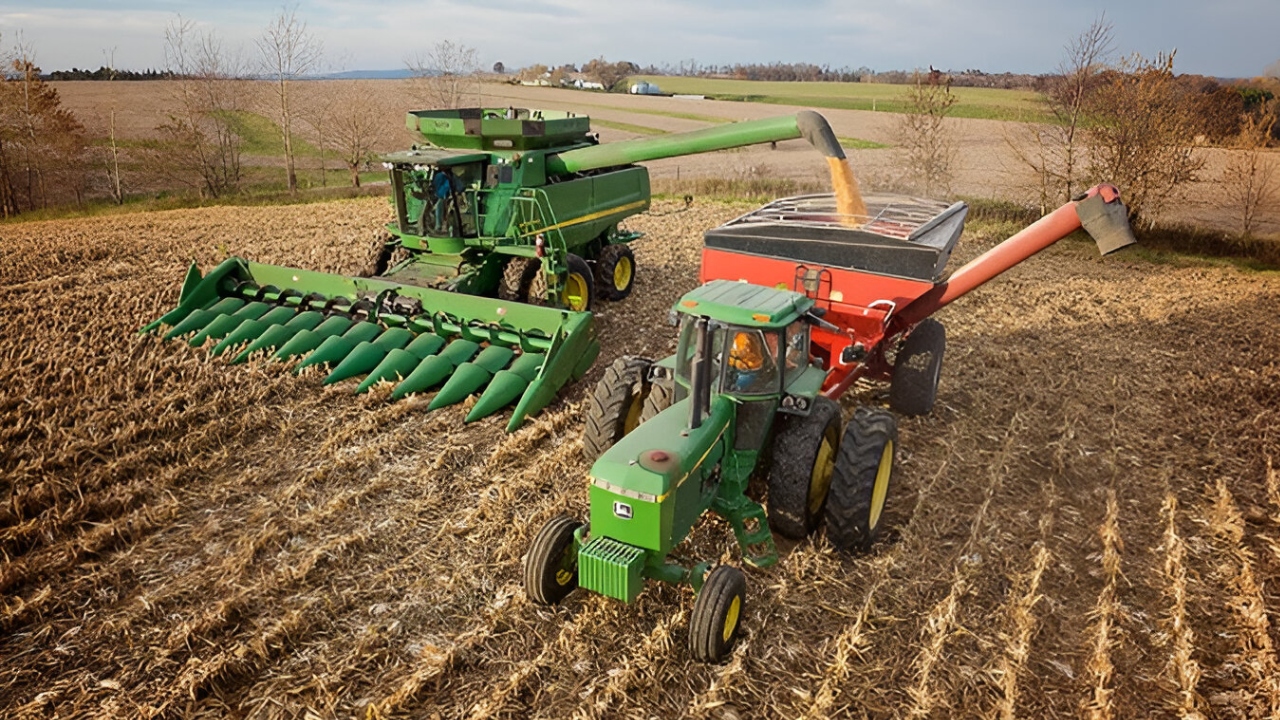
Farmers across the Midwest and South faced a sudden financial crisis in late October when payments for their harvested grain failed to arrive. From Nebraska to Texas, producers who had delivered crops to a major grain buyer found themselves waiting for checks that never came. Phone calls to the company went unanswered, and as days passed, concern turned to alarm. By early November, the scale of the problem became clear: thousands of farmers and agribusinesses were owed millions, with no explanation in sight.
Mounting Losses and a Growing List of Victims
When the creditor list finally surfaced, it revealed the breadth of the disaster. Kansas alone had 128 unpaid creditors, Nebraska 87, and Texas 72. The list included both small family farms and agricultural giants—Cargill was owed $2.6 million, while Viterra Canada awaited $4.7 million. Beyond the largest claims, there were dozens of pages of smaller operations, all left in limbo after trusting the wrong buyer. In total, court documents would later show liabilities between $100 million and $500 million, with as many as 5,000 creditors affected.
A Warning Ignored and a Swift Collapse
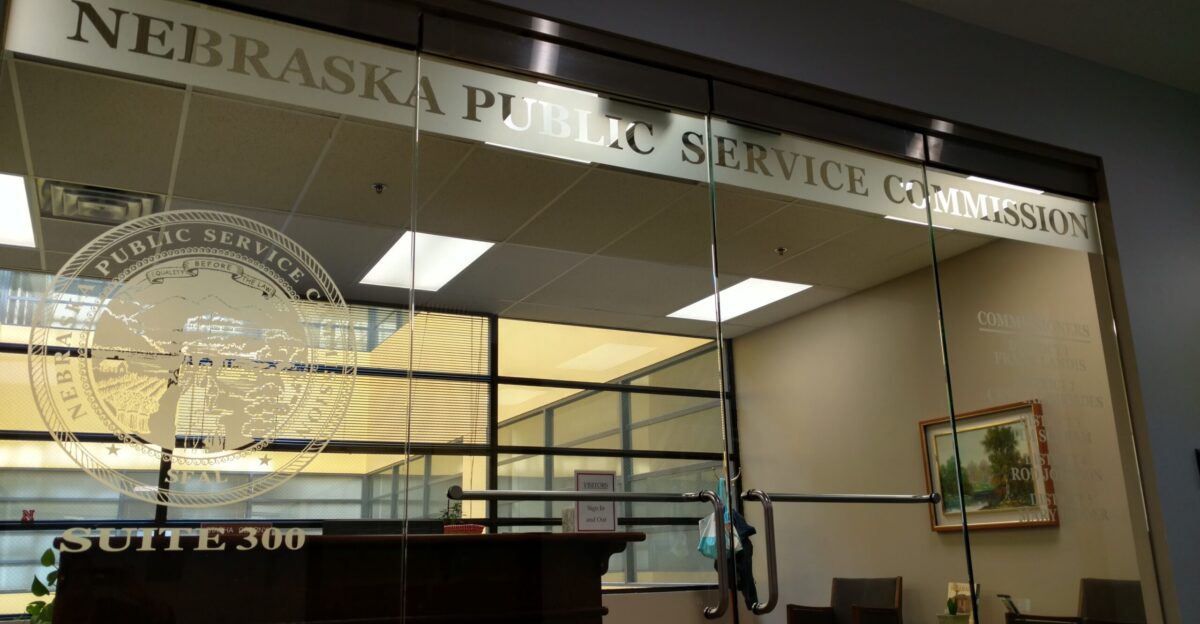
The first official sign of trouble came on October 24, when Nebraska’s Public Service Commission suspended the grain dealer’s license after discovering $2 million in unpaid bills to 38 local farmers. The company’s license was reinstated less than two weeks later, after it agreed to pay restitution. But the reprieve was short-lived. On November 17, Hansen-Mueller Co., a major Omaha-based grain merchandiser, filed for Chapter 11 bankruptcy protection. The company’s CEO cited a rapid deterioration in finances following the license suspension, which triggered a wave of inquiries and halted cash flow.
Court filings revealed that Hansen-Mueller’s financial woes had been building for years. The company lost $15 million on a failed pasta plant venture and another $11 million on proprietary trading software. Recent tariff pressures and falling grain prices only deepened the crisis. With payroll obligations of $340,000 every two weeks and revenue drying up, bankruptcy became inevitable.
Bankruptcy Fallout: Farmers Left Waiting
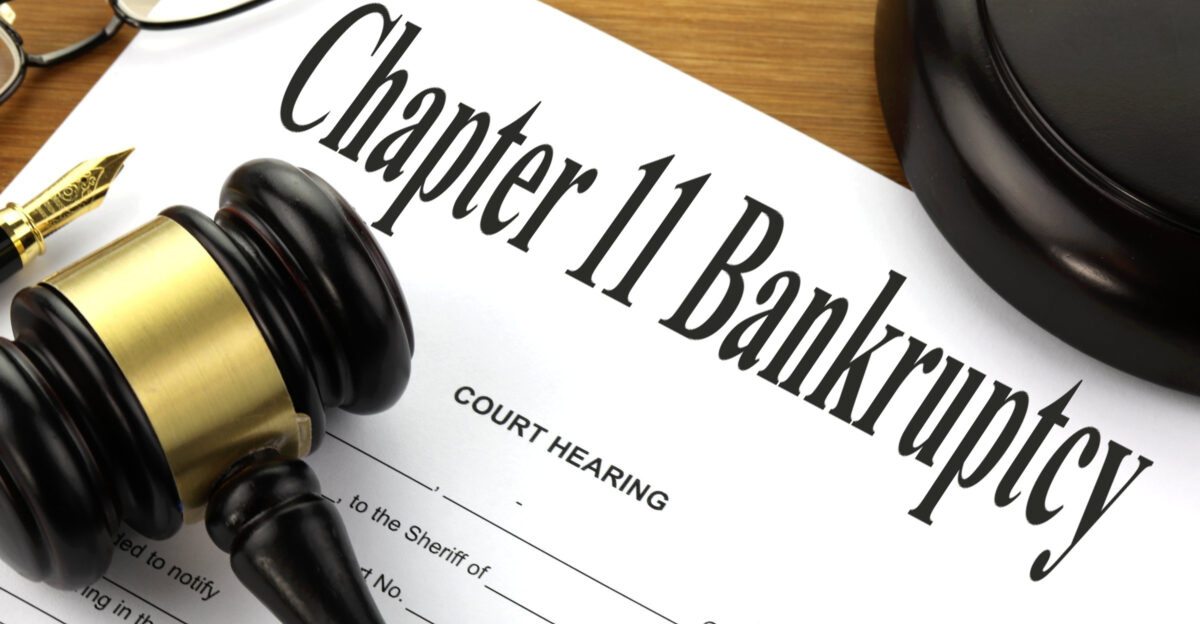
Despite the bankruptcy filing, Hansen-Mueller continued to operate as a “debtor in possession,” buying and selling grain while seeking buyers for its assets under court supervision. More than 30 potential buyers were identified, but the process offered little comfort to those already owed money. Under bankruptcy law, farmers who delivered grain before the filing are considered unsecured creditors, meaning they have no collateral and must wait behind secured lenders and post-bankruptcy suppliers for any recovery.
State indemnity funds, such as those activated in Minnesota, offered some hope of partial compensation. However, these funds typically cover only a fraction of losses and require extensive documentation, leaving many producers facing a bureaucratic maze while bills pile up.
A Systemic Shock to American Agriculture
The collapse of Hansen-Mueller is not an isolated event. Farm bankruptcies in 2025 have already surpassed the previous year’s total, with 181 Chapter 12 filings in the first six months alone—a 57 percent increase. Corn and soybean prices have plummeted by roughly 50 and 40 percent, respectively, since 2022, while input costs remain high. Agricultural lenders have warned of mounting working capital shortfalls, and Federal Reserve surveys show declining repayment rates across the sector.
For many farmers, the failure of a trusted grain buyer is more than a financial setback—it is a threat to their way of life. Grain buyers serve as the critical link between harvest and income, enabling farmers to pay loans, purchase equipment, and invest in the next season. When that link breaks, the consequences are immediate and severe. Some producers now face the prospect of selling land or equipment to stay afloat.
Legal Uncertainty and the Road Ahead
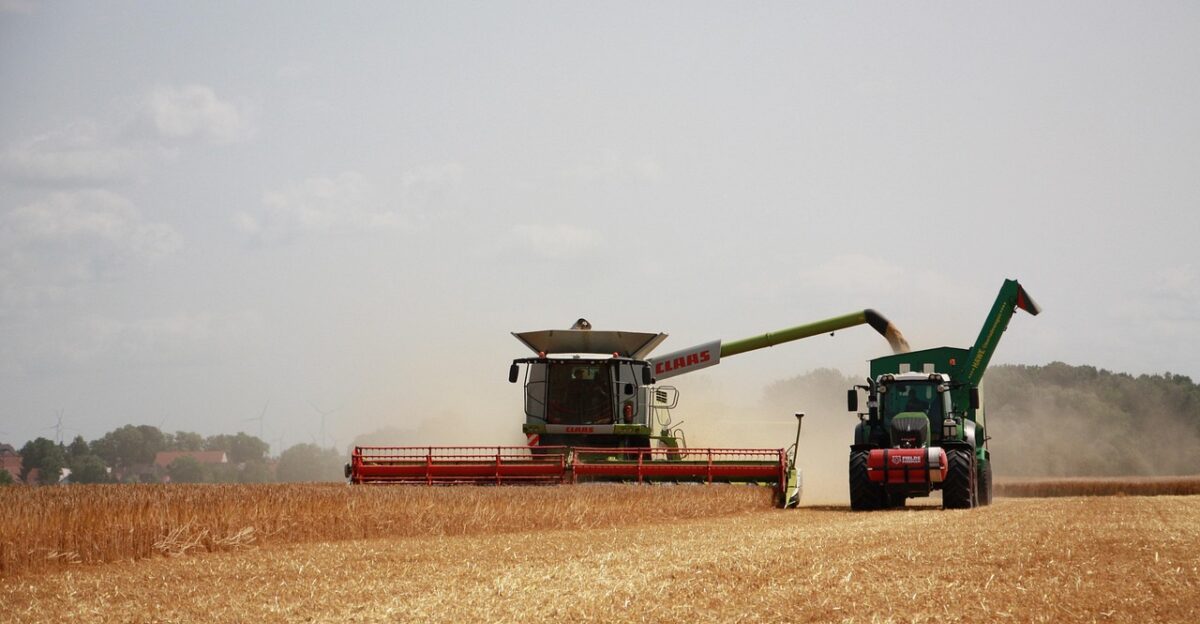
As bankruptcy proceedings unfold, multi-state investigations have been launched into Hansen-Mueller’s payment failures. Regulators in Minnesota, North Dakota, and Texas are examining whether the company’s actions violated state laws, which could affect how claims are prioritized and whether charges of fraud or mismanagement emerge.
Meanwhile, the company’s assets are being prepared for auction, with more than 30 potential buyers expressing interest. But bankruptcy sales are unpredictable, and it remains uncertain how much will be recovered—or when. Industry experts estimate unsecured creditors may receive only 10 to 30 cents on the dollar, depending on the outcome of asset sales and the costs of administration.
A Fragile Trust and Lessons for the Future

The Hansen-Mueller collapse has shattered a core assumption in American agriculture: that grain elevators and buyers are stable, trustworthy partners. Even large corporations like Cargill were left exposed, raising questions about how individual farmers can assess the financial health of their buyers. Advisors now urge producers to diversify sales, scrutinize contracts, and understand state protections, but for many, the damage is already done.
As the legal process grinds on, thousands of farm families remain in financial limbo, waiting for answers and hoping for relief. The crisis has exposed vulnerabilities in the agricultural supply chain and underscored the need for stronger risk management. For now, the future of many producers—and the communities they support—hangs in the balance, shaped by court decisions, auction results, and the resilience of those determined to survive another season.