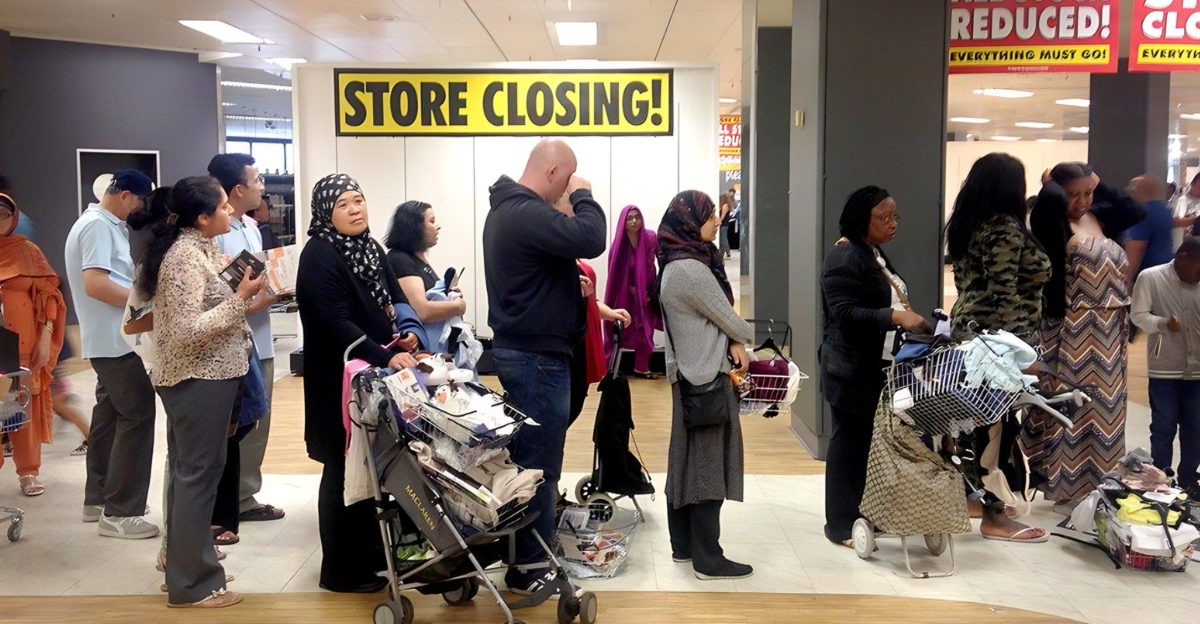
Across America, small independent grocers face an existential crisis triggered by the recent passage of the New Megabill. As the bill slashes federal support for programs like SNAP, many neighborhood grocery stores that rely heavily on these benefits have been forced into closure, unable to withstand the sudden loss of revenue.
With mass closures underway, worried communities are bracing for a future in which fresh food and the sense of neighborhood connection built around small markets may become far harder to find.
The Role of SNAP
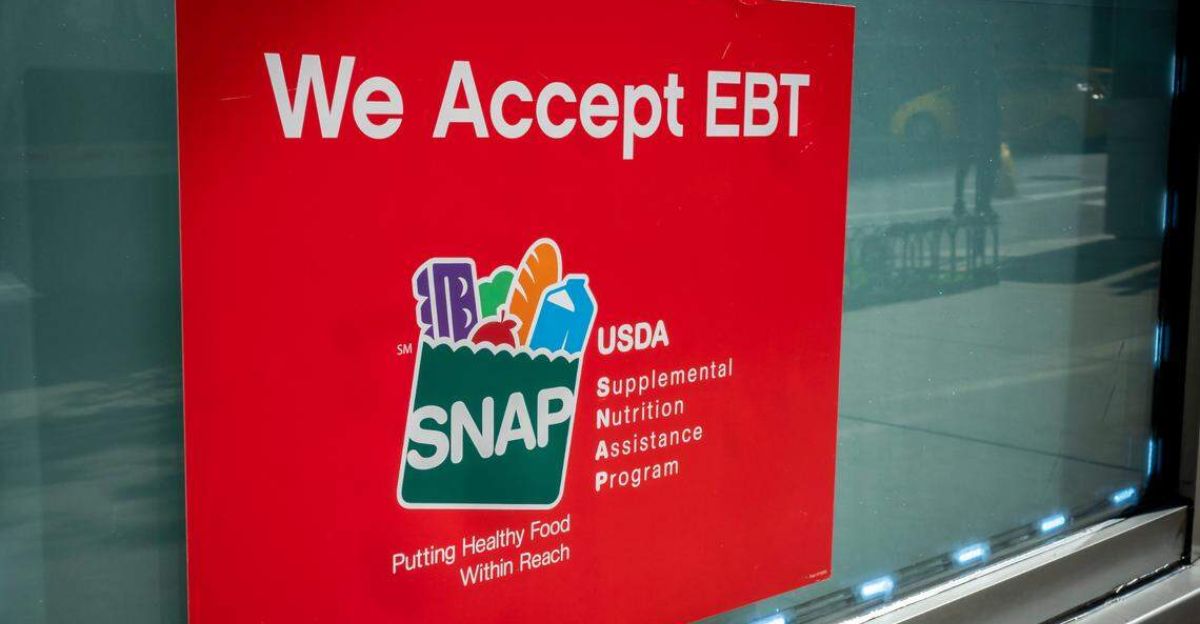
The Supplemental Nutrition Assistance Program, or SNAP, is the largest federal nutrition assistance initiative in the United States. It is designed to help low-income individuals and families afford healthy food. SNAP provides eligible households monthly benefits loaded onto an Electronic Benefit Transfer (EBT) card, which can be used like a debit card at authorized grocery stores and food retailers.
“We see very hardworking people who are using this program to try to feed their families and pay rent,” said Jimmy Wright, owner of a local supermarket.
Altered Work Mandates for SNAP Eligibility

Recent changes to SNAP eligibility have significantly altered work mandates, imposing stricter requirements on many recipients. Under the newly enacted legislation, able-bodied adults without dependents must work, volunteer, or participate in a training program for at least 80 hours each month (about 20 hours per week) to maintain their benefits.
The expansion means that even adults up to age 64, as well as parents with older children and specific groups like veterans and individuals experiencing homelessness, must now comply with these mandates, eliminating previous exemptions for many.
Economic Domino Effect

When low-income families lose SNAP benefits, their ability to purchase groceries diminishes, which leads to a sharp drop in sales for small retailers, many of whom get over half their business from SNAP transactions.
The collapse of grocery stores in rural and underserved communities threatens to deepen food insecurity, shrink tax revenues, and erode the economic foundation for other local businesses. “If we start dropping in revenue, we’ll have to find ways to compensate for that to keep going,” said Wright.
Mass Closures Begin in August
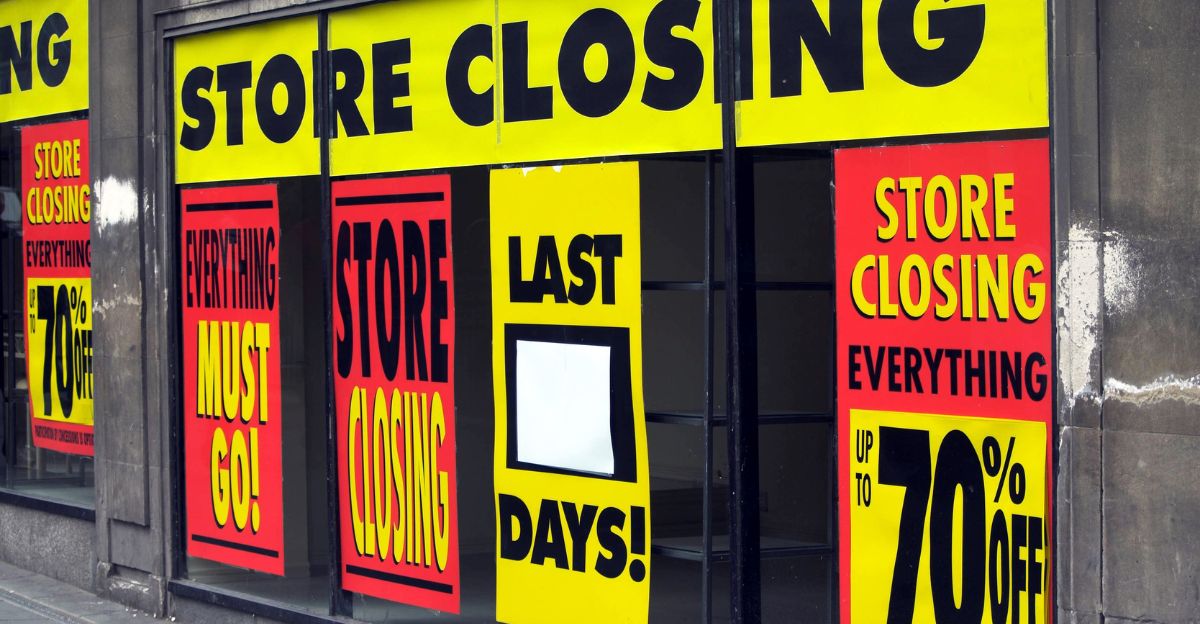
The first wave of mass closures among small grocers began in August 2025, directly tied to the implementation of the new legislation slashing SNAP benefits and tightening eligibility requirements. Unlike large chains, these stores operate on razor-thin profit margins and often rely on SNAP for as much as 70% of their sales in the hardest-hit areas.
Store owners describe a sudden and severe drop in revenue, which has left many with no option but to close their doors permanently. Families are forced to travel farther to find groceries, deepening the threat of food deserts and straining surrounding retailers.
Rural America Feels the Strain
For many small towns, local grocery stores are more than just places to buy food. When SNAP benefits were slashed, rural families lost not just food security but also everyday access to essential goods as their local stores shuttered due to lost revenue.
With fewer stores and longer travel distances, families face increasing difficulty finding affordable, nutritious food, intensifying the risk of food deserts. Small businesses struggle to survive, threatening local jobs and the overall stability of rural economies.
The Reason Behind the Cuts
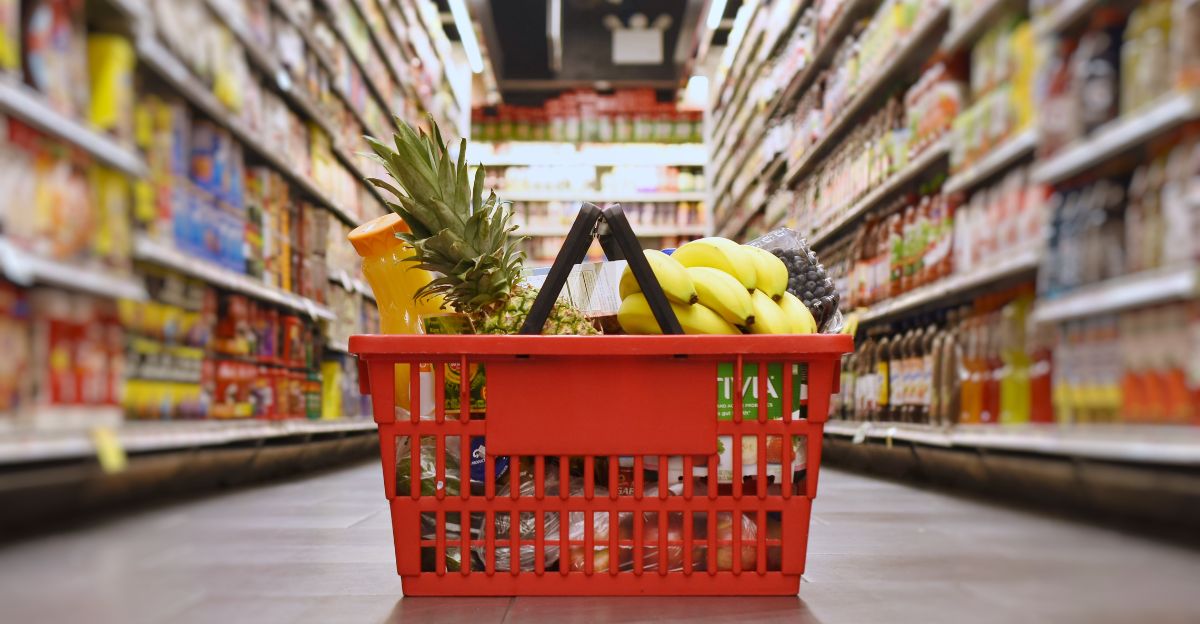
Republican leaders argue that the reforms will reduce fraud, increase workforce participation, and help offset the cost of recent tax cuts. They contend that the program has been poorly managed and discourages self-reliance. Public polling consistently shows broad opposition to steep SNAP reductions, with most Americans favoring the preservation or expansion of food assistance rather than cuts.
As debates rage in Congress and statehouses, SNAP has become a flashpoint for larger questions about America’s values, priorities, and the social safety net in a time of rising hardship.
Political Backlash
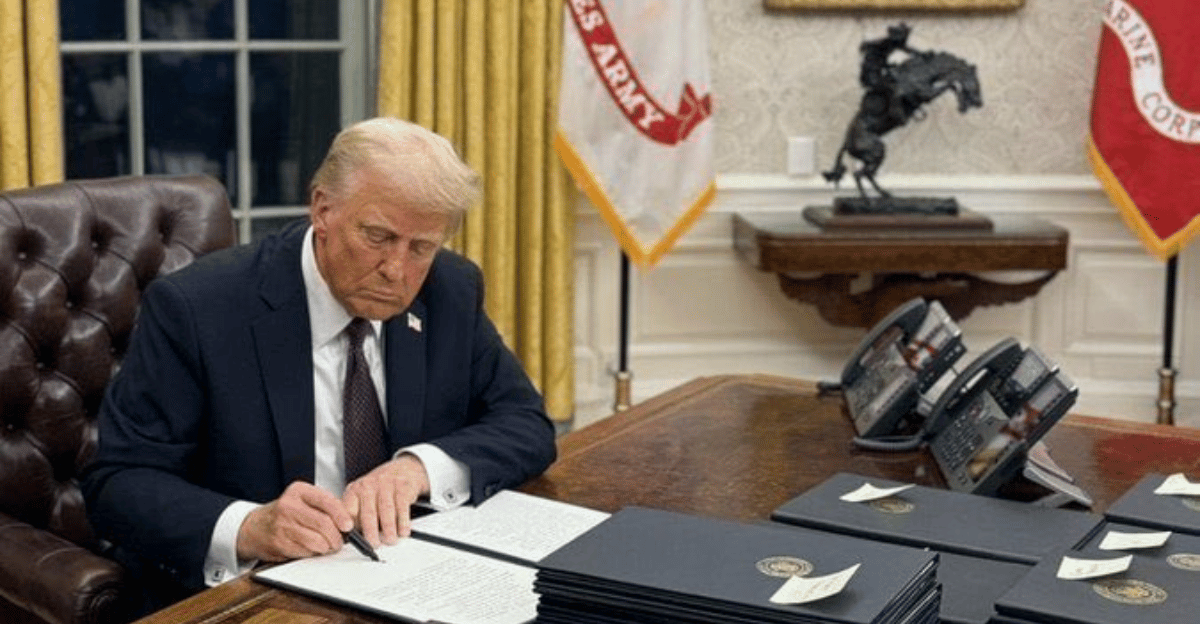
Several Republican senators, alarmed by the impact in their states, joined Democratic calls for scaled-back or delayed reforms, citing the crippling financial pressures these policies place on state budgets and rural communities. The backlash is also felt in statehouses, where lawmakers scramble to cover sudden budget gaps and avoid political fallout.
“These folks have huge barriers to work. It’s not that they are laying around on their couch and playing video games,” she said. “They’ve got addiction problems. They’ve got mental health problems. Saying ‘We’re going to take away your food and that’s going make you work’ defies logic.” said Diane Whitmore Schanzenbach, an economist at Northwestern University.
Loss of Choice, Loss of Dignity

Families with reduced or eliminated benefits are forced to stretch their already small budgets between food, rent, utilities, and medical bills. They often skip meals or settle for less nutritious options that undermine long-term health. With the closure of local grocers, residents lose their preferred place to shop and their ability to decide what foods best fit their tastes, cultures, and needs.
Local leaders, food banks, and advocacy groups report heartbreaking stories and mounting stress, warning that these changes will have lasting consequences for the spirit and cohesion of neighborhoods across America.
Chains Survive, Independents Collapse
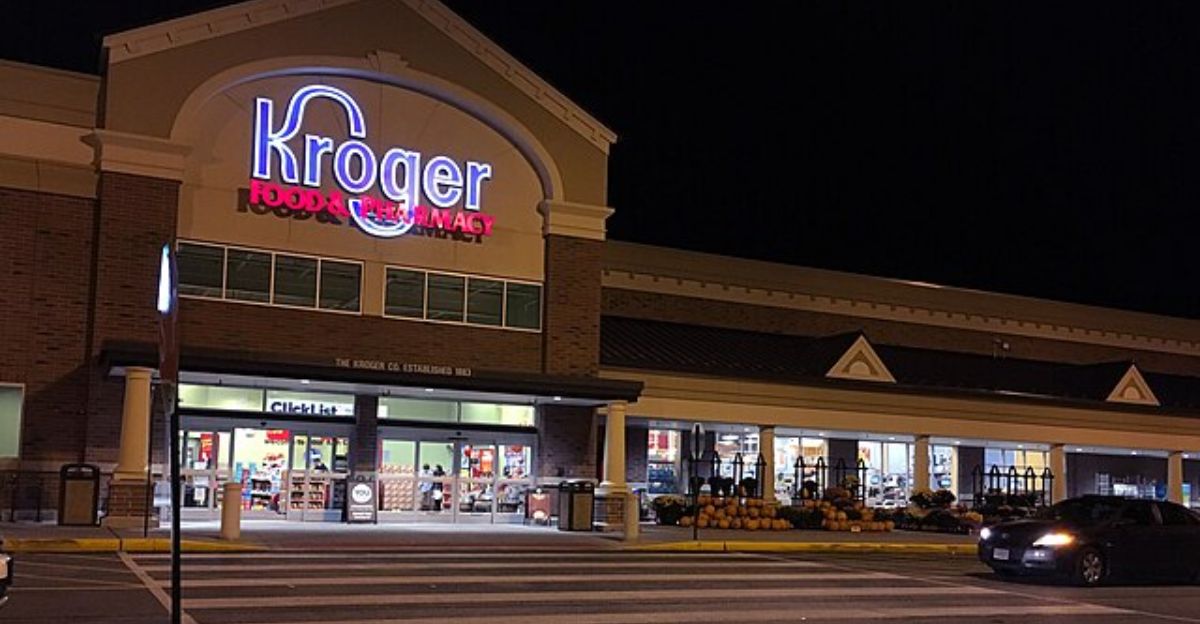
While national grocery chains like Walmart, Kroger, and Dollar General have the size and financial flexibility to weather the loss of SNAP revenue, independent grocers find themselves on the brink of collapse. Small stores often rely on SNAP for more than half of their business, and even moderate reductions can turn an already slim profit margin into unsustainable losses.
Jobs on the Line
The sudden loss of revenue has forced owners to make dreadful decisions like cutting staff hours, laying off long-time employees, or even closing down completely. Across the country, economists warn that as small stores close their doors, thousands of jobs will vanish not only in grocery retail but up the supply chain, impacting wholesalers, farmers, distributors, and processors who supply local stores.
“The grocery store employs 15 people, maybe more, and if we lose the grocery store, what do those people do?” said Udall, the St. Johns, Arizona, mayor. “It’s not just about people shopping at the grocery store. It has a ripple effect.”
Price Shock for Shoppers
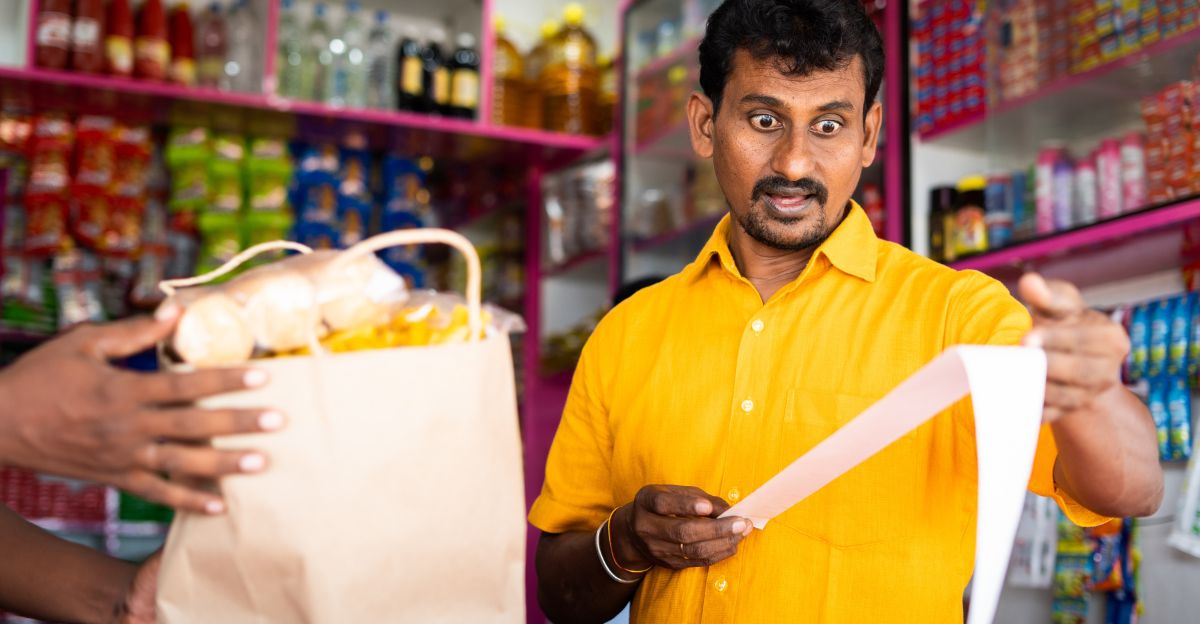
Small grocers that haven’t been forced to close their doors have few options but to raise prices to offset falling revenues and higher costs from disrupted supply chains. Small stores typically buy in smaller volumes, so their costs are already higher than those of big chains.
Families find it harder to access nutritious groceries and need to face sudden jumps in basic food costs.
Pooling Resources Proves Difficult
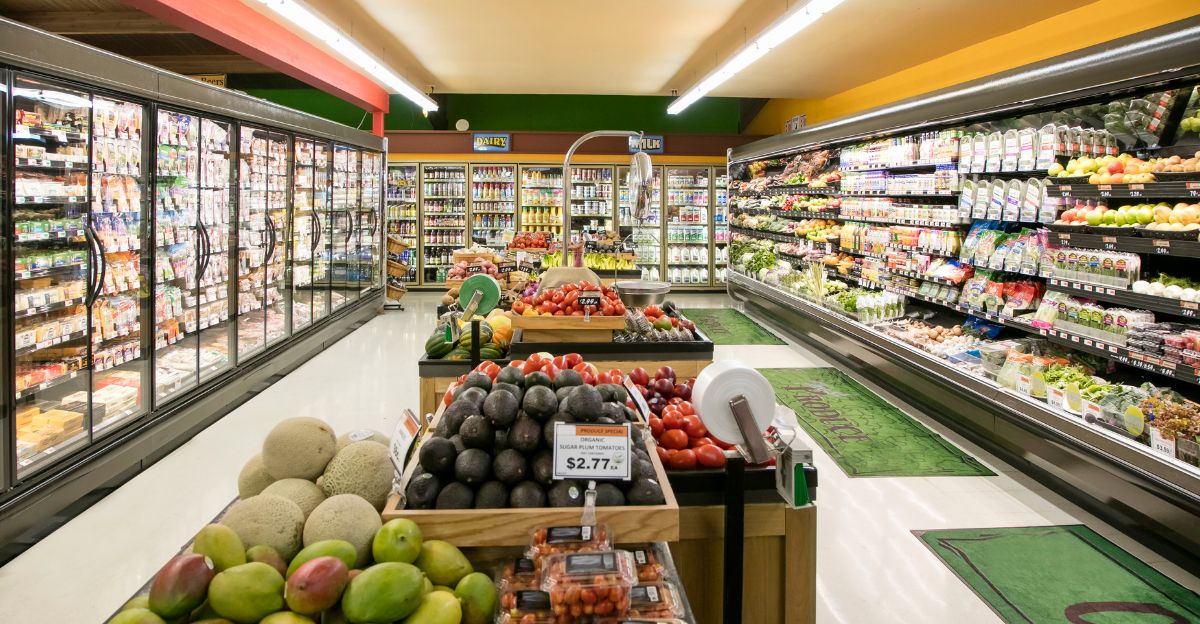
Independent stores, often operating on 1%-3% profit margins, simply cannot match the bulk buying power of national chains, leaving them at a disadvantage in negotiating prices with wholesalers and suppliers. The strain is felt up and down the supply chain: wholesalers, farmers, and processors experience a domino effect in lost sales, prompting further job cuts and weakened regional food systems.
Food Deserts Expand
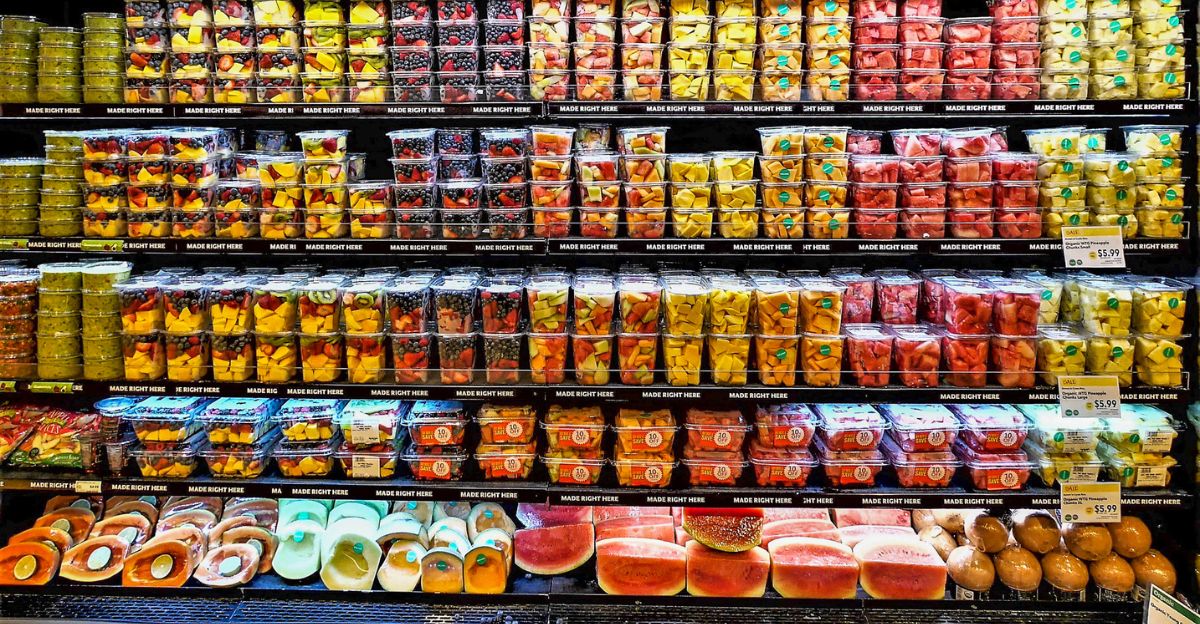
Food deserts are communities where residents have limited or no access to affordable, nutritious food within a reasonable distance. With SNAP benefits shrinking and local independent grocers shutting their doors, many neighborhoods are left with scant options beyond convenience stores or fast-food outlets, typically offering fewer healthy choices and higher prices.
Policy experts warn that millions of additional Americans, especially working families and households with children, risk falling into hunger as the ability to purchase fresh produce, dairy, and protein depends on the presence of nearby full-service grocers.
Local Leadership Calls for Action

Mayors, city councilmembers, and municipal officials from states warn that these reductions threaten to unravel household food security. Cincinnati’s Councilmember Anna Albi points to surging food insecurity rates and the impossible choices families face between rent, meals, and child care.
Similarly, West Sacramento’s Mayor Martha Guerrero and Texas City Controller Chris Hollins stress that SNAP is foundational for public health, city budgets, and stability, warning that cuts will overwhelm emergency services, force tough fiscal choices, and erode essential functions ranging from public safety to infrastructure.
The Emotional Toll

The loss of food security doesn’t just mean hunger, it brings mental health challenges that many people struggle to overcome. For parents, the struggle to feed their families on a tightening budget creates constant worry about missed meals, rising bills, and the threat of eviction.
Experts warn that this erosion in well-being, self-worth, and community connection will have long-term consequences.
Families Hit Hardest
These changes have forced millions of families to cut back on groceries and other essentials like medical care, utilities, and transportation. The Congressional Budget Office estimates the lowest-income households, which previously relied on SNAP for up to 91% of their food budget, will see that share fall to just 55% by 2034, leaving many struggling to keep enough food on the table.
“For decades, SNAP has been there for low-income families, and as a result, we have largely eliminated severe hunger and malnutrition in this country,” says Katie Bergh, senior policy analyst at the Center on Budget and Policy Priorities. “But that’s not a guarantee without the support that this program provides to help low-income families afford groceries.”
What Comes Next?
The new legislation, projected to slash over $186 billion from SNAP by 2034, leaves states and local agencies scrambling to fill the gap as they confront rising food insecurity, potential job losses, and shrinking tax revenues. In communities everywhere, advocates are ramping up efforts to protect vulnerable families and grocery stores.
“The key here is that if we keep enough folks buying at local rural grocery stores, those local rural grocery stores have a higher chance to survive,” said Rep. Gabe Vasquez. “We have to make sure folks either have money in their pocket and that states can make up the shortfall in SNAP cuts to preserve that access, or for other folks, provide alternate means to be able to feed them.”
Long-Term Consequences for Local Economies

The ripple effects goes far beyond a few grocers not being able to keep their doors open. With thousands of independent grocers closing their doors and families struggling to afford food, small towns and urban neighborhoods face an erosion of economic vitality. Local retailers lose critical revenue, leading to layoffs, job losses, and reduced business for suppliers and farmers.
Over time, fewer healthy outlets for food mean higher rates of diet-related illnesses and healthcare costs, hurting productivity and community well-being.
What the Future Holds

Advocacy groups push for policy reversals or creative solutions, local leaders urge greater investment in safety nets, and innovative co-ops and grant programs seek to fill critical gaps. Whether the coming years bring recovery or further decline hinges on whether policymakers and the public recognize the deep connections between food security, dignity, and economic health.