
In the shadow of decades-long industrial decline, agricultural powerhouse Archer Daniels Midland plans to shutter its cottonseed crushing operations in North Memphis on January 30, 2026, cutting 95 skilled manufacturing jobs from a neighborhood grappling with poverty rates over 27%.
A Chelsea Avenue Plant Falls Silent
At 2782 Chelsea Avenue, the facility has long processed cottonseed into oil and meal for food, biodiesel, and industrial uses. Workers—operators, technicians, maintenance staff, supervisors, and administrators—earned $40,000 to $50,000 yearly, reflecting specialized roles with hourly rates around $24.94 for equipment operators in Tennessee. A WARN notice issued December 19, 2025, provides the required 60-day heads-up, citing consolidation as the reason. Crushing ends, but oil refining persists under minimal staffing.
The Joint Venture Reshapes Supply Chains

On December 16, 2025, ADM partnered with Arkansas-based Planters Cotton Oil Mill in a 60-40 joint venture, with ADM holding control. Planters contributes its Pine Bluff crushing plant and storage; ADM adds the Memphis site, though crushing halts there in early 2026. The move aims to boost efficiency amid industry pressures. ADM’s Ag Services and Oilseeds segment saw operating profit decline 32% in Q4 2024 year-over-year, with crushing operations particularly squeezed by overcapacity, stable but pressured U.S. cottonseed supplies around 4.3 million short tons, rising costs, and uncertainties in biofuels and trade.
Wider Ripples Through Workers and Suppliers
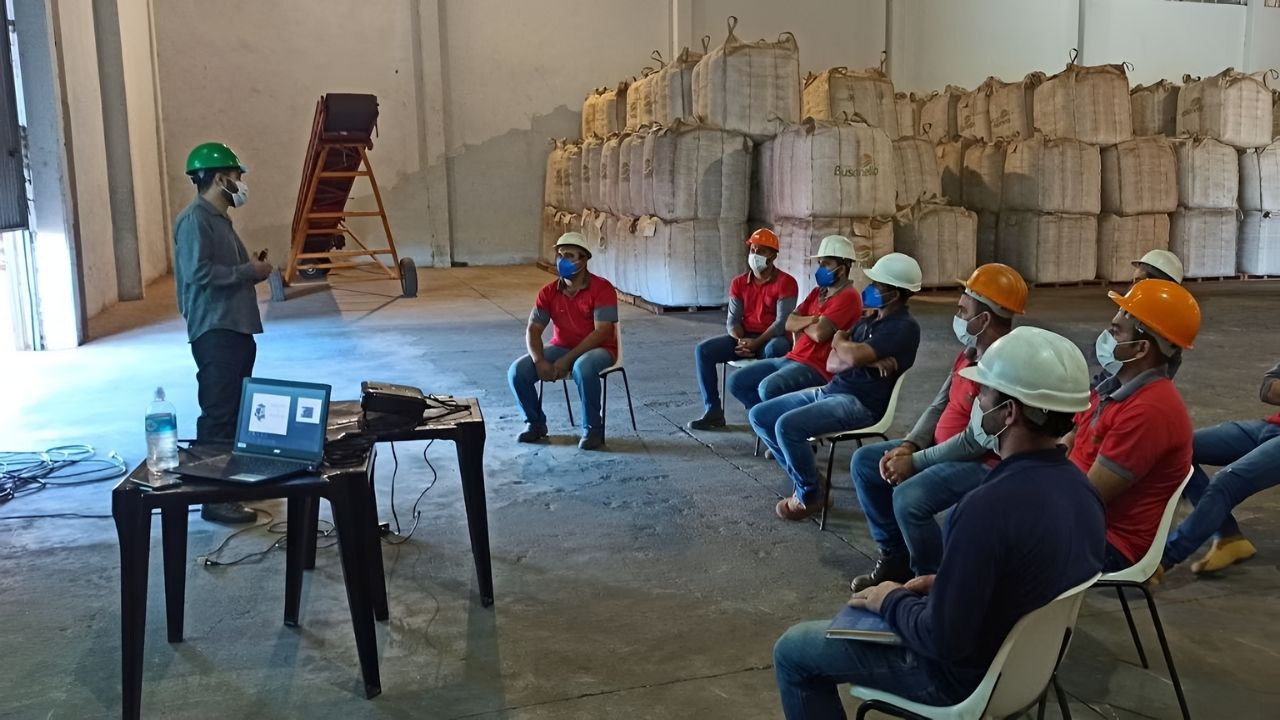
The 95 jobs, many held by African American workers mirroring local demographics, carried $3.8 million to $4.75 million in annual payroll, fueling local spending on housing, food, and services. Each direct loss could eliminate 1.26 to 1.41 indirect jobs in supply chains, threatening 30 to 75 more positions among cotton gins, truckers, packagers, and vendors. Total community spending power may shrink by $12 million to $15 million yearly, curbing tax revenue and straining schools and infrastructure. Displaced workers face 20% to 25% earnings drops lasting over six years, with cumulative losses nearing $100,000 per person; 70% shift to similar or better-paying employers yet suffer wage scars from lost premiums.
North Memphis Bears a Heavy Legacy
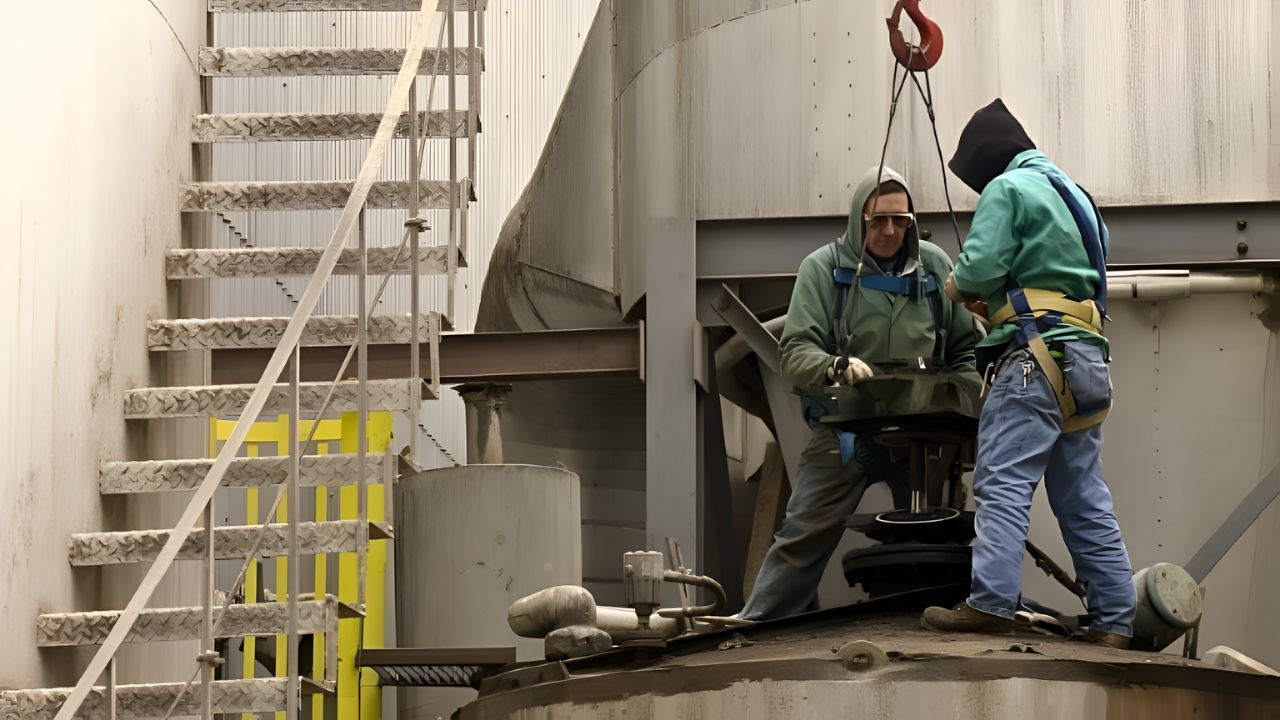
This closure echoes a pattern in the historically African American working-class area, scarred by shutdowns of Firestone Tire, International Harvester, and others since the 1970s. Memphis lost 18,000 jobs in the Great Recession, with manufacturing now under 7% of employment. City poverty hits 24%, second-highest among U.S. metros over 1 million at 17.4% metro-wide, with child poverty at 27.8%—38.8% overall, 36% for Black children. Black median income lags at $41,974 versus $76,861 for whites, a $34,887 gap widened from 2022. Older workers, especially ages 55-61, risk health declines and shorter lifespans from stress and insurance gaps. Intergenerational effects linger: children of displaced fathers earn 9% less and rely more on aid.
Future Paths Amid Persistent Challenges

With just 42 days’ notice before unemployment benefits max out in mid-April 2026, retraining via programs like WIOA offers mixed results, often leading to lower-wage service roles amid scarce alternatives. Memphis’s logistics-heavy economy provides erratic demand, shifting from unionized stability to precarious gigs. The stakes sharpen: another anchor lost tests whether leaders invest in housing funds, workforce programs, and diversified jobs to stem concentrated poverty, or if deindustrialization’s arc deepens divides in a city where manufacturing once built middle-class footholds.
Sources:
ADM and Planters Cotton Oil Mill Reach Agreement for Cottonseed Processing Joint Venture. ADM News Release, December 16 2025ADM Reports Fourth Quarter and Full-Year 2024 Results. ADM Investor Relations, February 2025Sources of Displaced Workers’ Long-Term Earnings Losses. American Economic Review, October 2020The Intergenerational Effects of Worker Displacement. Journal of Labor Economics, July 2008Updated Employment Multipliers for the U.S. Economy. Economic Policy Institute, 2013Worker Adjustment and Retraining Notification (WARN) Act Requirements. U.S. Department of Labor Employment and Training Administration, current regulations