
October 2025: 153,074 job cuts announced across U.S. companies—the highest October total in over 20 years. Companies, from tech giants to warehouses, slashed positions in an unprecedented wave, setting off alarm bells in the workforce. The sheer scale of these layoffs has left thousands of workers scrambling to understand the cause and brace for the ripple effects on the economy. As layoffs surge, workers and consumers are caught in the storm.
But what triggered this sudden shift, and where is the job market headed next? Stay tuned to uncover the driving forces behind these record-breaking cuts.
Key Drivers of the Surge

The steep rise in job cuts is driven by three major factors: cost-cutting measures, accelerated automation, and federal workforce restructuring.
AI’s growing influence, particularly in the tech and warehousing sectors, is also playing a critical role. This represents a shift from the trends seen in recent years, which had seen fewer job cuts during Q4.
Economic Impact: Consumer Uncertainty

With over 153,000 job cuts announced in October, American consumers may face economic challenges. Reduced household incomes could dampen consumer confidence, leading to lower spending.
As job competition intensifies, the effects of these cuts will likely extend well into the holiday season, adding a layer of uncertainty.
Technology and Warehousing Lead the Way

In October, the technology sector announced 33,281 job cuts, while warehousing was hit hardest with 47,878 layoffs.
Both sectors are facing rapid technological shifts, with AI-driven automation replacing human labor at an accelerating pace. These cuts reflect the ongoing transformation of these industries.
The Ripple Effect on Adjacent Markets

The layoffs aren’t confined to just the tech, warehousing, and retail sectors. Other industries, such as staffing agencies and support services, are also facing reductions.
In October, cleaning and outsourcing firms announced 1,990 job cuts, showing the widespread impact of these corporate restructuring efforts.
Supply Chain Disruptions

The wave of job cuts may lead to disruptions in U.S. supply chains, particularly for retailers and manufacturers.
Reduced workforce capacity could slow production and delivery, impacting suppliers of materials, packaging, and transportation services. The full scale of the disruption will unfold over the coming months.
Struggling to Re-enter the Job Market

Displaced workers are facing increasing difficulty finding new positions. As Andy Challenger from Challenger, Gray & Christmas notes, workers laid off now face longer job searches.
The tight job market means that many will struggle to secure new roles quickly, exacerbating the financial strain for affected families.
The DOGE Impact: Federal Workforce Reductions

The “DOGE Impact” has led to 293,753 planned cuts in federal workforce and contractors.
As government restructuring continues, debates are intensifying over the long-term consequences for public services, workforce protections, and federal spending priorities.
Economic Slowdown on the Horizon

The growing number of job cuts, combined with a 35% year-over-year decline in hiring plans, could signal a slowing U.S. economy.
With fewer job openings and decreased consumer spending, economists warn that the country could face a broader economic slowdown into 2026.
Retail Adapts to Changing Conditions

Retailers are feeling the impact of both layoffs and shifting consumer behaviors. In 2025, the retail sector announced 88,664 job cuts—an increase of 145% compared to 2024.
Many companies are turning to e-commerce strategies, closing stores, and reducing inventories in response to this changing landscape.
Layoffs Across Multiple Sectors

While technology and warehousing dominate the headlines, other sectors are not immune to the layoffs. Companies such as Amazon and UPS have also announced substantial reductions.
Amazon plans 14,000 corporate job cuts, while UPS is on track for a total of 48,000 cuts across various departments by year-end.
Affected Suppliers and Related Industries
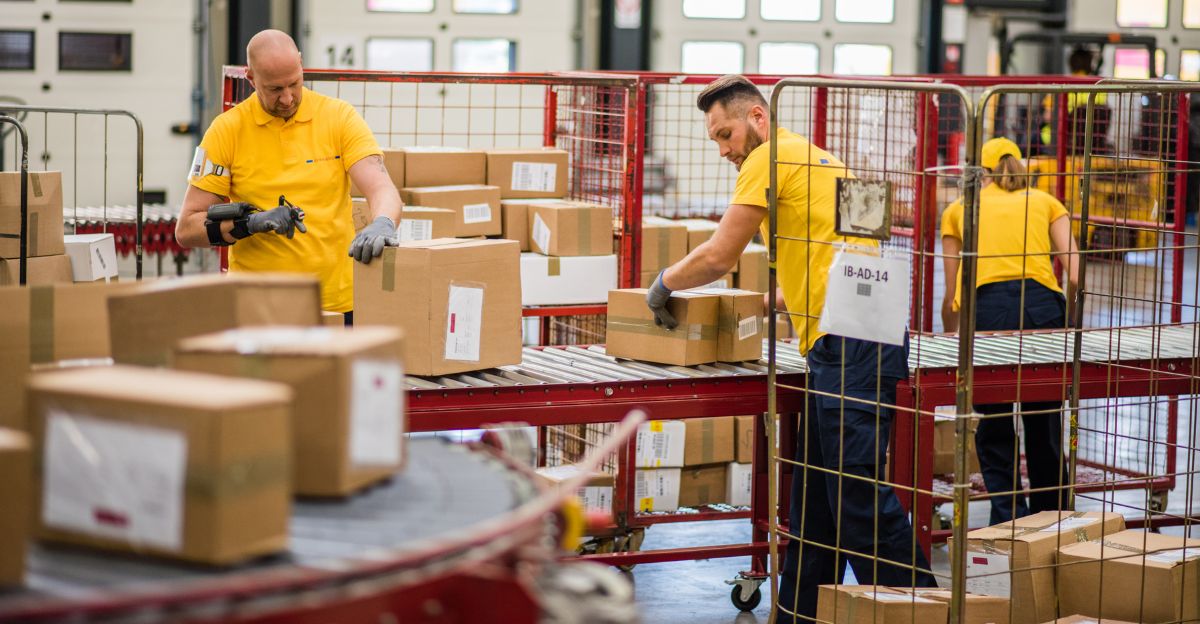
Warehousing and manufacturing layoffs will affect suppliers in packaging, transportation, and logistics. As the demand for goods drops, so too does the demand for ancillary services.
This secondary impact will be felt throughout the supply chain, contributing to the overall strain on the economy.
Production and Business Adjustments
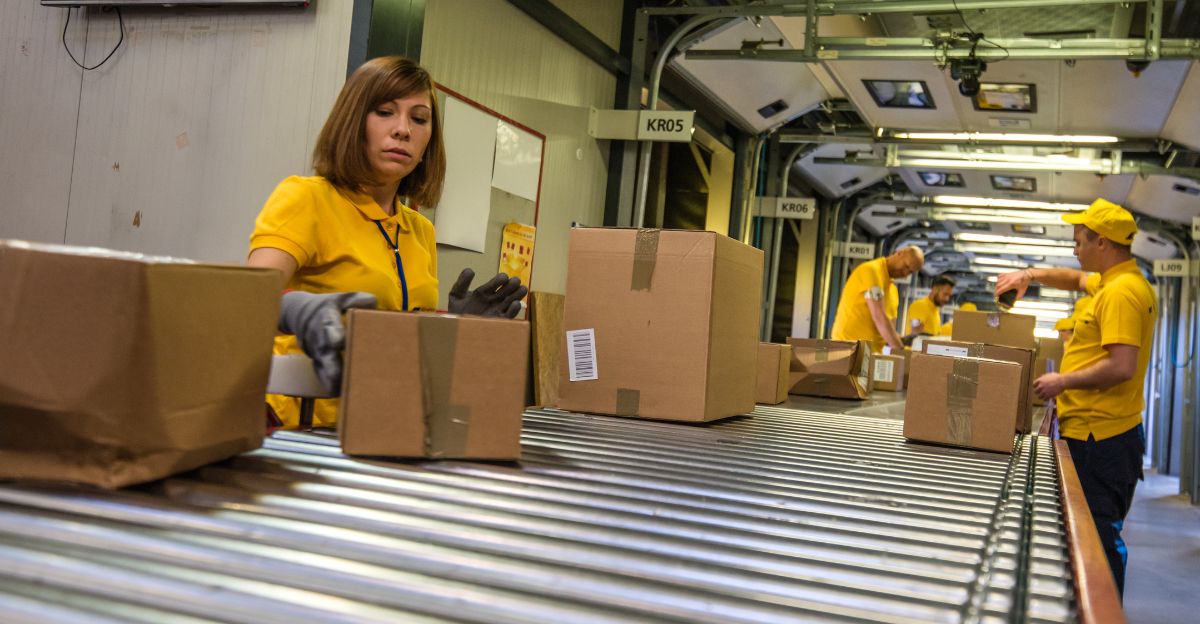
As businesses scale back, they will also adjust production and operational strategies.
Lower production levels could lead to reduced market competition, and adjustments in pricing and business models may be necessary to survive in an environment where demand is stagnating.
Worker Anxiety Amid Job Insecurity

The growing insecurity in the job market is causing widespread anxiety among workers.
Job seekers now face tougher competition for fewer openings, while those affected by layoffs will need to adapt their spending habits and financial strategies to cope with an uncertain future.
Automation’s Expanding Role

The rise of automation continues to contribute to the surge in layoffs, with 31,039 job cuts attributed to AI alone in October.
This development signals a significant turning point in the labor market, as artificial intelligence increasingly replaces human workers in various industries.
Non-Profit Sector Feels the Heat

Non-profit organizations, which traditionally serve as a safety net, have been hit hard by the current economic climate.
Job cuts in this sector surged by 419% compared to the previous year, with over 27,000 positions eliminated in 2025, driven by collapsing government funding.
Monitoring Market Shifts

Investors and economists are closely watching the growing trend of job cuts as a signal of larger economic shifts.
These reductions may act as an early warning system for potential downturns, making it essential to monitor layoff patterns as a predictor of future market conditions.
What Workers Can Do

Experts suggest that workers affected by layoffs review their financial plans, build emergency savings, and stay informed about trends in the job market.
Utilizing resources like retraining programs and job placement services can also help navigate the tough employment landscape.
The Road Ahead for the U.S. Workforce

With the lowest hiring plans in 14 years and ongoing layoffs, the outlook for the U.S. workforce remains unclear.
As more companies embrace automation and streamline operations, workers will need to adapt by acquiring new skills and being flexible in their job search strategies.
Full Impact Yet to Be Felt

The job cuts announced in October 2025 signal a fundamental shift in the U.S. labor market.
While the immediate effects are clear, the full scope of these changes will unfold over the coming months as companies implement their plans, and policymakers and workers respond to the evolving job market.