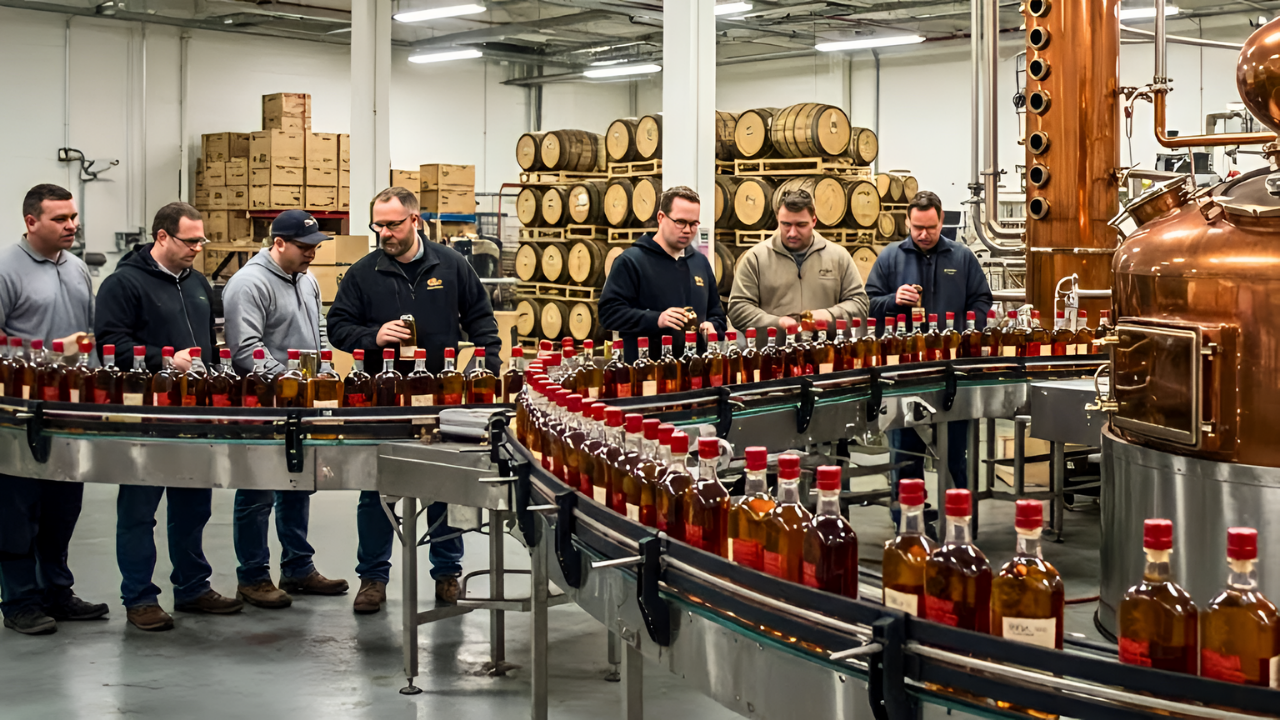
A.M. Scott Distillery in Troy, Ohio, entered Chapter 11 bankruptcy on December 22, 2025, becoming the latest victim in a brutal year for U.S. spirits makers. The three-year-old craft operation reported assets of about $500,000 against liabilities between $1 million and $10 million, with as many as 199 creditors, as its revenue plunged year-over-year.
Founder Anthony Michael Scott, 44, confronts separate felony charges in Mercer County for fraud and theft over $6,500. He entered a not guilty plea to two counts involving fraudulent check-passing and product theft from December 2024, with a jury trial set for December 1. A former business partner has also filed a civil suit against him.
Troy provided roughly $400,000 in loans to Scott for ventures including the distillery in the historic Mayflower building. Both the Moeller Brew Barn sites and the distillery have shuttered. City Director Patrick Titterington stated officials have not pursued criminal or civil actions yet but are evaluating recovery paths.
Founder Challenges and Local Fallout
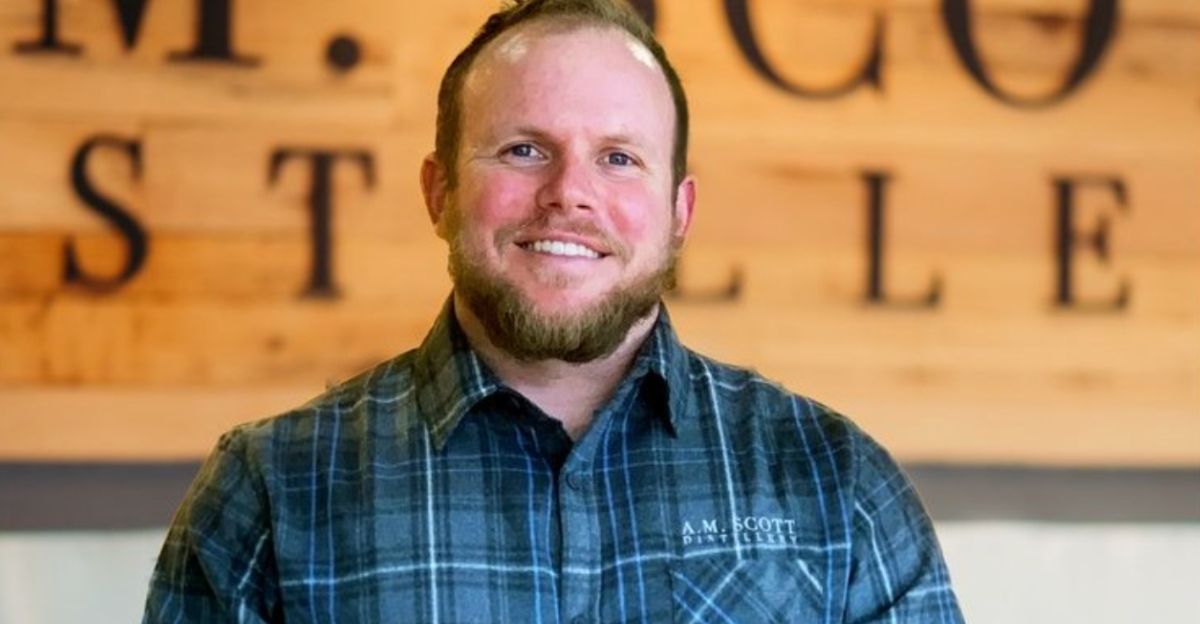
This filing fits a broader 2025 pattern, with at least a dozen spirits producers seeking bankruptcy protection. Examples include House Spirits Distillery’s Westward Whiskey, which filed in April and sold for $2.7 million; Boston Harbor Distillery in Massachusetts; Devils River Distillery in Texas; and Luca Mariano Distillery in Kentucky. These span regions and market types.
Craft Sector Shrinkage

The U.S. craft spirits industry saw active distilleries drop 25.6% from August 2024 to August 2025, losing 787 operations in one year—the sharpest fall in its recent history. This erased the previous year’s 11.5% gain. California shed 45% of its craft distilleries alone.
Sales volumes for craft spirits fell 6.1% to 12.7 million cases in 2024, worsening from 2023’s 3.6% dip. Revenue declined 3.3% to $7.58 billion, accelerating from 1.1% the year before. The wider volume drop than value decline points to price hikes that failed to stem lost sales, eroding profits.
Consumption Hits Historic Low
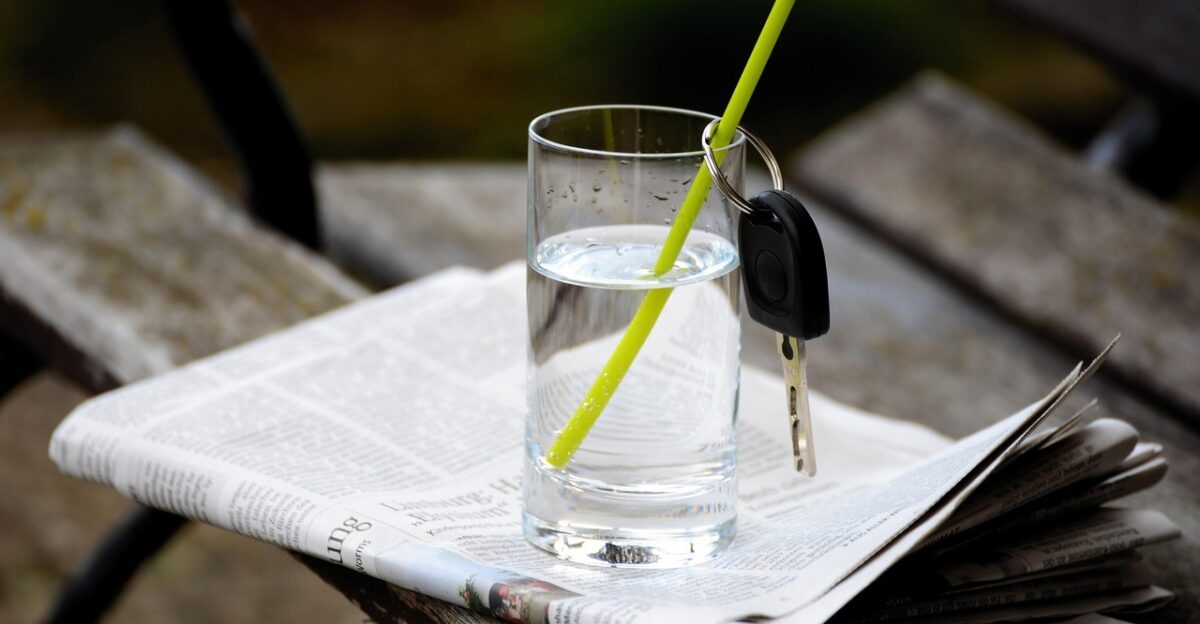
A July 2025 Gallup poll found just 54% of U.S. adults drink alcohol, the lowest in nearly 90 years of tracking. This follows 62% in 2023 and 58% in 2024. Drinking frequency has also declined significantly among those who still consume alcohol.
For the first time, 53% of Americans view moderate drinking—one or two drinks daily—as harmful to health, up from 28% in 2015. Only 6% see health benefits in it. This perceptual shift influences behavior across groups.
Younger generations lead the retreat: Gen Z drinks 20% less than millennials, with 50% of 18- to 34-year-olds reporting consumption in 2025. Among under-35s, drinking fell to 62% in 2021-2023 from 72% in 2001-2003. Factors include cannabis access, new social habits, and health focus.
Export Crises Mount
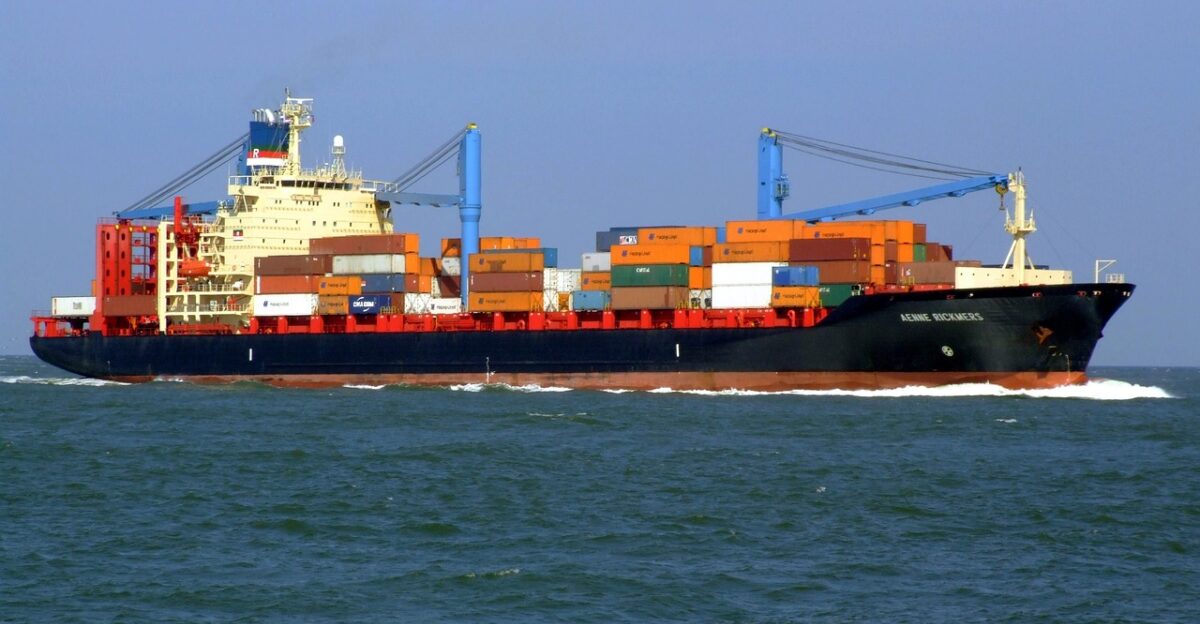
U.S. spirits exports to Canada crashed 85% in Q2 2025, dipping under $10 million after provincial boards pulled American products over Trump-era tariffs. Canada once took 11% of exports, over $250 million yearly; most provinces still bar them despite tariff lifts in September.
Exports weakened elsewhere: the EU, half of U.S. spirits shipments, fell 12% to $290.3 million; the UK dropped 29% to $26.9 million; Japan declined 23% to $21.4 million. Overall, exports slid 9% year-over-year.
Supply Glut and Production Cuts
Whiskey stocks tripled since 2012 to 1.5 billion proof gallons by late 2024, against annual sales and exports of 103 million proof gallons—under 7% of inventory. Kentucky bourbon barrels rose from 9.86 million in 2019 to over 16 million by early 2025.
Jim Beam will pause distillation at its Clermont, Kentucky plant throughout 2026 for “site enhancements,” shifting output elsewhere while keeping bottling, storage, and tourism active. Observers link it to oversupply and weak demand; Diageo cut Kentucky production in March.
Rising production costs have pressured margins industry-wide, including increases in energy, glass, freight, cereals, and oak barrels. These cost pressures, combined with volume declines, have squeezed profitability across the sector.
The three-tier system—producer to wholesaler to retailer—hampers crafts, who struggle for distributor slots amid restricted direct sales. This piles on markups, favoring big players.
Overall, U.S. spirits volumes dropped 6.3% and revenue 5.1% in Q1 2025; rolling 12 months saw 3.8% volume and 3.9% revenue falls. Whiskey declined 4.9% by volume, 5.1% by revenue through July.
Shifts to Alternatives
Non-alcoholic spirits grew 13% globally in 2024, eyed for 10% in 2025 and 9% in 2026; U.S. volume may rise 18% to 2028. The market hit $336.46 million in 2024, projected at $624.56 million by 2032.
Ready-to-drink beverages reached $40.1 billion in 2024, forecast at $117.9 billion by 2034. Spirit-based versions climbed from 55% of 2021 launches to 67% in 2024 as seltzers wane; canned cocktails could expand from $2.9 billion in 2025 to $11.9 billion by 2035.
Projections indicate modest declines through 2026: core spirits down 4.39% in Q4 2025, easing to 4.12% by Q3 2026. Tequila holds firmer, reposado up 12.4%; bourbon keeps category share amid cannabis competition.
These forces—falling demand, trade hits, gluts, costs, and barriers—point to a lasting industry shakeout. Survivors likely emerge leaner, attuned to lower volumes and youth tastes for non-traditional options.
Sources:
“Another U.S. liquor brand files Chapter 11 bankruptcy.” Yahoo Finance, 23 Dec 2025.
“Alcohol Consumption Reaches 90-Year Low.” Gallup Poll via Convenience.org, Aug 2025.
“Craft Spirits Sales See Second Year of Decline.” American Craft Spirits Association, 20 Oct 2025.
“US spirits exports tumble as drinkers shun American brands.” Reuters, 6 Oct 2025.
“American Spirits Exports 2025 Mid-Year Report.” Distilled Spirits Council of the United States (DISCUS), 16 Oct 2025.
“Jim Beam Will Halt Operation at Main Kentucky Distillery in 2026.” VinePair, 21 Dec 2025.