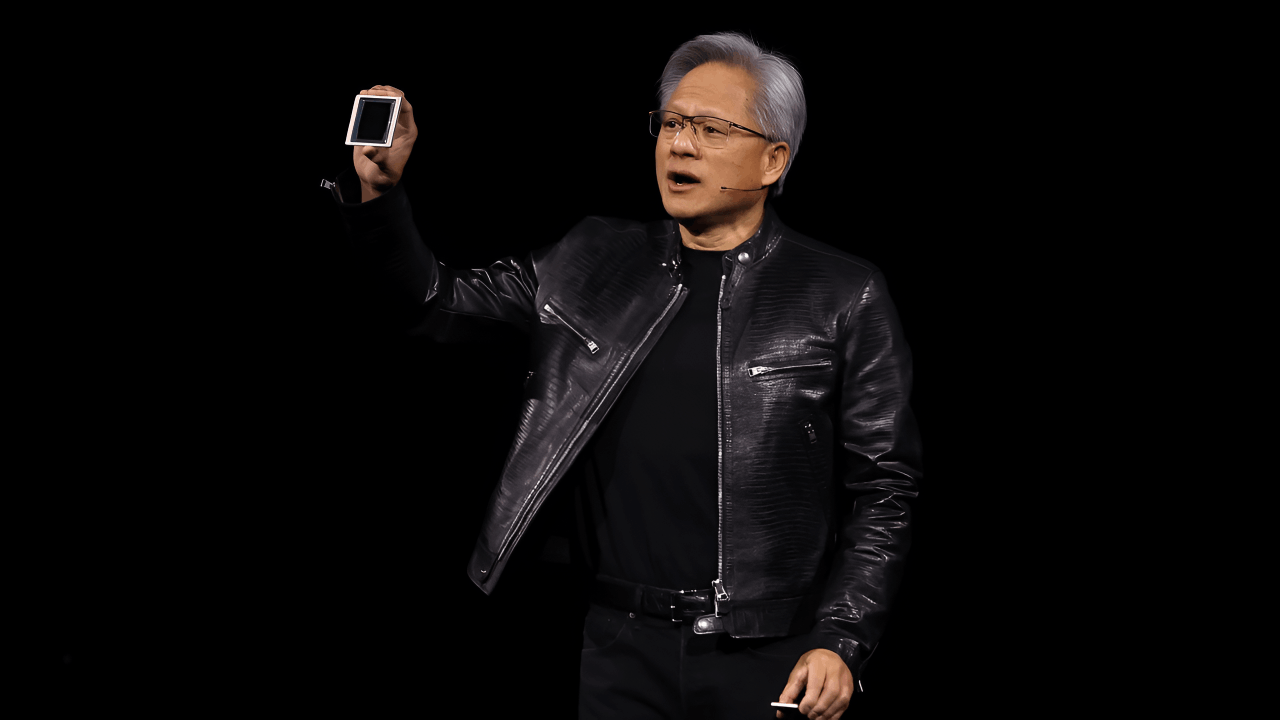
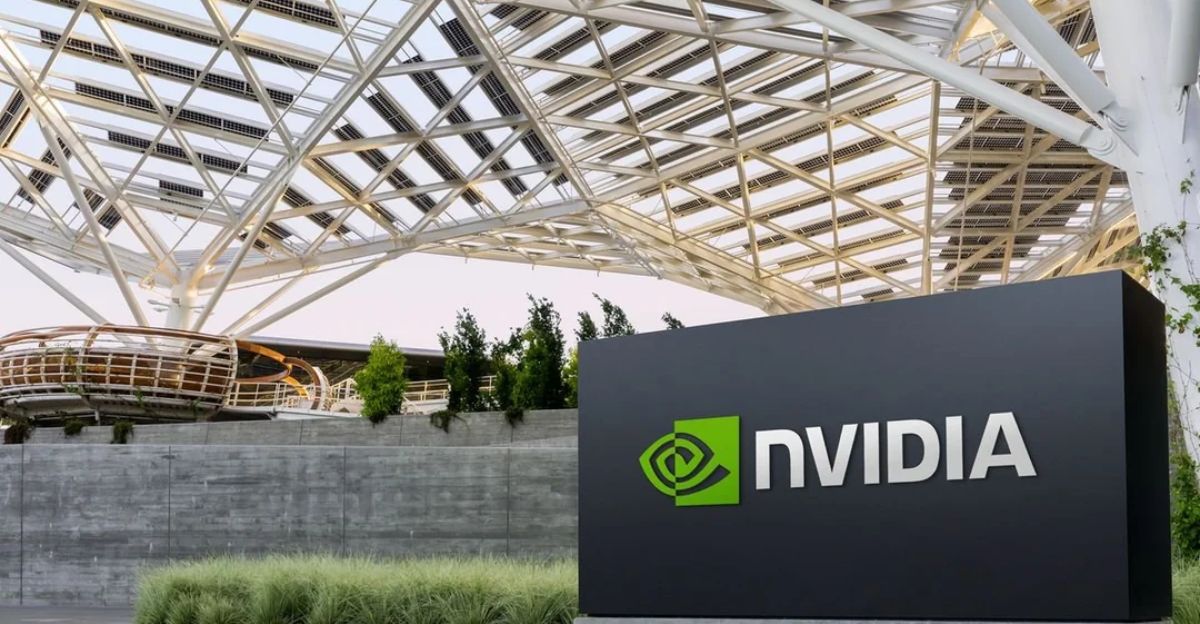
Trading floors buzzed with excitement on October 29, 2025, as Nvidia’s stock climbed 3% to $207.04, propelling the California chipmaker past a historic $5 trillion market valuation. The milestone, unmatched by any company before, unfolded amid a surge of investor confidence in artificial intelligence, with Nvidia’s value now rivaling the GDP of entire nations. The achievement has sparked astonishment across Silicon Valley, where Nvidia’s headquarters in Santa Clara has become a symbol of the region’s AI dominance.
Concentration Risk and Market Dynamics
Nvidia’s meteoric rise has reshaped the S&P 500, with the company now representing 8–9% of the index—the largest single-stock concentration in 35 years. In 2025 alone, Nvidia contributed nearly one-fifth of the S&P’s 17% gain, raising concerns among investors and financial advisors about overexposure and systemic risk. Retirement funds and passive portfolios have become heavily weighted toward Nvidia, prompting a scramble to reassess risk strategies.
Wharton finance professor Jeremy Siegel has warned about the unprecedented concentration, noting it represents both a testament to Nvidia’s dominance and a warning sign for diversified investors. Globally, the situation echoes Japan’s 1980s boom, when a handful of stocks dominated the Nikkei, underscoring the potential vulnerabilities of such market imbalances.
Origins and Acceleration of Nvidia’s Dominance
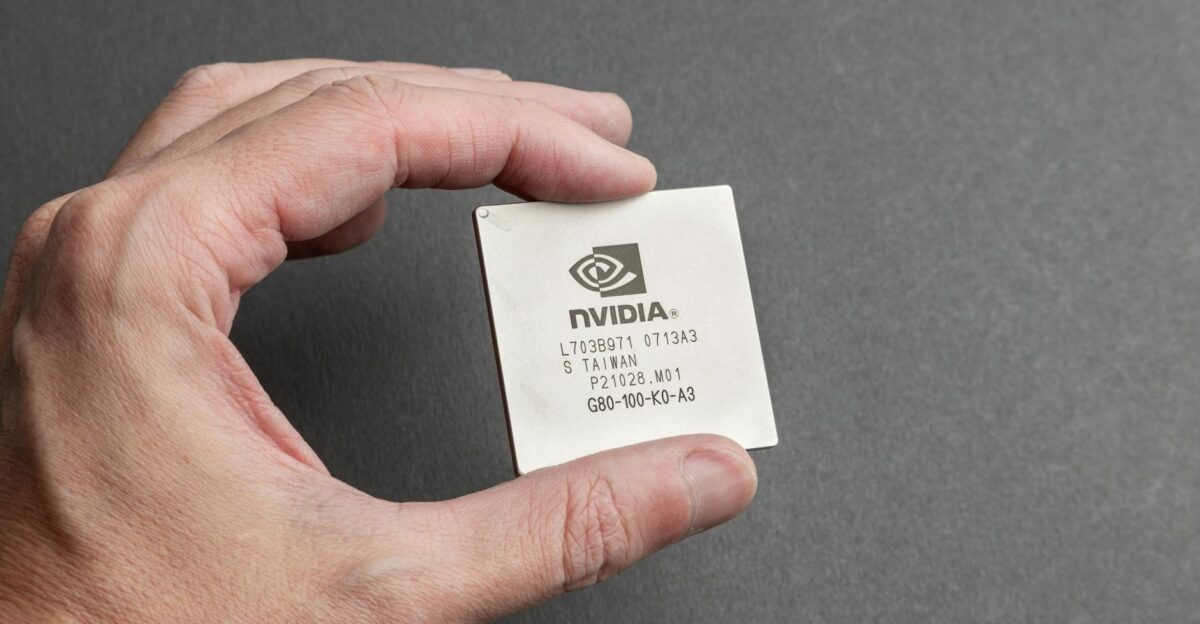
Founded in 1993 to make graphics chips for gamers, Nvidia spent decades refining parallel computing architectures. While competitors focused on traditional CPUs, Nvidia’s GPUs quietly became essential for AI development. The 2022 launch of ChatGPT revealed the chips’ suitability for training large AI models, transforming Nvidia from a niche supplier into the backbone of modern artificial intelligence.
The company’s valuation soared: $1 trillion in June 2023, $2 trillion by February 2024, $3 trillion in June 2024, $4 trillion in July 2025, and $5 trillion just 78 trading days later. Each milestone arrived faster than the last, driven by investor conviction in AI’s commercial potential and the transformative promise of Nvidia’s technology.
Unprecedented Wealth Creation and CEO Impact
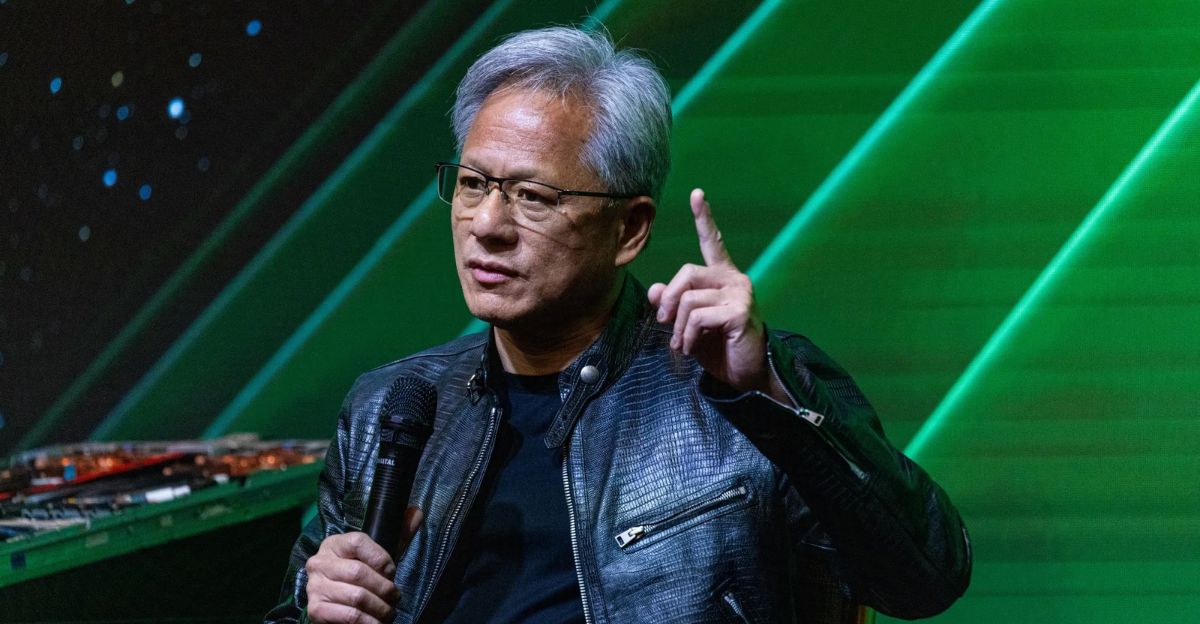
On October 28, Nvidia’s stock jumped 5%, adding $250 billion in market value in a single day—more than the total capitalization of all but 31 U.S. companies. The surge followed CEO Jensen Huang’s keynote, which announced new partnerships in telecommunications, supercomputing, and pharmaceuticals. Huang, who immigrated from Taiwan and grew up in the U.S., now holds $179.2 billion in Nvidia stock, making him the world’s eighth-richest individual.
“The demand for Nvidia GPUs remains extremely robust,” said Wedbush Securities analyst Daniel Ives. “We believe demand is currently outstripping supply 15:1, as more enterprises wait their turn in line to get the most advanced AI chips on the market.” Huang’s leadership has transformed Nvidia into a pivotal architect of global AI infrastructure, with his signature leather jacket becoming a symbol of the company’s cultural impact.
Competitive Pressures and Regulatory Scrutiny
Despite Nvidia’s commanding 80–90% share of the AI chip market, rivals are mounting challenges. AMD recently secured a major deal with OpenAI, sending its stock up 24% in a day, while Qualcomm and Intel are developing new AI-focused processors. Nvidia’s CUDA software remains the industry standard, creating a formidable barrier for competitors. However, regulatory scrutiny is intensifying.
The U.S. Department of Justice has escalated antitrust investigations, probing whether Nvidia penalized customers who bought competitor products and whether software bundling created unfair advantages. Chinese regulators have raised similar concerns, as proprietary software lock-in could reinforce Nvidia’s dominance. “We win on merit,” Nvidia stated, but critics warn that unchecked power could stifle competition and innovation.
Global Reach, Geopolitics, and Economic Impact
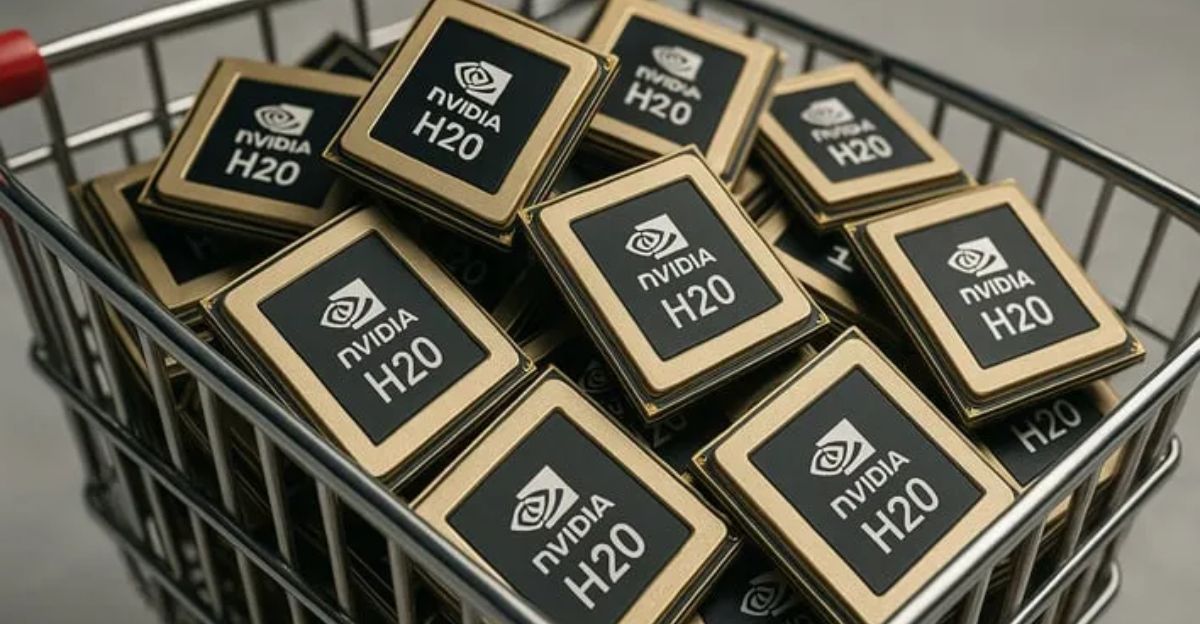
Nvidia’s influence now extends far beyond Silicon Valley. The company revealed over $500 billion in AI chip orders through 2026, suggesting annual revenues could reach $250 billion—eight times its fiscal 2024 earnings. Partnerships with Oracle and the U.S. Department of Energy will deliver seven supercomputers, including a system with 100,000 Blackwell AI chips for climate modeling and nuclear simulations. Manufacturing has shifted to Arizona, reducing reliance on Taiwan and addressing supply chain risks. Internationally, Nvidia’s $1 billion investment in Nokia aims to integrate AI chips into 5G and 6G infrastructure, positioning the company at the heart of global telecommunications.
Yet, Nvidia’s technology has become a geopolitical flashpoint. U.S. export controls have blocked advanced chips from reaching China, prompting Beijing to promote domestic alternatives and intensifying tech tensions. President Trump’s summit with Chinese President Xi raised hopes for eased restrictions, but no breakthrough emerged. Harvard economist Jason Furman noted that AI investments using Nvidia chips accounted for 92% of U.S. GDP growth in the first half of 2025, highlighting the profound economic impact of data center infrastructure.
Looking Ahead: Stakes and Implications
Nvidia’s $5 trillion valuation marks a turning point in the global economy, where computational power now outweighs the economic output of entire nations. The company’s dominance raises urgent questions about sustainability, market stability, and the broader impact of AI. Warnings of a speculative bubble persist, with experts like Ray Dalio and a Yale CEO survey highlighting risks of overinvestment and inflated valuations.
As Microsoft, Meta, and Google pour hundreds of billions into AI infrastructure, the stakes grow ever higher. The world watches as Nvidia’s chips shape not only markets and technology, but also the future of work, energy, and international relations. Whether this era signals lasting innovation or a fleeting frenzy remains to be seen, but the implications for investors, policymakers, and society are profound.