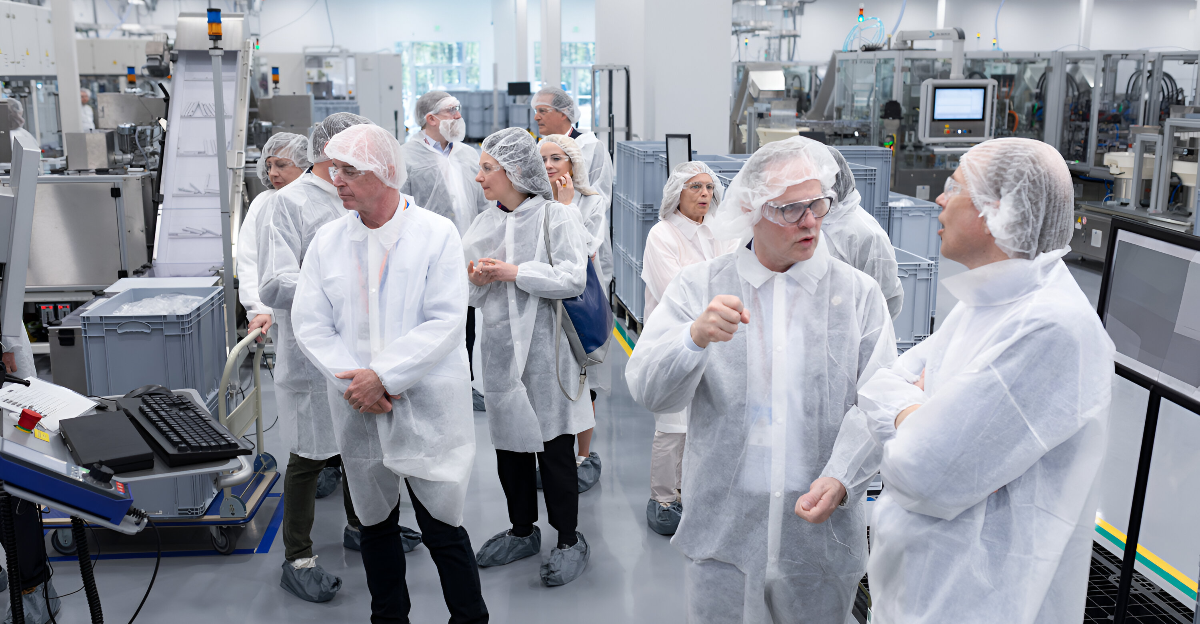
On September 10, 2025, Novo Nordisk, the Danish pharmaceutical giant famous for its obesity and diabetes medicines, including Ozempic and Wegovy, announced that it would cut 9,000 jobs worldwide, about 11% of its workforce.
This dramatic move was the first big decision made by new CEO Maziar Mike Doustdar, who had stepped into the role just six weeks ago. Novo has seen more than $400 billion wiped off its market value since the middle of 2024, and the company is now focused on saving money fast.
The layoffs are expected to save Novo $1.25 billion a year by 2026, but will immediately cost the company severance pay and restructuring expenses. As a result, the company slashed its profit growth forecast, signaling a tough road ahead.
War Intensifies
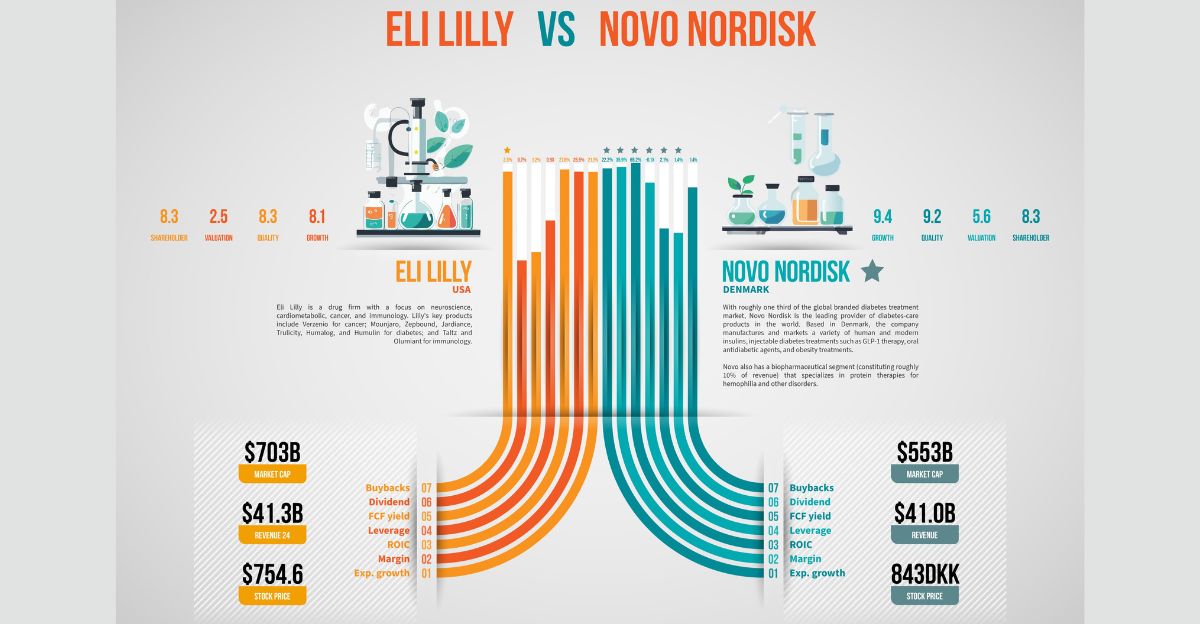
Novo’s layoffs aren’t happening in a vacuum. The company fights with U.S. drugmaker Eli Lilly to control the booming GLP-1 drug market, valued at nearly $63 billion.
Eli Lilly’s drugs, especially Zepbound and Mounjaro, have been rapidly capturing more customers. In just the second quarter of 2025, Lilly saw Zepbound sales jump 172% to $3.38 billion, and Mounjaro grow 68% to $5.2 billion, outpacing Novo’s sales numbers for Wegovy.
This fierce competition has made it much harder for Novo to keep up, forcing the company to look for significant cost cuts and new ways to win market share.
Danish Devastation
Many of Novo’s job losses will occur in Denmark, where company layoffs on this scale are extremely rare and widely felt across society.
The impact is so significant that it represents one of Denmark’s biggest ever corporate restructurings. Trade unions have seen more people signing up as workers worry about their futures.
Labor organizations sharply criticized the company and its CEO, especially for the way the layoff news was shared, saying the process was cold and insensitive to long-serving employees.
Stock Collapse
Novo Nordisk’s story is also one of a great stock crash. Since the middle of 2024, Novo’s share price has plunged by more than 59%, nearly erasing all the massive gains after launching Wegovy.
The downfall really accelerated after a 20% single-day drop on July 29, 2025, when Novo lowered its growth forecast.
Now, the company’s market value stands at $214.5 billion dropping it out of Europe’s top 10 most valuable firms and shaking investor confidence.
Compounded Drugs Disrupt Business

A big reason for this shakeup is the rise of cheaper, so-called “compounded” versions of Novo’s own drugs. Despite official shortages ending, many patients have continued using these compound versions instead of the branded drugs.
The CEO admitted that this gray market of compounded drugs has grown to nearly match the size of Novo’s official business, meaning Novo is losing out on sales, even after spending heavily to stop these practices.
This, combined with Eli Lilly’s stronger clinical trial results, has forced Novo to rethink its business plan.
New Jersey Impact
The restructuring directly impacts Novo’s American headquarters in Plainsboro, New Jersey, where 263 employees are set to lose their jobs by the end of 2025.
These layoffs specifically target the company’s cardiometabolic educator team, which had specialized in teaching healthcare providers about obesity and diabetes management.
It’s a clear sign that Novo is cutting back on education and outreach, instead putting resources into head-to-head competition and aggressive cost management in the U.S. market.
Regional Ripple Effects

Novo’s changes go way beyond Denmark and New Jersey. Over the last five years, the company has almost doubled its staff, hiring 131 new people weekly.
Now, as the obesity drug market is no longer growing so fast, Novo must shrink to match the more challenging, more crowded playing field.
This will impact operations in every country where Novo built up offices and factories during the recent boom as the company shifts to a leaner, more focused model.
Market Dynamics Shift
The battle over the future of obesity treatments is transforming the whole drug industry. Experts now expect at least 16 new GLP-1 drugs to hit the market by 2029, making the space even more crowded and competitive.
The obesity treatment market will likely multiply, with estimates of $100 billion in U.S. sales by 2030 and global sales reaching $268 billion by 2034.
Paradoxically, this expected growth means even more pressure on today’s most prominent players, as they have to defend their turf against new challengers and compounding pharmacies offering alternatives.
Expert Analysis

Wall Street experts see Novo’s big round of layoffs as a tough but probably necessary move, given how quickly the company grew during the initial obesity drug “gold rush.”
Some, like the specialists at Baader Bank, feel Novo’s steep stock decline was excessive and may present opportunities for bold investors.
However, management professors like Stanford’s Jeffrey Pfeffer caution that such significant layoffs often backfire, as they harm morale, increase hidden costs, and can eventually outweigh the immediate financial savings.
CEO’s Controversial Debut
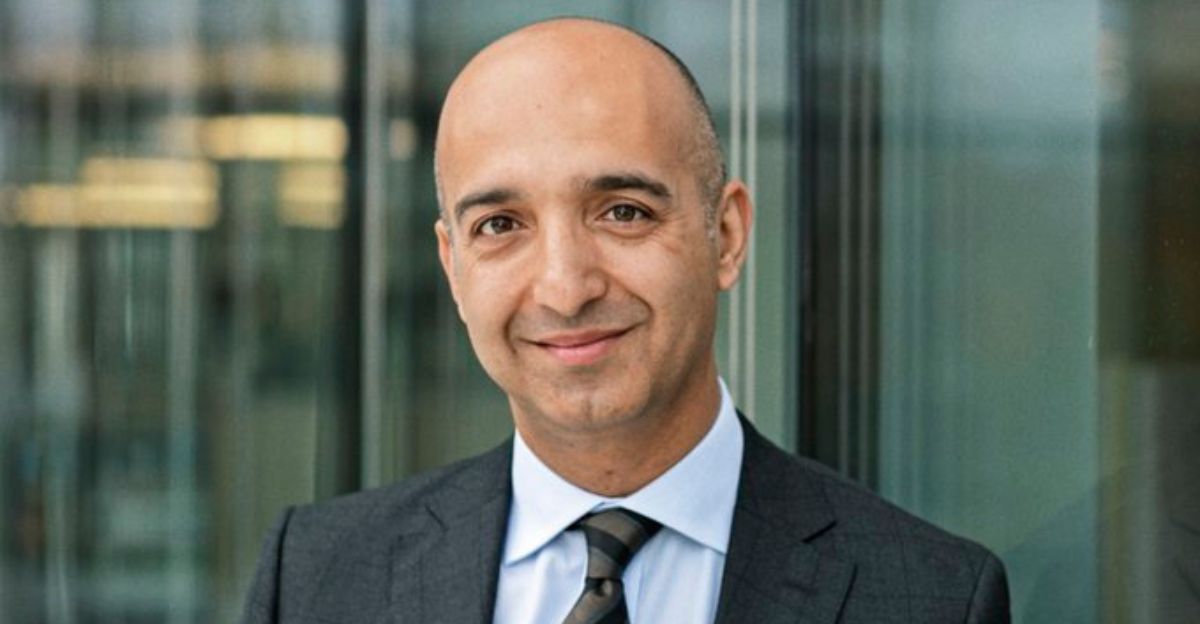
Much attention has been paid to how the new CEO, Maziar Mike Doustdar, handled the layoffs.
Making history as Novo’s first non-Danish CEO, Doustdar chose to announce the mass job cuts in a public video on LinkedIn, stressing the need to become “more focused, agile, and competitive.”
This public approach was blasted by communications experts as cold and out-of-touch, underlining just how much pressure Novo’s leadership is under.
Internal Pressure Cooker

The restructuring has caused significant anxiety inside the company. Employees say the work culture is rapidly shifting toward higher performance targets and cost control.
The new CEO has promised to examine all spending, freeze hiring for non-essential jobs, and insists that every part of Novo must become more efficient.
This approach marks a cultural break from Novo’s historic Danish values, creating unease and a sense of urgency as leadership tries to turn things around.
Ownership Dynamics
Novo Nordisk is majority-owned by the Novo Nordisk Foundation, which has supported Doustdar’s appointment and aggressive cost-saving strategies.
Traditionally, the Foundation encourages Novo to think long-term. However, it must balance maintaining scientific investment and stability with market demands for fast profit rebounds, a tricky situation shared by many large drugmakers worldwide.
Recovery Strategy

Novo is not just cutting jobs but, it’s also taking legal action, filing over 130 lawsuits against compounding pharmacies that make copycat drugs.
The company is trying out new pricing strategies, like offering less expensive vials. It is expanding into new markets, investing in next-generation treatments, such as oral obesity drugs, and diversifying its medicine portfolio.
Despite these efforts, the impact has been limited, with compounded sales still strong and Novo’s profits under pressure.
Competitive Response
While Novo reorganizes, Eli Lilly is aggressively ramping production and claiming more market share. Lilly forecasts $60-62 billion in sales this year and expects obesity drug sales alone to hit $62 billion by 2030.
Lilly’s drugs have shown better results for weight loss, and its strong supply chain performance has kept hospitals and pharmacies stocked when Novo had trouble.
This has shifted investor confidence toward Lilly’s future dominance in weight-loss treatments.
Looking Ahead

Novo Nordisk’s future depends on whether and if these cuts or new strategies help it catch up and beat out rivals.
The company’s main challenge will be to move beyond its original obesity drugs, find ways to make and distribute its products more affordably, and develop new treatments that appeal to patients and doctors.
If Novo succeeds, it could regain its leadership position, but if not, newer competitors might end up on top in this fast-growing industry.
Regulatory Pressures

To add another layer of difficulty, the entire drug industry is under immense political pressure to lower prices. U.S. President Donald Trump has urged Novo and other pharmaceutical companies to slash prices, while new American laws threaten to force lower drug payments nationwide.
There’s also new pressure from government insurance agencies and ongoing debates over how much companies can charge, especially for popular, high-demand drugs like those for obesity.
Industry Contagion

Novo’s troubles are not unique. The drug industry has seen a wave of layoffs: over 13,000 people let go in 2025 alone, more than any other year recently.
Major drugmakers like Merck, Novartis, Moderna, Bayer, and Bristol Myers Squibb have all cut hundreds to thousands of jobs as they fight competition, deal with the end of patents, and keep profits up.
It’s part of a larger pattern of restructuring and pressure that isn’t likely to end anytime soon.
Social Media Backlash

On social media, the reaction to Novo’s cuts has been mostly adverse, many users criticized the company for putting profits above people and handling the layoffs.
Posts from workers and union leaders went viral, pointing out Novo’s continued huge profits and asking why better solutions couldn’t be found.
After the news broke, more employees joined labor unions, and even international analysts noted how deeply this crisis clashed with Denmark’s usual approach to business and labor.
Echoes from Past Pharma Crises

Novo’s crisis resembles the pharmaceutical industry’s past “patent cliffs,” such as in 2011, when many popular drugs lost their exclusive selling rights, causing $250 billion in sales to disappear almost overnight.
The stakes now are even higher, with nearly $400 billion in sales at risk from new generic drugs by 2030.
This means Novo’s current struggles might be the start of more big changes across the drug business, with many companies facing tough decisions ahead.
A Make-or-Break Moment
Novo Nordisk’s decision to cut 9,000 jobs is more than a simple business move, and it marks the end of the easy years for obesity drugmakers and the start of a hard-fought, competitive era.
The company’s fast fall from being Europe’s business superstar to restructuring mode shows how quickly fortune can reverse in the ever-changing drug industry.
What Novo does now will decide if it can stay a global leader in medicine, or if another company will take its crown.