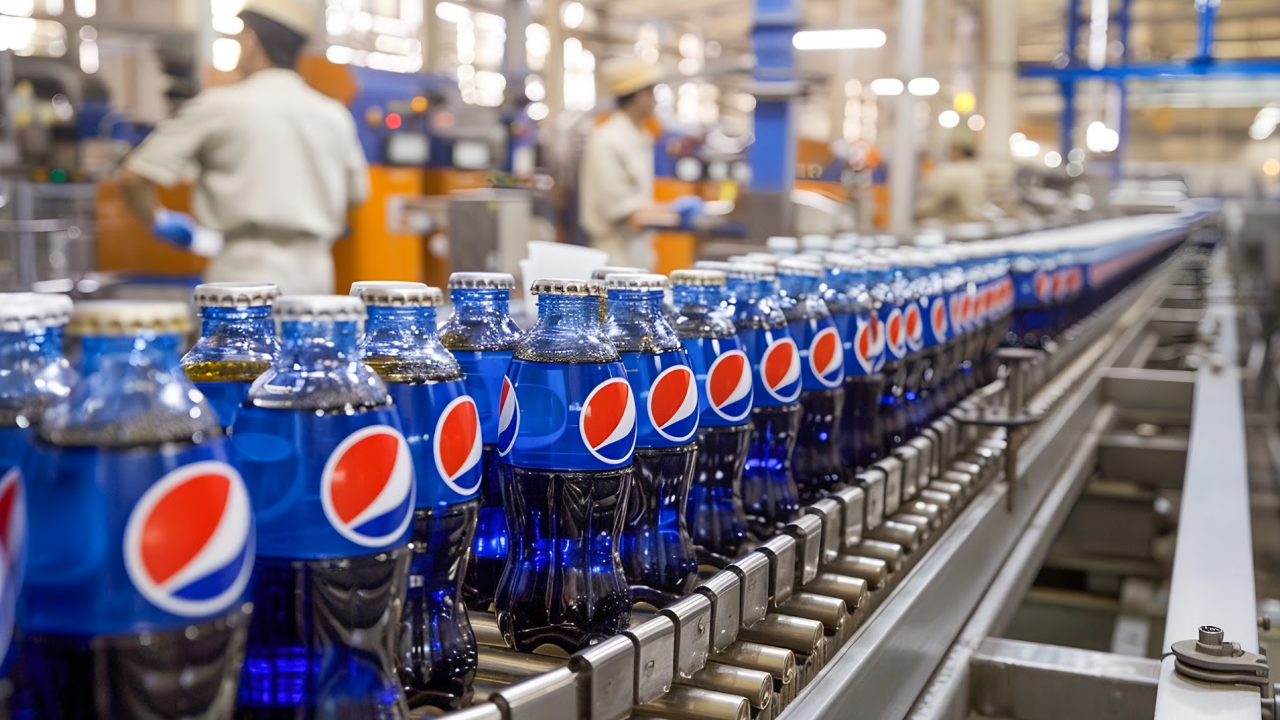
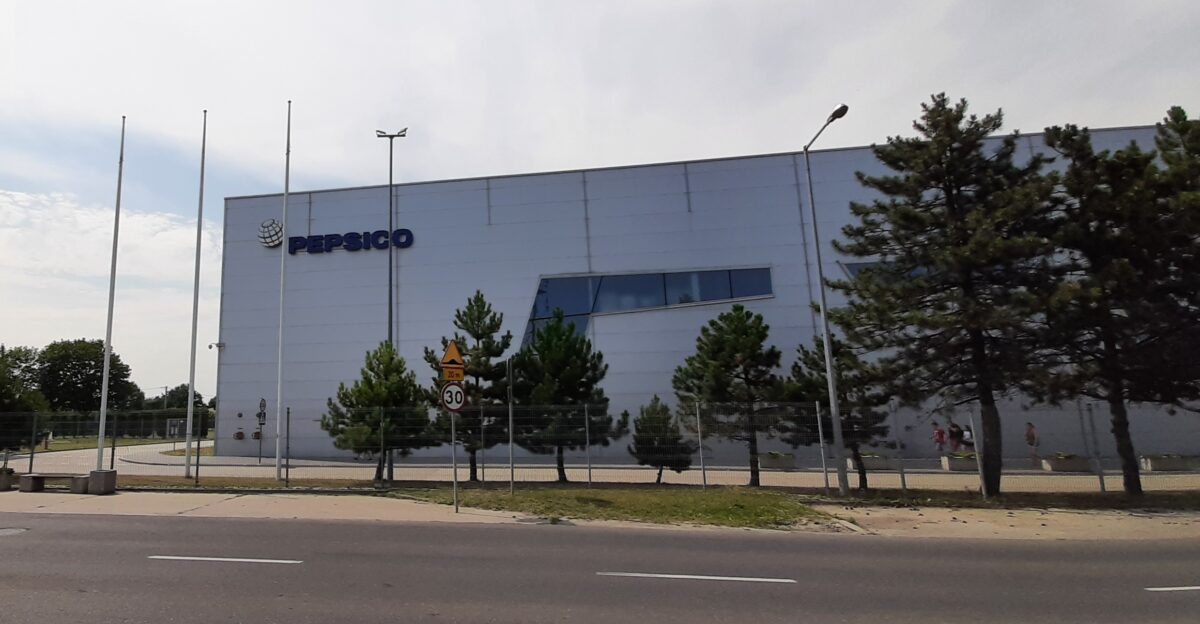
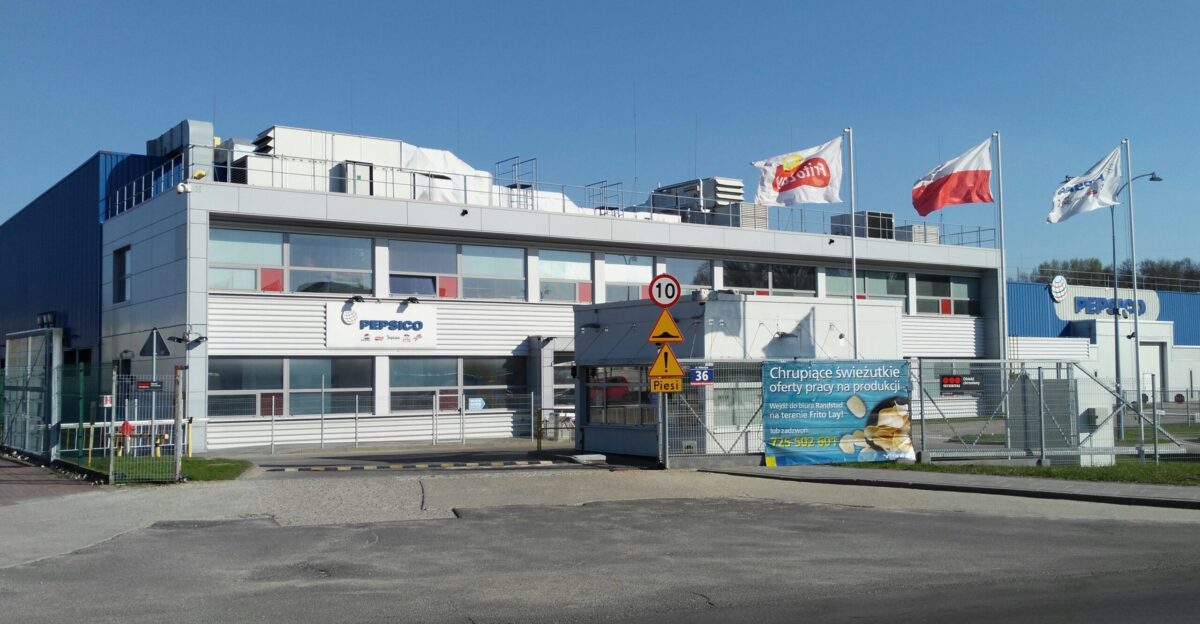
After six decades as a fixture in Central Florida’s industrial landscape, PepsiCo’s Orlando manufacturing plant has closed its doors, immediately displacing 454 workers and setting the stage for further job losses in the coming months. The abrupt shutdown, part of a sweeping corporate overhaul, signals not only the end of an era for hundreds of families but also a significant shift in the region’s economic fabric. As the company pivots toward automation and operational efficiency, the ripple effects are being felt well beyond the plant’s gates.
Impact on Workers and Community
The closure of the Orlando facility has left hundreds of blue-collar workers—laborers, packaging operators, and maintenance staff—without jobs or transfer protections. Another 46 employees at a nearby warehouse are slated to lose their positions by May of next year. In total, the layoffs will directly affect hundreds of families, many of whom have deep roots in the area.
Local officials and business owners are bracing for the fallout. The loss of steady paychecks threatens to dampen consumer spending, with Main Street retailers and service providers likely to feel the pinch. The plant, which had operated since 1965, provided multi-generational employment and a sense of stability for the community. Its sudden closure marks a profound change for Orlando’s working families and the broader local economy.
A Broader Wave of Layoffs
Orlando’s shutdown is not an isolated event but part of a larger pattern of plant closures and layoffs across PepsiCo’s U.S. operations in 2025. Earlier this year, the company shuttered its PopCorners facility in Liberty, New York, affecting nearly 300 workers. In June, a 55-year-old plant in Rancho Cucamonga, California, was closed, displacing up to 480 employees. By year’s end, PepsiCo confirmed layoffs across multiple U.S. facilities totaling more than 1,100 jobs.
These moves are emblematic of a nationwide trend toward consolidation and automation in the food and beverage industry. October alone saw over 153,000 jobs cut across the U.S.—the highest monthly total in more than two decades. Major employers, including Amazon, Verizon, and Target, have also announced significant workforce reductions, reflecting a broader shift in how companies manage labor in an era of economic uncertainty and technological change.
Strategic Drivers Behind the Restructuring
PepsiCo’s leadership has framed the closures as a strategic response to evolving market conditions rather than a reaction to plummeting sales. CEO Ramon Laguarta has pointed to the need for greater efficiency and modernization, stating that the company is targeting “manufacturing nodes that are not needed anymore.” The focus is on streamlining operations, investing in automation, and centralizing production and distribution in larger, more technologically advanced facilities.
Financial pressures have also played a role. Frito-Lay, PepsiCo’s snack division, reported a 2% decline in volume and a 2% drop in organic revenue in the third quarter of 2025. Rising snack prices and shifting consumer habits—driven by inflation and a growing preference for healthier options—have contributed to subdued performance. Nearly half of U.S. consumers have reduced snack purchases due to higher prices, and snack prices have generally outpaced overall food inflation this year.
Investor Influence and Market Shifts
The pace of PepsiCo’s restructuring has accelerated under pressure from activist investors. In September, Elliott Investment Management acquired a $4 billion stake in the company, urging aggressive cost-cutting, portfolio simplification, and a potential refranchising of bottling operations. Elliott has described PepsiCo as an “underperformer” and pushed for immediate improvements in efficiency, further fueling the drive toward automation and workforce reductions.
Meanwhile, broader market trends are reshaping the snack industry. Health-conscious consumers are gravitating toward better-for-you products, and inflation has forced many households to prioritize essentials over discretionary snacks. These shifts have prompted PepsiCo and its competitors to rethink their product lines, pricing strategies, and supply chains.
Supply Chain and Economic Consequences
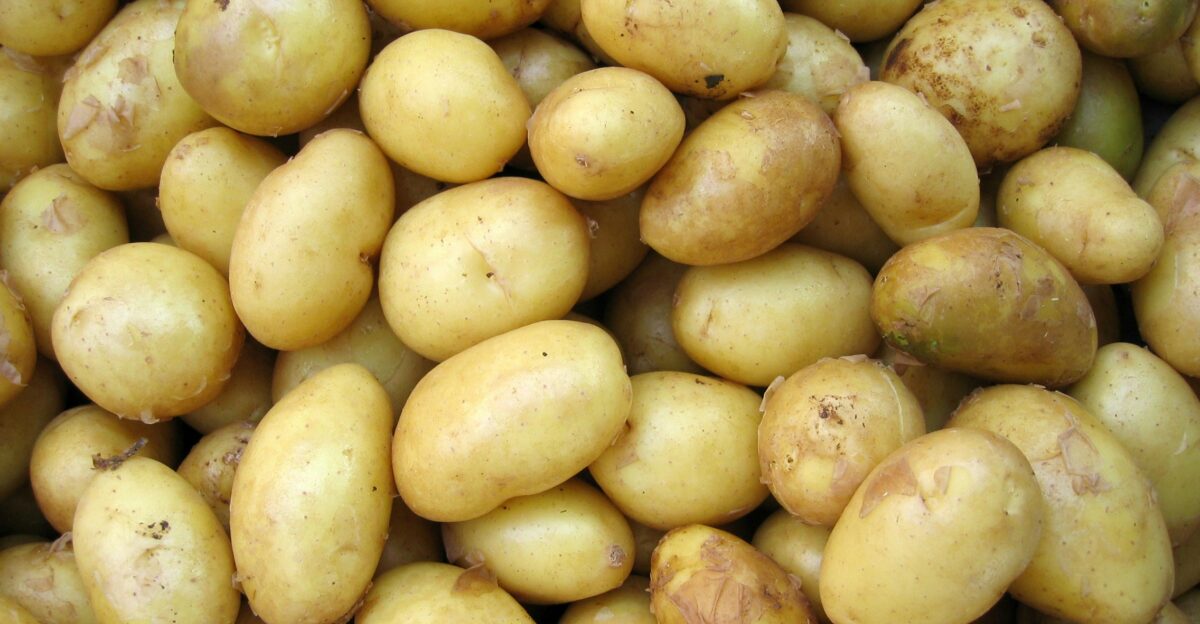
The closure of the Orlando plant has triggered a cascade of logistical adjustments. Raw materials such as potatoes, cornmeal, and cooking oils, once processed locally, are now being rerouted to other Southeastern facilities. Finished snack products must be redistributed through new channels, increasing transitional demands on the company’s supply chain.
The economic impact on the region is substantial. The plant’s role as a key distribution hub means that its absence will be felt not only by former employees but also by suppliers, transporters, and local businesses that depended on its operations.
Looking Ahead
PepsiCo’s decision to close its long-standing Orlando facility reflects a confluence of factors: the relentless push for automation, investor demands for efficiency, and changing consumer behavior in a volatile economic climate. While the company frames these moves as necessary for long-term competitiveness, the immediate consequences for workers, families, and communities are profound. As the industry continues to evolve, the fate of legacy manufacturing sites like Orlando’s offers a stark illustration of the challenges and trade-offs facing American workers and the companies that employ them.