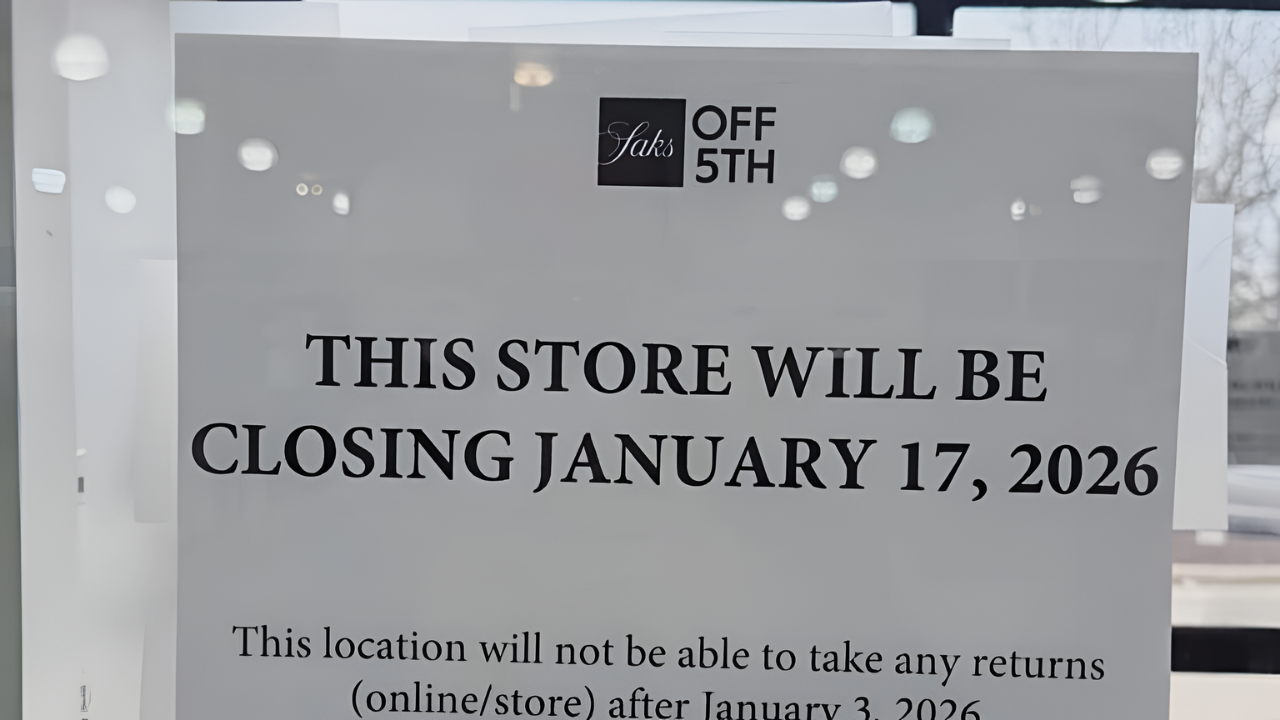
Saks Global filed for Chapter 11 bankruptcy just 13 months after buying Neiman Marcus. Amazon’s $475 million preferred equity stake now looks nearly worthless. In court filings, Amazon called the investment “presumptively worthless.”
Saks burned through hundreds of millions in under a year and piled up unpaid invoices to partners. How did this prestige retail deal go so wrong so fast?
Stakes Skyrocket

Saks Global’s bankruptcy affects many companies. Court documents show the company owes about $3.4 billion to creditors. The 30 largest unsecured claims total roughly $712 million.
Luxury giants like Chanel, Kering, LVMH, and Burberry now wait to recover what they are owed. Tech firms Meta and Google are also creditors. Who will absorb the pain if recovery terms get tighter?
Luxury Roll-Up History
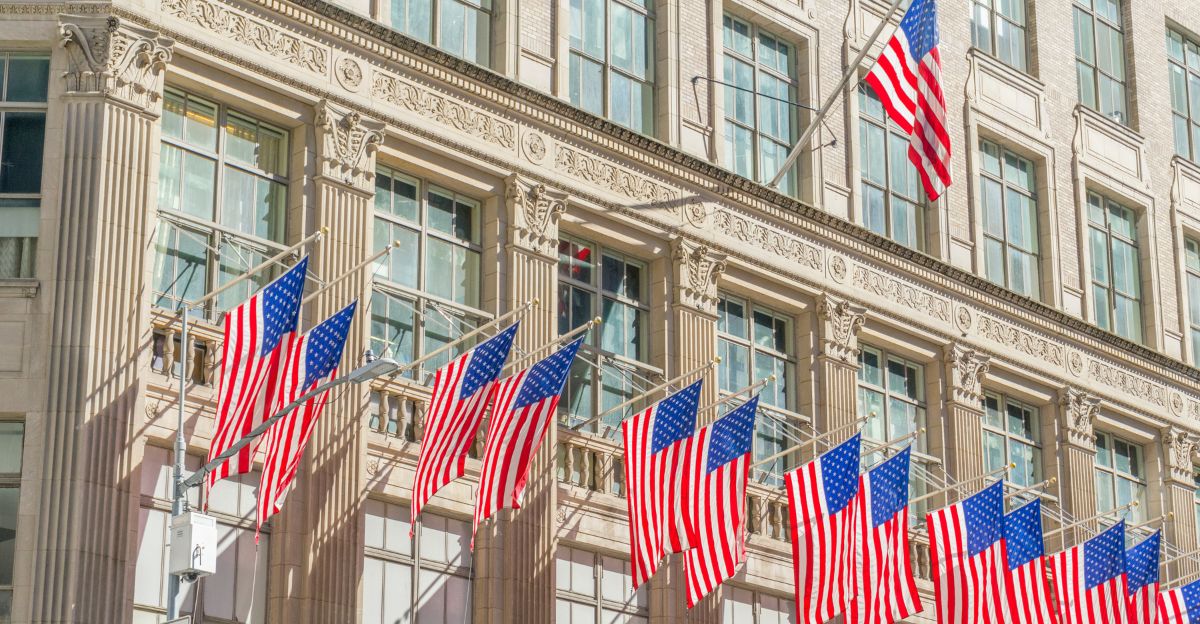
Saks Global was formed barely a year ago by combining Saks Fifth Avenue, Neiman Marcus, and Bergdorf Goodman into one luxury platform. The roughly $2.7 billion acquisition of Neiman Marcus closed in December 2024.
The merger aimed to compete with European luxury companies and blend department stores with digital sales. Rapid growth left little room for error in this capital-intensive business.
Debt And Liquidity Squeeze
Saks loaded itself with billions in new debt to fund the Neiman Marcus deal. Restructuring disclosures show roughly $2.2 billion in high-risk bonds. Moody’s Ratings described the structure as risky, noting that two struggling retailers combined with heavy debt.
When sales and cost savings failed to happen quickly, liquidity tightened. Payments to vendors slipped, and confidence eroded fast.
Bankruptcy Flashpoint

Saks Global filed Chapter 11 petitions in mid-January 2026 in Houston’s U.S. Bankruptcy Court for the Southern District of Texas. This happened roughly 13 months after the Neiman Marcus acquisition closed.
The filing confirmed the $2.7 billion merger now sits inside a bankrupt group. Amazon’s preferred stake is trapped in a wiped-out equity layer. This is where “bankruptcy torches Amazon’s gamble” happens.
Stores On The Line
Without new financing, Saks Global faced the risk of rapid liquidation, which would have eliminated thousands of jobs at Saks Fifth Avenue, Neiman Marcus, and Bergdorf. Instead, the company got approval for a large debtor-in-possession financing package.
Amounts ranged from around $1 billion to more than $1.7 billion. This kept stores open during restructuring. Workers still have jobs today, but their future depends on restructuring results.
Brands And Workers Exposed
Many employees work for brands that sell through Saks Global using wholesale or concession models. One industry consultant told Business Insider that for some smaller labels, 40 to 50 percent of their business comes from Saks Global.
Disruptions in orders or payments quickly threaten payroll and staffing. Shipments were pulled back, and invoices went unpaid. Brand workforces suddenly faced a serious risk.
Amazon’s Strategic Play

Amazon’s $475 million infusion in 2024 was not a passive investment. It funded the launch of “Saks on Amazon” storefronts and provided technology and logistics support for the luxury group.
Analysts saw this as part of Amazon’s push into high-end fashion without owning real estate. Now the stake is worthless. Amazon challenges the bankruptcy financing plan and warns about future partnership risks.
Supplier Confidence Cracks
Court filings show Saks Global owes hundreds of millions of dollars to luxury suppliers, including major amounts to Chanel and Kering’s brands. Delayed payments made brands cut shipments or cancel orders.
Some stores lost product assortments, which hurt the luxury shopping experience. This pullback further pressured sales and deepened the financial crisis across the company.
Hidden Referral Riches

Amazon’s partnership included another major figure: the tech giant was set to receive about $900 million in guaranteed referral-fee payments over eight years. These payments are tied to Saks traffic and sales.
With Saks now in Chapter 11 and Amazon’s equity worthless, those long-term referral economics look far less certain. The fallout reshapes how platform-retail alliances work.
Courtroom Friction

In bankruptcy court, Amazon strongly opposed Saks Global’s debtor-in-possession financing deal. Amazon argued it unfairly subordinates existing creditors and leverages assets it pitches as an “equity cushion.”
Amazon claims Saks used that cushion to get partners to extend credit, then pledged the same asset to secure new bankruptcy loans. This conflict shows tension between legacy investors, lenders, and operating partners scrambling for survival.
Leadership And Blame

Saks Global’s chief restructuring officer argued in court that the Neiman Marcus acquisition created “immediate liquidity challenges” and “unsustainable” capital structure. He insists weak luxury demand is not the problem.
Moody’s analysts, however, stress risks from combining two challenged companies with heavy debt. This strategy-versus-execution debate will shape how future owners and boards approach any restart.
Survival Playbook

Saks Global plans to honor “go-forward” payments to vendors, maintain payroll and benefits, and keep customer programs intact while in court protection. Approved financing gives management time to negotiate with creditors and attempt an operational reset.
This may include store closures, renegotiated leases, and revised brand partnerships. Whether that restores supplier trust and customer interest remains unclear.
Luxury Sector Jitters
Analysts say Saks Global’s collapse does not mean luxury demand vanished. It does show how fragile heavily indebted department store models can be, even at the high end. European luxury groups have stronger balance sheets and diversified sales channels.
U.S. department stores face pressure from online sales and direct-to-consumer brands. Investors now ask if this is just one case or an early warning for other leveraged retailers.
What Comes Next?

As the case moves forward in Houston, three big questions remain: How much will unsecured creditors, including Amazon and top luxury brands, recover? Which stores and jobs can be preserved? Will any buyer or investor emerge to stabilize the platform?
The answers affect not just Saks Global’s future, but also the future of its customers. They shape how tech platforms and luxury houses structure partnerships going forward.
Sources:
Nasdaq – Amazon Challenges Saks Bankruptcy Plan, Says $475 Mln Investment Has Been Wiped Out – January 14, 2026
CNBC – Saks Acquisition of Neiman Marcus Led to Bankruptcy – January 15, 2026
Digital Commerce 360 – Saks Global Files for Chapter 11 Bankruptcy, Receives Permission to Proceed With Financing Plan – January 14, 2026
Business Insider – Saks Owes Hundreds of Millions to Luxury Brands From Chanel to Gucci After Bankruptcy Filing – January 13, 2026
Reuters – Chanel, Kering Top Luxury Who’s Who of Saks Global Unsecured Creditors – January 14, 2026
Yahoo Finance – A $900M Promise to Amazon and 4 Other Takeaways From Saks Global’s Bankruptcy – January 14, 2026