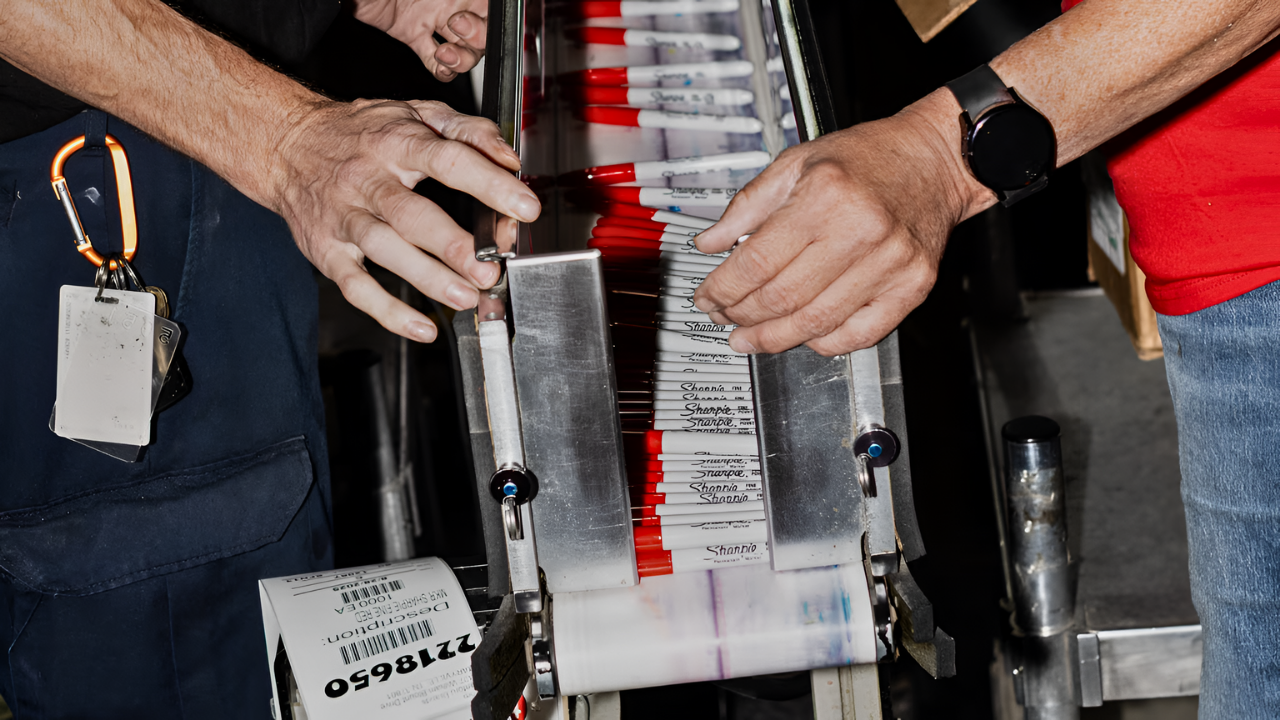
Newell Brands, the company behind many household favorites such as Sharpie markers, Yankee Candle products, Rubbermaid containers, and Mr. Coffee machines, has announced major cutbacks. The company plans to eliminate more than 900 jobs, around 10% of its professional staff and shut down 20 Yankee Candle stores by early 2026.
These decisions come as rising tariffs are set to add about $180 million in extra costs next year, putting more pressure on a business already hit by slowing sales and weaker consumer spending. Newell reported a 7% drop in revenue over the past year and is pushing forward with broad changes to cut costs and restore profitability.
The Growing Strain of Tariffs
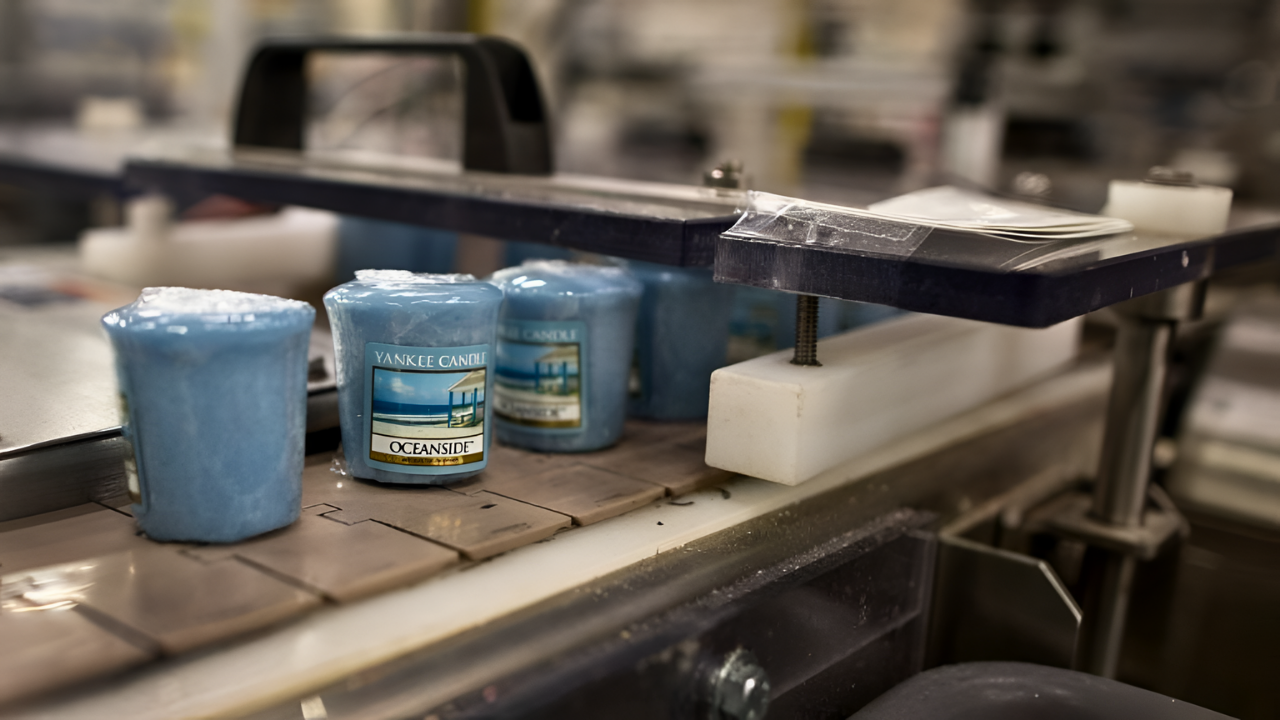
Trade tariffs have become one of the biggest challenges for Newell Brands. These taxes on imported goods have sharply increased the company’s expenses for materials, shipping, and production. Compared with last year, the impact has grown worse, disrupting supply chains and making products more expensive to produce. Many of Newell’s products fall into categories customers view as “nonessential,” such as scented candles and home décor items, so when prices go up, people often buy less.
To deal with these rising costs, Newell is turning to automation, scaling back overhead spending, and demanding stronger performance from each division. The company, like many others, is caught between higher operating costs and customers who are becoming more price-sensitive. As Newell faces steeper expenses and softer demand, trimming the workforce has become one way to protect margins and maintain competitiveness in a difficult economy.
Higher Prices Hit Shoppers

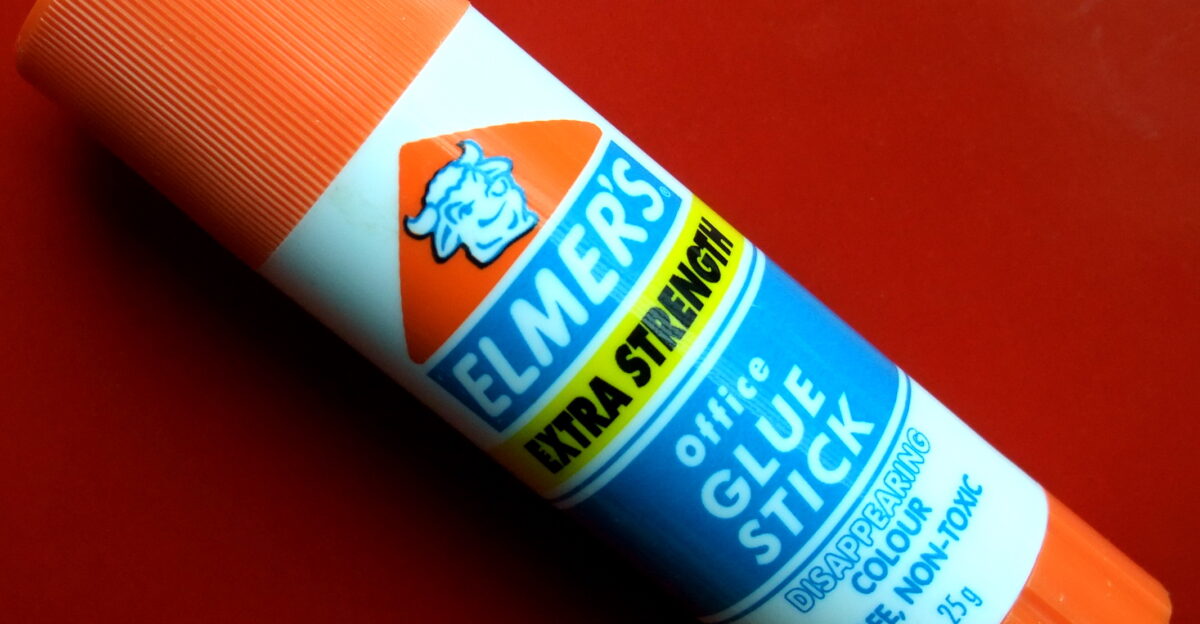
Rising tariffs don’t just affect companies, they reach consumers too. The extra costs are now reflected on store shelves with noticeable price increases on products like Sharpie pens, Elmer’s glue, and Yankee Candle scents. These higher prices have pushed many households to think twice before buying everyday items for their homes, offices, and crafts.
Newell’s latest quarterly report showed sales down 7% from the same period a year earlier, as profit margins tightened further. Inflation has already made essentials more expensive, and additional price hikes from tariffs add to the strain. For many buyers, this means searching for cheaper brands, smaller package sizes, or waiting for discounts to stretch their budgets. The result is slower movement of goods and greater pressure on companies like Newell to balance prices and production costs without losing customers.
Streamlining for Efficiency and Savings
In response to the challenges, Newell has launched a restructuring plan aimed at saving between $110 million and $130 million a year once the changes are complete. However, the company expects to spend $75 million to $90 million upfront in severance pay and reorganization efforts. The job cuts will mainly affect corporate and administrative workers, while most manufacturing and supply-chain roles will remain untouched.
This is part of a wider turnaround effort that began in 2023, designed to make Newell leaner and more efficient. The focus is on tightening operations rather than cutting entire brands or product lines. By simplifying its structure, Newell hopes to safeguard production while creating a more flexible organization that can respond faster to cost pressures and market changes.
At the same time, the company is shifting resources toward higher-profit areas and boosting its online and wholesale business. The closure of 20 Yankee Candle stores, representing roughly 1% of that brand’s revenue, will begin in early 2026, with the focus on shutting underperforming locations in the U.S. and Canada. Many of these stores sit in malls with declining foot traffic, so the move aligns with the growing trend of shoppers choosing to buy candles and fragrances online. Instead of owning retail spaces, Newell plans to rely more on leased stores to lower fixed costs and stay flexible.
Impact on Workers, Communities, and the Industry

The layoffs will affect workers around the world but primarily in the United States. Cuts announced during the holiday season have caused particular concern for families and communities near affected offices and stores. In towns with Yankee Candle stores, these closures may also reduce business for nearby shops and restaurants that rely on foot traffic.
Newell still carries heavy debt, about $4.8 billion, which limits how much it can invest or borrow for growth. Inflation continues to squeeze the company’s finances, while businesses that buy candles and fragrances in bulk, such as hotels and spas, are facing their own rising costs. Some are scaling back orders or switching to cheaper suppliers, adding further pressure on Newell’s sales.
Across the manufacturing world, Newell’s story fits a wider pattern. Companies in many sectors—including apparel, metals, and home goods, have announced cost-cutting measures and layoffs due to tariffs and slower consumer demand. As export barriers grow, Newell’s products are also becoming more expensive overseas, further limiting global sales.
Investors, however, have shown some optimism. Newell’s stock rose slightly after the cost-saving plans were revealed, reflecting cautious approval of management’s strategy. Yet concerns remain about the company’s debt load, unpredictable trade policies, and the uncertain strength of consumer demand. Executives are looking to technology, such as automation and artificial intelligence—to improve efficiency through 2026, but if tariffs continue to rise, even more difficult decisions may lie ahead.
Newell Brands’ latest moves show how global trade tensions, tariffs, and inflation are shaping the choices companies and consumers must make. Job cuts, rising prices, and shifting shopping habits all reflect a complex economic environment where both protectionist policies and consumer pressures weigh heavily on everyday products and the people behind them.
Sources:
Reuters: “Sharpie maker Newell Brands to cut 900 jobs, take up $90 million charges” (Dec 1, 2025)
CBS News: “Yankee Candle maker Newell Brands to close stores and cut 900 jobs” (Dec 1, 2025)
Retail Dive: “Yankee Candle owner resorts to layoffs, store closures” (Nov 30/Dec 1, 2025)
USA Today: “Newell Brands announces 900 layoffs, 20 Yankee Candle store closures” (Dec 1, 2025)
StockInsights.ai (8-K Filing): “NWL NEWELL BRANDS INC Business Restructuring 8-K Filing” (Nov 30/Dec 1, 2025)