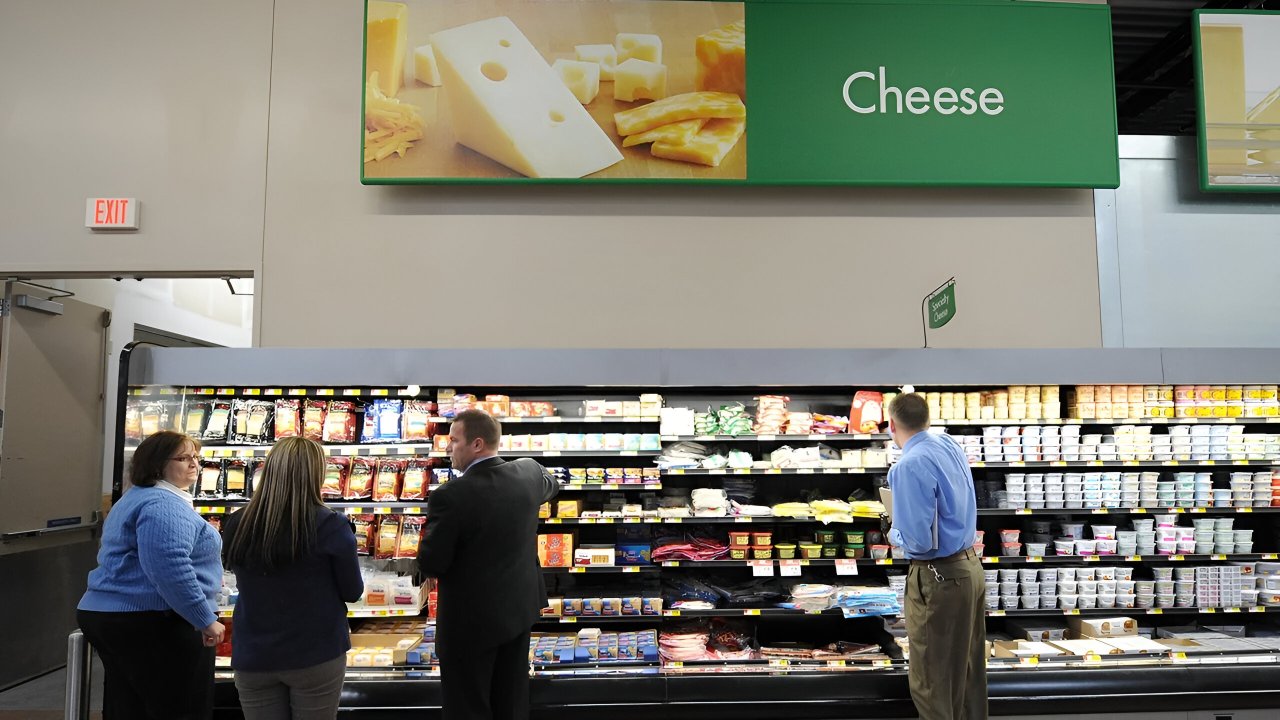
In supermarkets across the country, shoppers looking for shredded mozzarella and Italian-style blends have instead been met with recall notices and empty shelf space. More than 1 million bags of shredded cheese have been pulled from stores after metal fragments were found in certain products, triggering a broad recall that stretches across 31 states and Puerto Rico and affects dozens of familiar store-brand labels.
Metal Contamination Triggers Massive Pullback
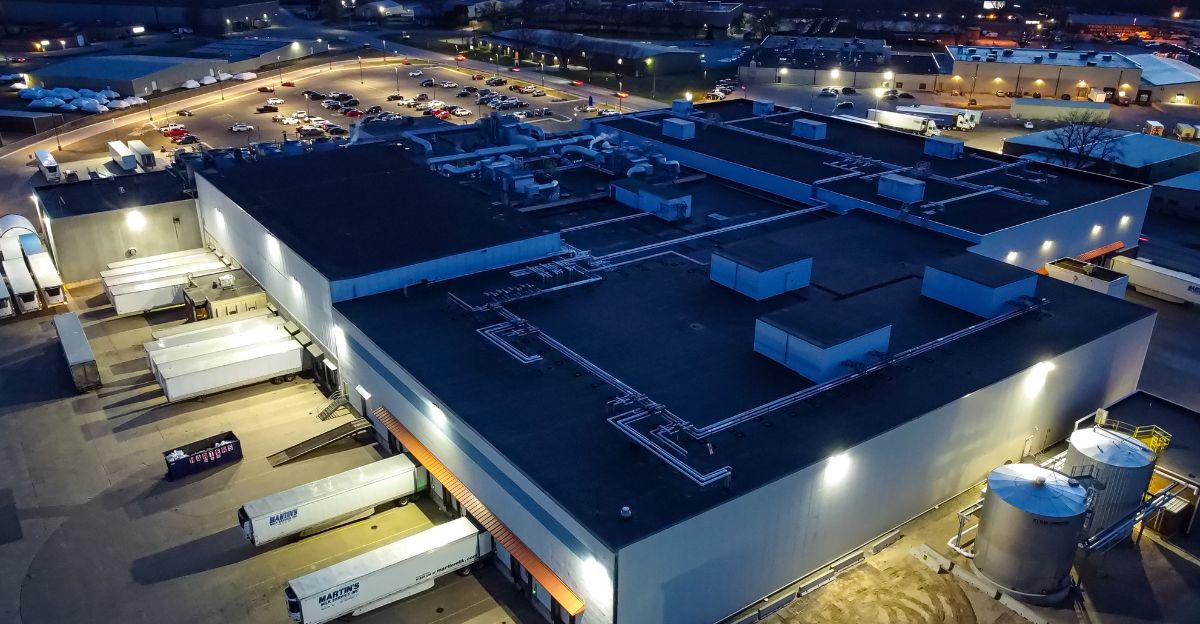
The recall began on October 3, 2025, when Ohio-based Great Lakes Cheese initiated a voluntary action after discovering metal fragments in low-moisture part-skim mozzarella and related shredded cheese blends. The products, packaged in plastic bags and sold under numerous store brands, were quickly flagged by regulators. The U.S. Food and Drug Administration categorized the incident as a Class II recall, indicating a risk of temporary or medically reversible health effects for consumers who might ingest the fragments.
According to the FDA’s enforcement report, affected items include shredded mozzarella under labels such as Always Save, Borden, Brookshire’s, Cache Valley Creamery, Chestnut Hill, and Coburn Farms, among others. Package sizes range from 8-ounce retail bags to 5‑pound and 32‑ounce offerings, with distinct UPC codes listed in federal documents to help retailers and consumers identify the specific products involved.
Retailers Remove Products and Manage Shortages
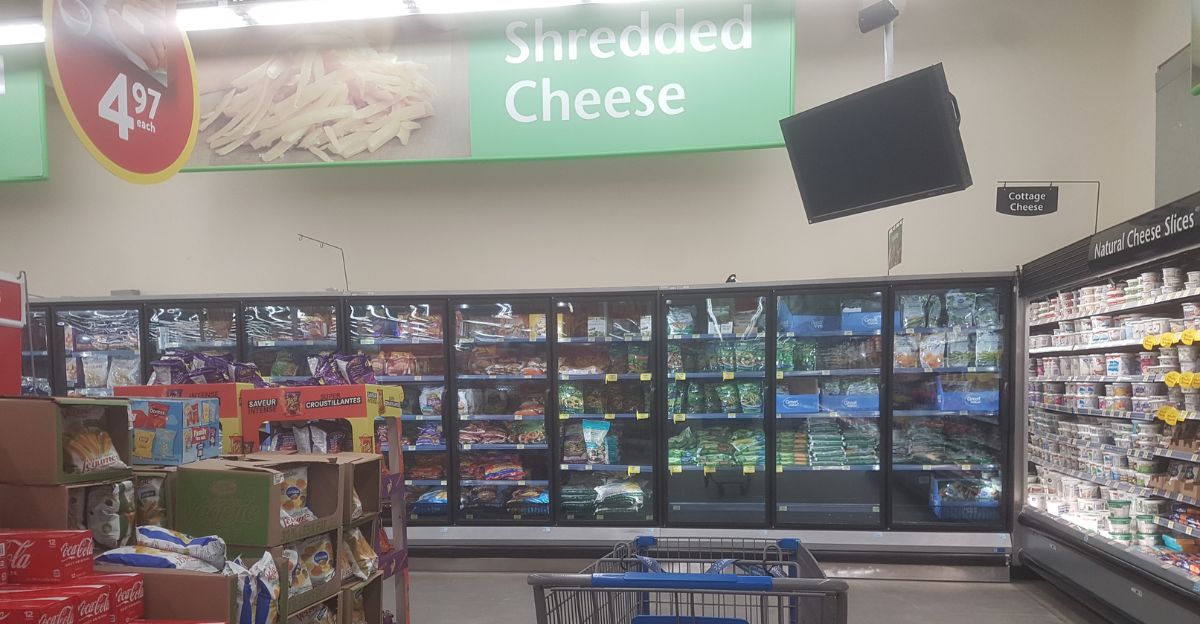
Major chains that rely on Great Lakes Cheese for private-label dairy products have moved to limit consumer exposure. Walmart, Target, Aldi, Publix, Albertsons and other grocers removed the affected bags from dairy cases, posted recall alerts, and offered refunds to customers who purchased the recalled items. Shoppers in impacted regions have encountered noticeable gaps in the cheese aisle, particularly where store brands like Walmart’s Great Value and Target’s Good & Gather typically appear.
The disruption has forced many households to adjust buying habits, either shifting temporarily to national brands or choosing different cheese formats that are not tied to the recall. Warehouse clubs and regional grocers have reported similar shelf disruptions as they work with suppliers and regulators to verify replacement stock. Industry analysts note that while the shortage is expected to be temporary, it has highlighted how quickly a single disruption can alter everyday shopping routines.
One Manufacturer, Many Labels
The scale of the recall reflects the central role Great Lakes Cheese plays in the U.S. dairy supply chain. The company manufactures shredded cheese for more than 30 different store brands nationwide. That private-label model, in which one production facility supplies numerous chains under separate brand names, has long helped retailers keep prices competitive and maintain consistent quality. It also means that a defect in a single production run can cut across many banners at once.
This episode has drawn renewed attention to how widely a single facility’s output can reach. A quality issue at Great Lakes Cheese did not just affect its own brand; it rippled through multiple retailers’ in‑house labels across supermarkets, discount chains, and warehouse outlets. For store-brand programs, which depend heavily on consumer trust, the recall raises questions about how retailers communicate safety measures when manufacturing is outsourced to large co-packers.
Regulators and Company Emphasize Safety Controls
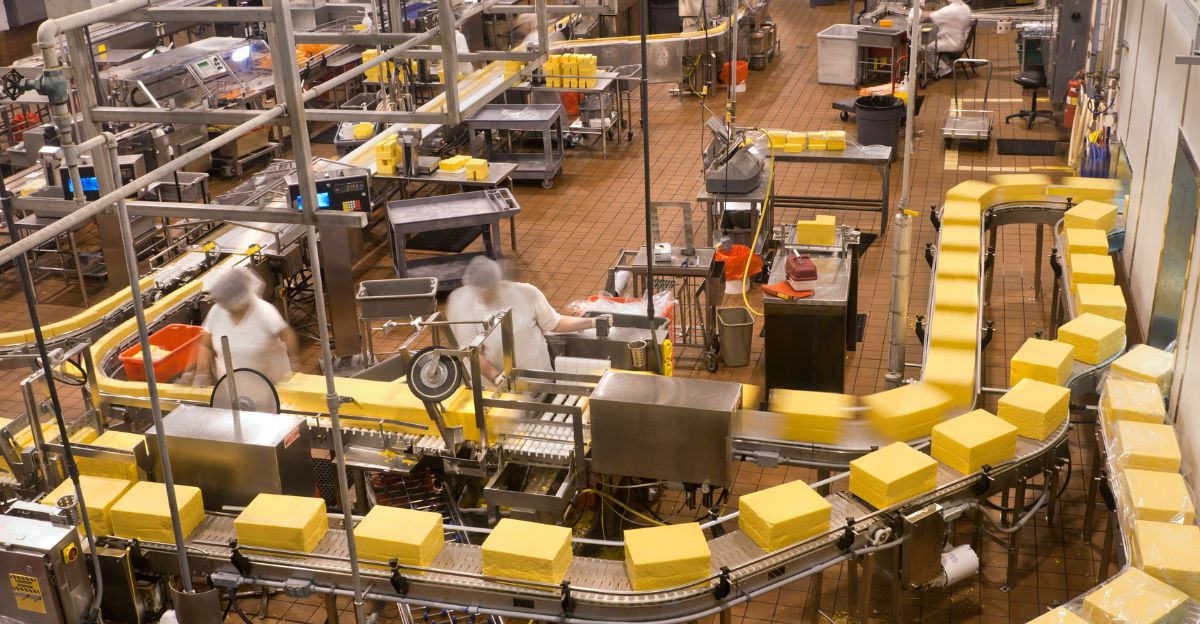
On December 1, 2025, the FDA’s enforcement records reflected the Class II designation for the shredded cheese recall, underscoring regulators’ concern about the contamination and the potential for injury. The classification has put added focus on preventive controls at high-volume dairy plants, especially those that process products for a wide array of private labels.
Great Lakes Cheese has stated that all recalled products have been removed from the market and replaced with new items produced under corrected conditions. In an update issued December 3, the company said products now on store shelves are safe to consume and not associated with the October recall. Although the recall remains listed as “ongoing” in FDA enforcement documents, the company reports that all affected lots have been cleared from retail locations.
Looking Ahead: Transparency, Traceability, and Consumer Guidance
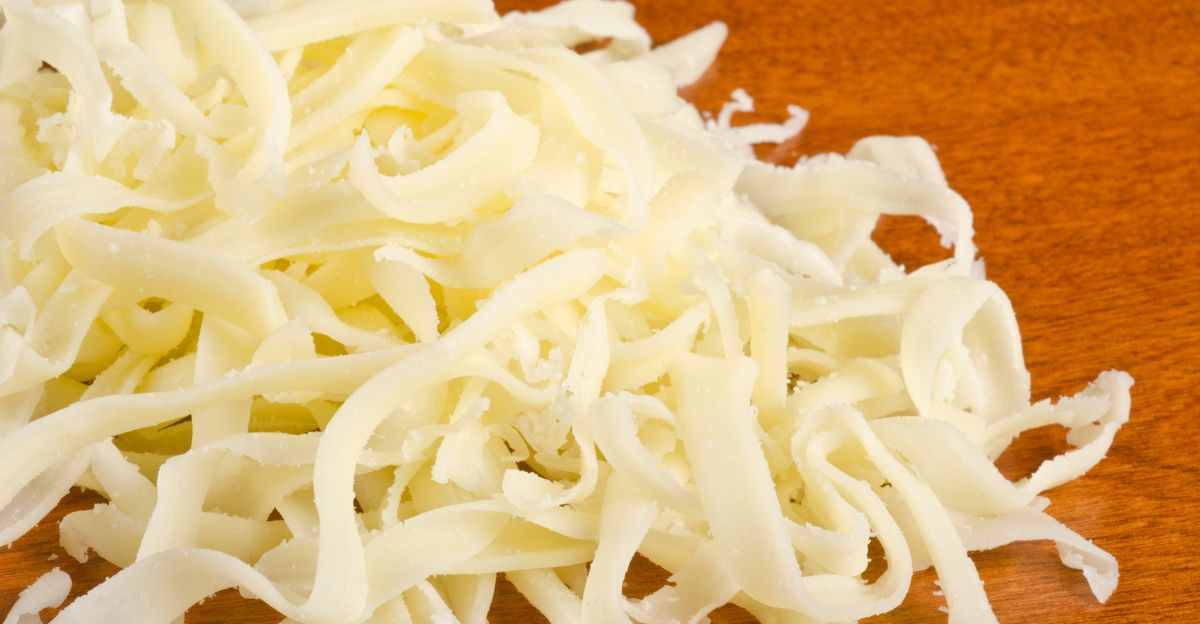
The shredded cheese recall has become a case study in modern food distribution, demonstrating both the efficiency and the vulnerability of consolidated manufacturing. One production flaw at a single plant reached into dozens of grocery brands and multiple sales channels. As a result, food safety specialists and supply chain analysts are revisiting how traceability, metal detection, and other safeguards are implemented in facilities that serve many different retailers.
For consumers, federal and company guidance is clear: anyone who purchased shredded mozzarella or related blends from affected brands should compare package details against official recall lists and either discard the product or return it for a refund. That advice extends to items stored in home freezers, not just fresh purchases. Observers expect that as the supply of shredded cheese normalizes, the incident will continue to shape discussions about quality assurance in private-label manufacturing, the speed of recall communication, and the resilience of the broader food system.
Sources
FDA Enforcement Report for December 2025; FDA Class II Recall Event ID 95166
Great Lakes Cheese Company Voluntary Recall Announcement (October 3, 2025)
U.S. Food and Drug Administration Recall and Safety Alerts Archive