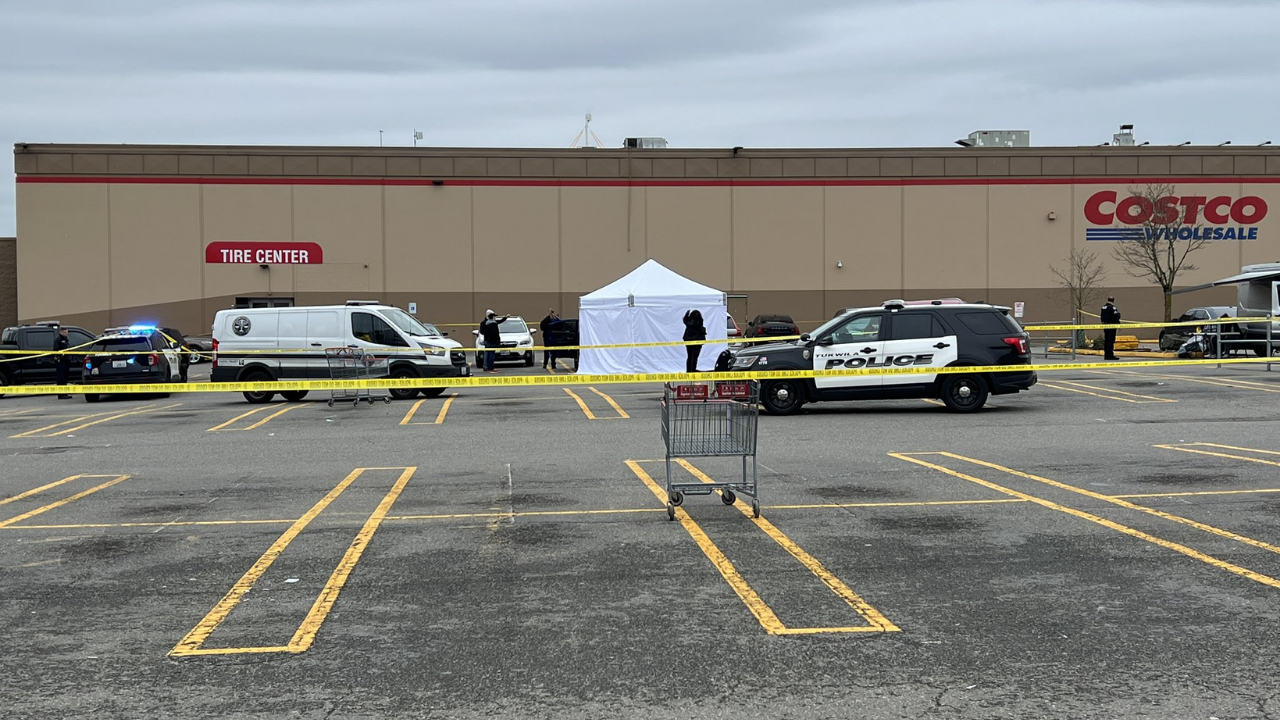
What started as a routine lobster shipment from Massachusetts turned into a masterclass in modern crime. Over the weekend in late December, thieves made off with $400,000 worth of crustaceans destined for Costco stores in Illinois and Minnesota—using tactics so polished, so calculated, that they’ve drawn the FBI’s attention.
The heist wasn’t random. It was surgical. And it’s part of a wave of cargo theft that’s reshaping how America ships, insures, and ultimately prices everything from electronics to dinner.
The Perfect Imposter

Dylan Rexing, president and CEO of Rexing Companies—the Indiana-based freight broker arranging the pickup—says the thieves didn’t just steal a truck. They stole an identity. According to Rexing, the criminals behind the heist “impersonated a real carrier” by hijacking a legitimate trucking company’s domain, spoofing its email address, and even changing the name on the side of the truck.
They forged a certified driver’s license. The load of lobsters departed from Lineage Logistics in Taunton, Massachusetts, and vanished over the weekend.
How They Pulled It Off
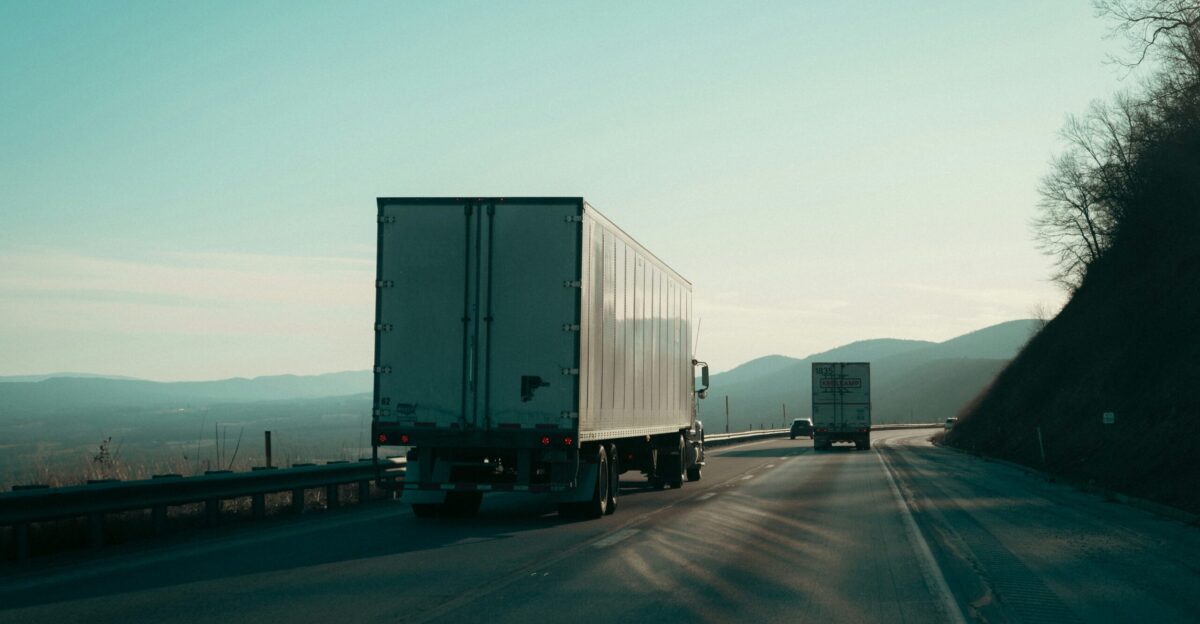
The method was disturbingly simple—and disturbingly effective. The phishing wasn’t happening in someone’s inbox; it was happening on the road. Thieves didn’t need to hack a database or intercept an email chain.
They just needed to look legitimate, sound legitimate, and show up when the shipment was ready. This is an example of identity theft in the supply chain.
An ‘Organized Crime’ Pattern
Rexing’s language was blunt. “I mean, it’s organized crime at the finest,” he said in an interview with Business Insider. Investigators aren’t dismissing the comment as hyperbole.
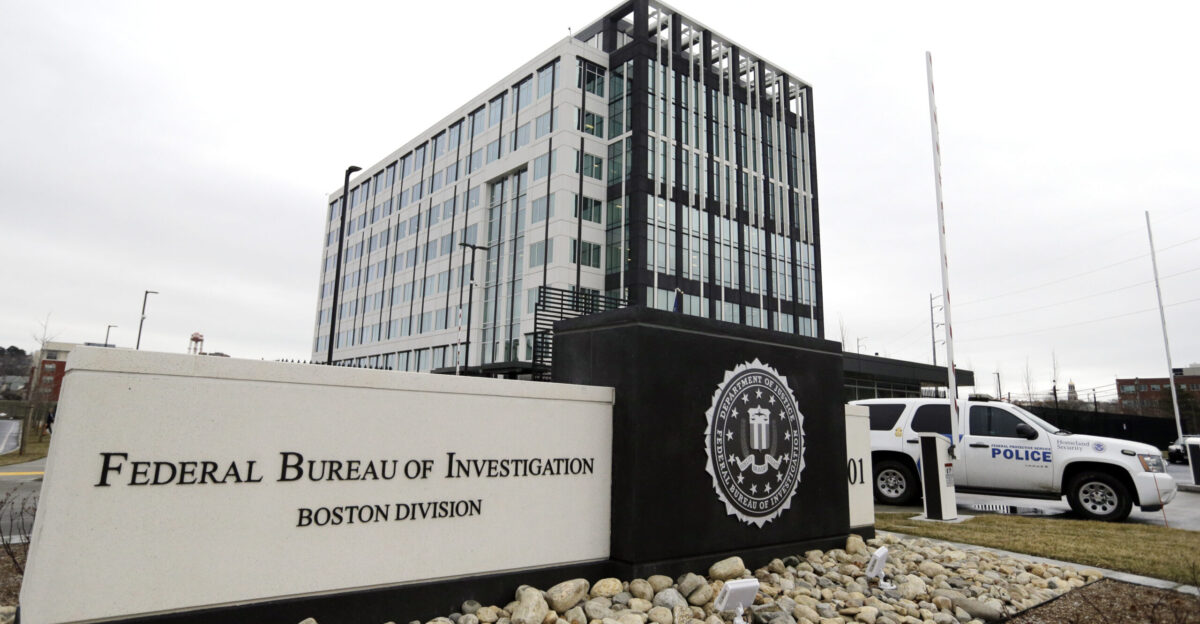
The FBI’s Boston field office has opened a formal investigation, signaling that federal law enforcement sees this as part of a coordinated criminal enterprise—not a one-off heist by desperate truckers.
The Domino Effect on Prices
What makes this theft sting isn’t just the $400,000 loss—it’s the ripple. Rexing acknowledged that the hit to his company will “force tough decisions and ultimately drive up costs across the supply chain.” He added: “Consumers ultimately end up paying.” Insurance may not cover the full loss.
Small logistics firms often operate on razor-thin margins. That lobster dinner suddenly looks a lot more expensive.
When Lobsters Aren’t Even the Biggest Haul
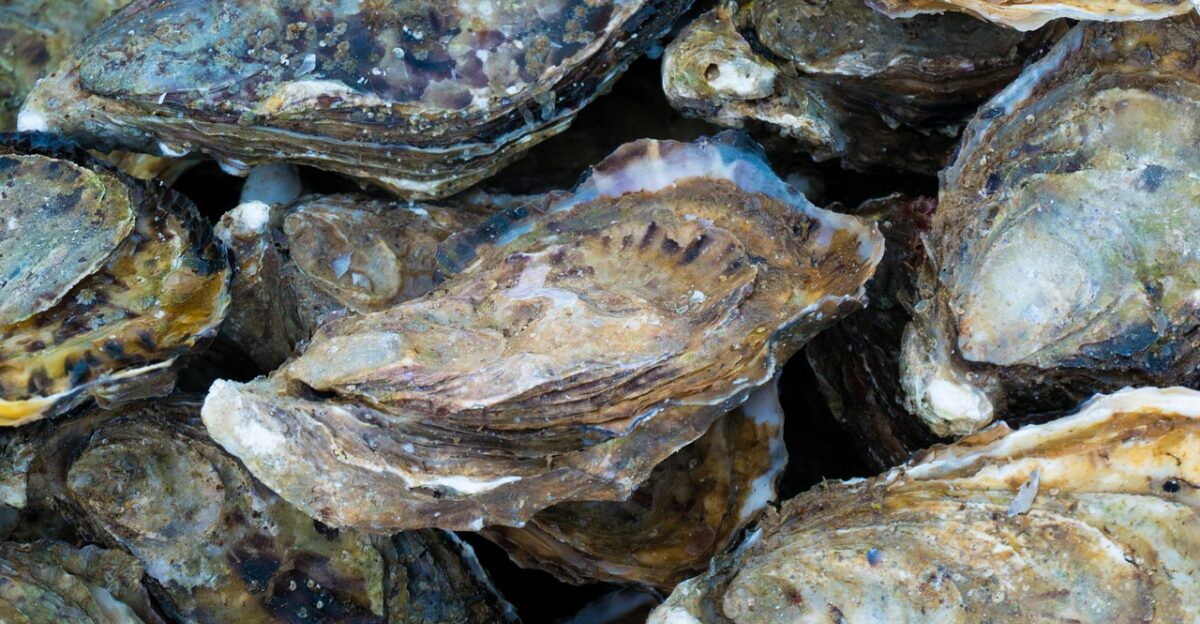
The Costco lobster theft didn’t happen in isolation. In December, New England experienced a string of seafood heists that resembled an organized crime wave targeting the seafood industry.
On November 22, thieves stole 14 cages of oysters from an aquaculture site in Casco Bay, Maine—roughly 40,000 oysters worth $20,000. Two weeks later, crab disappeared from the same Lineage Logistics warehouse in Taunton where the lobster shipment originated. Then came the lobsters. The pattern suggests coordination, not coincidence.
A Nationwide Problem That’s Getting Worse
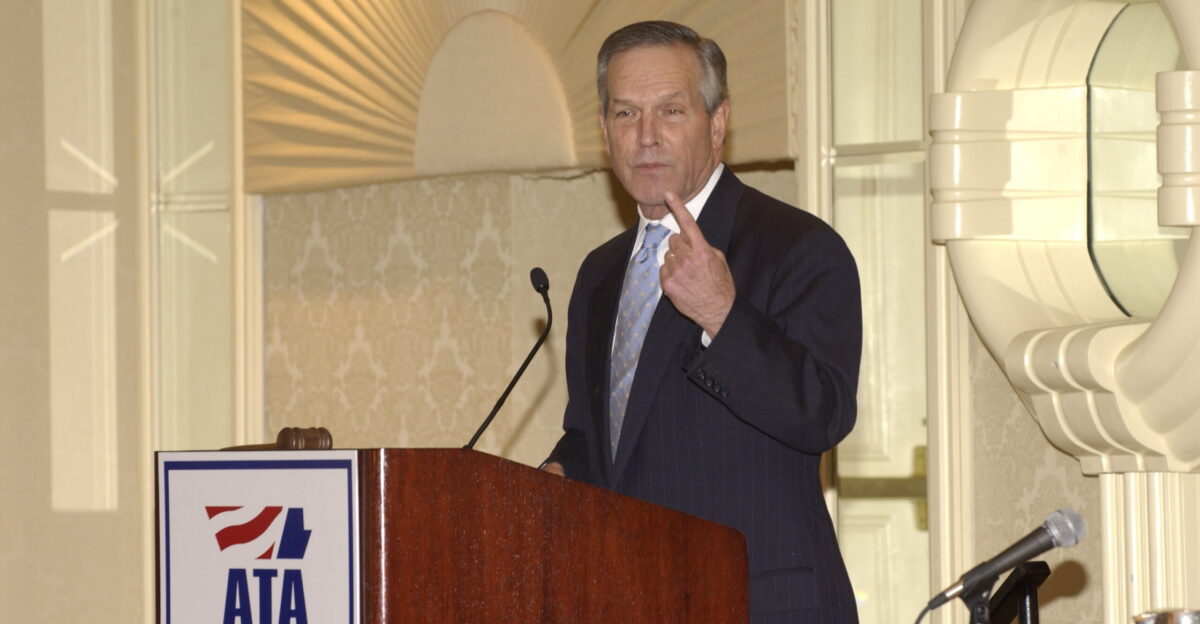
The lobster heist is the latest symptom of a much larger disease. According to the American Trucking Association, strategic cargo theft has surged 1,500% since the first quarter of 2021. That’s not incremental growth. That’s explosive.
In just the first quarter of 2025 alone, 505 cargo thefts were reported—or roughly one every few hours. The average value per theft now exceeds $200,000.
Why Criminals Love the Supply Chain Now
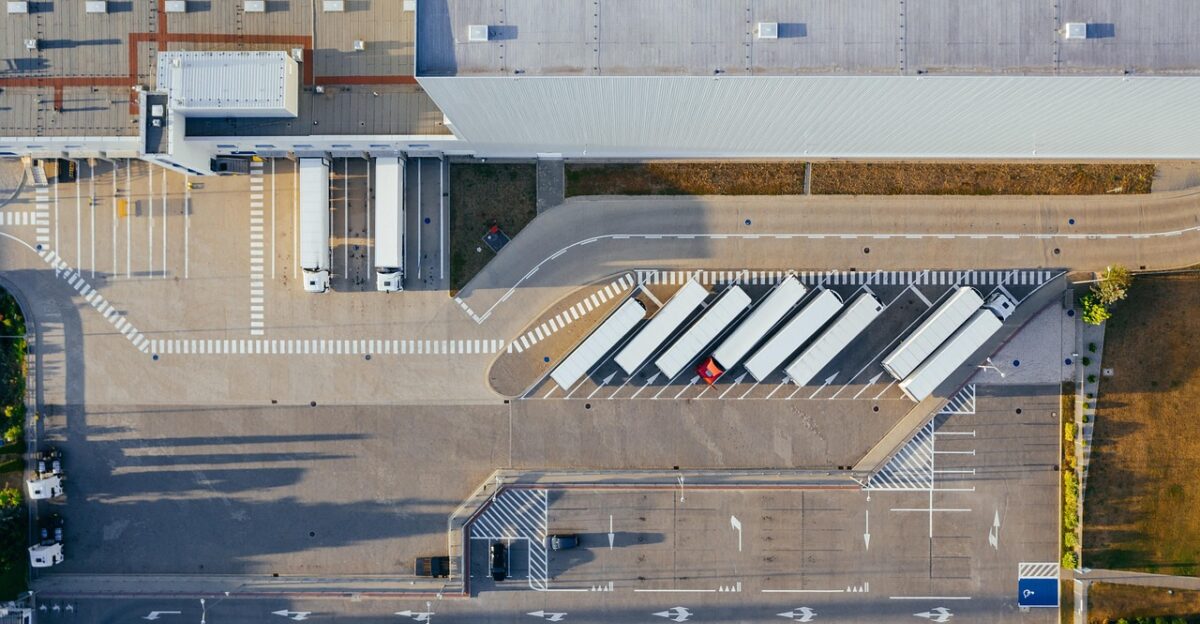
Thieves have migrated from straightforward heists to sophisticated fraud because the payoff is massive and the risk is manageable. Advanced technology—such as spoofed emails, fake certifications, and stolen carrier credentials—lowers the barrier to entry.
Online marketplaces and underground networks make it easy to fence stolen goods. The supply chain is fragmented, with hundreds of handoffs between warehouses, brokers, carriers, and retailers, creating countless pressure points to exploit.
The Perishable Goods Angle
Unlike stealing a truck full of flat-screen TVs, stealing seafood requires speed and agility. Live lobsters need to be kept chilled and alive. Dead or spoiled crustaceans are worthless.
This means the thieves either had a buyer lined up in advance—a restaurant chain, a seafood distributor, a black-market retailer—or they had to offload the cargo almost immediately.
Strategic Theft Is Now 25% of All Cargo Crime
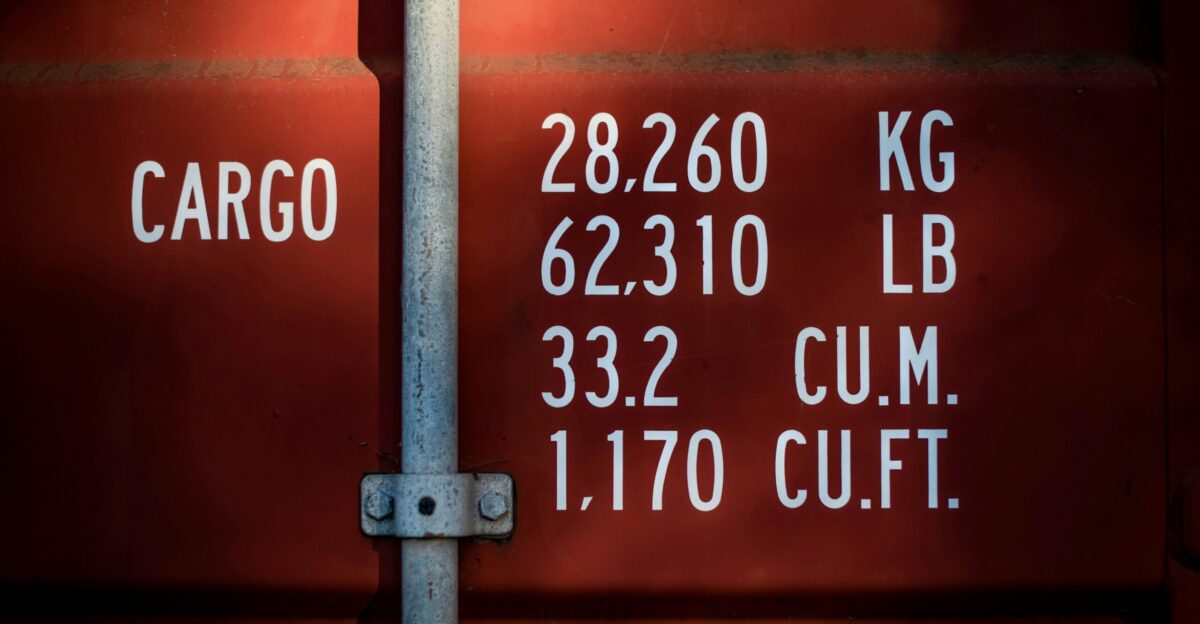
Not all cargo theft is created equal. In 2018, strategic theft—the kind involving deception, fraud, impersonation, and cyber-enabled tactics—accounted for just 2.2% of cargo thefts. By 2023, it had climbed to 25% of all incidents.
The evolution reflects a fundamental shift in criminal strategy. Rather than employing smash-and-grab tactics, thieves are now utilizing business email compromise, identity theft, insider collusion, and advanced document forgery to manipulate supply chains.
A Weak Link in the Vetting Chain

One question nags at law enforcement: how did forged credentials and a spoofed carrier identity pass through Lineage Logistics’ security? The warehouse is massive, professionally run, and equipped with state-of-the-art cold storage. Yet someone—whether a driver, a dock worker, or a manager—accepted the pickup from a carrier that turned out to be impersonated.
This suggests either a gap in verification procedures or, in the worst-case scenario, potential insider involvement. The FBI is investigating how criminals are manipulating carrier vetting systems.
The Insurance Gamble
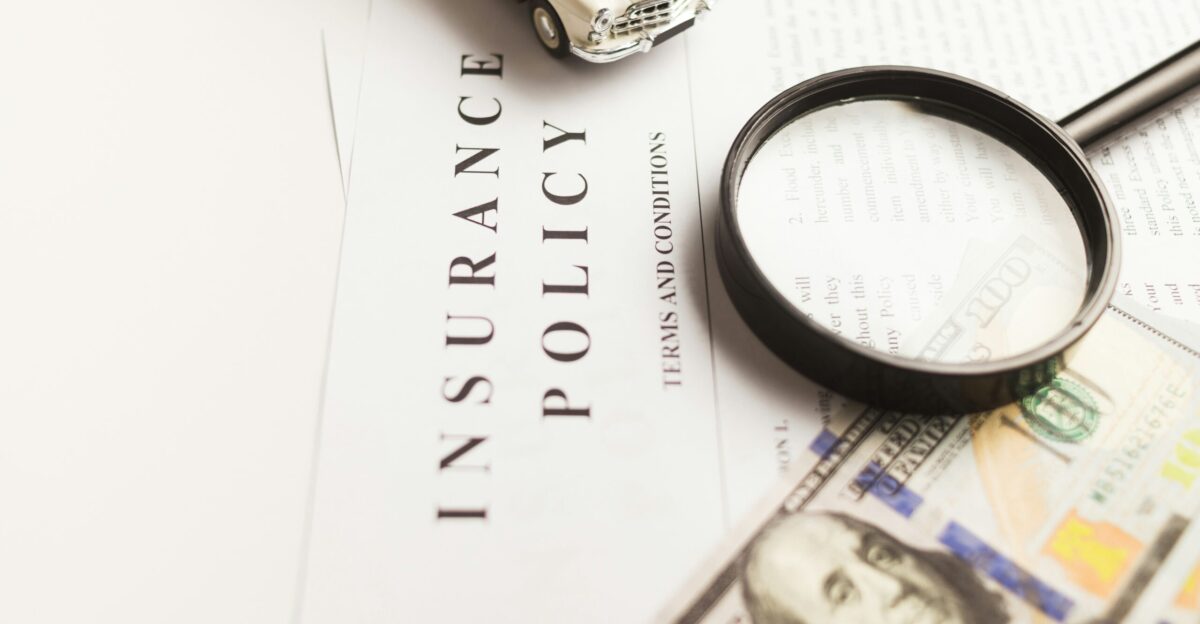
Rexing was candid about one of the most profound uncertainties: “We’re not really sure if this loss is covered by insurance or not.” Cargo insurance is complex. Depending on the policy, the carrier, the shipper, and the broker may each be responsible for carrying different portions of the liability.
A $400,000 loss that falls outside insurance coverage could bankrupt a small to mid-size logistics firm. Insurance carriers are adjusting to the cargo theft wave.
Why Law Enforcement Is Playing Catch-Up
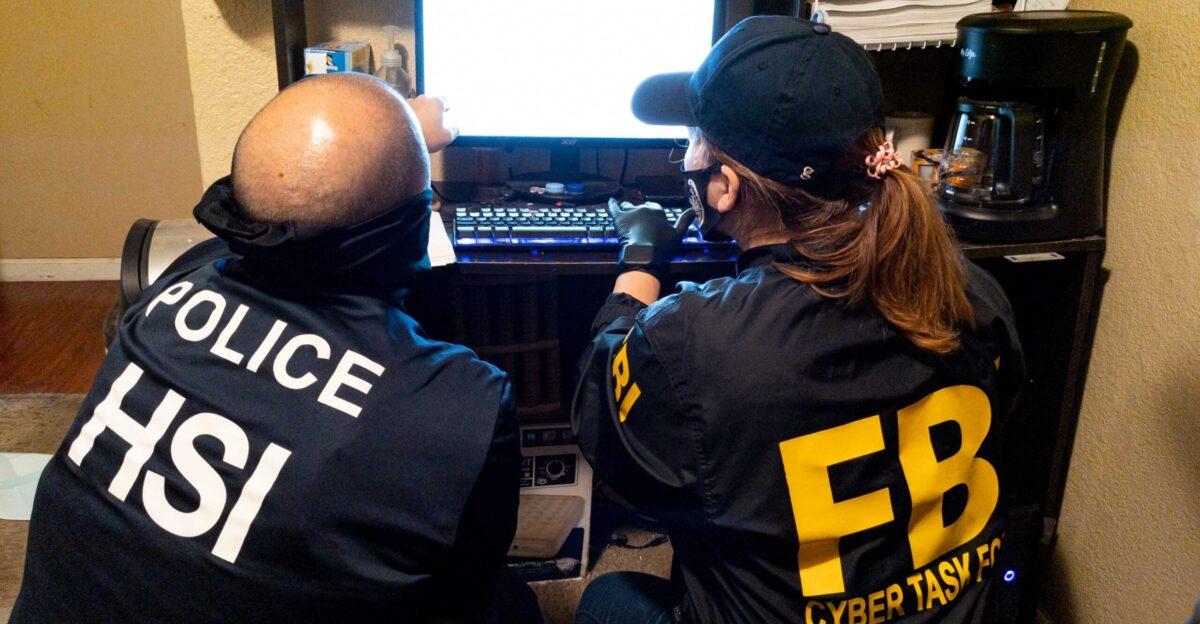
The FBI investigation into the Costco lobster theft signals that federal authorities take cargo crime seriously. But there’s a resource problem. The crimes are often multi-state operations that span multiple jurisdictions.
Evidence is perishable—literally, in the case of seafood. By the time investigators identify which restaurants received the stolen lobster, the chain of custody is broken and the goods are already consumed or resold.
The Black Market for Luxury Goods
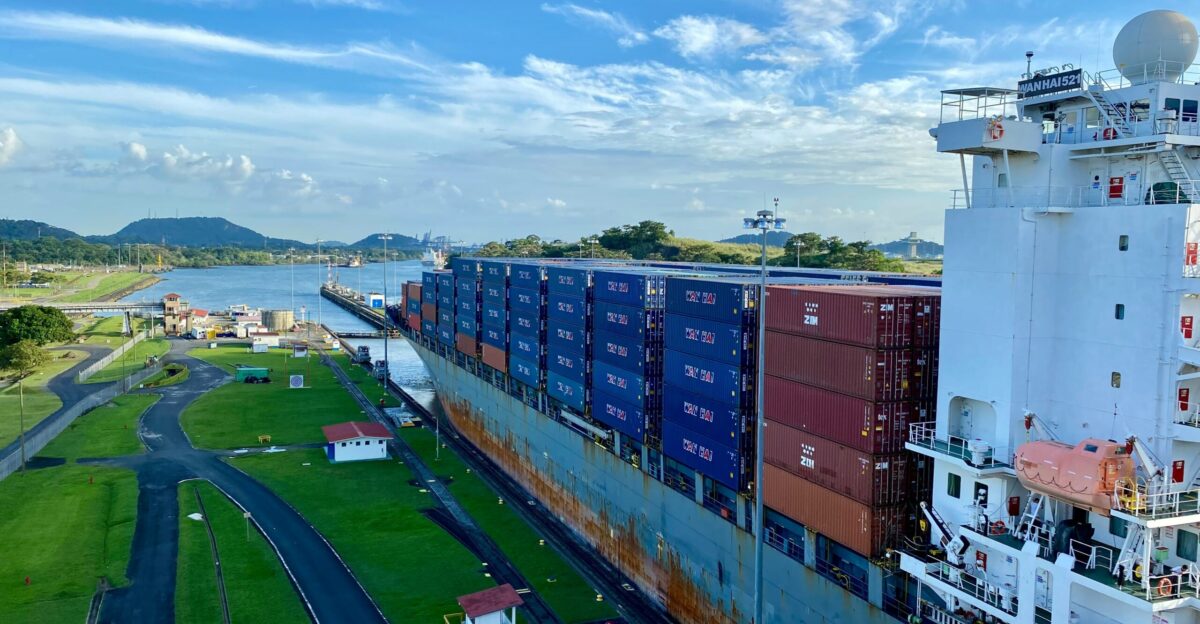
One of the lingering mysteries: where exactly does $400,000 worth of stolen lobster go? Law enforcement and industry experts point to several channels. High-end restaurants may knowingly or unknowingly purchase stolen seafood at steep discounts.
Thieves operating with international connections can ship goods across borders, making recovery nearly impossible.
Consumer Prices Are About to Feel It

Here’s the hidden cost of cargo theft that rarely makes headlines: your grocery bill. When a $400,000 shipment of lobster disappears, Costco doesn’t absorb the loss. Rexing doesn’t absorb it alone.
The cost ripples up and down the supply chain—shippers raise their rates, carriers increase their insurance deductibles, brokers adjust their margins, and retailers eventually pass the cost through to consumers.
The Scale of the Crisis
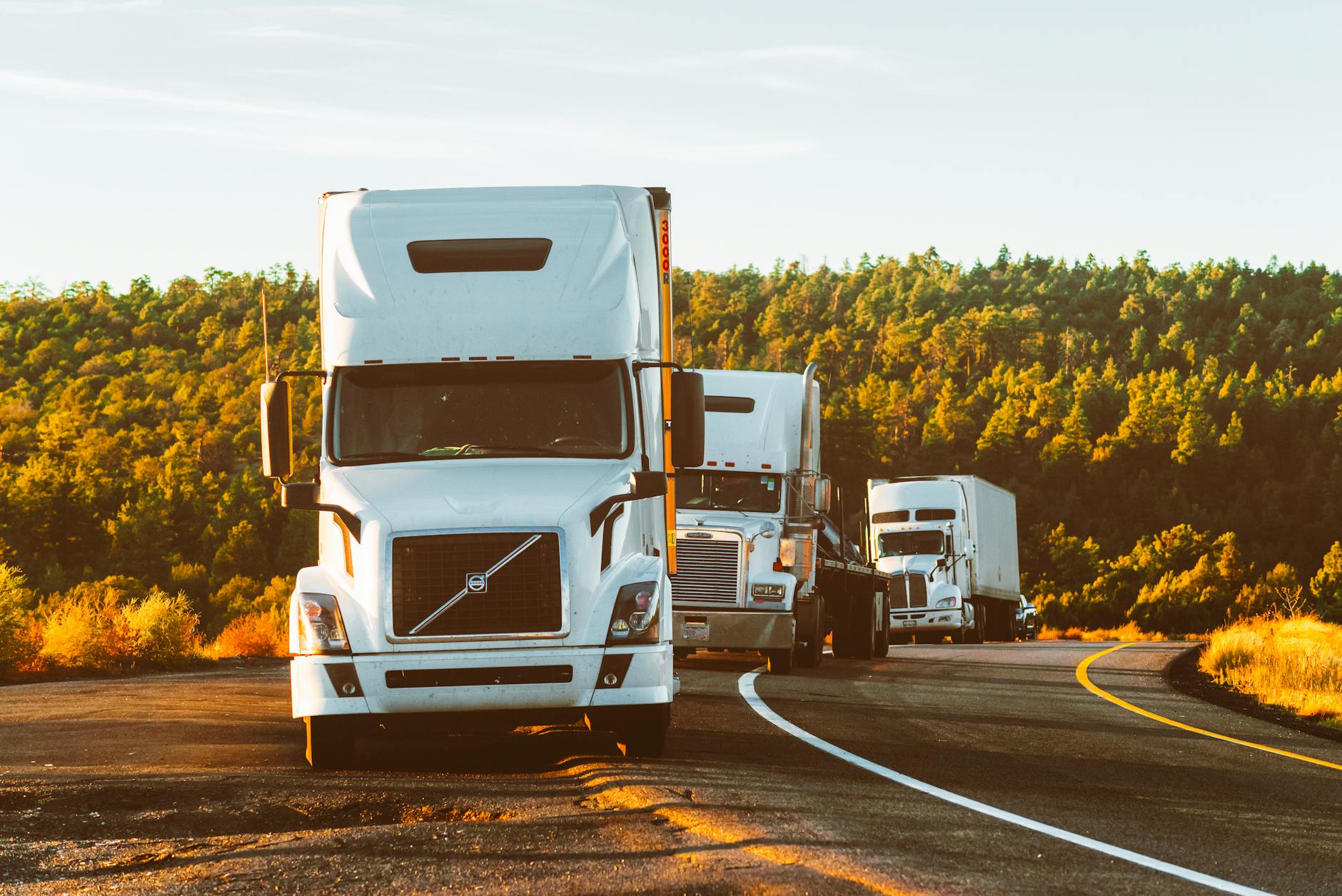
Step back and look at 2024 and 2025. In 2024, cargo theft incidents in North America reached 3,625—a 27% increase from 2023. Losses topped $455 million. The National Insurance Crime Bureau predicts that losses will increase by another 22% by the end of 2025.
The American Trucking Association estimates that, at current rates, approximately 2,500 truckloads are stolen annually—an average of 7 per day, or one every few hours during business hours.
The Cost Goes Beyond the Heist
The true impact of cargo theft extends far beyond the stolen goods themselves. Shippers suffer lost revenue and disrupted delivery schedules. Carriers face higher insurance costs and a decline in shipper confidence.
Brokers like Rexing invest heavily in verification systems and legal fees. Warehouses like Lineage Logistics upgrade security. A single $400,000 heist represents millions in cascading economic impact.
What Comes Next: Federal Action
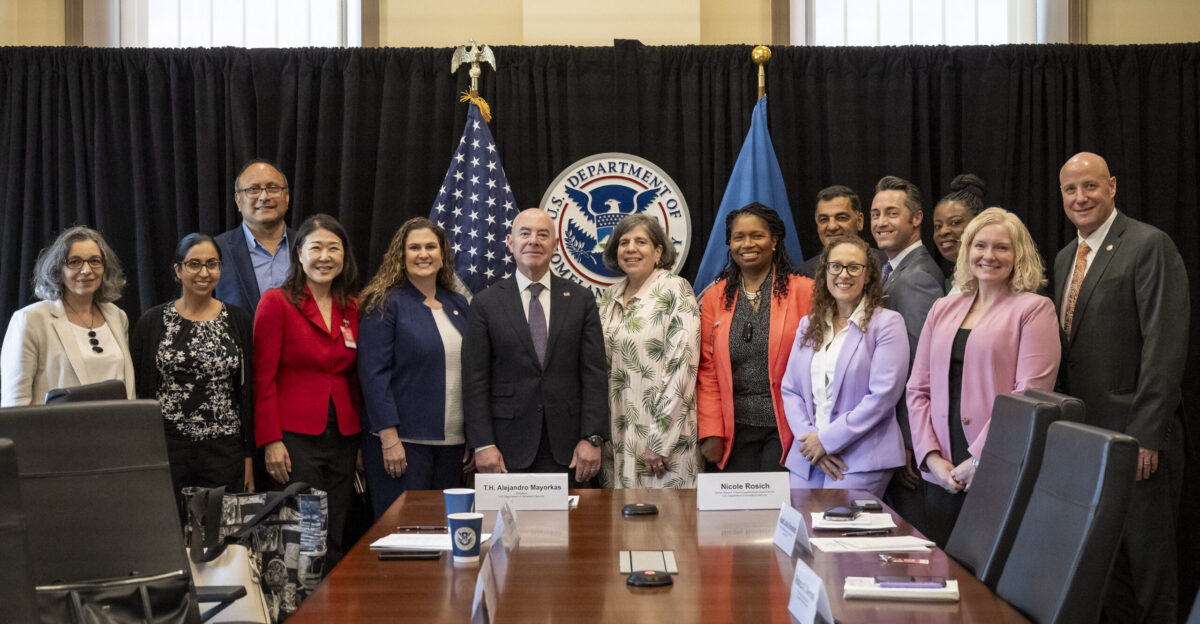
The escalating wave of cargo theft has finally drawn bipartisan congressional attention. In April 2025, U.S. Representative David Valadao introduced legislation with other lawmakers to establish a federal coordination center within the Department of Homeland Security focused on cargo theft and organized retail crime.
The bill aims to create a task force that facilitates communication between the FBI, local law enforcement, and industry stakeholders. Dylan Rexing has called for stronger federal enforcement tools to keep pace with organized criminal networks.
A Battle for the Supply Chain

The $400,000 Costco lobster heist is a window into a larger fight. Thieves are getting more sophisticated. Criminal networks are becoming more organized. The tools they use—spoofed emails, forged documents, insider collusion—mirror those used by drug traffickers and weapons smugglers.
Meanwhile, the supply chain was built for efficiency, not security. More shipments will vanish unless the system changes fundamentally.
The Bottom Line
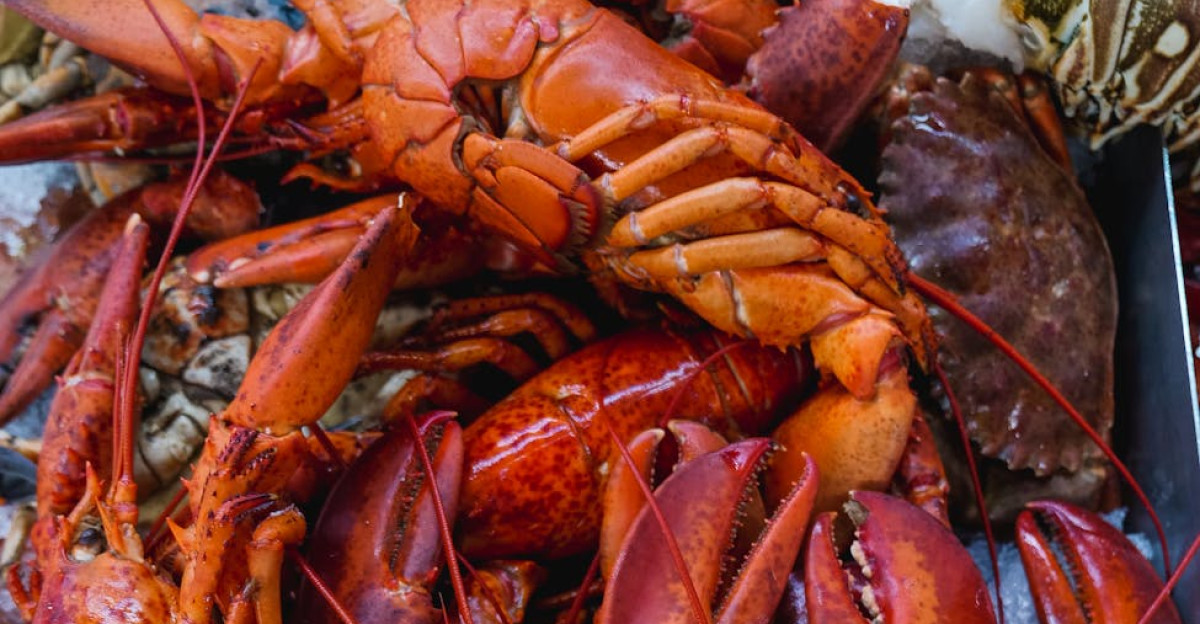
The real cost of the $400,000 Costco lobster heist isn’t just what was stolen—it’s what comes next. Every cargo theft ripples through the economy, raising prices and eroding trust in logistics networks that millions of Americans depend on daily.
For Dylan Rexing and Rexing Companies, the fight continues. For consumers, the battle is already lost—at least until federal action and supply chain security catch up to organized crime. The question isn’t whether more thefts will happen. It’s how many before the system finally changes.
Sources:
Business Insider, December 2025. “$400,000 worth of lobsters bound for Costco locations in the US were stolen.”
ABC News, December 2025. “Oysters, crab and $400,000 worth of lobster meat stolen in separate recent incidents.”
American Trucking Association, June 2025. “Cargo Theft: Freight Under Fire.”
National Insurance Crime Bureau, June 2025. “NICB Warns of Increased Cargo Theft in 2025.”
Transportation Intermediaries Association, 2025. Cargo Theft Impact Study.
Sky News, December 2025. “$400,000 worth of lobster stolen en route to Costco wholesale stores in US.”
Federal Bureau of Investigation, Boston Field Office, December 2025 (investigation ongoing).
Department of Transportation, Cargo Theft Request for Information, September 2025.