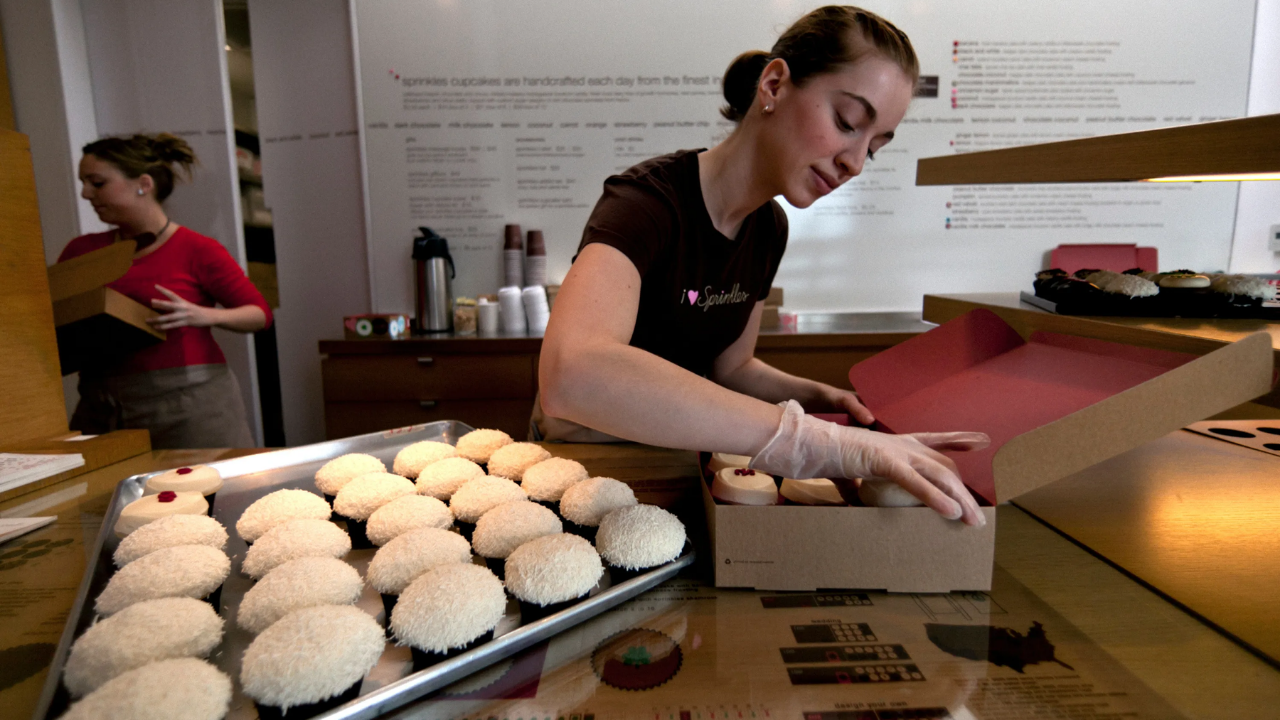
In 2005, a Beverly Hills pastry chef mixed her first batch of premium cupcakes with a KitchenAid mixer and a bold vision: create the world’s first gourmet-only cupcakery.
Twenty years later, her idea had shaped an entire industry, inspiring thousands of competitors and earning her celebrity fans.
Yet something shifted quietly in the private equity world during late 2025—warning signs that would lead to shocking news on New Year’s Eve.
The Cupcake ATM Phenomenon

Sprinkles became famous not only for cupcakes, but also for its innovation. The company created the “Cupcake ATM”—a 24/7 vending machine that sold gourmet cupcakes around the clock.
At its peak, Sprinkles operated 21 bakery shops and 25 ATMs across six states and Washington, D.C., generating approximately $40 million in annual revenue.
These quirky machines made Sprinkles a cultural icon across the nation.
The 2012 Pivot: Private Equity Takes Control

In 2012, founder Candace Nelson made a major decision: she sold Sprinkles to KarpReilly Capital Partners, a Connecticut-based private equity firm.
The sale price remained secret, but Nelson clearly gave up control of her company.
She maintained an emotional connection to the brand, but no longer owned or ran it—a point she would later emphasize.
Private Equity’s Tightening Grip
By 2025, the private equity world faced serious pressure. Firms sat on over 30,000 companies—the biggest backlog in years—while selling opportunities dried up fast.
Companies stayed in their portfolios for an average of six years, significantly longer than before.
For Sprinkles, squeezed by this bottleneck, costs mounted as cupcake demand dropped and new rivals stole customers.
The Final Day: Cupcakes No More

On December 31, 2025—New Year’s Eve—Sprinkles permanently shut every company-owned bakery. The decision was sudden and final.
That morning, Candace Nelson posted on Instagram announcing the closure herself: “A few days ago, I learned that Sprinkles Cupcakes, the company I started in 2005 and sold to private equity in 2012, will close today. Saying that out loud feels completely unreal.”
Georgetown’s Blindside: A Manager’s Account
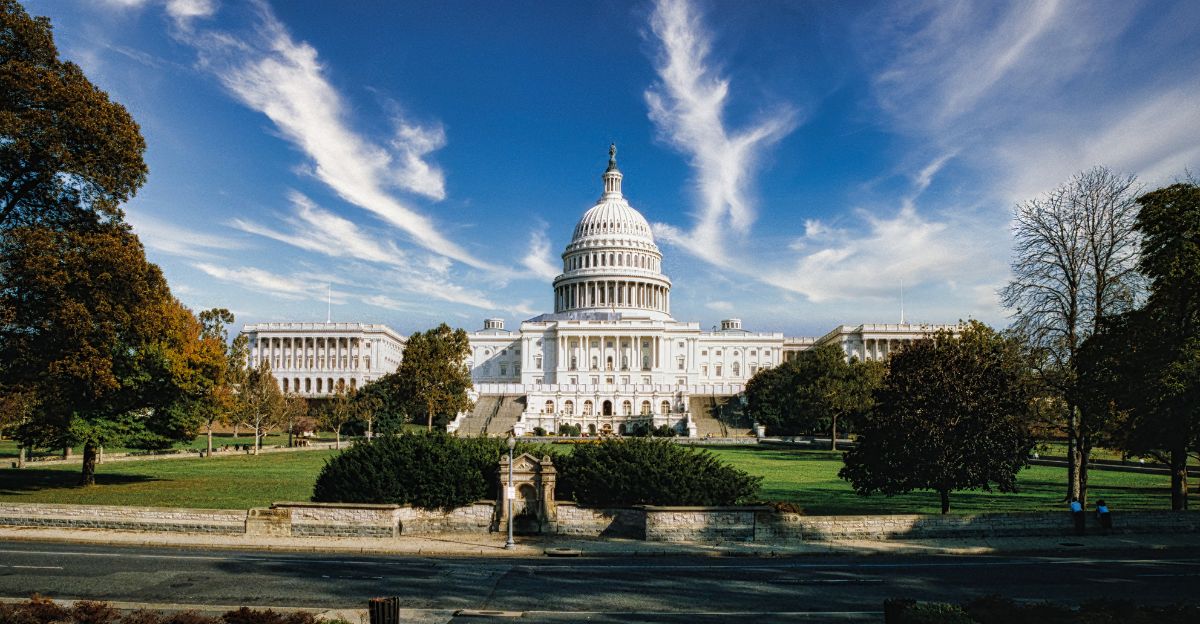
At the Georgetown Sprinkles location on M Street NW in Washington, D.C., the closure happened fast.
Manager Leslie Wynter, who worked there for three and a half years, explained what happened: “General managers got a call on Monday from corporate.
Employees found out on Tuesday that the shop would close the next day.” Nearly thirty workers lost their jobs suddenly.
No Severance, No Safety Net

The situation got worse. Wynter said workers learned they would get “no severance and no payment for unused sick time.”
For employees who had counted on steady paychecks—with retirement accounts and health benefits tied to Sprinkles—the sudden firing left them financially strained.
“Nearly 30 people here depended on this job for their families, their kids, their health insurance,” Wynter said, describing the pain.
The Legal Loophole

Did Sprinkles break the law? Employment attorney Nora Ezzat Cozzillio gave the complicated answer.
The federal Worker Adjustment and Retraining Notification (WARN) Act requires employers to provide 60 days’ notice before laying off 50 or more workers at a single location.
The Georgetown shop had about 30 workers—below the limit. “In at-will employment areas like D.C., employers can fire workers anytime with or without notice,” Cozzillio said. Sprinkles stayed legal.
Why Now? The Failed Sale
KarpReilly and Sprinkles’ leadership stayed silent, but Wynter shared what she learned internally: “They wanted to sell Sprinkles, but it fell through. Then they just decided to cut their losses instead of waiting for a better deal.”
The private equity firm attempted to find a buyer for the brand but was unsuccessful, so it shut down all operations overnight rather than continue to lose money on a failing asset.
The Cupcake Bubble Burst: A Broader Reckoning
Sprinkles wasn’t unique. The 2000s cupcake craze that Sprinkles started had mostly faded away. Crumbs Cupcakes, once a Wall Street favorite, closed in 2016 after expanding too fast, and its stock crashed.
Georgetown Cupcakes survived by shrinking to just two shops. The truth became clear: trendy food ideas that depend on fancy prices and lifestyle appeal fail easily.
The cupcake boom ended, and Sprinkles, weighed down by private equity debt, couldn’t survive in the post-trend market.
Community Response: Grassroots Severance

When the company refused to pay severance, a remarkable event occurred. The Washington, D.C., community stepped in.
Georgetown neighbors, longtime customers, and social media supporters created informal relief funds for out-of-work employees. Wynter, who initially felt totally blindsided, discovered unexpected kindness.
“We got lots of donations for our survival funds, and that became our severance pay by the people of Washington,” she said. Community compassion replaced corporate failure.
Candace Nelson’s Reckoning

The closure forced Nelson to face hard truths.
In her December 31 Instagram video, she expressed her pain directly: “Even though I sold the company more than a decade ago, I still feel deeply connected to it. This isn’t how I expected the story to end. I thought Sprinkles would continue to grow forever. I thought it would be my legacy.”
She built something special, only to watch a private equity firm destroy it.
The Private Equity Paradox

Sprinkles exhibits a troubling pattern: private equity owners of consumer brands, particularly in retail and food, often create instability.
Companies stay in portfolios longer; profit margins shrink; and when performance drops, firms often choose a quick shutdown over a smart recovery strategy.
By late 2025, over 30,000 firms controlled companies in holding patterns. Sprinkles wasn’t making enough profit to fix, wasn’t interesting enough to sell—so they simply abandoned it.
What Comes Next?
KarpReilly never publicly explained the closure or its future plans. The firm removed Sprinkles from its website in Q4 2025, signaling a complete break.
Nelson moved forward, launching Pizzana, a pizza company, and founding CN2 Ventures, an investment business.
But for hundreds of unemployed workers and cupcake lovers who lined up in Beverly Hills on December 30 to buy final batches, Sprinkles simply vanished—a harsh lesson about brands, ownership, and lost dreams.
The Deeper Question
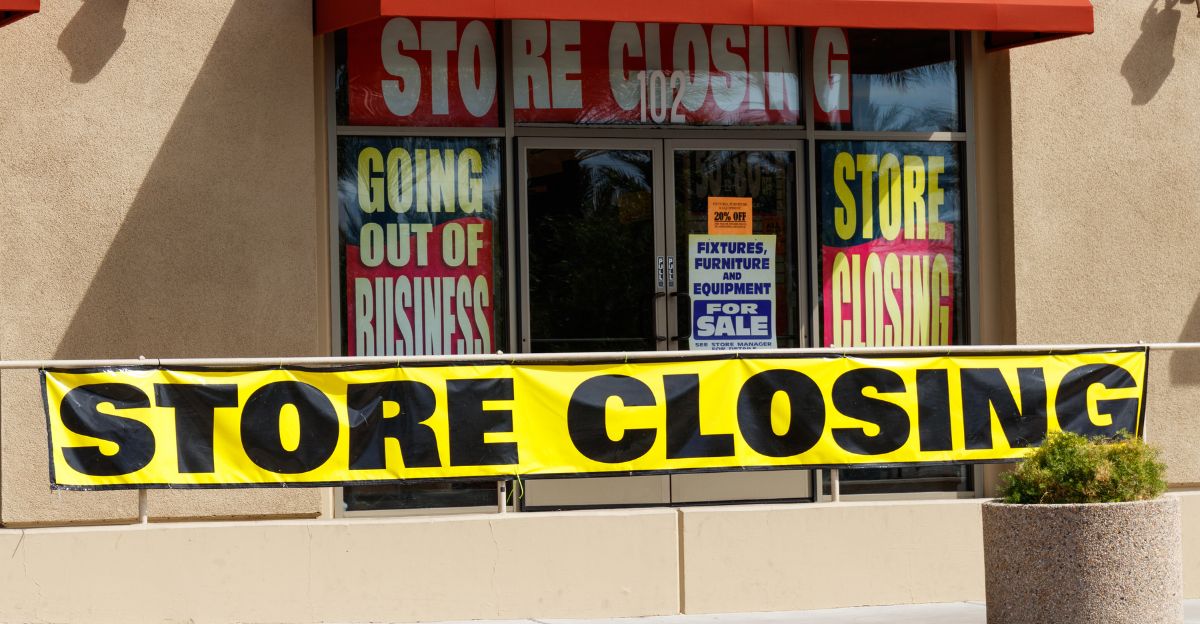
As store closures spread across America in 2025—with experts predicting 15,000 shops would shut nationwide—the Sprinkles collapse raised a troubling question: Do companies build beloved brands to last, or just squeeze them for quick profit?
When a 20-year company can disappear in 24 hours with zero severance and no warning, who does private equity really serve? The empty storefronts provide the silent answer.
Sources:
- WUSA9, ‘There is no severance!’ Sudden Sprinkles Cupcakes closure leaves employees without jobs, 5 Jan 2026
- Business Insider, Sprinkles Cupcakes Is Closing, Says the Cofounder, 31 Dec 2025
- Fox Business, Sprinkles Cupcakes permanently closing all stores after 20 years in operation founder says, 30 Dec 2025
- Washingtonian, Georgetown Sprinkles store closes as the chain’s retail outlets are shuttered, 1 Jan 2026
- Dealroom.net, Private Equity Statistics 2025: Deal Flow Exits & Trends, 6 Nov 2025
- People Magazine, Sprinkles Founder Announces the Cupcake Chain’s Abrupt Closure, 31 Dec 2025