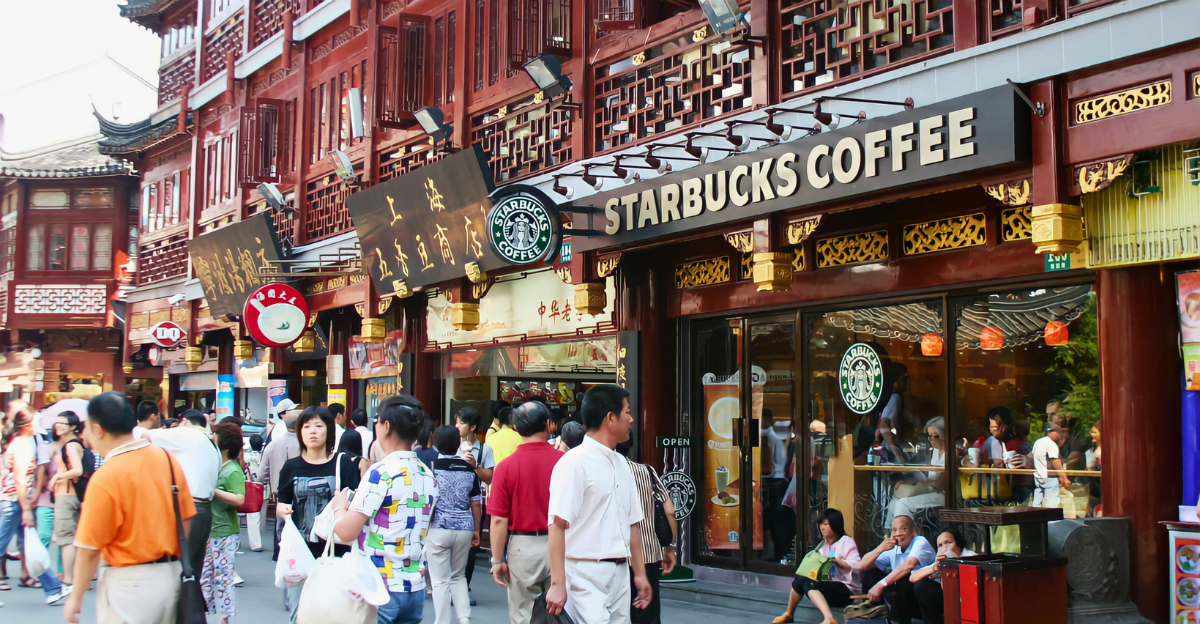
Starbucks is one of the most popular coffee chains in America. With the company dominating the domestic market, Starbucks locations have spread to other countries.
However, the American giant faces strong competition abroad, often offering cheaper drinks and faster service. Data from Euromonitor International shows Starbucks’ share dropped dramatically from 34% in 2019 to just 14% in 2024. This decline reveals how much the market has changed.
High Stakes
The Chinese market represents almost one-fifth of Starbucks’ global revenue, making it important for these chains to continue to thrive. However, Local brands like Luckin Coffee are expanding rapidly, with thousands of new stores opening annually.
This has put pressure on Starbucks, as Chinese consumers are spending less and looking for better value. Starbucks can’t afford to lose more ground.
Early Success
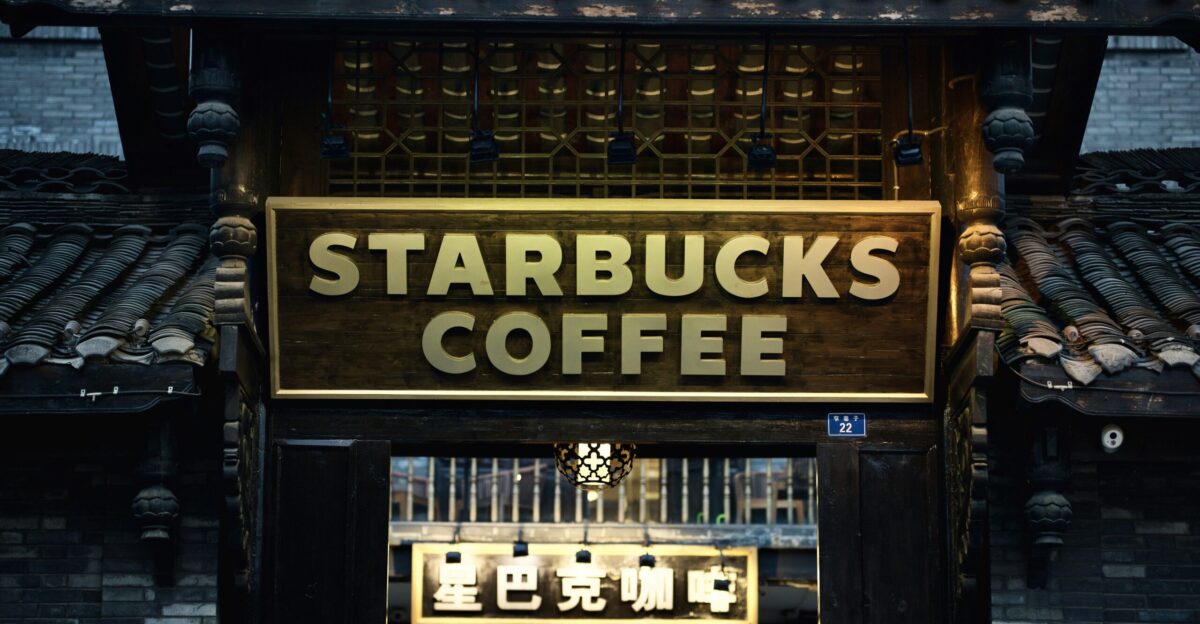
The first Starbucks in China opened its doors in 1999, offering the Eastern market a premium coffee culture that was previously only found in the West. The Seattle-based chain dominated the market for two decades by offering expensive drinks in stylish locations.
The Chinese market saw Starbucks as a status symbol and social place, cementing its early success, which led to a massive expansion into major cities.
Growing Pressure
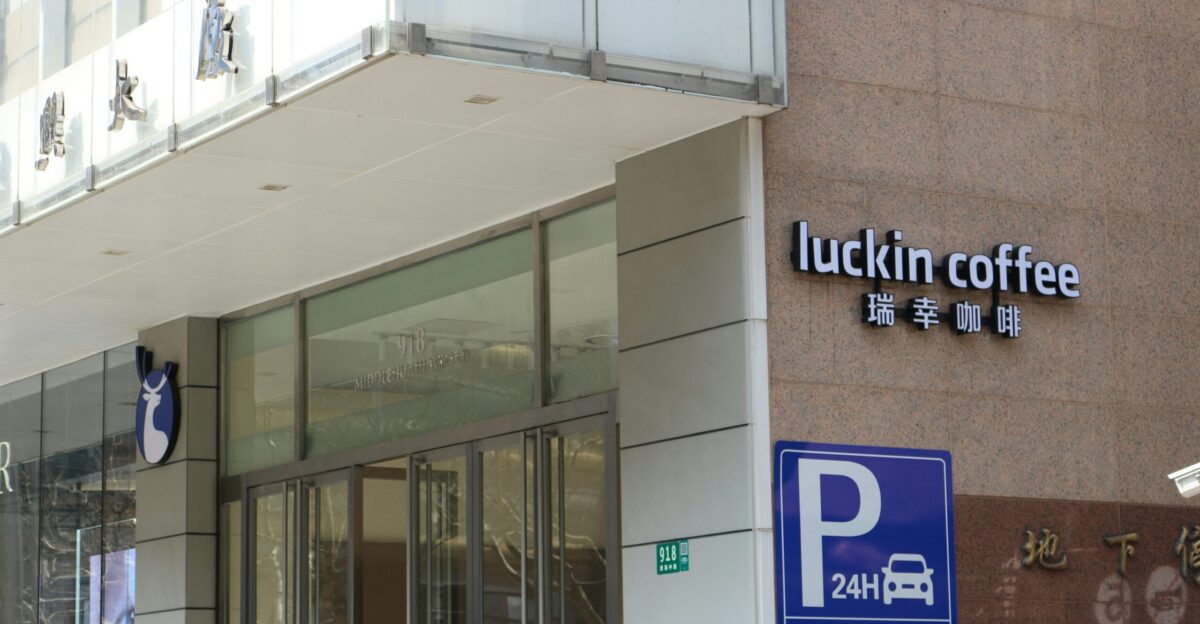
While Starbucks was once dominant in China, rivals like Luckin Coffee and Mixue started gaining traction and undercutting the chain through cheaper alternatives, such as digital ordering and home delivery.
These rivals understood Chinese preferences better and moved faster than Starbucks. Industry reports indicate customers began choosing convenience and low prices over brand prestige. Starbucks found itself struggling to adapt to these changing demands.
Historic Price Cut
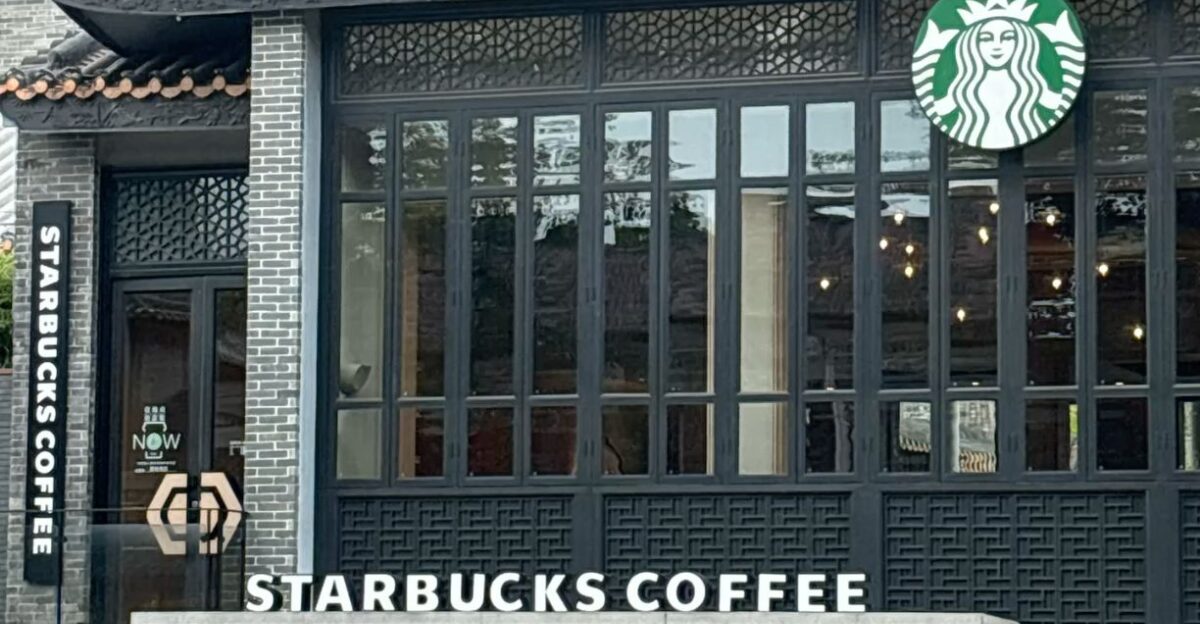
In June 2025, Starbucks made a desperate move to improve the appeal of its coffee amid fierce competition. The company reduced its prices in China, cutting costs on iced drinks by an average of 5 Yuan (70 cents).
Through its WeChat account, the company announced that it wanted to offer more “accessible” pricing on various beverages. Reuters confirmed some drinks now cost as little as 23 yuan. This marked a major shift from Starbucks’ premium-only strategy.
City Impact
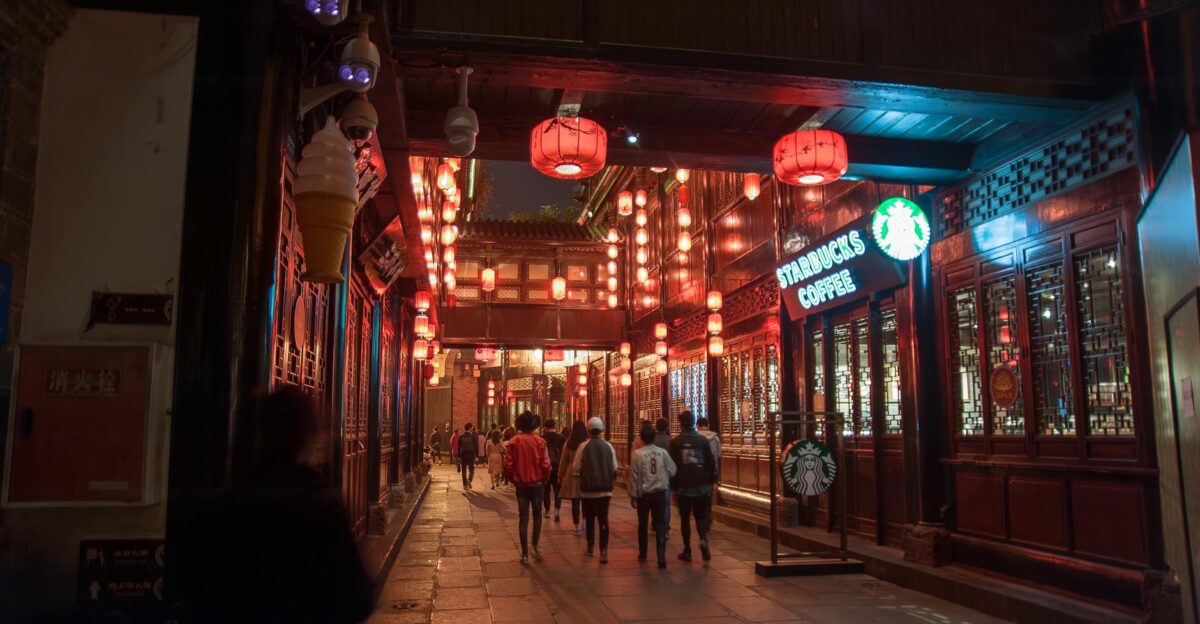
The lower prices on iced drinks quickly showed promise, as consumer traffic increased at locations in Beijin and Shanghai.
However, competitors in smaller cities quickly responded with even deeper discounts, keeping the pressure on. Customer traffic increased, but profit margins likely decreased. The price war spread across different regions as local brands matched or beat Starbucks’ new lower prices.
Customer Response
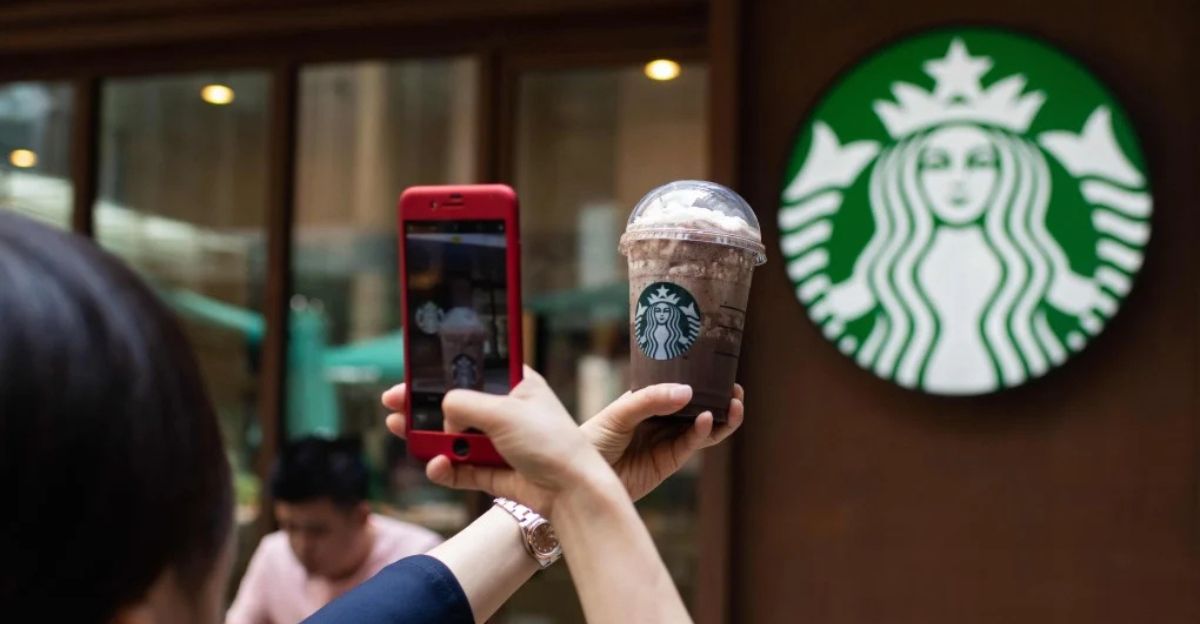
Chinese customers noticed the changes right away. “I’m surprised Starbucks is cheaper now. I used to come only for special occasions, but now it feels more like an everyday choice,” one Beijing customer told Reuters.
Store workers report busier locations but mention increased pressure to serve customers faster. The brand’s exclusive image is shifting toward everyday accessibility.
Rival Growth
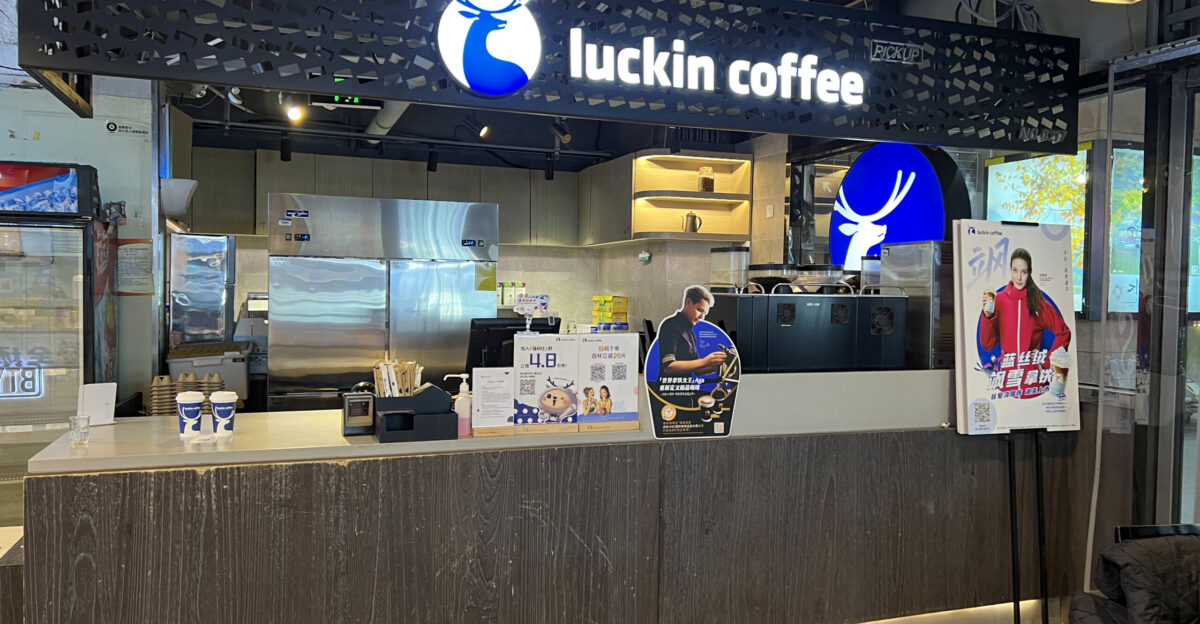
Company reports reveal that Luckin Coffee now operates over 24,000 stores globally, far exceeding Starbucks’ roughly 7,800 Chinese locations. Other competitors like Mixue offer drinks under $1, making Starbucks look expensive even after price cuts.
AInvest research shows Cotti Coffee has also expanded rapidly with similar low-cost strategies. These local brands understand Chinese digital habits better than foreign companies.
Consumer Shift

Young Chinese consumers now prioritize convenience, mobile ordering, and value over international brand status. Industry analysis demonstrates that coffee culture in China has evolved from a luxury experience to an everyday habit.
Digital-first companies like Luckin succeeded by offering app-based ordering and frequent promotions. This generational change challenges Starbucks’ traditional approach of selling premium experiences.
Stake Sale Interest

Starbucks quietly explored selling part of its China business, with CEO Brian Niccol telling the Financial Times the company received “a lot of interest” from potential investors.
CNBC reports that about 30 private equity firms submitted bids valuing the unit between $5 5 and $10 billion. No deal was completed, but these discussions show that Starbucks recognizes it may need local partners to compete effectively.
Internal Pressure

Company executives face difficult decisions about China’s future strategy. CEO Brian Niccol stated during earnings calls that China “is going to continue to grow for us” and expressed confidence about opening thousands more stores.
Business Insider sources suggest some insiders worry about maintaining brand identity while competing on price. The pressure to adapt quickly is creating internal tension.
Partnership Path
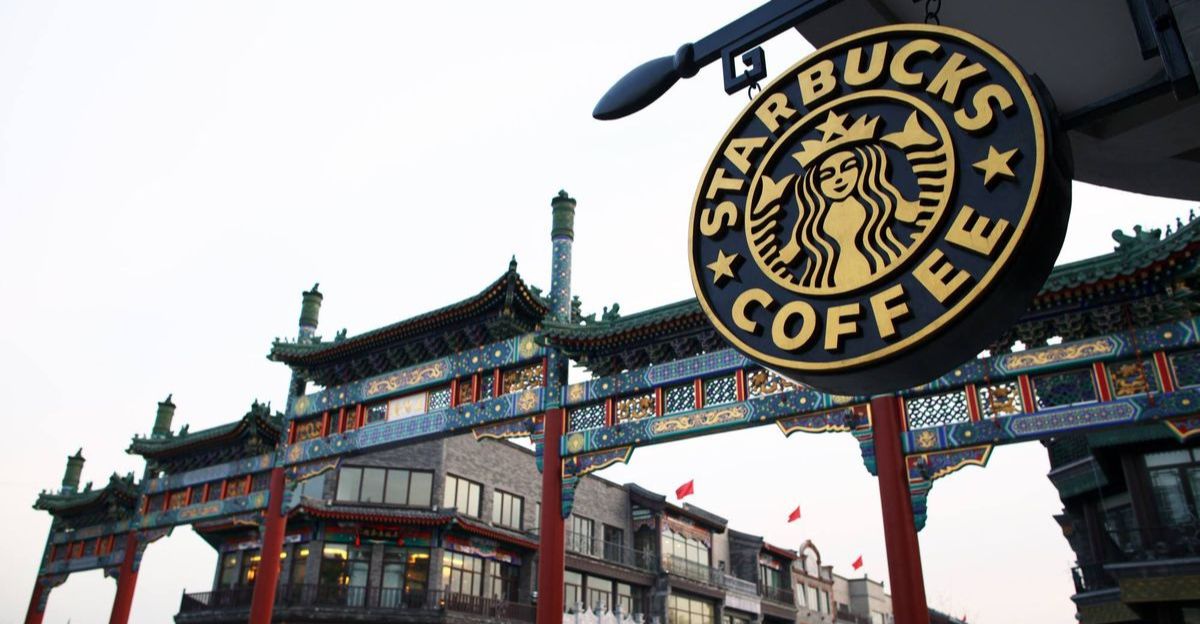
Starbucks is now considering local partnerships for the first time in China, moving away from its traditional fully-owned store model. Reuters documented CEO Niccol mentioning the evaluation of “20 interested parties” who want to partner with the company.
This represents a major strategic shift from Starbucks’ usual preference for complete control over its international operations.
Recovery Plan
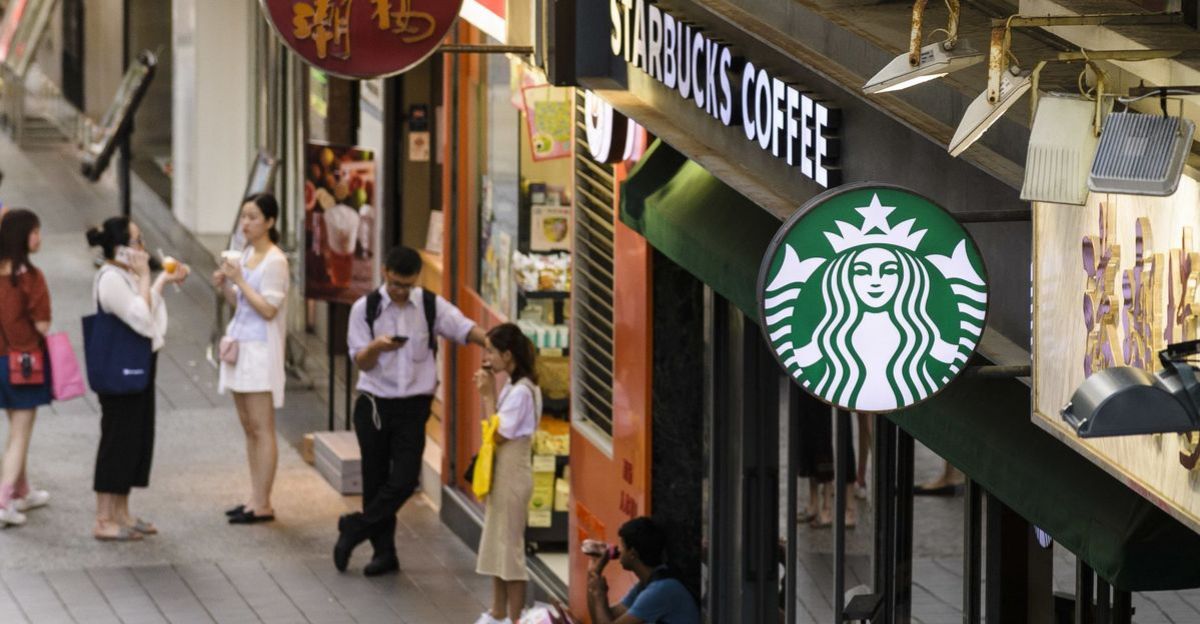
Starbucks launched a comeback strategy that included new local flavors, collaborations with Chinese influencers, and expansion into smaller cities.
The company plans to open hundreds more stores in 2025, focusing on areas where competitors have less presence. FoodTalks China details how digital improvements and sugar-free options are also part of the plan to win back customers.
Expert Doubts
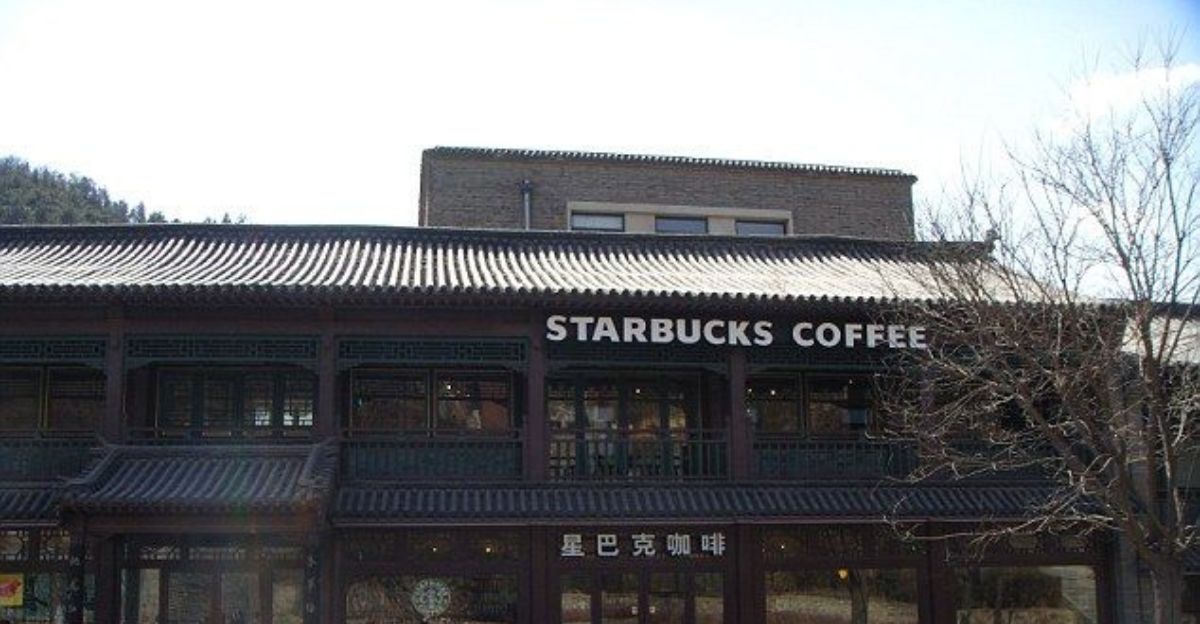
Industry analysts question whether Starbucks can recover its premium image after cutting prices. “Fighting on price threatens the brand’s luxury positioning,” warns retail expert Emma Wang, as quoted by CNBC.
Other experts argue that refusing to adapt would be worse than temporary brand damage. The debate continues whether Starbucks can successfully balance affordability with its premium reputation.
Uncertain Future
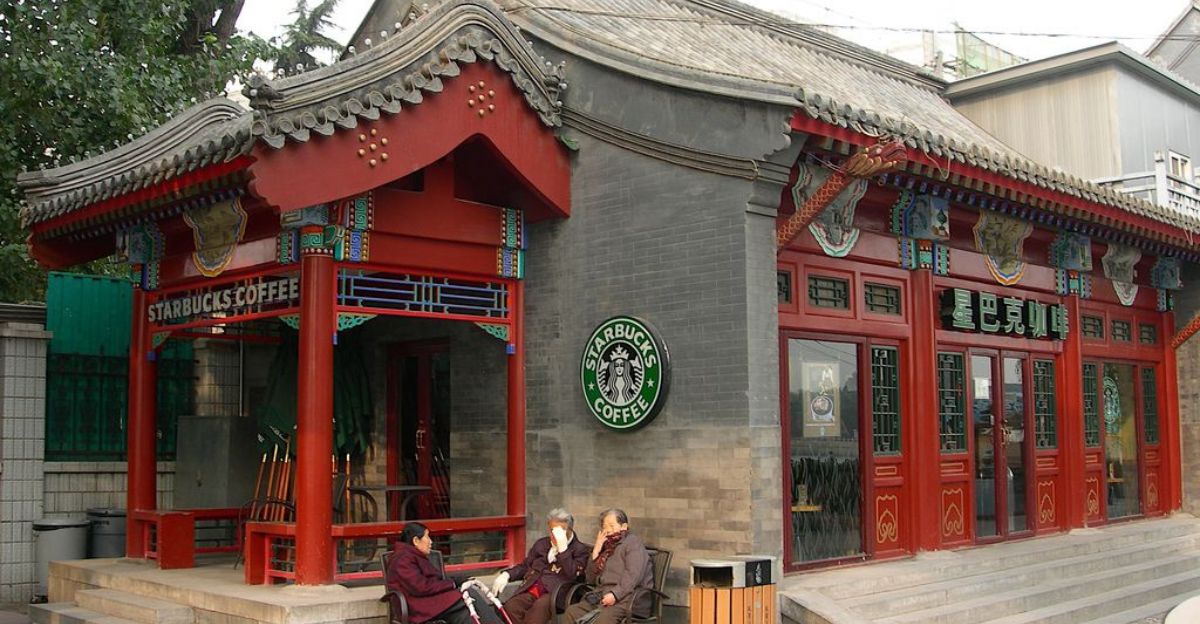
The question is whether Starbucks’ new strategies will work or if local competitors will continue gaining market share. Reuters analysis suggests the outcome could influence how other international brands approach the Chinese market.
Success in China could boost global confidence, while continued losses might force dramatic changes. The next few quarters will be critical for Starbucks’ China strategy.
Government Support

Chinese policies increasingly favor local brands through financing support, regulatory advantages, and marketing assistance. Industry reports document how domestic companies often receive easier access to prime locations and government contracts.
This policy environment makes competition even harder for foreign brands like Starbucks. Local support gives Chinese coffee chains significant advantages beyond just lower prices.
Global Effects
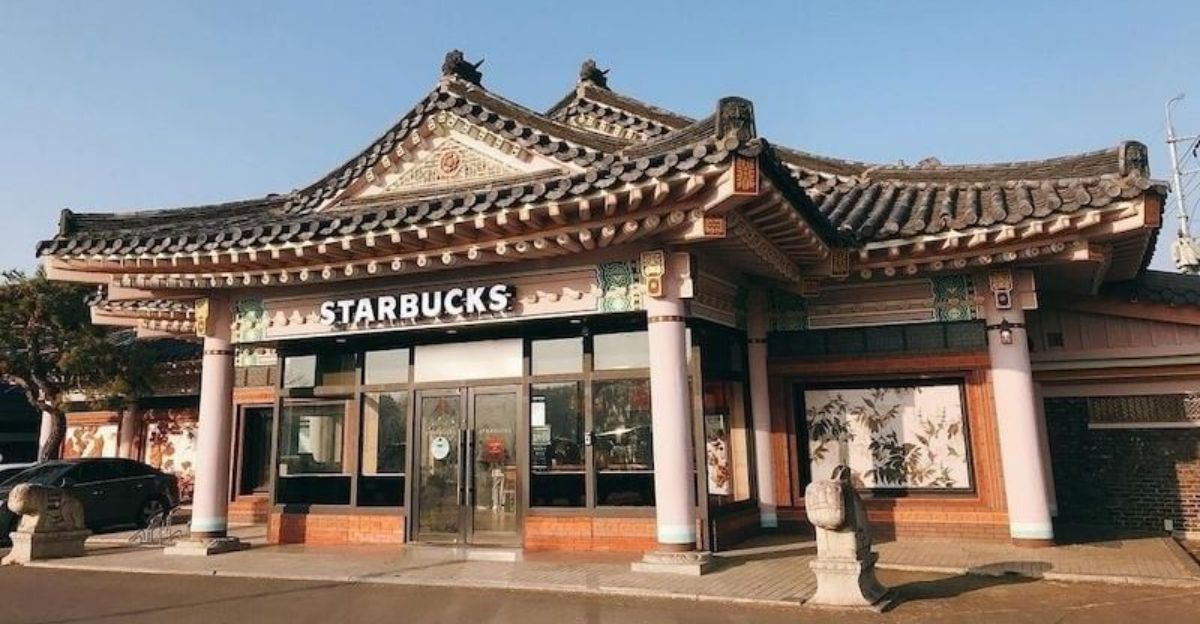
International investors and other multinational companies are watching Starbucks’ China struggles closely. CNBC coverage shows that global coffee suppliers are also adjusting their strategies based on changes in the Chinese market.
Other American and European brands operating in China are learning from Starbucks’ experience. The outcome could influence how foreign companies approach expansion in Chinese markets.
Regulatory Attention
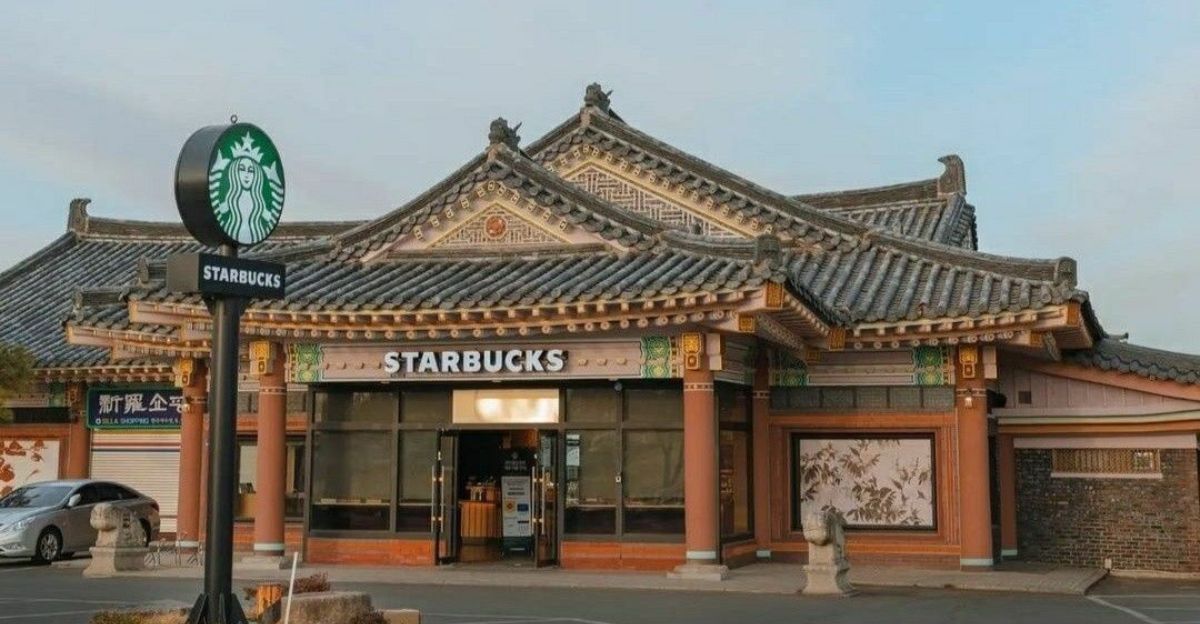
Chinese regulators monitor the coffee industry’s price competition to ensure fair practices for foreign and domestic companies. AInvest analysis indicates officials want to maintain market balance while supporting consumer interests.
New regulations regarding digital payments and food safety also affect coffee chain operations. Both local and international brands must navigate these evolving requirements.
Cultural Change
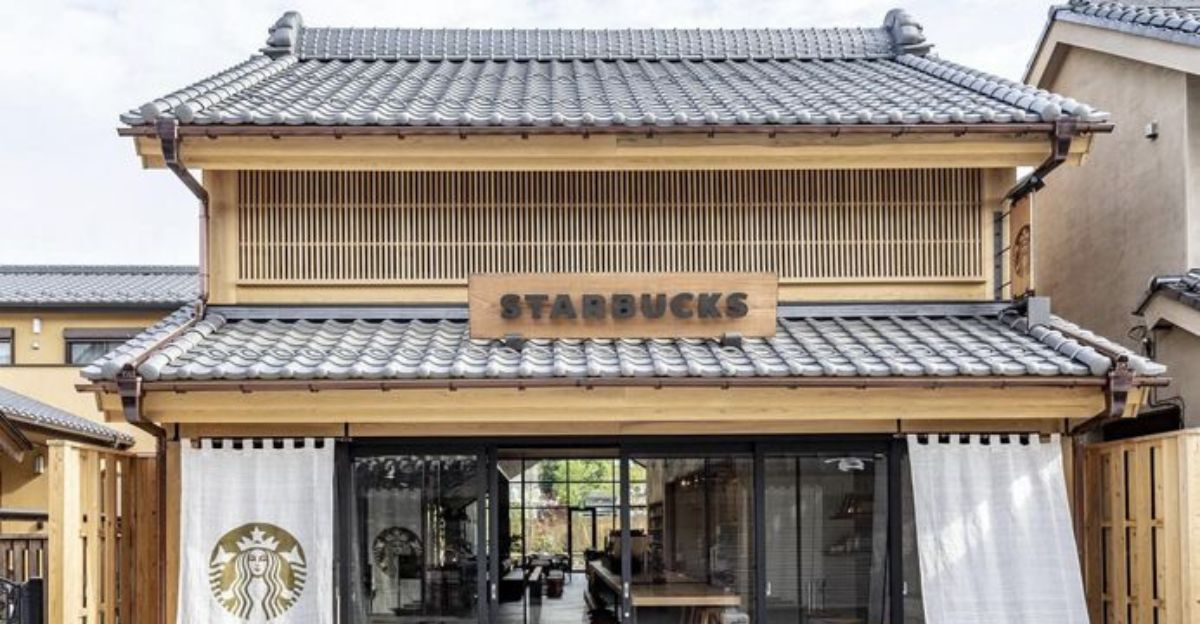
Coffee shops in China have evolved from Western status symbols to everyday social spaces for students and workers. LinkedIn research highlights how local brands better understand Chinese cultural preferences and social media habits.
Younger consumers care less about international prestige and more about practical benefits like convenience and value. This cultural shift makes traditional Western marketing approaches less effective.
Bigger Picture
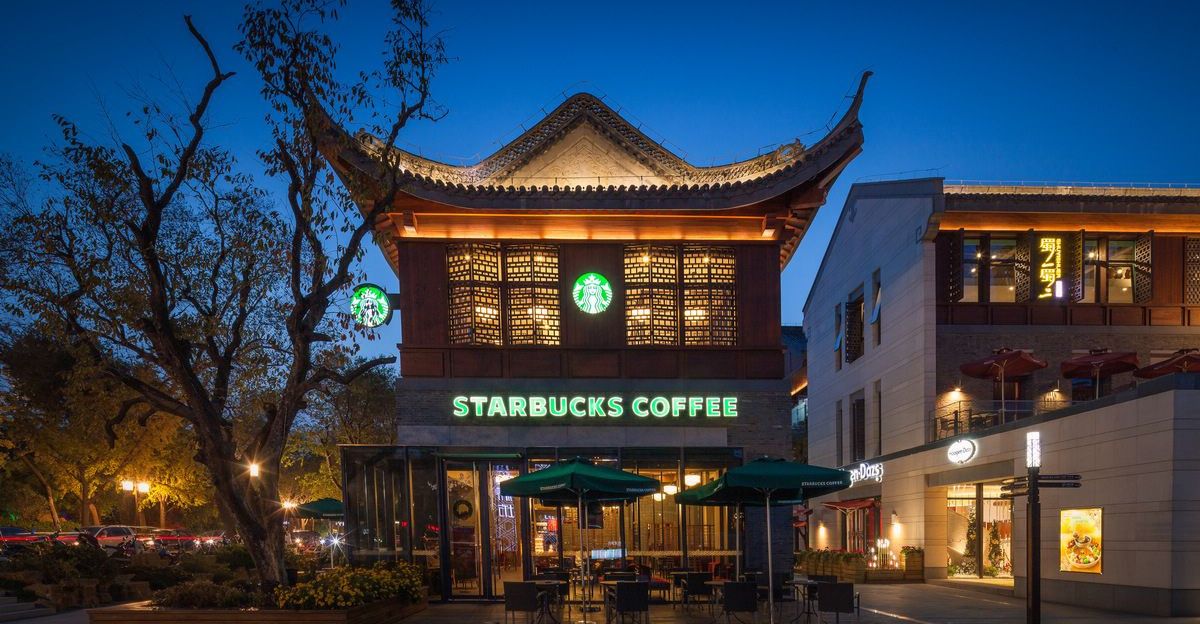
Starbucks’ China challenges represent a larger trend affecting international brands worldwide. Fortune Magazine notes that success in modern China requires speed, local understanding, and flexibility rather than brand recognition.
The coffee giant’s response could set an example for other global companies facing similar competitive pressures. The outcome will likely influence business strategies across many industries.