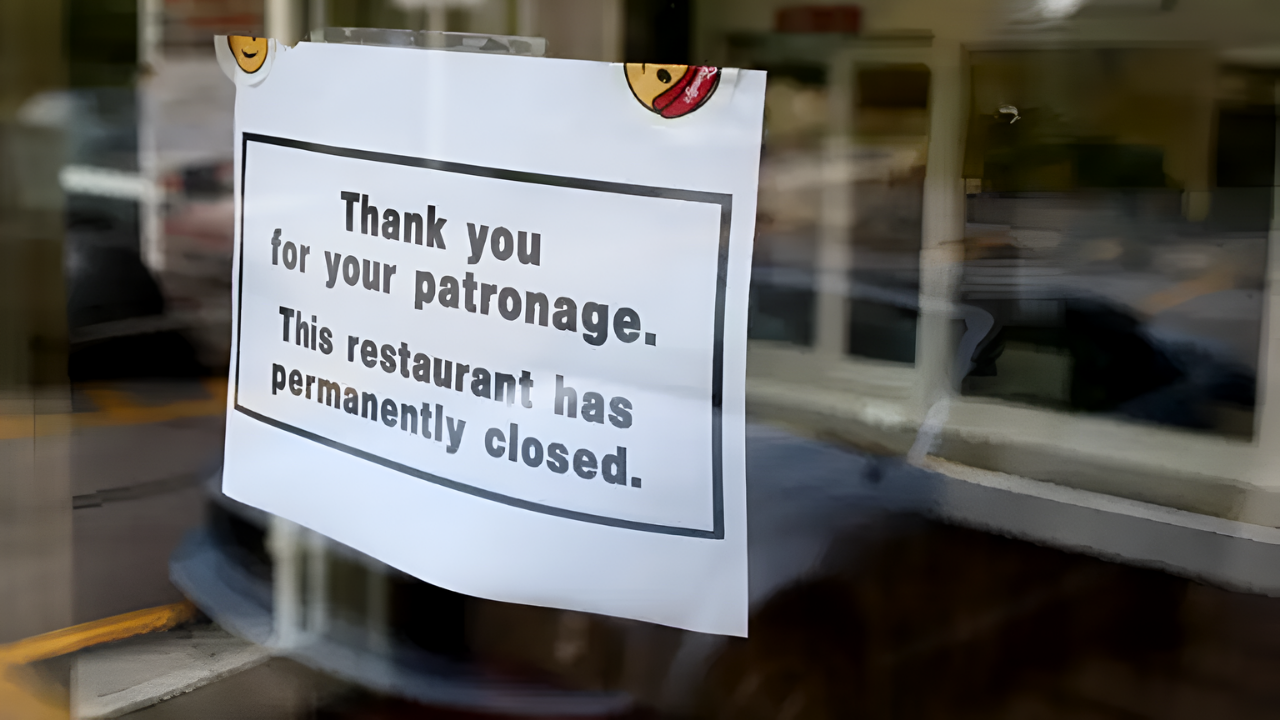
On November 14, 2025, a major bankruptcy filing rocked the fast-casual sector, impacting dozens of locations across six states. With $27.7 million in liabilities and just $5.2 million in assets, the company now faces an uncertain future.
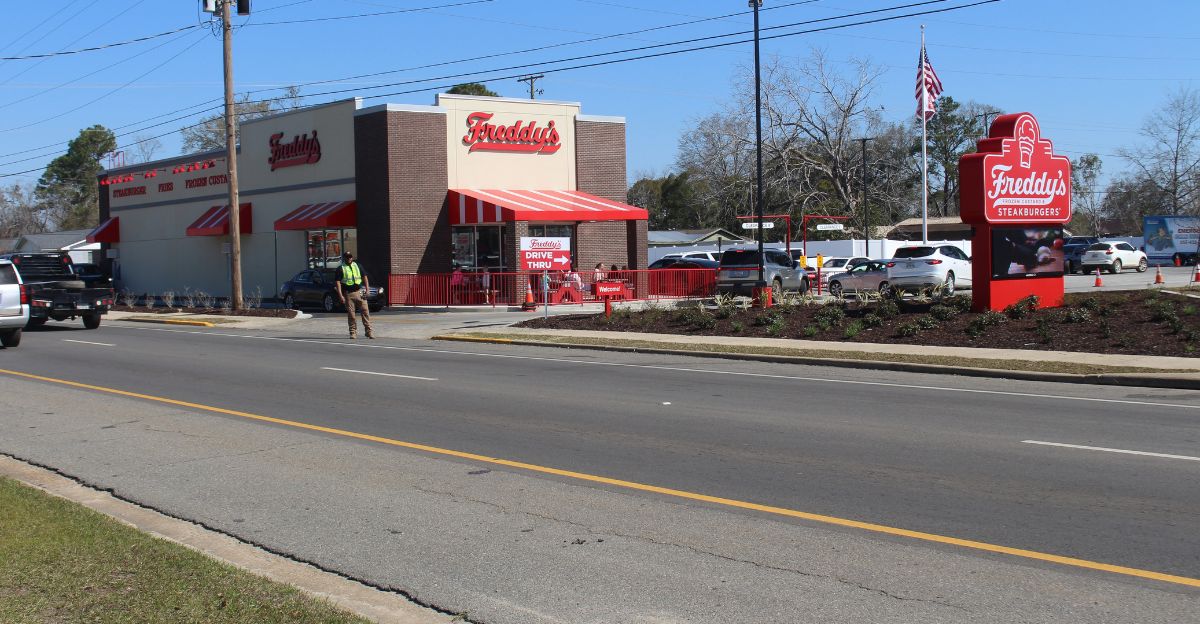
The 31 locations affected by the filing, which are Freddy’s Frozen Custard & Steakburgers franchises, are set for restructuring, with the majority remaining open during Chapter 11 proceedings, though the company is rejecting leases for underperforming Chicago locations. The bankruptcy puts hundreds of jobs at risk and sends shockwaves through local economies. How did a once-promising multi-state franchise reach the brink of collapse? Stay tuned to discover what this means for the future of the fast-casual industry.
Financial Struggles
The economic pressures are becoming impossible to ignore. Consumer traffic, particularly from lower-income households, has dropped dramatically over the past two years, causing immense strain for fast-casual restaurants.
Franchisees are grappling with higher costs and mandatory remodels, which make survival in this environment increasingly difficult. Even well-established brands are facing serious financial challenges.
Sector at a Crossroads
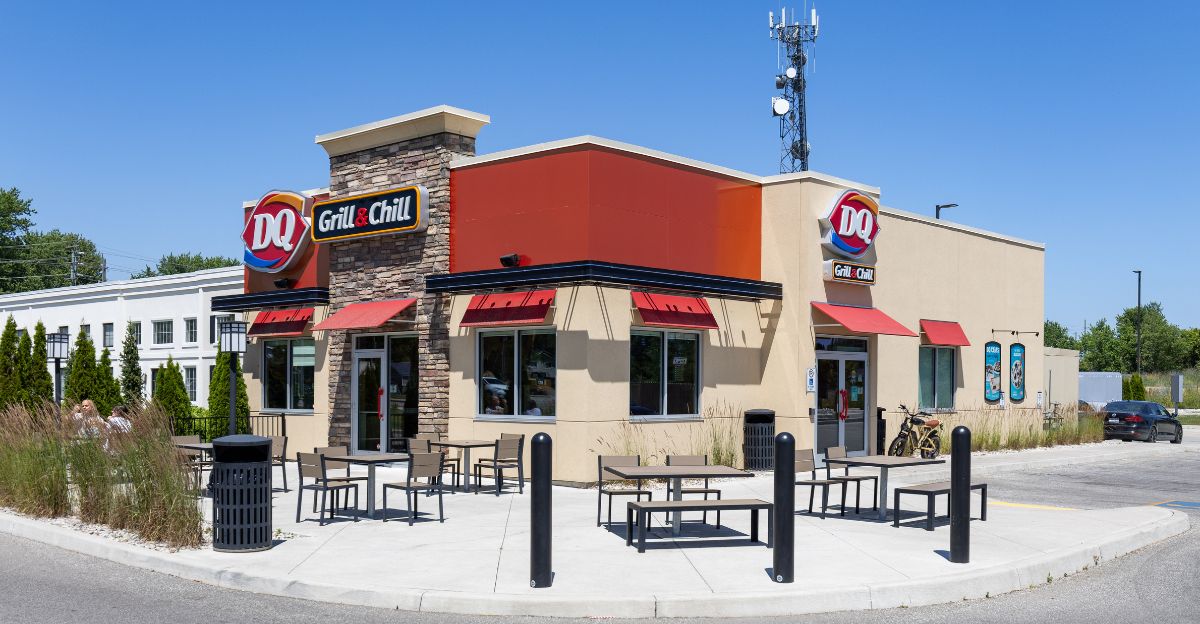
Fast-casual chains have grown rapidly in the last decade, but now many are faltering under rising costs and declining consumer traffic. Chains like Steak ‘n Shake and Dairy Queen have faced similar struggles, with several locations closing due to poor performance.
The industry is witnessing a wave of consolidation, signaling a shift toward restructuring as companies navigate a more volatile market.
Cost Burdens

Franchise owners are caught in a financial squeeze. Rising costs, coupled with the pressure of remodeling, have left many operators financially strained.
Franchisees are feeling the weight of capital-intensive requirements, forcing some to file for bankruptcy as they attempt to restructure and survive in this tough economic environment.
M&M Custard Files for Bankruptcy
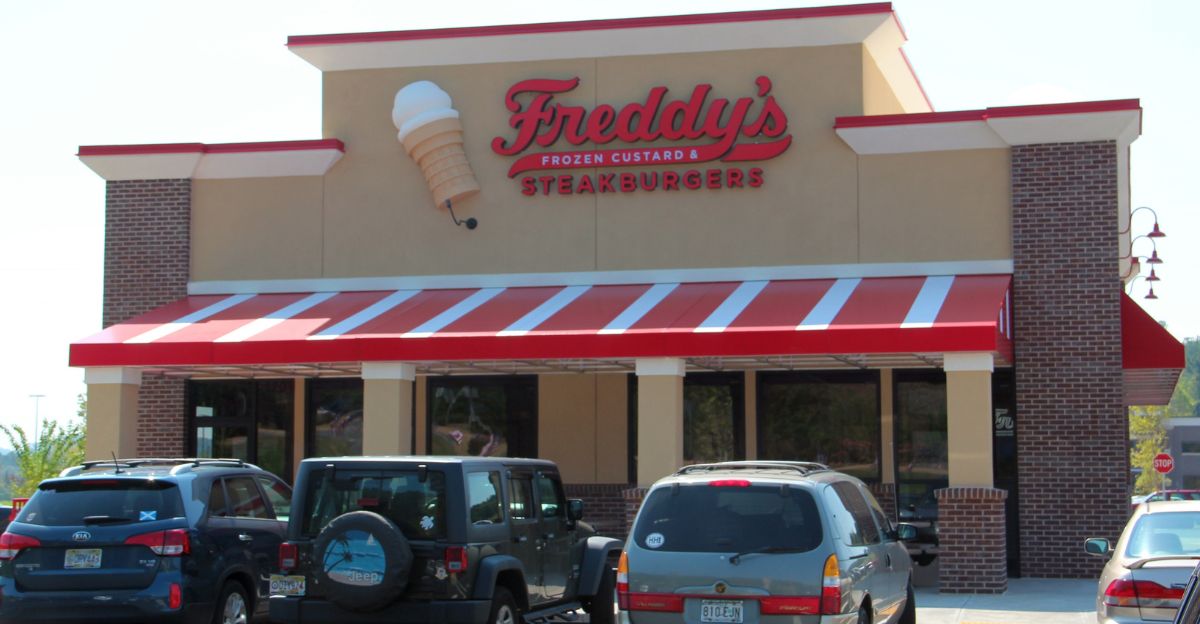
On November 14, 2025, M&M Custard, one of Freddy’s biggest franchisees, filed for Chapter 11 bankruptcy. Operating 42 locations across six states before its Chicago expansion proved unsustainable, the company now faces a debt load of $27.7 million.
The bankruptcy filing affects the company’s current 31-unit portfolio, with the company seeking to close underperforming Chicago locations while retaining its established legacy business. This marks a significant moment for the fast-casual sector, highlighting the vulnerabilities within the industry.
Regional Fallout
The bankruptcy affects locations in Missouri, Kansas, Illinois, Indiana, Kentucky, and Tennessee. The closure of underperforming Chicago stores, which the company acquired in 2021 as part of an expansion initiative, could impact local economies.
The legacy restaurants in established markets continue operations during restructuring. Hundreds of jobs are at risk as the company restructures and focuses on its more profitable core operations.
The Human Cost

As M&M Custard restructures, employees at underperforming Chicago locations face uncertainty about their futures.
While most locations will remain open during the bankruptcy proceedings, Chicago market stores are expected to close as the company divests from that unprofitable portfolio. The emotional toll on workers is profound, as they face the prospect of unemployment in markets where Freddy’s locations served as community anchors.
Industry Competitors React

Other fast-casual chains are watching M&M Custard’s bankruptcy closely. Some brands, like Steak ‘n Shake, have managed to recover from past struggles, showing resilience in the face of industry-wide challenges.
However, the fast-casual sector remains volatile, and even successful brands are not immune to the pressures of rising costs and declining consumer traffic.
Broader Market Trends
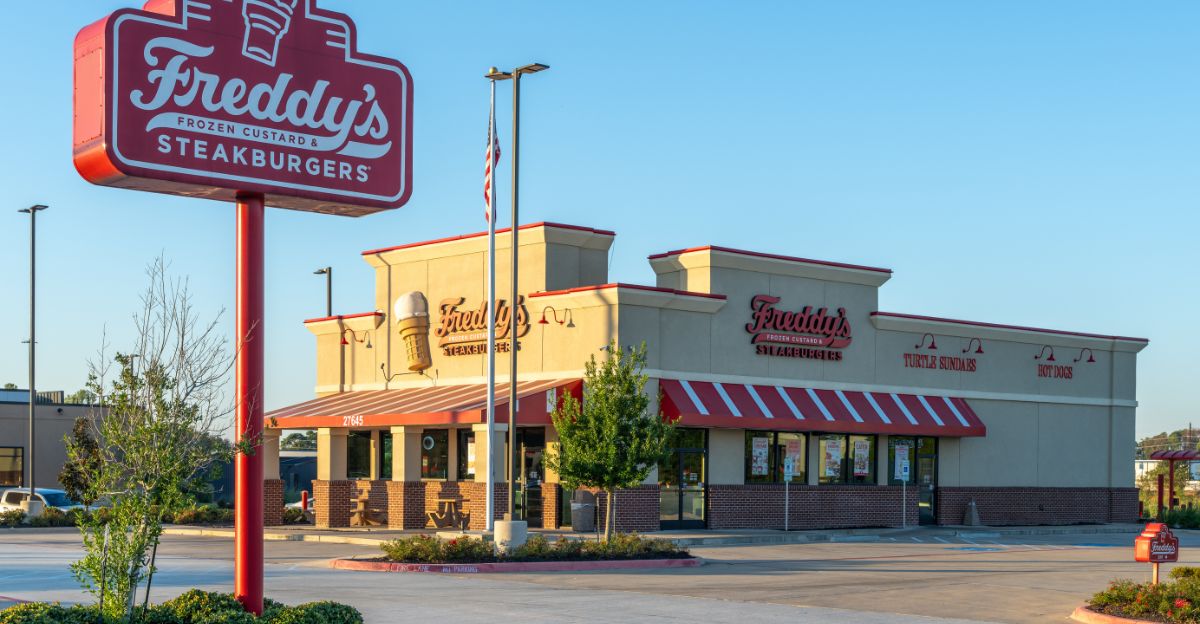
The broader trend across the fast-casual industry is one of consolidation. Operators are facing increased costs and tighter regulations while consumer traffic continues to decline.
This will likely result in more closures and bankruptcies in the coming years. Chains must find innovative ways to adapt to the changing economic landscape or risk further financial difficulties.
Industry-Wide Distress
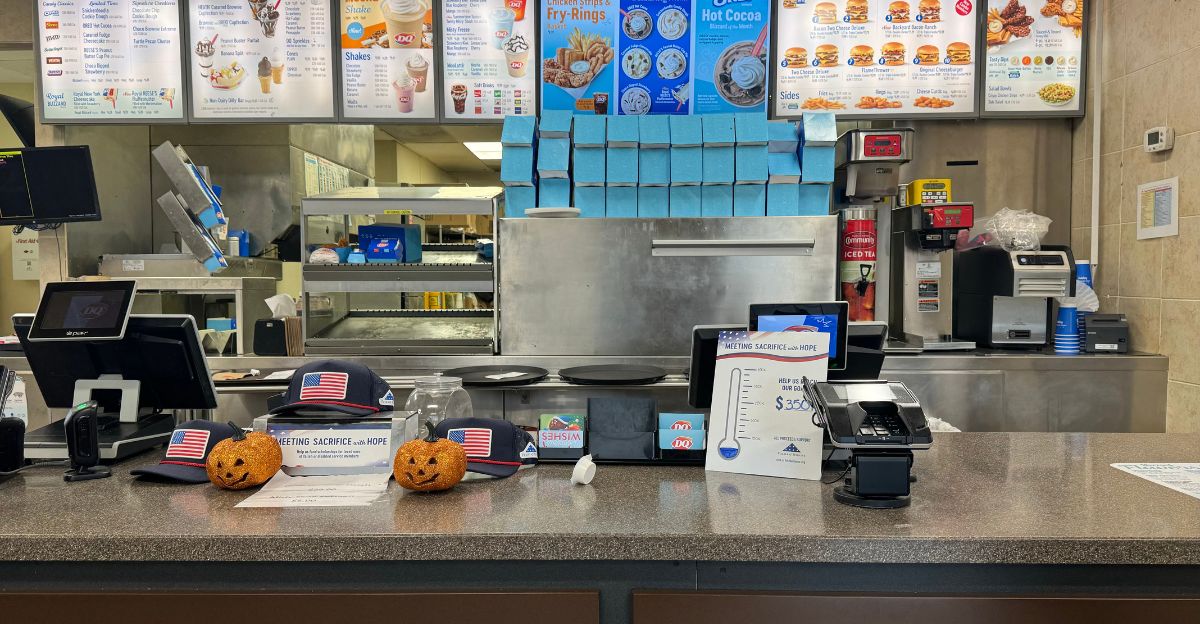
M&M Custard’s bankruptcy is just one example of the larger financial issues plaguing the fast-casual sector. Earlier this year, Dairy Queen franchisees closed 25 locations across Texas in February and an additional 12-15 in March, though these closures stemmed from a franchisee’s refusal to undertake corporate-mandated renovations rather than financial distress.
The ripple effects of these closures are being felt throughout the industry, impacting suppliers, communities, and the employees who rely on these jobs for their livelihood.
Franchisee Frustration

Franchisees across the industry are expressing frustration with the mounting challenges they face. Many feel that the burden of rising costs, mandatory remodels, and regulatory requirements is too heavy.
With mounting debt and slim margins, franchise owners are calling for greater support from parent companies and industry associations as they navigate these difficult times.
Changing Ownership
Freddy’s Frozen Custard & Steakburgers has seen significant changes in ownership in recent years, with the company being sold to private-equity firm Rhône for approximately $700 million in September 2025.
While the new owners are working to streamline operations and improve financial performance, the bankruptcy of a major franchisee highlights the ongoing challenges in the fast-casual space.
Restructuring for Survival

M&M Custard is working on a plan to restructure its operations. The company is focusing on its profitable legacy portfolio of 31 established restaurants while divesting from Chicago locations.
The company generated approximately $58.1 million in overall revenue before the restructuring, with the legacy business producing over $48 million in revenue. Their goal is to emerge from bankruptcy stronger and more financially stable, but the road ahead remains uncertain.
Industry Skepticism

Experts remain cautious about the long-term viability of the fast-casual sector. Ongoing economic pressures and regulatory challenges are expected to continue impacting the industry.
Many analysts predict that further closures and bankruptcies are likely, even for well-established brands. The sector must adapt quickly to survive, but it’s unclear whether that will be enough to counter the mounting pressures.
Looking Toward the Future
The future of the fast-casual industry hangs in the balance. As chains consolidate and restructure, the question remains whether these efforts will lead to a more resilient market or if the pressures will continue to mount.
The industry’s ability to adapt to changing consumer behavior and economic conditions will ultimately determine its survival in the years ahead.