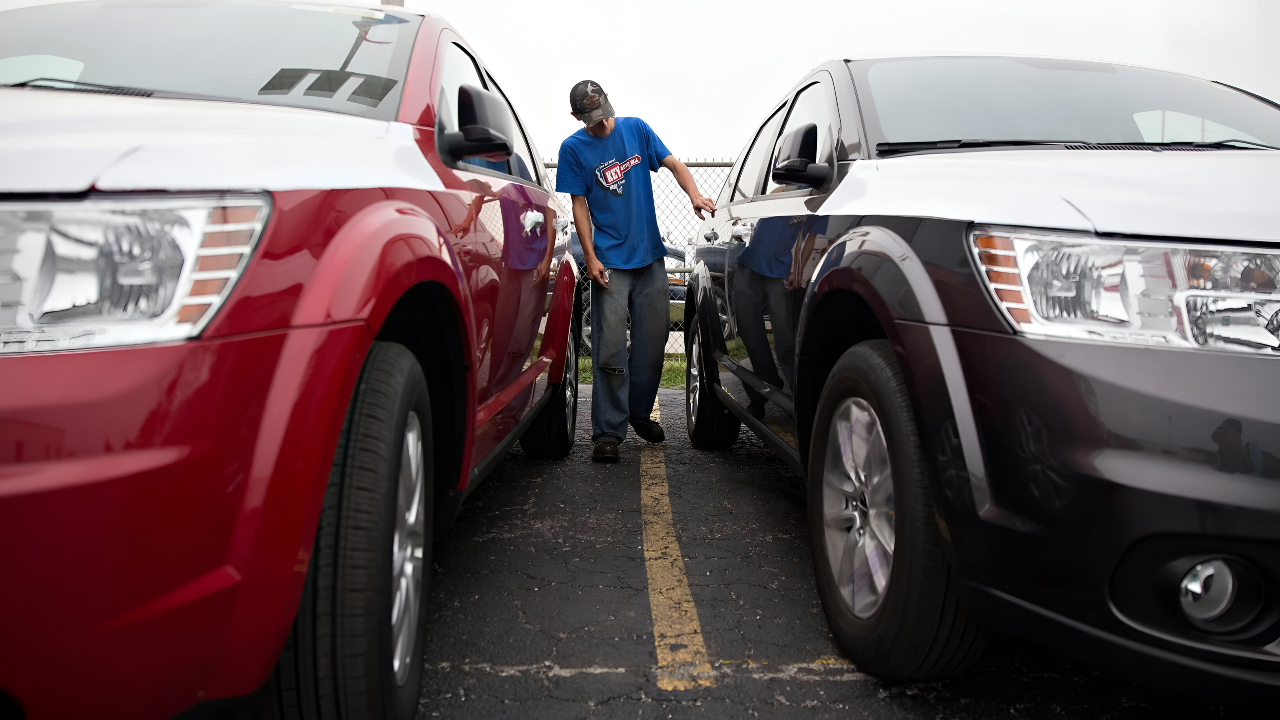
Last month, Tricolor Holdings suddenly closed, revealing one of the most audacious financial frauds in recent memory. CEO Daniel Chu allegedly orchestrated a $900 million deception against major banks while enriching himself by nearly $30 million. Over 100,000 mainly low-income Latino borrowers faced unexpected vehicle repossessions. This scheme transformed a subprime lender into a criminal enterprise. The unfolding drama exposed serious fraud and left many questions unanswered.
A Quiet Shutdown Preceded The Chaos
In early September, 80% of Tricolor employees were abruptly placed on unpaid leave with no explanation. By September 5, all operations ceased, email access was cut, and salaries stopped. Tricolor operated 65 dealerships across six states, issuing $5 billion in loans since 2007. This sudden stoppage stranded thousands of borrowers with no information about their loans or vehicles. The silence before the storm puzzled many but hinted at deeper problems.
A Dark Discovery Unfolded
An unnamed major bank uncovered huge problems in Tricolor’s collateral files. Loans pledged as collateral were far inflated, creating an $800 million gap between pledged assets and actual loans. CEO Daniel Chu faced questions about these massive discrepancies as Tricolor claimed to have $2.2 billion in collateral but only held $1.4 billion in legitimate loans. This discovery marked the beginning of the fraud’s public unraveling.
Tricolor’s Real Story Revealed

Founded in 2007, Tricolor focused on subprime borrowers excluded from mainstream banks. Operating its own dealerships and financing, it had grown to manage $1.3 billion in receivables by 2025. Certified as a Community Development Financial Institution, Tricolor pitched itself as serving underserved communities. But behind the mission-driven image lurked an elaborate scheme hiding financial instability and deception at the highest levels.
The CEO’s Lavish Lifestyle Exposed
Daniel Chu collected nearly $30 million in compensation from August 2023 to August 2025—$19.3 million in salary and bonuses alone. He purchased luxury properties worth $38 million across Dallas, Beverly Hills, and Miami and charged thousands monthly for spa treatments, dental care, and elite club memberships. When board members questioned these expenses, Chu dismissed concerns as “over the top” stress, insisting wellness treatments were legitimate business expenses.
Fraud As A Business Strategy
“CEO Daniel Chu was the leader of an elaborate scheme to defraud creditors of Tricolor. At his direction, Tricolor repeatedly lied to banks and other credit providers, including by falsifying auto-loan data and ‘double pledging’ collateral. Fraud became an integral component of Tricolor’s business strategy.”
What Is Double-Pledging?

Double-pledging means promising the same asset—like auto loan portfolios—to multiple banks simultaneously. Each lender believes it has an exclusive claim to payments, but Tricolor pledged the same collateral repeatedly. Combined with falsified loan data, customer payment records, and even fake vehicle IDs, Tricolor concealed the true risk and losses. This systematic manipulation was central to how it deceived lenders and hid growing defaults.
Banks Face Massive Losses
Warehouse lenders JPMorgan Chase, Fifth Third, Barclays, and others revealed serious losses tied to Tricolor loans. Fifth Third reported a $200 million loss from alleged fraud; JPMorgan disclosed $170 million in charge-offs in the third quarter. Zions and Origin Bank wrote off $50 million and $30 million respectively. Barclays exposed losses from a $217 million loan bundle. These staggering numbers exposed how deeply the fraud had penetrated the banking sector.
Why Was Fraud Undetected So Long?
Waterfall Asset Management first spotted suspicious loan data showing no principal reductions. JPMorgan’s internal probe began after spotting inconsistencies in 2024 between Tricolor’s audits and actual loans. JPMorgan also pressured Chu to fire CFO Jerome Kollar over concerns about his background. Despite these red flags, JPMorgan and others kept funding Tricolor well into 2025, permitting the scheme to grow unchecked weeks before the collapse.
Warnings Were Ignored

“Weak markets, like the current auto market, have a tendency to expose unsustainable results and questionable business models. Similarly, abrupt policy changes can shine a light on risky practices and vulnerabilities.”
These insights proved prescient as Tricolor’s risky tactics finally unraveled. Yet the company’s decline exposed broader industry blind spots. Was this collapse a ticking time bomb waiting for the perfect storm?
Employees Were Among The Casualties
On September 6, 2025, over 1,000 employees suddenly lost jobs or faced indefinite unpaid leave. Medical insurance stayed active, but paychecks stopped immediately. Staff, including dealership workers and loan processors across six states, were left in the dark during an FBI investigation and looming federal charges. This abrupt halt created a void, leaving borrowers with few answers from a vanished management team.
Borrowers Faced Immediate Uncertainty
About 100,000 subprime loans, mostly held by Latino immigrants with poor or no credit scores, suddenly faced interrupted servicing. Many lacked valid driver’s licenses, making alternative options limited. The risk of repossession spiked with no communication. Vervent Inc. eventually took over loan servicing, but critical weeks passed without clear updates for vulnerable borrowers, deepening their financial distress and uncertainty. What would happen next for these families?
Federal Charges Reveal The Full Extent
On December 24, 2025, federal prosecutors unsealed indictments charging Daniel Chu and COO David Goodgame with conspiracy, bank fraud, and operating a continuing financial crimes enterprise. Former CFO Jerome Kollar and finance executive Ameryn Seibold pleaded guilty earlier to bank fraud and record destruction. The conspiracy’s timeline, stretching from 2018 through August 2025, revealed years of systemic deception impacting financial institutions and thousands of victims.
Chu’s Last Attempts To Hide The Truth

“In secretly recorded calls, Chu and other Tricolor executives tried to conceal the problems at Tricolor and even turned to artificial intelligence, seeking to blame others for the company’s collapse.”
These dramatic efforts to evade responsibility highlight the lengths to which leadership went to cover up massive fraud. How effective were they, and what does this say about the culture at Tricolor?
The Role Of Technology In The Fraud
Tricolor exploited technology to fabricate loan details, simulate payments, and create fictitious vehicle IDs. AI tools were reportedly used not just for deception but also to shift blame as investigations advanced. This misuse of technology complicated regulators’ efforts to untangle fraudulent from legitimate transactions, adding layers of obfuscation that prolonged the fraud’s lifespan. Can tech be both a tool for fraud and justice?
Impact On Underbanked Communities
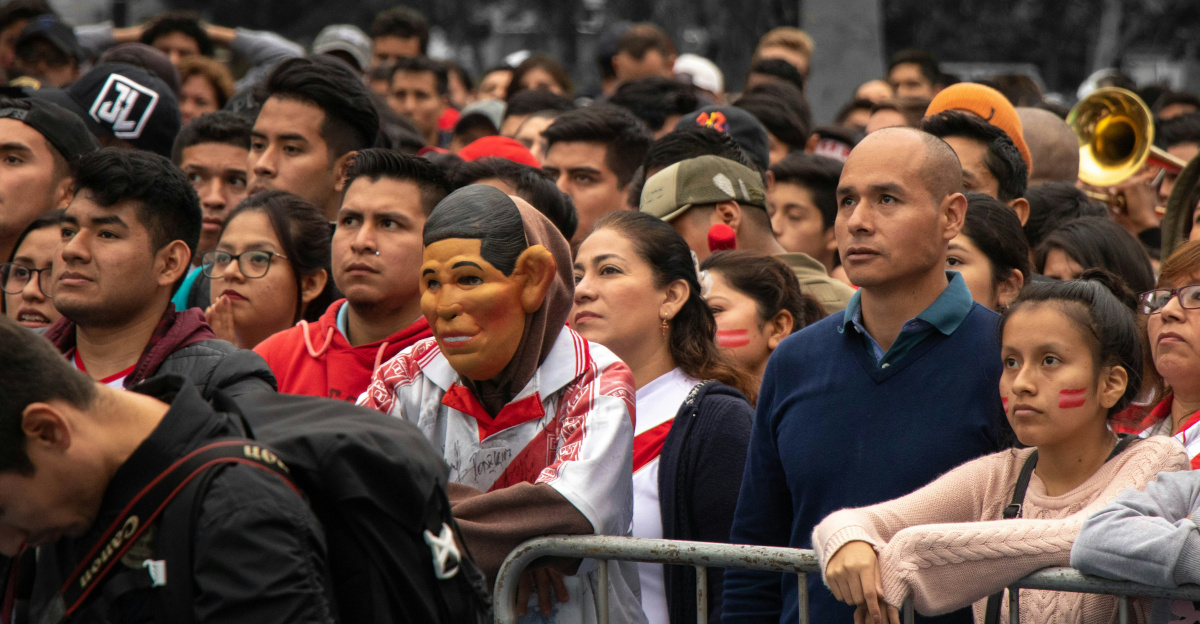
Tricolor’s collapse disproportionately hurt low-income Latino immigrants who had limited lending options. Their reliance on Tricolor’s financing meant sudden repossessions threatened their mobility and livelihoods. This raised urgent questions about the vulnerabilities of underbanked populations to predatory or unstable lenders and the lack of regulatory protections ensuring fair treatment. What protections can prevent such future exploitation?
Banks Reevaluating Auto Lending Risks

The Tricolor scandal sent shockwaves through auto lending markets, prompting banks to reassess risk controls and collateral monitoring. Institutions now face pressure to strengthen due diligence, improve transparency, and detect fraud earlier. Some banks are reconsidering exposure to subprime loan segments, wary of hidden risks in collateral pledges. Will this lead to tighter lending or innovative protections?
What Happens Next For Borrowers?

With Vervent Inc. stepping in as backup servicer, many borrowers slowly received communication regarding their loans. Yet months after shutdown, uncertainty persists for thousands uncertain if repossessions or restructuring might occur. The government and courts are still working out how to protect borrowers harmed by Tricolor’s deception, leaving many trapped in limbo.
Lessons From Tricolor’s Collapse

This saga underscores the dangers of unchecked greed combined with weak oversight. Tricolor appeared as a community lender but masked a vast fraud network. It highlights vulnerabilities in warehouse lending, the need for rigorous audits, and the critical importance of protecting financially vulnerable communities from similar harm. How will regulators and industry leaders respond long term?
The Fallout Continues
As legal cases unfold, financial institutions grapple with billions in losses and damaged reputations. Employees seek answers and compensation, while borrowers fight for loan relief or vehicle retention. Tricolor’s collapse serves as a case study in corporate fraud’s human toll and its far-reaching effects on markets and communities alike. The story, though dark, shines a light on accountability now demanded.
Sources
U.S. Attorney’s Office Press Release, Southern District of New York, December 24, 2025
JPMorgan Chase Q3 Earnings Report, October 14, 2025
Davis+Gilbert Bankruptcy Analysis, September 2025