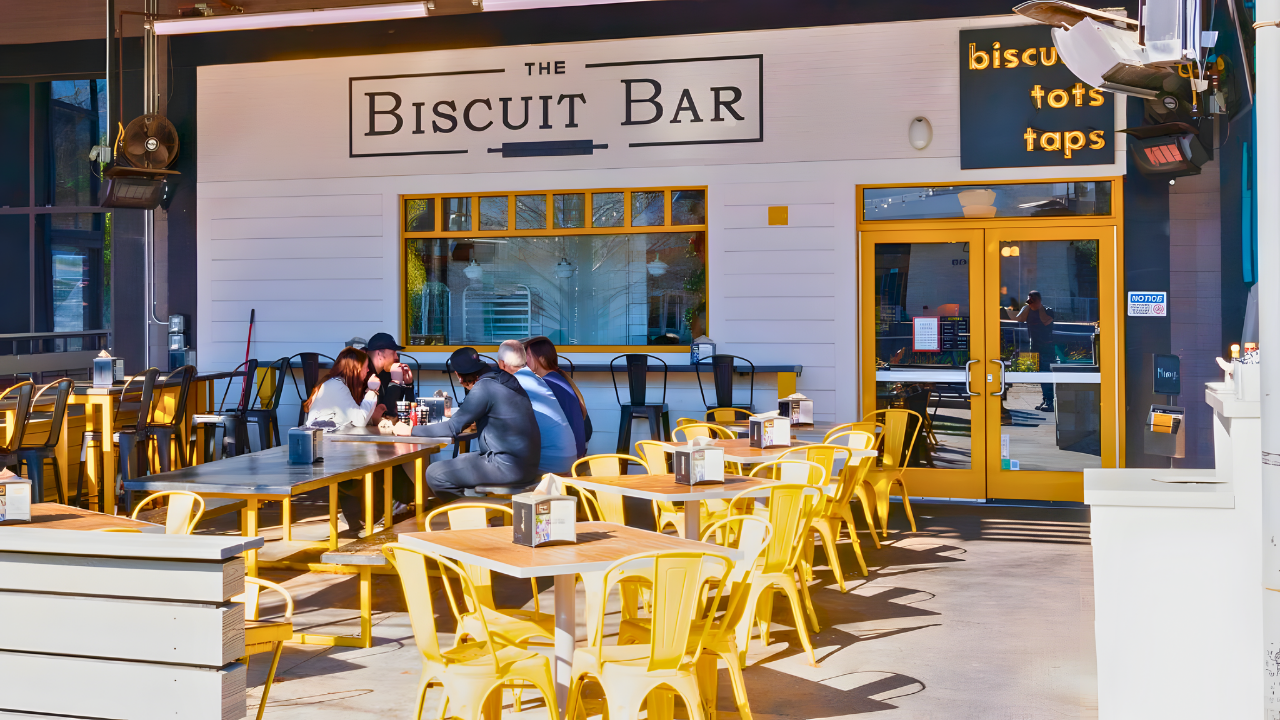
On December 15, 2025, The Biscuit Bar shut down 6 North Texas locations, and over 100 workers lost their jobs. The chain was built from family grief and grew quickly, but rising costs, wage inflation, and failed lease negotiations pushed it into collapse. The owners say the landlord’s refusal blocked a sale that could have saved everything, and the timing hit right before the holidays. That pressure started building years earlier.
The Costs That Quietly Broke The Model
Between 2020 and 2025, food costs rose 35% and labor costs surged 35% while customer traffic stayed below pre-pandemic levels. The Biscuit Bar could not close the profitability gap, even with menu innovation. By October 2025, it filed for Chapter 11 after 7 years. A buyer appeared, and the business seemed salvageable, until landlords refused to cooperate. The origin story explains why the stakes felt personal.
A Family Loss That Started It All

In late 2016, Jake and Janie Burkett welcomed twin daughters. One daughter, Brycee Jo, died from a severe infection at 2 weeks old. As the family grieved, food became a source of comfort and a means of community. On New Year’s Eve 2016, the Burketts made custom biscuits with toppings at home, a small act that later became a business idea. The path from coping to entrepreneurship unfolded slowly.
A Founding Story Told In Their Own Words
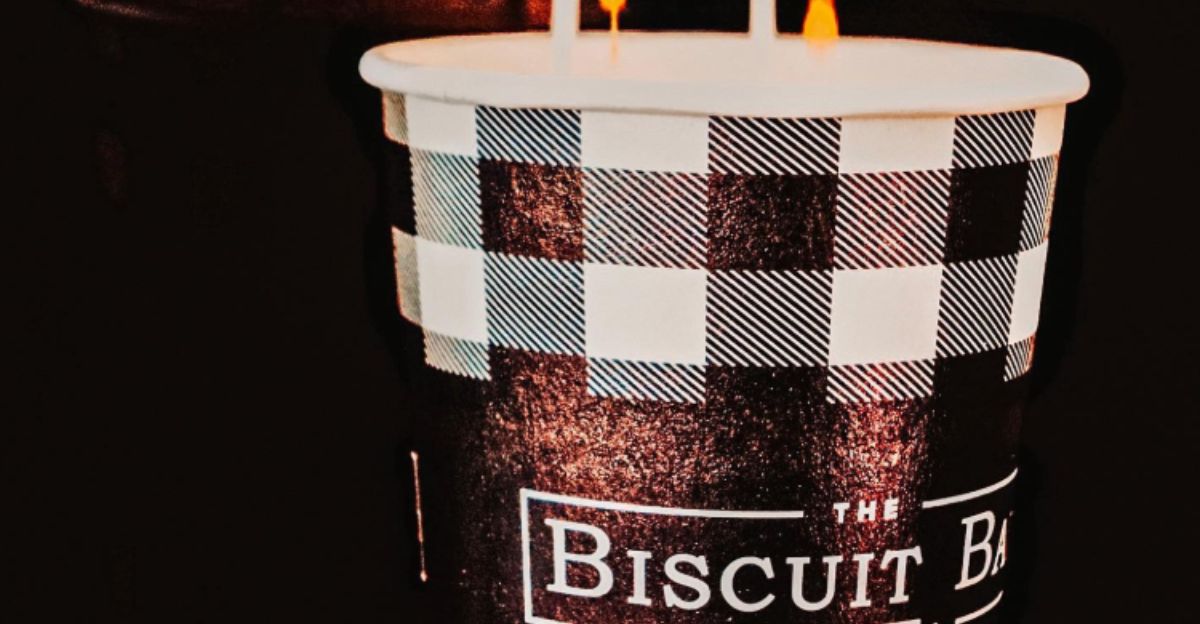
“Throughout the following weeks, family and friends gathered around the Burketts to help them navigate their grief. As is often the case, food played a pivotal role in their journey towards healing. Though simple comfort foods were a staple, one item kept recurring on the menu: Biscuits,” according to The Biscuit Bar’s founding narrative. They spent 16 months perfecting recipes and preparing to launch. The first opening would test whether comfort could scale.
Lines Around The Block In Plano
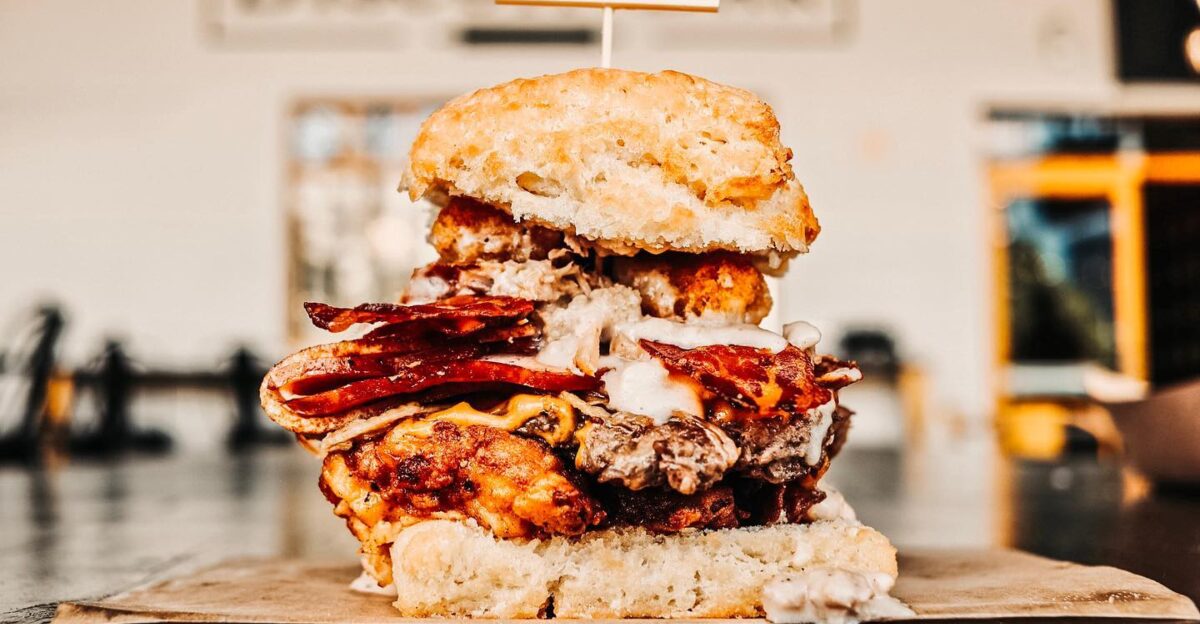
The first Biscuit Bar opened in April 2018 at The Boardwalk at Granite Park in Plano, aimed at affluent suburban diners. Demand hit fast. Within days, lunch crowds formed lines of 20 people or more. Signature items like “The Hoss” brought breakfast and lunch traffic with fried chicken, bacon, cheese, and sausage gravy on scratch-made biscuits. The early success felt like proof the model worked. But would momentum tempt them to overreach?
Expansion Came Fast And Wide
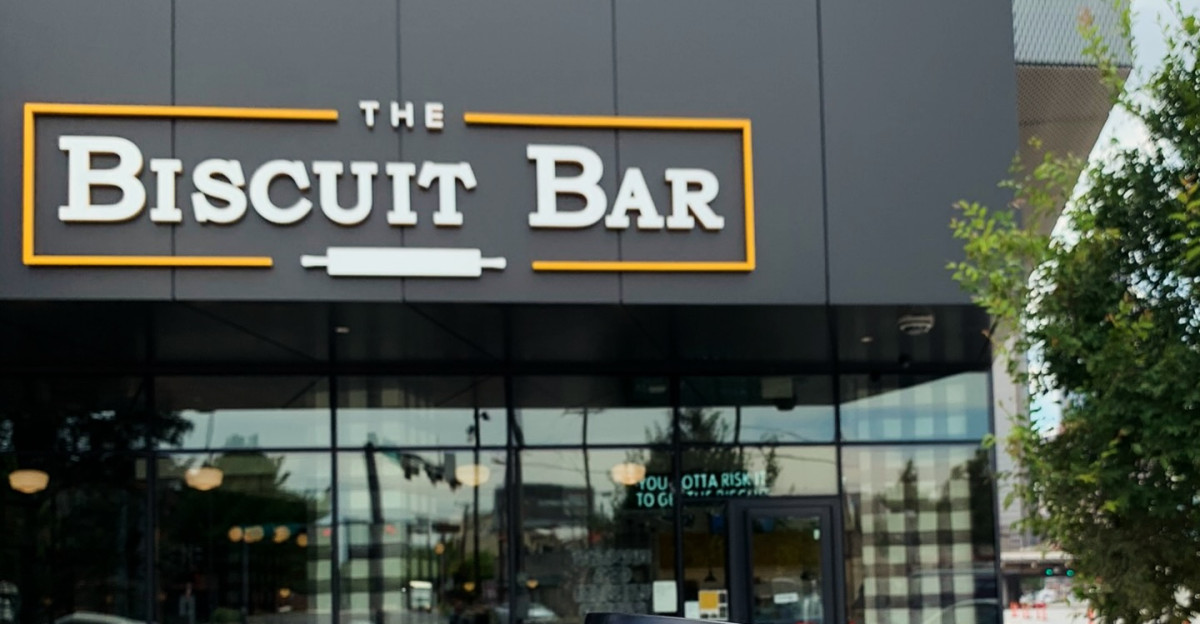
In 2019, only 1 year after opening in Plano, The Biscuit Bar launched 5 more sites: Deep Ellum, Coppell, North Arlington, Fort Worth Stockyards, and Abilene. The chain spanned 150+ miles, with 6 locations and over 100 employees. Janie Burkett told WFAA: “We really all as a family came up with all of that together.” Growth looked unstoppable, but the economy was shifting underneath them. The warning signs were industry-wide.
Texas Restaurants Were All Feeling It
By Q3 2025, the Texas Restaurant Association reported 88% of Texas restaurants faced higher food costs, 66% had higher labor costs, and 38% saw declining sales. Eggs were projected to rise 24.8% in 2025, beef climbed 11.6%, and chicken and dairy followed. For a biscuit-and-protein menu built on fresh prep, those increases were not theoretical. How do you keep prices reasonable when core ingredients jump that much?
When Labor Inflation Becomes A Trap
Independent restaurants feel wage inflation differently from national chains. The Biscuit Bar relied on skilled kitchen staff for scratch-made biscuits, as well as bartenders for the tap program, and full-service teams across six locations. When food costs rose 35%, cutting payroll risked breaking quality and speed. Raising prices risked shrinking traffic further. The model became a squeeze: pay more, charge more, sell less. By early 2025, the pressure turned into a crisis point.
Bankruptcy As A Last Attempt To Survive
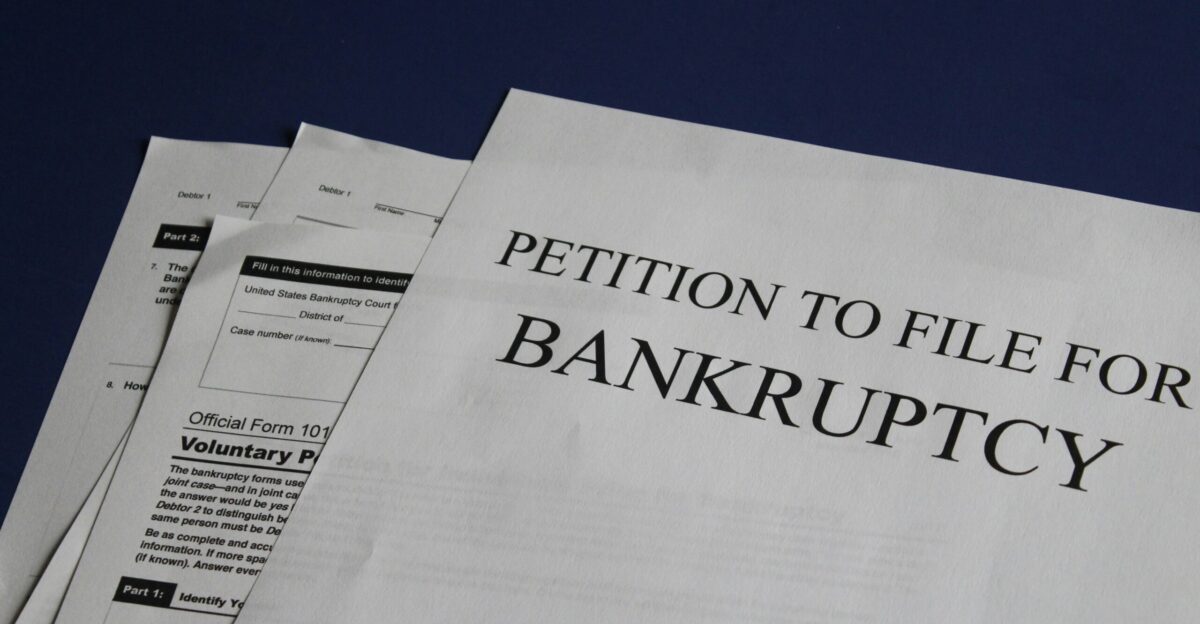
On October 2, 2025, The Biscuit Bar LLC filed voluntary Chapter 11 in the U.S. Bankruptcy Court for the Northern District of Texas. Assets were listed at $0 to $100,000, with liabilities at $1 million to $10 million, a 10-to-1 imbalance. The Burketts insisted they were not giving up: “We’ve done everything we can to keep this business going at great personal cost to us.” The filing opened a door, but only if a deal could close.
A Serious Buyer Offered A Lifeline
“A respected restaurant group stepped forward, committed to acquiring and growing the Biscuit Bar,” the Burketts stated. The buyer looked capable of preserving jobs, maintaining operations, and stabilizing the brand after Chapter 11.
Negotiations progressed, and a December closing date was established. It appeared the bankruptcy would become a restructuring story, not an obituary. Yet the rescue depended on something restaurants rarely control: the leases tied to each address. That is where the plan began to fray.
Lease Transfers Became The Bottleneck
To complete the acquisition, landlords for all 6 sites had to allow lease assumptions by the buyer. Under bankruptcy rules, Section 365 governs whether leases can be assumed and assigned, putting landlords in a powerful position.
The buyer required all locations to operate the chain as a unified entity, not a partial footprint. The Burketts expected routine cooperation, but resistance began to grow. Why would landlords refuse when rent would continue to be paid?
Why Landlords Might Prefer A Vacancy
Commercial real estate incentives can clash with restaurant survival. If The Biscuit Bar failed and leases were rejected, landlords could reclaim space and potentially re-lease at higher market rates. Bankruptcy law also limits landlord rejection claims, often capped at the greater of 1 year’s rent or 15% of the remaining term. Keeping the old lease might mean locking in below-market rent. In a strong market, a new tenant can look more profitable. That logic created a standoff with real consequences.
The Line That Ended The Sale

The Burketts later explained the breakdown: “While many partners supported a workable plan, several key financial stakeholders did not. This included a few landlords whose participation was essential. Their refusal to compromise or support a path forward ultimately made the sale impossible, leaving us with no legal or financial ability to continue operation.”
Without lease cooperation, the buyer could not take possession, and the deal died. With that option gone, bankruptcy stopped being a bridge and became a dead end.
Switching From Restructuring To Liquidation

On December 11, 2025, The Biscuit Bar LLC filed an expedited motion to convert from Chapter 11 to Chapter 7 liquidation. Chapter 7 meant asset sales, permanent closures, and distributions to creditors. It also meant that over 100 employees would lose their jobs and that 6 locations would shut their doors. The chain that had served thousands would disappear, even though a buyer was interested in it. Was the most challenging part still ahead for staff and families facing the holidays?
A Shutdown Announcement Days Before Christmas

“This is not the outcome we fought for. This is not the ending we imagined. And it is not for lack of trying.” The closure was announced for December 15, 2025, only 10 days before Christmas, and all 6 locations shut immediately. ‘Workers lost their schedules overnight. Janie Burkett summed up the squeeze: “employee wages up, everything’s up, up, up, and revenues for restaurants across the board down.” Even then, the owners made one final choice focused on their team.
A GoFundMe Aimed Only At Staff

The Burketts launched a GoFundMe promising that “100% of those donations go to our employees, which does not include me or my husband, not one penny.” The goal was $50,000, but by December 18, it had raised about $7,000, or roughly $70 per employee.
The organizer wrote: “These team members showed up every day with heart, hustle, and pride, serving their communities with kindness and care.” The gesture highlighted how common this crisis had become across restaurants nationwide.
Other Chains Were Falling Too
The Biscuit Bar was part of a wider collapse in 2024 and 2025. Red Lobster closed 131 locations, TGI Fridays closed about 100, Razzoo’s Cajun Cafe filed Chapter 11, Hooters closed 41 locations, and Denny’s announced plans to close 70 to 90 stores. A documentary tracked 15 chains “falling apart in 2025,” including Pizza Hut, which has had over 1,500 closures since 2017, and KFC, which has had over 500 closures since 2021. The pattern indicated a deeper mathematical problem.
The Margin Problem Few Diners See
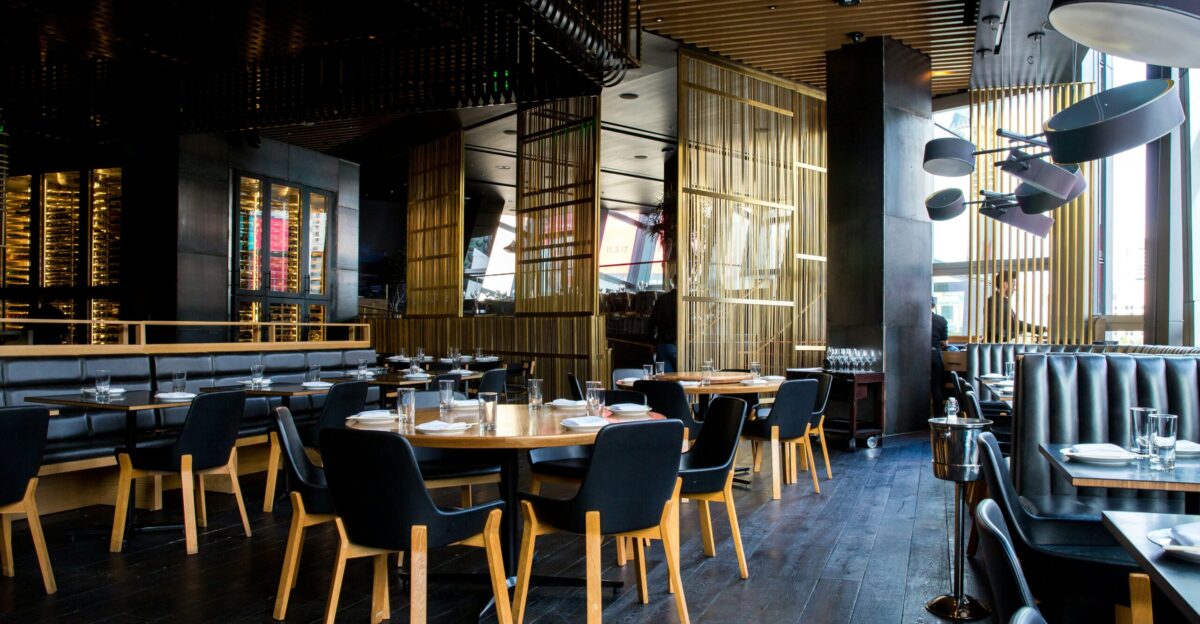
Restaurants often run on about 15% margins after covering 85% operating costs. Food and labor can each take about 33% of every sales dollar, roughly 66% combined. When both rose 35% and traffic stayed below pre-pandemic levels, the National Restaurant Association estimated a 30.3% menu price increase was needed just to hold 5% pre-tax profit. The Biscuit Bar could not raise prices that much without losing customers. Some people now ask if policy changes could have helped, but timing mattered.
Job Losses Hit Real Lives Immediately
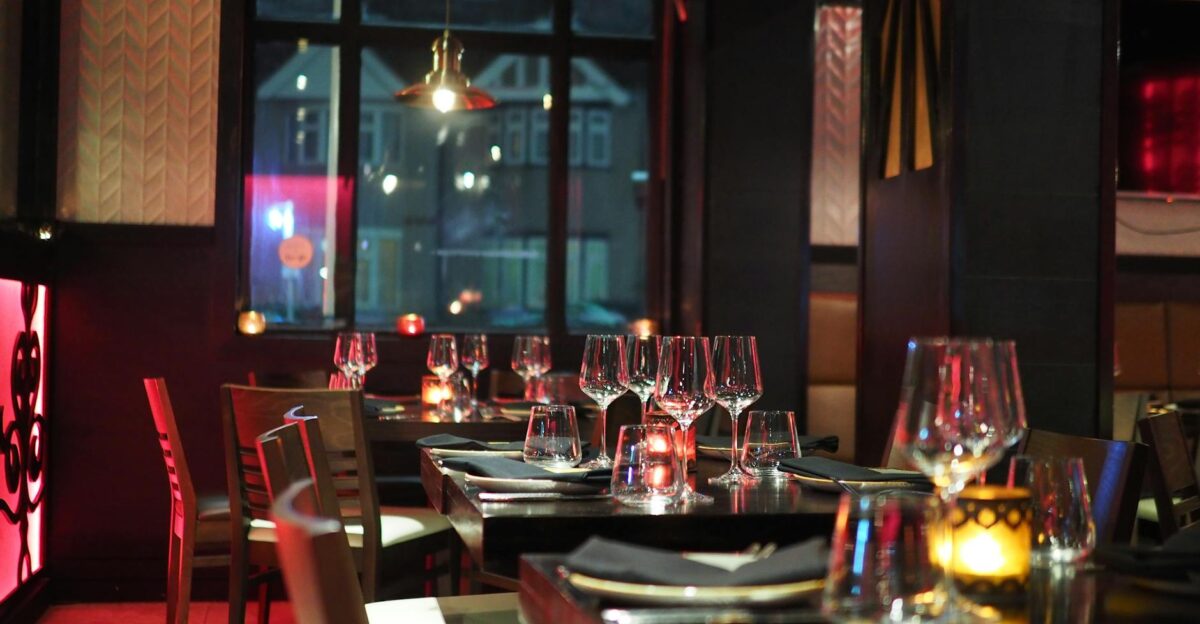
Over 100 workers lost jobs on December 15, including trained kitchen staff, servers, bartenders, and managers. Many were part-time and did not have big savings. Texas unemployment benefits generally replace about 50% of wages, capped at $541 per week, leaving a gap for rent and bills.
Holiday spending pressures made the timing even harsher. Beyond paychecks, the closures removed neighborhood gathering spots that had become routine for families and regulars. Still, the founders left a legacy that went beyond finances.
A Community Brand Built From Grief
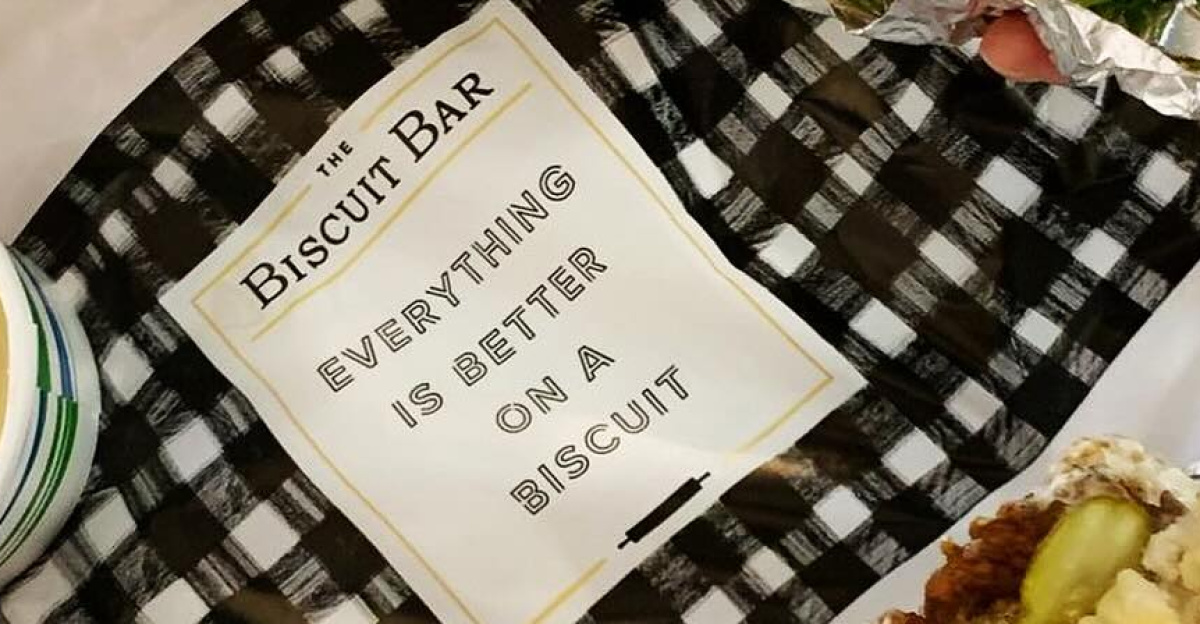
The Biscuit Bar started as grief transformed into purpose. Jake and Janie Burkett turned the loss of their daughter into a business that employed hundreds over 7 years and served thousands across North Texas.
Economics proved unforgiving, and landlord intransigence proved decisive, but the chain’s rise showed how quickly community support can build something real. The failure was not framed as incompetence, but as conditions that made independent restaurants nearly untenable. The lingering question is how many more stories will repeat.
Sources:
The Biscuit Bar LLC Chapter 11 and Chapter 7 filings. U.S. Bankruptcy Court for the Northern District of Texas, October 2, 2025 and December 11, 2025
Texas Restaurant Association Q3 2025 Economic Report. Texas Restaurant Association, 2025
Food Price Outlook August 2025. USDA Economic Research Service, August 2025
Owner of Biscuit Bar Discusses Forced Closure. WFAA, December 2025
North Texas Restaurant Chain Closes After Failed Sale Bid. Houston Chronicle, December 2025
Inflation and Operating Cost Analysis. National Restaurant Association, 2025