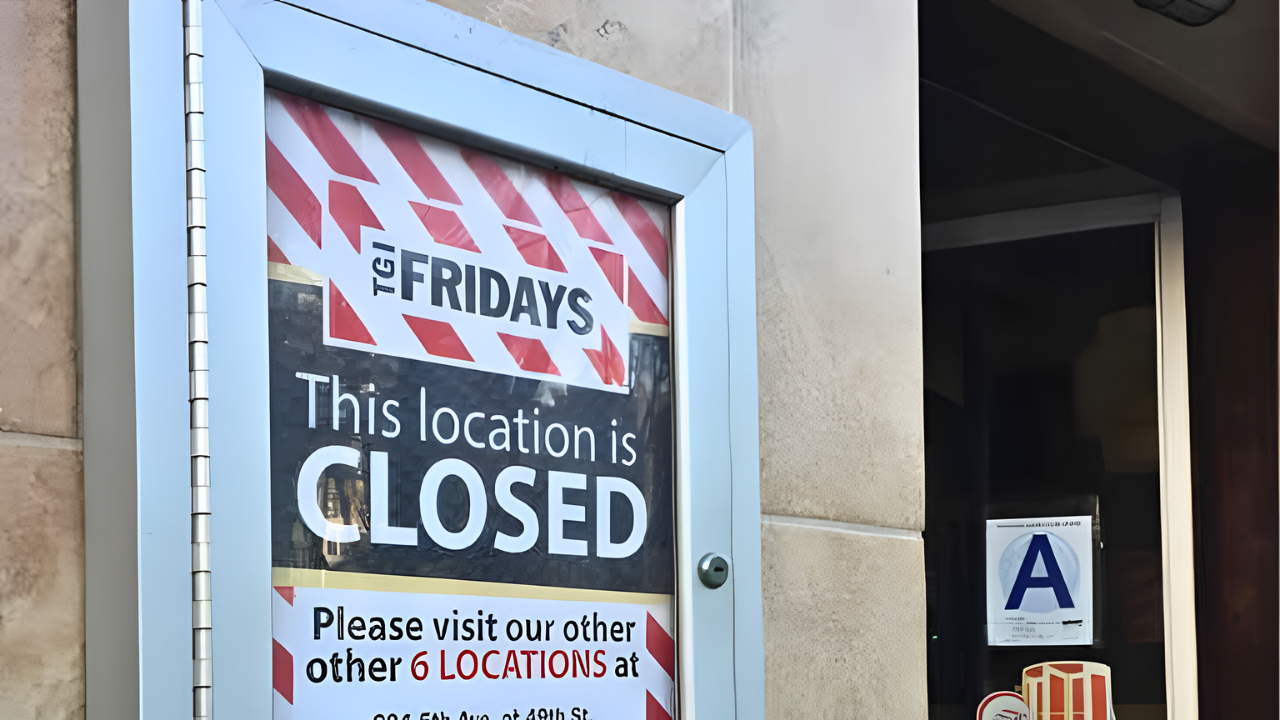
The number is now down to 79. Across the U.S., hundreds of TGI Fridays locations that once lit up shopping centers and highway exits are gone, following more than 521 closures since the chain’s 2008 peak. In 2024 alone, dozens of restaurants shut their doors as the company entered bankruptcy, rapidly shrinking its domestic footprint. What happened inside the collapse—and how it unraveled so fast—comes next.
The timeline behind this sudden disappearance reveals just how quickly things fell apart.
A One-Year Freefall That Changed Everything

At the start of 2024, TGI Fridays still operated about 270 U.S. locations. By year’s end, that number had plunged to 79. Nearly 191 restaurants closed in a single year, marking one of the steepest contractions ever seen in U.S. casual dining.
The speed stunned industry observers and left employees scrambling. This wasn’t a slow decline—it was a sudden collapse that erased decades of expansion almost overnight.
Bankruptcy Exposed a Fragile Balance Sheet

The chain’s financial position cracked in 2024. TGI Fridays entered bankruptcy carrying roughly $37 million in debt while reporting less than $6 million in available cash. Years of accumulated obligations, many tied to pandemic-era pressures and pre-existing debt structures, left little room to maneuver.
Once closures began accelerating, the remaining U.S. footprint could no longer sustain the system. Bankruptcy became less a strategy—and more an admission that recovery at home had slipped out of reach.
From Neighborhood Staple to Empty Storefronts
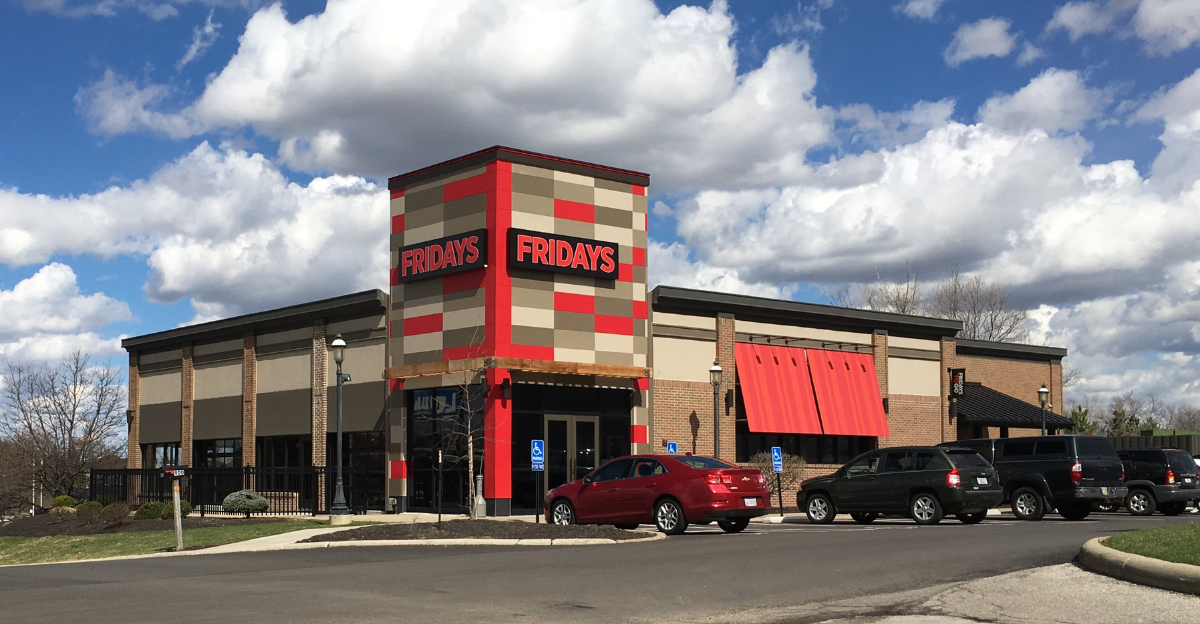
Across the country, familiar TGI Fridays locations went dark. Suburban strips, malls, and entertainment districts lost a once-reliable anchor for families and after-work crowds. For many communities, the closures meant more than lost meals—they meant vacant properties and fewer gathering places.
A brand that once symbolized casual celebration quietly disappeared from hundreds of neighborhoods, leaving behind boarded doors and memories of crowded bar areas and birthday dinners.
The Cost to Workers Was Immediate
The human impact was swift. With more than 521 U.S. restaurants closed since 2008, thousands of jobs vanished. Based on typical casual dining staffing levels, an estimated 3,950 to 7,900 positions were eliminated across servers, cooks, bartenders, and managers as shutdown notices rolled out.
For many, the closures came with little warning. Entire teams were displaced as locations shuttered, turning a corporate restructuring into a deeply personal crisis for thousands of households.
A Turnaround Menu That Couldn’t Turn the Tide
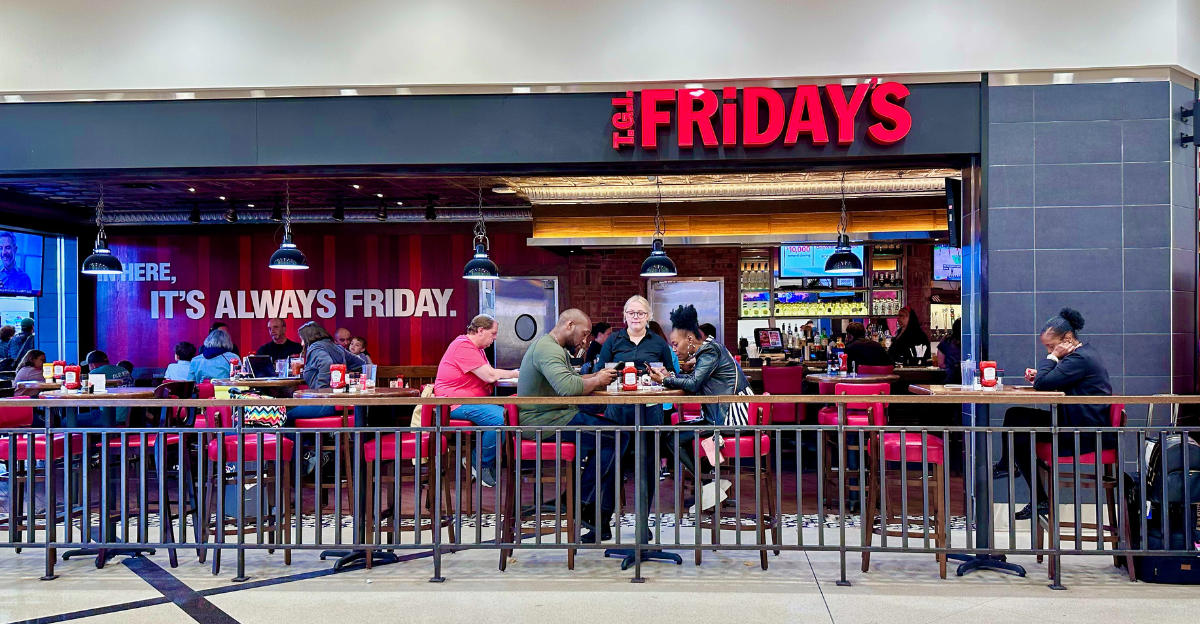
Leadership attempted a last-ditch revival. TGI Fridays emphasized house-made sauces, refreshed menus, and hand-cut steaks—efforts designed to recapture relevance. But the strategy failed to reverse traffic declines or stabilize operations. Not a single U.S. location was saved by the pivot.
Nostalgia, upgraded ingredients, and branding tweaks weren’t enough. The attempt underscored a harsh reality: operational fixes can’t overcome structural decline once consumer habits and cost pressures shift too far.
Casual Dining’s Competitive Squeeze
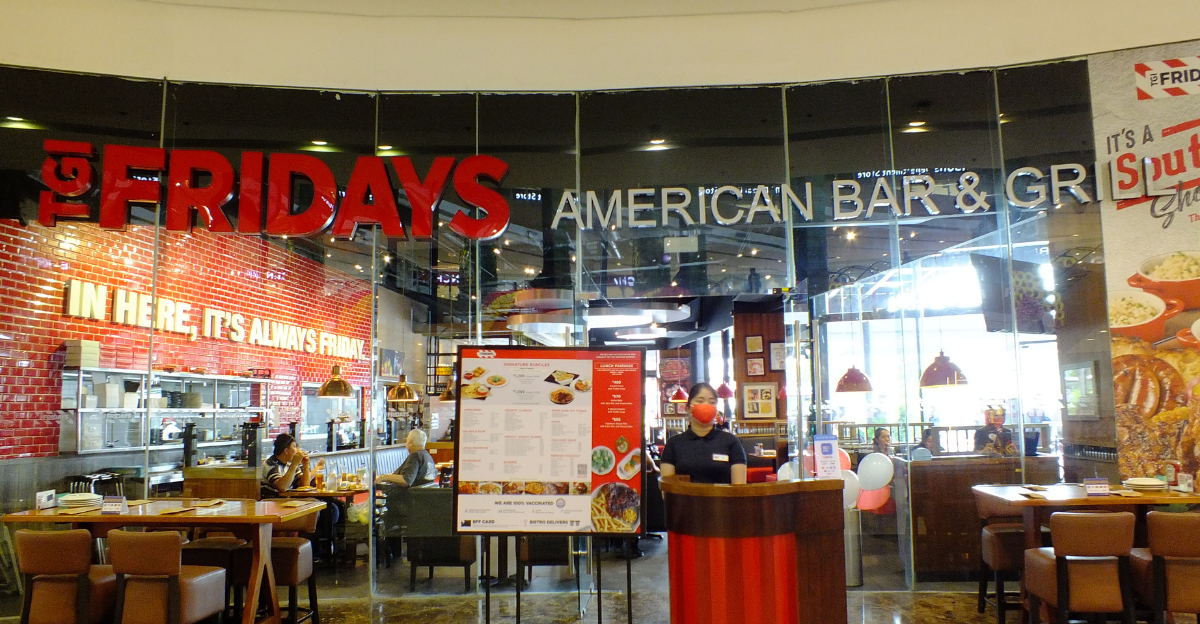
As TGI Fridays shrank, competitors filled the gap. Surviving casual dining chains absorbed displaced diners, while fast-casual brands captured consumers seeking faster service and perceived value.
The sector evolved as TGI Fridays struggled to keep pace. Losing 87% of its U.S. footprint didn’t just weaken the brand—it reshaped local dining ecosystems. Once-loyal customers moved on, often permanently, leaving little demand waiting for a potential comeback.
The International Paradox Emerges
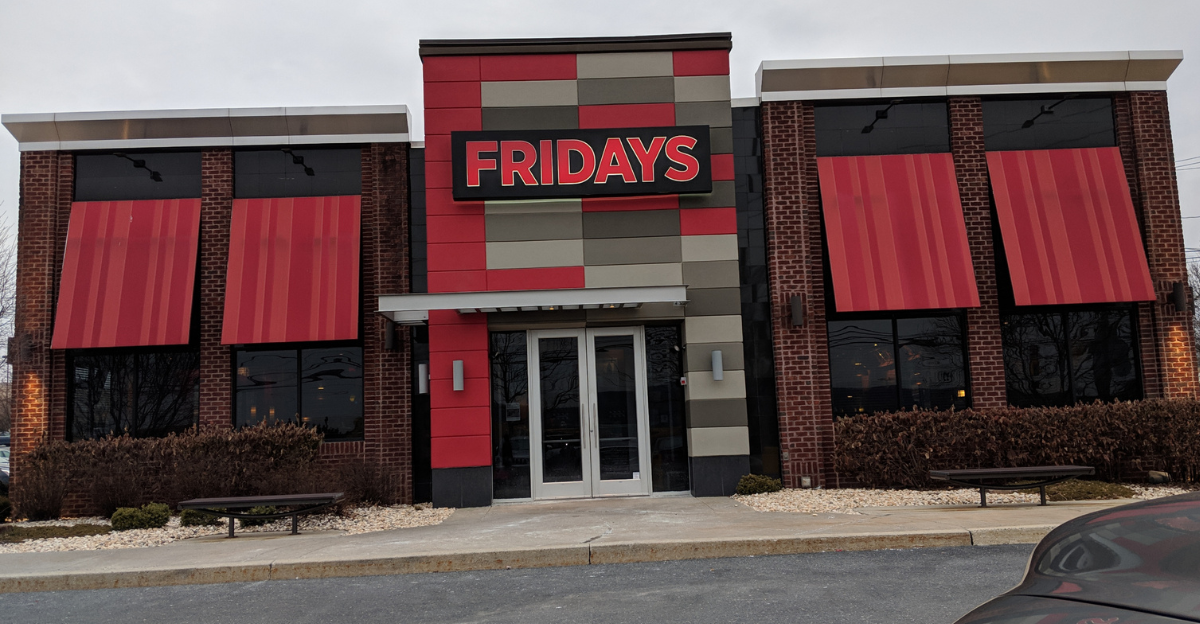
While the U.S. business collapsed, TGI Fridays continued operating roughly 300 international locations. Overseas, the brand remains visible across dozens of countries, creating a striking contrast. Today, the international footprint is nearly four times larger than the domestic one.
The brand that faltered in its home market still resonates abroad, raising uncomfortable questions about why an American icon can thrive globally while disappearing across its country of origin.
Betting the Future Outside the U.S.

Despite domestic losses, leadership has outlined ambitious global goals. The long-term plan calls for expanding to 1,000 international locations. Phil Broad, President of International Operations, has framed the strategy around protecting the brand’s identity overseas.
While the U.S. footprint shrinks toward extinction, the company is effectively wagering its survival on foreign markets—an extraordinary reversal for a chain once synonymous with American casual dining culture.
Local Economies Feel the Aftershocks
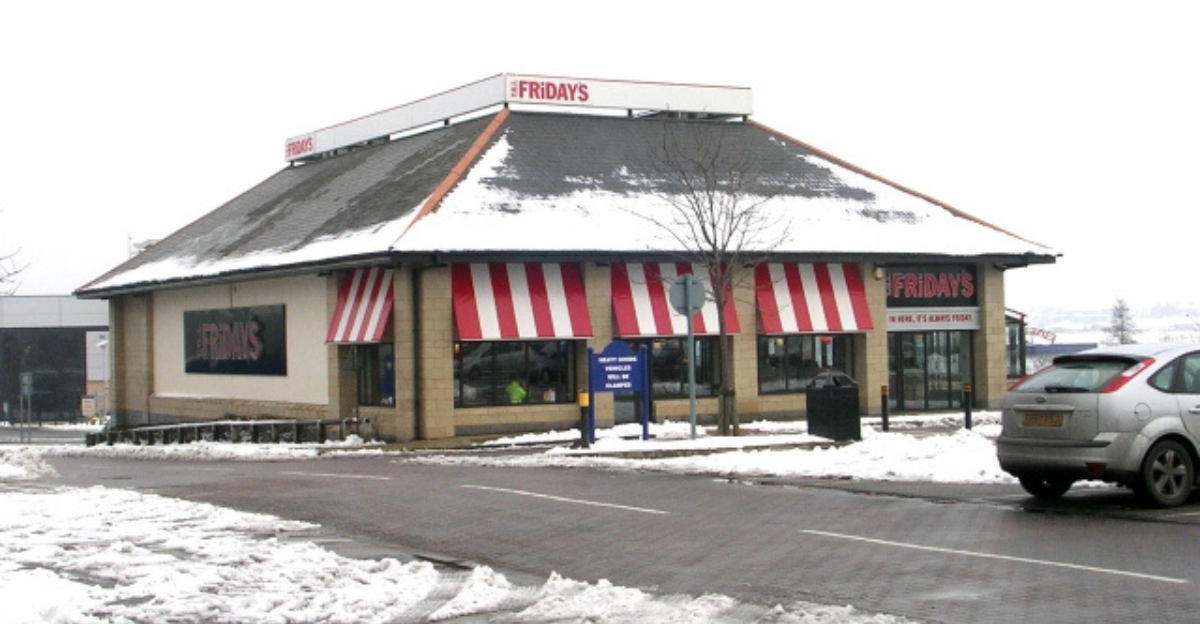
Restaurant closures ripple outward. Each shuttered TGI Fridays reduced foot traffic for nearby retailers, weakened leasing demand, and trimmed local tax bases. Suppliers lost accounts. Landlords inherited vacant space.
The cumulative effect of 521 closures stretches beyond payroll losses, quietly draining economic activity from shopping centers and commercial corridors nationwide. For many communities, the disappearance of a single anchor accelerated broader retail decline already underway.
A Cultural Fixture Quietly Fades

TGI Fridays helped define the American happy hour. Its atmosphere, menu staples, and celebratory tone became part of pop culture. Now, with only 79 U.S. locations left, that presence is rapidly fading.
Younger diners may never experience the brand firsthand. What once felt permanent has become optional—and then rare. The decline highlights how quickly cultural relevance can evaporate when business fundamentals weaken.
The Scale of the Collapse Is Historic
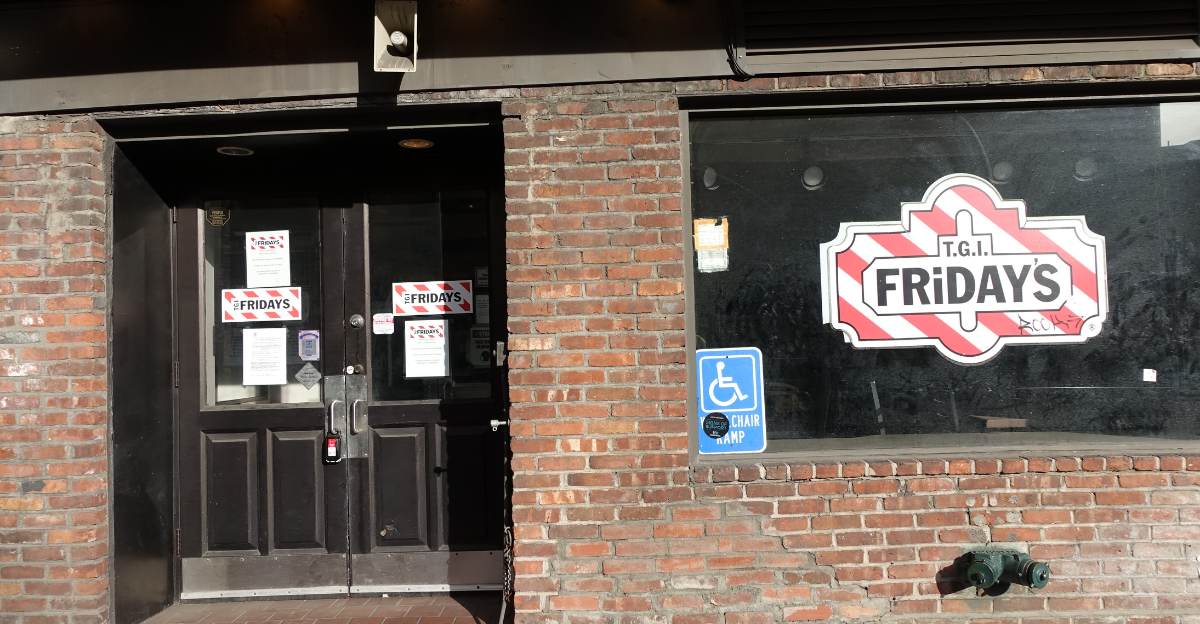
Few restaurant chains have contracted this sharply. Falling from more than 600 U.S. locations at its 2008 peak to 79 today represents an 87% contraction over 17 years—one of the largest collapses in modern casual dining history.
More than 500 restaurants vanished, along with hundreds of millions in potential annual revenue. The speed and scale place TGI Fridays alongside the most dramatic brand retreats the industry has seen in decades.
Who Survives the Wreckage
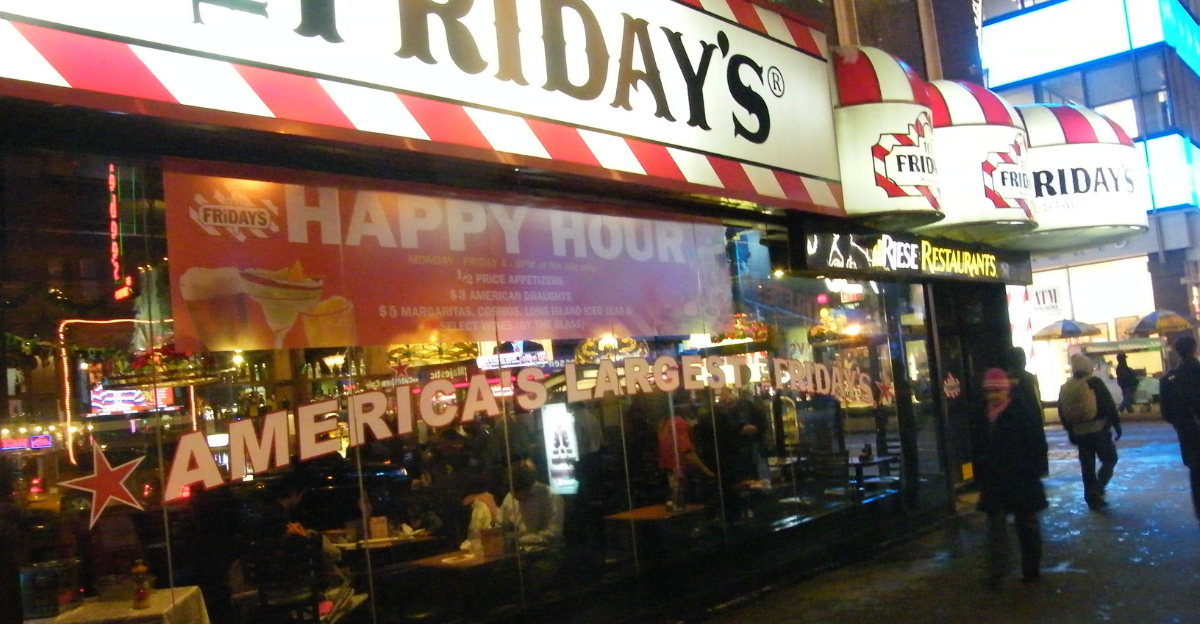
Not everyone lost. International franchise operators remain active. Select buyers acquired remaining assets. But for U.S. workers, landlords, and communities, the damage is lasting.
Based on typical staffing levels, an estimated 1,185 to 2,370 employees remain tied to the 79 surviving domestic locations. For most former staff, the brand’s collapse marked a permanent exit—not a temporary disruption—from a once-reliable employer.
What TGI Fridays’ Fall Signals for the Industry

The message is clear: casual dining is no longer insulated from collapse. Even iconic brands can unravel when debt, changing consumer habits, and operational strain converge.
TGI Fridays’ downfall challenges the assumption that nostalgia guarantees survival. The industry is entering a more ruthless phase, where scale alone offers no protection—and where reinvention must happen early, or not at all.
A Brand at the Edge of American Extinction
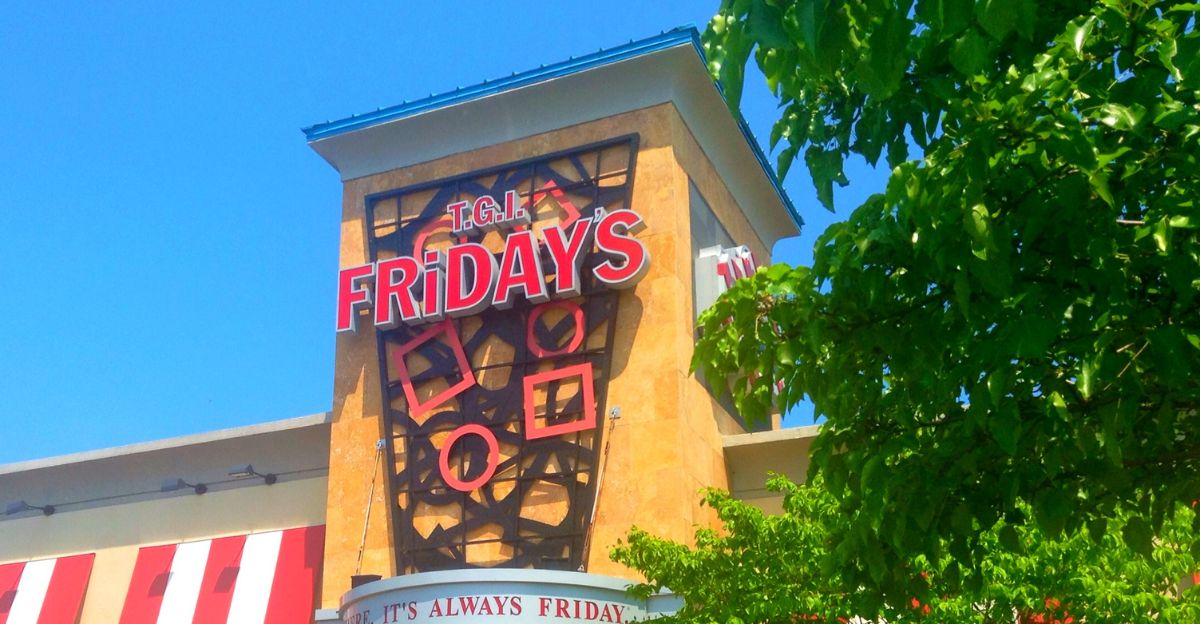
With just 79 U.S. locations remaining, TGI Fridays stands on the brink of disappearing from the American landscape. If the pace of 2024 continues, full domestic exit is no longer unthinkable.
While international expansion offers a path forward, the U.S. story may already be written. An American original now survives mostly abroad—an outcome few would have imagined at its peak.
Sources:
“TGI Fridays down to 79 restaurants. See which states have locations.” USA Today, Nov 2025.
“TGI Fridays files for bankruptcy.” CNN, 2 Nov 2024.
“TGI Fridays changed 85% of its menu. Here’s what’s new.” CNN, 13 May 2025.
“TGI Fridays, the Casual Dining Chain, Files for Bankruptcy.” The New York Times, 2 Nov 2024.