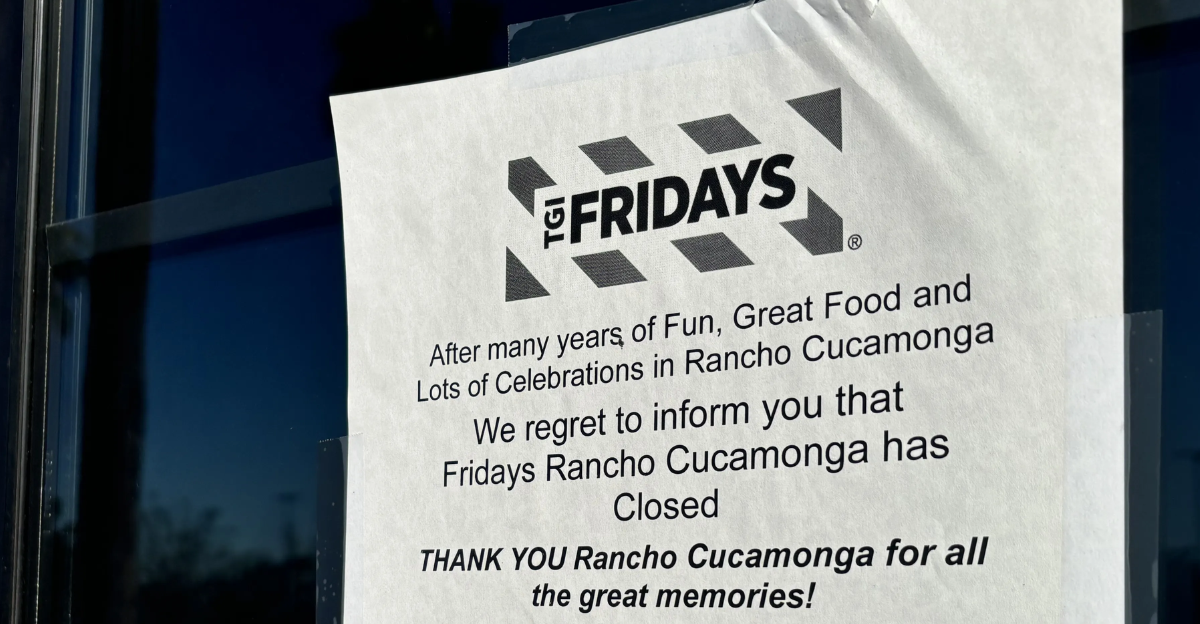
In late October 2024, TGI Fridays, the iconic casual dining chain founded in 1965, closed 49 U.S. restaurants, marking a major reduction in its nearly 60-year history.
This sudden move, affecting multiple states in just a week, surprised employees and loyal customers amid ongoing challenges from changing consumer habits and financial struggles.
Jobs at Risk

TGI Fridays has not released official employment figures, but credible sources estimate that the recent shutdowns resulted in the loss of 1,500 to 1,700 jobs in the U.S. Employees reportedly received little notice before the closures, leading to financial difficulties for many families.
This has raised concerns among labor advocates about the need for stronger advance notification regulations.
Legacy Brand Foundation

TGI Fridays, founded by Alan Stillman in 1965 in New York City, introduced the concepts of casual dining and singles bars to American cuisine.
The restaurant is known for its vibrant atmosphere, innovative happy hour deals, and signature cocktails, as well as its flair bartending, where bartenders perform bottle-flipping routines that have captivated audiences.
Peak Performance and Decline
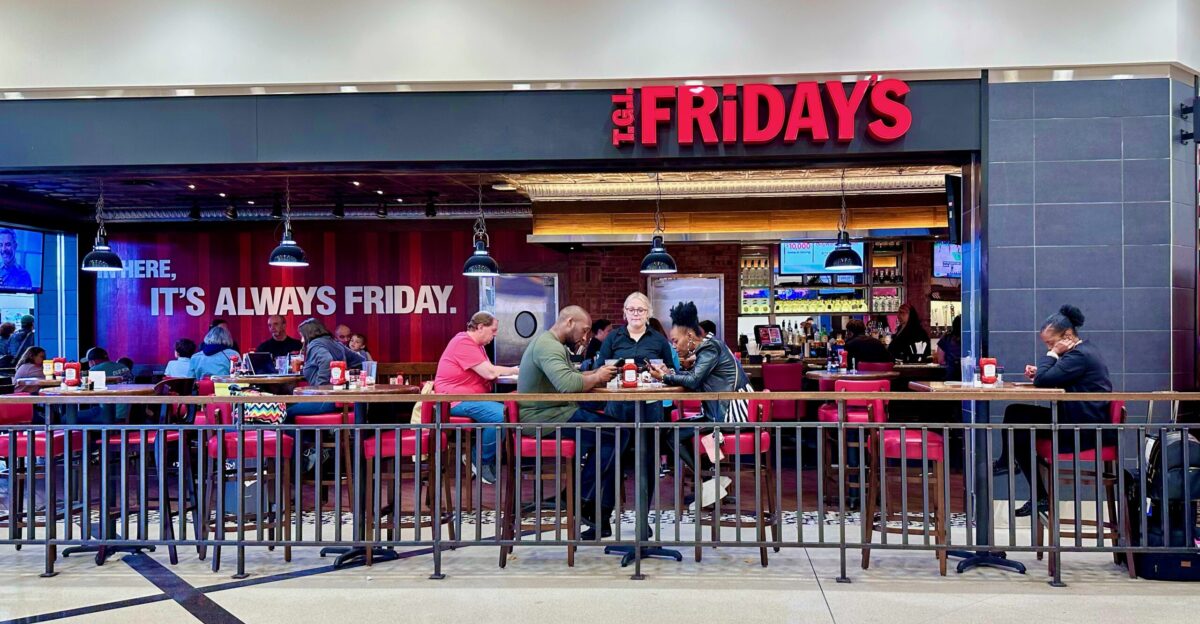
TGI Fridays peaked in 2008 with over 600 U.S. locations but has since lost about 55% of its venues and faced a 63% decline in sales by 2023.
This downturn results from changing consumer preferences for healthier options, competition from fast-casual restaurants, the rise of delivery apps, and increasing operational costs, all of which have significantly impacted the brand.
October 2024 Closures
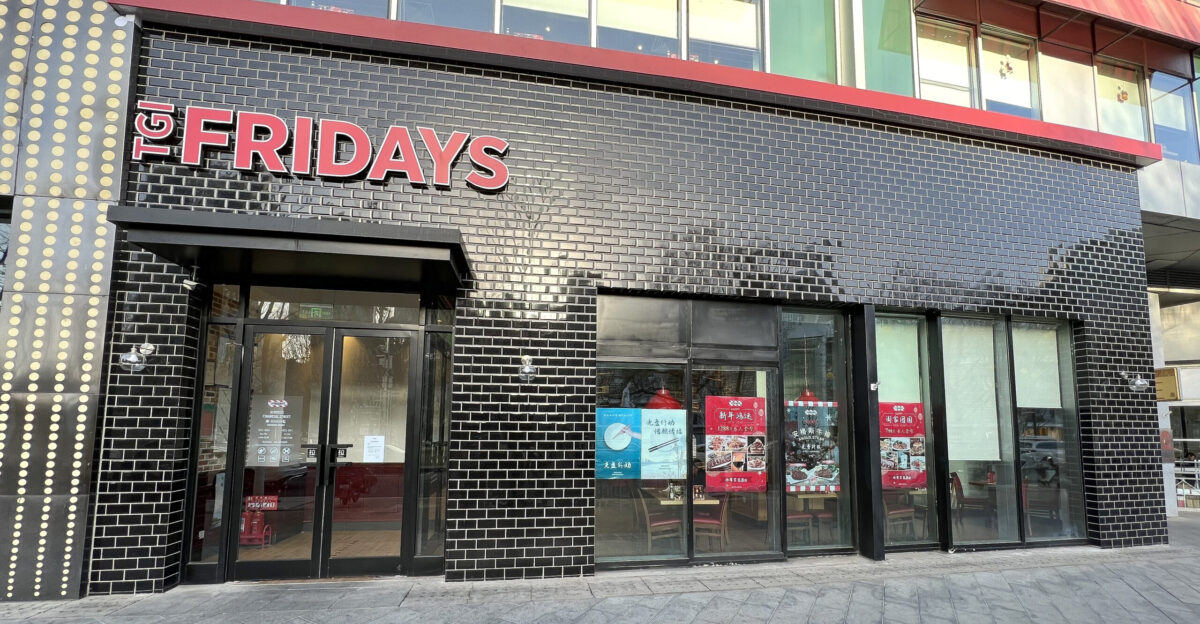
At the start of 2024, TGI Fridays operated 270 locations in the U.S. By October 2024, that number had plummeted to 164 following significant closures, marking an 18% decrease (49 locations).
This move eliminated the brand from key cities like Columbus, Ohio, and Buffalo, New York, representing one of the largest contractions in casual dining history.
Regional Impact
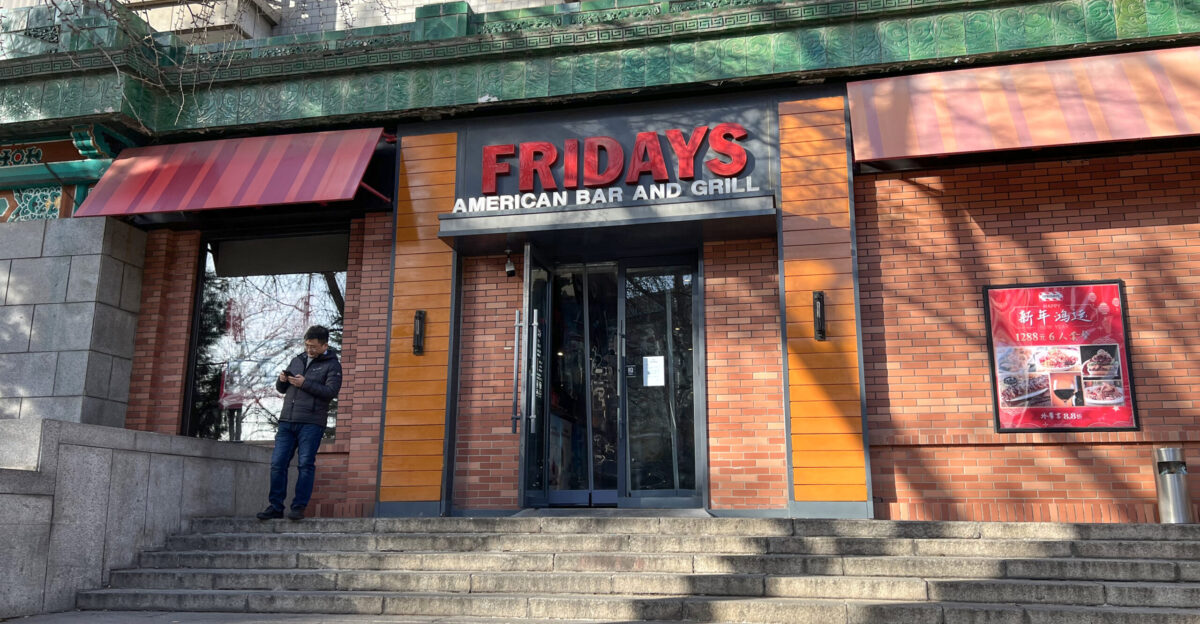
Recent TGI Fridays closures have notably affected states like Massachusetts, New York, Pennsylvania, New Jersey, Ohio, and Florida, leaving gaps in the brand’s coverage.
Major cities such as Columbus and Buffalo have lost their last locations, removing the familiar red-striped brand from these markets. The closures have particularly impacted suburban areas and shopping centers where TGI Fridays had a long-standing presence.
Jobs On The Line
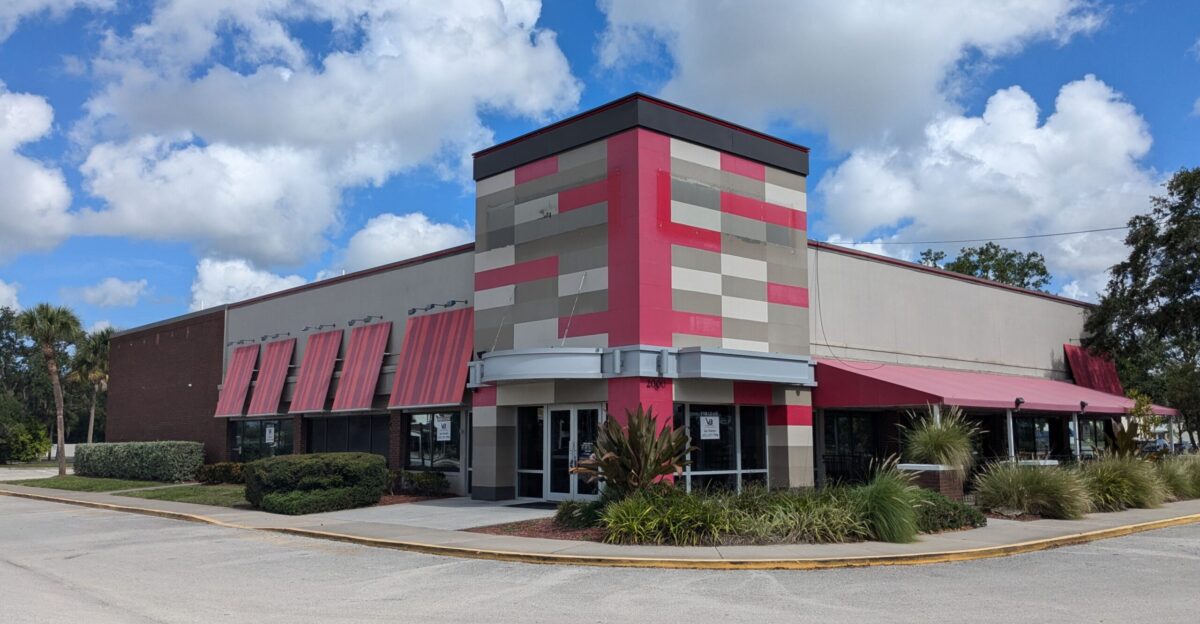
Approximately 1,500 to 1,700 workers, including servers and kitchen staff, were displaced due to recent closures.
This sudden change forced many to quickly seek new employment amid unexpected financial uncertainty, leaving them feeling betrayed by the lack of advance notice. The closures have caused significant hardship for affected families and local communities.
Industry-Wide Struggles
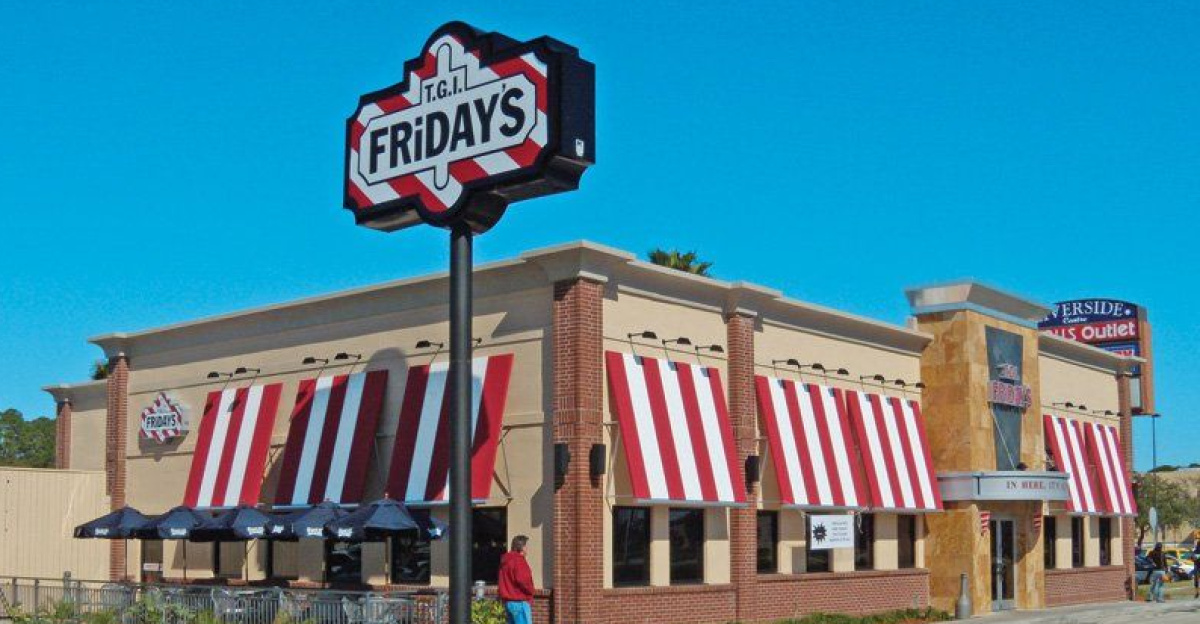
TGI Fridays’ challenges highlight broader issues in the casual dining industry in the U.S. Other chains like Hooters, Bar Louie, Cracker Barrel, and Ruby Tuesday have also closed locations or filed for bankruptcy as diners shift toward cheaper and faster options.
The traditional sit-down model faces significant difficulties due to changing consumer preferences and market dynamics.
Consumer Behavior Shift

The COVID-19 pandemic has notably shifted consumer dining habits, leading to more home cooking and a search for value-driven dining alternatives.
Casual dining chains in the U.S. are now losing market share due to increased competition from delivery platforms and rising operational costs such as labor, rent, and food ingredients.
Gift Card Concerns
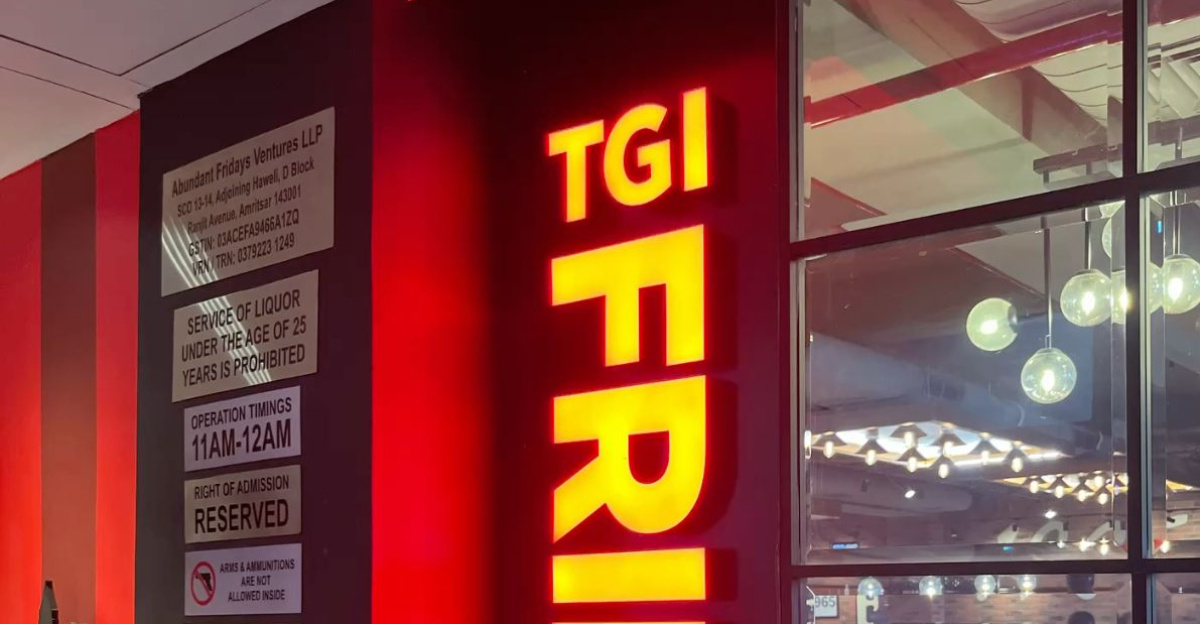
Customers nationwide are advised to verify the validity of their TGI Fridays gift cards and check local restaurant listings before use.
Recent closures and inconsistent communication have created confusion about redeeming prepaid meals and gift card balances at remaining locations.
Leadership Instability
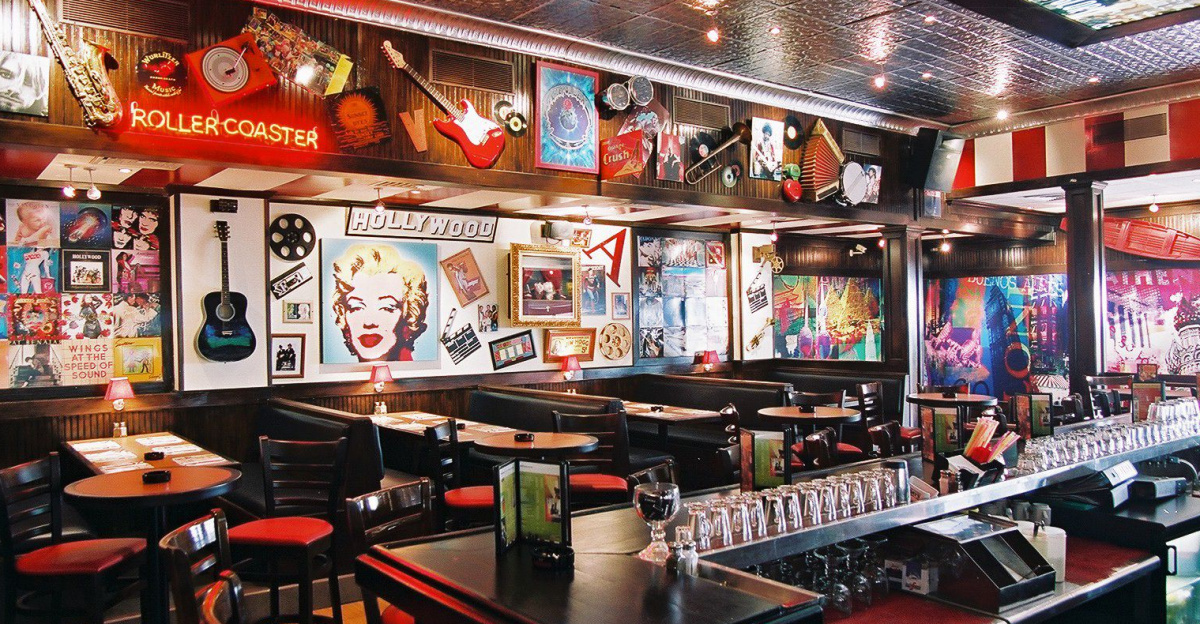
In 2023, TGI Fridays experienced operational challenges amplified by leadership instability, cycling through three CEOs during the year.
This frequent turnover at the top suggested internal turmoil and hindered the company’s ability to effectively address its financial difficulties and complex operational issues.
Bankruptcy Filing

On November 2, 2024, TGI Fridays filed for Chapter 11 bankruptcy, citing challenges from the COVID-19 pandemic, shifting consumer spending, and unsustainable debt.
This process mainly affects company-owned U.S. locations, while franchised restaurants in the U.S. and nearly 400 international sites will continue to operate normally under existing agreements.
Return of Former CEO
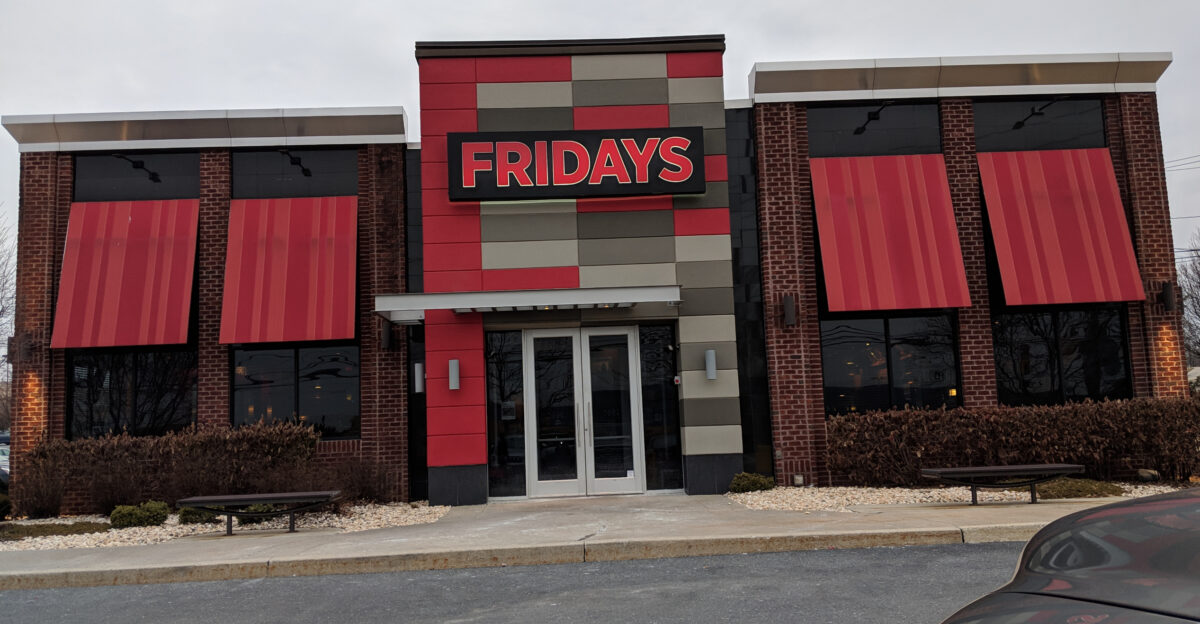
In January 2025, Ray Blanchette, who previously led TGI Fridays from 2018 to 2023, was brought back to manage over 400 locations after bankruptcy.
His focus is on recovery efforts, representing a strategic shift towards empowering franchisees and moving from a centralized corporate model to a more decentralized, franchise-driven approach.
Comeback Strategy
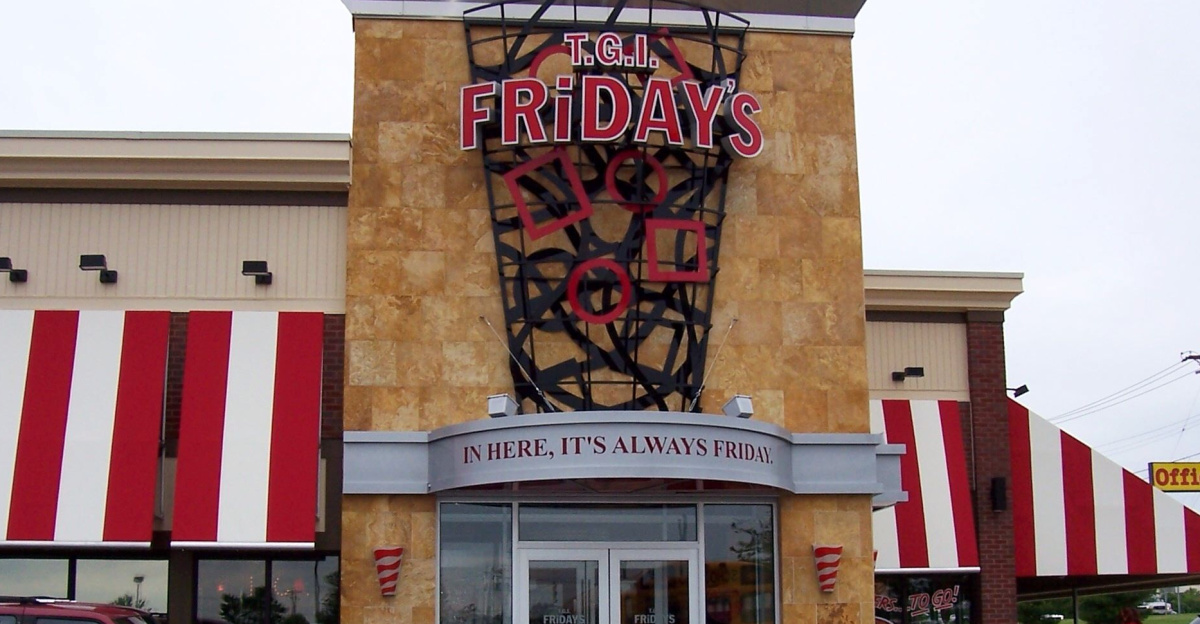
Blanchette’s ambitious comeback strategy includes implementing a completely revamped menu specifically designed to target Generation Z tastes and preferences, featuring innovative fusion foods and trendy “swicy” (sweet and spicy) flavor combinations.
The company also plans to emphasize premium fresh-grilled steaks and craft cocktails and significantly strengthen its social media presence to attract younger demographics who prioritize Instagram-worthy dining experiences and digital engagement.
Expert Skepticism

Restaurant industry experts and financial analysts remain largely skeptical about TGI Fridays’ long-term recovery prospects, citing persistent challenges including massive debt obligations, declining brand relevance among younger consumers, and intensifying market competition.
Many specialists believe the brand’s future in the competitive U.S. market remains highly uncertain as it continues to face mounting debt obligations and fundamental operational challenges that have plagued the company for years.
Current Footprint
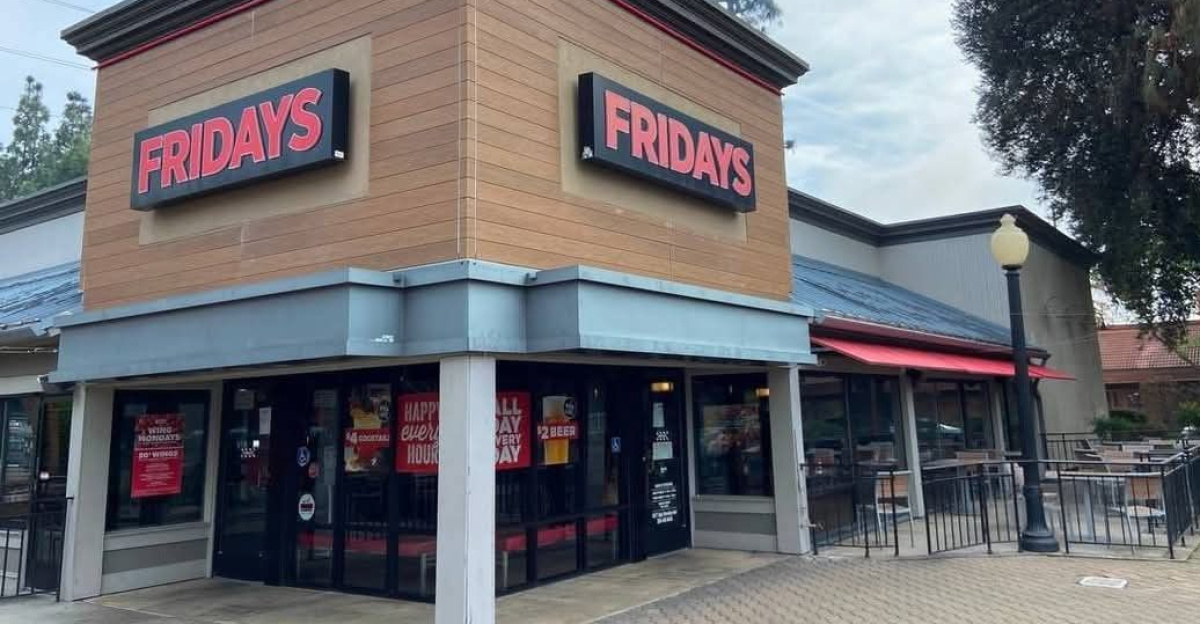
As of April 2025, TGI Fridays’ U.S. footprint has shrunk dramatically to just 85 restaurants across the country, down from the 164 locations that remained after the October 2024 closures.
This represents a staggering reduction from the chain’s peak of over 600 locations in 2008, illustrating the magnitude of the brand’s contraction over the past decade and a half.
International Operations
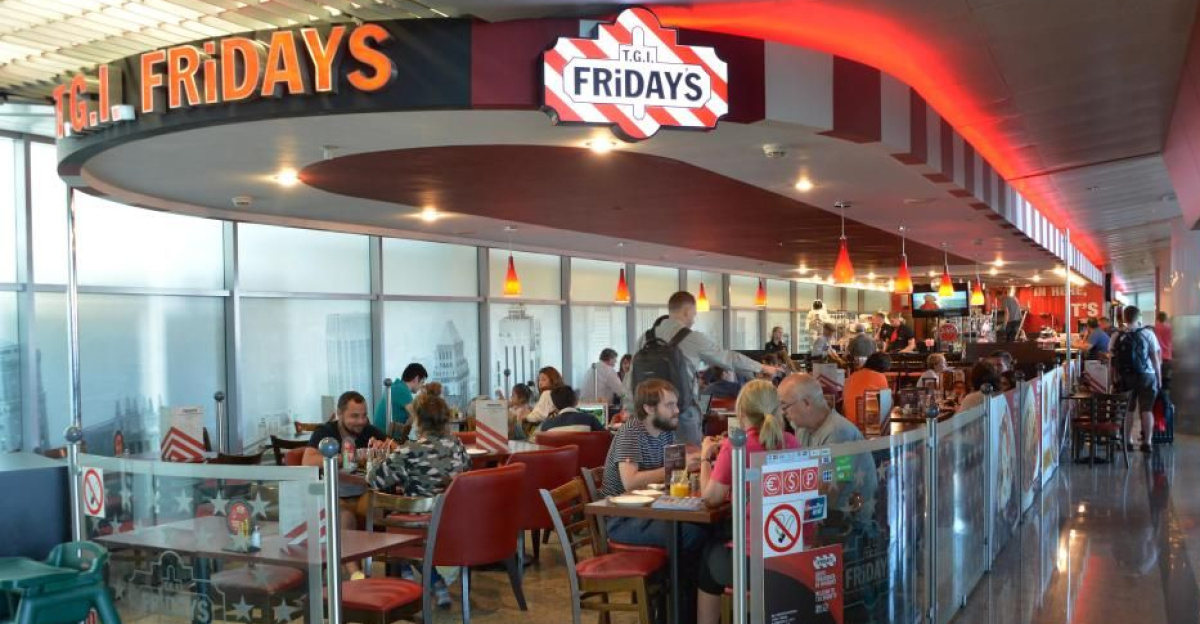
Internationally, TGI Fridays continues operating nearly 400 profitable franchise locations across multiple countries, demonstrating that the brand maintains significant global appeal and market viability outside the United States.
The current U.S. financial crisis has not yet spread to international markets, but global franchisees are closely monitoring domestic developments for potential warning signs while implementing defensive strategies to protect their regional operations.
Legal Implications

The complex bankruptcy proceedings have strategically focused primarily on company-owned restaurant locations while deliberately excluding the majority of independently-operated franchise locations from the restructuring process.
Legal experts specializing in restaurant bankruptcies suggest that this particular restructuring approach could establish important precedents for other struggling chain restaurants facing similar financial distress situations, particularly regarding the treatment of franchise versus corporate-owned locations.
Cultural Transformation

The dramatic decline of TGI Fridays reflects fundamental changes in generational dining preferences and cultural attitudes toward restaurant experiences in modern America.
Younger consumers increasingly prefer fast-casual dining concepts, mobile ordering technology, and enhanced digital engagement over traditional full-service restaurant experiences that defined previous generations. This cultural transformation challenges all legacy restaurant brands to either successfully adapt or face gradual obsolescence.
Industry Implications

TGI Fridays’ rapid contraction and potential demise signal a significant turning point for American dining culture and represent broader changes in consumer behavior and industry dynamics.
As established legacy restaurant chains continue struggling to maintain relevance and profitability, the entire food service industry must innovate and adapt to meet rapidly evolving consumer demands, economic realities, and technological expectations. The outcome of TGI Fridays’ recovery efforts will likely influence strategic decisions made by other casual dining chains facing similar existential challenges.