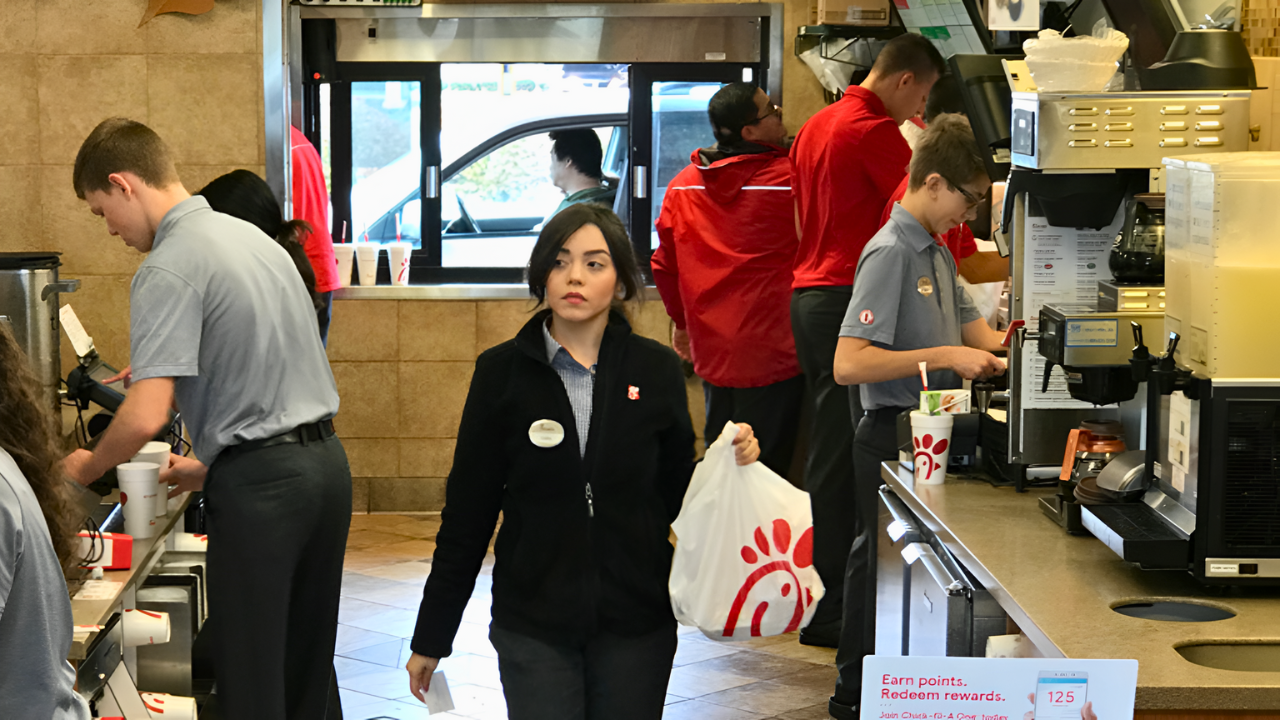
Do you think your favorite restaurant chain is safe to eat at? Well, you might have to think again. Across the U.S., major restaurant brands are racking up health violations, lawsuits, and customer complaints.
From moldy prep areas to viral outbreaks, these chains face scrutiny for their hygiene practices. Which household names made the list, and why? The answers might surprise you.
1. McDonald’s
McDonald’s, the world’s most recognized fast-food brand, has faced repeated health code violations and lawsuits over the years. According to BU News Service, in Boston alone, inspectors found 125 violations at seven locations between 2018 and 2019, including mold, rat droppings, cluttered cupboards, and live cockroaches.
The BBC also reported that in 2024, an E.coli outbreak linked to sliced onions on some McDonald’s Quarter Pounder burgers in America caused 104 people to become ill, with one man even dying in October. “We offer our sincere and deepest sympathies, and we are committed to making this right,” McDonald’s chief executive, Chris Kempczinski, said.
2. Burger King
According to The Gardner News, Burger King’s reputation took a hit after a Massachusetts store was cited for nine core health code violations.
Issues included dirty ice machines, improperly stored produce, a leaking roof, and missing thermometers. These violations can lead to foodborne illness, raising concerns for customers nationwide.
3. KFC
In 2005, NBC’s Dateline found an average of 102 critical violations, with one recurring problem being cross-contamination.
A KFC in Chandler, Arizona, racked up eight critical violations during a single inspection. Health officials reported grime and mold buildup on the soda nozzles, which is a condition that can promote harmful bacterial growth. Inspectors also found the restaurant was selling expired chicken pot pies.
4. Taco Bell
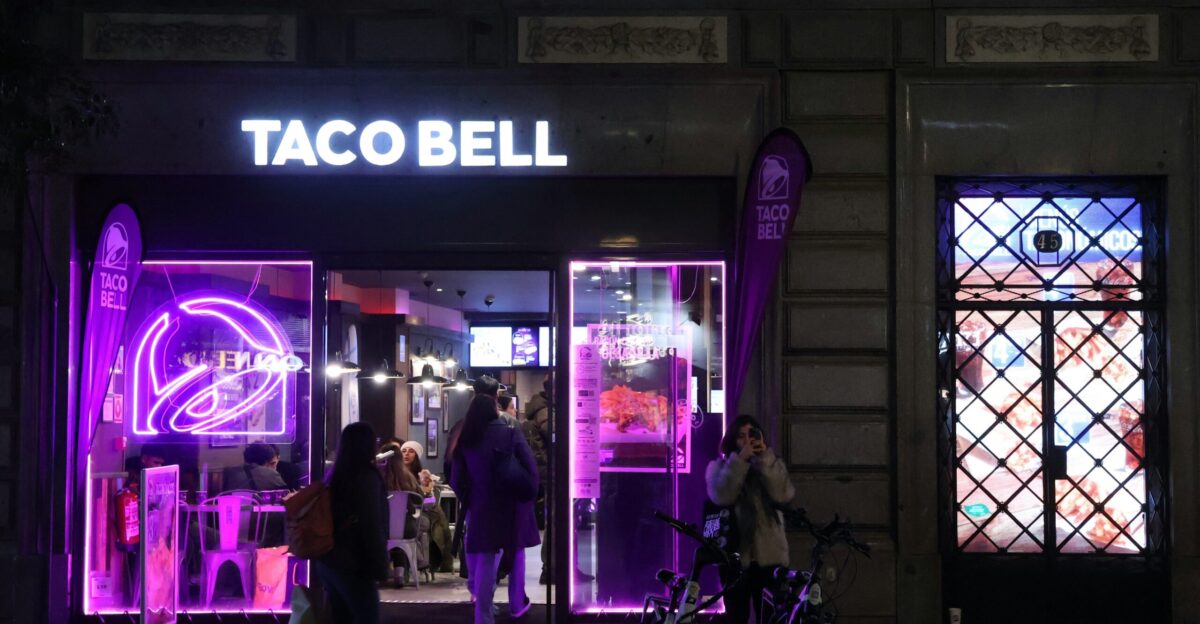
In 2006, the Centers for Disease Control and Prevention linked Taco Bell’s shredded lettuce to an E. coli outbreak that hospitalized dozens of diners. This outbreak took place in states like New Jersey, New York, Pennsylvania, Delaware, and South Carolina.
Over health code violations continue to plague the chain, with inspectors citing unsanitary food handling and storage. This proves that even a crowd favorite can have hidden risks.
5. Subway
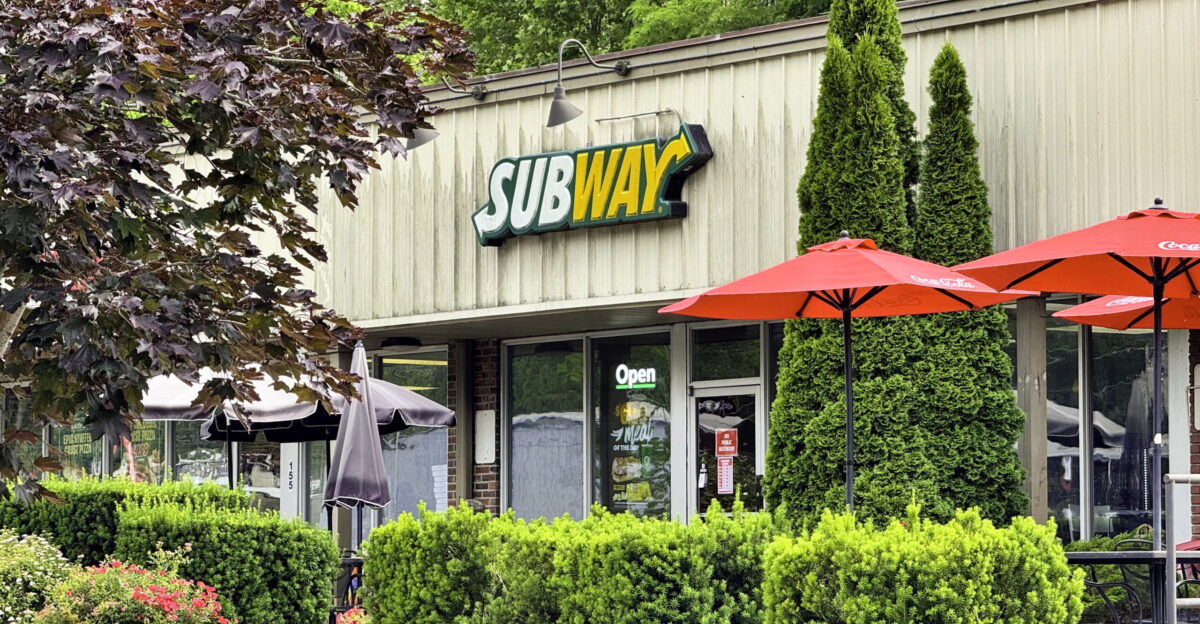
Subway, which is known for its fresh subs, has faced repeated complaints about unsanitary conditions.
Health inspectors have found dirty surfaces and spoiled produce at multiple locations. Consumer complaints highlight issues with food safety and cleanliness, urging vigilance for sandwich lovers.
6. Wendy’s
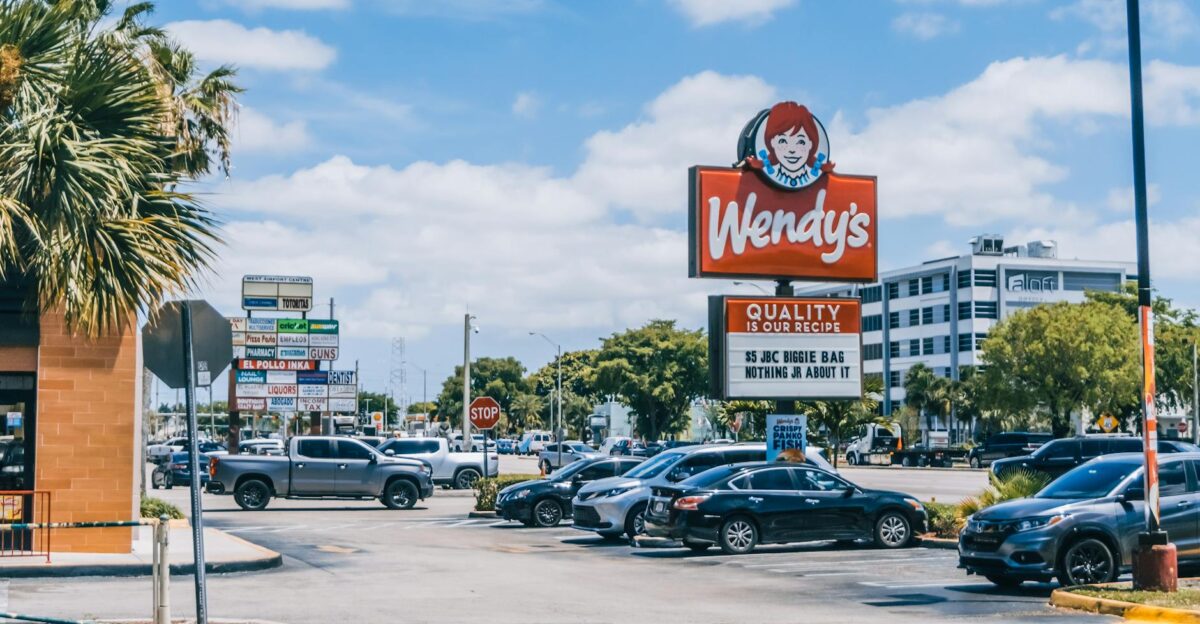
Wendy’s has racked up many health code violations and lawsuits over the years. According to Scripps News, one Michigan family alleged that their child suffered permanent brain damage after eating food that had been contaminated by E.coli.
In a lawsuit against Wendy’s parent company, Meritage Hospitality Group, the girl’s family claimed that the Wendy’s restaurant in Jenison caused her to contract an STEC infection, an illness linked to consuming food contaminated with certain strains of E. coli. One week after her initial symptoms appeared, she was diagnosed with hemolytic uremic syndrome, a rare but potentially life-threatening complication of an STEC infection.
7. Pizza Hut
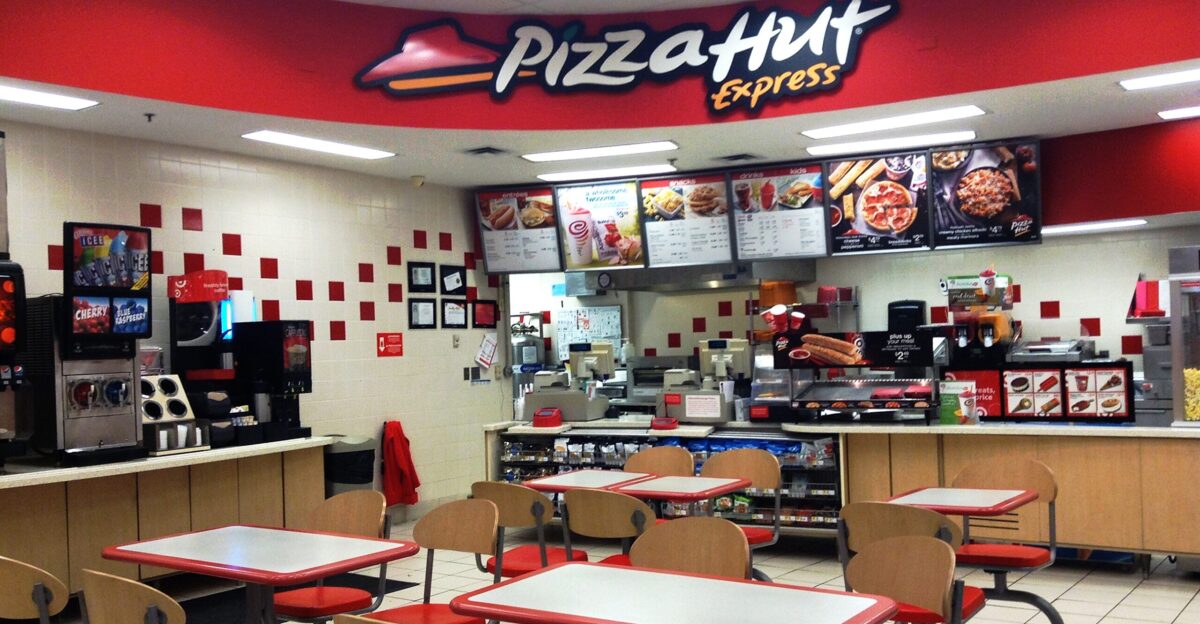
Pizza Hut has been cited for poor cleanliness, typically concerning food safety practices like improper food storage and handling, and sanitation issues like dirty equipment and insufficient lighting.
Health inspectors have found repeated violations, and consumer complaints suggest issues extend beyond just greasy pizza. Is your favorite slice worth the risk?
8. Domino’s
Domino’s, which is famous for its fast delivery, has faced inspection failures for unsanitary kitchens and improper food handling many times before.
Over the years, multiple locations were cited for health code violations, reminding customers that speed doesn’t always mean safety.
9. Popeyes
In 2017, a Texas woman filed a lawsuit against Popeyes, alleging that the chain’s red beans and rice were contaminated with flesh-eating New World screwworms, which she claimed had caused severe damage to her body, according to The Washington Post.
Popeyes denied any responsibility for the alleged damages and requested that Goode provide evidence to support her claims. “Popeyes makes food safety a top priority and we put the safety and welfare of our guests first, so we will continue to investigate this matter,” the restaurant said.
10. Chipotle
In April 2020, Chipotle Mexican Grill Inc. agreed to pay $25 million to settle criminal charges stemming from foodborne illness outbreaks that sickened over 1,100 people between 2015 and 2018, according to the Department of Justice.
Failures in food safety protocols led to the largest food safety case in history, with ongoing civil actions for workplace violations.
11. Dunkin’
Dunkin’ locations have been cited for unsanitary conditions, including dirty equipment and improper food storage. Health inspectors found repeated violations, raising questions about the cleanliness behind your morning coffee and donut.
“Food safety and quality are of paramount importance to Dunkin’ Brands. We have rigorous procedures in place to ensure to the best of our ability that we provide safe, high quality products to our guests. We maintain comprehensive Food Safety Systems, standards and requirements based on Hazard Analysis and Critical Control Point (HACCP) principles, as well as government regulations, global industry best practices, and our own high standards,” Dunkin’ Brands has stated.
12. Sonic
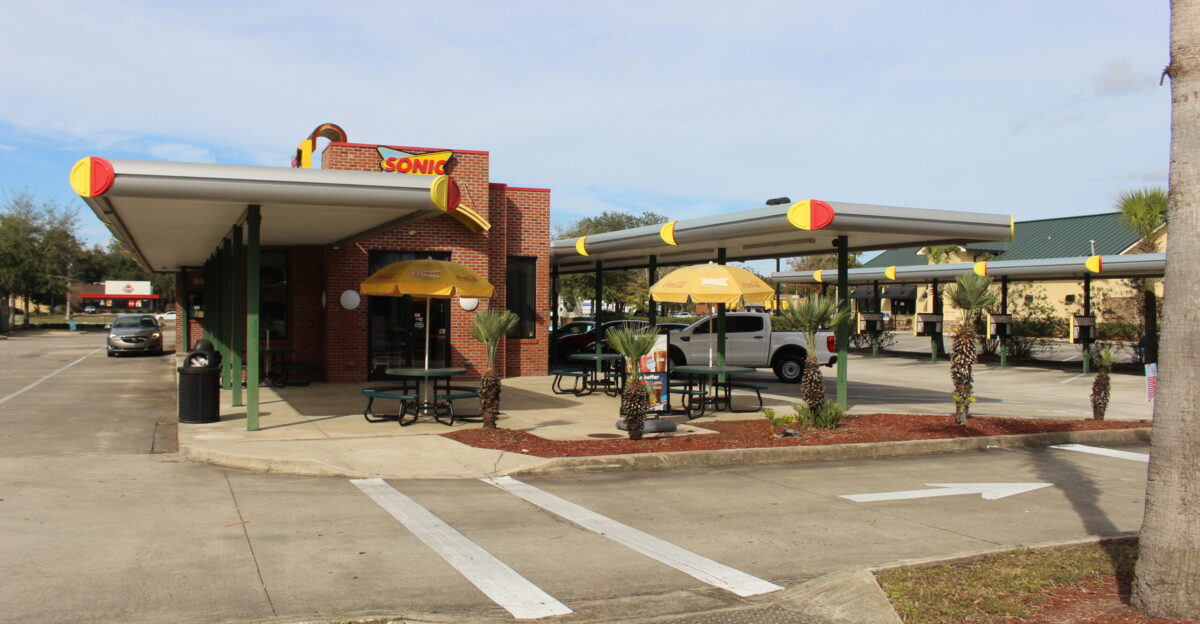
Over the years, Sonic, which is known for its drive-in service, has faced repeated health code violations.
Inspectors have cited dirty surfaces and unsanitary food handling, with consumer complaints highlighting issues at multiple locations.
13. Golden Corral
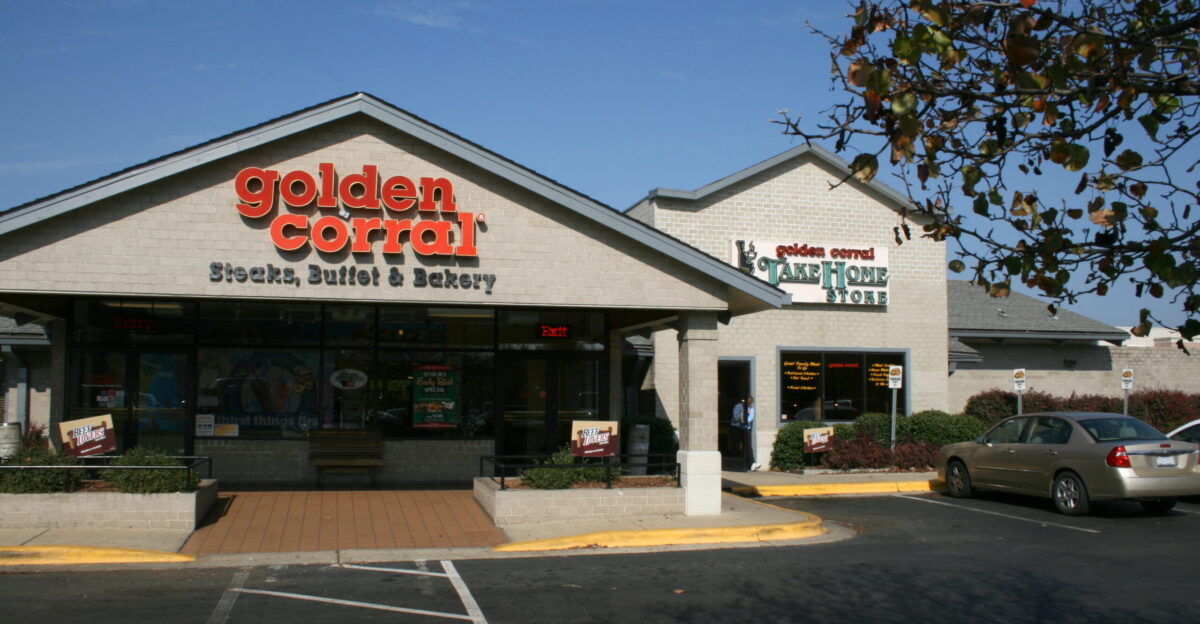
There have been multiple reports of Golden Corral restaurants dealing with cockroach infestations, with several locations being temporarily shut down for violations that included live roaches, droppings, and improper food temperatures.
Golden Corral’s buffet trays have been found crawling with roaches and food left out for hours. One viral video showed raw meat stored next to desserts. In Florida, a location failed inspection five times in a single year.
14. Waffle House
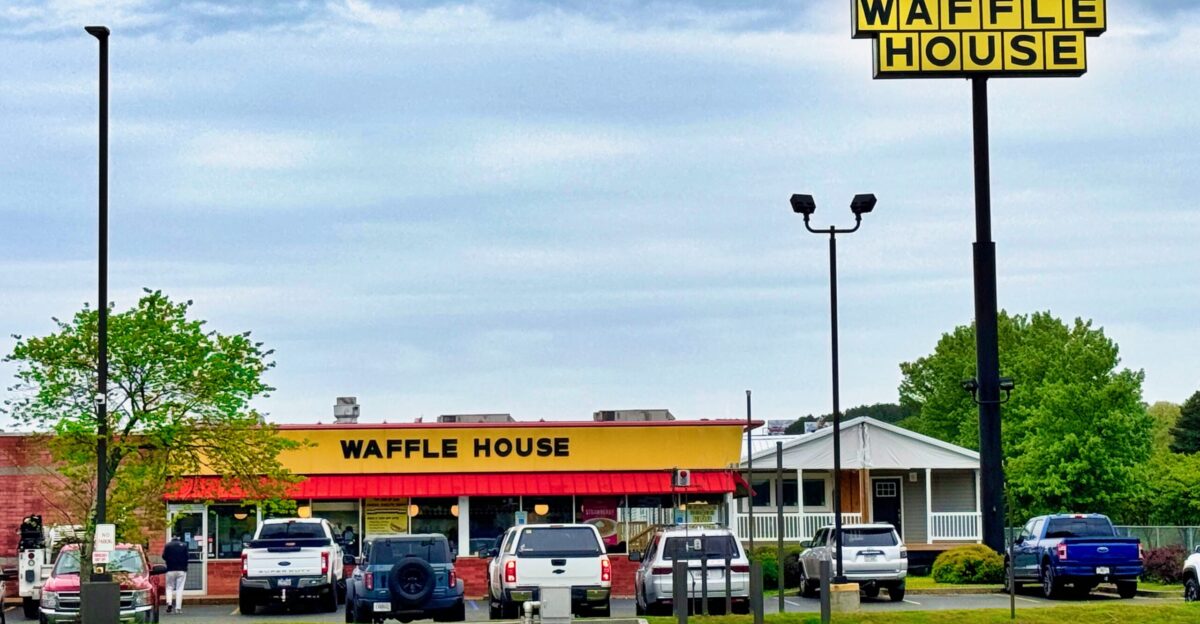
One Buckhead Waffle House received a health inspection score of 60, which is quite low. During one inspection, several serious violations were observed. Employees failed to wash their hands at any point, while Saran Wrap was stored next to chemicals.
Raw ham was placed above other perishables, creating a cross-contamination risk, and an ice scoop, along with a jacket, was found inside the ice machine. Additionally, clogged drains threatened the effectiveness of the filtration system, and a wide-open back door allowed pests and vermin to enter the restaurant freely. However, the chain did issue an apology.
15. Applebee’s
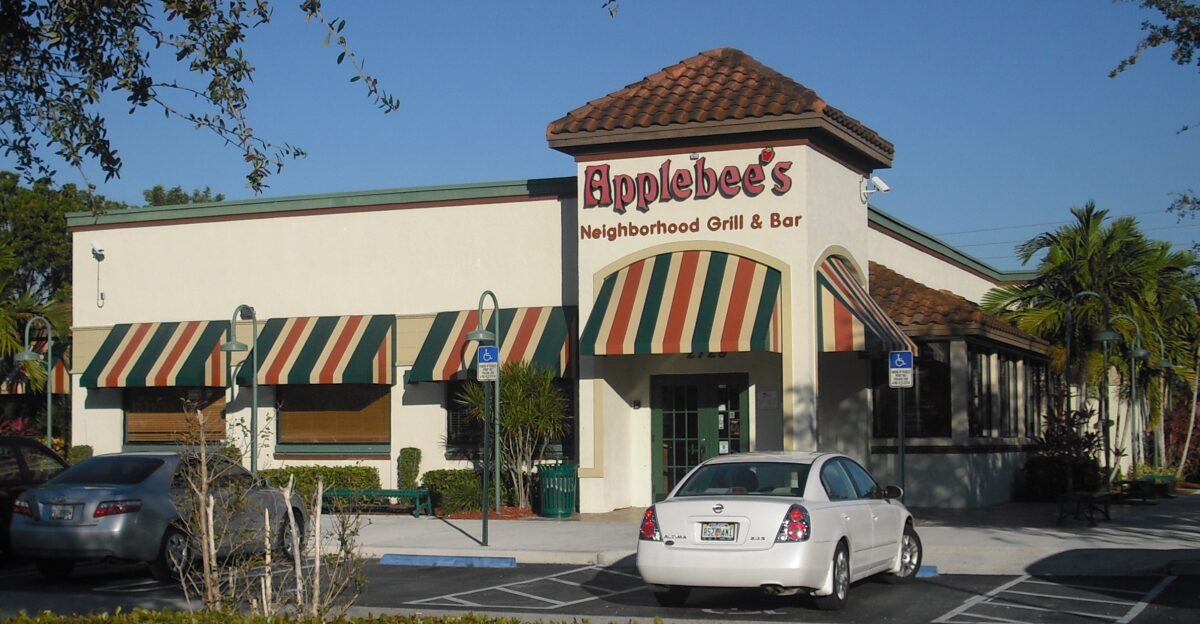
Applebee’s has faced repeat violations for meat storage temperatures, failure to sanitize surfaces, and improper thawing.
Whistleblowers revealed managers discouraged reporting food issues, prioritizing bonuses over safety.
16. TGI Fridays
TGI Fridays built its reputation on fun vibes, but systemic meat storage failures have plagued the chain.
Investigators have found meat sitting out in prep trays and improper temperature control, setting the stage for dangerous bacteria.
17. Red Lobster
Red Lobster abruptly closed over 50 locations after waves of health violations.
This came after inspections found moldy prep areas, improper seafood storage, and repeated thawing and refreezing of shellfish. Bankruptcy led to cutbacks and less oversight.
18. Denny’s
Denny’s, which was once a breakfast favorite, now ranks lowest in customer satisfaction.
Long wait times, inconsistent service, and unclean restaurants are common complaints. Even delivery drivers avoid Denny’s for its lengthy delays and poor conditions.
19. Buffalo Wild Wings
Buffalo Wild Wings is known for its lively atmosphere, but customers report abysmal service and inconsistent food quality.
With a low recommendation score and rising prices, dissatisfied diners cite unclean restaurants and poor experiences across locations.