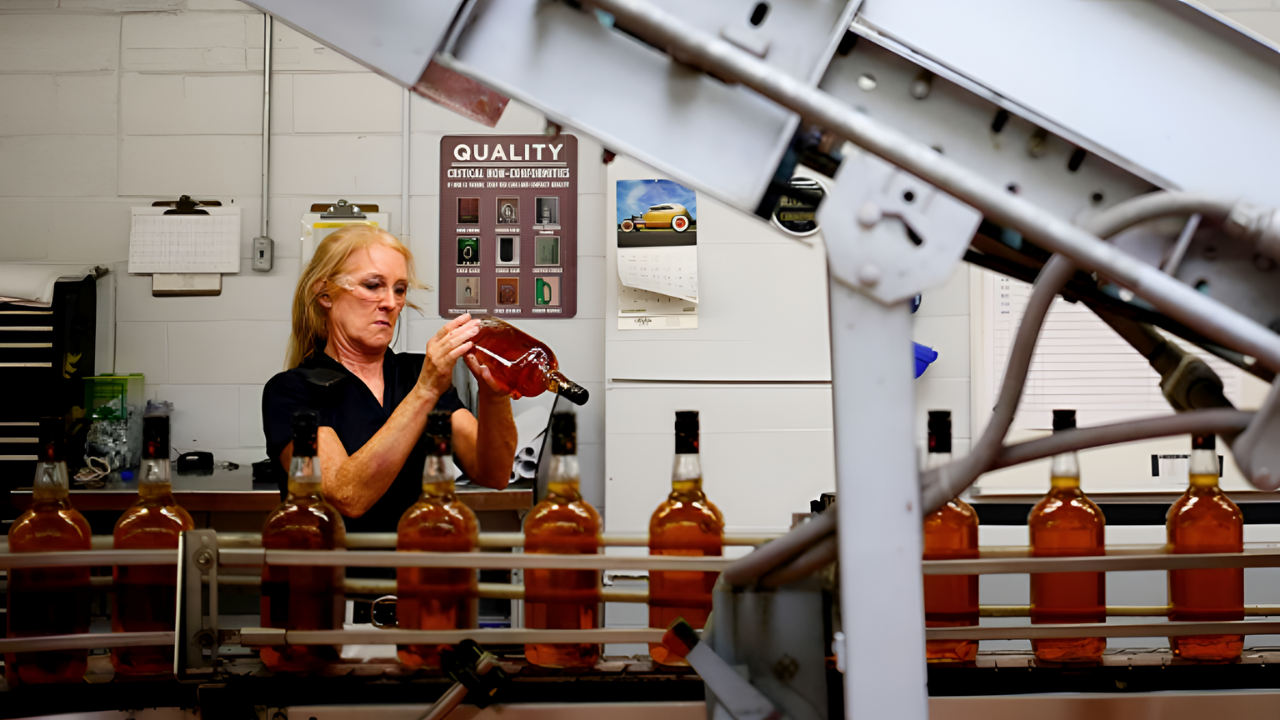
Jim Beam, America’s largest bourbon producer, has halted production at its main Clermont, Kentucky distillery for all of 2026—the first shutdown in modern memory. The facility produces 8 million of the company’s 26.5 million annual gallons, representing one-third of total output.
The unprecedented pause signals severe oversupply conditions across an industry that once seemed unstoppable.
800 Craft Distilleries Vanish in Single Year
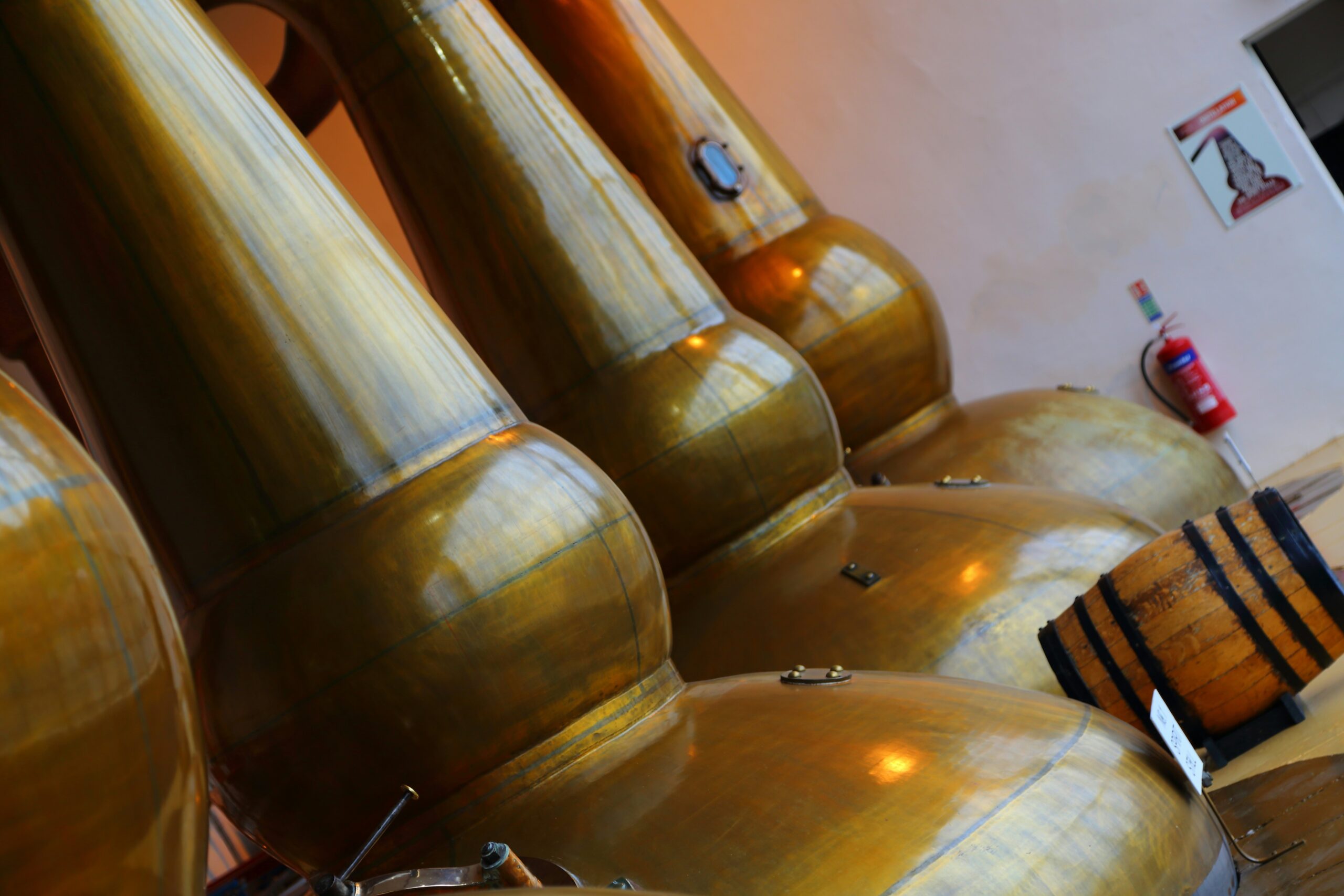
The American craft distillery sector has collapsed by 25.6% in just 12 months, plummeting from 3,069 operations to 2,282—a loss of 787 distilleries.
This represents nearly one craft distillery closing per week throughout 2024 and 2025. California saw the steepest decline, losing 45% of its distilleries as 172 operations shuttered. The American Craft Spirits Association confirmed this marks the second consecutive year of declining sales and closures.
A.M. Scott Distillery Files Bankruptcy Amid Criminal Charges
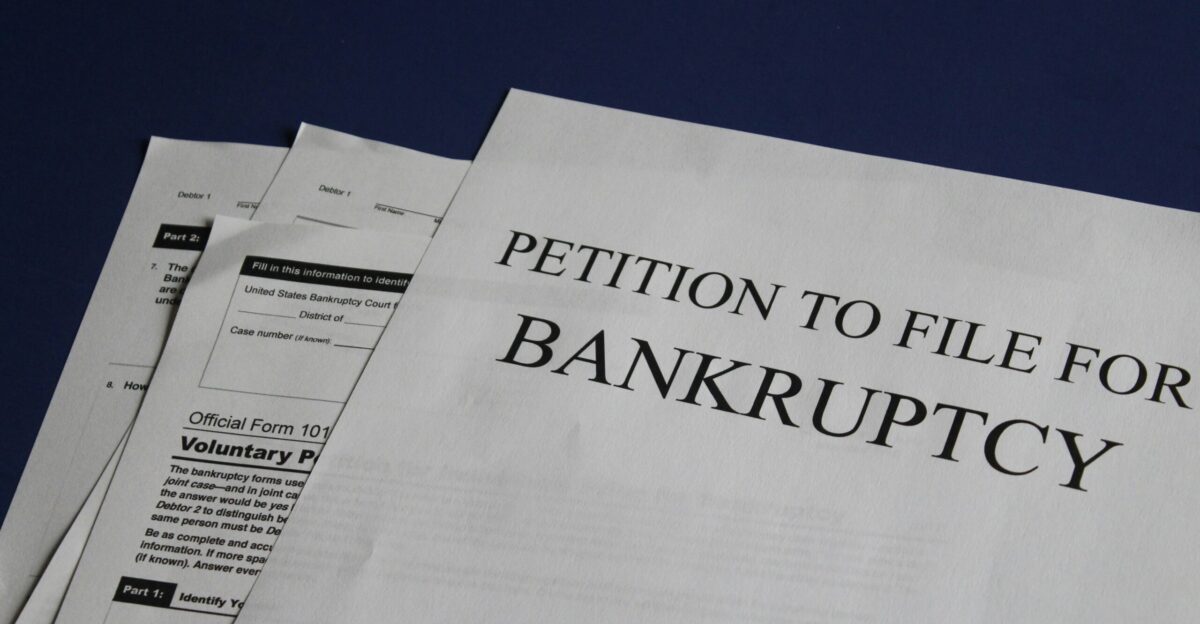
A.M. Scott Distillery in Troy, Ohio filed for Chapter 11 bankruptcy on December 22, 2025, reporting assets under $500,000 against liabilities between $1-10 million.
Founder Anthony Michael Scott faces felony charges including theft by deception and passing bad checks allegedly committed in December 2024. The distillery owes $15,956 to federal alcohol regulators, $25,379 to the IRS, and $31,689 in Ohio sales taxes.
$250 Million Kentucky Distillery Collapses After 14 Months
Garrard County Distilling Company, billed as Kentucky’s largest independent distillery, entered court-appointed receivership after operating merely 14 months.
The operation owes Truist Bank more than $26 million, faces unpaid construction liens exceeding $2.1 million, and has $255,000 in delinquent property taxes. The spectacular failure of this quarter-billion-dollar facility shocked industry observers who viewed it as representing bourbon’s future.
Record 16.1 Million Barrels Create Crushing Oversupply
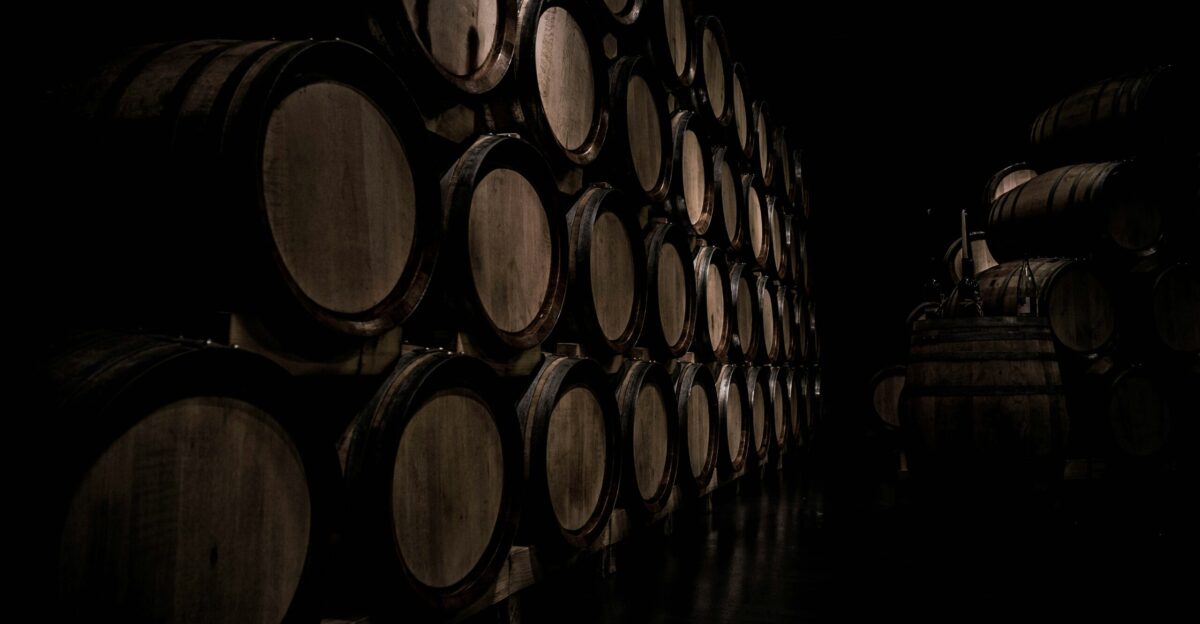
Kentucky warehouses now hold a record 16.1 million aging bourbon barrels worth approximately $10 billion—more than triple the 5 million barrels stored 15 years ago.
Since bourbon requires 4-10 years of aging, most barrels won’t be ready until 2030 and beyond, creating a dangerous mismatch between supply commitments and uncertain future demand. American whiskey inventories have tripled since 2012 to nearly 1.5 billion proof gallons.
Brown-Forman Eliminates 650 Jobs in Workforce Reduction
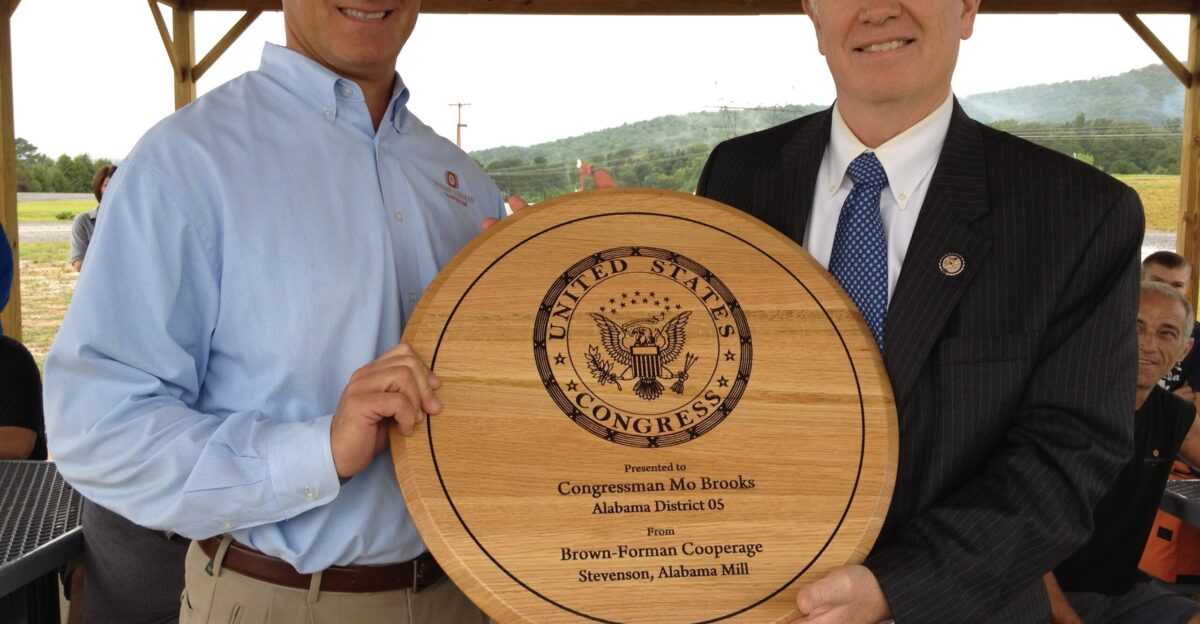
Brown-Forman, producer of Jack Daniel’s and Woodford Reserve, announced in January 2025 it would eliminate 12% of its 5,400-person workforce to save up to $80 million annually. The company closed its Louisville cooperage entirely, eliminating 210 barrel-making jobs at that facility alone.
Brown-Forman cited declining sales volumes from Canada, Germany, and the United Kingdom due to ongoing tariff disputes.
Canadian Tariffs Devastate Export Market by 85%
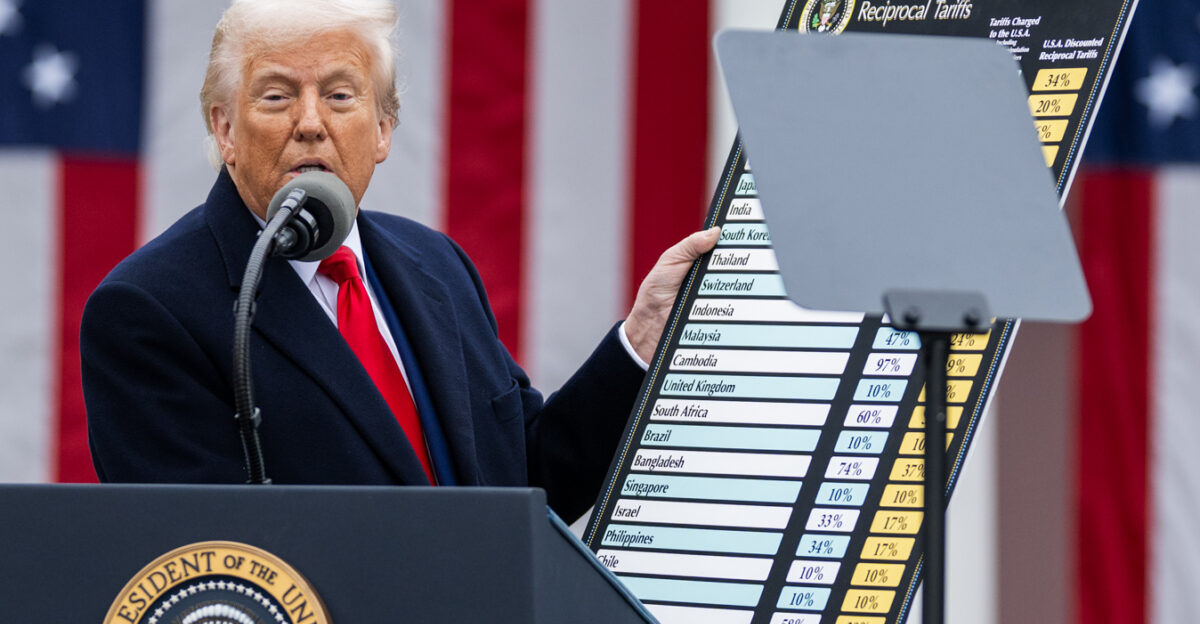
U.S. spirits exports to Canada plummeted 85% year-over-year, falling below $10 million in the second quarter of 2025. Canadian provinces removed American spirits from shelves as retaliatory measures against Trump-era tariffs, affecting approximately 10% of Kentucky’s $9 billion bourbon industry.
Chris Swonger, Distilled Spirits Council CEO, stated that “international markets are becoming increasingly vital for American whiskey producers who are facing a slowdown in domestic sales and record-high inventory levels”.
European Union Reimposed 50% Tariff on American Whiskey
The European Commission reimposed a 50% tariff on American whiskey effective April 1, 2025, in retaliation for U.S. steel and aluminum tariffs.
The EU represents 50% of all U.S. spirits exports, yet shipments fell 12% to $290.3 million in Q2 2025. American whiskey exports to Europe had already plunged 20% to $440 million between 2018 and 2021 following initial tariff wars.
Stoli Group and Kentucky Owl Bankruptcy Rejected by Judge

Stoli Group USA and Kentucky Owl filed for Chapter 11 bankruptcy in November 2024 with assets of $100-500 million against liabilities of $50-100 million.
A bankruptcy judge rejected Stoli’s reorganization plan in October 2025 due to concerns about declining bourbon inventory values, specifically 35,000+ barrels of Kentucky Owl bourbon held as collateral. Bardstown Bourbon Company alone is owed more than $5.5 million by Kentucky Owl.
Generation Z Drinks One-Third Less Than Previous Generations

Members of Generation Z consume approximately one-third less beer and wine than previous generations, fundamentally reshaping alcohol demand.
Among Gen Z diners, only 25% order alcoholic drinks when dining out, compared to 50% of Millennials. Meanwhile, 52% of Gen Z regularly order mocktails, and 48% order non-alcoholic alternatives. The share of adults under 35 who drink dropped 10 percentage points over two decades.
U.S. Drinking Rate Hits Record Low at 54%
A record-low 54% of Americans now report drinking alcohol, representing the lowest U.S. drinking rate since Gallup began tracking the metric.
This marks a 10% decline among adults aged 18-34 over the past decade. Overall U.S. whiskey market volumes fell 4.9% and revenues declined 5.1% for the 12 months ending July 2025. American whiskey depletions reached -6.82% year-over-year in mid-2025.
Kentucky Barrel Taxes Surge 163% in Five Years
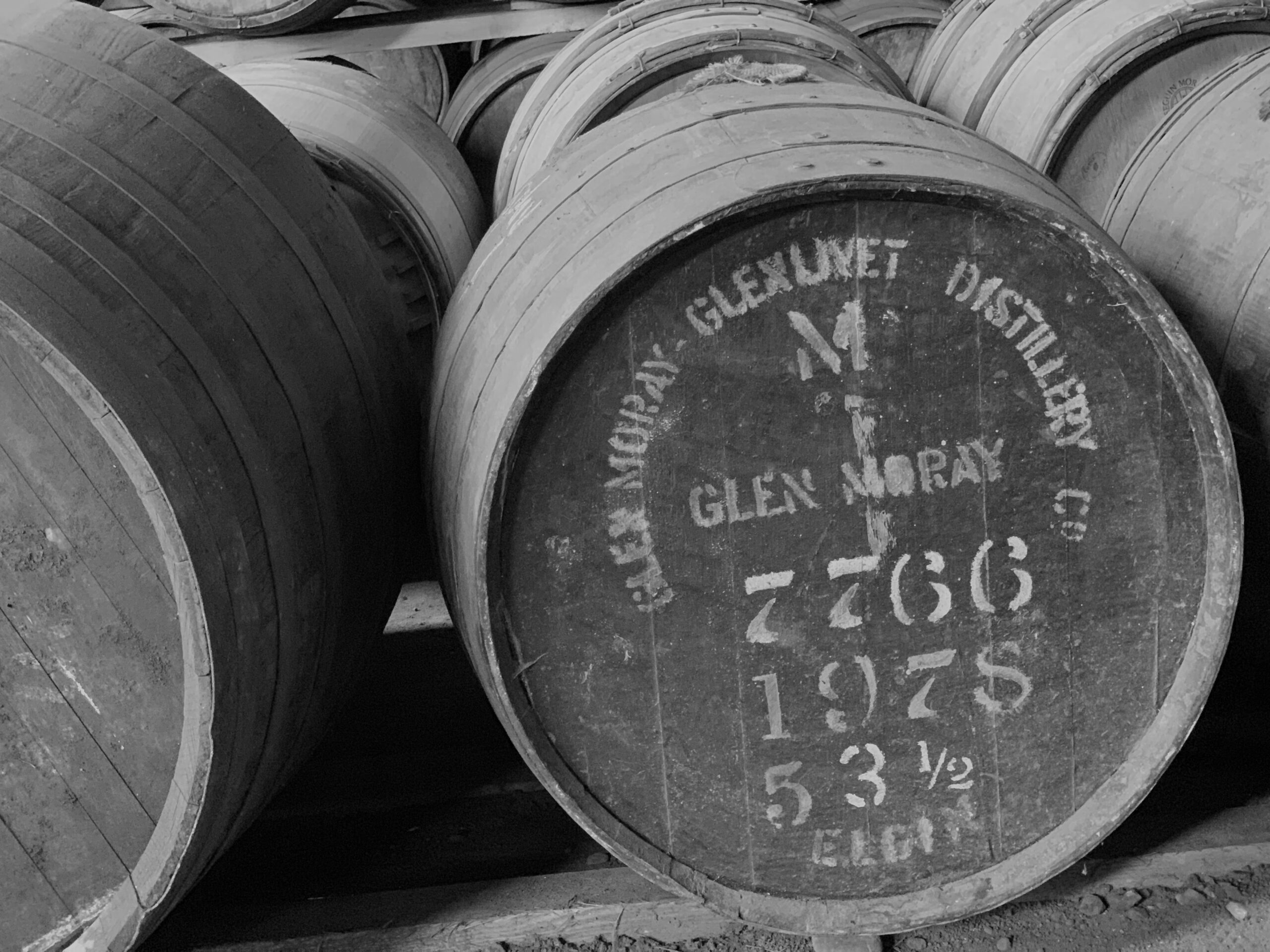
Kentucky distillers paid a crushing $75 million in aging barrel taxes in 2025—a 27% increase from 2024 and a 163% increase over just five years.
The assessed value of aging barrels surged to $10 billion in 2025, a 25% increase over the previous year’s $8 billion. Eric Gregory, president of the Kentucky Distillers’ Association, emphasized that “just as you can’t make Bourbon overnight, we won’t fix the problems we’re facing overnight”.
MGP Ingredients Reports 68% Profit Decline

MGP Ingredients, a major contract whiskey producer, reported gross profits declined by 68% in 2024 as client demand collapsed.
The company announced production reductions to focus on its own brands after the dramatic profit drop. MGP expects its 2025 full-year Distilling Solutions sales and gross profit to be down 46% and 55%, respectively.
Craft Spirits Sales Drop Second Consecutive Year
Craft spirits volumes fell 6.1% to 12.7 million cases in 2024, down from 13.5 million in 2023, marking the second consecutive year of decline.
Value decreased 3.3% to $7.58 billion despite higher price points. Craft spirits exports collapsed by 20.7% in 2024, dropping from 179,000 nine-liter cases to 142,000 cases. For small producers, home-state channels now account for approximately 95% of volume.
Diageo and Campari Report Declining Bourbon Sales

Diageo paused distilling and bottling operations at Cascade Hollow Distillery, which produces George Dickel, in September 2025. The company reported a 7.3% decrease in sales for Bulleit bourbon. Campari saw Wild Turkey bourbon and whiskey sales decline 8.1% over six months.
Even major global spirits conglomerates cannot escape the industry-wide contraction affecting all market segments.
Premium Bourbon Categories Show Relative Resilience
Despite overall volume declines, super-premium-and-above whisky volumes increased by 14% in 2022 on top of 23% growth in 2021. Prestige-plus bourbon ($200+) volumes rose 15%, prestige ($100-200) increased 12%, and ultra-premium ($45-99.99) climbed 23%.
Surviving distillers are pivoting resources toward high-margin premium brands rather than volume production, embracing premiumization as a survival strategy.
Direct-to-Consumer and Tourism Offer Lifeline

Bourbon tourism attracted 2.7 million visitors in 2024, with 62% of tourists making purchases after engaging with digital content. Many distilleries are sidestepping traditional three-tier distribution by focusing on direct sales from distilleries and tasting rooms.
States have liberalized regulations to allow distillers to sell directly to consumers and, in some cases, ship in-state. This pivot toward experiential retail provides crucial revenue diversification.
Consolidation Accelerates as Private Equity Enters

Industry consolidation is accelerating as larger companies and private equity firms acquire struggling smaller players at attractive valuations. Recent examples include Pernod-Ricard’s acquisition of Rabbit Hole Distillery and Constellation’s purchase of Copper & Kings.
These acquisitions provide craft distillers with access to experienced sales teams, established distributor relationships, and survival capital. Mid-sized distilleries face particular vulnerability, lacking both scale advantages and local agility.
Ready-to-Drink Cocktails Project 400% Growth
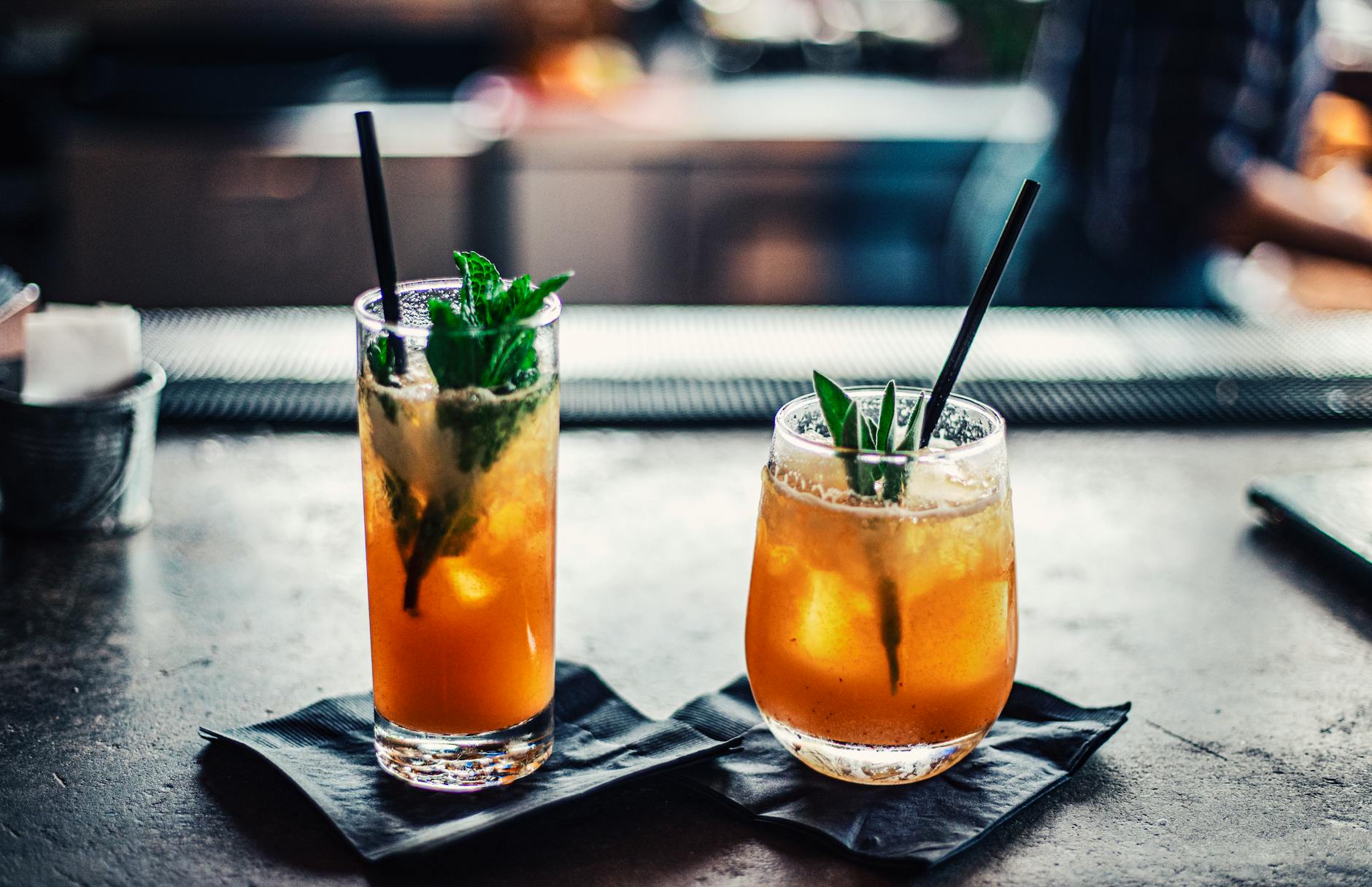
Forward-looking distillers are diversifying into ready-to-drink cocktails, non-alcoholic offerings, and new whiskey styles as survival strategies. The RTD category has shown remarkable growth, with projections of 400% expansion in North America.
Non-alcoholic beverages grew 9% in 2024 as distillers capture demand from health-conscious and “sober curious” consumers. Innovation in product formats represents critical adaptation to changing consumer preferences.
Industry Faces Multi-Year Recovery Timeline

Industry experts do not anticipate rapid recovery, with oversupply conditions likely persisting through 2028 at minimum. With most aging barrels not ready to bottle until 2030 and beyond, the industry must navigate several more years of excess inventory before reaching equilibrium.
Recovery depends on tariff resolution, generational drinking pattern normalization, tax reform, and market clearing through continued bankruptcies and consolidation. Bourbon’s most challenging period in modern history will reshape the industry permanently.
Sources:
“Jim Beam halts production at main distillery as bourbon inventories rise.” BBC News, Dec 2025.
“US craft distillery numbers drop 25%.” The Spirits Business, Oct 2025.
“Ohio distillery goes bankrupt owing $3.35m.” The Spirits Business, Jan 2026.
“The Bourbon State: Challenges Continue Amid Record Barrel Inventory, Skyrocketing Taxes.” Kentucky Bourbon, Oct 2025.
“American Spirits Exports 2025 Mid-Year Report: U.S. Spirits Exports Decline Sharply in Second Quarter.” Distilled Spirits Council, Oct 2025.
“U.S. Drinking Rate at New Low as Alcohol Concerns Surge.” Gallup, Jan 2026.