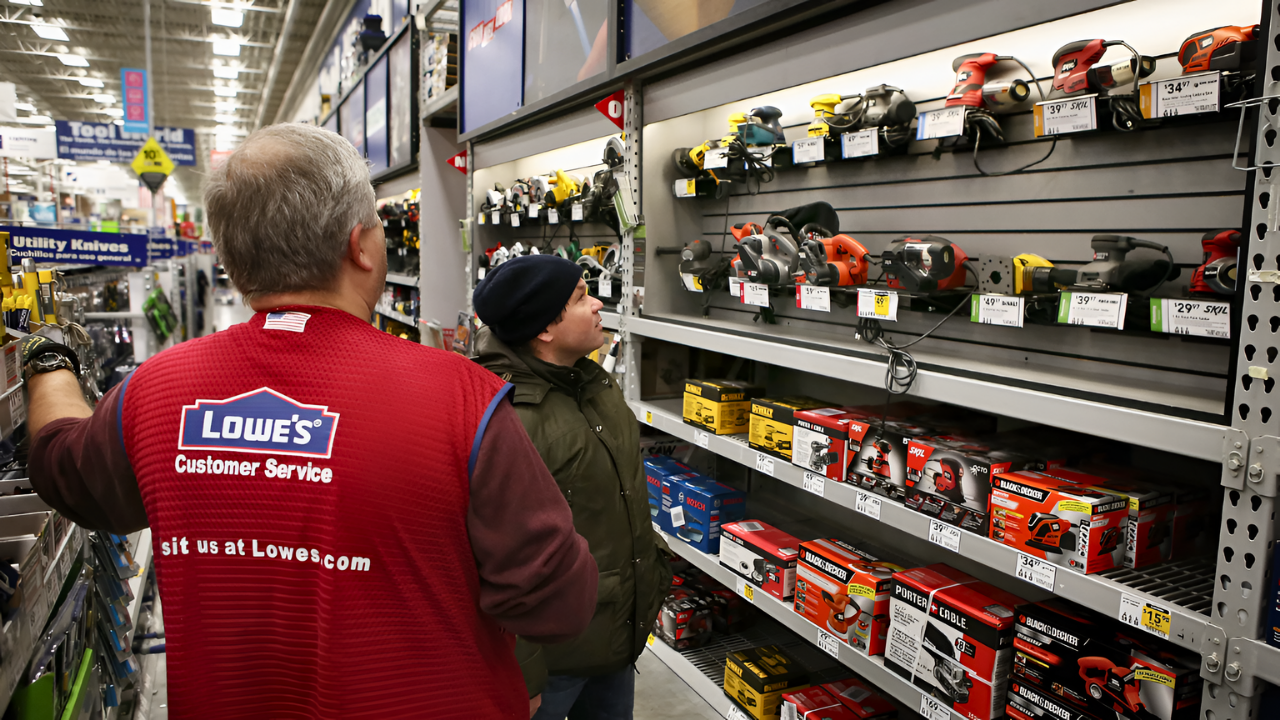
Lowe’s faces mounting accusations of deceptive pricing practices, where eye-catching sale tags promise steep discounts from prices shoppers claim were rarely, if ever, charged. Across more than 1,700 stores, these tactics have drawn federal lawsuits and state settlements, raising questions about trust in everyday home improvement purchases.
Legal Heat Rises
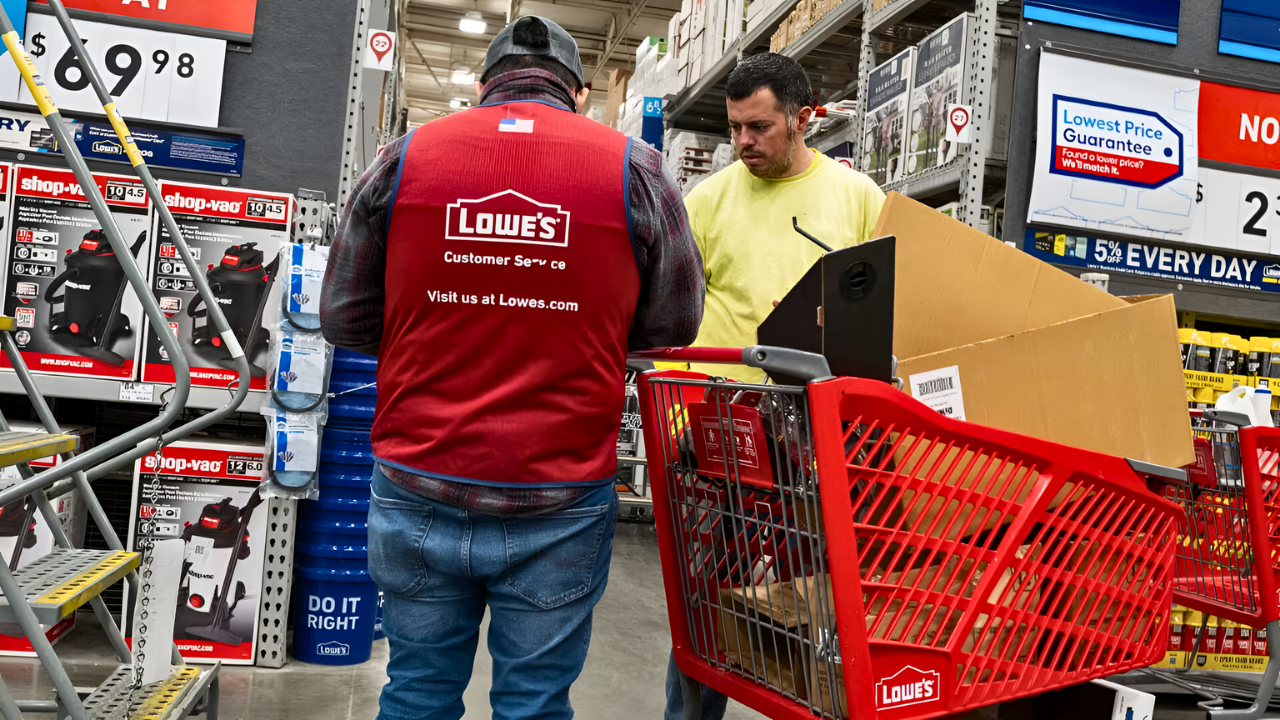
In 2025, Lowe’s encountered three class action lawsuits alleging false discount advertising. Two earlier cases filed in North Carolina claimed the retailer promoted perpetual sales on items like blinds and appliances without selling them at the listed regular prices for any substantial time.
Consumer lawyers contend these practices mislead buyers into perceiving rare deals, potentially exposing the company to millions in liabilities. Similar scrutiny now targets other retailers’ pricing strategies as cases proliferate.
A Long History of “Bargains”
Retailers have faced concerns over inflated reference prices since the 1960s, when the Federal Trade Commission issued Guides Against Deceptive Pricing. These guidelines require any former price to reflect a genuine, recent offer to the public for a meaningful duration, not a fabricated figure designed to amplify savings.
Lowe’s cases echo this longstanding tension, with allegations centering on whether advertised markdowns comply with these standards or create artificial urgency.
States Push Back
California district attorneys secured a $1.09 million settlement from Lowe’s in September 2025 over scanner overcharges and false advertising. The agreement included $1 million in civil penalties, plus funds for investigations and restitution, alongside mandates for store-level reforms like price alignment between shelves and registers.
Prosecutors imposed requirements for regular audits, staff training, and price freezes between posting and checkout to prevent discrepancies.
A New Lawsuit Lands
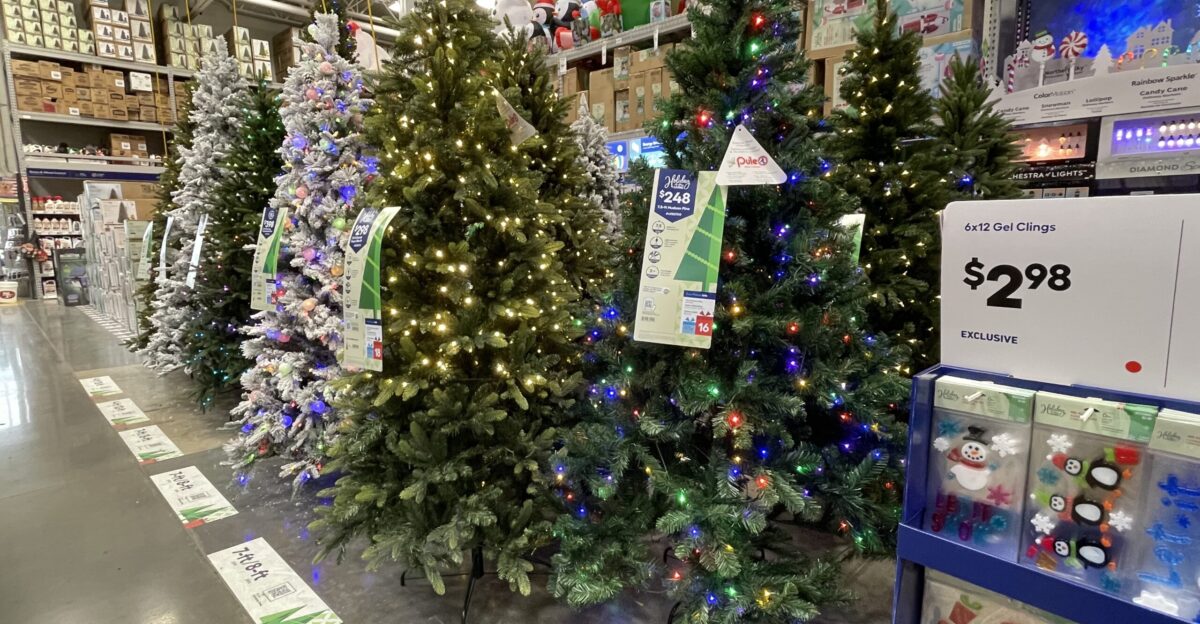
On November 5, 2025, Washington resident Michael Hern filed a class action in federal court against Lowe’s Home Centers LLC, accusing the company of a “massive and consistent false discount advertising scheme” since at least April 2021. The suit focuses on blinds and major appliances promoted with discounts from allegedly inflated reference prices, violating Washington’s Consumer Protection Act.
Hern seeks to represent Washington buyers of these items, claiming they overpaid or purchased unnecessarily due to the perceived bargains.
The Cost of “Deals” and Path Forward

Shoppers like Hern report buying Bali blinds and a refrigerator at Lowe’s, drawn by tags suggesting time-limited savings that proved illusory. North Carolina suits describe parallel issues with brands like Bali and Levolor blinds, alleging violations of state laws including California’s Consumers Legal Remedies Act and Oregon’s Unlawful Trade Practices Act.
Under CEO Marvin Ellison, Lowe’s has not admitted wrongdoing but implemented compliance measures, such as enhanced price accuracy policies. Public sentiment mixes frustration with skepticism over class action benefits, as some consumers question attorney fees versus individual payouts.
These developments arrive amid empowered shoppers using price-tracking tools amid easing inflation. With rivals like Home Depot under similar watch, transparency could emerge as a market edge. The cases test enforcement of pricing rules, potentially prompting nationwide reforms or sharper marketing, as regulators and courts weigh retailer accountability against consumer protection.
Sources:
Top Class Actions, Lowe’s faces another lawsuit over allegedly deceptive discount pricing, 2025-12-22
Top Class Actions, Lowe’s class action alleges false discount advertising scheme, 2025-04-29
Sonoma County District Attorney, Lowes Settles Consumer Protection Case for Scanner Price Overcharges and False Advertising, 2025-09-16