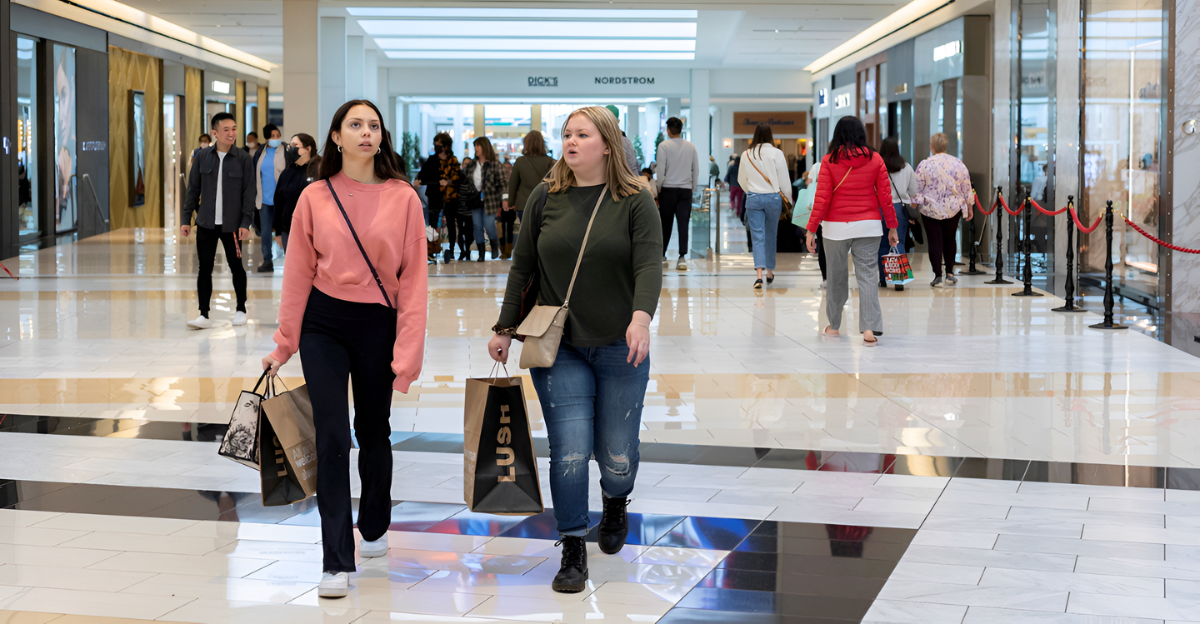
Once dismissed as outdated, malls are reclaiming their role as America’s gathering places. Families, teens, and travelers are flocking back, driving a 6.7% rise in foot traffic nationwide this May, according to Placer.ai. The draw isn’t just retail anymore.
Malls are layering in cultural events, live music, food halls, and wellness spaces, transforming from shopping corridors into lively town squares. In a time when digital convenience dominates, these thriving malls are proving something simple but powerful: people still crave places to connect, celebrate, and spend time together.
What Powers Mall Success Today
For years, experts declared the American mall a relic of the past, destined to fade under the weight of e-commerce. Yet 2025 is rewriting that story. Foot traffic at U.S. malls rose 6.7% in May, according to Placer.ai, while many leading centers reported record sales. The revival isn’t about shopping alone.
Today’s malls have transformed into social playgrounds, blending dining, art, live entertainment, and even wellness experiences. Families, teens, and travelers now see them as gathering places where connection comes first and shopping is just one part of the mix. Let’s take a closer look at some of these thriving malls.
1. Mall of America—Minnesota’s Retail Marvel
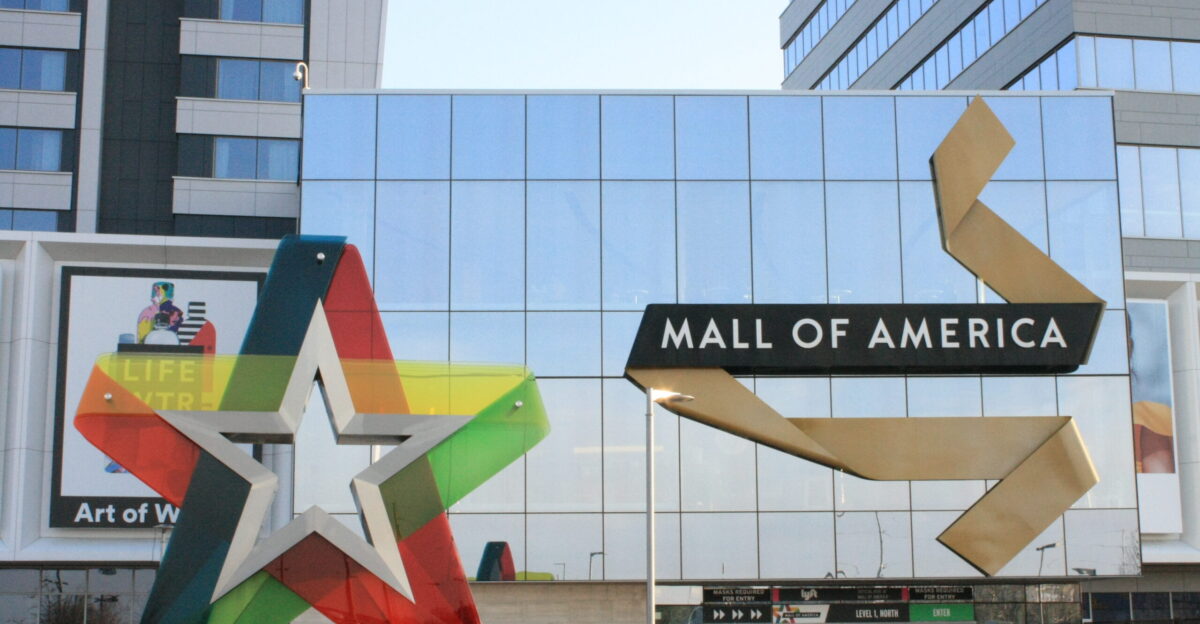
At 5.6 million square feet, the Mall of America is a city under one roof. More than 40 million visitors flood in annually to visit 500 stores, an aquarium, and Nickelodeon Universe, one of the largest indoor amusement parks in the country. In 2025, the mall leaned further into tech—QR-enabled shopping lets guests scan and buy instantly.
General Manager Jill Renslow told Star Tribune that the goal is “seamlessly blending physical and digital.” From indoor ziplines to celebrity appearances, MOA isn’t just a mall; it’s a model for retail as immersive entertainment.
2. King of Prussia—Pennsylvania’s Shopping Giant
Philadelphia’s King of Prussia Mall is the largest on the East Coast, home to 450 stores ranging from Hermès to H&M. Its mix of luxury and approachable brands gives it broad appeal. At the same time, restaurants like Morton’s and Capital Grille extend visits well into the evening. In recent years, digitally native retailers like Warby Parker have chosen KOP for flagship storefronts, a sign of brick-and-mortar’s pull.
Local officials credit its steady calendar of live events for sustaining year-round traffic. As one regular shopper told The Philadelphia Inquirer, “It feels like more than a mall, it feels like a town square.”
3. Aventura Mall—Florida’s Crowd-Pleaser
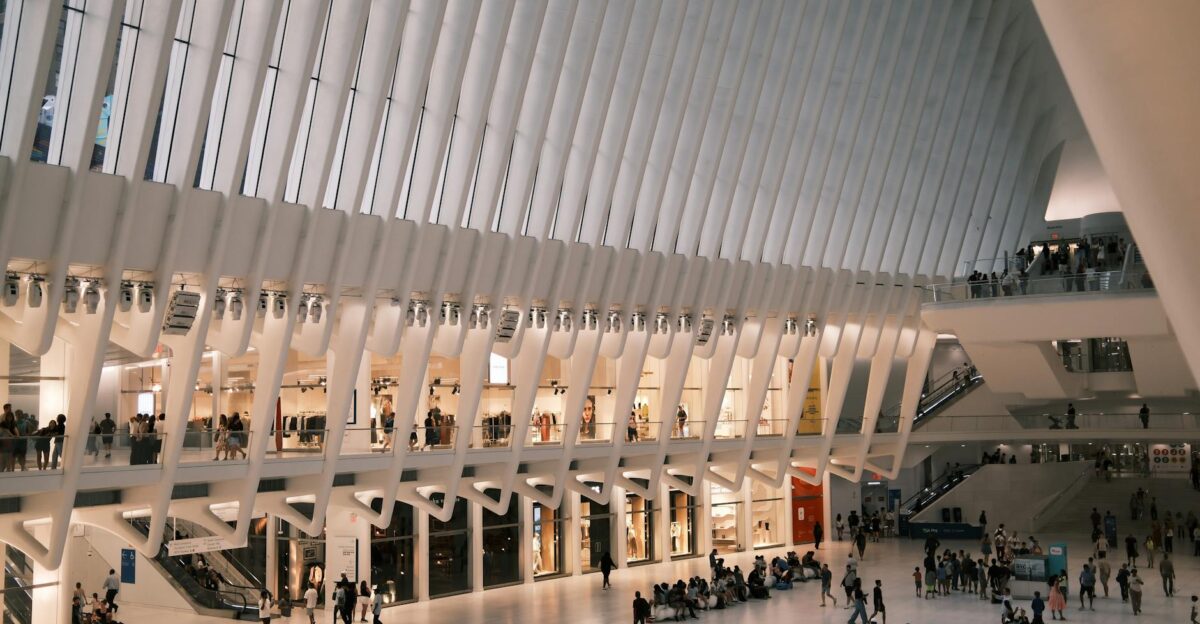
Just north of Miami, Aventura Mall draws international visitors with 300 stores, 50 restaurants, and a growing roster of cultural events. Named the No. 1 shopping destination in America by USA TODAY’s 2025 Readers’ Choice Awards, it seamlessly blends high fashion with community energy.
Public art installations—including a 93-foot-tall slide tower—add a unique twist. Foodies flock to the mall’s new Eataly, while families settle into its 24-screen theater. General Manager Jackie Soffer told the Miami Herald that the mall’s strength lies in its “ability to evolve with the city.”
4. South Coast Plaza—California’s Luxury Leader
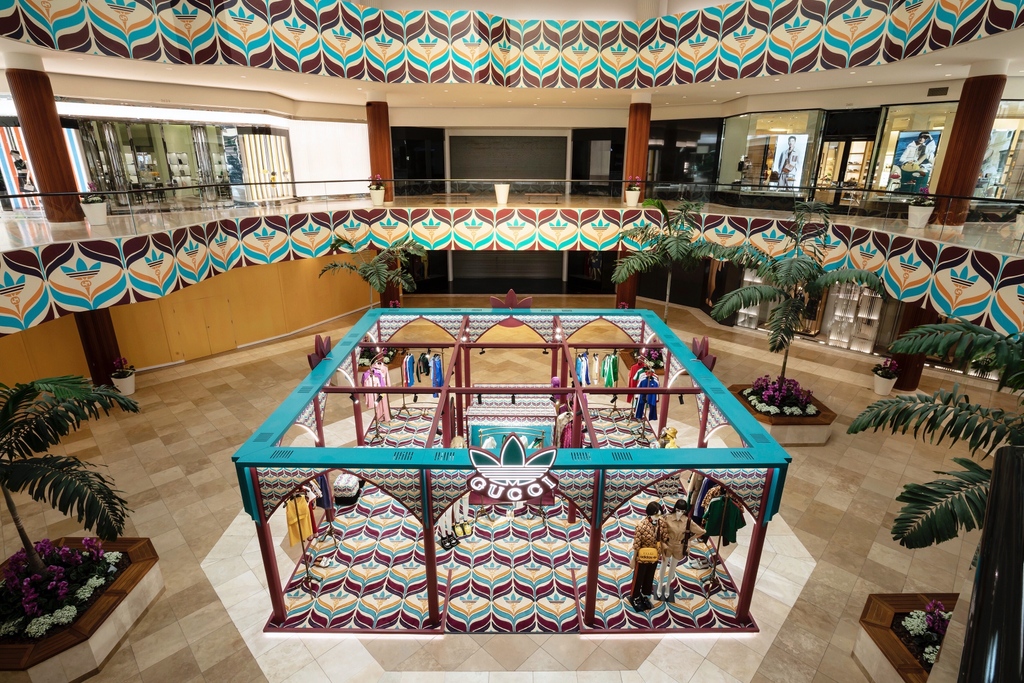
South Coast Plaza in Costa Mesa is synonymous with luxury shopping. Opened in 1967, it spans 2.8 million square feet with over 280 retailers, including Chanel, Dior, and Cartier. In 2025 alone, more than 40 new boutiques joined, making it one of the fastest-growing malls for luxury tenants.
Its annual art exhibitions and performances in partnership with the Segerstrom Center for the Arts deepen community ties. As the Los Angeles Times noted, South Coast Plaza isn’t just a mall, it’s “a cultural institution in Southern California.” That blend of heritage and innovation keeps it unmatched.
5. The Mall at Short Hills—New Jersey’s High-End Haven
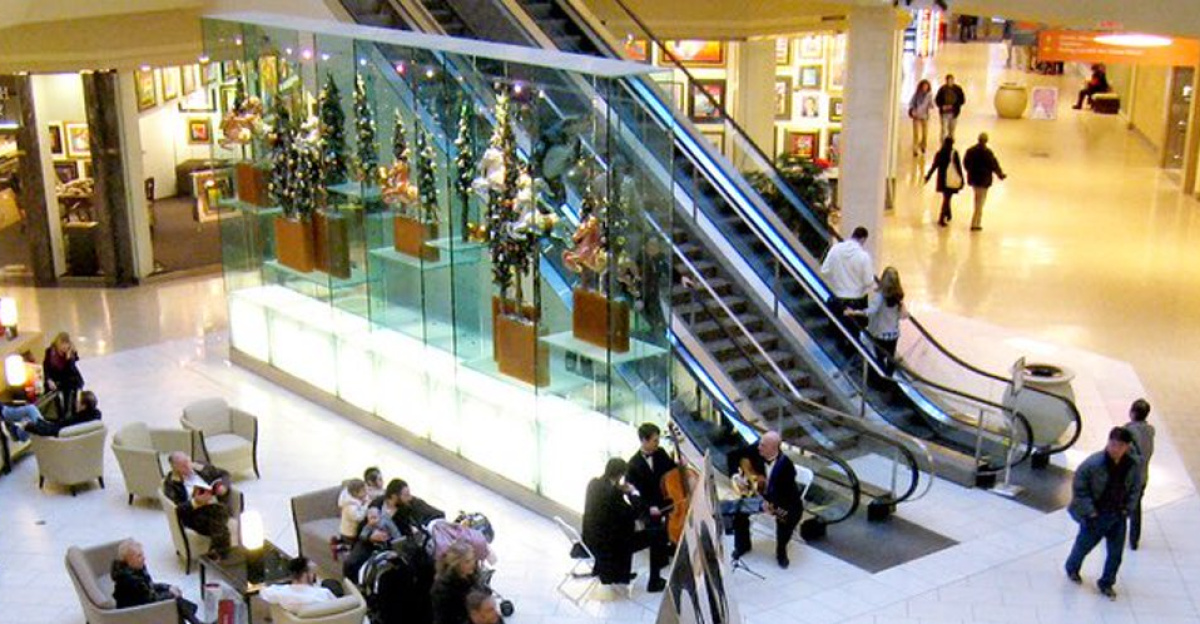
Short Hills in northern New Jersey is where exclusivity meets accessibility. With over 150 tenants, including Chanel and Hermès, it remains the state’s undisputed luxury capital. Eataly’s 2024 opening created a surge in visitors and transformed dining at the mall. Fashion shows, charity events, and pop-up culinary festivals have further elevated its reputation.
Mall officials told NJ Advance Media that over 50 retailers here are unique to New Jersey, making it a magnet for regional shoppers. For those seeking an intimate luxury shopping experience, Short Hills remains unrivaled.
6. Galleria Dallas—Texas’ Reinvented Classic
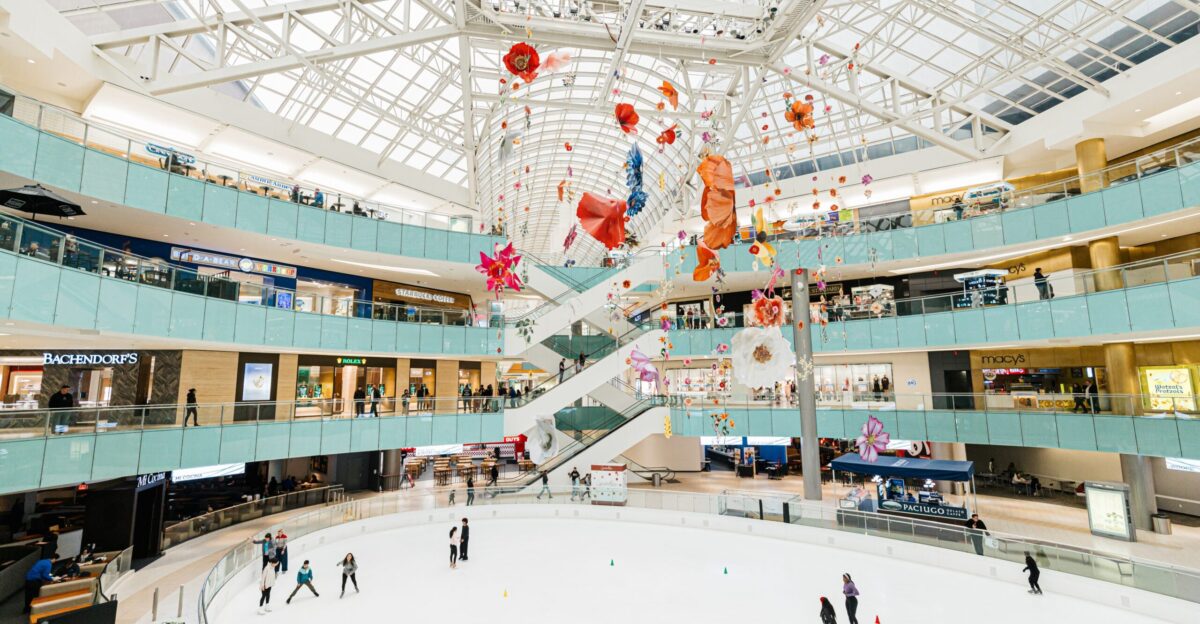
Galleria Dallas continues to reinvent itself through thoughtful redevelopment. In 2025, the mall introduced five new tenants, from Cotopaxi to H&M Home, while expanding its luxury wing for Louis Vuitton. Its ice rink remains a local favorite, but what sets it apart is its pivot toward mixed-use, blending retail with community-driven programming.
Trademark Property Group oversees redevelopment and envisions the mall as a “modern town square.” Dallas Morning News reported that pop-up markets and art installations have boosted foot traffic, making the Galleria more than a shopping trip.
7. NorthPark Center—Dallas’ Stylish Retreat
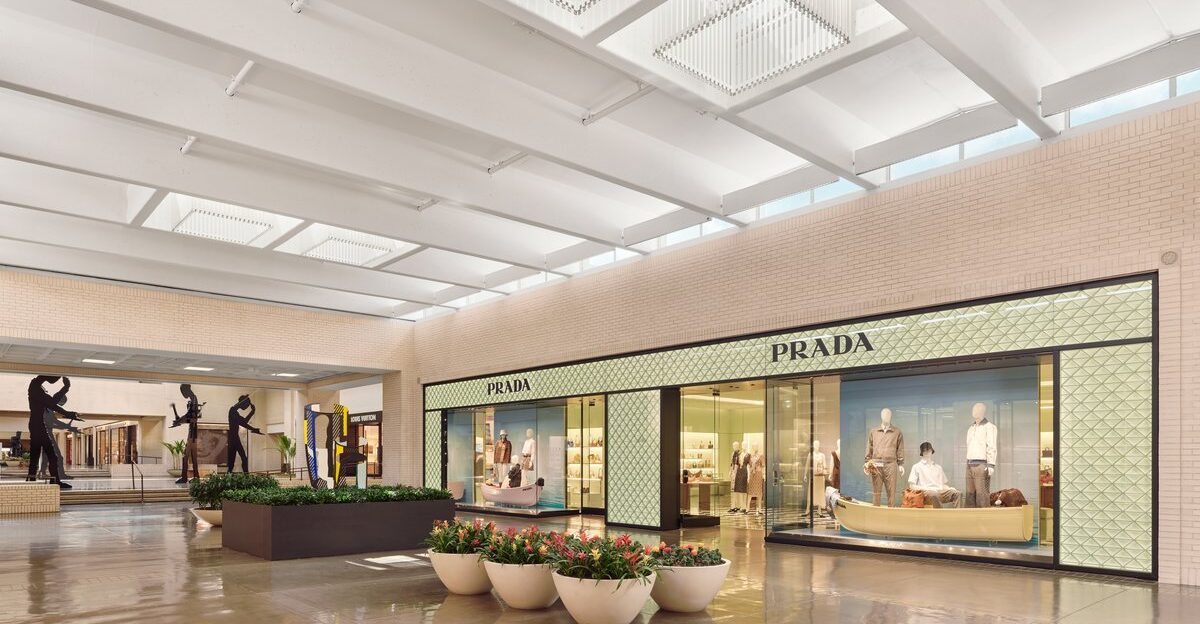
NorthPark Center pairs high-end shopping with culture and green space. Beyond 200-plus stores, it features a 1.4-acre garden and one of the largest collections of modern art in public space nationwide. “You can come for Prada and end up spending an hour in front of a Warhol,” one shopper told D Magazine.
The mall’s 37 dining options and steady calendar of concerts and family events keep it accessible to a broad audience. Its ability to balance retail, art, and leisure makes NorthPark a model for how malls can be both stylish and community-driven.
8. Bal Harbour Shops—Florida’s Luxury Icon
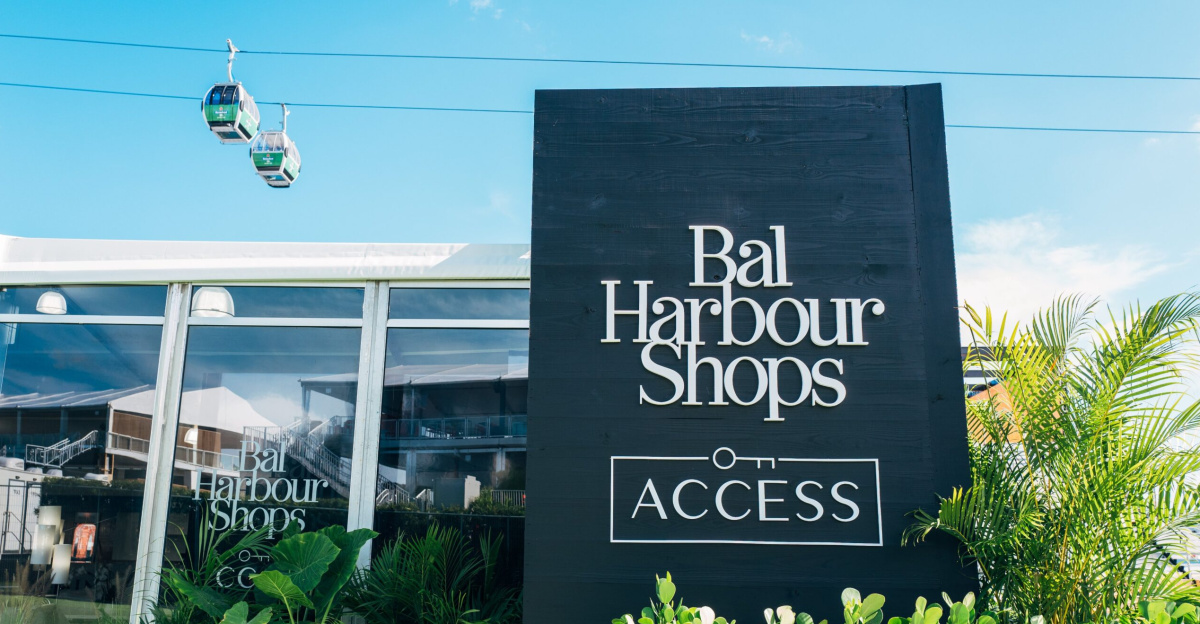
According to Forbes, Bal Harbour Shops outside Miami remains the world’s most profitable mall, generating more than $2,500 per square foot in sales. Anchored by Saks Fifth Avenue and Neiman Marcus, it is a magnet for luxury clientele. Restaurants like Carpaccio, a hotspot for locals and tourists, have become destinations in their own right.
In 2025, the mall introduced “Bal Harbour Access,” a traveling luxury retail concept that extends its brand beyond Miami. Seasonal pop-ups and outdoor events keep its exclusivity fresh, ensuring Bal Harbour maintains its hold as the luxury mall benchmark.
9. Tysons Galleria—Virginia’s Flagship for Experiences
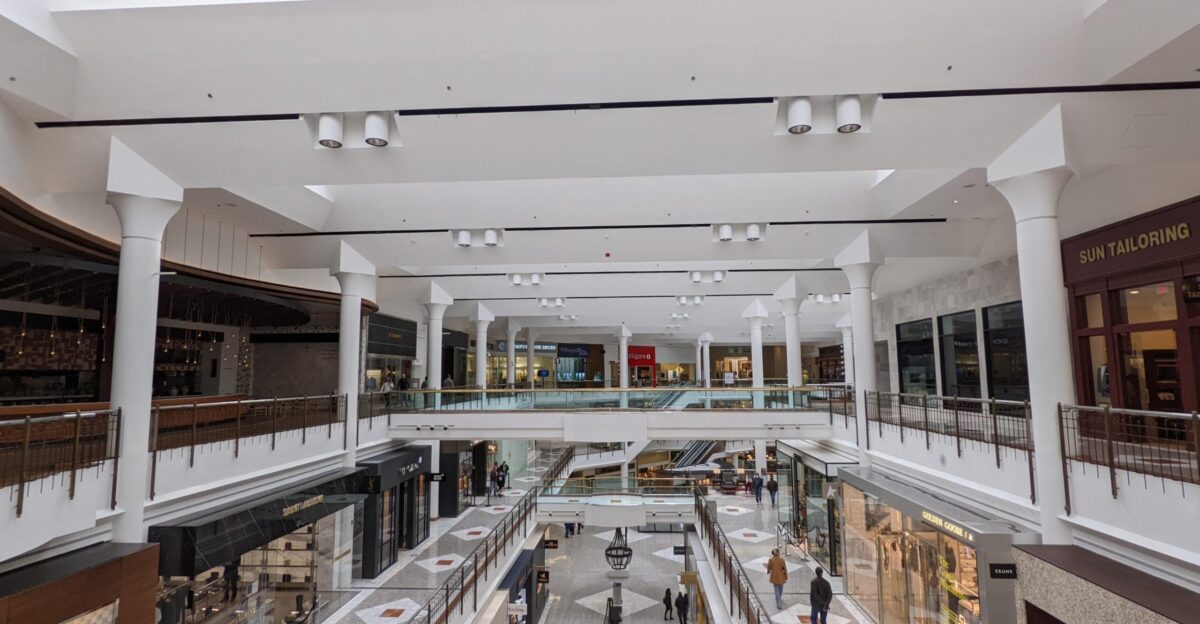
Located just outside Washington, D.C., Tysons Galleria balances high-end retail with entertainment. Chanel and Versace headline its luxury wing, while experiences like CMX Cinébistro—a dine-in cinema—and Bowlero bowling make it family-friendly. Its renovated wings now feature expanded home decor showrooms and spa services, further diversifying the mix.
Mall executives told Washington Business Journal that hosting local artist pop-ups has been key to community engagement. With its blend of shopping, leisure, and culture, Tysons Galleria has cemented itself as a regional flagship, drawing affluent professionals and multigenerational families.
10. Destiny USA—New York’s Six-Story Marvel
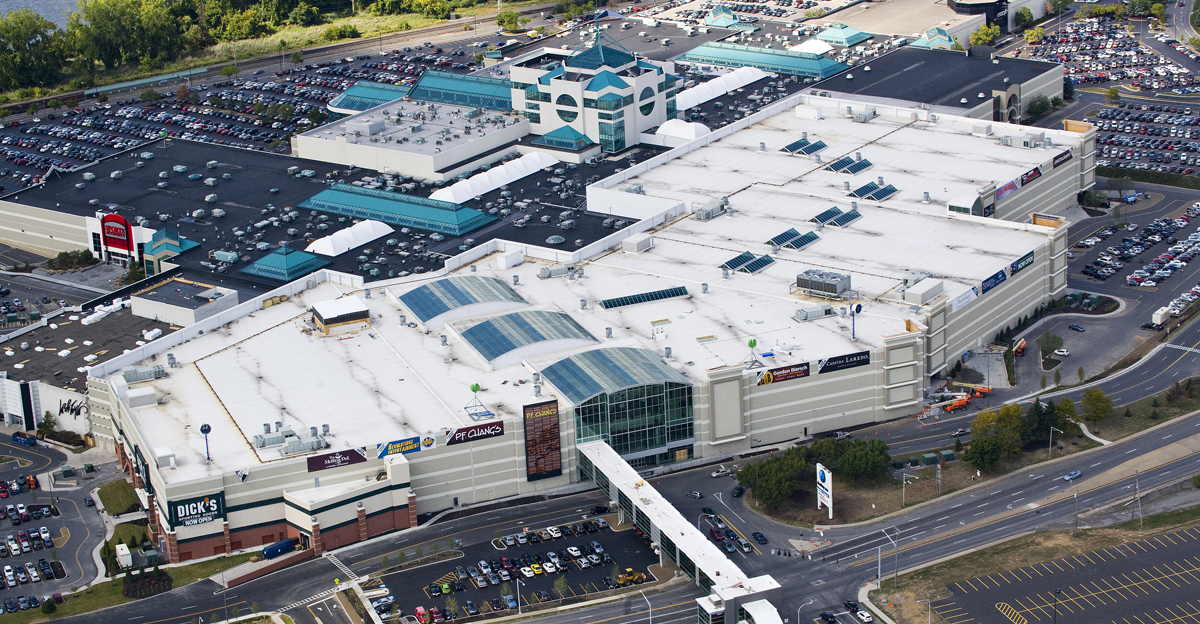
Syracuse’s Destiny USA rises six stories and mixes outlet shopping with adventure attractions. It features more than 239 stores plus family draws like WonderWorks, go-karts, escape rooms, and a ropes course. The mall’s formula of combining retail with entertainment has helped it remain a dominant destination for upstate New York.
A spokesperson told Syracuse.com that pop-up concepts and seasonal festivals are critical to keeping experiences fresh. Destiny USA’s “stay and play” approach turns shopping into a day-long event, ensuring it remains one of the most unique malls in the country.
11. Del Amo Fashion Center—California’s Revived Classic
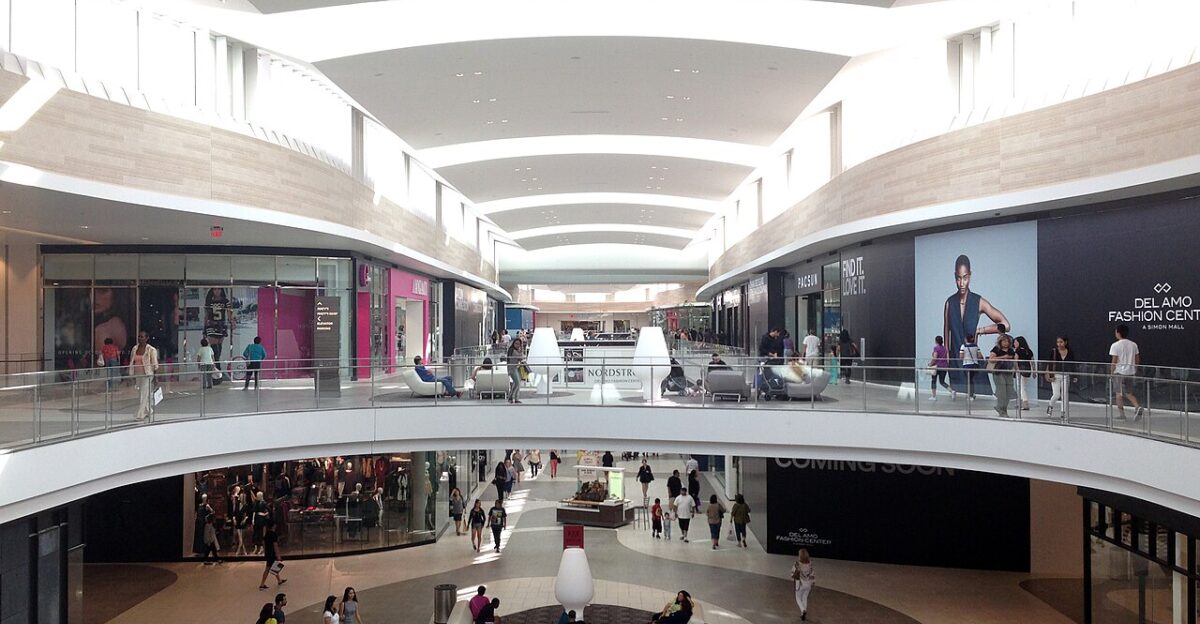
Del Amo Fashion Center in Torrance has been reborn through stylish renovations and event-driven programming. Once a traditional mall, it now features 250 stores, trendy food halls, art displays, and wellness fairs. The Los Angeles Daily Breeze reported that weekend farmers’ markets and community concerts have broadened their appeal, particularly for younger shoppers.
Del Amo has positioned itself as a fresh, inclusive destination by mixing legacy anchors like Nordstrom with modern, experience-first design. It proves that even older malls can reinvent themselves into community-centered retail hubs.
12. Ala Moana Center—Hawaii’s Open-Air Icon
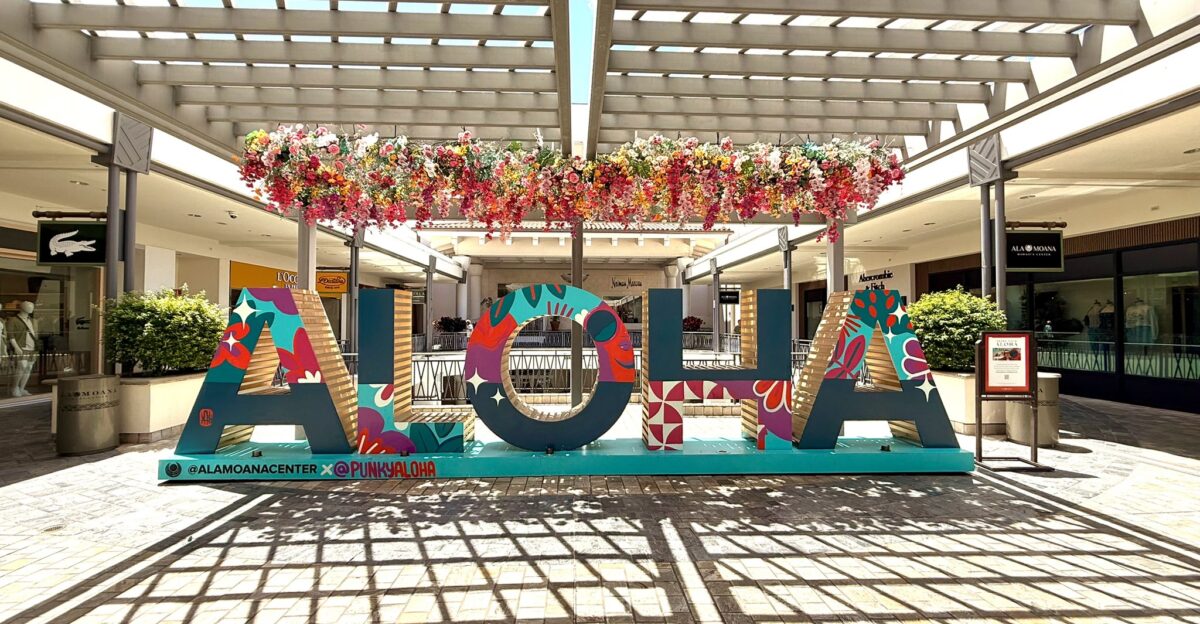
Ala Moana Center in Honolulu is the world’s largest open-air mall, with 350 shops and 160 dining spots woven into tropical landscapes. Its design makes it both a shopping destination and cultural venue, with weekly hula shows, art installations, and live music.
Tourists often stop en route to Waikiki, but locals also see it as a community hub thanks to public transit connections and outdoor green spaces. “It’s our gathering spot,” one Honolulu resident told Hawaii News Now. Ala Moana’s fusion of retail and culture makes it a model for future open-air malls.
13. American Dream—New Jersey’s Entertainment Playground
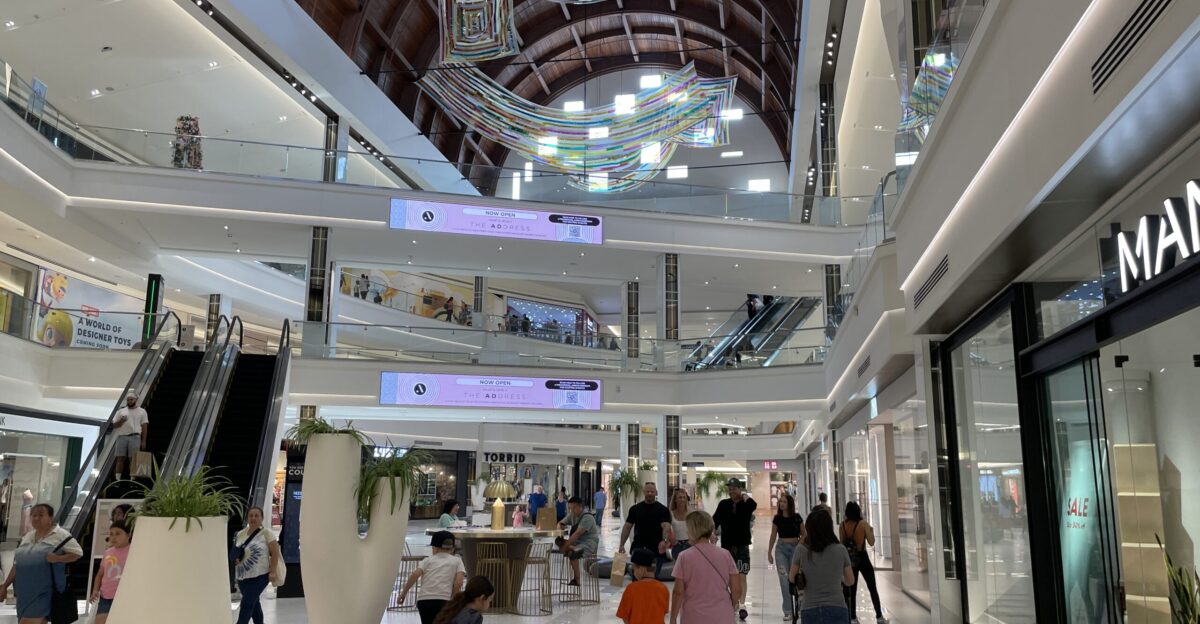
New Jersey’s American Dream is redefining what a mall can be. It offers 450 stores but heavily invests in attractions like the country’s largest indoor water park, an indoor ski slope, roller coasters, and Legoland. Its “retail-tainment” strategy pays off, particularly on weekends and holidays, when families fill its entertainment complexes.
Mall executives told NorthJersey.com that balancing big-ticket attractions with rotating experiential retail is key to growth. With its theme-park scale and innovation, American Dream illustrates how malls can thrive by giving visitors reasons to stay all day and return often.
Tenant Mix – The Heart of Longevity
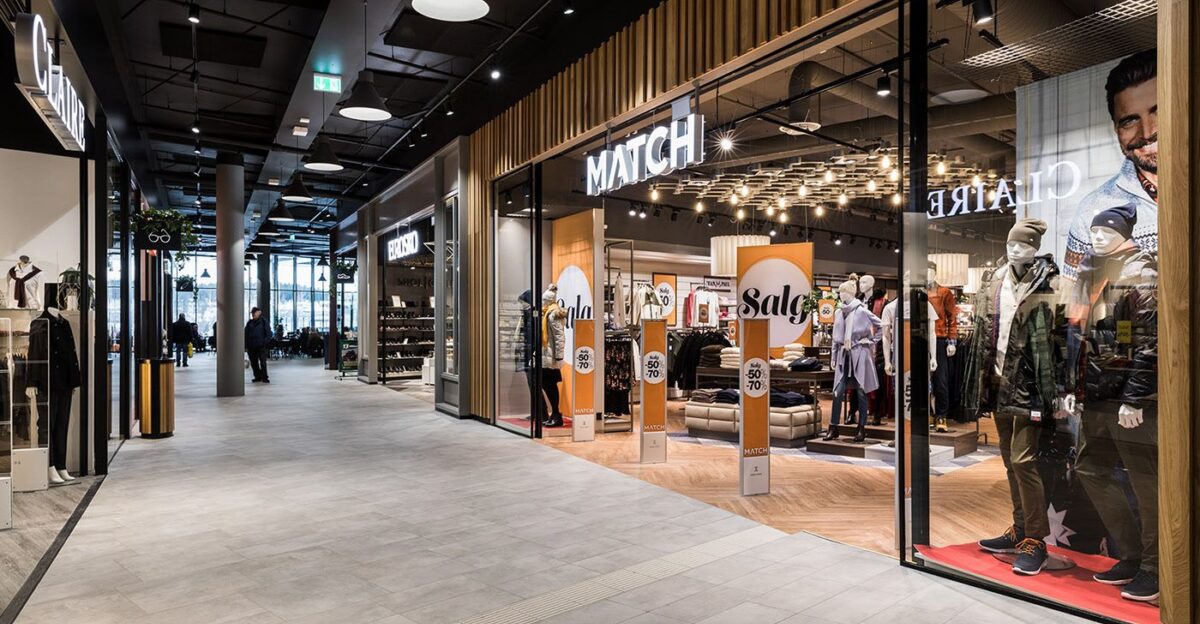
The right tenant mix can make or break a mall. Leasing strategies now combine legacy luxury brands, fast-fashion anchors, and ever-changing pop-ups. “You must balance exclusivity with discovery,” one retail consultant told Retail Dive. Bal Harbour, King of Prussia, and NorthPark excel by rotating tenants to keep experiences fresh.
Pop-up art galleries, seasonal markets, and temporary installations engage repeat visitors. High occupancy rates reflect how this approach works in practice. Malls that embrace fluidity, rather than static lineups, are best positioned to remain relevant in a fast-changing retail environment.
Dining and Events – Extending the Visit
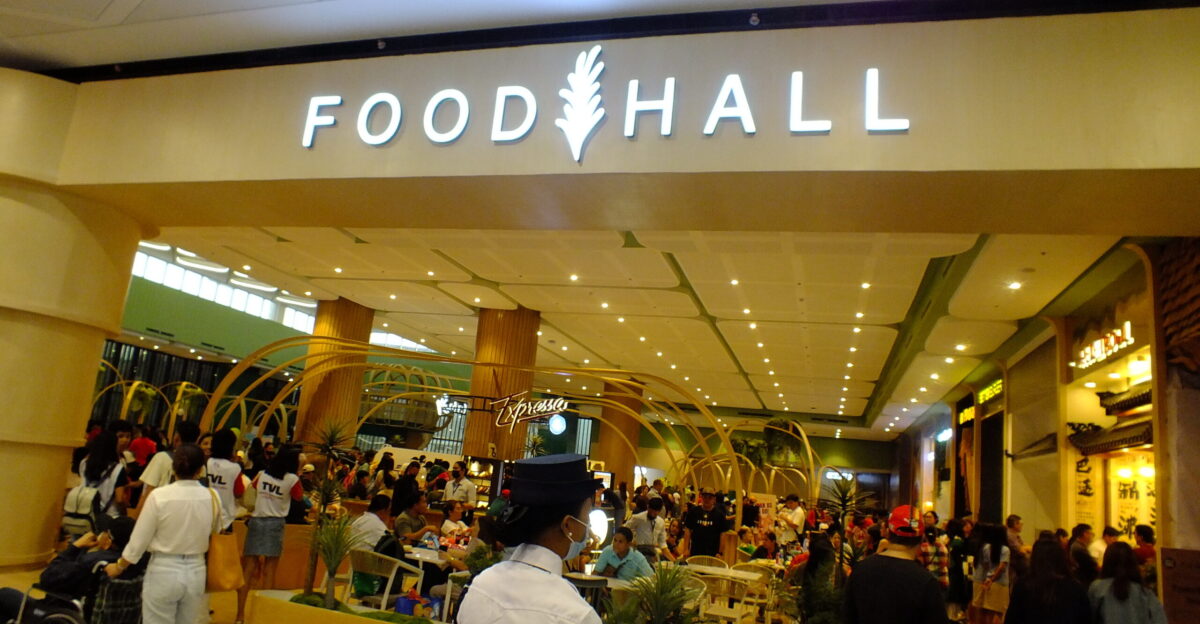
Dining has become a primary draw. From fine dining at Morton’s in King of Prussia to international food halls like Eataly in Short Hills, restaurants encourage longer stays and repeat visits. Events add another layer, like live concerts, art fairs, and seasonal markets that transform malls into gathering places.
Analysts told Bloomberg that dining and entertainment now account for nearly 30% of visitor spending in leading malls. Theaters, escape rooms, and live performances turn a casual shopping trip into an all-day experience, proving that food and fun are now as essential as fashion.
Technology Personalizes the Experience
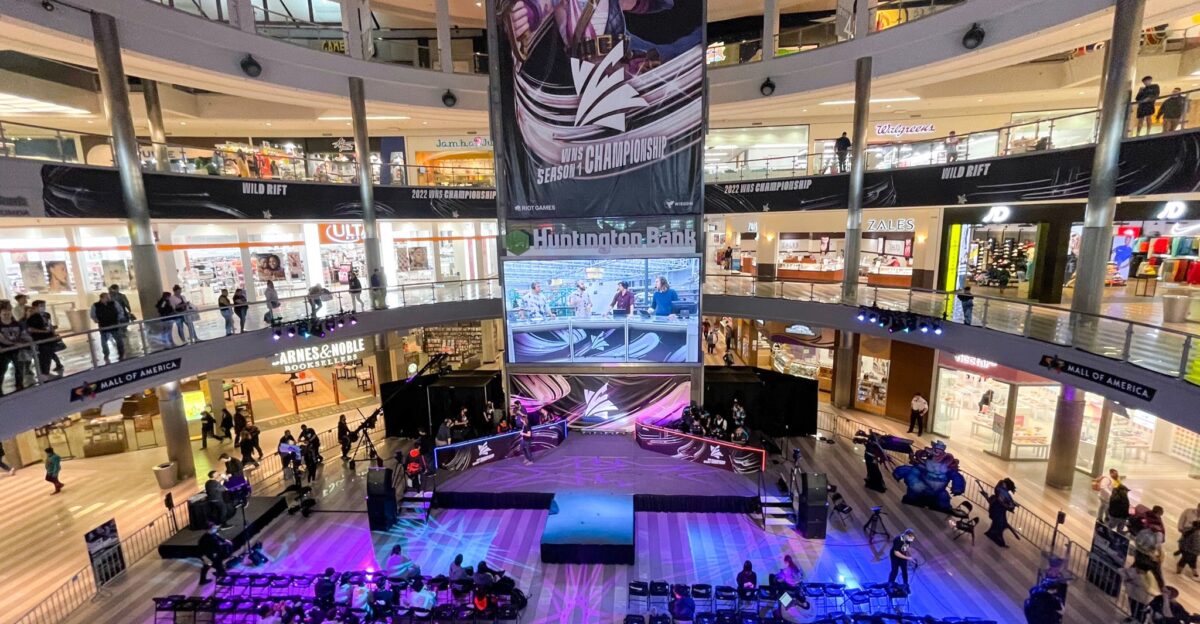
Technology is also reshaping the mall experience. Digital wayfinding, QR codes, and app-based loyalty programs help guide shoppers and extend sales. Mall of America and King of Prussia have invested heavily in hybrid “clicks-to-bricks” solutions like same-day pickup for online orders. Analytics track foot traffic to optimize event scheduling, while AI tools personalize promotions.
CBRE noted in a 2025 retail outlook that malls integrating tech to streamline visits will outperform peers. For today’s shopper, convenience must meet entertainment, and the best malls use digital tools to deliver both seamlessly.
The New Face of the Mallgoer
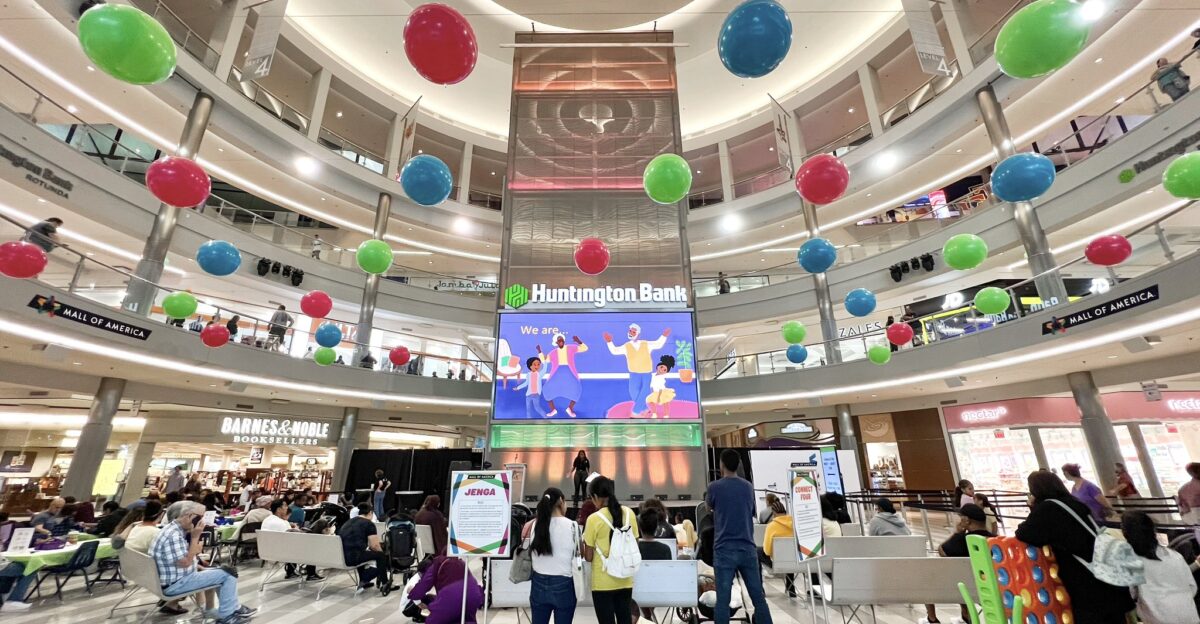
Today’s mallgoer looks different than a decade ago. Families, older adults, and teens searching for shared experiences make up a growing portion of traffic. A 2025 CivicScience survey found that more than half of shoppers first go for dining and entertainment, not shopping.
Multigenerational events—like food festivals or open-air concerts—attract broader audiences. Mall developers respond by curating more inclusive, walkable, and community-oriented spaces. The mall is no longer just a retail hub; it’s a lifestyle space tailored to the rhythms of modern social life.
American Malls—Resilient Community Hubs
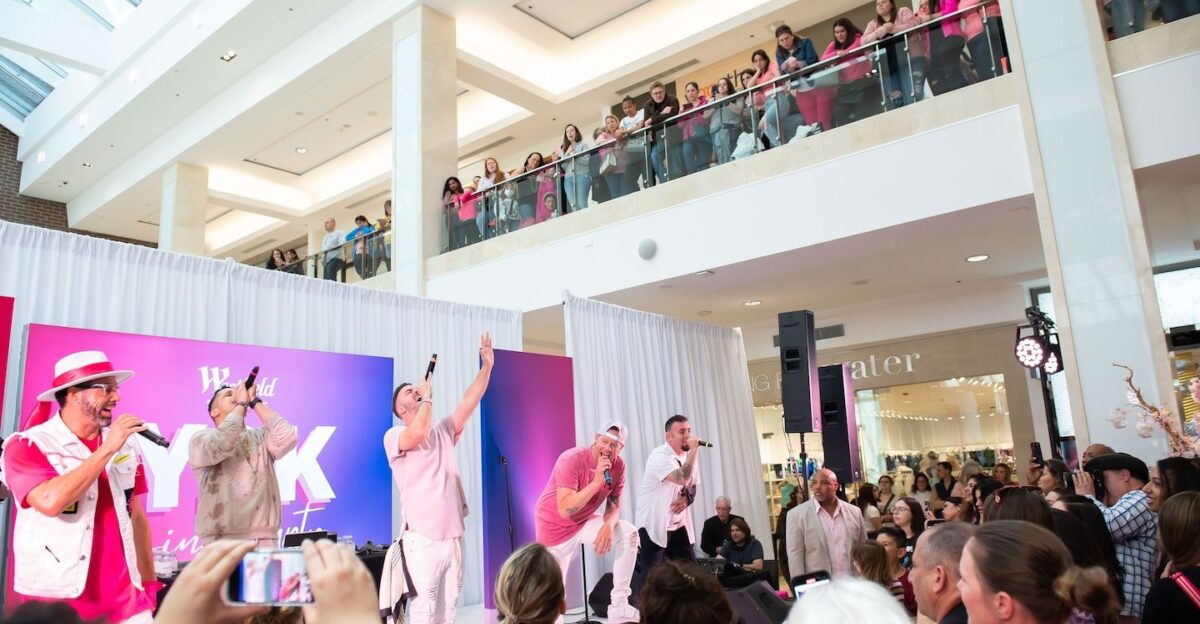
The story of America’s best malls is one of reinvention. They’ve transformed into community anchors where shopping is secondary to culture, dining, and experiences. Their adaptability is what separates thriving malls from those that falter. With calendars packed with concerts, festivals, and family attractions, they’ve become gathering points that strengthen local economies.
One retail executive told The Wall Street Journal, “The mall isn’t dying—it’s evolving.” These thriving centers show that, even in an online-first era, the American mall still plays a vital role in daily life.