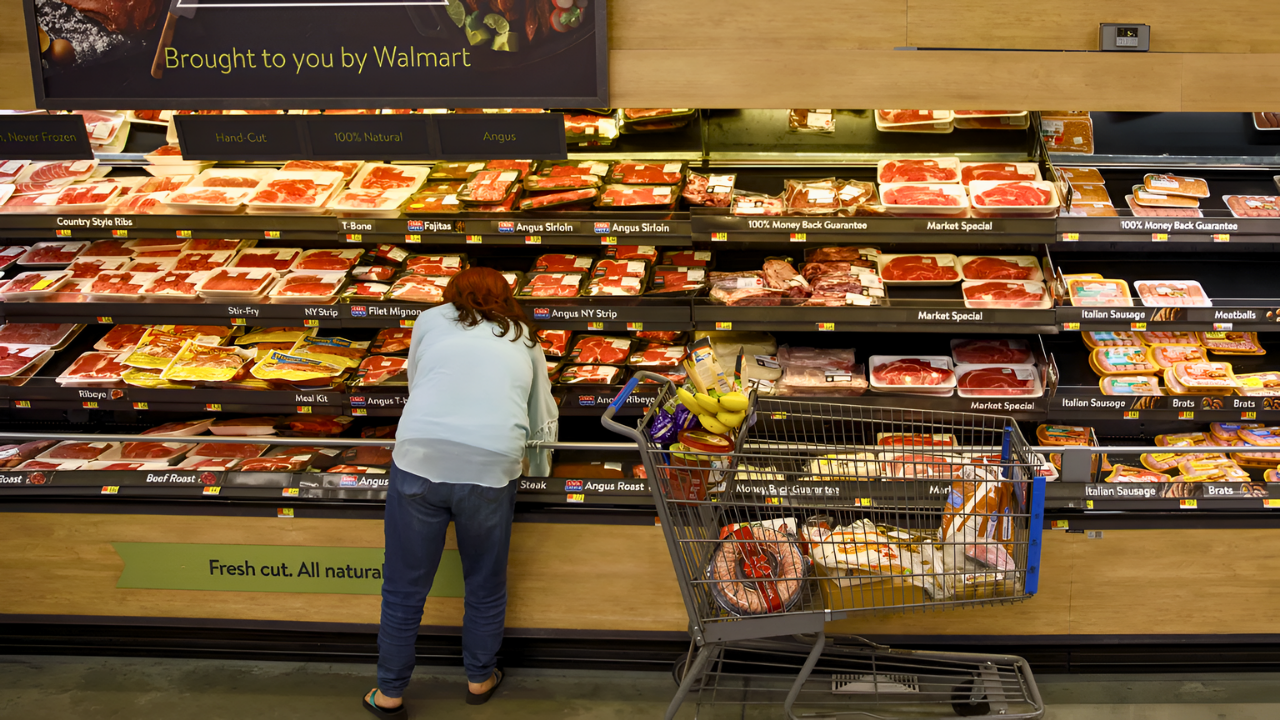
Beef prices are climbing so quickly that industry leaders expect them to reach about $10 per pound by 2026, a level that is reshaping how Americans buy and cook steak at home. With restaurant prices rising even faster, more shoppers are turning to supermarket meat counters in search of steakhouse-level quality without paying steakhouse premiums.
A single comparison shows why strategy matters: a $49 Prime brisket at Costco can cost roughly $150 at Whole Foods, a markup of about 206%. For households watching grocery bills more closely, the question is shifting from whether to eat steak at all to where to find the best balance of quality, sourcing, and price. An analysis of seven major chains, focusing on their private-label beef and customer feedback, highlights how different retailers are competing for these increasingly cost-conscious steak buyers.
Quality Metrics Behind the Rankings
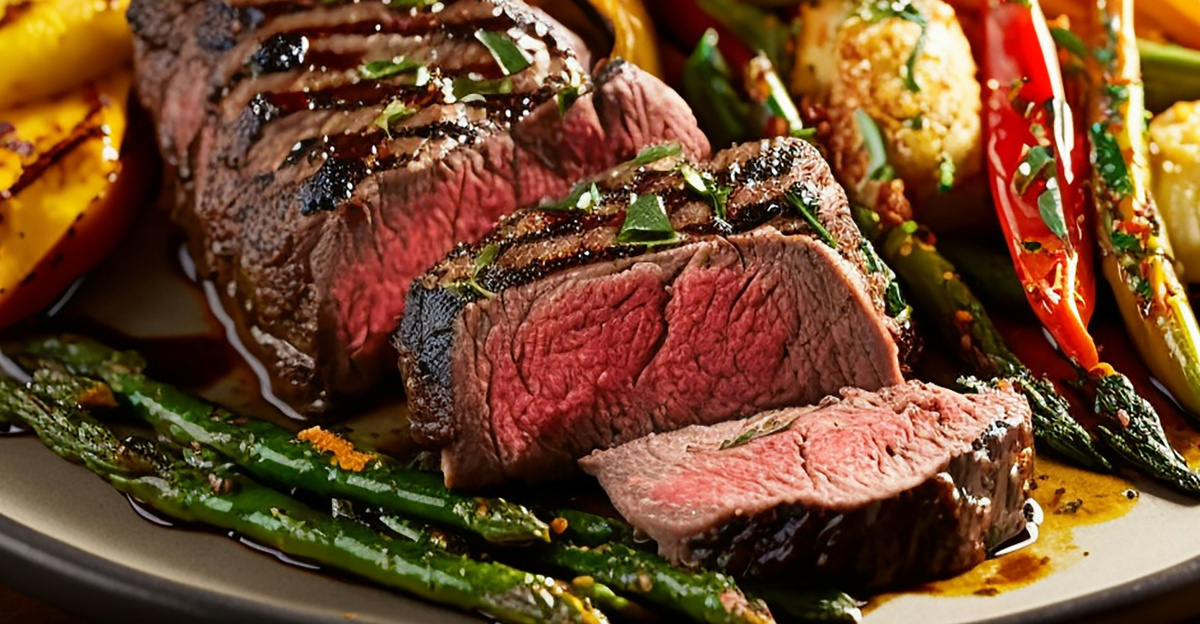
Instead of judging stores on big-name national brands, the evaluation concentrated on each chain’s own labels and, where applicable, meat from regional producers. Steaks were assessed on quality grading, such as USDA Choice or Prime, sourcing practices, and verified customer ratings on in-house offerings.
That approach placed emphasis on how stores themselves manage and market their beef programs, including decisions about grass-fed versus grain-finished cattle, use of hormones or antibiotics, and relationships with local farms. The result is a snapshot of how seven prominent grocery chains are trying to deliver higher-end steaks as prices climb nationwide.
Kroger: Uruguayan Beef and Hormone-Free Lines
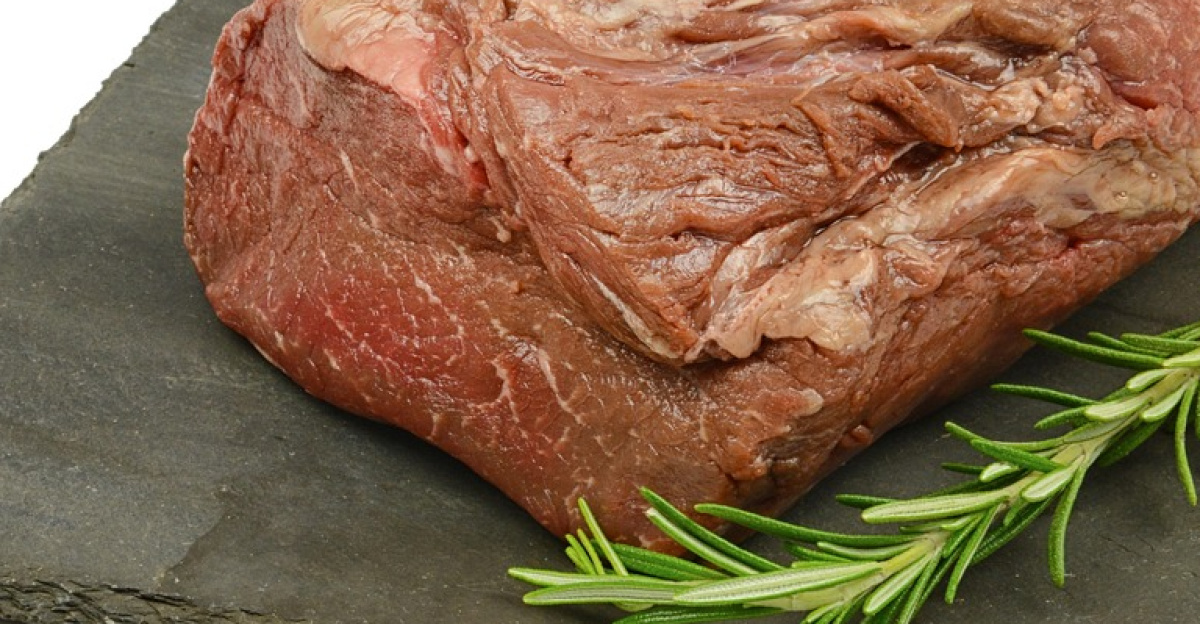
Kroger stands out in the Midwest and beyond by sourcing much of its beef from Uruguay, where cattle graze year-round on pasture in favorable conditions. The company’s Simple Truth and Simple Truth Organic labels have become its flagship steak lines, built around grass-fed cattle including Aberdeen Angus, known for marbling, and Hereford, valued for hardiness and consistent quality.
These lines contain no added hormones or antibiotics, which appeals to shoppers looking for minimally treated meat. Another Kroger label, Private Selection, receives positive customer ratings across cuts, including choice beef shoulder steak, top round London broil, skirt steak, sirloin tip, strip steak, T-bone, eye of round, and cubed steak. While Kroger’s offerings may not be the single best in the country, the breadth and quality of its selection generally surpass those of many national competitors.
Trader Joe’s: Expanded Steak Program and Strong Reviews
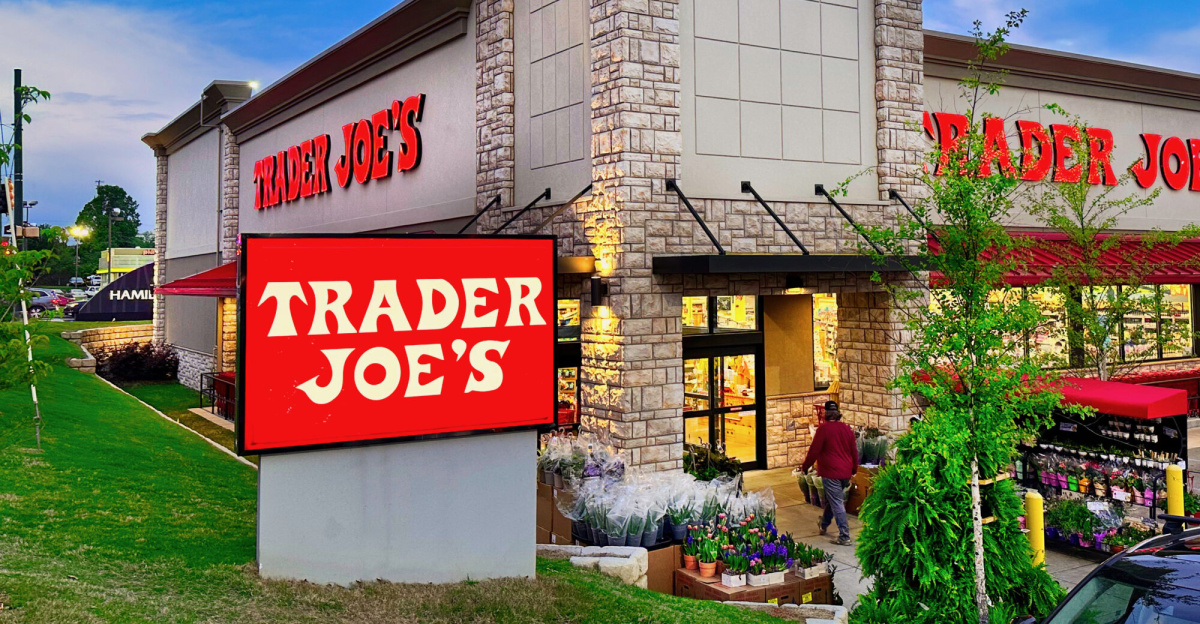
Trader Joe’s significantly upgraded its steak offerings in 2025, rolling out USDA Choice-graded filet mignon, ribeye, and New York strip steaks. The chain now sells straightforward pre-packaged cuts alongside organic grass-fed Angus and a line of pre-marinated steaks aimed at home cooks looking for convenience. Those prepared options include balsamic rosemary beef steak tips and other flavorful selections.
This wider assortment has broadened Trader Joe’s appeal to shoppers with different budgets and cooking styles, from simple grilling to more elaborate recipes. On Reddit’s r/traderjoes forum, customers consistently praise the lean filet mignon and other steak offerings, often awarding top scores. While the store does not compete directly with the volume or Prime-grade range of warehouse clubs, its combination of price, quality, and portion size has turned it into a go-to source for many steak buyers.
Regional, Warehouse, and Budget Leaders
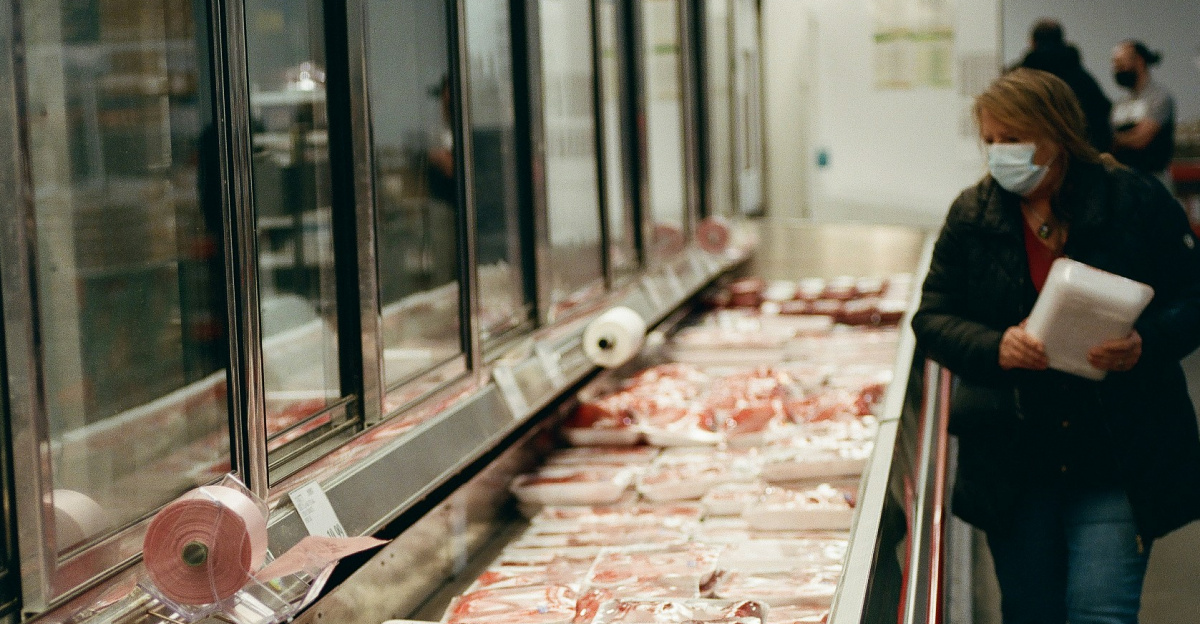
In the Southeast, Publix has built its meat reputation on close ties with local and regional producers, working with ranches such as Prestage Farm in North Carolina and White Oak Pastures in Georgia. National supplier Verde Farms adds an emphasis on regenerative farming and humane livestock treatment. Most Publix meat counters stock USDA Choice cuts as a standard. Its GreenWise private label focuses on cattle fed vegetarian diets with no added hormones or antibiotics, helping deliver steaks that regular shoppers often describe as more flavorful than those at typical supermarkets. Although Publix does not host extensive review systems on its own site, Yelp write-ups and posts on r/publix frequently single out the chain’s steak quality and sourcing transparency.
Costco, by contrast, competes primarily on grading and scale. The warehouse club is known for reliable access to USDA Prime beef, the top grade in the federal system, which is defined by heavy marbling and tenderness. Its selection, much of it supplied by farmers in California’s San Joaquin Valley, also includes USDA Choice cuts that are priced to match or beat many traditional supermarkets. Costco’s centralized processing and packaging help maintain consistency and freshness. Celebrity chef David Chang has publicly praised its Prime meats, and customer comments often emphasize that whole ribeye and similar cuts deliver quality comparable to higher-priced grocers.
Meijer illustrates another path: diversified sourcing to maintain both quality and resilience. The chain buys from Certified Angus Beef, Purely Meat, Grass Run Farms, Niman Ranch, PRE Brands, and a range of regional suppliers. Online ratings show many cuts earning four stars or more. During pandemic disruptions, Purely Meat was credited with helping Meijer keep shelves stocked while simultaneously improving overall quality, reinforcing the value of multiple, carefully chosen partners.
Aldi and Sprouts: Budget Disruptor and Premium Specialist
Aldi has built a reputation for low prices, but its steak program is designed to show that lower cost does not automatically mean lesser quality. Instead of relying heavily on centralized distribution and heavy marketing, Aldi works with local farms and distributors, which can reduce shipping and storage expenses. By leaning on private-label meats and minimizing overhead such as full in-store butcher departments, the chain focuses on operational efficiency that allows it to keep prices down. Shoppers on Reddit and elsewhere frequently remark on the strong marbling of Aldi steaks, sometimes calling it unusually high for a budget-oriented chain.
At the other end of the spectrum, Sprouts has positioned itself as a destination for premium steak. The chain sources much of its beef from Grass Run Farms, emphasizing grass-fed Angus cattle and fresh, never-frozen meat. Staffed butcher counters and a wide range of cuts—from chuck and brisket to loin, flank, and round—give customers more control over what they buy and how it is cut. Extended grazing on pasture contributes to the marbling and flavor that Sprouts promotes as a point of distinction. Customer reviews consistently highlight Sprouts’ meat quality and sourcing, though its higher prices and limited geographic footprint mean access is still concentrated in certain regions.
As beef prices continue to rise, these seven chains illustrate how different strategies—from international sourcing and local farm partnerships to diversified suppliers and lean operating models—are reshaping where Americans look for quality steak. For shoppers, the landscape now rewards those who understand how each retailer approaches sourcing, grading, and pricing. Whether the priority is budget, organic and grass-fed options, or the highest marbling grades, choosing among Kroger, Trader Joe’s, Publix, Costco, Meijer, Aldi, and Sprouts increasingly determines how far a steak budget can stretch—and how close a home-cooked dinner can come to restaurant standards in an era of record-high beef costs.
Sources:
“7 Grocery Store Chains With The Best Steaks, According To Shoppers.” Tasting Table, 2025.
“7 Grocery Store Chains with the Best Steaks According to Shoppers.” MSN Food & Drink, 2025.
“8 Grocery Chains With the Best Meat Departments.” Eat This, Not That!, 2024.