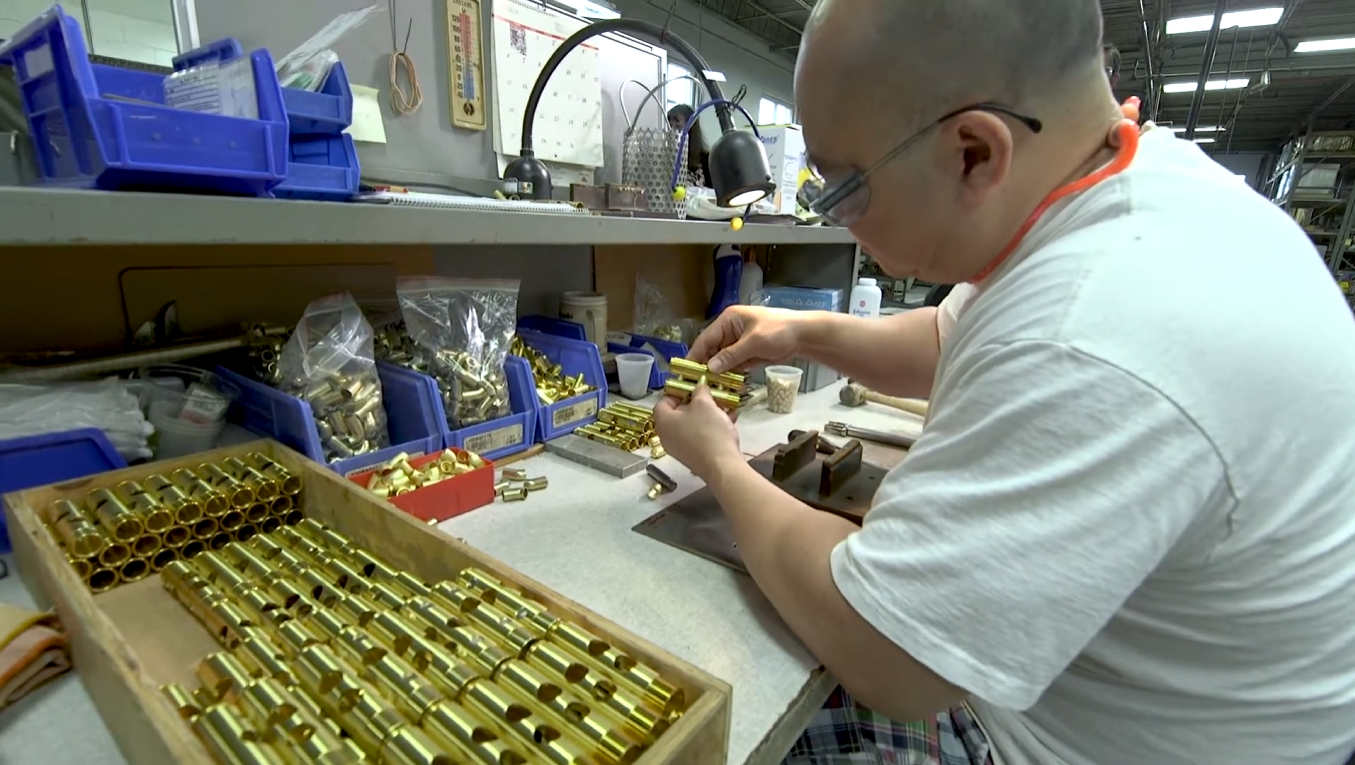
For 152 years, one Ohio factory made the best brass instruments in America.
Top brass musicians—symphony stars and marching band champions—played instruments named C.G. Conn and Bach Stradivarius, made there since 1874. Then something changed in 2024.
A billionaire investor’s decisions from afar began to destroy this heritage. What happens when one person buys a cultural treasure?
The Billionaire’s Arrival

In August 2013, hedge fund boss John Paulson bought Steinway Musical Instruments for $512 million. Steinway owns Conn-Selmer and its famous brass brands.
Paulson promised the music world he had “no plans to close, relocate, or change any of Steinway’s manufacturing operations.”
That promise sounded solid during negotiations with unions. But acquisition promises often crumble when business gets tough.
A Legacy Factory Takes Shape
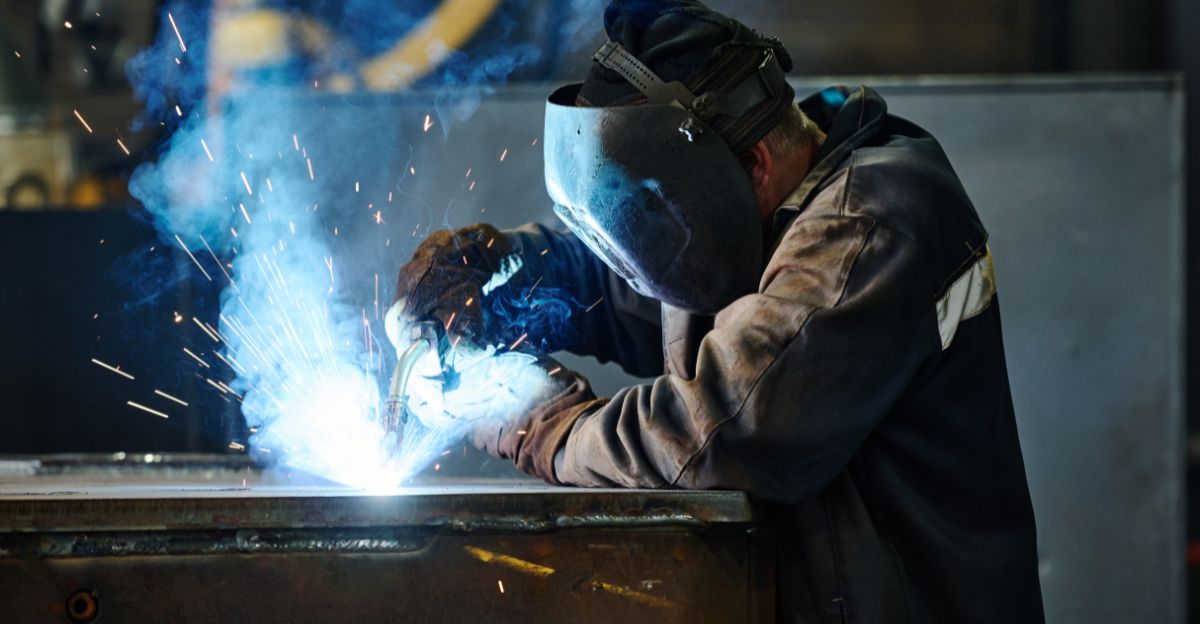
The Eastlake, Ohio, factory became famous for American craftsmanship. Located in Lake County, 20 miles northeast of Cleveland, it employed skilled UAW union workers.
Many had 20 or 30 years of experience tuning valves and shaping brass tubes to concert perfection.
By 1905, the original C.G. Conn factory in Elkhart, Indiana, had become the world’s largest instrument maker. That excellence continued in Eastlake. The plant held manufacturing secrets about to vanish.
Union Territory, Precarious Futures

Eastlake city had just 17,423 residents, earning a median income of $62,510—about 10 percent below Ohio’s median income range of $69,680 to $80,520.
Since NAFTA started in 1994, Ohio lost 276,474 manufacturing jobs (28.5 percent of its industrial base). The brass factory was a major employer in a region fighting to keep good union jobs.
When Paulson took control, the plant faced pressure from foreign competition, cheaper student instruments, and the economic realities of relocating jobs overseas.
The Closure Announcement

On January 7, 2026, Conn-Selmer made it official. The company announced it would close its Eastlake, Ohio, factory by June 30, 2026.
The closure will result in the loss of approximately 150 UAW union jobs. Production of tubas, sousaphones, and student French horns moves to China.
Professional French horns go to the Elkhart, Indiana, facility. This announcement meant America’s last brass instrument maker was leaving. Paulson’s 2013 promise just evaporated.
The Human Cost

The 150 Eastlake workers lost stable, union-level jobs. Many skilled craftspeople had 10, 20, or 30 years building instruments priced from $800 to $8,000 each.
They understood precise measurements, sound physics related to metal, and valve repair. These skills cannot be easily replaced or outsourced overseas. Families lost generational jobs in a community already hit hard by factory closures.
Union Local 2359 fought to keep positions management had already removed. One region loses while another nation gains.
The Contradiction Nobody Could Ignore

The timing exploded politically. Nine months earlier, in April 2024, John Paulson held a record fundraiser for Donald Trump at his Palm Beach mansion.
The event raised $50.5 million—Trump’s largest single fundraiser ever. Trump praised it on Truth Social as “the biggest night in Fundraising of ALL TIME.”
Trump campaigned on bringing manufacturing back to America and reversing outsourcing. Yet Paulson—Trump’s biggest megadonor—now moves manufacturing to China. The contradiction was impossible to ignore.
The UAW’s Blistering Rebuke

The United Auto Workers responded harshly. The union stated: “Today, Conn-Selmer, the last USA-made brass instrument manufacturer, shuts down its Eastlake, Ohio factory to move operations overseas to China.”
They continued: “Conn-Selmer is owned by billionaire and Trump ally John Paulson, who cares more about profit than preserving an American institution.” The union connected Paulson’s Trump friendship to his decision to abandon domestic manufacturing.
This became a symbol of the gap between campaign promises and the actions of billionaires.
Global Brass Markets and Cost Pressure

Wider market forces drove the decision. Chinese brass makers dominate the student and intermediate instrument markets, undercutting American makers by 40 to 60 percent in price.
Professional instruments still cost more worldwide. Yet running a 150-worker Ohio factory costs serious money (UAW workers earn $25 to $32 per hour plus benefits).
Chinese factories pay workers $3 to $6 per hour. Paulson’s hedge fund must maximize returns for its investors. The math made closure inevitable.
The Quality Question Nobody Wants to Ask
But the closure created another problem. Professional musicians worldwide complain about Chinese-made brass instruments: stuck valves, bad sound intonation, uneven bore sizes, and poor materials.
Professional orchestral musicians and brass ensemble players lose their only American-made source of quality instruments. The Bach Stradivarius trumpet—called the “Stradivarius of brass”—is played by first-chair musicians in major American orchestras.
Moving horn production to China risks destroying a 152-year reputation for excellence that industry experts doubted China could match.
The Workforce Fight-Back

UAW Local 2359 immediately prepared for battle. Union leaders announced plans to negotiate with Paulson for severance packages, retraining benefits, or reversing the closure.
The union contacted Ohio senators and representatives, calling the closure a betrayal of Trump’s promises to prioritize manufacturing. Some workers explored buying the factory themselves—an unlikely but attempted approach in other closures.
The union warned: “Workers building these instruments for years established the world-renowned brand and plan to fight to keep these jobs in Ohio.”
Paulson’s Acquisition Track Record

Paulson’s ownership history revealed a pattern. When he bought Steinway in 2013, it ran factories in New York and Germany, employing hundreds.
Consolidation and efficiency measures cut Steinway’s size. Piano sales dropped worldwide (America bought roughly 30,000 pianos yearly in 2013; by 2024, just 15,000). Paulson’s strategy across all instrument holdings remained consistent: to maximize efficiency by consolidating and relocating production to lower-cost locations.
For his investors, it made sense. For Ohio workers and musicians, it meant destroying irreplaceable manufacturing knowledge.
The Inland Competitor Watches

Yamaha, a Japanese multinational, runs a major brass factory in Grand Haven, Michigan—about 140 miles north of Eastlake.
Yamaha produces student, intermediate, and professional brass instruments in America, competing with Conn-Selmer on quality and “Made in America” appeal. The Conn-Selmer closure helps Yamaha and offshore competitors gain market share.
Industry analysts predicted Yamaha might expand its Michigan factory. Others noted that American brass manufacturing, where students bought American-made instruments, was coming to an end.
Expert Skepticism on the China Gamble

Manufacturing experts heavily questioned Paulson’s China strategy. Moving tuba and sousaphone production to China carried a huge risk, they argued.
These instruments require precise measurements, expensive materials (such as nickel-silver or rose brass), and a complex assembly process. Poor quality control in China could damage Conn-Selmer’s brand reputation, leading to permanent customer loss for Yamaha.
The Bach Stradivarius brand, built over a century, could not recover if music schools were to receive poor-quality instruments. Experts predicted that Conn-Selmer would face either costly reshoring within five years or losing market share.
The Unresolved Question

As the June 30, 2026, closure date approached, a key question faced the industry: Can global manufacturing at Chinese wages produce world-class brass instruments, or does excellence demand the expertise, precision standards, and craft traditions that Eastlake represented?
The closure marked the end of 152 years of American brass instrument manufacturing, severing the connection between modern musicians and the era when C.G. Conn operated the world’s largest instrument factory.
Trump promised to bring manufacturing back to America. Instead, his biggest megadonor moved manufacturing to China. The outcome—whether China succeeds, whether Conn-Selmer survives, whether Paulson’s gamble works—remains unknown.
Sources:
- UAW, Official statement on Conn-Selmer closure, January 6, 2026
- Conn-Selmer, Official company announcement on Eastlake plant closure, January 7, 2026
- New York Times, Paulson acquisition of Steinway Musical Instruments, August 14, 2013
- New York Times, Trump Palm Beach fundraiser raises $50.5 million, April 6, 2024
- News5 Cleveland, Union responds to Eastlake plant closure, January 7, 2026
- Trump Campaign, Official fundraiser announcement and campaign statements, April 6, 2024