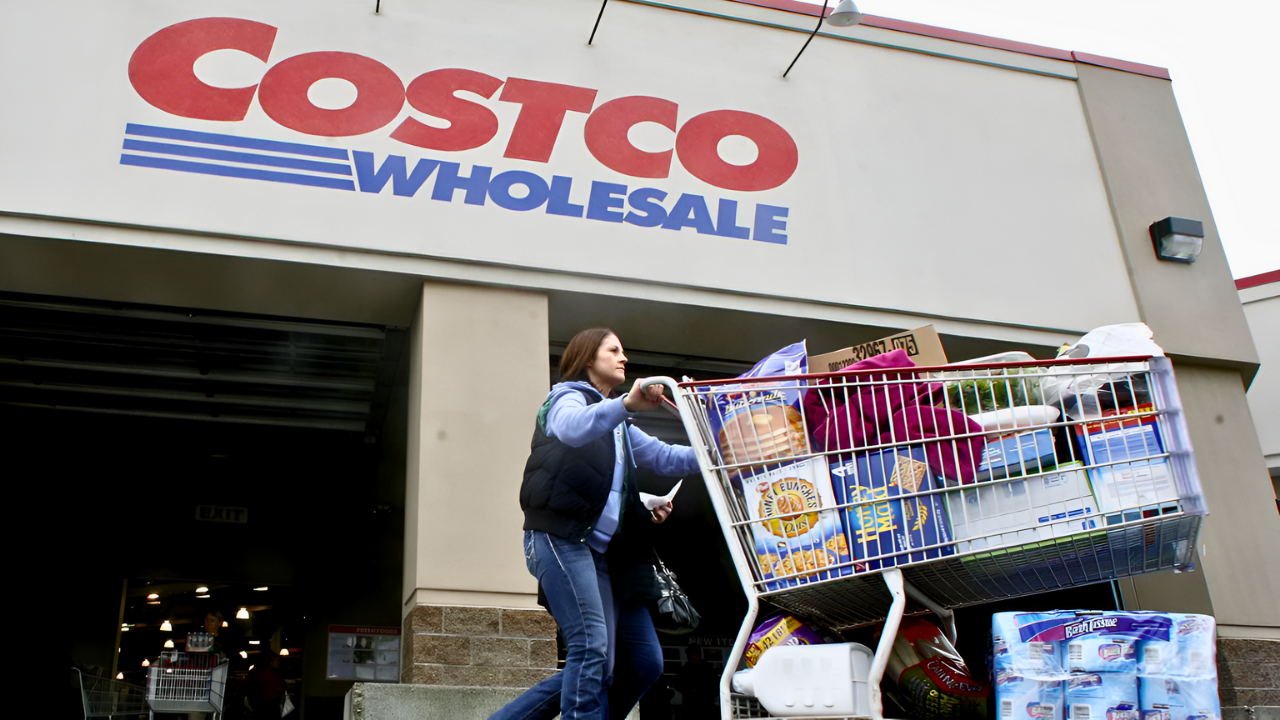
Costco, long identified with low prices and its $1.50 hot dog and soda deal, is now a central player in a court clash that could affect what millions of Americans pay for imported goods. The warehouse chain is challenging tariffs imposed under former President Donald Trump, arguing that emergency trade measures were stretched beyond their legal limits. The outcome could determine whether retailers recoup billions in duties and how much authority future presidents wield over trade without new legislation from Congress.
Tariffs, Trade Shifts, and Costco’s Business Model

Over the past several years, the United States has levied tariffs on hundreds of billions of dollars in imports, especially products from China and metals such as steel and aluminum. These charges, collected at the border, raise costs for importers, who often respond by charging more for items like electronics, clothing, household goods, and food.
For Costco, whose model relies on selling large volumes at thin margins, these higher import duties create a direct strain. The company faces more expensive overseas goods while trying to maintain a reputation for bargains that draw in its more than 100 million members. Tariffs have already pushed firms across the retail sector to reconsider suppliers, renegotiate contracts, and, in some cases, adjust prices. For shoppers, the main question is whether legal challenges will ease cost pressures on everyday purchases or cement tariffs as a lasting part of the price structure.
Presidential Emergency Powers Under the Microscope
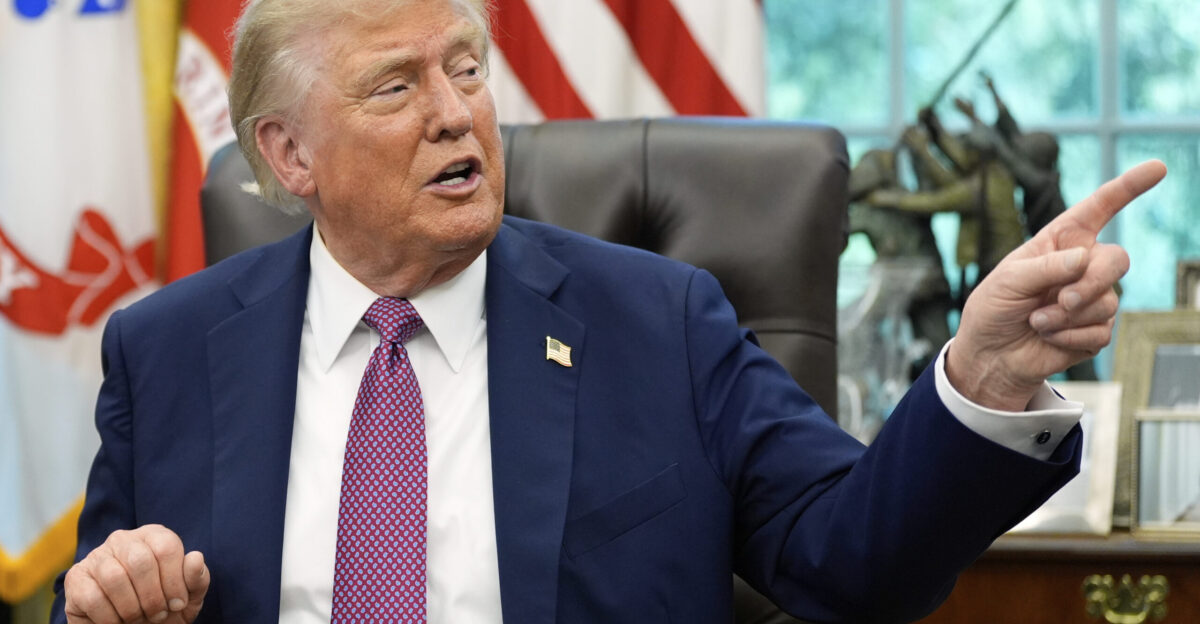
Trump’s first term introduced broad tariffs on Chinese products and key industrial materials, representing a clear turn from decades of more open trade policy. In his second term, he went further by invoking the International Emergency Economic Powers Act, or IEEPA. This law allows presidents to act quickly in response to declared national emergencies, typically tied to security threats or foreign policy crises.
The administration cited national security, drug trafficking, and trade imbalances as reasons to impose additional duties without seeking fresh approval from Congress. Critics argue that using IEEPA in this way sidesteps the Constitution’s assignment of taxing power to Congress and risks turning emergency authority into a standing economic tool. Supporters counter that a president needs flexibility to respond swiftly to global challenges that affect U.S. workers and industries.
The Supreme Court is now weighing these arguments. In oral arguments held on November 5, 2025, justices questioned both the scope of presidential discretion and the potential risks of narrowing executive options in genuine emergencies. Their decision will not only affect past tariffs but also set boundaries for future uses of emergency powers in trade disputes.
Costco’s Lawsuit and the Refund Race
Costco’s own case grew out of this broader legal battle. In 2025, the company filed suit in federal court to safeguard its ability to reclaim tariffs it has already paid if the Supreme Court ultimately rules that the IEEPA-based duties were improper. Under customs rules, importers generally must file protests or lawsuits before their tariff “entries” are finalized, or “liquidated,” by authorities. Miss those deadlines, and government agencies can retain the money even if the underlying tariffs are later scaled back or invalidated.
By going to court now, Costco aims to keep the door open for potential refunds on millions of dollars in paid duties. The company is far from alone: numerous importers and retailers, including major consumer brands and smaller firms, have mounted similar challenges or filed protective claims. Earlier, beverage importer V.O.S. Selections and toymaker Learning Resources won lower-court rulings against certain emergency tariffs, setting the stage for the current Supreme Court review.
This procedural scramble highlights a key divide. Large companies can hire specialized trade counsel to track deadlines and design litigation strategies. Smaller importers, often operating with limited legal budgets, may struggle to secure the same protections, raising concerns that any eventual relief will disproportionately benefit those with greater resources.
Shoppers, Businesses, and Global Repercussions

For households, the legal arguments may feel distant, but the consequences appear on store shelves. If the contested tariffs remain in place, higher duties on imports are likely to continue feeding into prices for electronics, apparel, and everyday supplies. If courts limit or overturn some tariffs and importers receive refunds, retailers will decide whether to use those funds to lower prices, invest in operations, or strengthen balance sheets. Any change in sticker prices is likely to be gradual, given the time it takes to resolve cases, process refunds, and renegotiate supply contracts.
Beyond domestic shopping bills, foreign governments are closely tracking the Supreme Court case. Earlier U.S. tariffs prompted retaliation from key trading partners, leading to countermeasures that affected American farmers, manufacturers, and exporters. A ruling that narrows emergency tariff tools could encourage new negotiations aimed at reducing trade barriers. A decision that upholds broad presidential authority, by contrast, may signal that sudden tariff moves will remain part of U.S. economic strategy, with potential for further friction in global supply chains already strained by pandemics and geopolitical tensions.
Looking Ahead: Power, Prices, and Policy
At its core, the Costco dispute turns on who controls U.S. trade policy in practice: a president acting under emergency statutes or a Congress given explicit constitutional authority over taxation and duties. The Supreme Court’s ruling will shape that balance for years, influencing how future administrations respond to economic and security challenges involving foreign partners.
For Costco and other import-dependent retailers, the judgment will help determine whether tariff costs stay embedded in their operations or are partly reversed through refunds. For consumers, the decision will feed into long-running questions about how global trade, domestic law, and political strategy combine to set the prices they see in the aisles. Whatever the final outcome, the case underscores how legal disputes over emergency powers can ripple outward, affecting everything from corporate planning to household budgets and international relations.
Sources
Kiplinger – “Costco Sues Over Trump Tariffs: What Could That Mean for Prices in Your Cart?”
Reuters – “Trump to impose tariffs on $50 billion worth of Chinese imports” and related U.S.
CNBC – “Costco CEO on $1.50 hot dog price”
7. U.S. Court of International Trade – “About the Court” and procedural resources