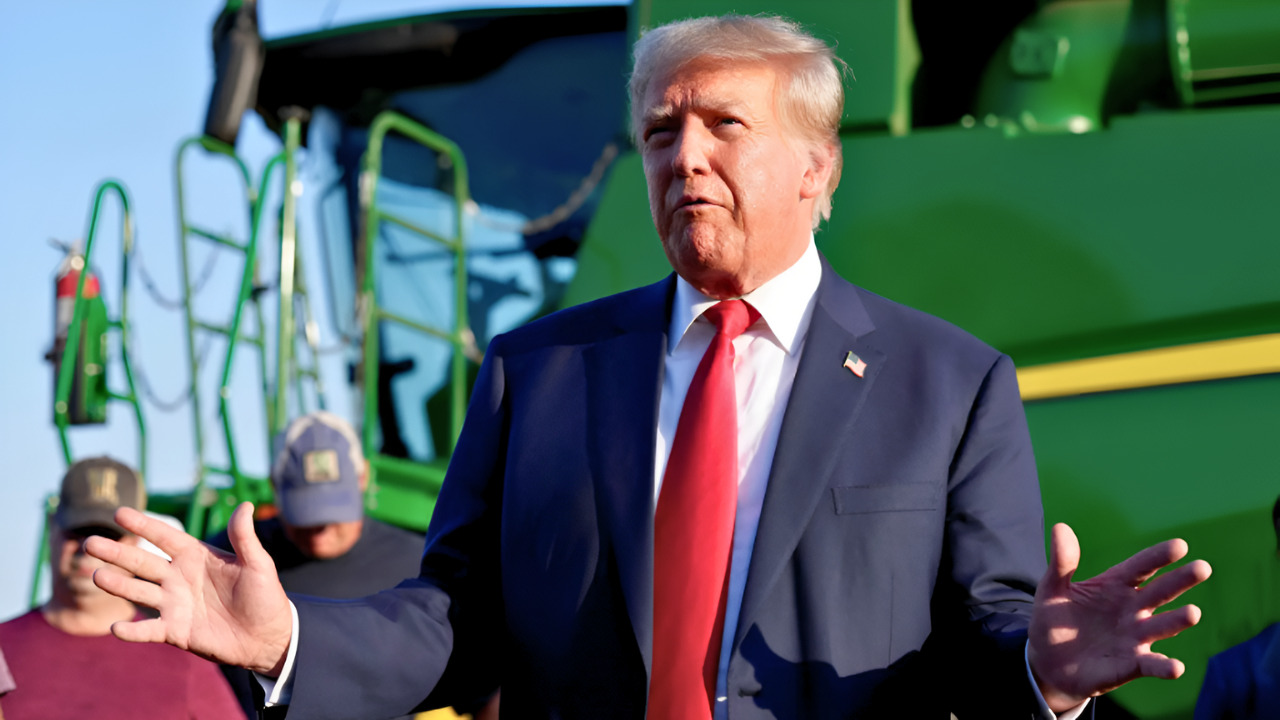
President Trump announced a $12 billion emergency farm bailout on December 8, 2025, as agricultural bankruptcy filings skyrocketed 60 percent. Farm debt reached a historic $591.8 billion while commodity prices collapsed below production costs. Farmers lose money on every bushel harvested.
Trump’s trade war policies significantly reduced China’s demand for U.S. soybeans, causing severe damage to export-dependent producers. Rural America questions whether this bailout represents genuine relief or temporary assistance.
The Perfect Agricultural Storm
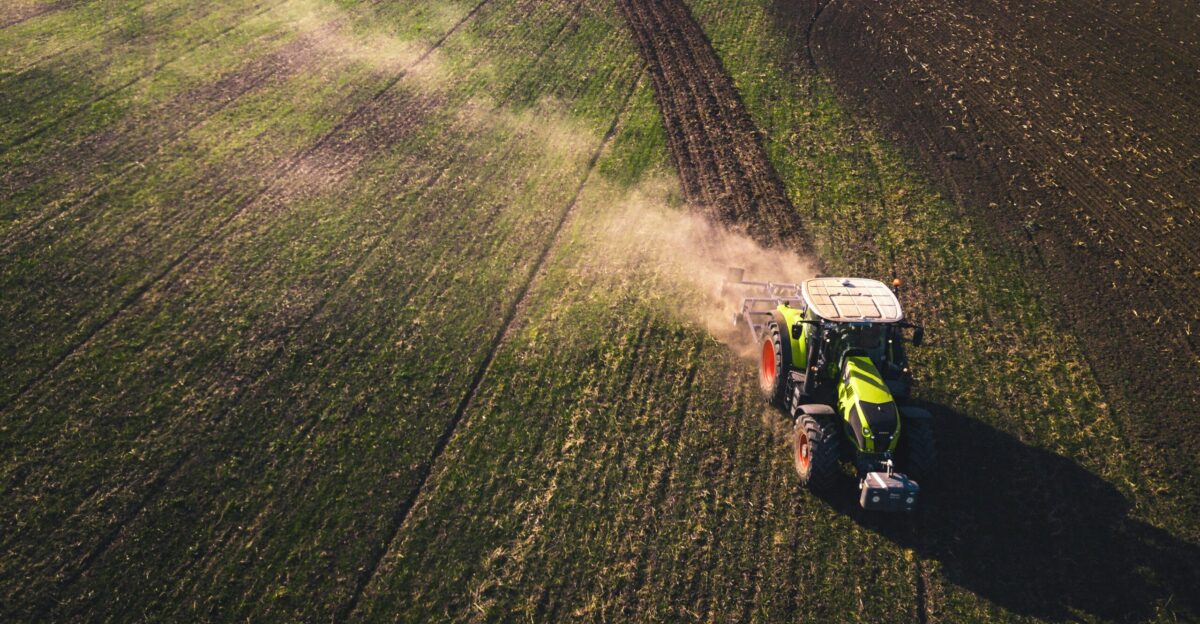
The 2025 farm crisis resulted from a combination of trade retaliation, market failure, and surging production costs. Trump’s tariff policies triggered Chinese retaliation targeting U.S. agricultural exports, particularly soybeans. China, which historically purchased 60 percent of U.S. soybean exports, halted purchases in the spring of 2025.
Production expenses surged to $467 billion annually, a $12 billion year-over-year increase. Farmers faced a devastating arithmetic: rising costs met collapsing prices, yielding only financial destruction.
When Tariffs Close Export Doors
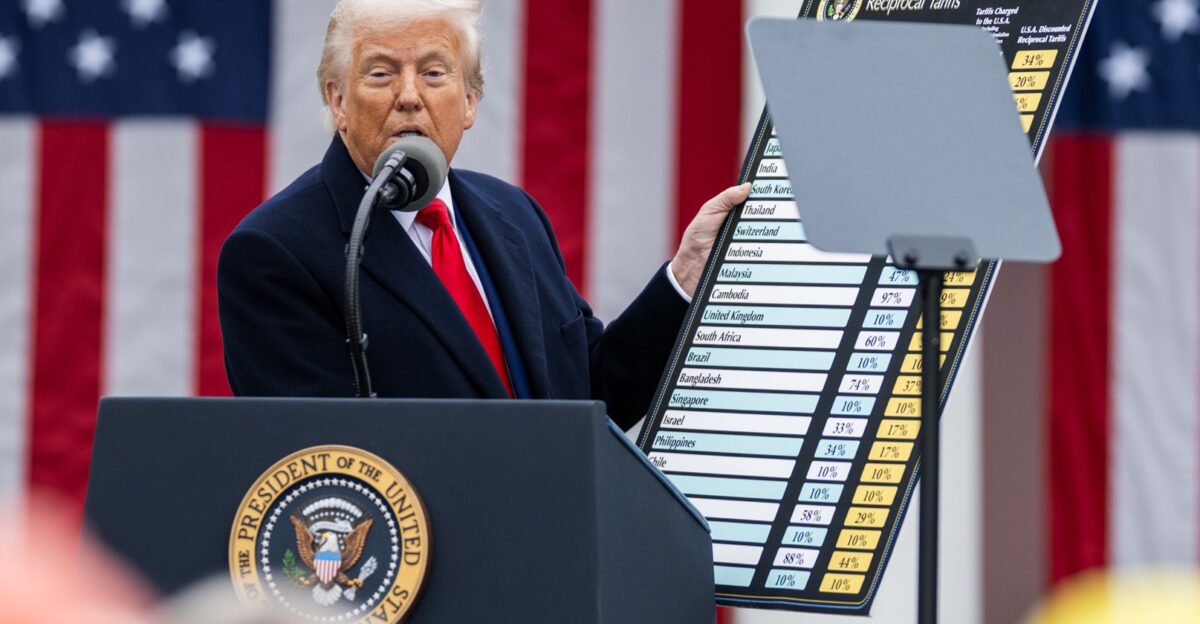
China’s soybean embargo exposed the fragility of American agriculture in protectionist global trade environments. Soybean farmers watched their primary market evaporate while global inventories redirected to Brazil and Argentina.
U.S. soybean prices plummeted to $10.35-$10.50 per bushel, down $2.50 from two years prior. Corn prices averaged $4.35 to $4.50, which is below production costs. By mid-2025, farmers were operating at a net loss, regardless of their efficiency or yields.
The Package Details

Trump’s bailout consisted of $11 billion for row crop farmers through the Farmer Bridge Assistance program, plus $1 billion for specialty crops.
Eligible crops included barley, chickpeas, corn, cotton, lentils, oats, peanuts, peas, rice, sorghum, soybeans, wheat, and specialty oilseeds. Individual payments are capped at $155,000 for farms with annual earnings of less than $900,000. Farmers had until December 19 to verify acreage reports.
The Funding Question: Where Does $12 Billion Come From?

Trump claimed tariff revenues funded the bailout, stating, “This funding would not be possible without tariffs.” The USDA’s Commodity Credit Corporation had a borrowing capacity of up to $30 billion for emergency assistance. Tariff revenues would theoretically offset future CCC expenditures.
Treasury Secretary Bessent framed payments as “liquidity bridge during transitions.” However, tariffs represent costs borne by American consumers through higher import prices and retaliatory measures.
The Broader Context: $30 Billion Already Distributed
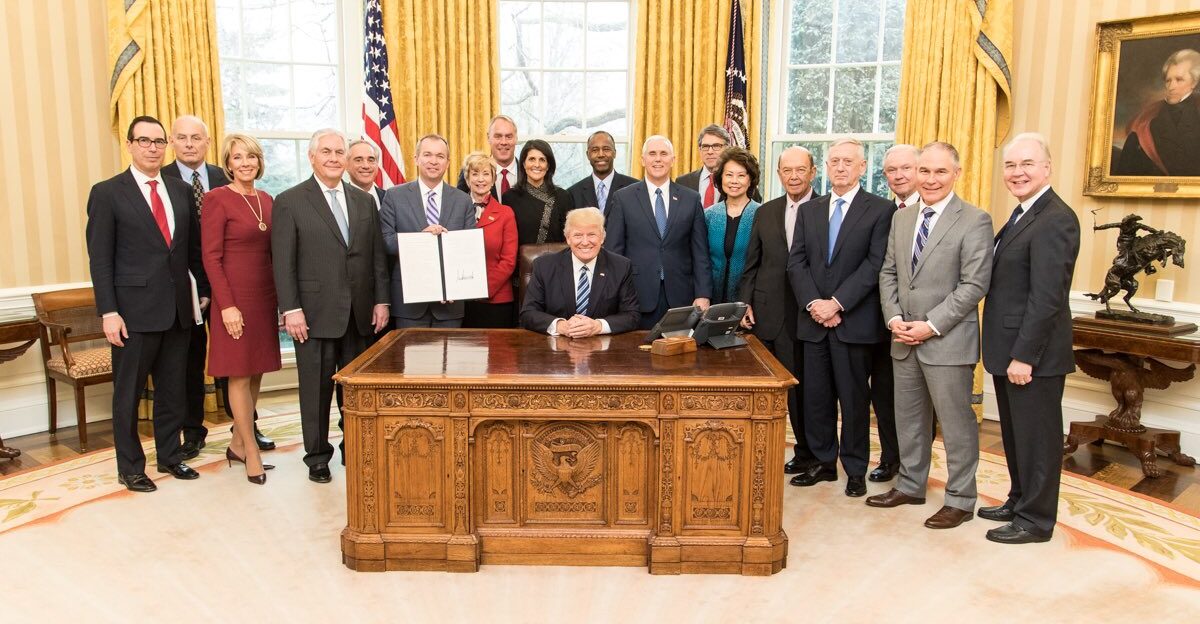
The $12 billion December bailout arrived after the Trump administration distributed over $30 billion in emergency assistance throughout 2025. The Emergency Commodity Assistance Program delivered $9.3 billion to farmers.
Marketing Assistance for Specialty Crops provided $1.8 billion. Supplemental Disaster Relief distributed $6 billion. State block grants totaled $2.5 billion. Yet, fundamental market conditions remained shattered, suggesting that temporary payments couldn’t substitute for sustained market access and fair pricing.
Bankruptcies Surge to Crisis Levels
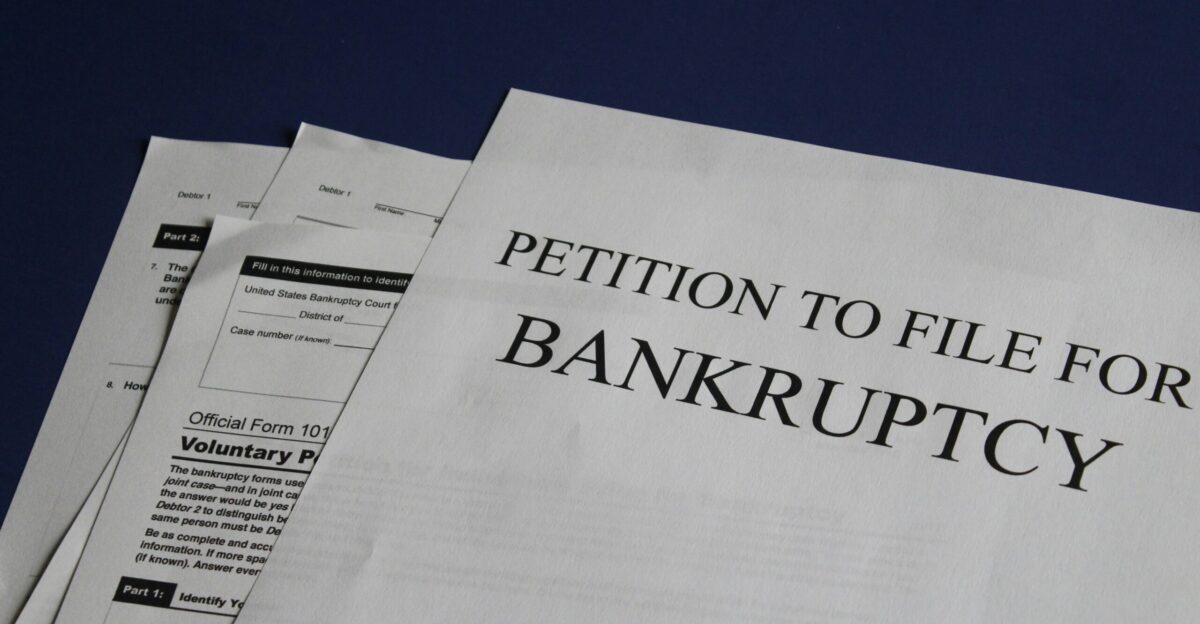
Chapter 12 farm bankruptcies—designed specifically for family farmers since 1986—surged dramatically throughout 2025. In the first half of 2025, 181 Chapter 12 farm bankruptcies were filed, representing a 57 percent increase compared to 2024.
Agricultural economists projected that 2025 could see approximately 1,000 total farm bankruptcies, the highest level in recent years. Each bankruptcy represents shuttered family farms and lost knowledge. The 11,000 vulnerable operations represent those below viable financial thresholds.
Record Farm Debt Fuels Bankruptcy Risk

Farm sector debt reached $591.8 billion in 2025, the highest level ever recorded in American agricultural history. Farm real estate debt reached $386.4 billion, while non-real estate debt totaled $205.4 billion.
Interest payments consumed $33.1 billion annually. As commodity prices collapsed and production costs surged, debt service consumed an increasingly larger share of farm income. This forced difficult choices between equipment replacement and debt repayment obligations.
The Commodity Price Collapse

Commodity prices collapsed to levels below production costs, rendering farming inherently unprofitable regardless of efficiency. Corn prices averaging $4.35-$4.50 per bushel fell short of $5+ production costs in most regions. Soybean prices, at $10.35-$10.50, represented losses, down from historical averages of $12-$14.
Wheat prices similarly languished below breakeven thresholds. These prices reflected abundant global supplies and weakened export demand. Government bailout payments couldn’t fundamentally alter this mathematics.
Production Costs Hit Unprecedented Levels
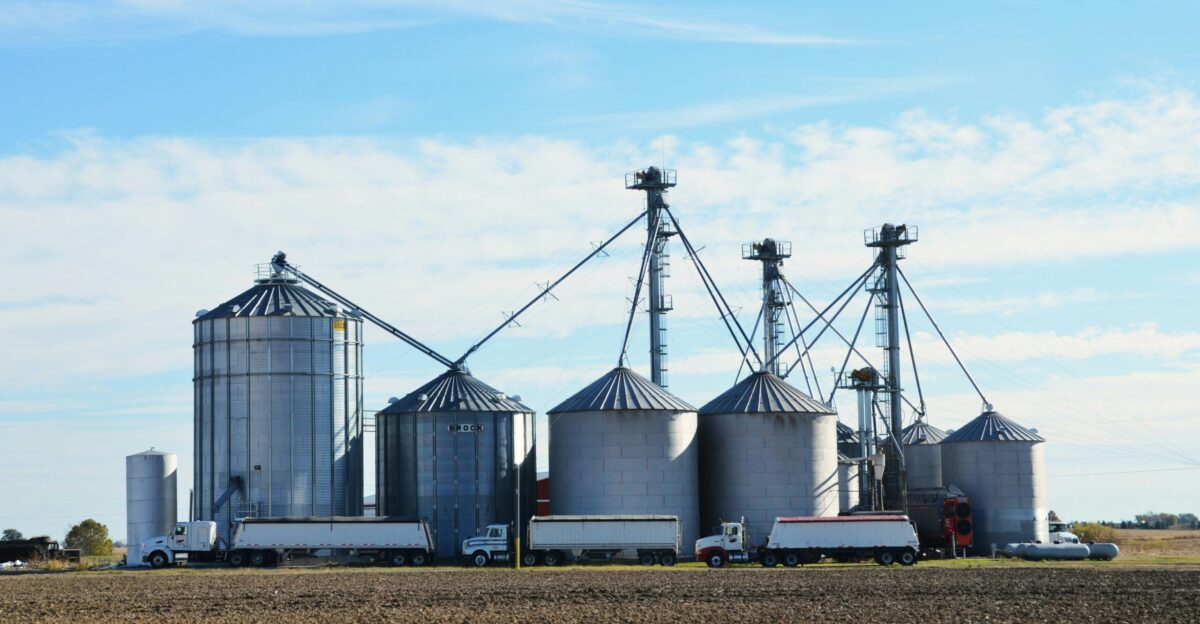
Agricultural production expenses reached $467 billion in 2025, representing a $12 billion year-over-year increase and $50 billion above the five-year average. Seed costs remained elevated despite technological improvements. Fertilizer prices stayed above historical averages.
Diesel fuel costs fluctuated in response to global energy market conditions. Equipment repair costs surged as aging machinery required maintenance. Labor costs are inflated with agricultural wage pressures. Farmers faced cost structures built for premium prices.
China’s Soybean Embargo and Retaliation

Trump’s aggressive tariff policies toward China triggered retaliatory measures targeting American agricultural exports, particularly soybeans and corn. China halted U.S. soybean purchases beginning spring 2025 as sustained strategic retaliation. This embargo devastated soybean farmers who financed spring operations, assuming normal market access.
Suddenly finding harvest destinations closed, prices collapsed as Brazilian and Argentine suppliers replaced U.S. sources. This resulted in permanent structural damage to the markets.
Uncertain Recovery Through Trade Deals
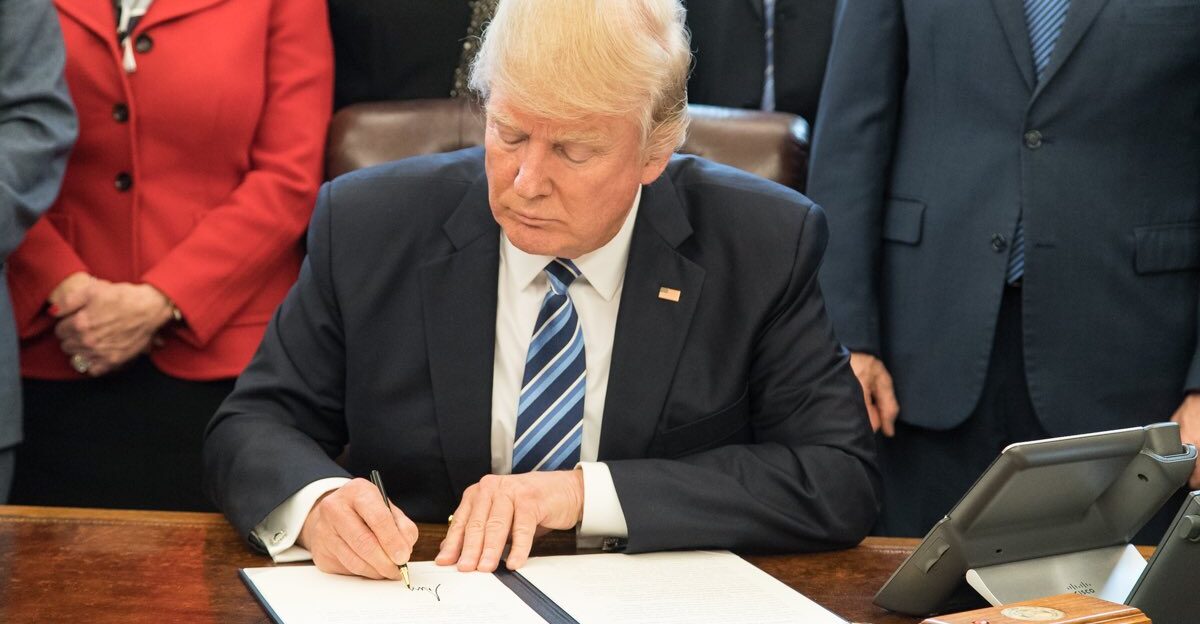
In October 2025, Trump announced that China had agreed to purchase U.S. soybeans, with commitments of 12 million metric tons by year-end and 25 million metric tons annually for 2026-2028. By early December, China acquired approximately 3 million metric tons, far below the target.
This shortfall generated anxiety among farmers regarding whether China would honor commitments. Without sustained demand restoration, farmers face compromised markets regardless of announced trade agreements and negotiations.
Farmers Express Skepticism About Bailout Adequacy
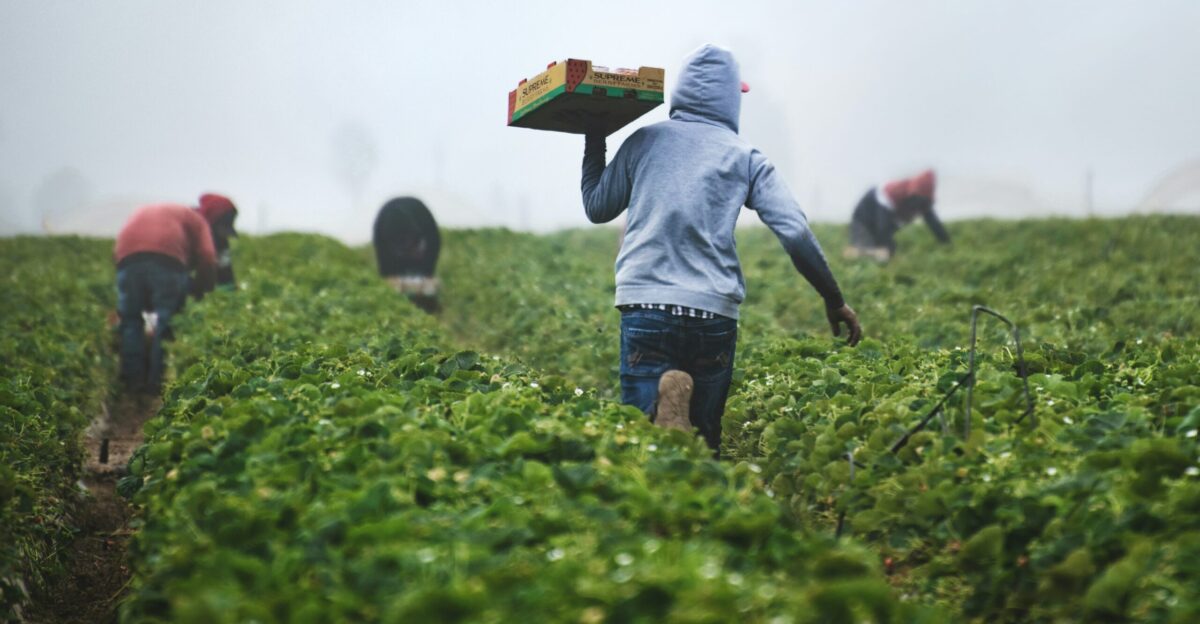
Agricultural organizations and farmers expressed doubt about whether the $12 billion bailout provided meaningful long-term relief. The National Farmers Union called it “a lifeline, not a long-term solution.”
Farmers questioned whether aid accounted for the actual 2025 crop losses while managing debt obligations. Critics argued that bailouts approached problems in the wrong way. Rather than fixing trade relationships, the government transferred taxpayer money to subsidize losses caused by policy decisions.
Equipment Manufacturers Face Demand Collapse

The crisis rippled through agricultural equipment manufacturers, as farmers postponed purchases indefinitely, resulting in demand destruction. Managing cash flow crises and debt burdens, farmers couldn’t justify new equipment investments.
Tractor sales declined 13 percent year-over-year, while combine sales plummeted 48 percent. Equipment dealers reduced staff and closed locations. Republican legislators urged Trump to provide additional assistance to target equipment manufacturers to prevent sector collapse.
Government Payments Drive Farm Income—Not Markets

Despite challenging commodity prices, net farm income for 2025 was projected to increase significantly—but not because farming became more profitable. The net farm income forecast for 2025 reached $179.5-180.1 billion, approximately $52 billion more than in 2024.
However, direct government payments reached a record $40.5 billion, a staggering $30.4 billion increase from 2024. This represented a 345 percent year-over-year increase. Without assistance, profitability would have plummeted.
The Unsustainable Dependency Model

Farm income gains rely overwhelmingly on temporary government payments rather than sustainable market revenues. Cash receipts—actual money farmers receive selling products—declined for three consecutive years despite producing similar volumes. Government payments prevent widespread farm insolvency.
This creates dangerous policy dependencies: if assistance programs expire, farm profitability evaporates immediately. Treasury Secretary Bessent framed payments as a “liquidity bridge.”
Consolidation Accelerates as Small Farms Disappear

Repeated bailouts and ongoing financial stress accelerate farm consolidation trends. Larger industrial operations expand while smaller family farms disappear. Market concentration among agricultural corporations limits the pricing power of individual farmers.
Corporate consolidation in seeds, fertilizers, and equipment artificially inflates input costs. Bailouts approach symptoms rather than addressing structural consolidation problems. Agricultural economists argue long-term sustainability requires market structure reform, not emergency payments.
Lenders Tighten Credit as 2026 Approaches

Agricultural lenders have tightened credit conditions significantly as farmers enter 2026, which may raise borrowing costs for seasonal operations. High debt levels combined with uncertain commodity markets create elevated lending risks.
The spring 2026 planting season will test whether farmers finance operations at elevated interest rates. Some agricultural regions may experience credit availability crunches. The intersection of potential credit constraints and bailout dependency creates vulnerability.
The Structural Reform Question

Sustainable solutions require addressing root causes: overproduction, corporate consolidation, and China’s export dependency. Trade negotiations alone appear insufficient for sustainable farmer profitability.
Market fundamentals require deeper restructuring. Without such reforms, farmers likely remain dependent on recurring government assistance programs. Trump’s trade deals and agricultural initiatives will determine whether 2026 brings a genuine recovery or deepening reliance on government support mechanisms.
Understanding the Agricultural Ecosystem

The bailout response involved multiple federal agencies shaping agricultural policy. The USDA, led by Agriculture Secretary Brooke Rollins, manages commodity programs and lending. The Commodity Credit Corporation possesses borrowing authority for emergency assistance. Treasury Secretary Scott Bessent coordinates fiscal aspects. Agricultural organizations advocate for farmer interests.
Equipment manufacturers face declining demand. Global markets, particularly the Chinese demand for soybeans, have a profound influence on American farmer profitability.
Sources:
USDA Trump Administration Announces $12 Billion Farmer Bridge Payments Press Release, December 8, 2025
Reuters Trump Unveils $12 Billion Aid Package for Farmers Hit by Trade War, December 8, 2025
Bloomberg Trump Set to Unveil $12 Billion Aid for Farmers Hit by Trade War, December 8, 2025
USDA Farm Sector Income Forecast and Economic Research Service; Assets, Debt, and Wealth Data 2025
U.S. Courts Chapter 12 Bankruptcy Basics for Family Farmers; Farm Policy News Illinois Farm Bankruptcies Analysis July 2025
Minneapolis Federal Reserve Agricultural Credit and Bankruptcy Trends Report September 2025
Agricultural Economics Studies on 2025 Grain Profitability Outlook and Commodity Price Analysis
National Farmers Union Statements on Agricultural Assistance Programs; American Farm Bureau Federation Farm Income and Government Payment Analysis 2025