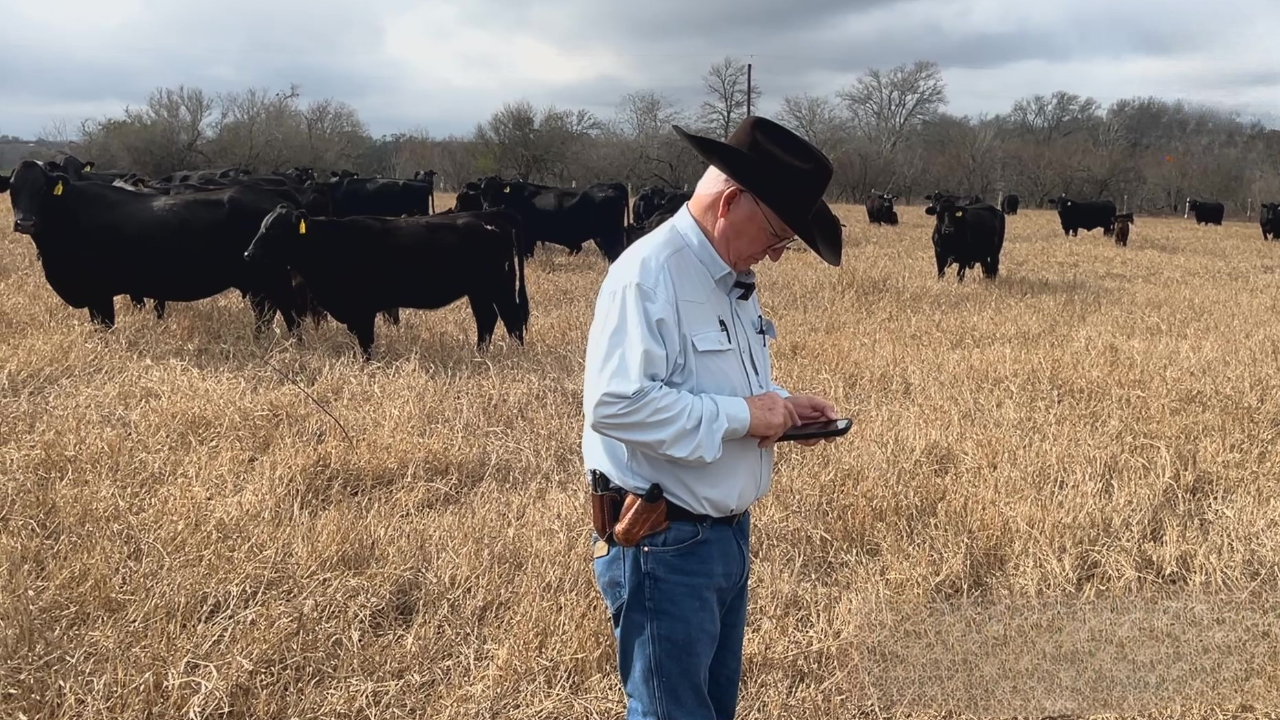
American cattle ranchers, already struggling with low herd numbers and unstable markets, faced another blow in late 2025. The federal government announced a major change in trade policy, quadrupling Argentine beef import quotas from 20,000 to 80,000 metric tons, with lower tariffs. This October decision sent shockwaves through the cattle industry, quickly driving down prices and reviving fears of another downturn.
The move came when the U.S. cattle herd had already fallen to 86.7 million head, the lowest number since 1951. For ranchers who had just started to recover from years of drought and high costs, the timing could not have been worse.
From Protection to Disappointment
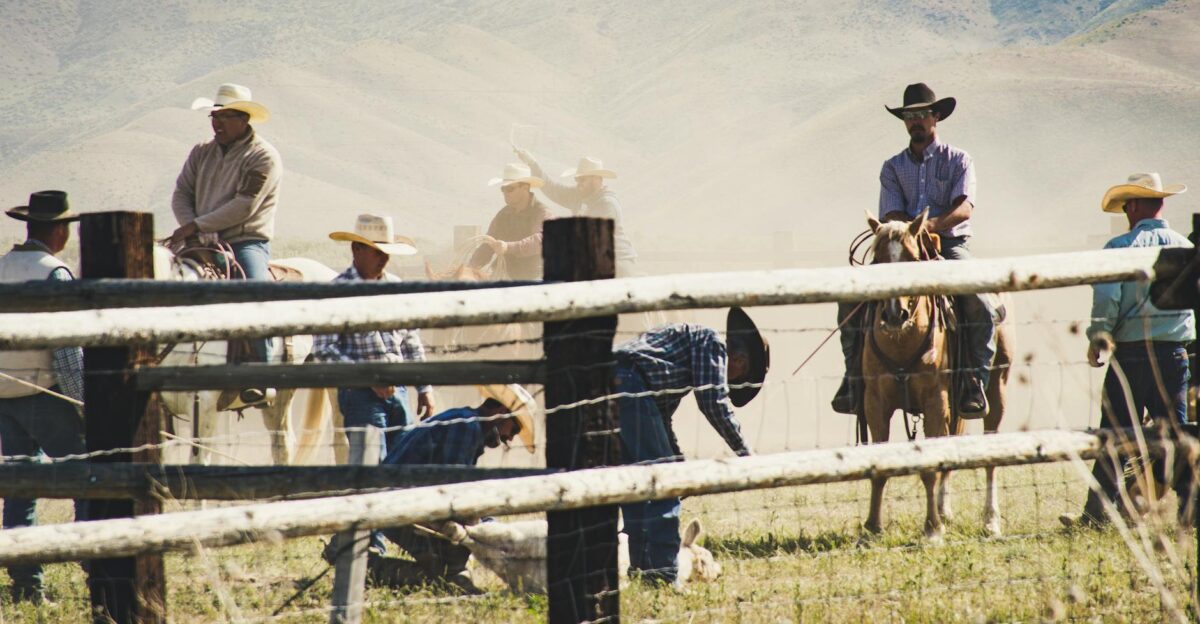
Earlier in 2025, ranchers had praised President Trump’s protectionist approach. In April, he imposed 10% tariffs on most beef imports, followed by a 40% tariff on Brazilian beef in July. These actions limited foreign competition, raising domestic prices and boosting ranchers’ profits. By August, fed cattle sold for a record $244.25 per hundredweight, and cow-calf margins, essentially rancher profits per animal, rose to $900, more than double the previous year’s average. Many producers saw stable returns for the first time in years.
However, as prices for steaks and burgers soared, consumers grew angry. Ground beef hit $6.32 a pound in August, a 13% jump from the year before, while sirloin climbed to $14.31, a 24% increase. In mid-October, Trump hinted he might ease beef import rules to lower grocery costs. Days later, he announced tariff-free Argentine imports, praising his earlier tariffs but saying it was time to focus on “helping consumers.”
The market reaction was immediate. Feeder cattle futures fell by $41 per hundredweight overnight, costing ranchers up to $100 per head in value. Live cattle futures plunged from $247 to $224 within 10 days, forcing temporary market pauses to stabilize trading.
Ranchers Push Back
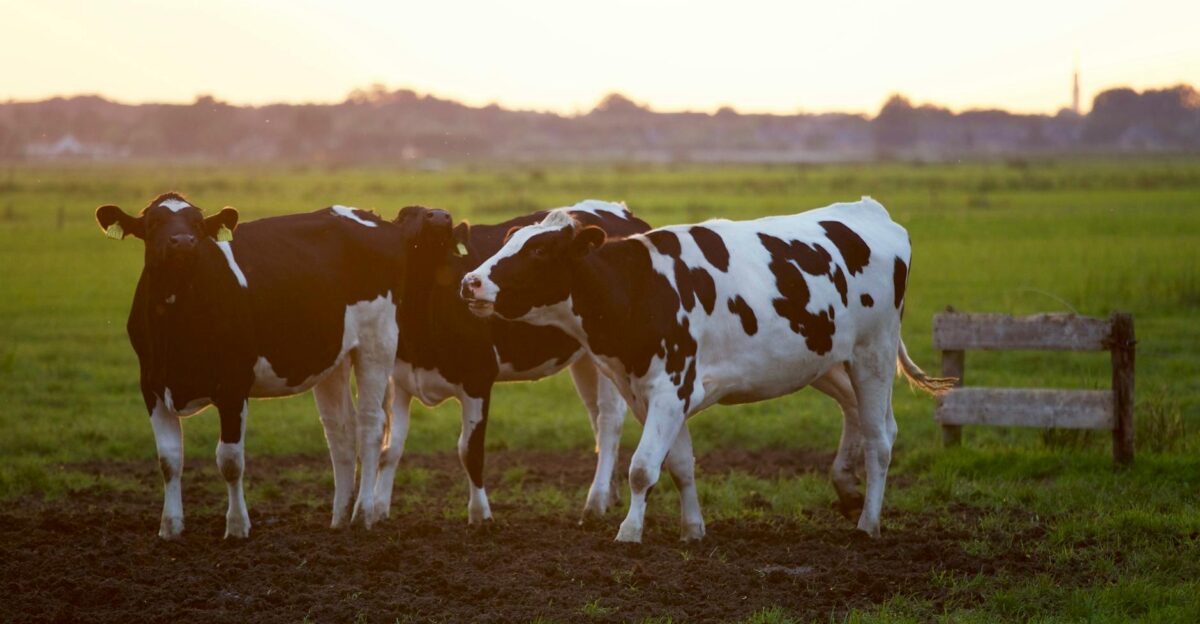
The reaction from cattle country was swift and emotional. Producers said the new policy wiped out months of progress. Many felt betrayed by a government they had strongly supported. “I don’t really understand it politically, he just alienated his biggest supporters,” said Texas rancher Jerrel Bolton. Others echoed his disbelief. “People are acting like ranchers are the problem,” said Hank Herrmann. “We were finally making enough to pay bills, and now that’s gone.”
Industry leaders also criticized the decision. National Cattlemen’s Beef Association CEO Colin Woodall said the organization “cannot stand behind the President while he undercuts the future of family farmers and ranchers.” He urged the administration to let cattle markets stabilize on their own instead of turning to foreign imports for short-term price relief.
Even after the government reversed other tariffs, canceling the 10% levy in mid-November and ending the Brazilian tariff later that month, the damage was done. Prices stayed low, and many ranchers had to sell calves at losses.
Deeper Problems in the Industry
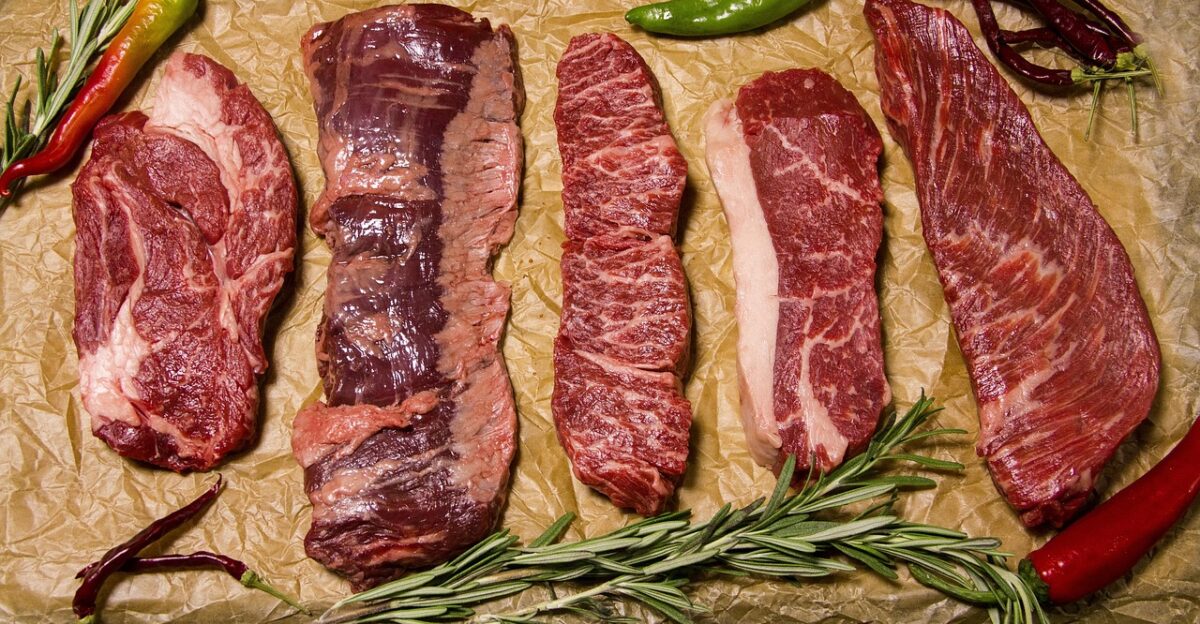
The import change alone could not fix America’s beef supply issues. Argentina still made up only about 2% of U.S. beef imports, and the quota expansion represented less than 1% of total U.S. beef consumption. Economists pointed out that even without tariffs, Argentina’s role in the market was small. The greater threat came from Brazil, which supplied one-third of all U.S. beef imports, about 260,000 metric tons by late 2025, and was now free to export more following the tariff rollbacks.
Beyond trade, the industry faces structural challenges. Four companies, Tyson, JBS, Cargill, and National Beef, control more than 80% of beef processing. This consolidation gives them huge power over prices, often squeezing ranchers even when retail beef costs stay high. In early 2025, JBS settled an $83.5 million antitrust lawsuit without admitting wrongdoing, and a Justice Department investigation launched in November offered little immediate hope for change.
Meanwhile, ranchers face difficult choices about rebuilding herds. Keeping young female cattle (heifers) to expand herds means giving up $2,000 to $3,000 in immediate income and paying hundreds more each year for feed and care. “There’s nothing anyone can do to change this quickly,” said Oklahoma State University economist Derrell Peel. Omaha Steaks CEO Nate Rempe warned that consumers could soon see ground beef prices reach $10 per pound by mid-2026, with relief unlikely before 2027.
After years of mixed signals and sudden policy shifts, ranchers are wary of expanding herds again. Experts say continued uncertainty could delay recovery and keep beef supplies tight through 2027. Whether the next administration focuses on deeper structural reforms, such as breaking up processing monopolies and strengthening domestic supply chains, or sticks to quick fixes will determine the long-term stability of U.S. cattle ranching and beef production.
Sources:
Trump Removes Tariffs on Brazil Beef & Coffee. Reuters, November 20, 2025
President Trump Undercuts America’s Cattle Producers. National Cattlemen’s Beef Association, October 22, 2025
Statement on Government Effort to Lower Beef Prices. R-CALF USA, October 17, 2025
Summary of Market Conditions: Cattle Producers Enjoying Record Highs. Meat Institute, October 2025
Beef Prices Headed to $10 a Pound by 2026, Industry CEO Warns. Fox Business, November 2025
America First Means American Beef. Representative Jason Smith, October 25, 2025