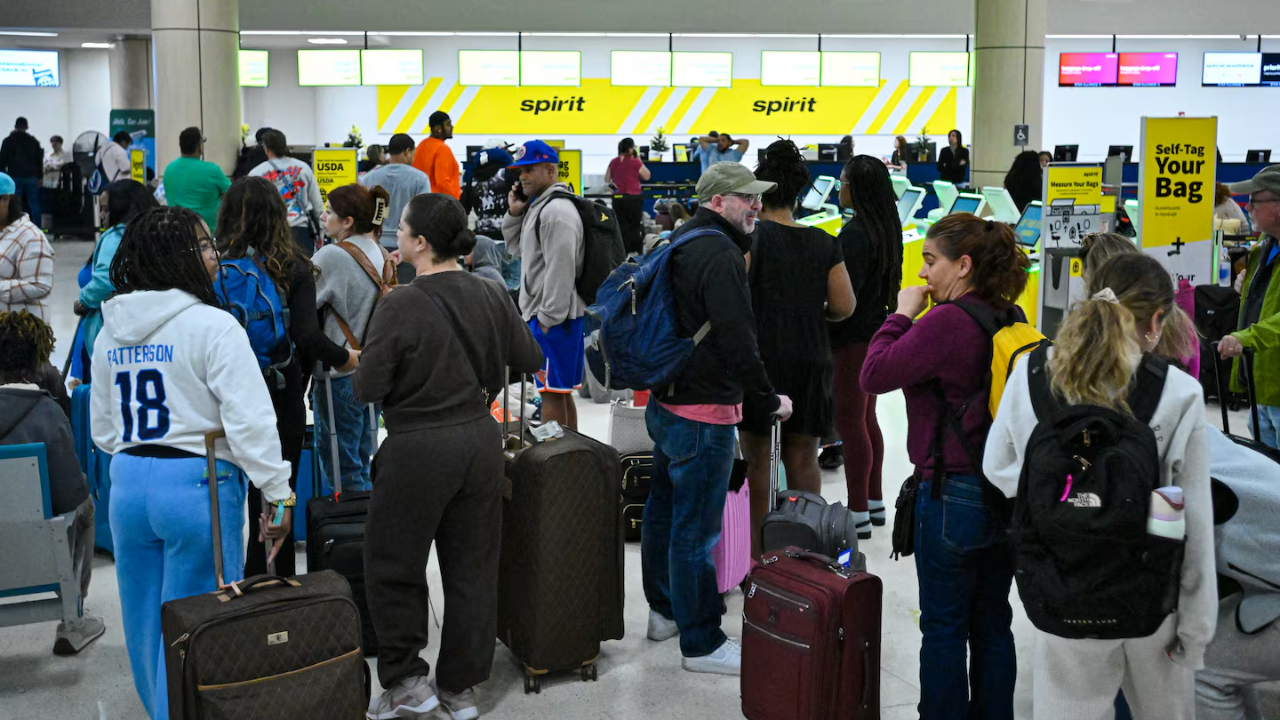
On January 3, 2026, one airline accounted for nearly one-third of all US flight cancellations despite operating just a fraction of the nation’s flights. That single day became a watershed moment, revealing vulnerabilities in the US aviation system that algorithms, technology, and decades of operational expertise had failed to prevent.
Tens of thousands of passengers faced rebooking nightmares onto already-saturated flights. What triggered this disproportionate collapse?
System Paralysis Unfolds
The January 3 chaos wasn’t isolated to a single carrier. Across six states, Georgia, Florida, Massachusetts, Michigan, California, and New York, airlines grounded 212 flights and delayed 3,876 others, affecting approximately 4,088 operations in a single day. Atlanta’s Hartsfield-Jackson International Airport alone reported 28 cancellations and 182 delays.
Miami and Los Angeles each experienced over 170 delays. The disruption coincided with post-holiday travel surges, winter weather requiring de-icing procedures, and congestion at air traffic control. Yet one carrier’s crisis amplified the chaos exponentially.
Ultra-Low-Cost Origins
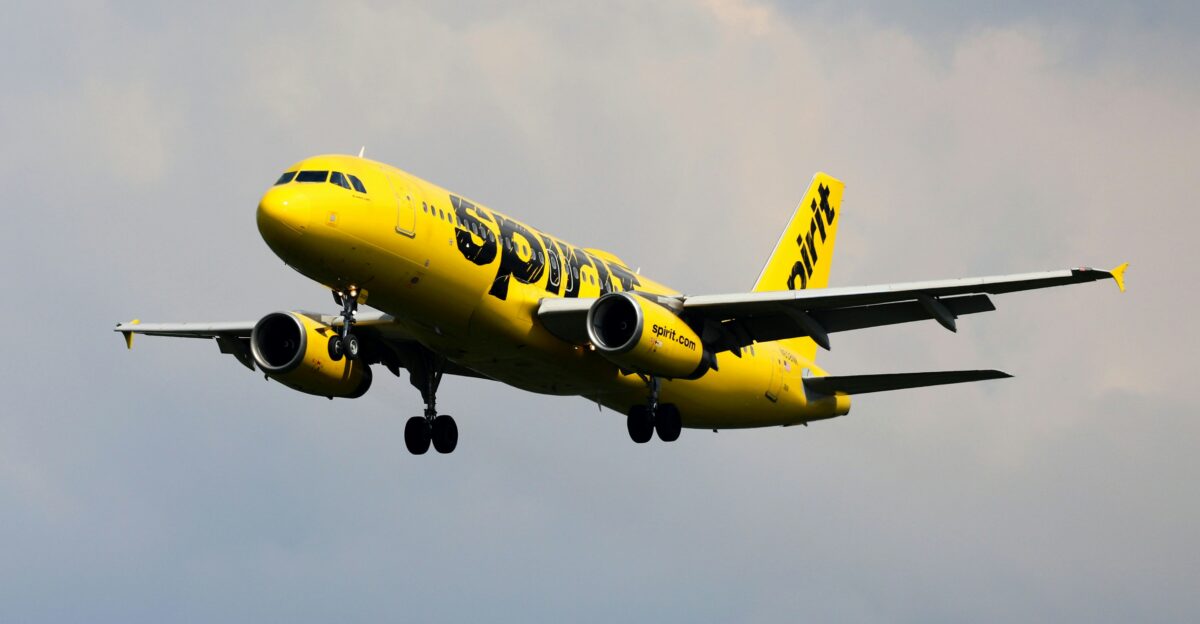
Spirit Airlines pioneered the ultra-low-cost carrier (ULCC) business model in the US, launching in 1983 with the promise of democratizing air travel through bare-bones, price-focused operations. For two decades, the Dania Beach, Florida-based carrier thrived by charging separately for seat selection, baggage, boarding priority, and water, monetizing every passenger touchpoint.
Legacy carriers initially dismissed this model as unsustainable. However, by the 2010s, American, Delta, and United launched competing “basic economy” fares, emulating Spirit’s philosophy while leveraging larger networks and operational scale.
Mounting Pressures Before Collapse
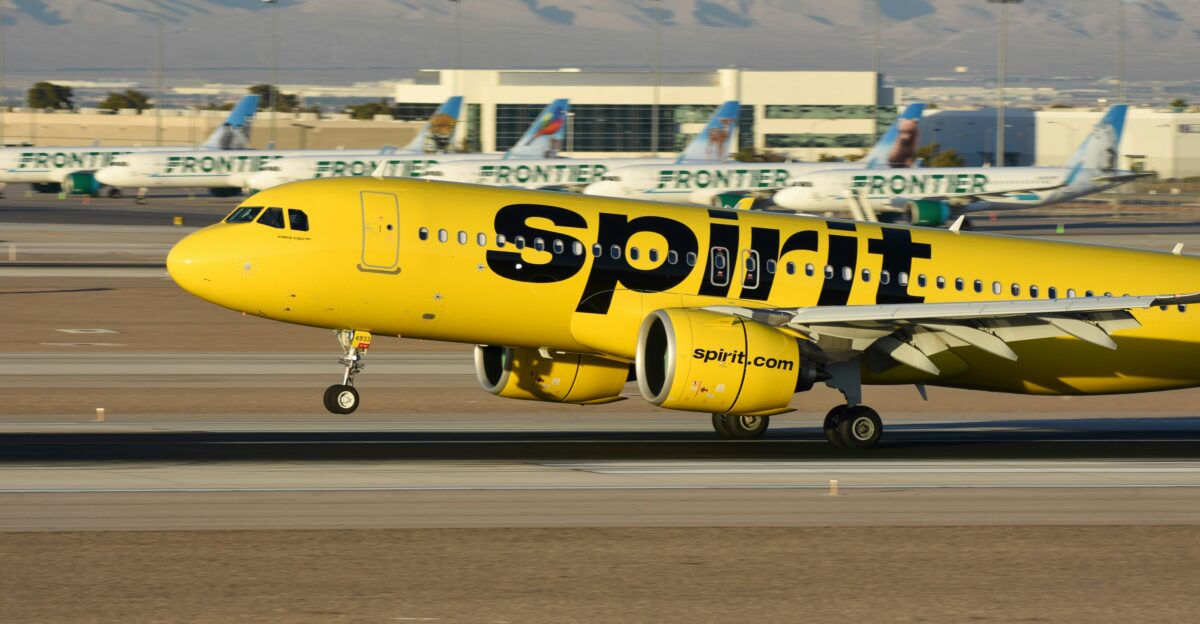
Spirit’s profitability eroded as legacy carriers undercut the pricing of ULCCs. By 2020, the airline had cumulatively lost $1.2 billion. Failed merger attempts with Frontier Airlines (2022), JetBlue Airways (blocked by federal court in 2024), and chronic losses from rising fuel costs, labor disputes, and intense competition created a vortex.
In November 2024, Spirit filed its first Chapter 11 bankruptcy in the company’s history, becoming the first major US airline to seek such protection since 2011. Even as restructuring began, the question haunted analysts: Could a fundamental business model broken by legacy competition ever truly recover?
Phoenix Exit Signals Operational Surrender
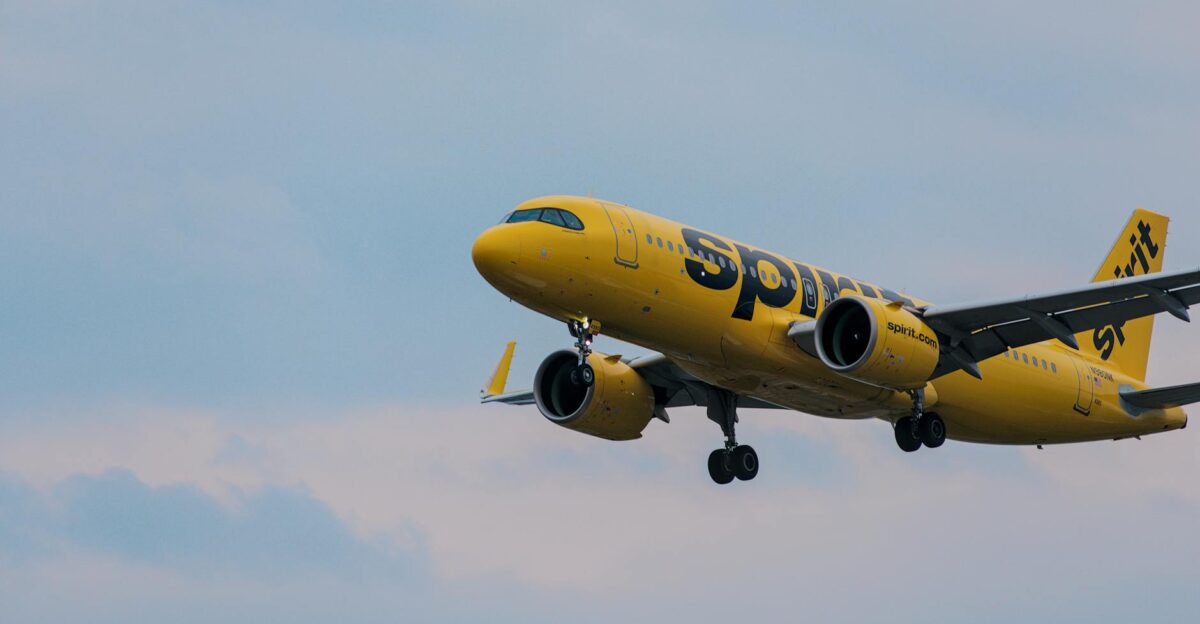
In November 2025, Spirit announced that it would cease all operations at Phoenix Sky Harbor International Airport, effective January 8, 2026, marking another retreat in its shrinking network.
Phoenix became one of 11 cities Spirit abandoned during its second bankruptcy restructuring, joining Albuquerque, Birmingham, Boise, Chattanooga, Columbia, Oakland, Portland, Sacramento, Salt Lake City, and San Diego on the exit list. The Phoenix pullout occurred just as the airline’s cash crisis reached critical velocity. This operational surrender was not a strategic retreat; it was a matter of triage.
Fort Lauderdale Hub Hemorrhage
Spirit’s largest hub, Fort Lauderdale-Hollywood International Airport, typically handled over 150 Spirit departures daily and accounted for more than 30% of the airline’s total operations. On January 3, Fort Lauderdale reported 25 Spirit cancellations and 219 delays, the highest concentration among all affected airports.
Passengers attempting to reach connecting flights faced cascading disruptions. Ground crews operated with insufficient staffing due to bankruptcy-driven furloughs and crew departures to competitor airlines, which offered more stable employment opportunities. The mechanical failures and maintenance deferrals that defined Spirit’s operational crisis manifested most visibly at its most extensive base.
The Workforce Implosion
In October 2025, Spirit notified the pilots’ unions that it would furlough 365 pilots, effective Q1 2026, and downgrade 170 captains to first officers, resulting in a 30-40% pay cut that significantly impacted crew morale. This expanded an earlier plan for 270 pilot furloughs announced in mid-2025.
Simultaneously, Spirit furloughed 1,800 flight attendants, representing approximately one-third of the cabin crew. The airline employed roughly 2,400 pilots before the furlough cascade began. In the chaos, experienced pilots departed for United, Delta, American, and Southwest, all of which were actively hiring, creating an expertise drain and a degradation in reliability.
American Airlines Circles for Assets
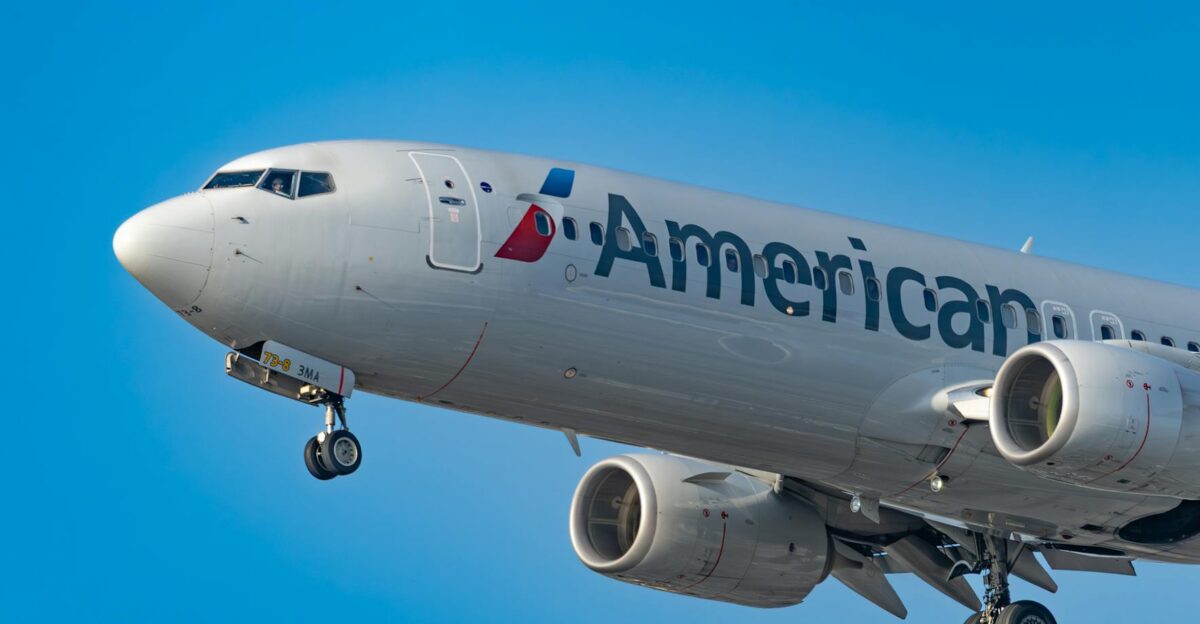
On December 5, 2025, American Airlines filed a “Notice of appearance” in Spirit’s bankruptcy proceedings, requesting to receive all future notices, reorganization plans, liquidation documents, and operating reports. The filing, dated three weeks before the January 3 chaos, signaled America’s interest in acquiring Spirit’s assets if the company were to proceed with liquidation.
Spirit’s inventory included over 200 undelivered Airbus A320neo aircraft, as well as valuable airport slots at competitive hubs such as New York’s JFK and Boston’s Logan, and Fort Lauderdale’s operations. For Americans, acquiring slots without absorbing Spirit’s bloated cost structure presented a strategic opportunity. The timing suggested American was preparing for liquidation.
The $795 Million Debt Restructuring That Changed Nothing
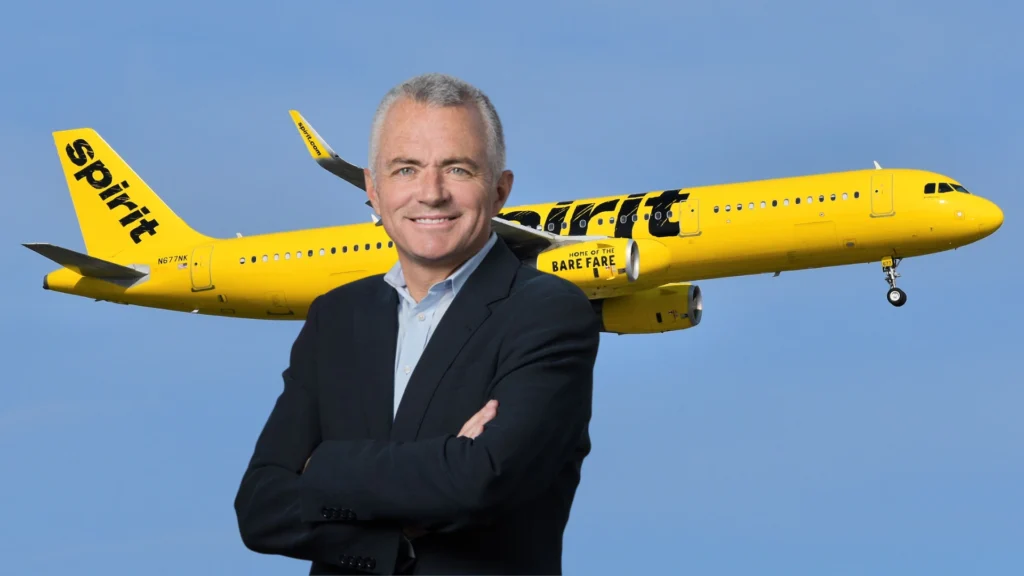
When Spirit emerged from its first bankruptcy in March 2025, CEO Dave Davis celebrated: the airline had equitized $795 million in debt, received a $350 million equity investment from existing shareholders, and promised to “return to profitability.” Analysts predicted a sustainable turnaround.
Instead, Spirit’s operating expenses remained at 118% of revenues, structurally unprofitable before costs were covered. Legacy carriers’ aggressive basic-economy pricing crushed ULCC margins. By August 2025, just five months after its emergence, Spirit’s quarterly loss had reached $246 million. The restructuring had addressed debt but not the broken business model.
The Sick Call Spike: Pilot Rebellion
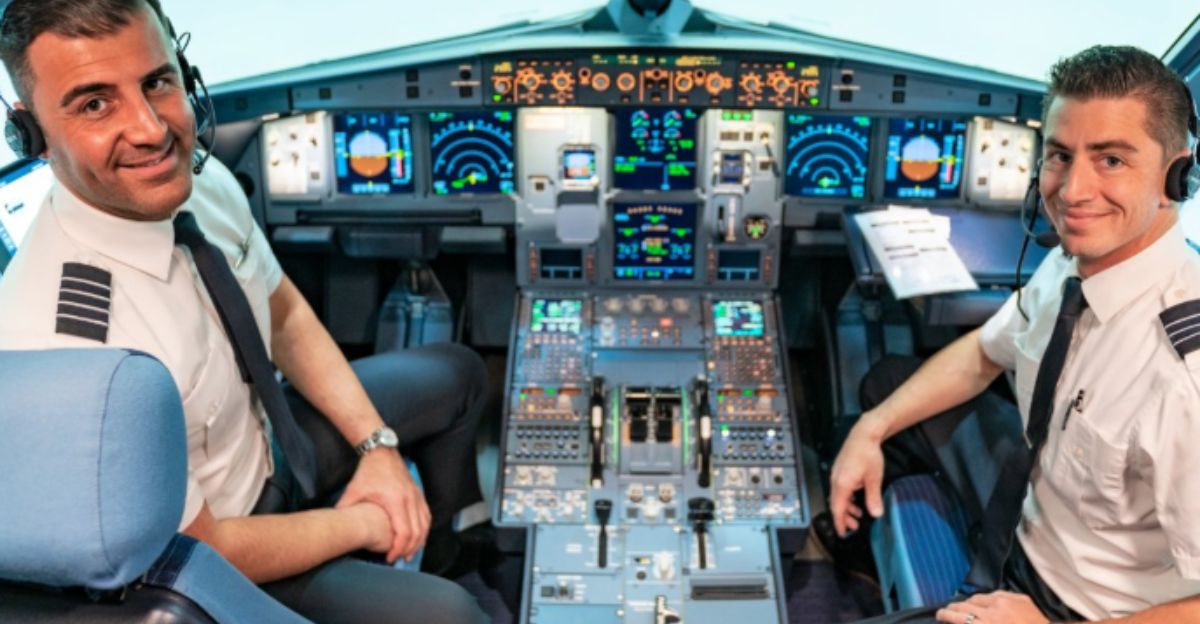
On January 3, 2026, Spirit’s operational collapse was driven partly by mechanical failures but primarily by human factors. Internal Spirit memos obtained by industry media revealed “record sick calls” on January 3–4, with absence rates exceeding previous periods by “nearly 250% on some days.” Pilots were calling in sick en masse, an illegal strike by another name, in response to pay cuts (170 captains downgraded 30-40%), job insecurity from furloughs, and despair about the airline’s survivability.
When 250 more pilots than normal vanish from crew scheduling on a peak travel day, the system breaks. This wasn’t a mechanical failure or weather anomaly; it was organized labor sabotage disguised as illness.
Fort Lauderdale Ground Crews Rebel Too
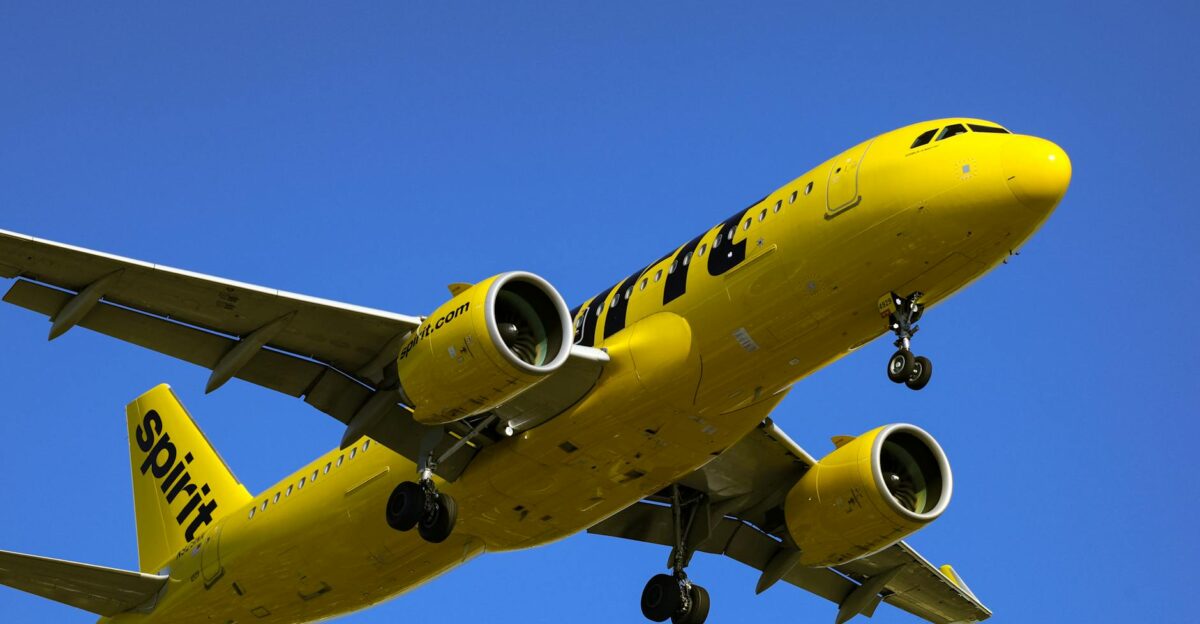
Spirit’s deterioration extended beyond pilots. At Fort Lauderdale, Spirit’s largest hub, ground crews experienced chronic understaffing due to furloughs, vendor payment disputes that delayed maintenance supplies, and deferred aircraft servicing resulting from cash shortages. On January 3, planes scheduled for 10 AM turnarounds were still on the gates at 2 PM without boarding bridges, fuel, or maintenance clearance.
Customers raged on social media about Spirit crew “sitting in break rooms ignoring calls.” One Fort Lauderdale gate agent described: “We have 30 aircraft in need of maintenance but only three mechanics on duty because we cut so deep.” The operational cascade, with pilots unavailable, planes unserviced, and crews exhausted, created paralysis.
Why Restructuring II Won’t Work
Spirit CEO Dave Davis admitted in the August 2025 bankruptcy filing: “Since emerging from our previous restructuring, it has become clear there is much more work to be done.” The second restructuring plan focuses on fleet reductions (returning aircraft to lessors), route cuts (including Phoenix and 10 other cities), and further furloughs.
However, analysts note that the plan doesn’t address the core problem: ULCC economics are flawed when legacy carriers operate at similar price points. United, Delta, and American’s basic-economy fares undercut Spirit’s costs per available seat-mile. Spirit’s November 2025 cash burn rate, reported as $47 million (FlightGlobal) to $59 million (Travel Tourister), suggests that total reserves will be exhausted by late 2026 without dramatic intervention.
Pilot Union Warnings: “This Will Be Harder”
The Association of Flight Attendants issued a stark warning in September 2025: “This bankruptcy will be much more difficult than the last one, and we must be prepared to act to protect our interests.” Pilots’ unions demanded transparency and a “credible path to profitability” from management.
Instead, they received furloughs, downgrades, and promises that never materialized. By January 3, 2026, crews had lost confidence in leadership. The 250% spike in sick calls wasn’t an accident; it was a result of resistance. Union representatives warned that if management imposed givebacks without a demonstrable path to viability, the “workforce will protect itself.”
The Going Concern Question
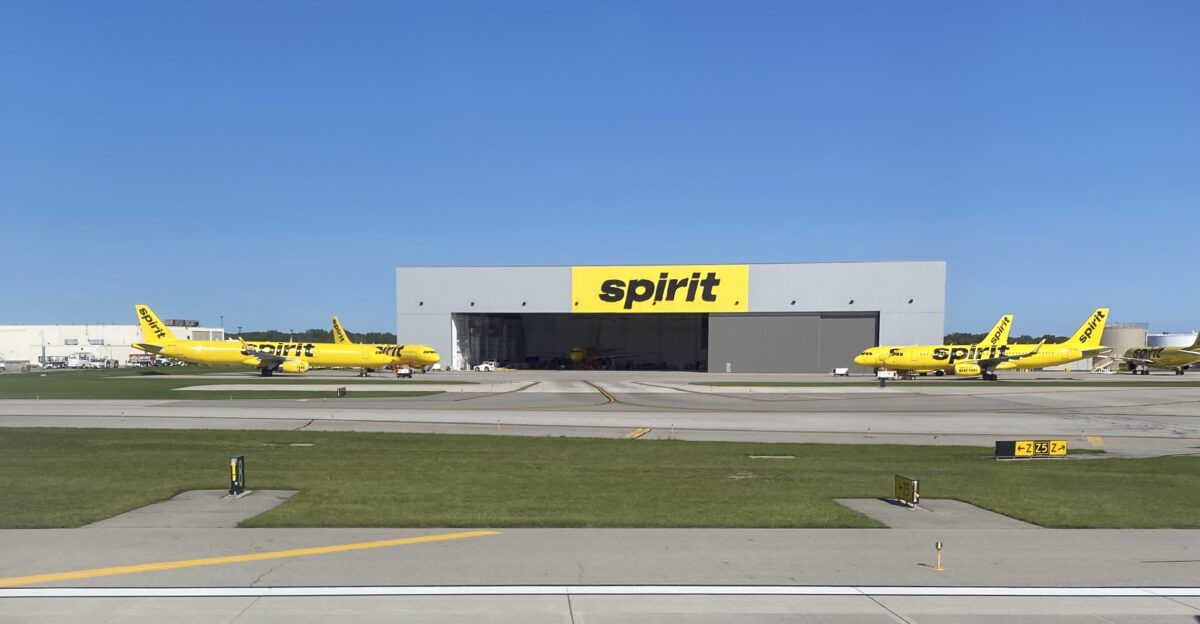
In its Q3 2025 earnings filing, Spirit disclosed that “substantial doubt exists” about the company’s ability to continue as a “going concern” beyond 2026 without capital infusion or strategic intervention. Management warned that quarterly losses could potentially exceed $300 million if the restructuring fails. The airline has no clear path to profitability under current market conditions.
American Airlines’ December 5 bankruptcy notice filing suggests that major carriers are positioning for liquidation, not a successful reorganization. If Spirit fails, passengers holding non-refundable tickets lose their fares. Employees face unemployment. The ultra-low-cost model, championed as a means of democratizing aviation, may have reached its end-of-life cycle.
What Comes After Spirit?
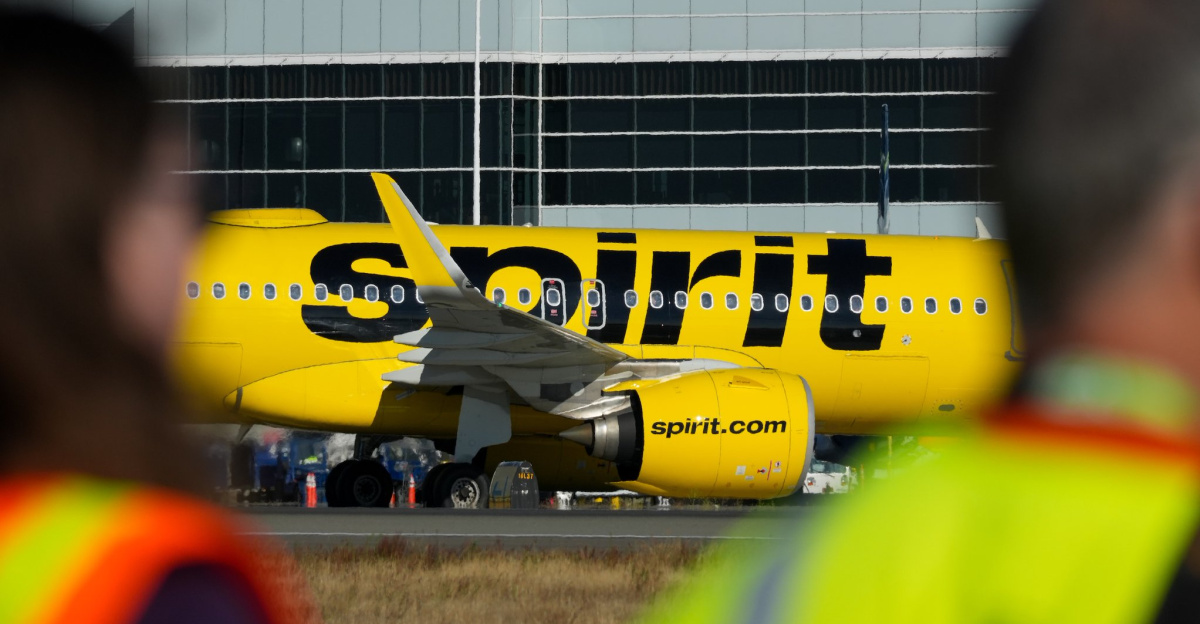
The January 3, 2026, chaos raises an uncomfortable question: Is the ultra-low-cost model sustainable in a market dominated by legacy carriers that operate basic-economy fares at lower unit costs? Spirit’s collapse, with two bankruptcies in five months, suggests the answer is no. The airline’s 29% share of US cancellations on January 3, despite operating only 5% of capacity, crystallizes its disproportionate system impact as a failing node.
If American Airlines acquires Spirit’s assets after liquidation, those Airbus jets and airport slots will be integrated into the legacy carrier’s networks, rather than being preserved as independent ULCC operations. The post-Spirit era may feature zero pure ultra-low-cost carriers in the US market, with only basic-economy-focused legacy carriers remaining. For passengers seeking the lowest fares, that consolidation means fewer choices and less leverage to negotiate pricing.
Sources
Travel Tourister – US Flight Chaos January 3-4, 2026 Coverage
Reuters – Spirit Airlines Bankruptcy, Pilot Furloughs, and American Airlines Strategic Positioning
Financier Worldwide – Spirit Airlines Second Chapter 11 Filing Analysis and Financial Performance
FlightAware – Real-time Flight Tracking Data and Operational Statistics
CNBC – Spirit Airlines Bankruptcy Filings and Restructuring Coverage
Yahoo Finance – Spirit Airlines Workforce Reduction and Financial Reporting