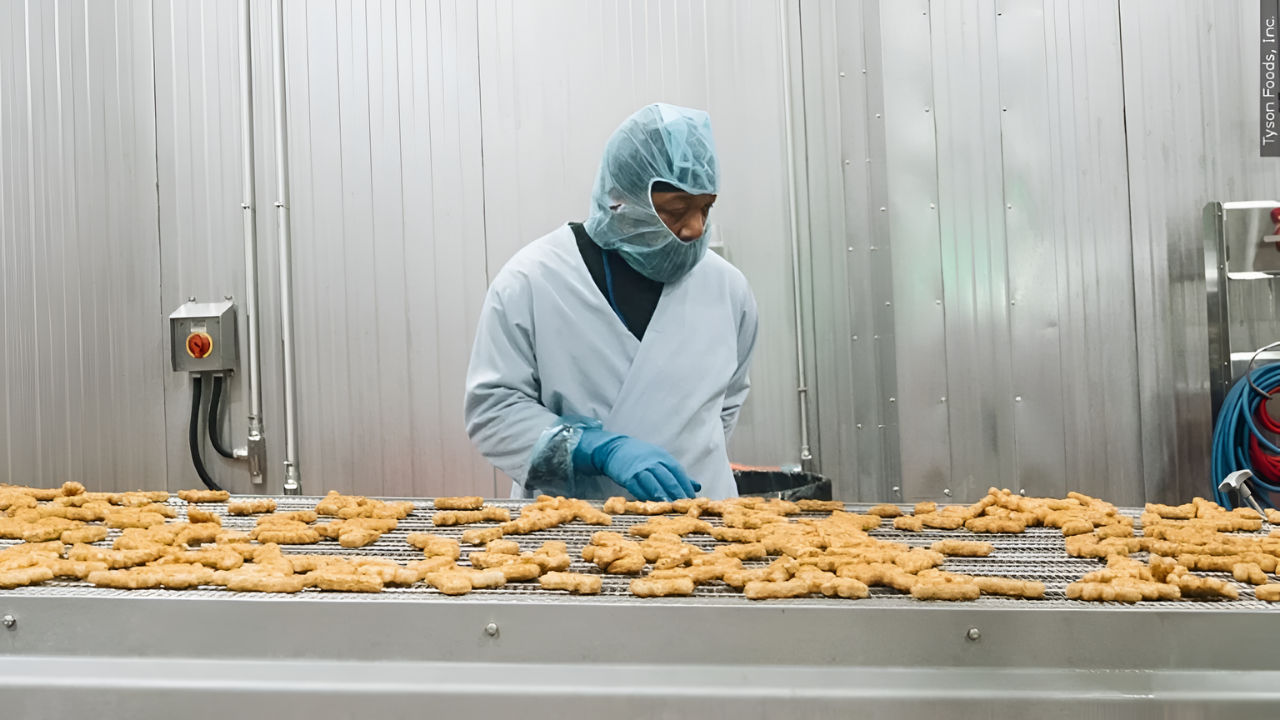
The U.S. beef industry is facing its steepest operational shock in decades. Major processing plants are closing, supply chains are tightening, and consumer prices loom in the balance. Tyson Foods, America’s largest beef processor, has announced sweeping restructuring plans that will affect thousands of workers and reshape the nation’s meat supply.
What triggered this sudden upheaval? The answer lies in a perfect storm of financial losses, a market collapse, and industry-wide pressure that forced corporate leadership’s hand.
Record Loss Emerges
Tyson Foods’ beef division reported a staggering $1.135 billion operating loss in fiscal 2025, the worst year on record for the segment. The adjusted loss stands at $426 million, signaling deep structural problems beyond temporary market fluctuations.
Cattle prices remain elevated while beef demand softens. Tyson executives have signaled that “right-sizing” operations is the only path forward. Insiders describe the company’s position as unsustainable without immediate, painful cuts.
Industry Under Siege
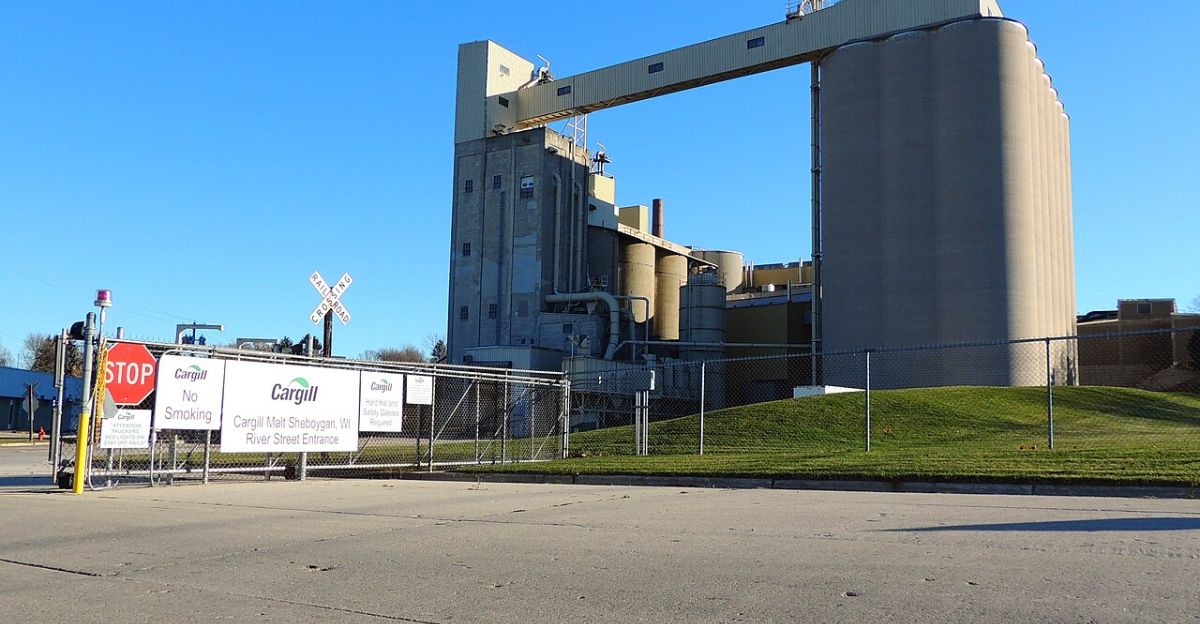
The U.S. beef processing sector has consolidated dramatically over the past two decades. Four companies, Tyson, JBS, Cargill, and National Beef, control roughly 85% of domestic slaughter capacity. When one major player stumbles, the entire supply chain shudders.
Historically, beef processing was a stable, unionized industry in rural America. Today, automation, low margins, and global commodity prices have hollowed out profit margins. Tyson’s current crisis reflects decades of industry pressure, not a single misstep.
The Pressure Mounts

Cattle ranchers have been holding animals longer, depressing herd turnover. Beef demand from restaurants and retailers has softened as consumers shift toward poultry and plant-based alternatives. Labor costs remain inflated following the pandemic.
Freight and feed expenses compound margin compression. By mid-2025, Tyson’s beef operations were burning cash at an unsustainable rate. Company leadership faced a stark choice: restructure immediately or risk catastrophic losses. Internal memos described the situation as a “critical juncture.”
The Bombshell Announcement
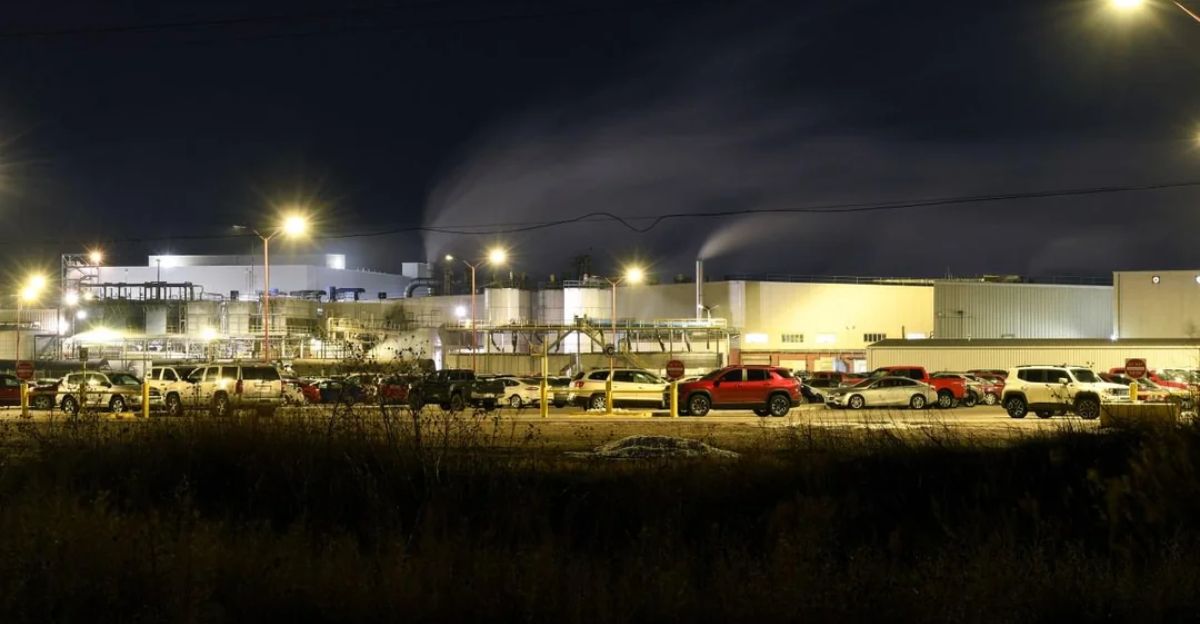
On January 20, 2026, Tyson Foods executed its most aggressive restructuring in a generation. The company permanently closed its Lexington, Nebraska, beef plant, laying off all 3,212 workers with immediate effect. Simultaneously, Tyson shuttered the B-shift at its Amarillo, Texas, facility, eliminating 1,761 additional jobs.
Together, these actions eliminate nearly 5,000 positions in a single day. WARN notices filed with state authorities confirm the immediate, irreversible nature of both closures. Tyson issued a brief statement citing “current market conditions” as justification.
Lexington’s Nightmare

Lexington, Nebraska, with a population of roughly 11,000, has been economically dependent on the Tyson plant for over 40 years. The facility was the region’s largest employer by a significant margin, supporting thousands of families directly and indirectly. With 3,212 Tyson employees now jobless, the town faces an immediate employment catastrophe.
University of Nebraska–Lincoln economists project that nearly one-third of Lexington’s residents will be unemployed due to the closure and its ripple effects. Schools, hospitals, and local businesses anticipate sharp revenue declines.
Voices From the Ground
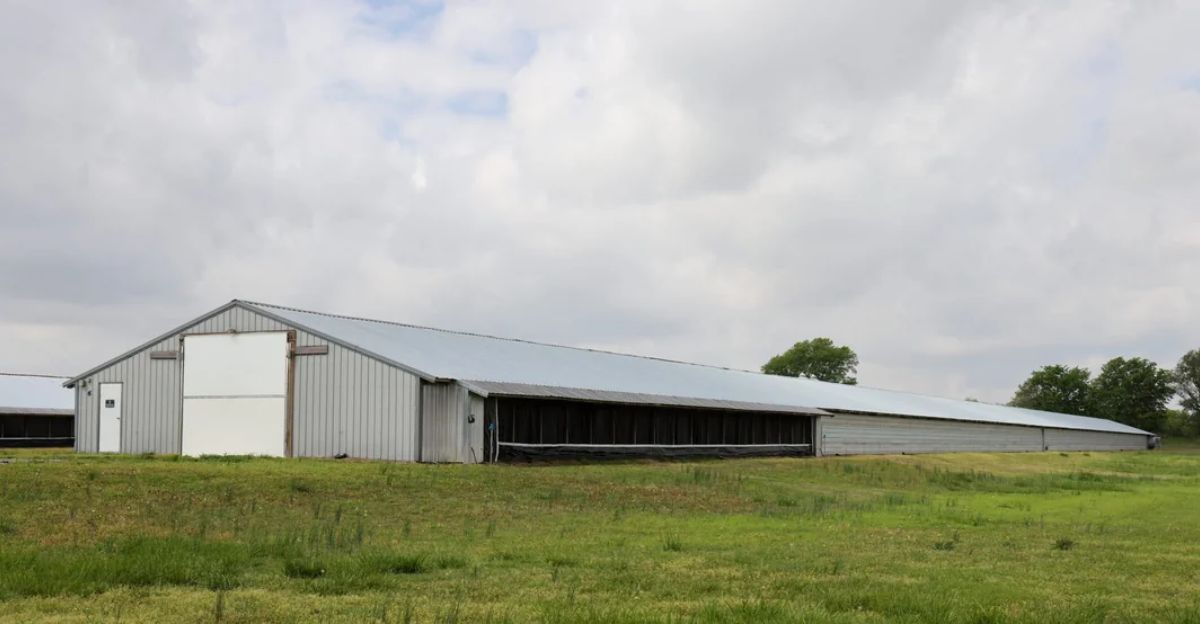
“Preserve it for potential future use by you or by someone else. Give this community a chance to rebuild around a functioning asset rather than a hollowed-out shell,” wrote Jason Douglas, CEO of Lexington Regional Health Center, in a December 14, 2025, letter to Tyson leadership.
Local officials have warned that without intervention, Lexington could become another ghost town like Norfolk, Nebraska, where a Tyson plant closed in 2006 and was stripped of equipment. The Norfolk facility still stands largely empty two decades later, a cautionary reminder of what closure can mean.
Amarillo’s Shift Collapse
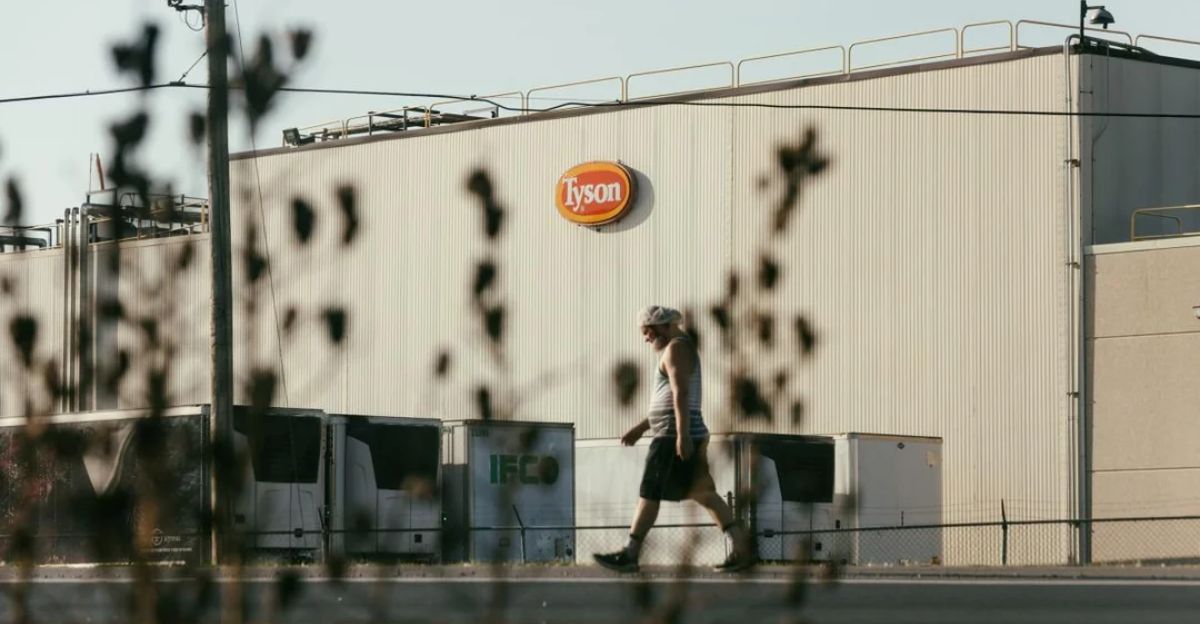
Amarillo, Texas, a city of roughly 200,000, will lose 1,761 Tyson beef jobs but will retain its plant at reduced capacity. The facility will operate on a single complete shift rather than the current two-shift model, fundamentally reshaping local employment dynamics. Workers on the B-shift will be terminated or transferred to lower-paying roles.
Amarillo’s union representatives and city council have expressed concerns about downstream effects on contractors, suppliers, and local tax revenue. Unlike Lexington’s total closure, Amarillo faces a managed but significant contraction.
National Beef Supply Shrinks
Tyson’s closures will reduce U.S. beef processing capacity by an estimated 7–9% overnight, according to industry analysts cited by the Associated Press. The Lexington plant alone accounts for roughly 4.8% of daily U.S. beef slaughter.
This contraction will ripple through the entire supply chain: ranchers will have fewer buyers for cattle; retailers will face tighter beef supplies; consumers may see price increases. The loss of capacity also raises questions about food security and supply resilience in a sector already dominated by four corporations.
The 7,000-Job Shadow

University of Nebraska–Lincoln economists estimate that total job losses tied to the Lexington closure could reach approximately 7,000 when including indirect and induced employment effects. Tyson workers losing salaries will reduce spending at local retailers, restaurants, and service providers. Those businesses will lay off their own employees.
Schools and public services will face budget shortfalls. The multiplier effect, where each direct job loss cascades into additional losses, underscores why a single plant closure devastates entire regional economies. This hidden layer of job losses often goes unrecognized.
Workers’ Compensation Reality

Tyson employees collectively will lose an estimated $241 million in annual pay and benefits, based on WARN filings and Bureau of Labor Statistics wage data. This translates to roughly $75,000 per displaced worker in average compensation, a figure that includes base wages, health insurance, 401(k) contributions, and other benefits.
Severance packages, if any, have not been publicly disclosed. Most Lexington workers lack alternative employment prospects in a town where Tyson was the dominant employer. Many will face prolonged joblessness or forced migration.
The Norfolk Precedent
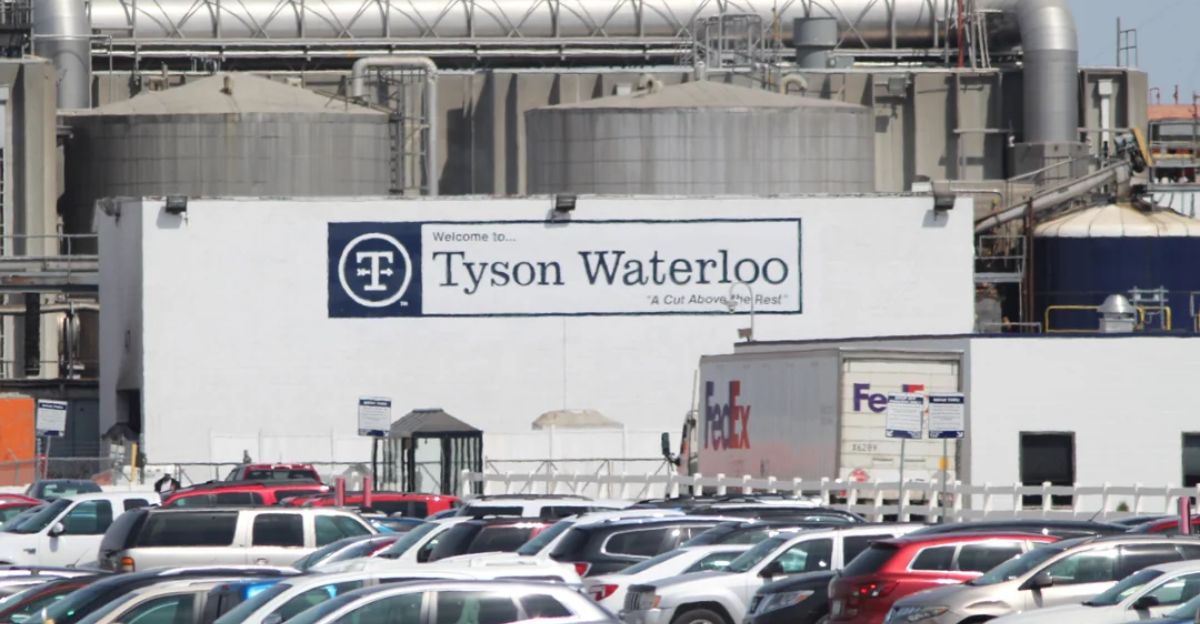
In 2006, Tyson closed its beef plant in Norfolk, Nebraska, eliminating roughly 700 jobs in a town of 24,000, a regional shock but proportionally less severe than Lexington’s crisis today. Two decades later, the Norfolk facility remains empty, mainly stripped of processing equipment and infrastructure.
No major employer has replaced the jobs or revitalized the community. Norfolk stands as a cautionary tale of long-term economic stagnation following a major plant closure. Lexington residents and leaders fear a similar fate awaits their town without proactive intervention.
Labor Leadership’s Response
Union representatives at both plants have condemned the closures as “spreadsheet decisions” made without community consultation. The United Food and Commercial Workers (UFCW), which represents many Tyson workers, has called for extended severance, retraining support, and pressure on state and federal officials to aid affected workers.
Labor groups argue that Tyson’s record losses were driven by poor management and over-leverage, not by market forces beyond the company’s control. Negotiations over extended unemployment insurance and job retraining have begun between unions and state agencies.
Corporate Messaging & Backlash
Tyson’s leadership has offered a limited public explanation, citing only “current market conditions” and the need to “right-size” operations. The company has not announced whether it will pursue facility repurposing, invest in retraining, or negotiate extended benefits.
This silence has fueled criticism from politicians, labor groups, and community advocates who argue that profitable corporations have a social obligation to cushion the blow of mass layoffs. Tyson’s previous earnings reports showed profits in other segments, raising questions about whether the beef losses were truly unmanageable without shuttering entire plants.
The Supply Question
Will other beef processors expand to fill the capacity gap left by Tyson’s closures, or will the lost supply persist? JBS, Cargill, and National Beef face their own cost pressures and may lack capital or appetite for rapid expansion. More likely, the market will absorb a structural shortage, driving beef prices upward over the next 12–18 months.
This could shift consumer demand further toward poultry and plant-based alternatives, making the beef sector’s recovery even more difficult. The question looms: Is this a temporary retrenchment or the beginning of a permanent contraction in U.S. beef production?
The Policy Gap
Federal and state officials have little immediate leverage to prevent plant closures, as such decisions are protected under U.S. law. The WARN Act requires 60 days’ notice but does not mandate retention or severance. Some congressional Democrats have called for stronger “right to work” protections and mandatory community benefit agreements before major layoffs.
State legislatures in Nebraska and Texas have launched investigations into whether tax incentives previously granted to Tyson should be clawed back. This crisis highlights the limited tools available to protect workers and communities from capital flight.
Global Beef Trade Implications
The U.S. is a major beef exporter, and the loss of processing capacity may reduce export volumes, affecting trade relationships with Japan, South Korea, and the European Union. International competitors may seize market share. Conversely, lower U.S. beef output could support global prices, benefiting ranchers in other countries.
This plant closure is not merely a domestic issue; it signals to the world that the American beef supply is contracting. Importers may begin diversifying their sourcing to hedge against future U.S. supply shocks, accelerating a subtle shift in global meat trade dynamics.
Environmental & Food Safety Angles
Counterintuitively, reduced beef processing capacity may lower greenhouse gas emissions tied to U.S. beef production, as fewer cattle will be processed domestically. However, if production shifts to other countries with weaker environmental standards, the net climate benefit is unclear.
Food safety regulators have also raised concerns: with fewer plants processing beef, USDA inspection workloads will shift. Smaller, regional processors may face higher per-unit inspection costs, further squeezing margins and potentially consolidating the industry even further around the remaining mega-plants.
Generational Reckoning
For Lexington residents under 35, the Tyson closure marks a second or third major economic shock in their lifetime following the 2008 financial crisis, the pandemic, and agricultural downturns. This cohort is increasingly skeptical of staying in rural America, where single-employer towns offer limited resilience.
Young families are likely to migrate to urban centers with diversified job markets and better schools. Lexington’s population may decline for decades, becoming a cautionary example of rural economic fragility in the 21st century. The broader question: Can rural America compete without fundamental restructuring of its financial base?
What This Signals
Tyson’s plant closures represent far more than a single company’s restructuring. They signal that the era of significant, stable manufacturing employment in rural America is over. Consolidation, automation, and global commodity pricing have made single-sector towns economically precarious. The federal and state systems lack proactive tools to prevent or soften such shocks.
Communities now face a choice: adapt by investing in education, broadband, and new industries, or accept slow decline. Lexington and Amarillo’s responses to this crisis will become templates for how rural America navigates the broader economy’s transition away from traditional, stable employment toward a more fragmented, competitive landscape.
Sources:
Associated Press – Beef Industry Faces Restructuring After Tyson Closures
University of Nebraska–Lincoln – Economic Impacts of the Tyson Beef Plant Closure in Lexington, Nebraska
Yahoo News – Nearly 5,000 Expected to Be Laid Off at 2 Tyson Foods Plants on Tuesday
ABC7 Amarillo – Tyson Laying Off 1,761 Employees at Amarillo Plant
WSWS – Brutal Tyson Foods Restructuring Leaves Nearly 5,000 Jobless in Midwest
Food Engineering Magazine – Tyson to Close Nebraska Beef Processing Plant