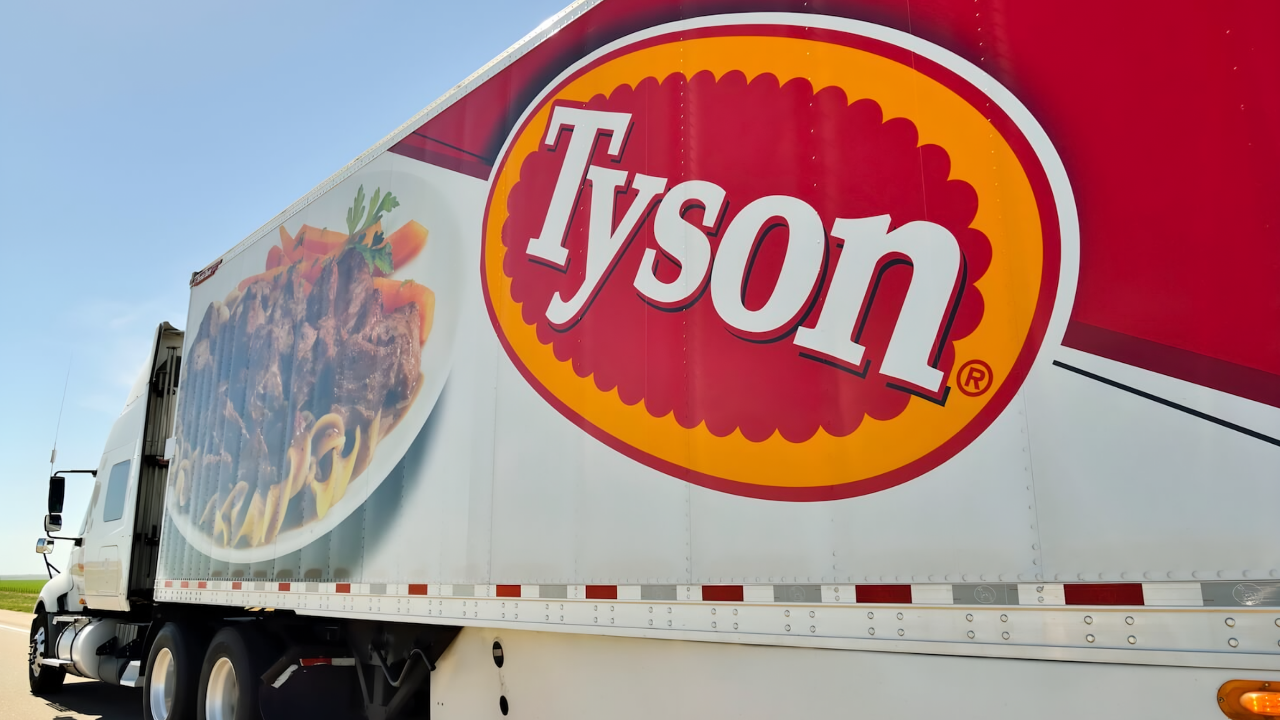
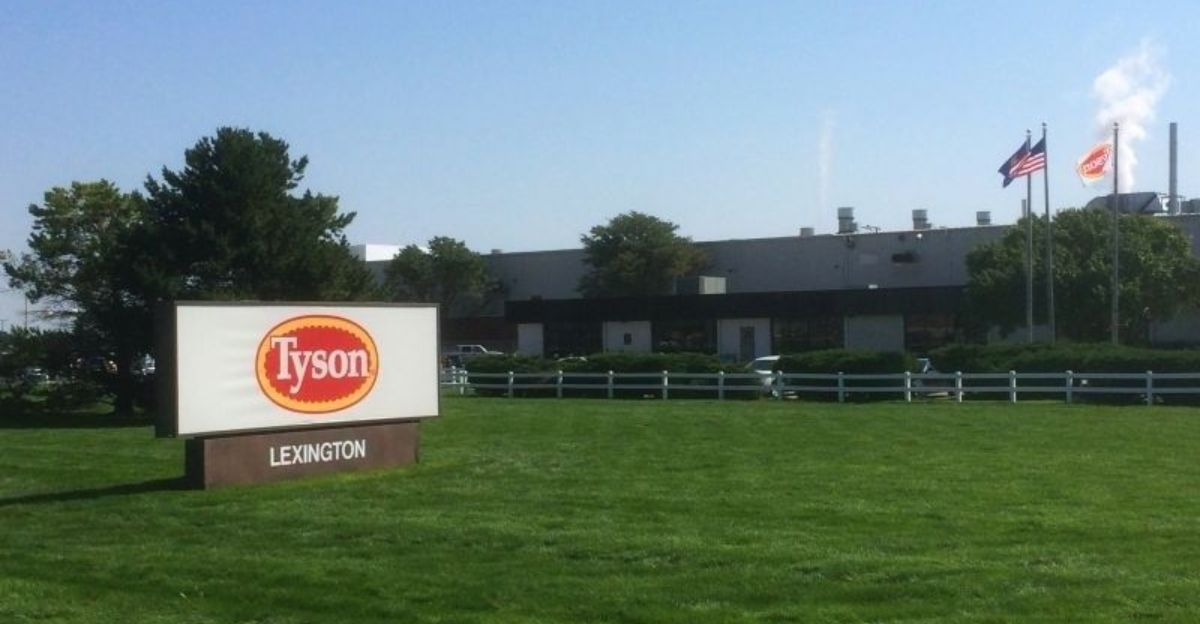
Tyson Foods announced November 21, 2025 that it will permanently close its Lexington, Nebraska beef processing plant and reduce its Amarillo, Texas facility to a single shift by January 20, 2026, eliminating 4,900 jobs. The Lexington closure alone wipes out 3,200 positions in a city of approximately 11,000 residents—representing nearly one-third of the town’s population.
The Amarillo reduction cuts 1,700 additional workers. Together, these closures strip approximately 5% of U.S. national beef slaughter capacity. The announcement sent shockwaves through rural America as communities confronted devastating economic consequences.
The Root Cause: U.S. Cattle Inventory Hits 75-Year Low
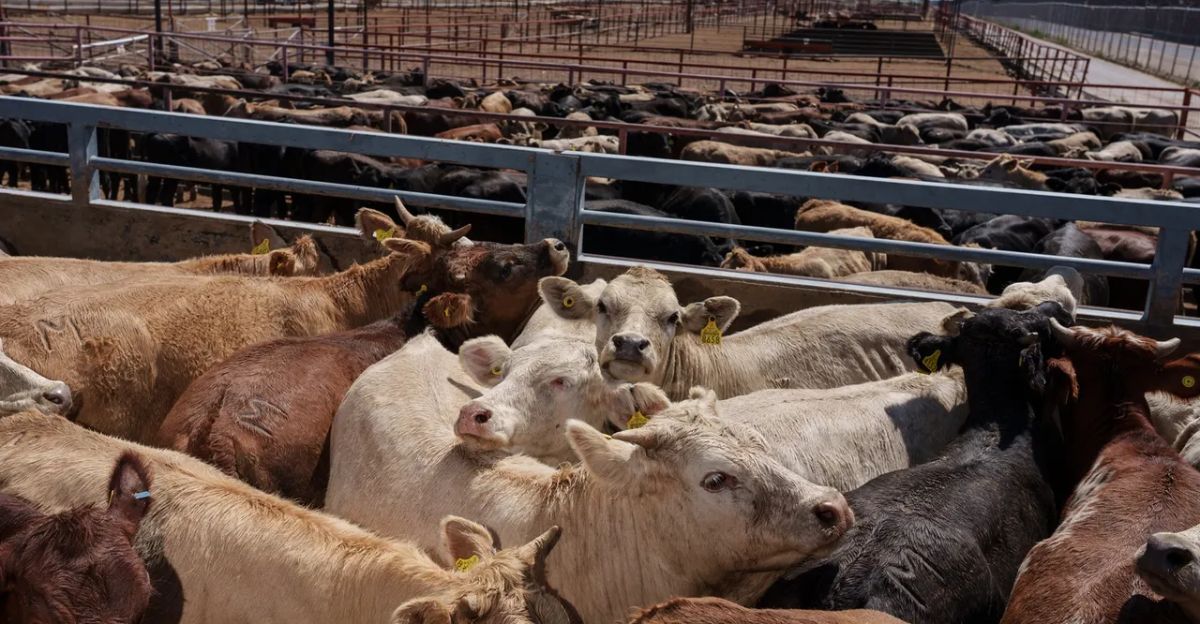
U.S. cattle supplies plummeted to 94.2 million head as of July 1, 2025—the lowest level since 1951, marking a 75-year low. Six consecutive years of drought-forced herd liquidation devastated ranchers nationwide, compelling them to sell breeding stock faster than herds could rebuild. The January 2025 beef cow inventory stood at 27.86 million head, the smallest since 1961.
High feed costs, persistent drought conditions, and years of forced liquidation created unprecedented supply constraints. Tyson’s closures reflect brutal economic reality: fewer cattle means reduced processing needs and inevitable capacity cuts across the industry.
Consumer Impact: Beef Prices Stay Elevated, Choices Narrow
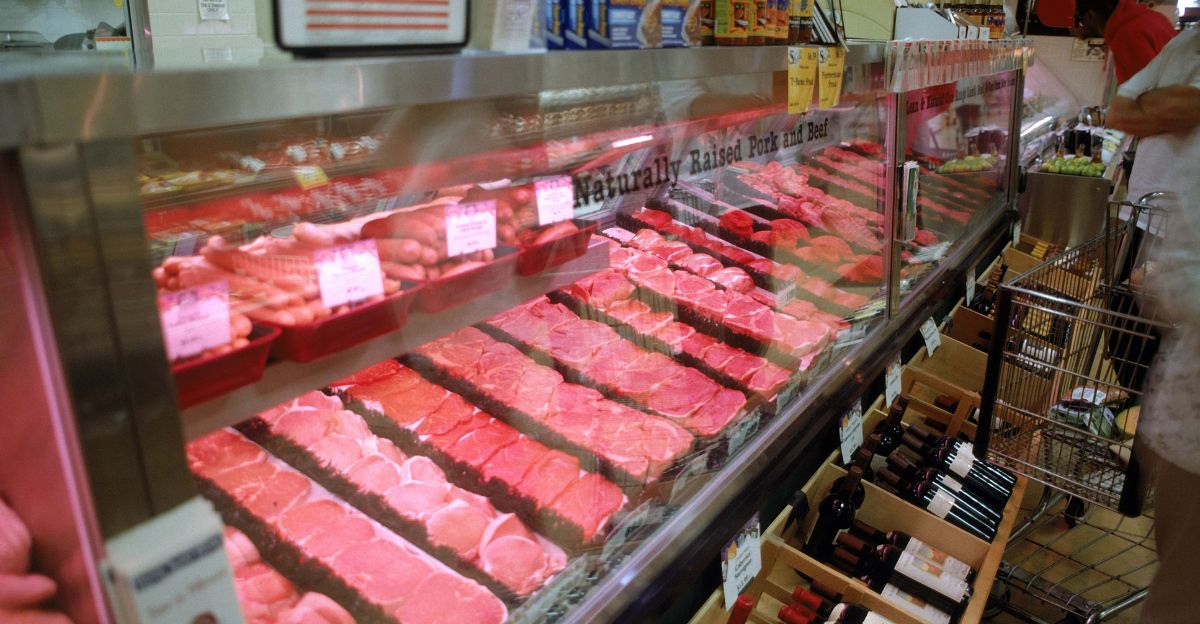
American consumers face sustained high beef prices with minimal relief projected. Retail beef prices climbed from $8.40 per pound in March 2025 to $9.18 per pound by August—a 9% increase in five months. Ground beef now exceeds $6 per pound nationally.
Despite record prices, consumer demand remains remarkably strong, demonstrating price-inelastic preferences for beef. Shoppers increasingly shift toward lower-cost cuts like ground beef while reducing premium steak purchases. Tyson’s capacity reduction will tighten supplies further through 2026, sustaining elevated prices and forcing households to recalibrate protein budgets and meal planning strategies.
Fast Food & Restaurant Response: Menu Adjustments Loom

Quick-service restaurants and casual dining chains face mounting pressure as beef supplies tighten. McDonald’s, Wendy’s, and regional burger chains depend on stable beef pricing and predictable supply chains. Tyson’s capacity cuts will exacerbate scarcity, forcing chains to reduce portion sizes, raise menu prices, or substitute chicken and plant-based alternatives. Some operators may limit promotional burger offerings or seasonal beef-heavy items. Industry consultants predict accelerated menu innovation and price increases throughout 2026. Burger-focused establishments face potential traffic declines as consumers balk at higher prices or seek alternative dining options offering more affordable proteins.
Substitute Markets Surge: Chicken, Pork, and Plant-Based Gain Ground
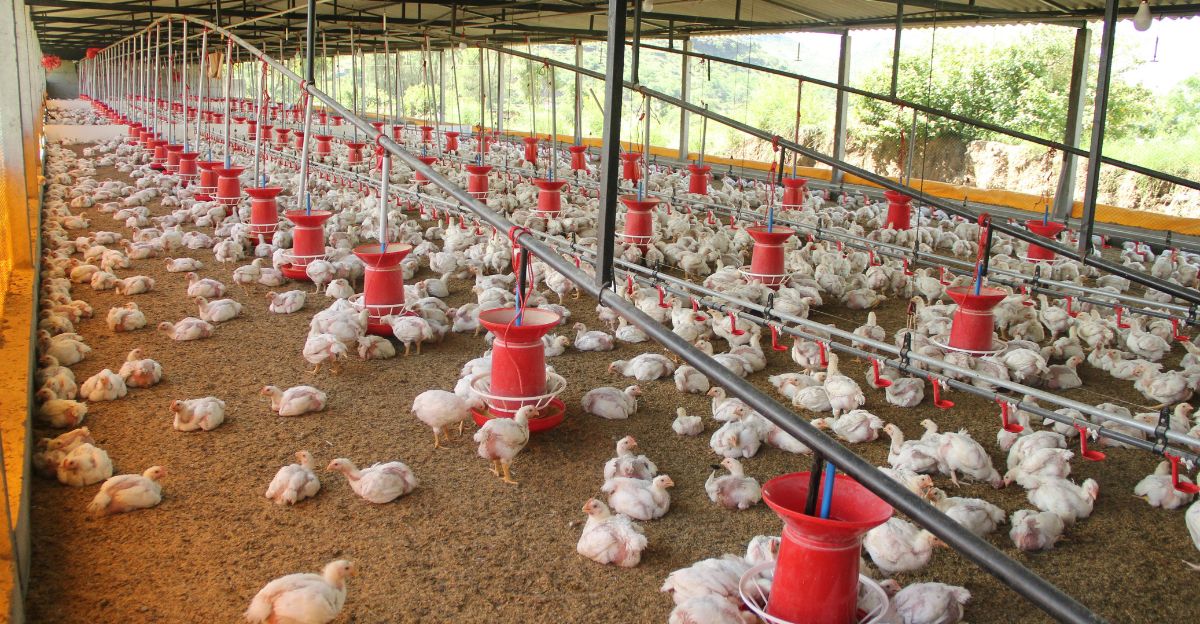
As beef becomes scarcer and costlier, competing proteins capture expanding market share. Chicken producers report robust demand as budget-conscious consumers trade down from beef. Pork processors see increased orders from retailers and foodservice operators seeking alternatives. Plant-based meat companies position products as affordable, sustainable substitutes.
Tyson’s beef division faces projected losses of $400-600 million in fiscal 2026, following $426 million in losses over the previous twelve months. These staggering losses strain capital allocation decisions. Competitors in poultry, pork, and plant-based sectors stand positioned to gain as beef-dependent consumers explore more economical protein alternatives.
International Trade Shifts: U.S. Beef Exports Face Headwinds
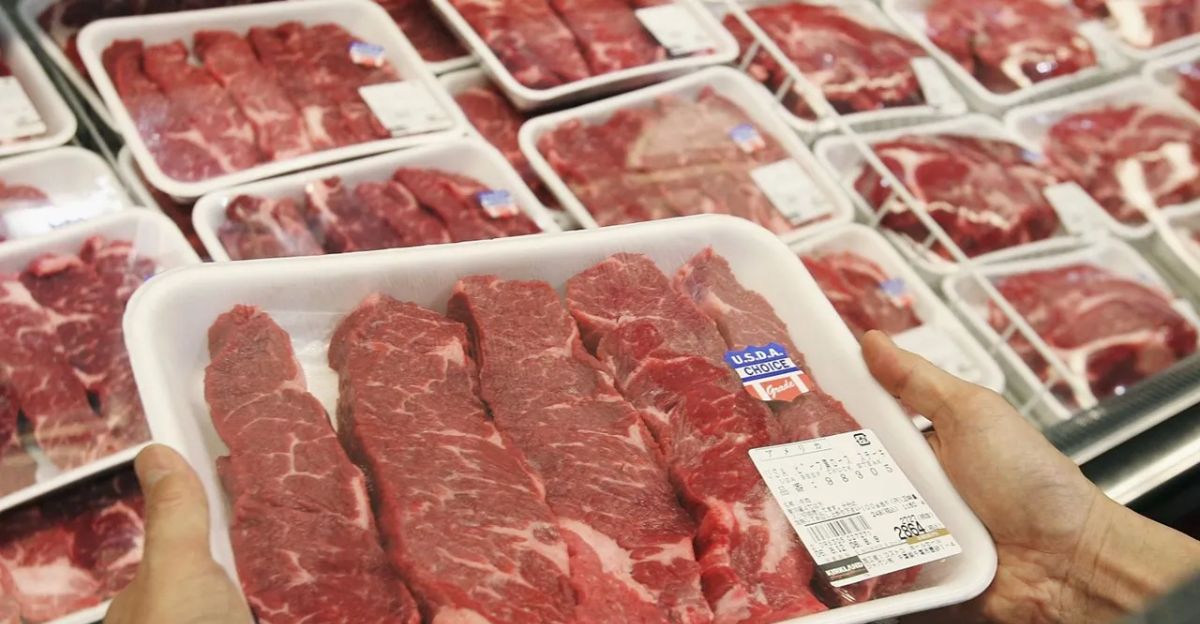
U.S. beef exports declined compared to recent years while imports reached historic highs. Australia and Brazil now dominate American import markets, with Brazil accounting for 24% of U.S. beef imports in 2025. President Trump removed 40% tariffs on Brazilian beef on November 20, 2025, facilitating increased imports to ease domestic consumer prices.
Tyson’s capacity cuts will further reduce U.S. export volumes, ceding international market share to foreign competitors. Key export markets—Japan, South Korea, and Mexico—may increasingly turn to Australian or Brazilian suppliers. Reduced export capacity weakens American ranchers’ negotiating power and threatens rural economies dependent on international sales.
The Human Story: Lexington Faces Economic Devastation
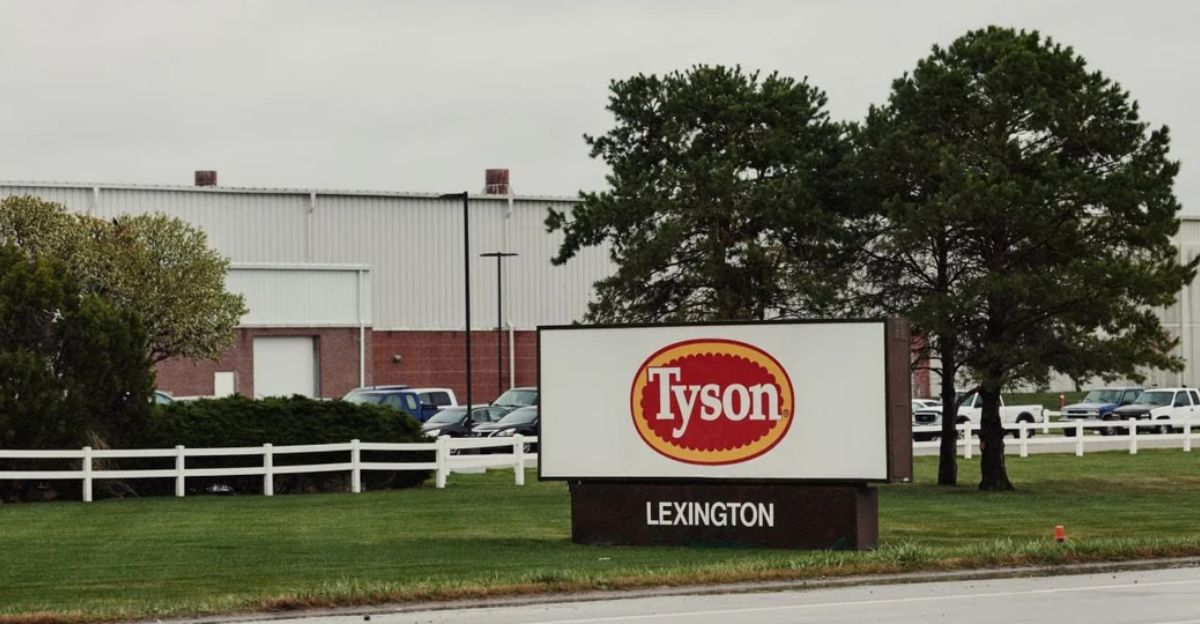
Clay Patton, vice president of the Lexington Area Chamber of Commerce, called the closure “a devastating blow.” The plant employs approximately 3,200 workers in a community of 11,000—nearly one-third of the entire population. Tyson’s announcement offered limited support: potential transfers to distant facilities requiring family relocation hundreds of miles away.
Workers face unemployment, mortgage defaults, and displacement. Local schools will lose crucial tax revenue. Small businesses dependent on worker spending confront potential collapse. The closure represents one of the largest single-plant job losses in recent U.S. meatpacking history relative to host community size, threatening Lexington’s economic survival.
Political Response: USDA Announces Herd Rebuilding Plan

In October 2025, USDA Secretary Brooke Rollins unveiled a comprehensive white paper to stabilize and strengthen the beef industry. The strategy focuses on expanding grazing access on federal lands, streamlining permits across 24 million acres of vacant allotments, reducing regulatory barriers, and expanding processing capacity among small and regional processors.
The plan emphasizes infrastructure investment, enhanced disaster relief, improved market transparency, and risk management tools rather than direct producer payments. However, implementation requires years, offering negligible immediate relief to Lexington or displaced workers. Political pressure mounts on Congress to provide emergency assistance to devastated rural communities.
Inflation Concerns: Beef Prices Ripple Through Food Costs

Tyson’s closures will reduce beef supply further, sustaining elevated prices through 2026 and beyond. Beef inflation directly impacts household food budgets, disproportionately affecting lower-income families. Restaurants pass increased costs to consumers through menu price hikes. Grocery stores compress margins or raise prices on other items to offset beef losses.
The Federal Reserve monitors beef inflation as a significant component of broader food-price trends. Economists warn sustained beef inflation could constrain consumer spending across other categories and complicate monetary policy efforts to control overall inflation. Beef prices reached 13.9% above year-ago levels by late 2025.
Retailer Strategies: Grocery Chains Adapt Promotions and Sourcing

Major grocery chains—Walmart, Kroger, Albertsons—navigate difficult sourcing and pricing decisions. Beef promotions shrink as supply tightens and procurement costs rise. Retailers increasingly source beef from imports or smaller regional processors to maintain inventory. Private-label beef offerings may disappear or transition to premium-priced items.
Chains emphasize chicken, pork, and plant-based alternatives in weekly advertisements and loyalty programs. Some retailers negotiate long-term contracts with remaining processors to secure reliable supply. Consumer incentives shift toward non-beef proteins. Grocery margins compress as chains absorb costs or risk losing price-sensitive shoppers to discount competitors.
Restaurant Industry Shifts: Menus Evolve, Prices Rise
Beyond fast food, fine dining and steakhouses face existential operational pressures. High-end steakhouses depend on consistent, premium beef supplies at predictable costs. Tyson’s closures tighten supply for mid-tier and casual restaurants. Menus increasingly pivot toward chicken, seafood, and vegetarian options.
Steakhouse prices climb substantially, narrowing their accessible customer base. Casual chains reduce beef-heavy menu offerings. Ethnic restaurants featuring beef—Korean BBQ, Brazilian churrascaria, Argentine parrilla—face severe sourcing challenges and cost pressures. Restaurants diversifying protein sources survive; beef-dependent establishments struggle financially. Industry consolidation accelerates as smaller operators close permanently.
Knock-On Industries: Leather, Pet Food, Fertilizer Face Disruption

Beef processing generates essential byproducts: hides for leather goods, bones and offal for gelatin and pet food, rendering materials for fertilizer and pharmaceuticals. Tyson’s closures reduce byproduct supply, affecting tanneries, pet food manufacturers, and fertilizer producers downstream. Leather goods prices may rise significantly. Pet food companies face higher input costs for meat-based products. Fertilizer producers lose organic feedstock sources.
Pharmaceutical companies sourcing collagen and other beef-derived compounds confront supply constraints. These secondary industries employ thousands and support rural economic ecosystems. Supply chain disruptions cascade through interconnected industries, affecting consumers far removed from direct beef consumption.
Global Consumer Impact: Developing Nations Feel Ripples
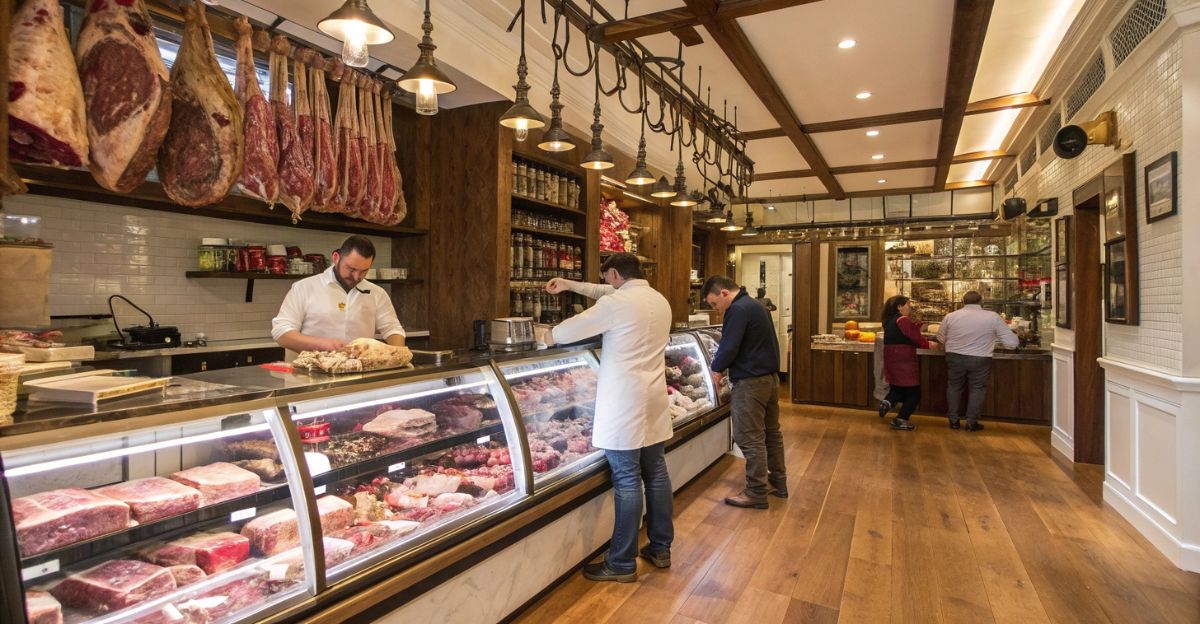
U.S. beef exports historically supported food security in developing nations worldwide. Reduced American exports force international importers to seek alternative suppliers or pay premium prices. Countries dependent on affordable U.S. beef—including Mexico, Japan, and South Korea—face higher domestic food costs. Developing nations with limited purchasing power may reduce beef consumption, shifting toward cheaper proteins.
Global beef prices rise as U.S. supply contracts and international demand competes for limited exports. Food security concerns mount internationally. The World Food Programme and NGOs warn of potential nutrition impacts in vulnerable populations. Tyson’s closure carries geopolitical dimensions extending beyond American borders.
Health & Lifestyle Shifts: Americans Reconsider Protein Consumption

Higher beef prices and reduced availability accelerate dietary transformations nationwide. Consumers increasingly adopt plant-based diets driven by economic necessity rather than ideological choice. Chicken and fish consumption rise substantially. Vegetarian and vegan lifestyles gain mainstream acceptance.
Nutritionists report heightened interest in plant-based protein education and meal planning. Gym culture and athletic communities explore non-beef protein sources for performance nutrition. Health-conscious consumers view the beef shortage as opportunity to reduce red meat intake. Public health advocates note potential cardiovascular benefits from reduced beef consumption, while acknowledging the economic hardship driving these involuntary dietary changes.
Environmental & Sustainability Debate: Beef’s Carbon Footprint Reconsidered
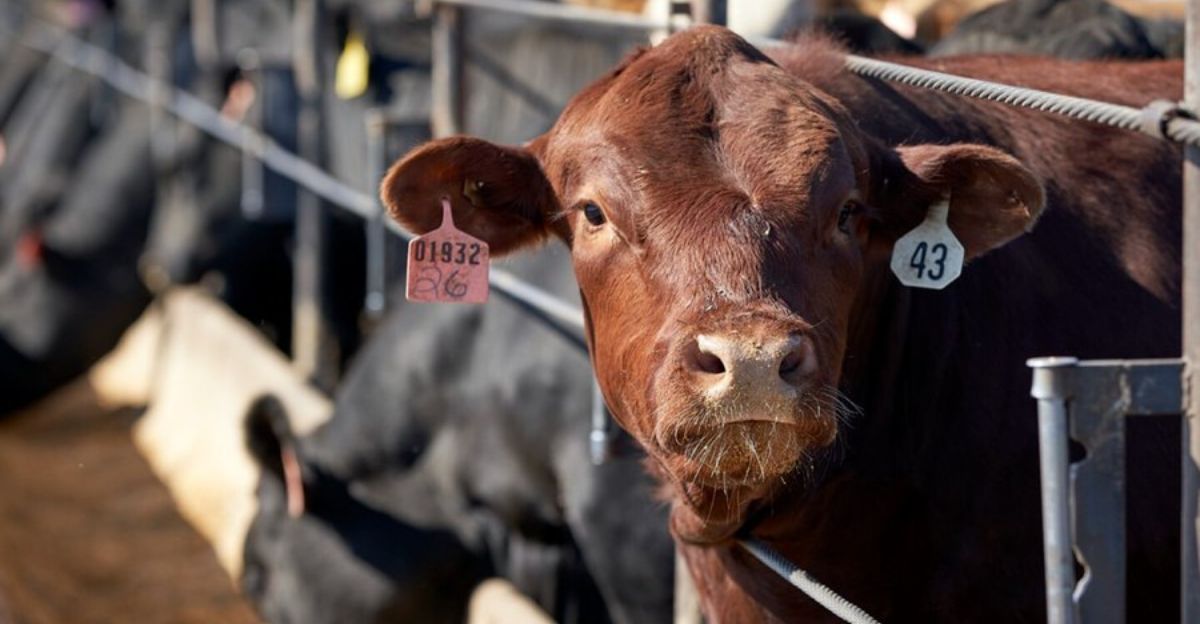
Environmental advocates argue reduced beef production lowers agricultural emissions, water consumption, and land use pressures. Fewer cattle means decreased methane emissions, reduced grazing pressure, and lower resource intensity. Climate-focused consumers view the shortage as environmentally beneficial. However, ranchers counter that U.S. beef production maintains higher efficiency standards than imports from Brazil or Australia.
South American deforestation concerns complicate sustainability narratives. The debate intensifies: Is reduced U.S. production environmentally positive if imports from less-regulated regions increase? Sustainability advocates promote regenerative ranching and carbon-neutral beef production, but Tyson’s closures offer no such pathway forward.
Unexpected Winners & Losers: Market Realignment
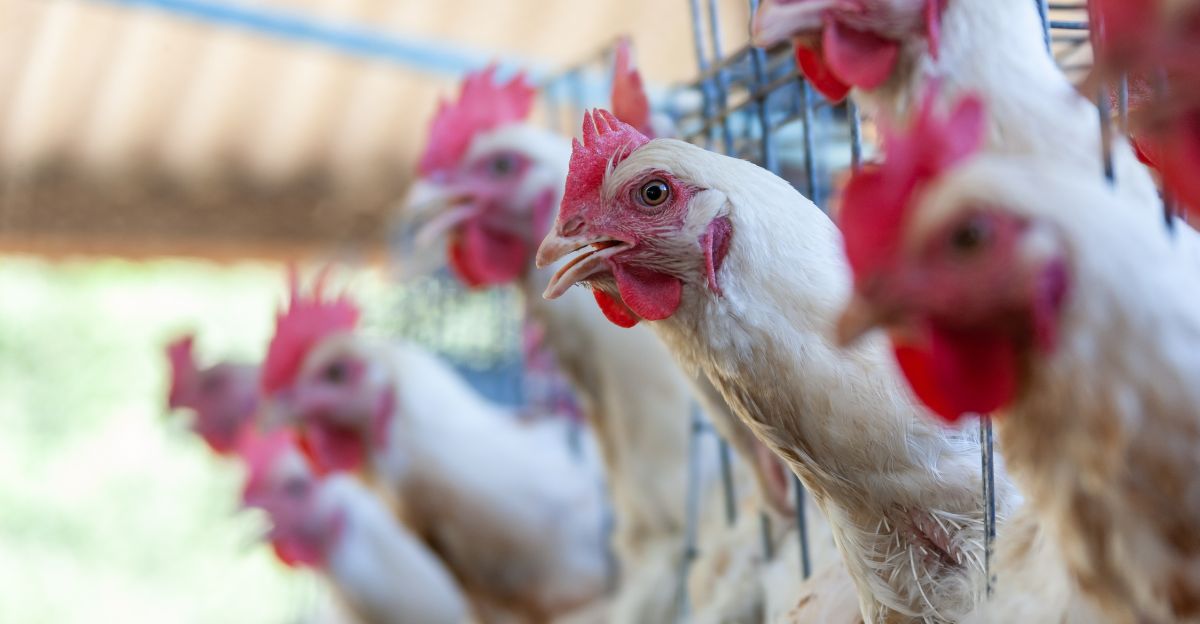
Winners emerge: chicken producers, plant-based companies, Australian and Brazilian beef exporters, regional meat processors, and alternative protein startups gain market share and investment capital. Losers multiply: Tyson shareholders absorb cumulative losses exceeding $1.1 billion over three fiscal years; beef-dependent restaurants close permanently; leather and pet food manufacturers struggle with supply constraints; rural communities hemorrhage jobs and tax revenue.
Amarillo faces 1,700 job losses; Lexington confronts potential economic collapse. Small ranchers unable to rebuild depleted herds exit the industry permanently. Consolidation accelerates, concentrating market power among surviving processors and reshaping competitive dynamics across protein industries.
Financial Markets React: Investor Speculation and Hedging

Tyson Foods stock faces downward pressure as investors price in $400-600 million projected beef division losses for fiscal 2026, following $426 million in losses over the prior twelve months. Commodity futures markets react: live cattle prices spike to record levels, feeder cattle futures climb, corn prices fluctuate as feed demand patterns shift.
Hedge funds and speculators position portfolios for continued beef scarcity. Agricultural ETFs and commodity funds experience volatility. Investors debate whether the crisis represents temporary cyclical disruption or structural transformation. Some bet on eventual herd rebuilding; others short beef-dependent companies. Market uncertainty creates opportunities for sophisticated traders but risks for retail investors.
Consumer Advice: How to Navigate Higher Beef Prices
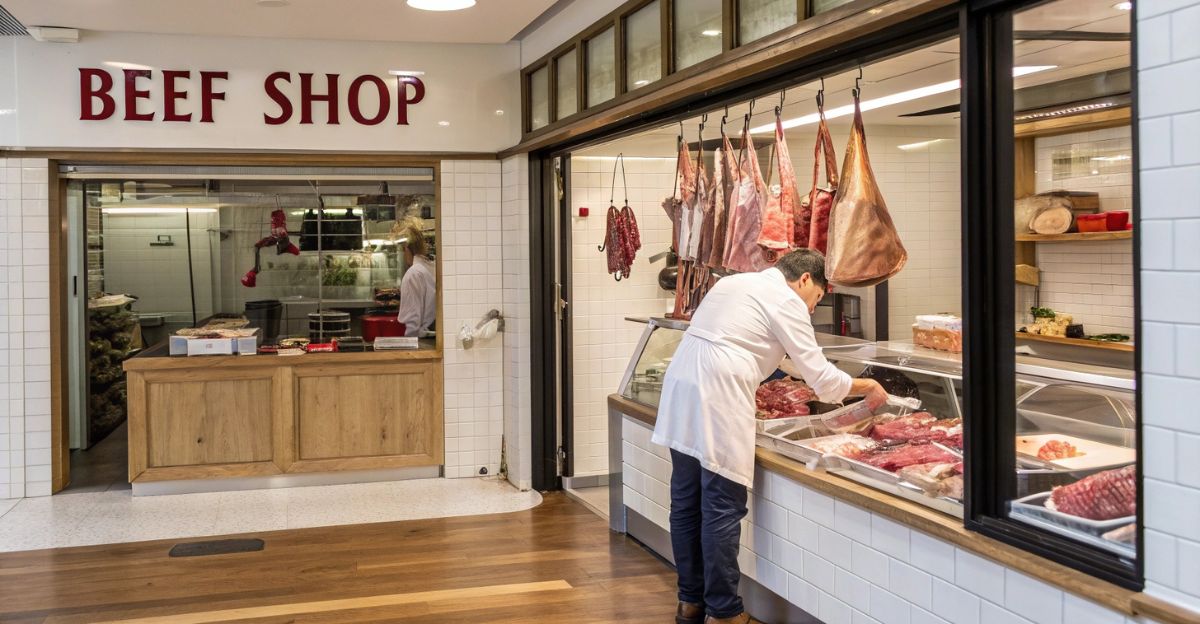
Practical strategies for households: Buy ground beef in bulk and freeze portions; shift toward chicken, pork, or plant-based proteins; explore ethnic markets for affordable cuts; utilize slow-cooker recipes for tougher, cheaper beef cuts; reduce portion sizes; embrace meatless meal days. Monitor grocery sales closely and stock up during promotional periods.
Consider warehouse clubs for bulk purchasing advantages. Explore competitively-priced plant-based alternatives now approaching price parity with beef. Budget for 10-15% higher protein costs through 2026. Diversify protein sources to hedge against beef scarcity. Plan meals around available, affordable proteins rather than beef-centric menus traditionally preferred by American households.
Looking Ahead: Will the Herd Rebuild?
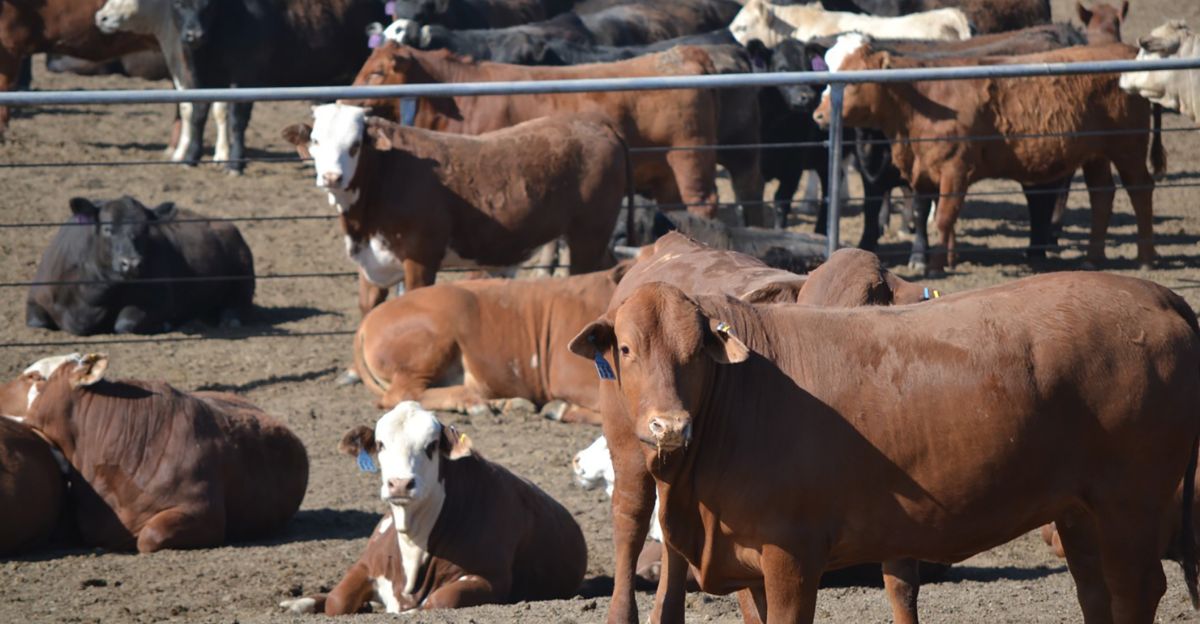
USDA projects cattle inventory will stabilize in early 2025, then begin gradual expansion through 2027-2028. However, substantial headwinds persist: elevated interest rates, ongoing drought risk, labor shortages, and aging rancher demographics. Herd rebuilding requires years—cattle reach market weight in 18-24 months. Even if ranchers retain heifers for breeding purposes, meaningful supply relief won’t materialize until 2027-2028 at earliest.
Tyson’s closures may prove permanent; reopening shuttered facilities requires herd recovery confirmation and demand certainty. Industry experts warn the sector faces structural challenges beyond typical cyclical recovery patterns. Coordinated policy support, infrastructure investment, and market stabilization remain essential.
One Plant Closure, Infinite Ripples
Tyson’s Lexington closure and Amarillo reduction represent far more than 4,900 job losses in two rural communities. The decision reflects systemic crisis: U.S. cattle at 75-year lows, consumer demand outpacing supply, and processing capacity misaligned with dramatically reduced herd size. Consequences ripple from dinner tables to global trade, from restaurant menus to environmental debates, from financial markets to public health transformations.
Lexington faces economic devastation; America confronts sustained beef inflation; the world faces food security questions. The crisis demands coordinated policy response, rancher support, consumer adaptation, and infrastructure investment. Tyson’s closure symptoms a deeper transformation reshaping American agriculture and global food systems.