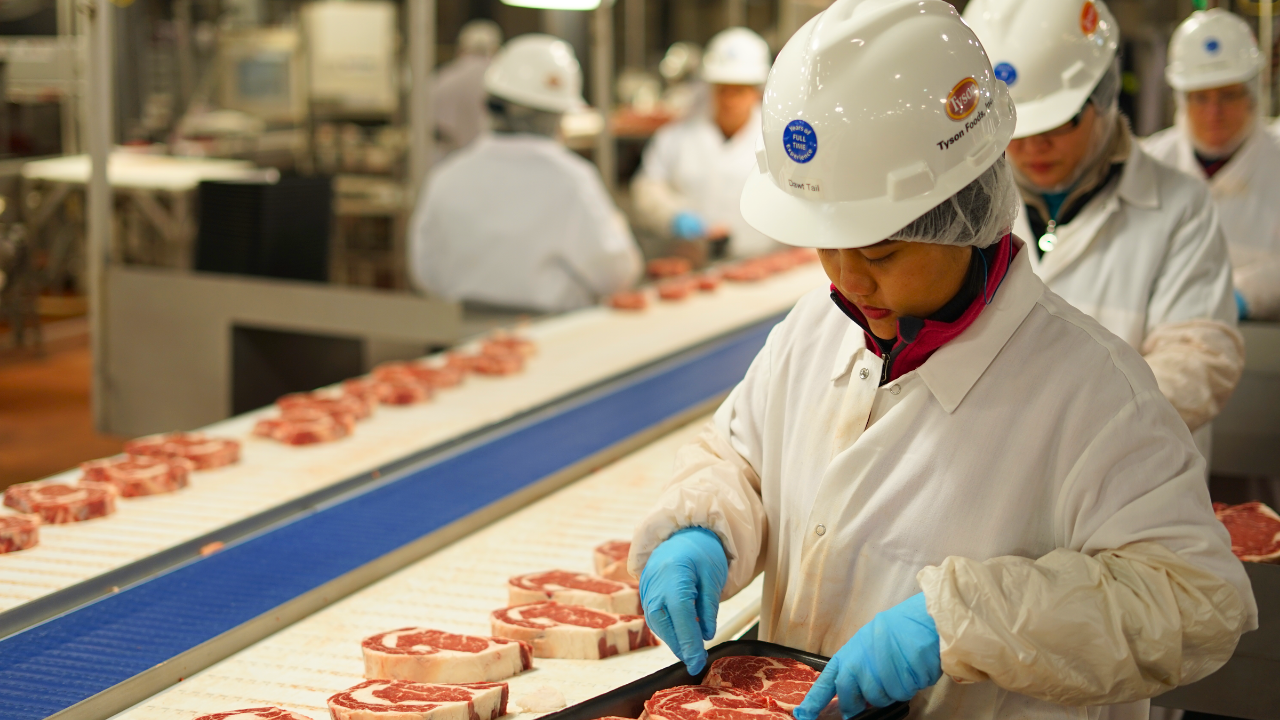
Tyson Foods Closes Lexington Plant, Reshaping U.S. Beef Supply
America’s largest meat supplier announced in late November 2025 that its Lexington, Nebraska facility will shut down in January 2026, eliminating over 3,200 jobs and cutting nearly 5% of the nation’s daily beef slaughter capacity. The closure, coupled with a simultaneous reduction at Tyson’s Amarillo, Texas plant that will eliminate 1,700 positions, signals deepening structural stress in the U.S. beef industry amid a historic cattle shortage and mounting financial losses.
Communities Face Immediate Economic Shock
Lexington, a town of 11,000 residents, will lose roughly a third of its workforce. The plant has anchored the community since 1990, when Tyson’s arrival nearly doubled the population and transformed the local economy. Many workers are Somali and Hispanic immigrants whose families have depended on steady employment at the facility for decades.
The Amarillo reduction compounds the disruption. Together, the two closures eliminate 4,900 jobs and remove up to 8,000 head of daily processing capacity—roughly 7.5 to 9% of U.S. slaughter capacity. Local churches in both communities are already mobilizing food and fuel assistance programs as families face unemployment before the new year.
The economic fallout extends far beyond plant workers. Lexington’s annual payroll loss is estimated at $150 to $200 million. Secondary impacts will ripple through retail, restaurants, services, and real estate markets. Multiplier effects could indirectly affect 6,000 to 9,600 residents. Schools, essential services, and housing markets face potential collapse as families relocate seeking employment elsewhere.
Financial Pressures and Industry Losses
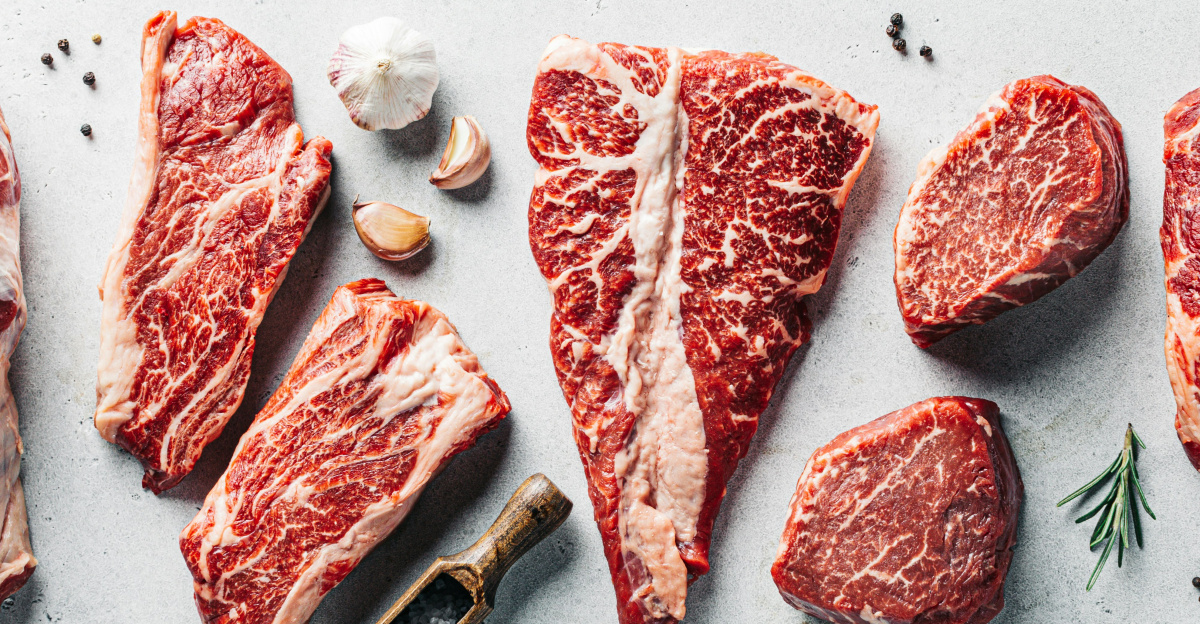
Tyson’s beef segment has hemorrhaged money. The company posted losses of $426 million in fiscal year 2025, compared to $291 million the previous year, and expects similar or worse results in fiscal 2026. Cattle costs alone surged nearly $2 billion in FY2025.
The paradox is stark: retail beef prices rose 17% year-over-year, yet sales volumes fell 8%. Despite record-high livestock prices, the Lexington facility became economically unviable. Ernie Goss, an economist at Creighton University, noted that the plant “simply wasn’t competitive in today’s market in terms of output per worker.” CEO Donnie King acknowledged that “the beef segment remains our only soft spot,” while Tyson’s chicken operations remain profitable with adjusted operating income reaching $1.48 billion in FY2025.
The Cattle Shortage Crisis
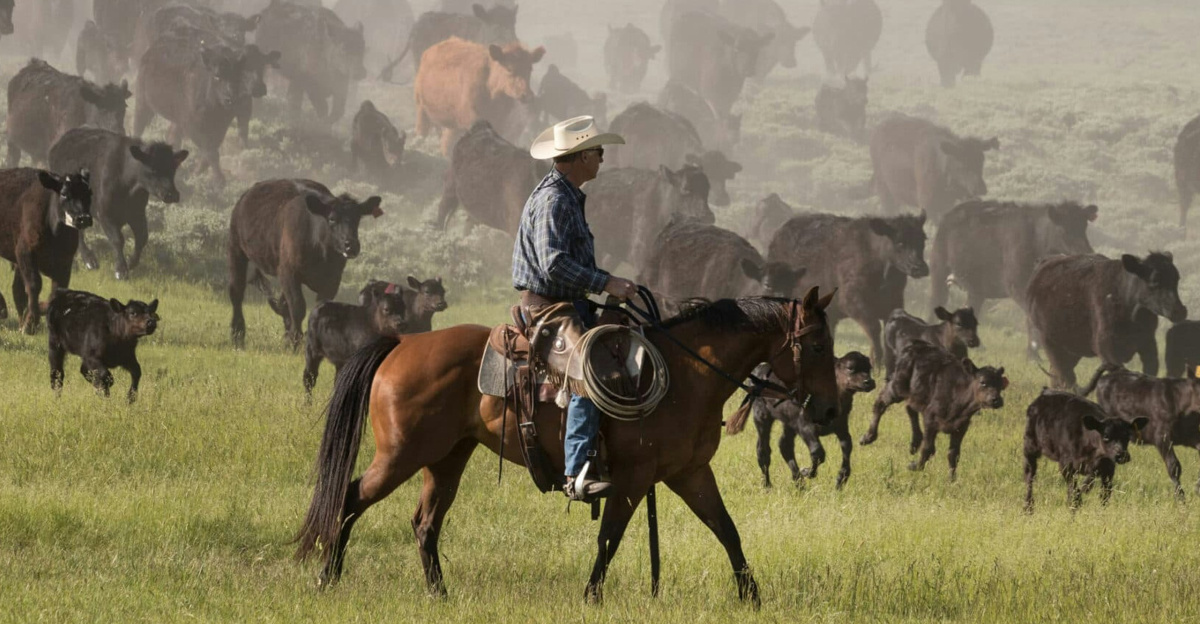
U.S. cattle inventory has fallen to its lowest level in 70 to 75 years, with the beef herd at 27.8 million head in 2025. Prolonged droughts and rising feed costs forced ranchers to liquidate herds faster than they can rebuild. Even as ranchers retain heifers for breeding, cattle require two years to reach market weight—what economists describe as the “slowest rebuild in history.”
With processing capacity now reduced, elevated cattle prices will likely persist. Ranchers face fewer competitive buyers, potentially suppressing live cattle prices even as retail beef costs remain high. The supply shock will reverberate through ranching regions for years, discouraging herd expansion and amplifying income uncertainty.
Tariffs and Trade Complications

Trump administration tariffs imposed from April through November 2025 restricted imports and squeezed margins. When tariffs were lifted on November 13, foreign competition intensified—Brazil alone accounted for 24% of U.S. beef imports. Tyson faced a compressed window to adjust operations amid regulatory uncertainty from ongoing Department of Justice investigations into alleged price-fixing.
Industry experts suggest both tariff volatility and trade pressures accelerated Tyson’s decision to consolidate capacity. The timing—announced November 21, just before the January presidential transition—reflects both operational and political pressures.
Broader Industry Consolidation Concerns
Tyson is the first of the “Big Four” meatpackers to close a major facility amid the cattle shortage. JBS, Cargill, and National Beef have not yet announced similar reductions. With 85% of U.S. beef processing controlled by four companies, the closure narrows buyer options for ranchers and raises consolidation risks.
Tyson intends to increase production at other facilities to offset lost volume, though specific locations and timelines remain undetailed. New packing plants in North Platte, Nebraska, and Wright City, Missouri, may eventually absorb some excess demand once operational. Walmart is also developing vertical integration, directly contracting ranchers to reduce reliance on traditional packers.
The Lexington closure represents both a symptom and catalyst of structural change in the beef supply chain. How the industry stabilizes—and whether competitors follow Tyson’s lead—will determine the trajectory of ranching communities, consumer prices, and the competitive landscape for years ahead.
—
Sources
USDA Livestock Reports 2025
Tyson Foods, Inc. Press Release 21 November 2025
Creighton University Economics Commentary
AP/Reuters Beef Industry Coverage November 2025
U.S. Department of Justice, Meatpacking Investigation Notices
R-CALF USA Statements on Supply Chain Integration
Senator Deb Fischer Press Briefing November 2025