
On September 9, 2025, the Bureau of Labor Statistics announced a major revision to employment data, revealing that the U.S. labor market added 911,000 fewer jobs than previously reported from April 2024 to March 2025. This adjustment corrects historical figures rather than reflecting recent job losses.
In August 2025, the U.S. economy saw the addition of 22,000 new jobs, indicating a slowdown in job growth compared to previous months. The unemployment rate increased to 4.3 percent, reaching its highest point since October 2021. Despite this notable rise, the labor market continues to show relative stability when compared to periods of recession.
As of now, around 7.4 million Americans are unemployed, while an additional 6.4 million individuals are not part of the labor force but are actively seeking employment. The current labor force participation rate is 62.3 percent. Over the past year, long-term unemployment has risen by 385,000, with those who are long-term unemployed now representing 25.7 percent of the total unemployed population.
Economic Context and Federal Reserve Response

The manufacturing sector has faced significant difficulties recently, resulting in the loss of 12,000 jobs in August alone and a total of 78,000 jobs over the past year. Despite these challenges, average hourly earnings saw a modest increase of 0.3 percent in August 2025, reflecting a trend of steady wage growth in the industry.
Recent revisions to the jobs data highlight a complex economic landscape. In the second quarter of 2025, the U.S. economy experienced a solid annualized growth rate of 3.3 percent, indicating resilience in the face of ongoing labor market concerns. Nonetheless, recent indicators point towards a potential slowdown in economic momentum, suggesting that growth may be moderating in the near future.
In September 2025, the Federal Reserve implemented a 0.25 percentage point reduction in interest rates, marking its first cut in nine months. This decision was influenced by concerns regarding the softening labor market and weakening employment conditions. Fed officials highlighted their commitment to fostering economic growth amidst these challenges. The central bank also projected a GDP growth rate of 1.6 percent for 2025, indicating a more cautious economic outlook while maintaining that the economy could achieve a “soft landing” without slipping into recession.
Looking Ahead
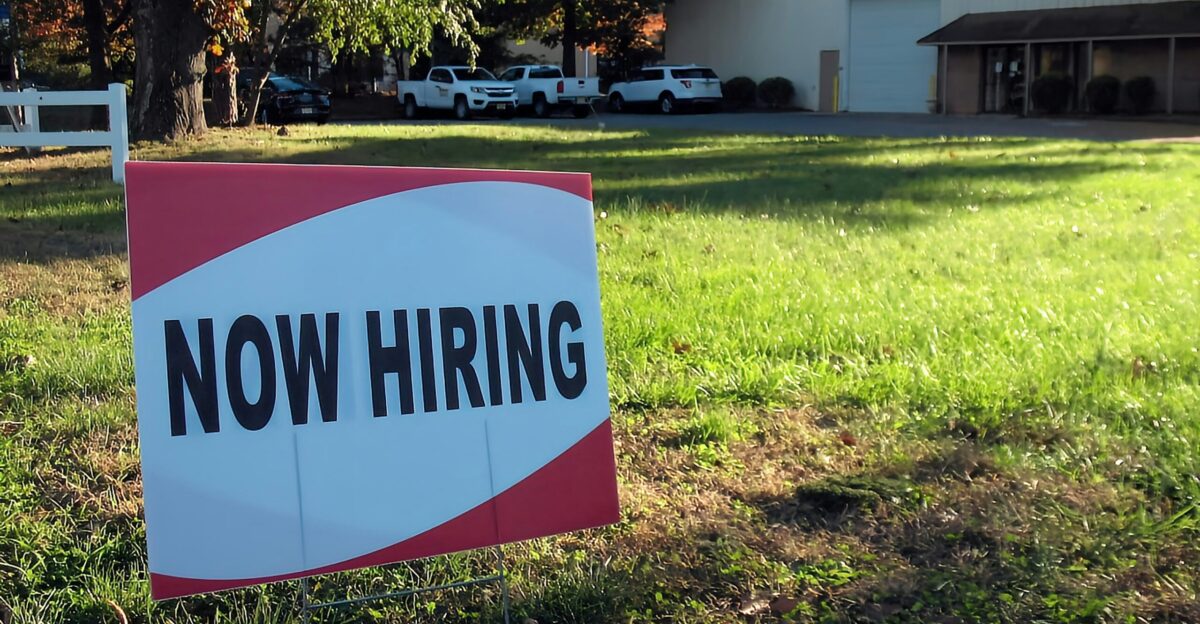
Recent revisions to jobs data and various economic indicators have sparked concerns among analysts; however, many economists point out that the current economic landscape is markedly different from past recessionary periods. The economy is still generating jobs at a reduced rate, and GDP growth is steady. The decline in manufacturing jobs and the slowdown in hiring are seen as part of an economic adjustment process rather than signs of an impending crisis.
The updated employment data highlights the need for accurate economic measurement and the complexities of the labor market. While job growth has slowed, unemployment remains low, and wage growth continues. The next few months are crucial as policymakers and businesses navigate this transition, and ongoing monitoring of employment trends will provide important insights into the economic future.