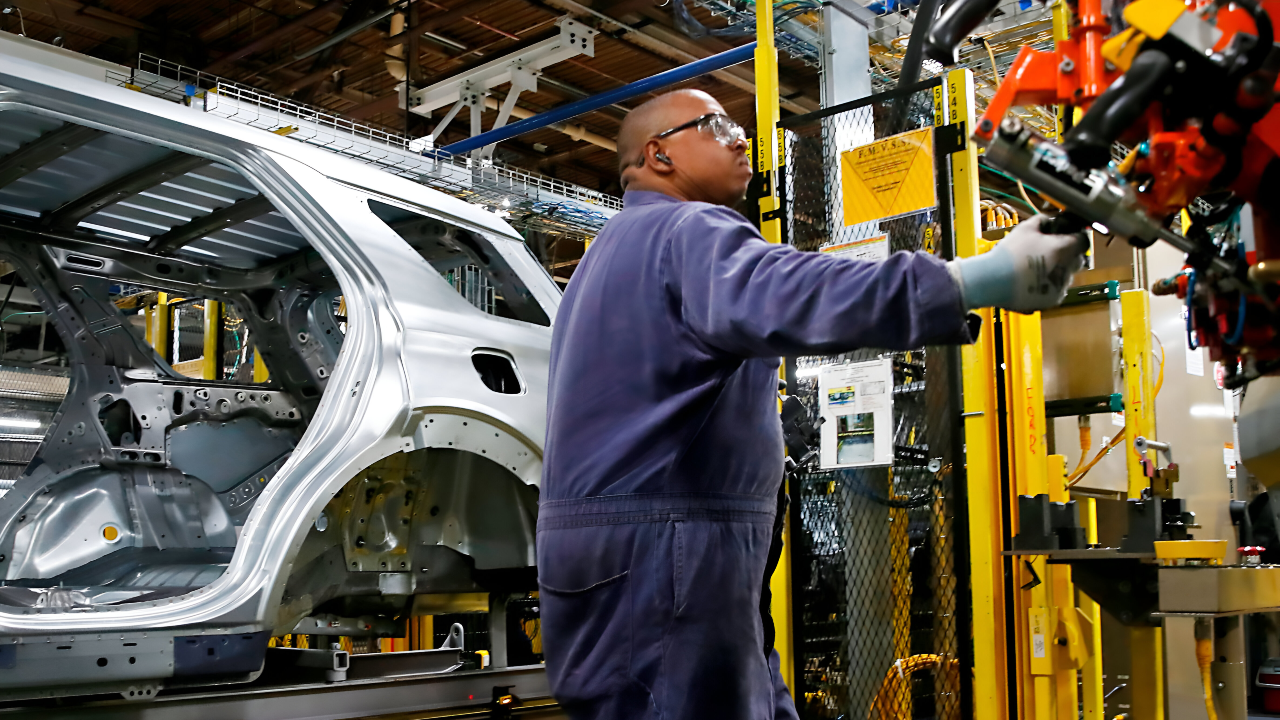
The sudden collapse of First Brands Group on September 28, 2025, sent shockwaves through Wall Street and beyond. With $5 billion in annual revenue and presence across major retailers including AutoZone, Walmart, and Amazon, the company’s Chapter 11 filing in Houston revealed a financial catastrophe waiting to happen. Despite commanding iconic brands like Fram air filters and Raybestos brake linings, the company had depleted its cash reserves to just $14 million. The bankruptcy exposed not merely a single corporate failure but a systemic vulnerability in how modern supply chains operate under aggressive financial engineering and minimal oversight.
The Debt Trap Behind Rapid Expansion
Between 2018 and 2025, First Brands pursued an aggressive acquisition strategy, purchasing over 20 companies while accumulating $11.6 billion in debt. The company relied heavily on loans and opaque supply-chain financing mechanisms to fund these deals. This debt explosion was fueled by risky financial engineering practices that allowed deteriorating fundamentals to remain hidden from public view. The annual interest burden alone reached $900 million—representing 18 percent of revenue. When a refinancing attempt in July 2025 sought to restructure $6.2 billion in debt, it failed spectacularly, triggering margin calls and plummeting debt prices that reverberated through leveraged lending markets.
Immediate Retail Disruption and Price Surges
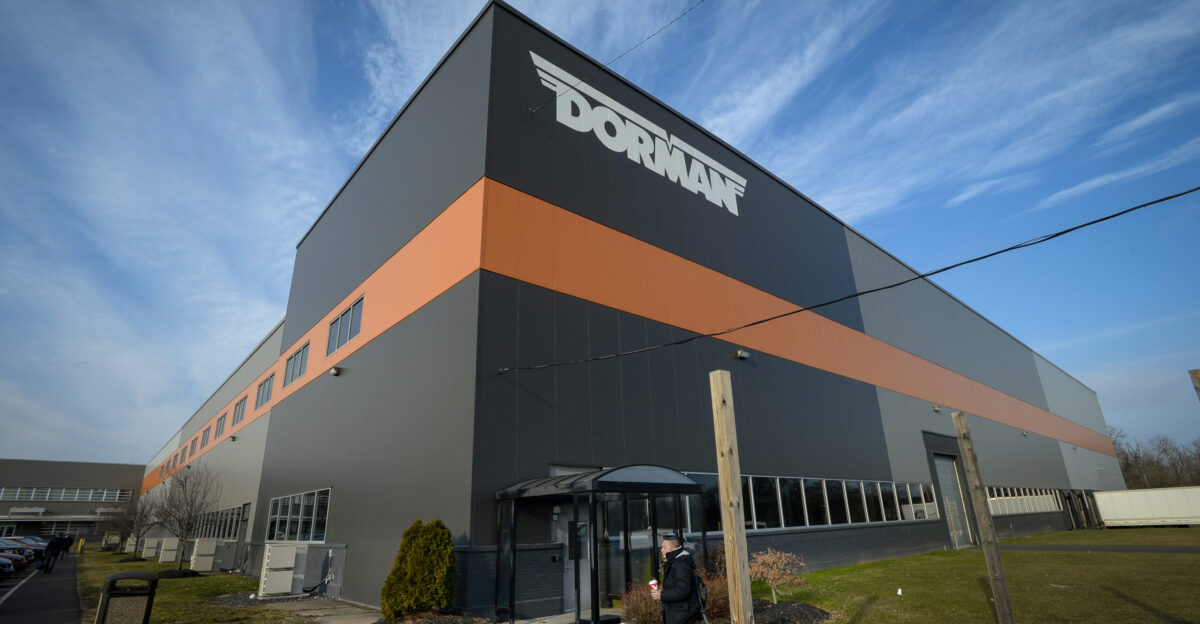
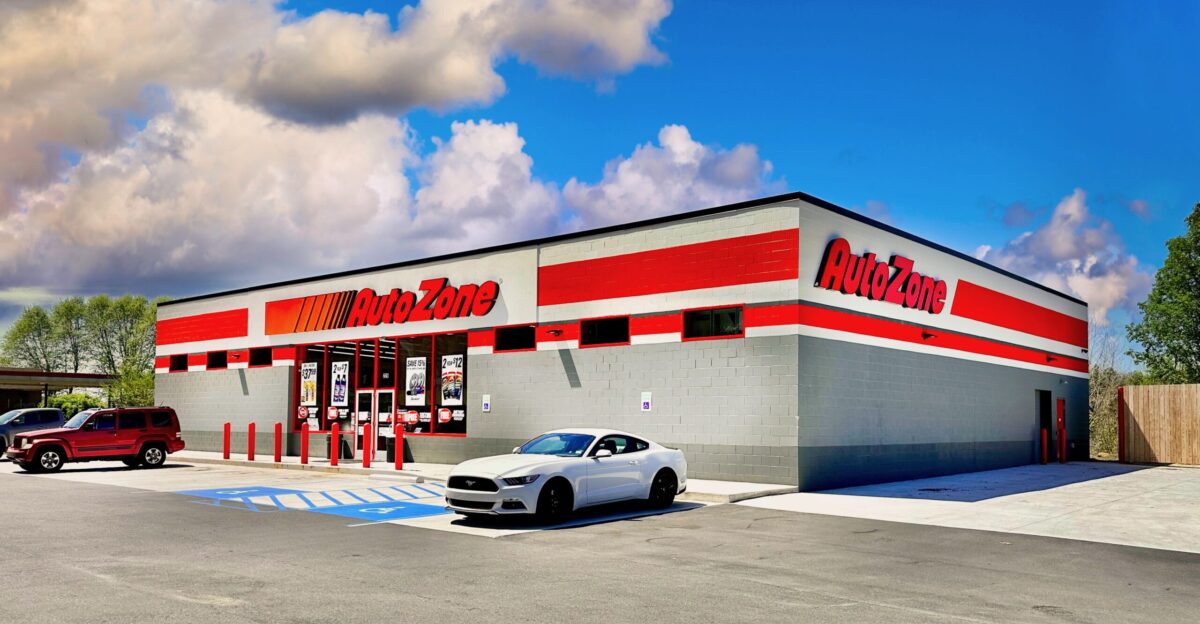
As First Brands’ bankruptcy unfolded, major retailers experienced immediate product shortages. Items like Trico wipers, Fram filters, and AutoLite spark plugs vanished from shelves as retailers scrambled to find alternatives. The shortage resulted in price increases for competing brands, disrupting both do-it-yourself mechanics and professional repair shops. Competitors like Dorman Products and Standard Motor Products saw demand surge. However, their own supply chains, already strained by tariff-driven costs, struggled to meet this unexpected spike in orders, creating bottlenecks that pushed product prices higher and delayed shipments through October.
Global Supply Chain Fractures
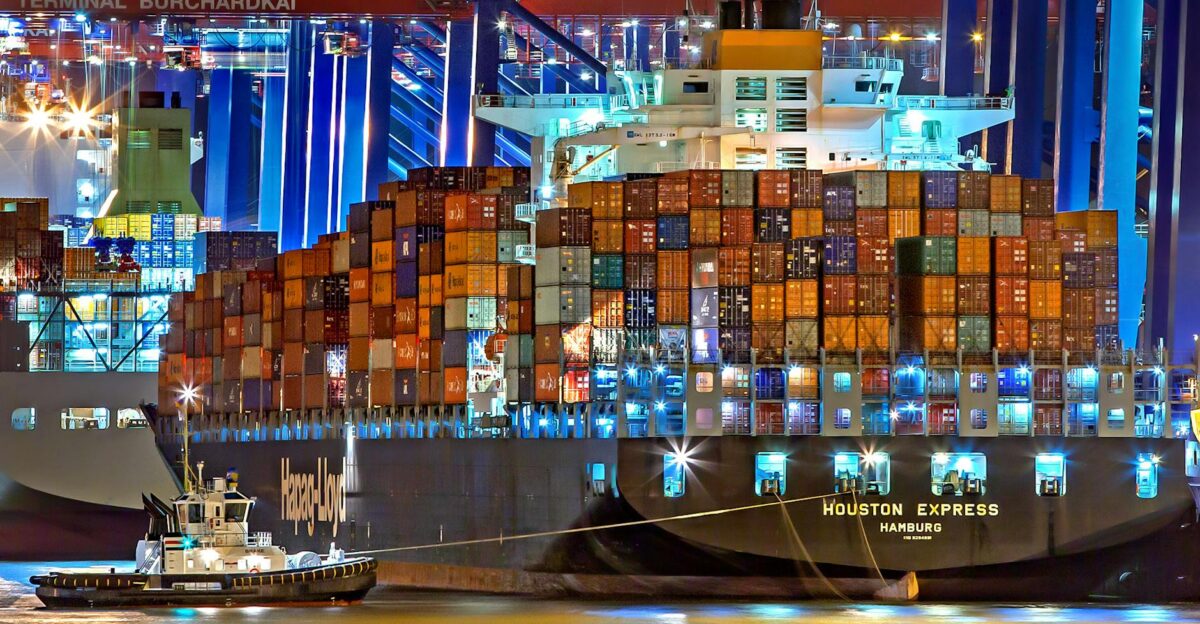
The impact extended far beyond American borders. European and Asian distributors reliant on First Brands’ parts faced significant payment delays and sourcing challenges. These disruptions forced European retailers to source from higher-priced North American competitors, resulting in cost pressures across the European Union and Asia-Pacific regions. In response, Chinese manufacturers unexpectedly gained market share as American retailers shifted sourcing strategies to diversify their supply chains and reduce dependency on domestic manufacturers.
Human and Financial Toll
First Brands employed approximately 26,000 workers across multiple subsidiaries globally. Layoffs began immediately as creditors pushed for workforce reductions, leaving employees facing unpaid wages and uncertain severance packages. Creditors, including Jefferies Financial Group and Raistone Capital, faced potential losses exceeding $2 billion. Federal prosecutors in Houston launched an investigation into founder Patrick James over allegations of fraudulent activities, including using fake invoices and double-pledging assets to secure billions in loans. The investigation expanded to explore the disappearance of $2.3 billion in off-balance-sheet funds.
Cascading Economic Effects
The auto parts shortage created ripple effects across multiple sectors. Independent auto repair shops, already struggling with higher parts costs, raised labor rates, pricing out budget-conscious consumers. Mechanics reported more cars arriving with worn-out components, raising safety concerns. Leather suppliers saw canceled orders for seat covers, while chemical manufacturers faced lower demand for brake fluid and coolants. Logistics providers experienced pressure from reduced freight volumes, further squeezing the supply chain.
Path Forward and Market Reassessment
On November 6, 2025, First Brands secured $1.1 billion in debtor-in-possession financing to continue operations through restructuring. The company is expected to work through its restructuring process, with parts supply gradually normalizing as the situation stabilizes. However, the ongoing criminal investigation may delay recovery and complicate asset liquidation. The bankruptcy prompted a reassessment of private credit markets, with investors questioning the stability of other leveraged companies and credit concerns spreading through leveraged lending markets. Credit rating agencies faced scrutiny for missing warning signs of the company’s deterioration.
Conclusion
First Brands’ collapse serves as a cautionary tale about how opaque financial engineering and aggressive leverage can destabilize entire industries. The crisis revealed the fragility of modern supply chains and the interconnected risks that can transform a single company’s failure into widespread economic disruption affecting consumers, workers, and markets across continents.
Sources
U.S. Bankruptcy Court for the Southern District of Texas, Case No. 25-90399; First Brands Group Chapter 11 Petition and Declaration of Charles M. Moore (Sept. 28-Nov. 3, 2025)
Reuters; AP News; Bloomberg reporting on First Brands bankruptcy, Jefferies exposure, and Patrick James fraud investigation (Sept. 28-Nov. 27, 2025)
Trump Administration Executive Orders on Auto Tariffs (March-April 2025) and First Brands Corporate Filings documenting $220 million tariff-related costs
Financial Times; Benzinga reporting on Jim Chanos private credit market analysis and Enron comparison; AIMA/Federal Reserve research on private credit market interconnections and systemic risk (October-November 2025)