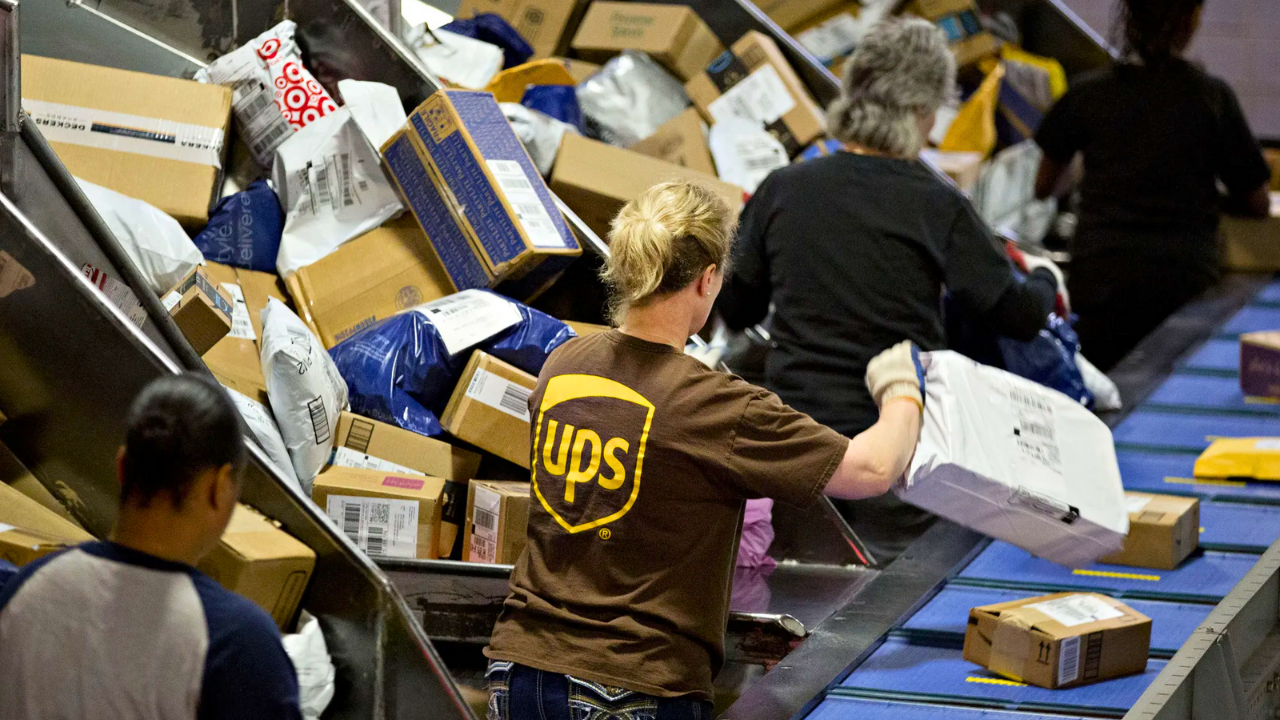
Thousands of international packages are stuck in U.S. warehouses as customs requirements changed on August 29, ending the de minimis exemption.
Many shipments encounter complex paperwork or missing information, resulting in delays.
A veteran customs broker called the backlog “totally unprecedented.” UPS handles about 3.2 million international packages daily, but customers still don’t understand what happens when shipments are “disposed of.”
Stakes Rising

This escalation in customs processing has heightened tensions. UPS experienced a surge in customs-cleared volumes, increasing from 13,000 daily in March to 112,000 by September.
More than 90% clear on day one; roughly 11,200 still require extra processing each day. UPS CEO Carol Tomé blamed “naive” customers for missing information.
To manage uncertainty, UPS suspended its money-back guarantee for U.S.-bound international shipments as of October 2.
Historical Context

To understand the context behind these changes, it is important to recall the de minimis exemption, which allowed duty-free entry for packages under $800 for years.
August 29, 2025, marked a historic shift: all international shipments must clear customs.
The White House framed the change as closing gaps in enforcement and protecting American manufacturers, although industry watchers warned about potential implementation hurdles as e-commerce volumes surged.
Pressure Mounting

The impact of these developments rippled throughout the industry. A UPS customs backlog stretched across the industry.
A New York brokerage firm reported a surge in demand from clients seeking assistance with clearing shipments.
NBC News interviewed dozens facing delayed or potentially lost items, including tea, telescopes, and luxury glassware, underscoring how tariff changes and complex rules are testing the clearance system.
The Disposal Revelation
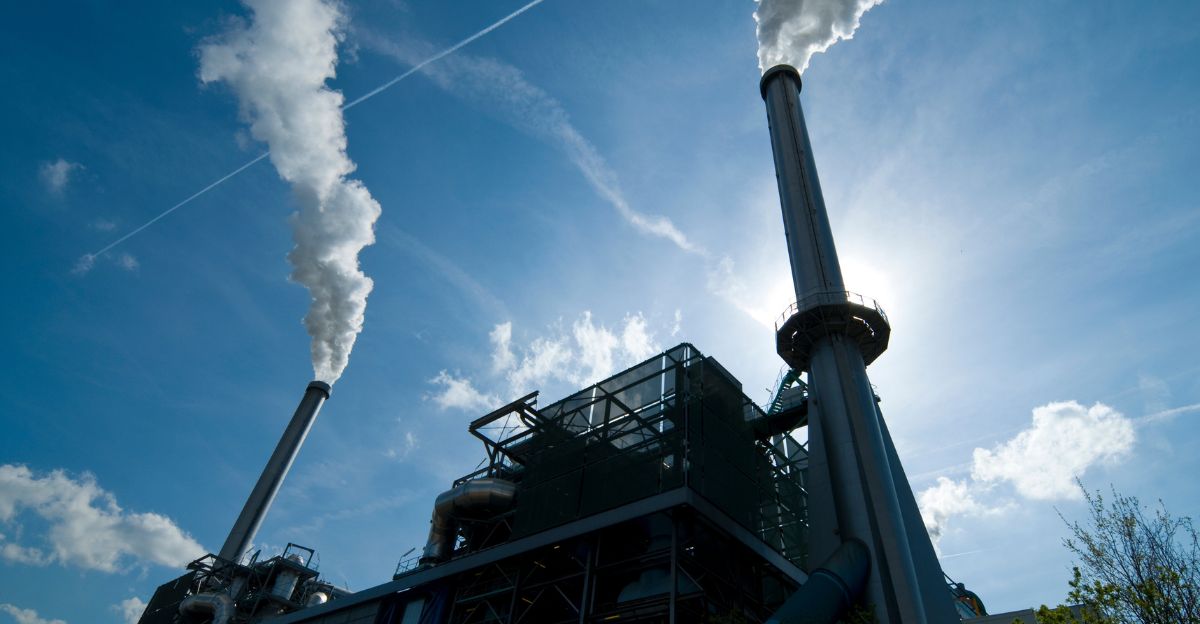
As a result of the stricter customs processes, UPS confirmed in October that shipments unable to clear customs after three outreach attempts may be disposed of in compliance with regulations.
The company emphasized that disposal procedures are not fully detailed, leaving questions about whether items are incinerated, landfilled, auctioned, or otherwise destroyed.
Customers were informed that their packages were undeliverable and would be disposed of in accordance with guidelines.
Louisville Epicenter
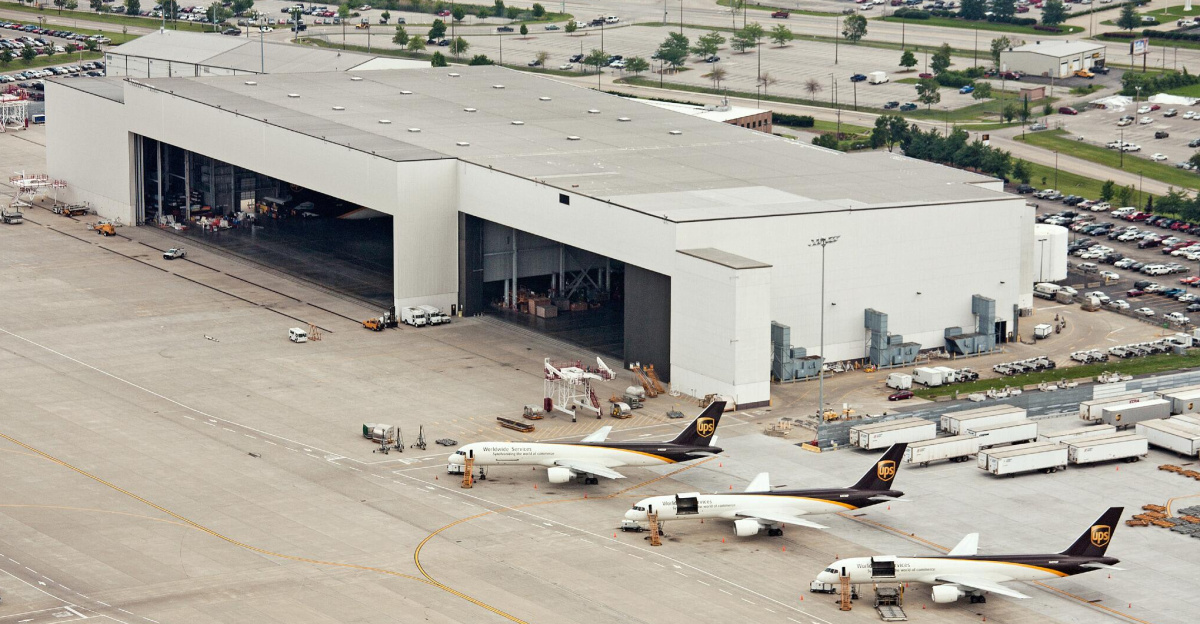
The effects were especially visible at key logistics hubs. Worldport in Louisville, a massive hub, typically processes around 2 million packages daily in a facility spanning 5.2 million square feet, employing thousands of workers.
Despite advanced sorting capabilities—capable of handling hundreds of thousands of packages per hour—paperwork bottlenecks left many shipments grounded.
The hub handles hundreds of daily flights, but missing documentation prevented many parcels from being moved.
Personal Toll

Against this backdrop, specific cases highlight individual losses: a tea company with shipments worth over $127,000 stuck at the Louisville hub; a Swedish exporter with hundreds of delayed packages; and a wedding sari feared destroyed.
Across cases, customers faced contradictory tracking updates, underscoring the emotional and financial toll of the new clearance regime.
Competitive Exodus

This environment prompted some shippers to shift to rivals like FedEx after experiencing delays and tariff confusion.
Citing high shipping costs and unpredictable delivery times, many business owners reported losing faith in UPS’s ability to deliver reliably under the new tariff regime and opted for competitors for future international shipments.
Market Implications

These operational and reputational issues affected UPS’s market performance, as its stock and perception came under pressure due to tariff complexity, competition, and shifting consumer habits that weighed on profits.
Analysts pointed to a broader shift away from traditional shipping volumes toward services and digital commerce, compounding the earnings challenge in a turbulent regulatory environment.
Secondary Catastrophe
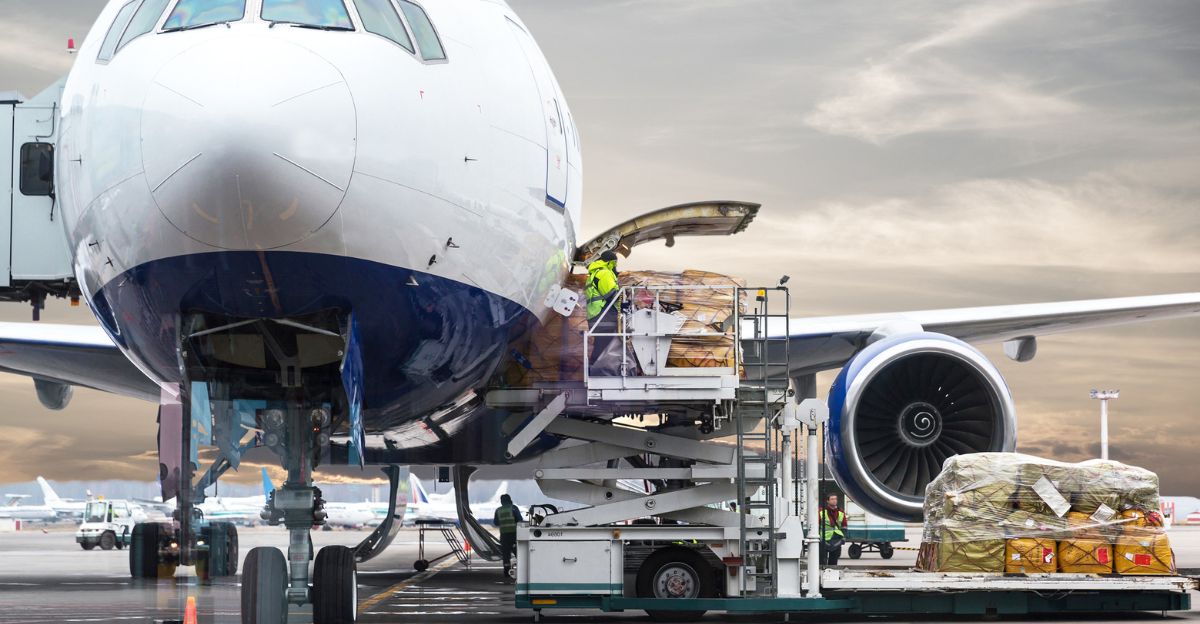
While customs delays dominated headlines, a separate crisis struck in early November.
On November 4, a UPS MD-11 cargo plane suffered a catastrophic engine failure on takeoff from Louisville, leading to a deadly crash.
The incident, although significant, was independent of the customs backlog, and UPS paused Worldport operations the next day to assist in the investigation and stabilize the network afterward.
Operational Paralysis

In the immediate aftermath of the crash, Worldport’s operations halted as investigators secured the crash site.
The shutdown disrupted the world’s busiest cargo hub, with runway closures and cascading delays across the UPS network.
Community members and officials expressed concern over the broader impact on workers and regional economies.
Recovery Attempts

UPS began recovery efforts, but challenges remained.
Worldport planned to resume operations, aiming to reestablish normal scheduling across destinations in the wake of both the crash and customs backlog.
Despite a temporary restart, the crash left lingering delays as backlogs formed, requiring careful network management while investigators continued the root-cause analysis.
Strategic Pivot

To adapt, UPS rolled out new import processing fees and pursued agreements with the USPS to handle some ground volumes.
Investments in customs brokerage services and automation aimed to reduce errors and expedite clearance, but the fundamental issue—namely, incomplete or missing paperwork—remained a barrier to rapid delivery.
Expert Skepticism

Despite these adjustments, analysts remained cautious. Analysts questioned whether trust could be rebuilt after widespread disposal of shipments and communication gaps about disposal procedures.
The move away from guaranteed service signals broader concerns about reliability in a changing tariff landscape, even as the crash investigation promised longer-term clarity on safety and operations.
Uncertain Horizon

Looking forward, resilience is once again in question. With holiday volumes rising dramatically, questions loom about resilience: can the world’s largest sorting facility withstand simultaneous customs pressures and a major aviation incident?
As seen throughout the recent customs changes and aviation disruptions, will affected customers receive fair compensation or explanations?
The episode highlights how shifts in policy and unforeseen disasters can challenge even the most sophisticated logistics networks and the trust they depend on.