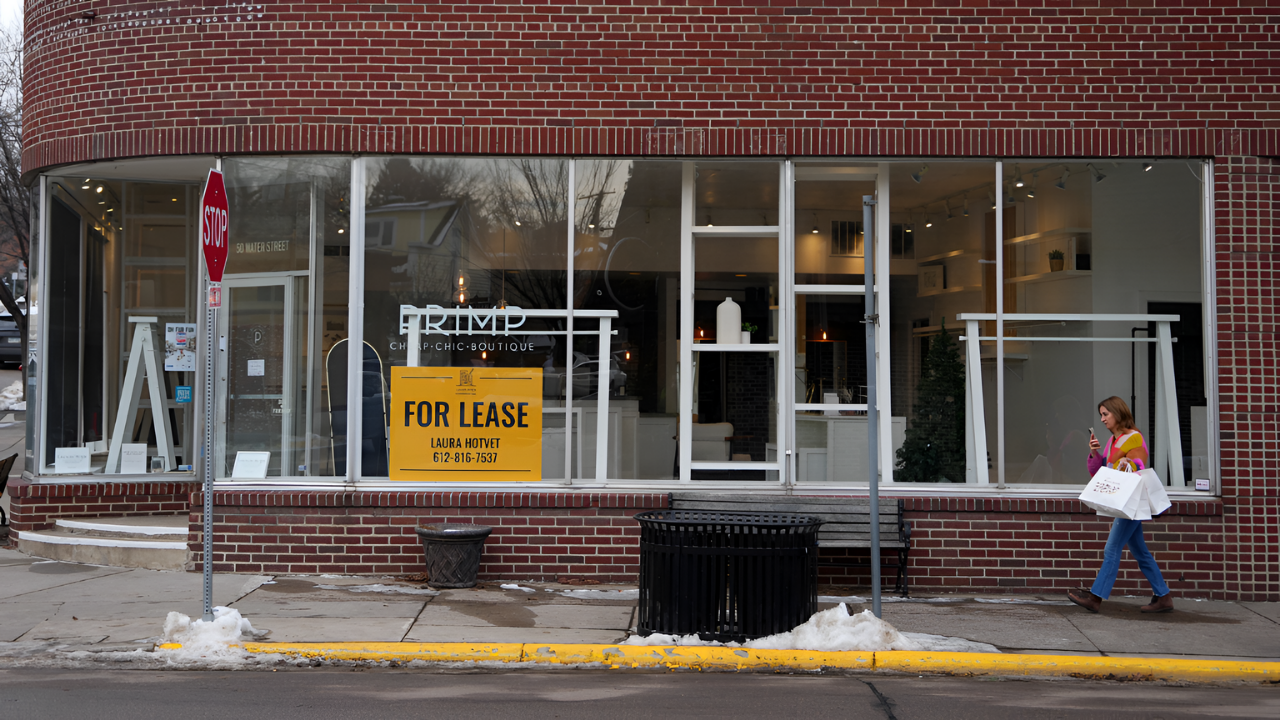
Primp Boutique, a Minneapolis-based women’s fashion retailer founded by Wesley Uthus and Michele Henry, closed its final four stores on December 23, ending a 15-year run just days before Christmas. Once operating up to nine locations across Minnesota and South Dakota, the brand steadily contracted after the pandemic.
The closure reflects a broader collapse in in-store foot traffic that has permanently altered the economics of small-format fashion retail across the United States.
Why Foot Traffic Never Returned: The Pandemic’s Permanent Shift

The pandemic accelerated consumer migration toward online shopping, a shift that never fully reversed. Even after restrictions eased, Primp’s in-store traffic failed to return to pre-2020 levels. Customers increasingly prioritized convenience, delivery speed, and price transparency over in-person service.
At the same time, inflation reduced discretionary spending, leaving boutiques especially exposed. For small retailers built around physical experiences, the structural change proved impossible to overcome.
The K-Shaped Economy Hits Middle-Income Shoppers Hardest

Primp’s core customers—middle-income women seeking stylish but affordable clothing—were squeezed hardest in 2025. While higher-income shoppers continued spending, many households cut back on discretionary purchases.
Rising costs pushed vendors to increase wholesale prices, compressing margins at Primp’s sub-$100 price point. What once differentiated the brand became a liability, highlighting how the K-shaped economy disproportionately punishes retailers serving financially pressured consumers.
Small Business Saturday Became the Breaking Point
The weekend after Thanksgiving marked the turning point. Sales during Small Business Saturday underperformed expectations, signaling that the crucial holiday season would not deliver a recovery.
In a social media post referencing You’ve Got Mail, Uthus highlighted the emotional toll facing independent retailers nationwide. Two days before Christmas, Primp announced its closure and launched a 50% liquidation sale, clearing nearly all remaining inventory within days.
The Broader Retail Bloodbath: Primp Is One of Thousands
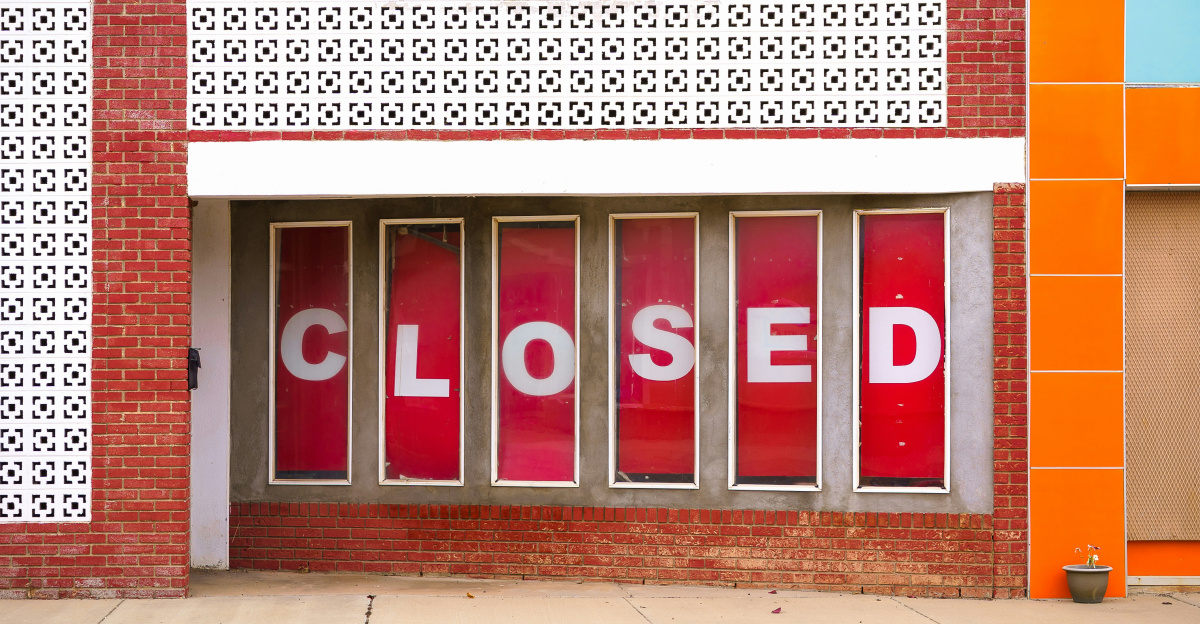
Primp’s shutdown is part of a much larger wave of U.S. retail closures. Thousands of stores closed nationwide in 2025, with apparel, footwear, and accessories among the hardest-hit categories. Both large bankrupt chains and smaller regional brands disappeared, underscoring how widespread the disruption has become.
Primp’s experience mirrors a national pattern: declining traffic, rising costs, and shrinking margins forcing retailers out en masse.
Retail Bankruptcies Reach Multi-Year Highs
Retail bankruptcies surged in the mid-2020s, reflecting deep structural stress across the sector. Inflation, elevated borrowing costs, and aggressive competition from e-commerce combined to undermine traditional business models.
Even brands with loyal followings struggled to adapt fast enough. Industry analysts noted that consumers increasingly choose the “path of least resistance,” favoring speed and simplicity over loyalty, community, or in-person experiences.
Big-Box Retailers Win Through Scale and Convenience
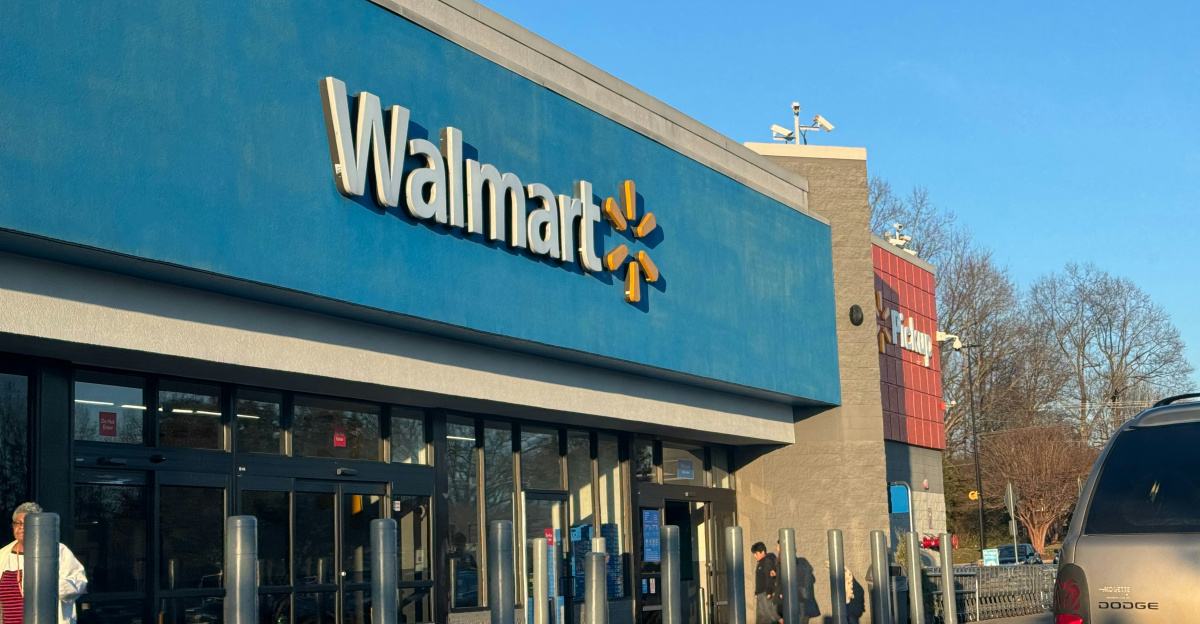
Retail giants such as Walmart, Target, and Amazon expanded their dominance by investing heavily in curbside pickup, same-day delivery, and automated fulfillment.
Their scale allows them to negotiate lower supplier costs and absorb price shocks. Small chains like Primp lacked the capital and logistics to compete. The result was an impossible tradeoff: raise prices and lose customers, or hold prices and bleed profitability.
Labor Costs Squeeze Small Retailers Disproportionately

Rising wages and staffing costs weighed heavily on small businesses. Unlike large corporations, boutiques operate with limited flexibility and thin margins. In 2025, employment data showed small employers cutting jobs while large firms continued hiring.
For Primp, staffing stores became increasingly difficult to justify financially. Labor pressures reinforced the uneven recovery, further widening the gap between national chains and independent retailers.
Supply Chain Pressures and Cost Pass-Through

Higher supply chain costs in 2025 forced vendors to pass price increases downstream. Without the purchasing power of major retailers, Primp absorbed much of the impact.
Uthus considered pivoting toward higher-end inventory but rejected the move, believing it would abandon the brand’s accessible identity. This dilemma—either change fundamentally or accept unsustainable losses—confronted many boutiques caught between rising costs and price-sensitive customers.
The Human Cost: Employees and Community Loss

Primp’s closure affected dozens of employees across its remaining locations in Minnesota and South Dakota. Beyond job losses, the shutdown erased a familiar community space where customers connected with staff and each other.
The stores offered more than transactions; they provided relationships and local identity. Uthus emphasized handling the closure with respect, focusing on transparency and gratitude rather than a rushed or impersonal exit.
Sustainability Loses Ground to Speed and Volume

As boutiques disappear, fast-fashion and high-volume e-commerce players gain ground. These models prioritize rapid turnover and low prices, often at the expense of durability and sustainability.
Primp emphasized curated collections and thoughtful purchasing, encouraging customers to buy fewer, better items. Its closure highlights how sustainability-oriented retail struggles to survive in a market increasingly driven by speed, discounts, and algorithmic recommendations.
The Disappearance of Retail “Third Places”
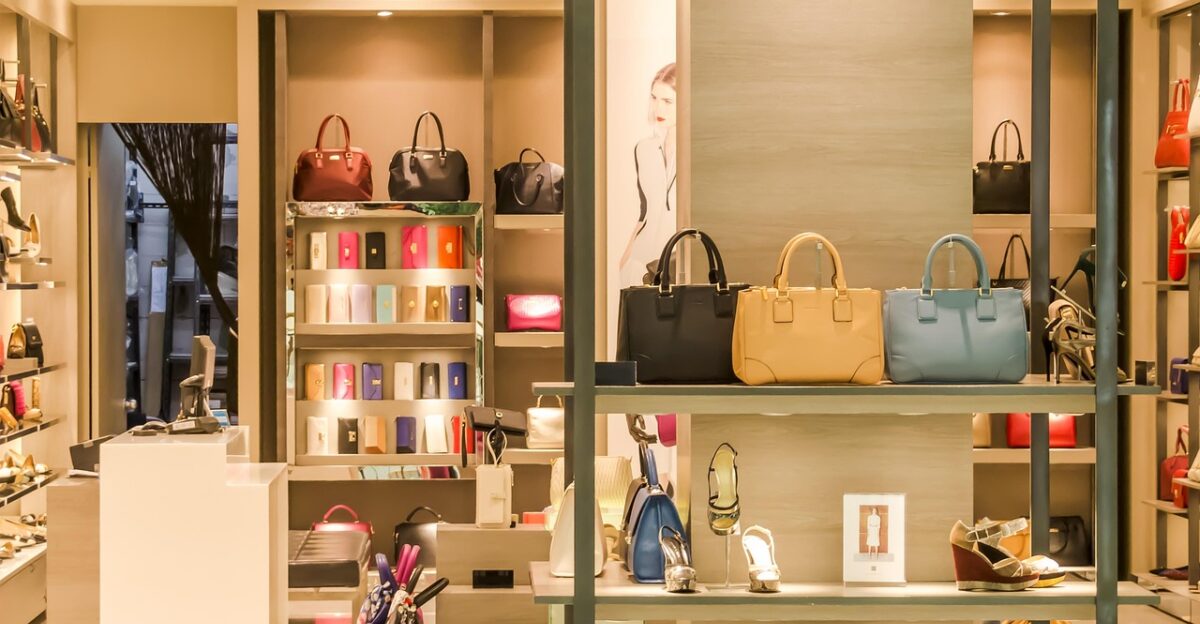
Independent boutiques often functioned as “third places”—social environments outside home and work. Primp filled that role for many shoppers, blending commerce with community. Its closure reflects a broader cultural shift toward digital transactions and reduced face-to-face interaction.
The emotional resonance of Uthus’s farewell messaging underscored how deeply these spaces matter, even as economic forces continue to push them aside.
Winners and Losers in the Aftermath
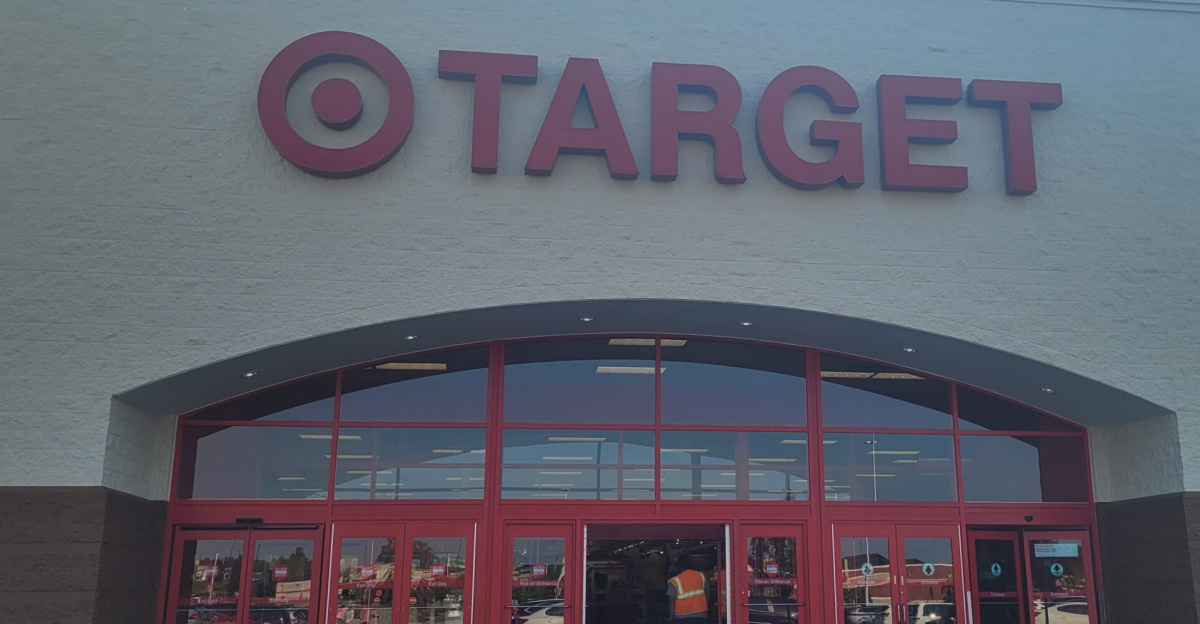
The immediate beneficiaries of Primp’s closure are large retailers and e-commerce platforms that absorb displaced demand.
Discount chains and thrift stores may capture value-focused shoppers, while luxury brands attract those trading up. Local communities, however, lose diversity and character. The redistribution of spending overwhelmingly favors large corporations, reinforcing consolidation trends already reshaping the U.S. retail landscape.
What Consumers Should Understand Going Forward
For shoppers, Primp’s exit signals that boutique retail is becoming increasingly fragile. Personalized service and curated selection may soon carry premium prices or disappear altogether.
Supporting independent retailers earlier—rather than during liquidation sales—matters more than ever. Consumers should also be cautious with gift cards and loyalty balances, as closures can happen quickly once financial tipping points are reached.
What Primp’s Closure Says About America’s Economy

Primp Boutique’s final day captures a defining economic reality: middle-market businesses are being hollowed out as power consolidates at the top. The K-shaped economy favors scale, capital, and convenience, leaving little room for community-driven retail.
Primp did not fail from mismanagement or lack of demand, but from systemic forces reshaping how Americans shop, work, and connect in the modern economy.
Sources:
- Star Tribune, December 18, 2025
Likely title: “Primp Boutique closes final stores, owner blames retail shifts and costs” - TheStreet, December 2025
Likely title: “Retail apocalypse continues: 15,000 store closures projected for 2025” - Economic Times, 2025
Likely title: “US retail closures surge: Clothing chains hit hardest in 2025” - CNBC, 2024–2025
Likely title: “Retail bankruptcies hit 15-year high with 51 filings in 2024” - ADP Research, November 2025
Likely title: “ADP National Employment Report: Small firms shed 119,000 jobs in November”