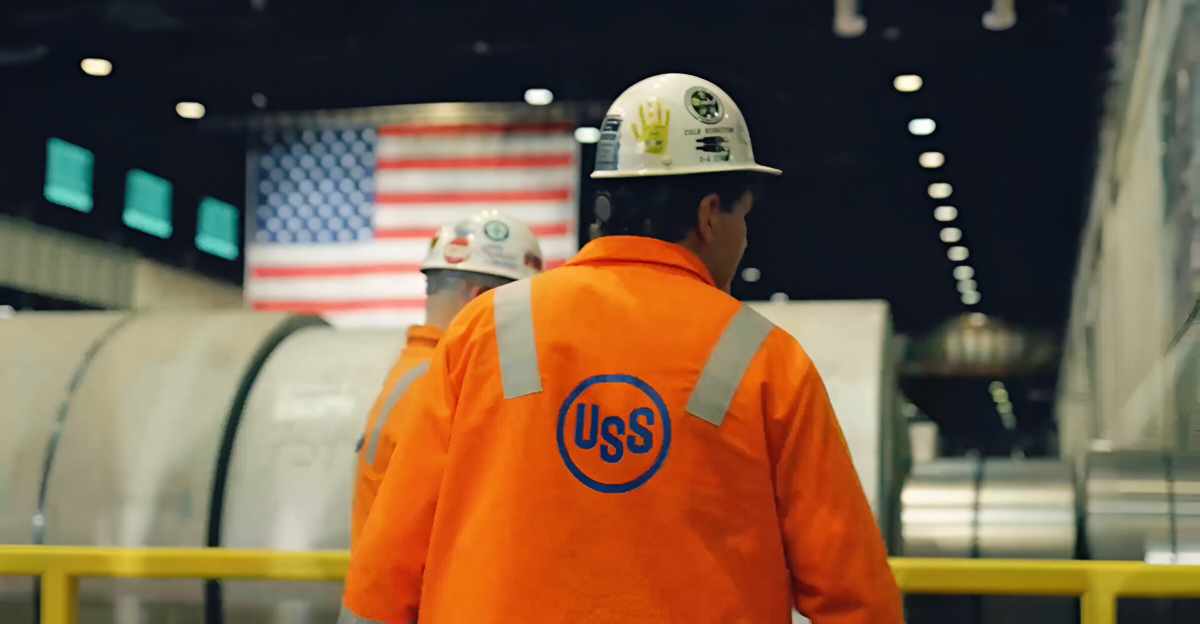
The U.S. steel industry today is buffeted by global competition and rising costs. A flurry of plant closures across the Rust Belt has left many workers and towns in limbo. But the troubles run deeper than trade or prices.
Behind the scenes, corporate strategy and international capital are reshaping U.S. steel. For example, Illinois alone produces roughly 5% of U.S. steel, yet its iconic Granite City Works – a 2.8 million ton-per-year mill – has ground to a halt.
As one insider put it, “we’re watching the change of America’s industrial landscape in real time.”
Economic Tremors

Illinois’s metal industry underpins a massive economy – the state’s manufacturing, metal fabrication, and related sectors generate hundreds of billions of dollars annually. Granite City Works once fed sheet steel to auto, construction, and consumer goods plants throughout the Midwest.
U.S. Steel’s own reports show Granite City’s capacity is roughly 2.8 million tons a year.
Despite its size, the plant has become a cautionary tale: a failed 2022 plan to sell the mill to SunCoke fell apart under union pressure. The void left by Granite City’s downturn ripples through communities that once thrived on its output.
Century Legacy
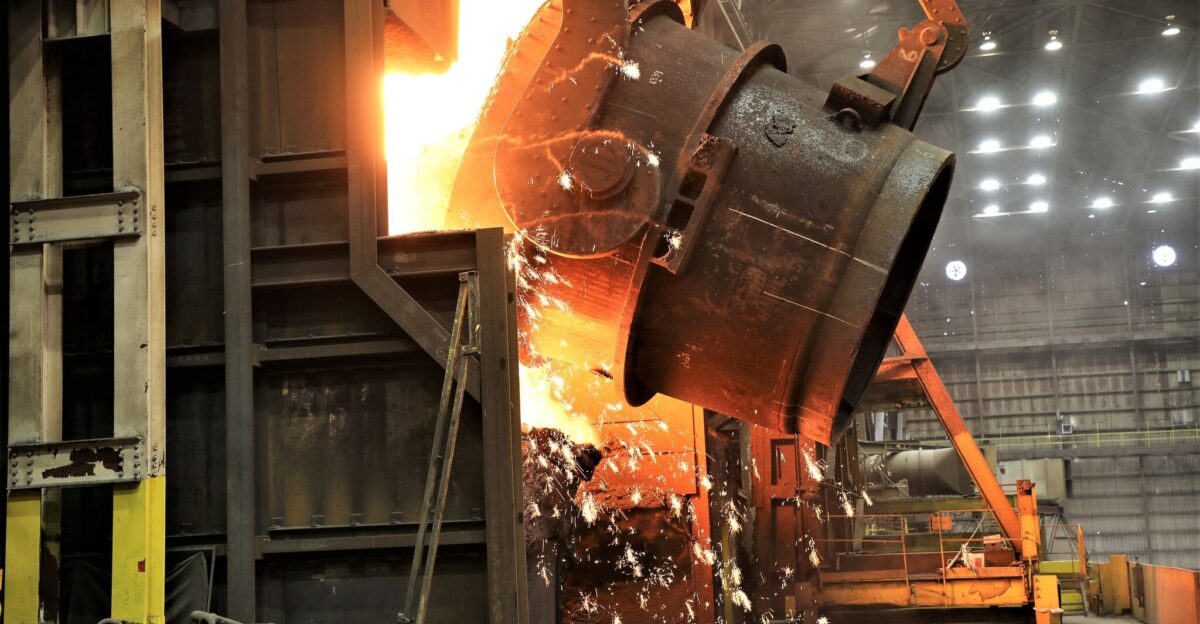
Granite City Works has a 130-year history as a local cornerstone. Founded in 1895 by industrialists Frederick and William Niedringhaus, it was a company-town steel mill from the start.
By 1905, it employed 2,000, growing to a 4,500-worker powerhouse in the mid-century steel boom. U.S. Steel bought the plant in 1927, cementing its place as a symbol of American manufacturing.
Through world wars, economic crises, and shifts in industry, Granite City’s furnaces and shops kept humming – until the last decade’s setbacks. Longtime residents still recall when a morning whistle signaled the plant’s start; that sound is now eerily silent at times.
Warning Signs
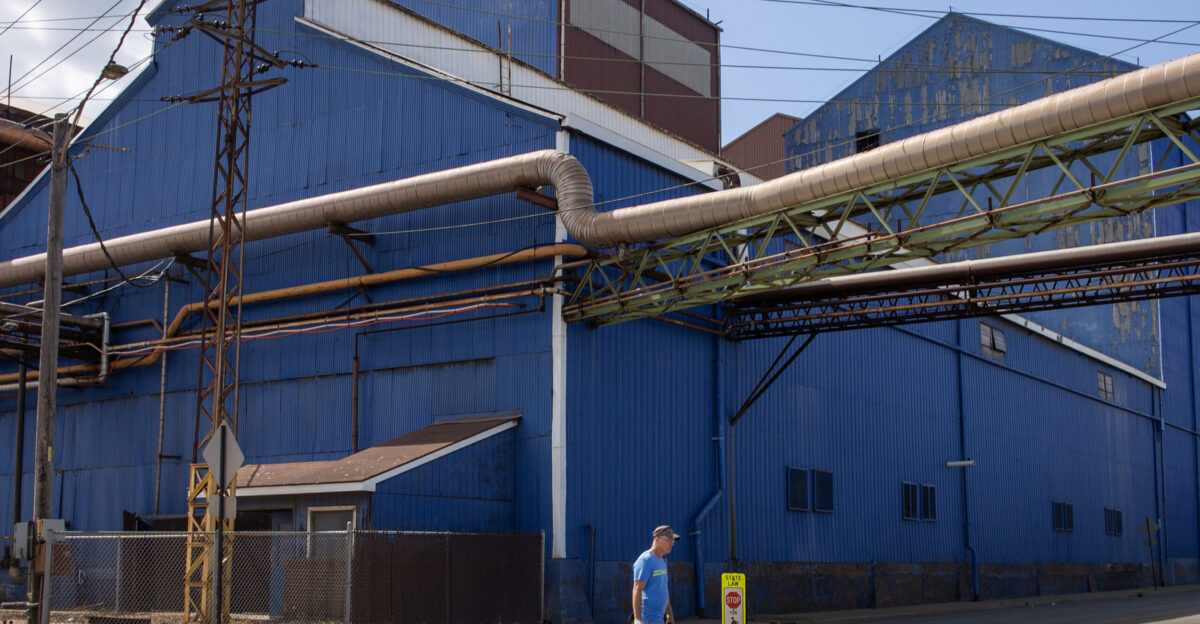
Trouble at Granite City emerged gradually. From 2015 onward, U.S. Steel repeatedly idled the plant. By the end of 2018, its blast furnaces had gone cold, and 1,800 jobs were eliminated.
The mill limped on with about 800 workers doing slab processing, but that too ended in October 2023 when the second furnace was idled.
employment plunged from roughly 2,000 to under 1,000, and the site shifted from making steel to merely shaping slabs imported from elsewhere. As one laid-off worker recalled, “It was devastating… you do what you can to try to feed your family”. These stoppages foreshadowed a full shutdown on the horizon.
Production Ends
In early September 2025, U.S. Steel announced it would halt all slab processing at Granite City Works by November. The company stated it will “optimize” its operations by moving raw steel production to Mon Valley (PA) and Gary (IN) facilities.
The Granite City plant will cease producing any steel. U.S. Steel emphasized it plans no layoffs – roughly 800 workers will stay on to maintain the plant in case conditions change.
Still, union leaders are on high alert. USW District Director Mike Millsap vowed, “We intend to hold Nippon [Steel] accountable to the promises it made” when winning merger approval. Locals fear that, without work, paychecks (and bonus pay tied to production) will soon vanish even if jobs nominally remain.
Regional Ripples
Granite City’s shutdown will hit an industrial network spanning three states. The plant is by far the largest of over 40 metal firms in the Metro East region, covering Granite City and nearby suburbs (Glen Carbon, Fairview Heights, O’Fallon, MO, and beyond)m.tingroom.com.
“All of these businesses are integrated around steel,” notes James Amos, Granite City’s economic-development director, “but U.S. Steel’s production facility is by far the largest of them”m.tingroom.com.
Its draw extended to suppliers, machine shops, and restaurants; when the mill slowed in 2015-2018, local stores saw steep drops in traffic. Now those same Main Street merchants and service firms worry about the ripple effects of another round of uncertainty. Granite City was once built as a steel “company city” in 1896, and many here still define themselves as a Steel City.
Worker Uncertainty
On the shop floor, the mood is one of anxious resignation. Roughly 800 unionized workers at Granite City have been reassigned to maintenance and oversight roles, and U.S. Steel promises no immediate layoffs. But many know it’s not business as usual.
“They say our jobs are safe for now,” one veteran operator said this summer, “but without production we lose the bonuses that support our families.” Retired union president Craig Simmons remembers earlier layoffs: “I’ve had grown men… crying on my shoulder,” he said of past shutdowns.
Here in Granite City, keeping the furnaces cold for years means bills may go unpaid and plans of young families upended.
Strategic Consolidation
Meanwhile, the steel itself is being consolidated elsewhere. Mon Valley Works (PA) and Gary Works (IN) – both part of the Nippon Steel-owned U.S. Steel family – have received massive investment commitments. Nippon Steel has pledged at least $1 billion to modernize Mon Valley’s rolling mills and related equipment.
Similarly, Gary Works will see roughly $300 million spent on relining Blast Furnace #14, extending its life by about 20 years.
These moves are explicitly aimed at “strengthening the backbone of U.S. domestic steel production,” as company officials put it. By concentrating output at larger, upgraded plants, Nippon hopes to achieve economies of scale.
Industry Transformation
The Granite City saga is a microcosm of a much broader industry shift. Decades of globalization have shrunk U.S. steel employment from millions in the 1970s to roughly 140,000 direct jobs today. (If you count all the local jobs supported by steel miners, truckers, machine shops, and restaurants, the total nears two million.)
Each local mill closed meant thousands of ripple jobs lost in its supply chain. Meanwhile, foreign producers — especially in China — now account for a huge share of the global market, forcing U.S. mills to compete on thin margins.
The stakes are high: as the Steel Manufacturers Association notes, American steelmaking paid over $130 billion in wages in 2017.
Foreign Control
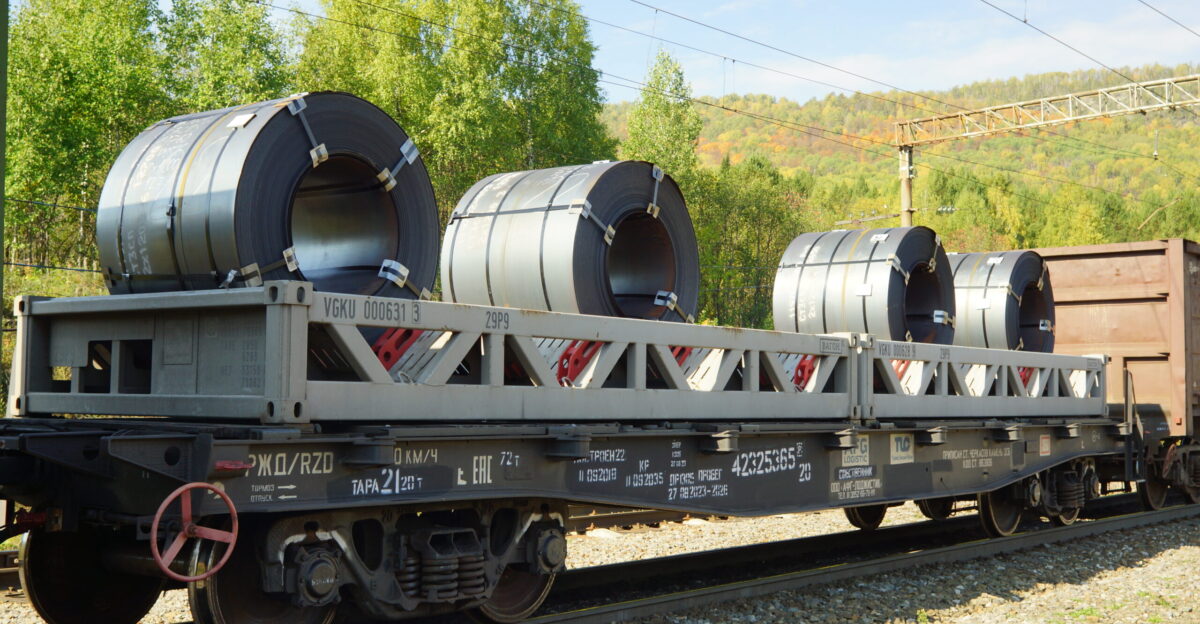
The context for Granite City’s fate was set this summer, when Japanese giant Nippon Steel finalized its $14.9 billion takeover of U.S. Steel. That deal, closed in June 2025, made Nippon the world’s second-largest steelmaker. Crucially, it also means the iconic U.S. Steel is no longer American-owned for the first time in its 120-year history.
Foreign ownership of such an industrial icon was unprecedented. Political leaders from both parties had protested the sale, calling U.S. Steel’s heritage “an icon of American industry”.
Labor leaders were equally skeptical; USW President David McCall warned early on that “binding commitments are hard” to police and Nippon had “again and again violated our trade laws” in past disputes.
Government Tension
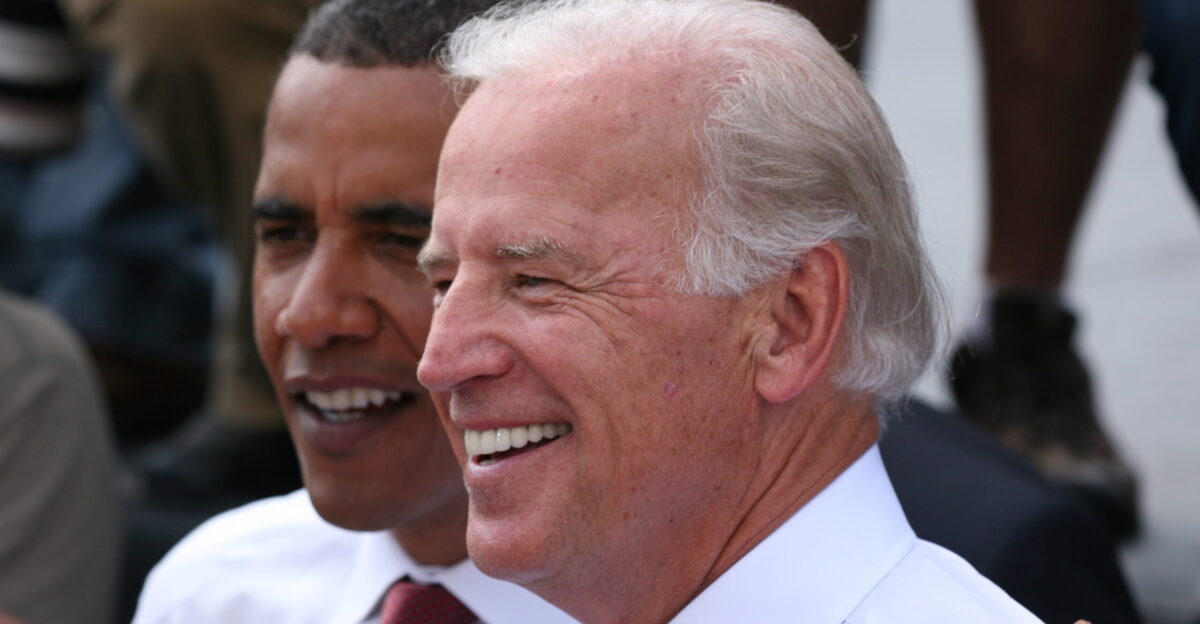
The takeover itself was fiercely contested. In early 2025, President Biden invoked national security powers to block the deal, citing concerns about losing domestic steel capacity. Ironically, the next president, Donald Trump, initially expressed similar vows to protect steel jobs.
Yet both ended up acquiescing, under political pressure. Behind closed doors, U.S. negotiators – prodded by unions and legislators – extracted unprecedented concessions.
The final agreement, announced in June 2025, includes $11 billion in new U.S. investments and special guarantees for workers. Most strikingly, it grants the U.S. government a so-called “golden share”: a super-veto right over major corporate decisions. As Pennsylvania Sen. David McCormick explained, this golden share gives the U.S. “veto power” over plant closures, foreign sales of equipment, and even name changes.
Unprecedented Arrangement
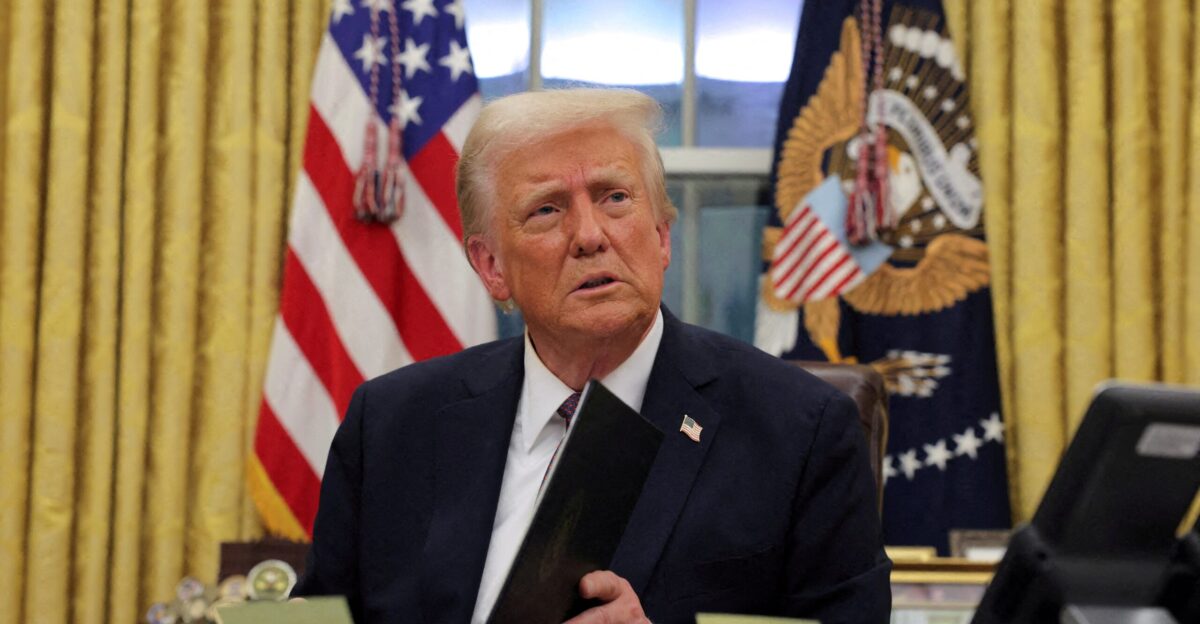
In fact, President Trump only approved the Nippon bid after securing a truly unusual safeguard. The executive order and agreement essentially nationalize critical decisions. U.S. officials – via the Treasury and Commerce departments – will now hold veto rights on strategic choices, from capital spending to plant shutdowns.
The deal also locks in nearly 1,000 jobs in Granite City through 2027 as a condition of approval.
And beyond jobs, it forbids moving U.S. Steel’s operations overseas or altering its workforce without presidential consent. Observers note this “golden share” clause is completely novel for peacetime. An Atlantic Council analyst wrote that handing so much control to the government is “unprecedented,” and could undermine confidence in future cross-border deals.
Recovery Promise
For its part, Nippon Steel has made grand promises of renewal. Before the deal closed, executives vowed to pour billions into American facilities. They pledged to rebuild or replace aging lines – for example, to completely renew the hot strip mill at Mon Valley – and to install advanced processes nationwide.
Nippon’s management is also committed to sharing its COURSE50 carbon-reduction technology, which has cut emissions by roughly 33% in trial furnaces.
They stressed that U.S. Steel would keep its Pittsburgh headquarters and American workforce intact. It’s a sales pitch to union and community leaders: high-tech investment and green upgrades, rather than hollow cost-cutting. “We aim to protect and grow U.S. Steel with American workers,” declared CEO Moritaka Hiroshi at a summit.
Expert Skepticism

Not everyone buys the optimism. Industrial and policy analysts have voiced deep doubts. In Reuters, former Treasury official Jim Secreto warned that the golden share deal is “both risky and unprecedented,” suggesting it could scare off other foreign investors if seen as a new norm.
Legal experts ask: What happens if Nippon later can’t afford its investments? Citing the Atlantic Council, critics note enforcement will be hard if the economy sours.
“How will the U.S. government compel Nippon to increase its investments” if conditions change? One analysis asked, highlighting a lack of teeth in the agreement. While all parties boast the safeguards, watchdogs wonder if promises can hold water.
Uncertain Future
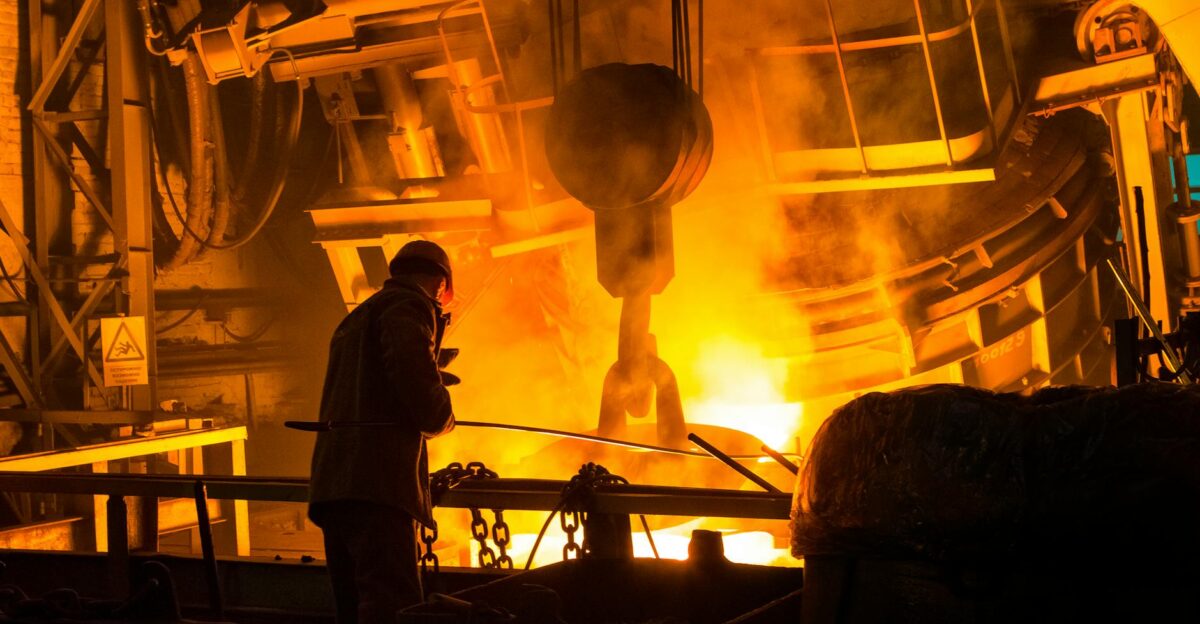
For now, Granite City Works will survive in name only. The mill is officially in “operational readiness” – crews will keep equipment live, but steelmaking is paused. Under the agreed terms, the plant must remain capable of restarting through 2027.
Beyond that, no one really knows what comes next. Will Nippon Steel ever invest in new production lines here, or will it quietly look to sell or mothball the site? Local leaders and unions express worry.
As Congresswoman Nikki Budzinski lamented, “This decision affects not only the workers at the mill, but the entire Granite City community”. With nearly 1,000 jobs effectively on hold and no roadmap announced, families and businesses face a year of limbo, unsure if Granite City will find a new future or simply fade from the steel map.
National Security
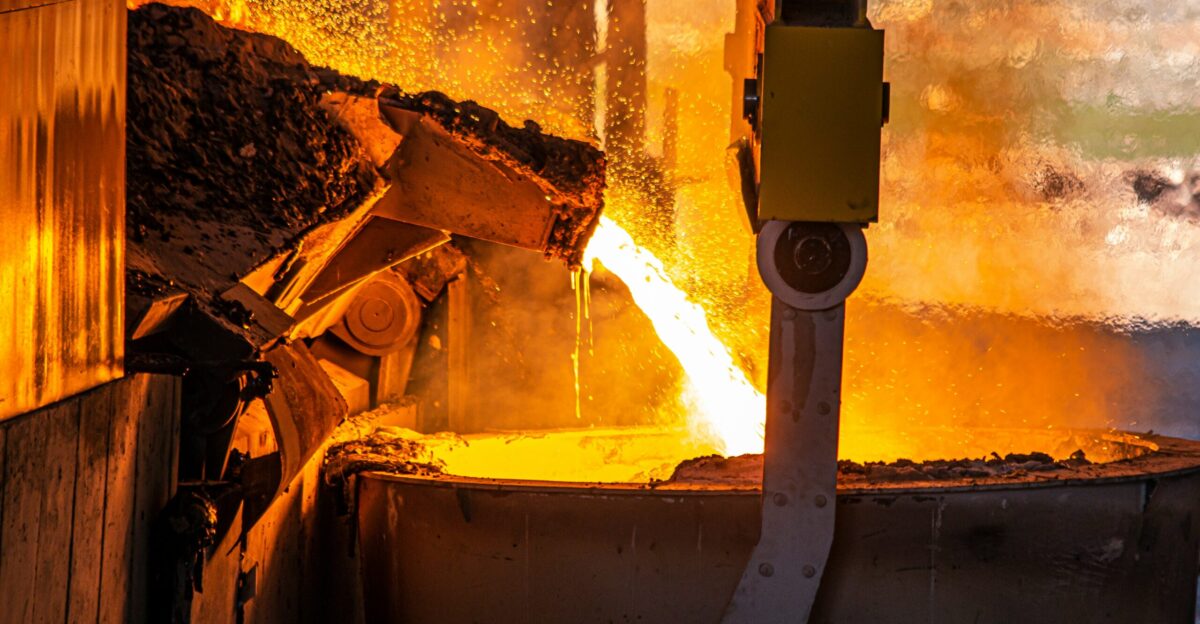
Beyond Granite City itself, the deal has set a national precedent. U.S. officials now have extraordinary, ongoing power in a private corporation – something that went virtually unseen outside wartime.
Through the Committee on Foreign Investment (CFIUS) process, Treasury and Commerce will maintain veto rights over everything from plant closures and capital investments to job relocations and even corporate rebranding.
This creates a hybrid ownership model: Nippon owns U.S. Steel on paper, but Washington has a golden share dictating strategy. Analysts warn this may mark the start of an “industrial policy” shift. One Council on Foreign Relations expert wrote that imposing such “unprecedented economic obligations” on a deal underscores that America’s vaunted open-investment policy is now being tempered by national security concerns.
Global Implications
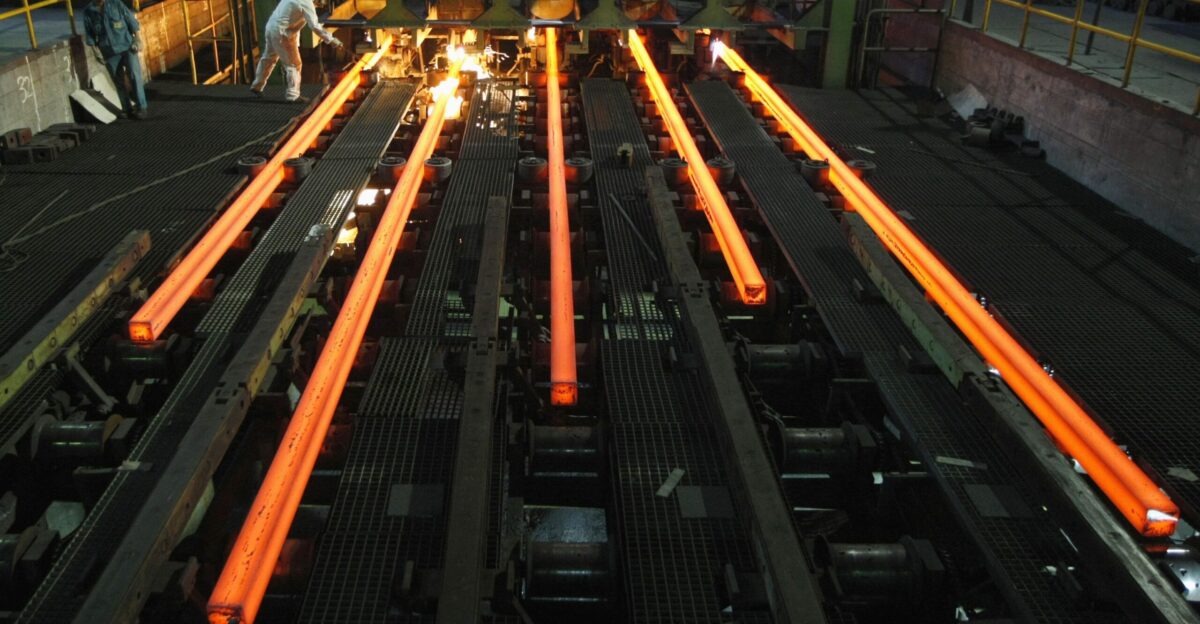
The Nippon–U.S. Steel merger will reverberate worldwide. Together, the companies now form the world’s second-largest steel producer, reshaping global competition. More subtly, it provides a new playbook for strategic M&A.
Observers note the conditions agreed – board seats for Americans, a maintained U.S. plant footprint, and a government golden share – offer a template for future deals in sensitive sectors.
But there’s a cautionary flip side: countries watching this may impose their own golden shares. Atlantic Council analysts already warn that if every cross-border investment is subject to such state control, foreign capital will balk.
Environmental Stakes
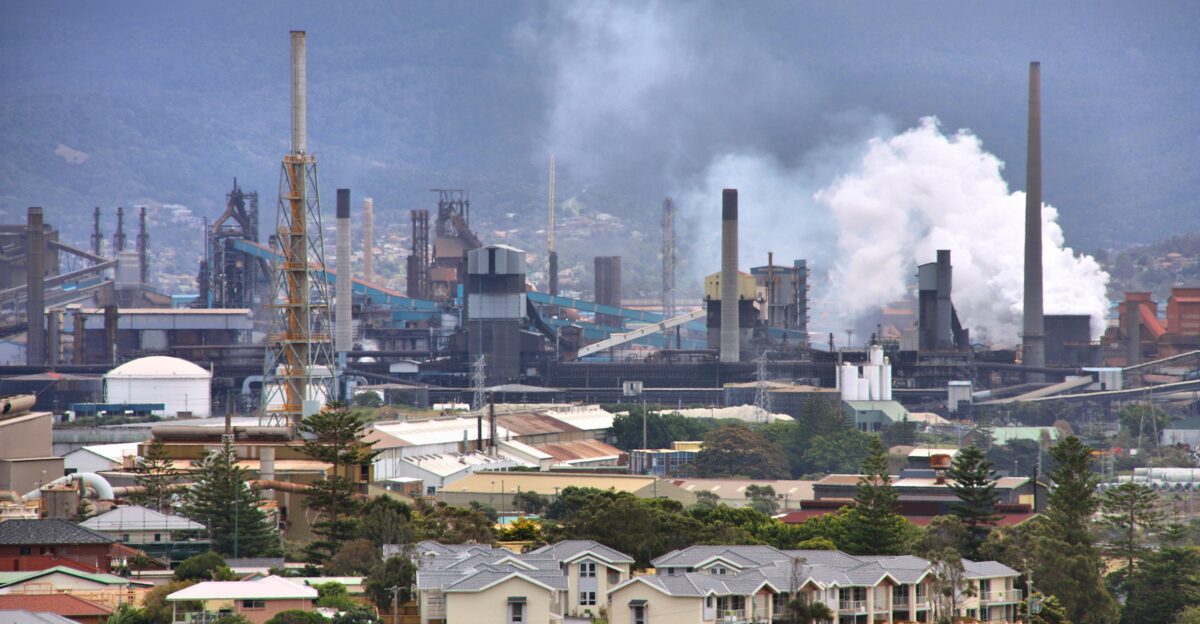
Ironically, as politicians frame the Nippon takeover as an opportunity, climate advocates cry foul. In Indiana, where Gary Works will be overhauled, activists urged Nippon to invest in direct-reduced iron (DRI) technology instead of coal-powered blast furnaces.
They argue DRI (using natural gas or hydrogen) could cut emissions far more than reviving old furnaces. Grassroots group SteelWatch warned that “if this relining goes ahead, it would be a slap in the face – a coffin-nail for Nippon Steel’s reputation on climate”.
Auto-makers in Detroit, meanwhile, want low-carbon steel. They see a conflict: Nippon’s $300M blast furnace upgrade at Gary works locks in coal-based production for decades, even as Volkswagen, Ford, and others pledge greener materials.
Community Impact

Granite City’s coming dormancy is a vivid symbol of Rust Belt challenges. Founded by the Niedringhaus brothers in 1896 as a “planned company town,” the city grew up around its steel mills.
Two generations of families have worked the furnaces, hammers, and mills here; steel is woven into the town’s identity.
To see the mill silent for the first time in a century and a quarter is deeply unsettling. In 2018, when U.S. Steel first shuttered production, owners of local businesses felt the pain immediately – one grocery store saw sales drop 28% after layoffs. Today, Granite City faces a similar reckoning: how to reimagine a hometown without active steelmaking..
Industrial Crossroads
The fate of Granite City epitomizes a larger dilemma for America. On one hand, the country seeks foreign capital and advanced technology to revitalize its industries. On the other, it fears losing economic sovereignty.
This “golden share” outcome is a balancing act between those forces. As one analyst wrote, the unprecedented conditions on Nippon’s purchase – from mandatory investments to a presidential veto – underscore that “the U.S. open investment policy is not robust”.
It means corporate strategy now involves the White House alongside Wall Street. How this hybrid model works out will influence future policy: if it preserves jobs without deterring growth, it may be hailed as a success.