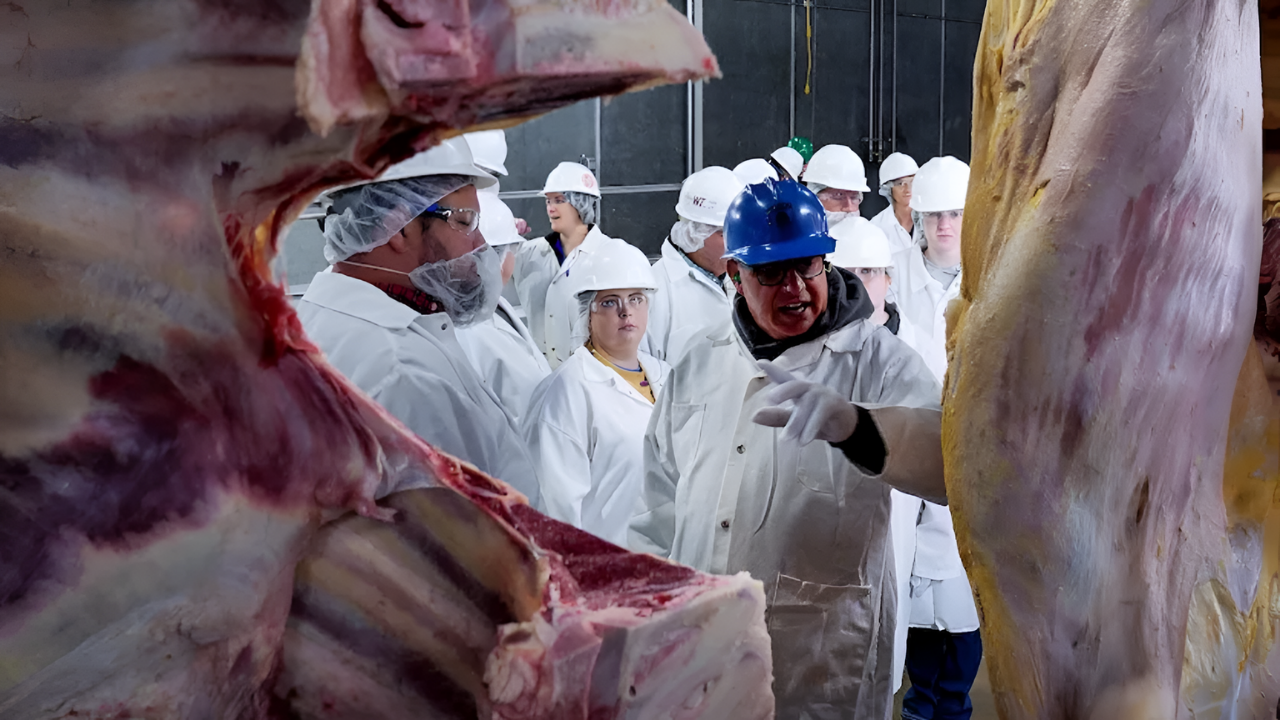
The U.S. Department of Agriculture has issued a Class I recall—the most severe classification indicating reasonable probability of serious health consequences or death—for 2,855 pounds of Forward Farms Grass-Fed Ground Beef contaminated with E. coli O26.
Mountain West Food Group of Heyburn, Idaho, initiated the recall after routine FSIS testing detected the dangerous pathogen.
Critical Product Identification

Consumers must immediately check freezers for 16-ounce vacuum-sealed packages labeled “Forward Farms Grass-Fed Ground Beef” with use-by date January 13, 2026, and establishment number “EST 2083” printed on packaging sides.
The contaminated beef was produced December 16, 2025, and distributed to California, Colorado, Idaho, Montana, Pennsylvania, and Washington.
No Illnesses Reported Yet

“FSIS is concerned that some products may be in consumers’ refrigerators or freezers,” the official recall notice states. As of January 5, 2026, no illnesses have been confirmed, but authorities warn symptoms can appear up to 28 days after exposure.
Health officials emphasize the extended incubation period makes ongoing vigilance critical for consumer safety.
Deadly Pathogen Discovered

Laboratory analysis revealed E. coli O26, a Shiga toxin-producing strain capable of causing severe gastrointestinal illness and potentially fatal kidney failure.
Unlike the more recognized O157:H7 strain, O26 requires specialized testing for identification, making it particularly dangerous. The USDA said sampling results during routine testing first detected the contamination presence.
Serious Health Consequences

Most people infected with STEC O26 develop severe stomach cramps, bloody diarrhea, and vomiting within three to four days of exposure. “Most people recover within a week, but, rarely, some develop a more severe infection,” according to FSIS guidance materials.
Vigorous rehydration is essential; however, antibiotic treatment is generally contraindicated as it may increase complication risks.
Children and Elderly at Greatest Risk

The most alarming complication is hemolytic uremic syndrome (HUS), a life-threatening kidney failure affecting primarily children under five, adults over 60, and immunocompromised individuals.
HUS symptoms include decreased urination, easy bruising, extreme pallor, confusion, and seizures. “Persons who experience these symptoms should seek emergency medical care immediately,” FSIS warns.
HUS Can Cause Permanent Damage

While HUS mortality remains below 5%, survivors often face long-term consequences. Between 20-50% of affected children develop mild chronic kidney disease, while 3-5% require lifelong dialysis or transplantation.
Adults fare worse, with approximately 45% experiencing chronic kidney disease. Most HUS-related deaths occur in elderly patients over 60 years.
Immediate Consumer Actions Required

The USDA advises customers who purchased affected products to either throw them away immediately or return them to purchase locations for full refunds. Under no circumstances should consumers eat the recalled beef, even if frozen.
Anyone experiencing severe diarrhea, persistent vomiting, or dehydration symptoms should contact healthcare providers immediately and mention potential contaminated meat exposure.
Critical Cooking Temperature
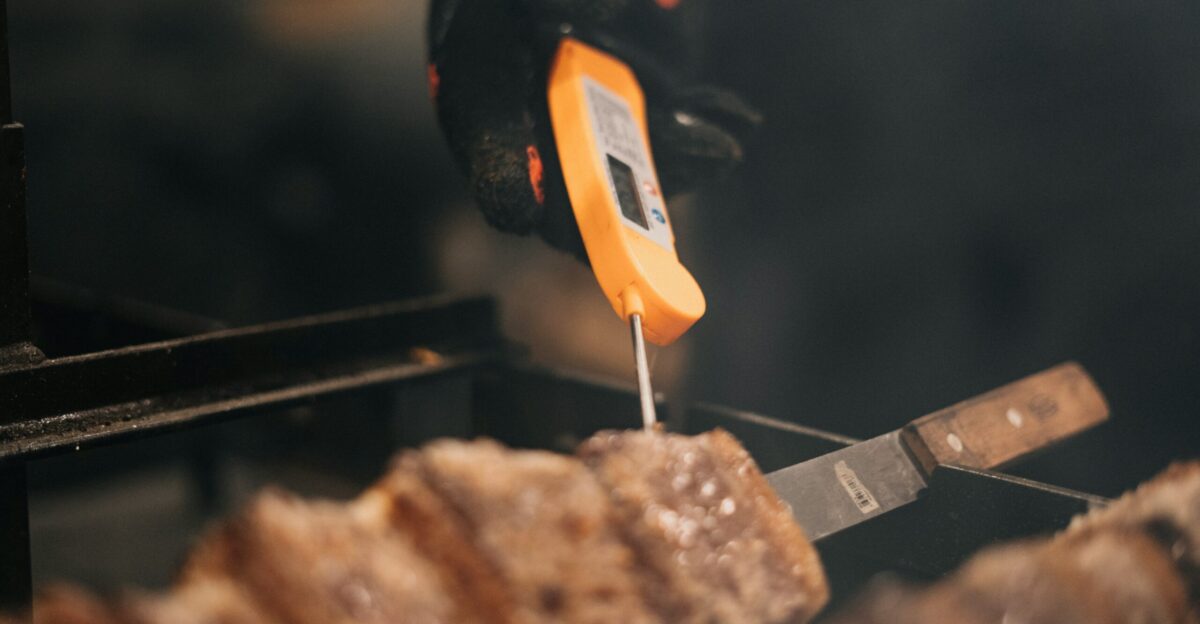
“The agency also advises all customers to consume ground beef only if it has been cooked to a temperature of 160 degrees Fahrenheit,” according to USDA guidance.
Food thermometers provide the only reliable doneness verification—color cannot indicate safety. Ground beef’s production process distributes surface bacteria throughout, requiring complete cooking unlike whole steaks.
Premium Brand Behind Recall
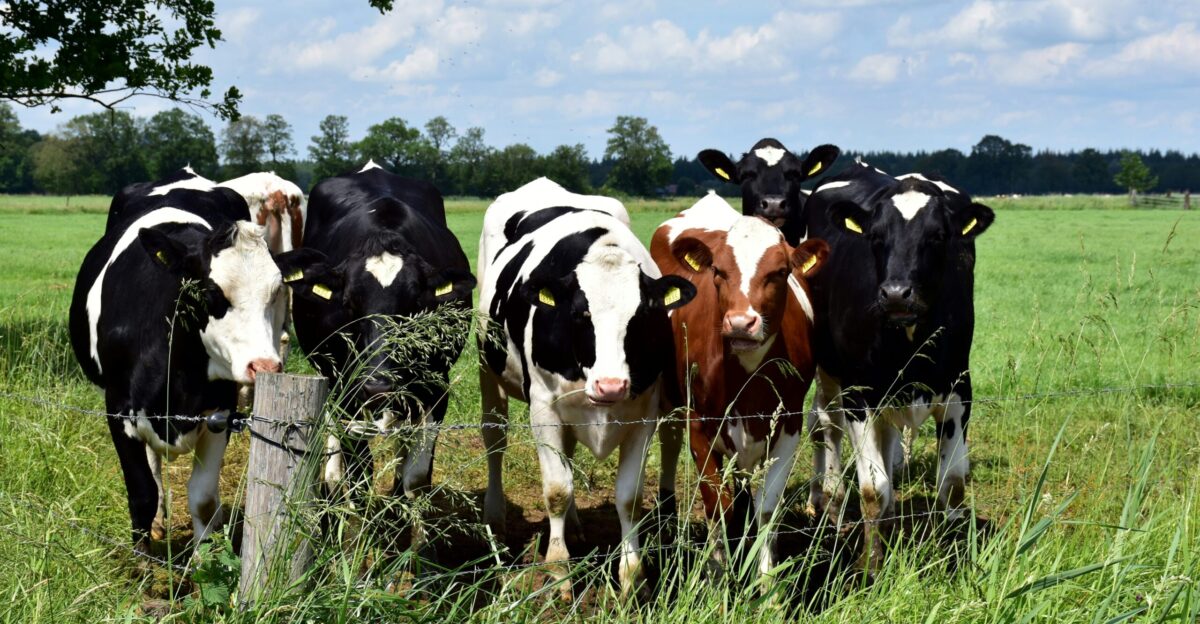
Forward Farms markets itself as a collective of over 50 farms across the InterMountain West and Pacific Northwest producing 100% carbon-neutral, grass-fed beef.
The brand emphasizes sustainable regenerative agriculture, raising cattle without antibiotics or added hormones on high-protein grasses year-round. Mountain West Food Group specializes in premium ground beef, hamburger patties, and steak cuts for retail and food service.
Recall Effectiveness Monitoring
The FSIS conducts systematic recall effectiveness checks to verify firms properly notify customers and remove contaminated products from commerce.
Retail distribution lists will be posted on the FSIS website as they become available to help consumers identify specific stores that sold affected products. The agency maintains 24/7 electronic complaint monitoring for reporting meat safety problems.
Contact Information for Consumers

Mountain West Food Group CEO Jeremy Anderson can be reached at 208-679-3765 or for recall questions. The USDA Meat and Poultry Hotline operates Monday through Friday, 10 a.m. to 6 p.m. EST at 1-888-674-6854. Consumers can also email or file complaints through the FSIS electronic system.
Proactive Testing Prevented Outbreak

The contamination discovery through routine FSIS surveillance demonstrates the value of systematic food safety monitoring. Without proactive testing protocols, contaminated products could have reached numerous consumers and caused widespread illness before authorities identified the problem.
The rapid identification and recall response likely prevented what could have developed into a significant public health crisis affecting multiple states.
Ground Beef Safety Challenges
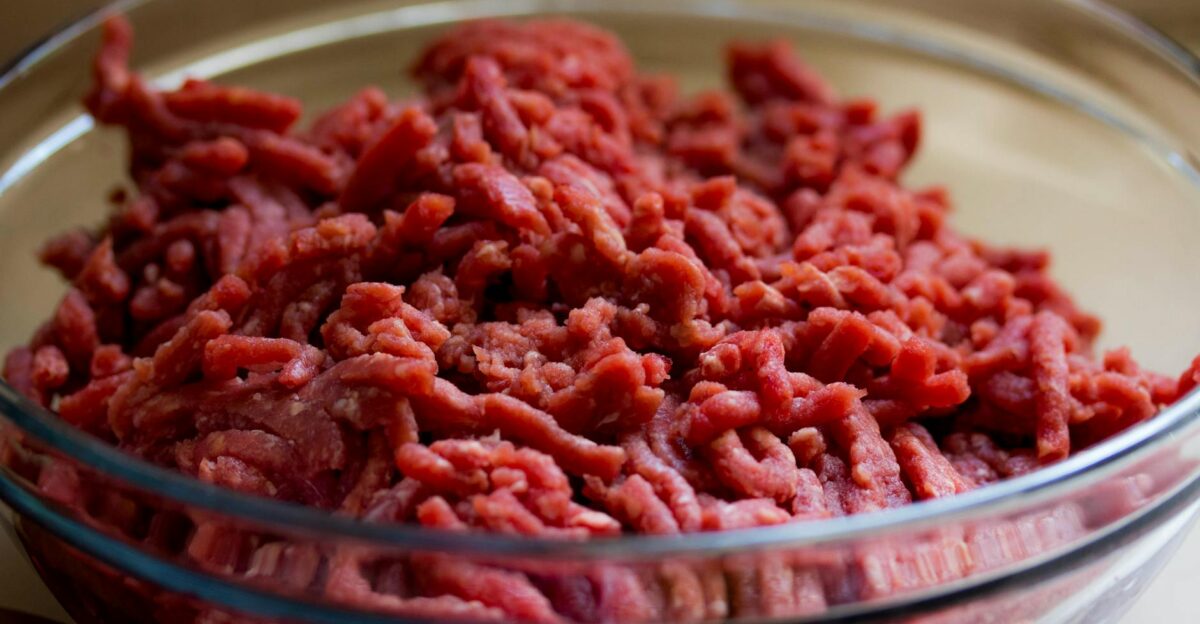
Ground beef presents elevated pathogen risks compared to whole muscle cuts because grinding distributes surface bacteria throughout the product. USDA-inspected plants follow Sanitation Standard Operating Procedures covering grinding equipment cleaning and proper handling protocols.
Despite stringent safeguards, contamination can still occur, highlighting the critical importance of both producer vigilance and consumer food safety practices.
Ongoing Vigilance Required

Consumers should monitor the FSIS website for updates on retail distribution lists and recall effectiveness developments.
Anyone who consumed the recalled beef should watch for infection symptoms for up to 28 days, seeking immediate medical attention if bloody diarrhea, decreased urination, or unusual bruising appears. This incident reinforces that proper ground beef handling, accurate thermometer use, and thorough cooking to 160°F remain essential safeguards against foodborne illness.
Sources:
“Idaho company recalls nearly 3,000 pounds of ground beef for E. coli risk.” ABC News, 29 Dec 2025.
“Ground beef recalled in 6 states over possible E. coli contamination.” CBS News, 29 Dec 2025.
“Mountain West Food Group recalls Forward Farms beef over E. coli risk.” Top Class Actions, 5 Jan 2026.
“Ground Beef recalled over E. coli O26.” Food Safety News, 28 Dec 2025.