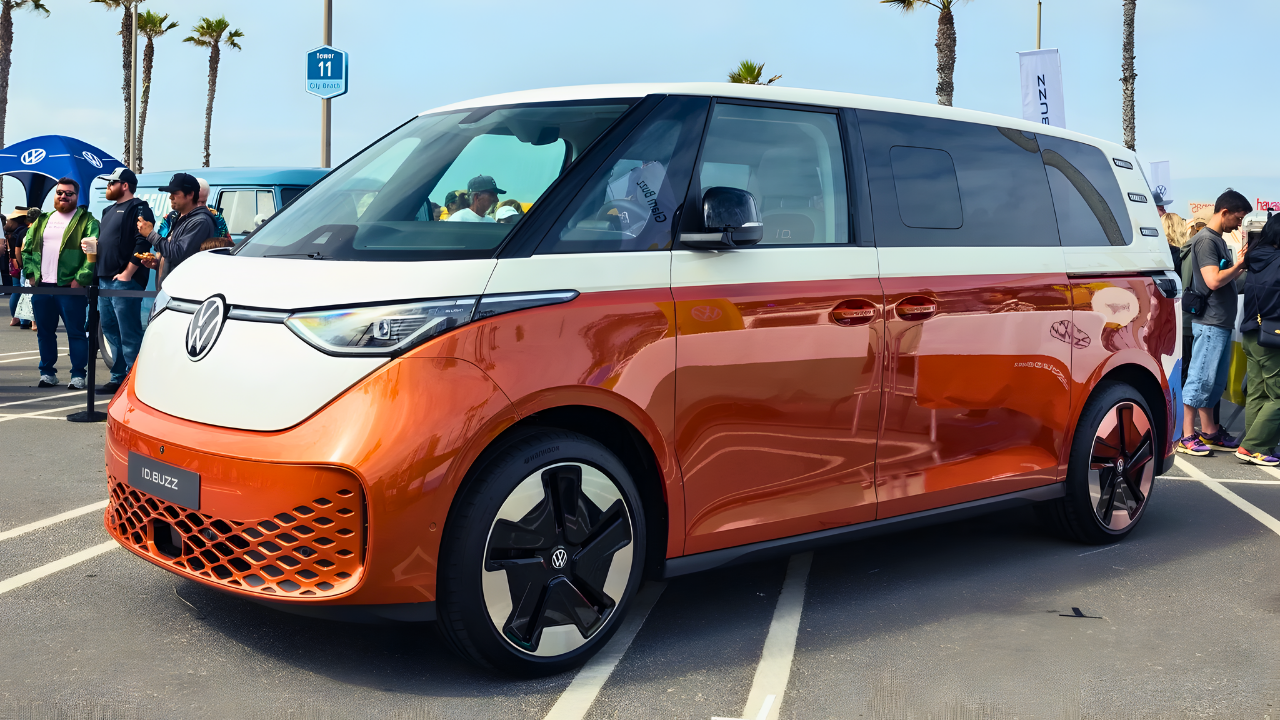
Volkswagen is halting U.S. sales of its ID. Buzz electric van for the 2026 model year, barely one year after the retro-styled vehicle launched. The German automaker announced the pause December 19, 2025, following catastrophic demand collapse after federal EV tax credits expired September 30.
With 2,600 unsold units choking dealer lots and sales missing internal targets by 67-75%, the $60,000 nostalgia play has become 2025’s highest-profile EV failure.
Dismal Sales Performance Seals Vehicle’s Fate
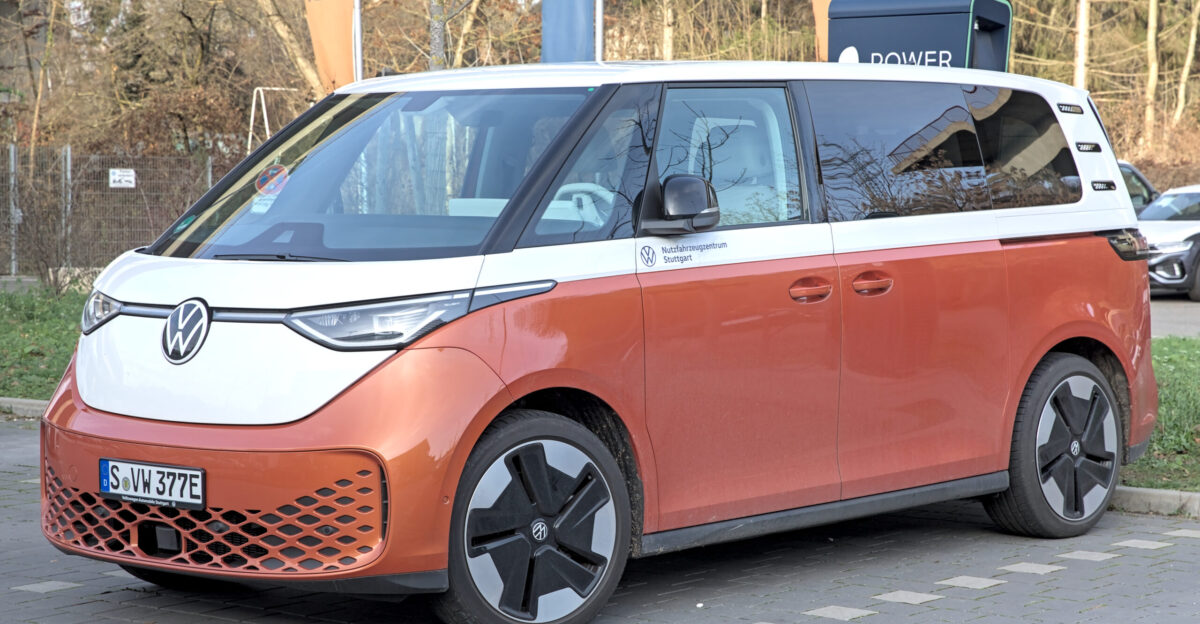
The ID. Buzz moved just 4,934 units across the first nine months of 2025, according to Volkswagen sales data—representing roughly one-third of the company’s estimated 15,000-20,000 annual target.
Quarterly performance revealed profound market rejection: Q1 deliveries totaled fewer than 2,000 units, Q2 collapsed to a mere 564 units, before Q3 rebounded to 2,469 as buyers rushed to capture the expiring $7,500 federal tax credit.
Inventory Crisis Reaches Critical Levels
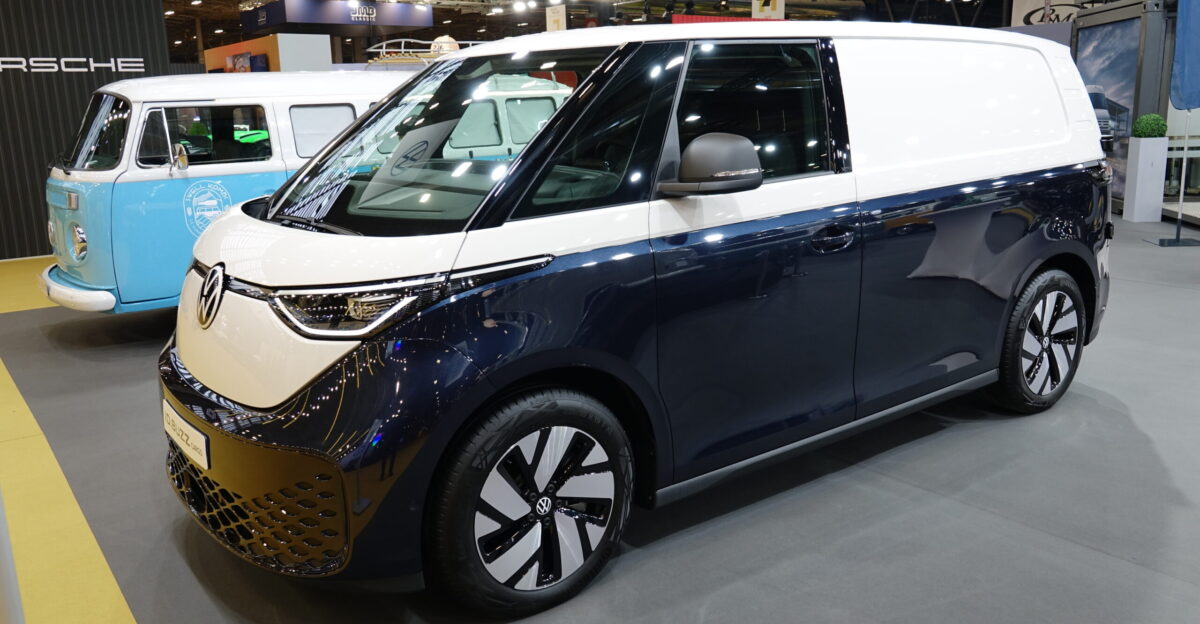
By November 2025, approximately 2,600 ID. Buzz vehicles accumulated at U.S. dealerships, representing over 200 days of inventory supply compared to the 54-day industry average.
This unprecedented glut meant dealers needed more than six months to clear existing stock at current sales rates. The 200-day supply metric placed the ID. Buzz at nearly four times worse than industry benchmarks, where anything exceeding 90 days signals serious demand problems.
Dealers Forced Into Desperate Discounting

Volkswagen escalated incentives to $7,500 in retail bonuses plus $2,500 in dealer cash, totaling $10,000 off MSRP by December 2025. Individual dealers went further: Tynan’s Volkswagen in Aurora, Colorado advertised 2025 Pro S models at $36,695—a staggering $25,500 discount representing 41% off the original sticker price.
In Canada, Volkswagen offered $21,000 discounts (25% off) through promotional campaigns, signaling market-clearing desperation across North America.
Tax Credit Expiration Triggers Market Collapse

The September 30, 2025 expiration of the $7,500 federal EV tax credit—enacted through July’s “One Big Beautiful Bill Act”—triggered an unprecedented demand shock. Weekly EV sales peaked at 22,997 units for September 22-28, then plunged 74% to just 5,929 units by October 6-12.
Overall EV market share collapsed from 11.3% in September to 5.1% in November, the lowest level since April 2022.
Pricing Positioned Vehicle Beyond Target Market
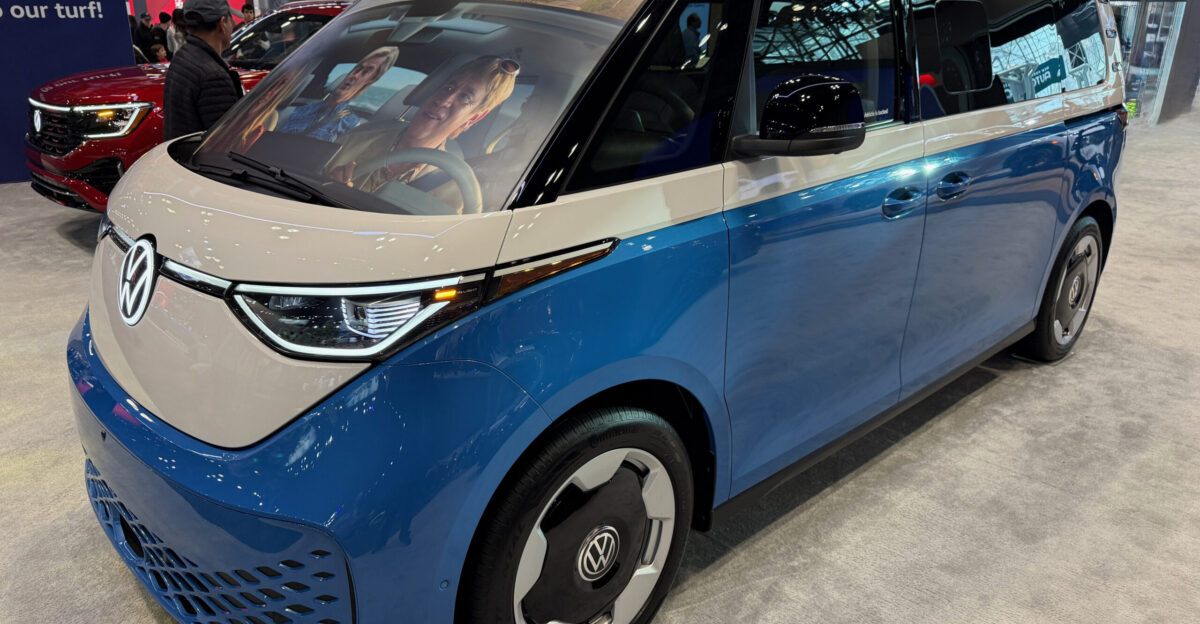
The ID. Buzz launched with a starting MSRP of $61,545 for the base Pro S rear-wheel-drive model, while fully-loaded all-wheel-drive variants approached $70,000.
This positioned the electric van $20,000 above the Toyota Sienna hybrid minivan and roughly $10,000-$20,000 above the Honda Odyssey Elite. Without the federal tax credit, buyers faced paying 50% premiums for a vehicle offering half the effective range of gasoline alternatives.
Range Anxiety Compounds Value Proposition Problems
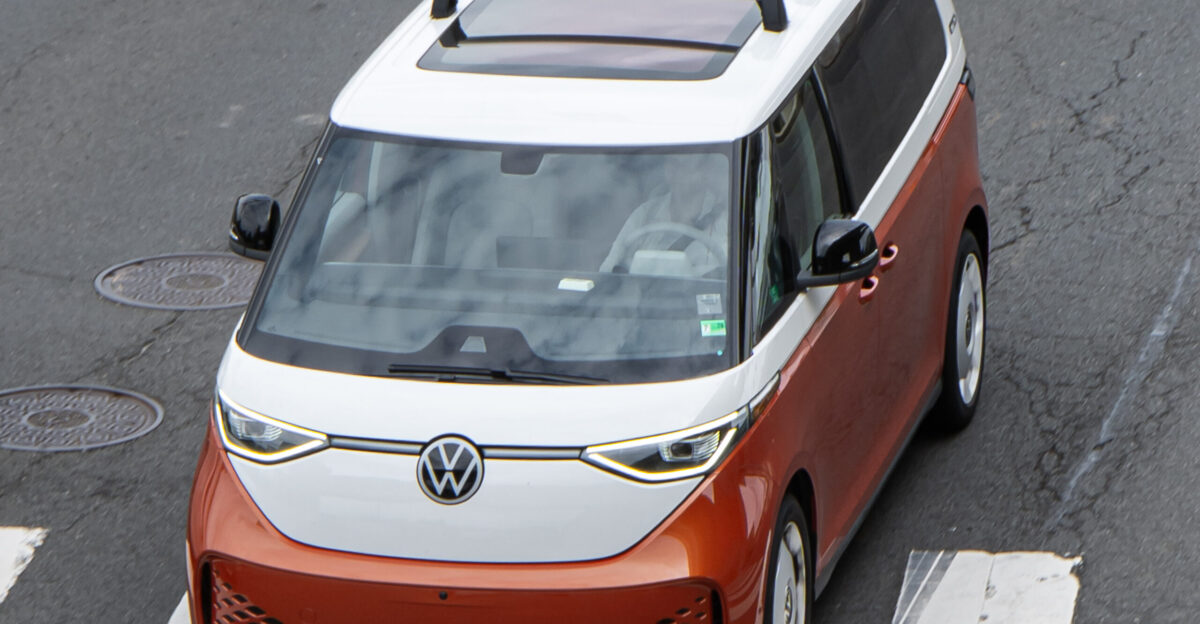
The ID. Buzz’s EPA-rated range of 234 miles for rear-wheel-drive models and 231 miles for all-wheel-drive variants fell short of the 300-mile psychological threshold for mainstream acceptance.
Real-world cold weather testing showed range falling 30 miles below EPA estimates, with some tests demonstrating maximum range under 200 miles. Accounting for charging best practices, actual road trip range approximated just 163 miles between stops.
Import Tariffs Add Financial Pressure

Built exclusively in Hanover, Germany, the ID. Buzz faced escalating U.S. import tariffs implemented during President Trump’s second term. April 2025 measures imposed an additional 25% duty, raising effective tariff rates on EU-built vehicles from 2.5% to 27.5%.
An August accord established a 15% base tariff, still substantially higher than historical norms, adding approximately $2,000-$3,000 per unit in costs.
Ford Lightning Cancellation Signals Broader Retreat
Ford announced December 15, 2025—just four days before the ID. Buzz pause—that it would cease production of the all-electric F-150 Lightning after the 2025 model year. The company took a $19.5 billion non-cash accounting charge related to EV strategy restructuring.
Despite being the leading electric pickup, the Lightning never approached production capacity targets as Ford lost $13 billion on EVs since 2023.
Nissan Ariya Joins Growing Cancellation List
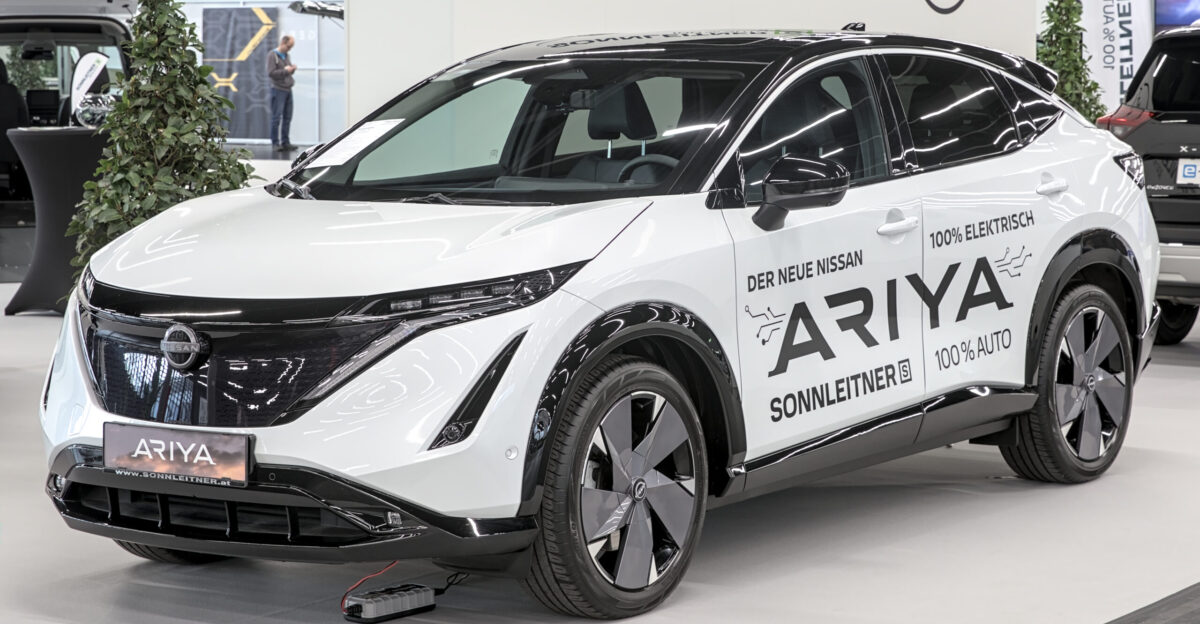
Nissan paused U.S. production of the Ariya electric SUV for 2026 in September 2025, despite sales increasing 24% year-over-year. Built in Japan, the Ariya faced identical pressures: import tariffs, tax credit loss, and pricing constraints limiting profitability without scale.
The cancellation wave also claimed the Acura ZDX, with September registrations plunging 63% to just 404 units before Honda’s luxury brand discontinued the model.
Policy Reversal Reshapes Industry Strategy

The Trump administration systematically dismantled Biden-era EV policies, including terminating both new and used tax credits, rolling back Corporate Average Fuel Economy standards to 34.5 mpg by 2031 (down from 50 mpg), and halting billions in charging infrastructure funding.
December 2025 revisions eliminated penalties for automakers failing to meet efficiency standards, removing regulatory pressure to maintain EV offerings.
Automakers Pivot Toward Hybrids and Gas Engines
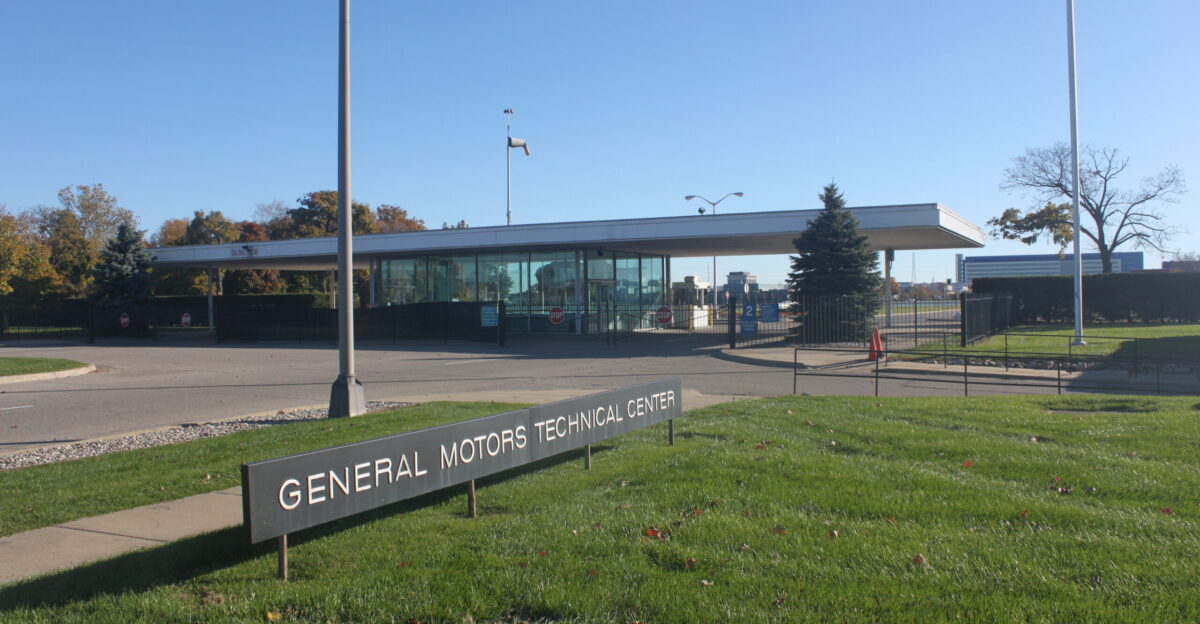
General Motors took a $1.6 billion Q3 charge to adjust EV capacity while committing $4 billion to retool factories for increased hybrid and gasoline production.
Stellantis returned the Hemi V8 engine to production, discontinued base EV Charger models, and postponed the Ramcharger plug-in hybrid to late 2026. Industry analysts characterized 2025 as “the year the Big 3 backed away from EVs” amid policy uncertainty.
Dealer Networks Absorb Financial Pain

The inventory crisis transferred financial stress to dealer networks, where 2,600 unsold ID. Buzz units represented $156-$182 million in floorplan debt accruing interest at 6-8% annually. Dealers holding five units faced $3,750-$6,000 in monthly carrying costs at 200 days of supply.
This burden forced aggressive discounting below wholesale cost, converting anticipated high-margin premium products into loss-making assets.
Early Adopters Face Uncertain Future

Approximately 5,000 American families who purchased the ID. Buzz now own a discontinued vehicle with uncertain long-term parts and service support. While Volkswagen insists the pause is temporary with a 2027 return possible, the company refused to confirm MY27 specifications or commit to resuming U.S. production.
Owners face residual value uncertainty as discontinued EVs lack the new-vehicle comparison points that anchor used pricing.
Nostalgia Proves Insufficient Sales Strategy
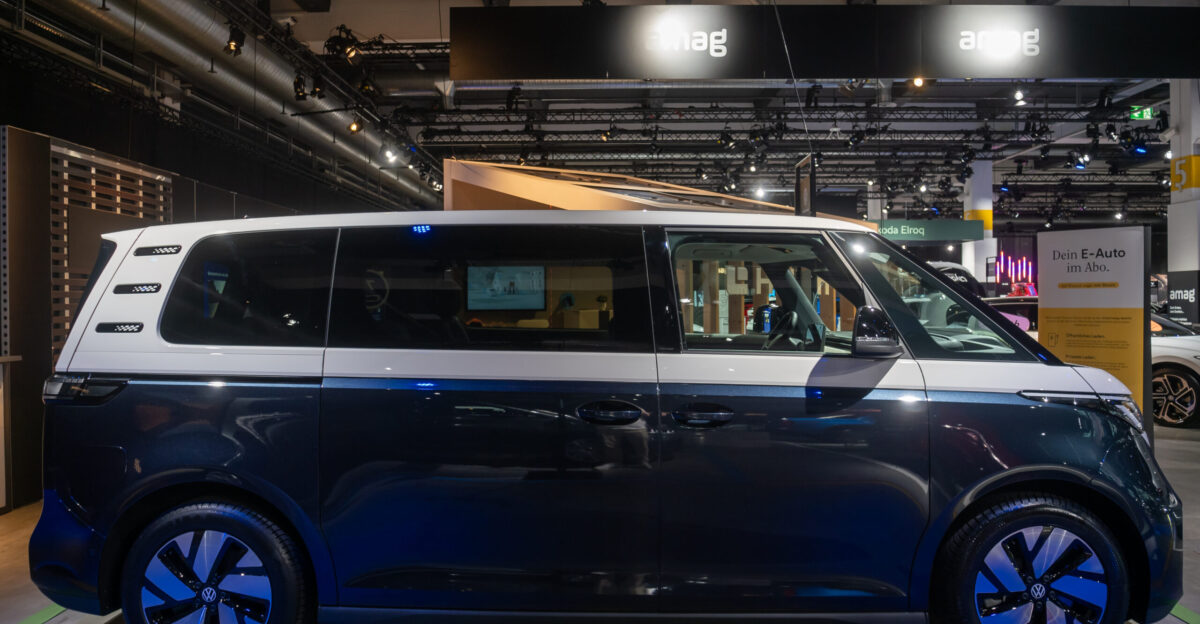
The ID. Buzz won the 2025 North American Utility Vehicle of the Year award, with jurors praising its “playful, nostalgic ethos”. However, professional accolades masked fundamental disconnect between aesthetic appreciation and family buyers’ economic calculus.
As one market observer noted, “Consumers are price sensitive and not driven by nostalgia. Nostalgia may be a motivator, but it’s not enough to overcome an underwhelming vehicle”.
Market Segmentation Confusion Doomed Product
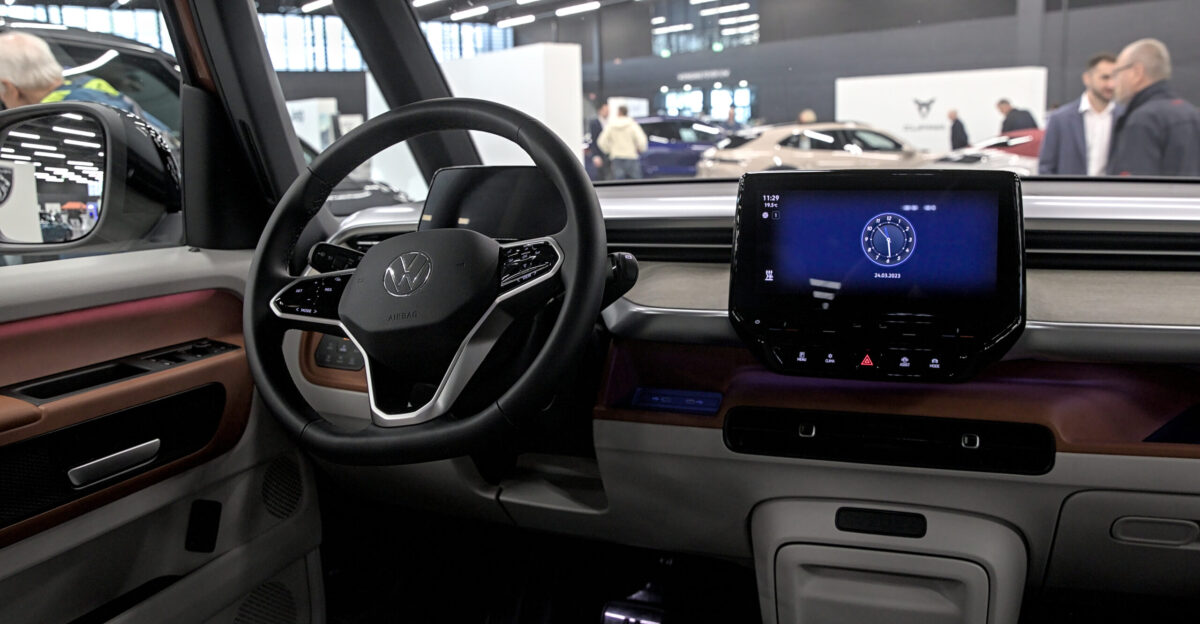
Volkswagen positioned the ID. Buzz between two segments—too expensive for practical minivan buyers, too compromised for luxury EV buyers—without adequately serving either cohort.
Minivan buyers prioritize cargo space and value; luxury EV buyers expect 300+ mile range and cutting-edge technology. At $60,000-$70,000, the ID. Buzz offered neither the utility of a Sienna nor the prestige and range of a Model X.
2027 Return Remains Highly Uncertain

Volkswagen described the pause as allowing the company to “focus resources more effectively on existing inventory” and prepare for “the transition to model year 27”.
However, when journalists pressed for MY27 details, VW declined to comment, suggesting the company hasn’t determined whether to return, under what specifications, or at what price point. A viable 2027 return requires addressing price, range, and manufacturing location challenges.
Premium EV Segment Faces Structural Challenges

The ID. Buzz collapse illuminates broader difficulties facing premium-priced EVs in the $50,000-$70,000 segment without Tesla’s brand equity or luxury credentials.
PwC forecasts EVs will comprise only 19% of U.S. sales by 2030, concentrating demand in affordable mass-market models under $35,000 and luxury vehicles above $75,000 offering superior range. The “tweener” segment faces demand headwinds from both directions.
Policy Instability Creates Product Planning Crisis

The timeline mismatch between automotive product development cycles (4-6 years) and political policy cycles (2-4 years) created strategic whiplash.
The ID. Buzz concept debuted in 2017; production planning began around 2019-2020; deliveries commenced late 2024. Throughout this timeline, federal policy shifted from EV enthusiasm to rollback to subsidy expansion back to elimination—creating unpredictability that multibillion-dollar product investments cannot accommodate.
Cautionary Tale for EV Industry
The ID. Buzz generated an estimated $320 million in actual revenue against internal forecasts of $975 million-$1.3 billion, creating a revenue gap approaching $600-$900 million. Combined with Ford’s $19.5 billion Lightning charge and GM’s $1.6 billion EV adjustment, the 2025 cancellation wave represents tens of billions in stranded assets.
The vehicles that survive this shakeout must either compete on price in mass markets or justify premiums through superior range and technology.
Sources:
“VW confirms temporary US exit of the ID. Buzz.” Electrive, December 2025.
“Volkswagen ID. Buzz Skips U.S. Market for 2026.” Cars.com, December 2025.
“Ford scraps fully-electric F-150 Lightning as mounting losses.” ABC News/AP, December 2025.
“US electric vehicle sales crash after tax credit elimination.” EV Design and Manufacturing, October 2025.
“EV Market Monitor – November 2025.” Cox Automotive, December 2025.
“November 2025 new-vehicle sales decline as EV tax credit ends.” CBT News, December 2025.