
Walmart shoppers across the United States are noticing once-familiar products quietly disappearing from store shelves. From food staples to home goods and electronics, the changes span thousands of locations.
These removals are part of Walmart’s ongoing inventory and assortment optimization strategy, which intensified through 2025. While no single announcement flagged the shift, customers are increasingly encountering empty spaces where reliable, budget-friendly items once sat.
Reset Accelerates

The pace of Walmart’s assortment resets accelerated in 2025, affecting more than 4,600 U.S. stores. Entire product categories—not just individual items—have been reduced or removed. Shoppers report discontinued products across electronics, groceries, apparel, and home décor.
The decisions are driven by sales performance, supply efficiency, and space constraints, leaving customers searching for substitutes as familiar options vanish without clear timelines for return.
Retail Reset Roots

Walmart’s actions are rooted in long-standing “modular resets,” periodic overhauls that determine what products earn shelf space. These resets prioritize fast-moving items, higher-margin goods, and private labels aligned with current consumer trends.
Decisions are centrally guided from Walmart’s Bentonville headquarters. Historically, products removed during resets rarely return in their original form, reinforcing the sense that many discontinued items are gone for good.
Pressures Mount
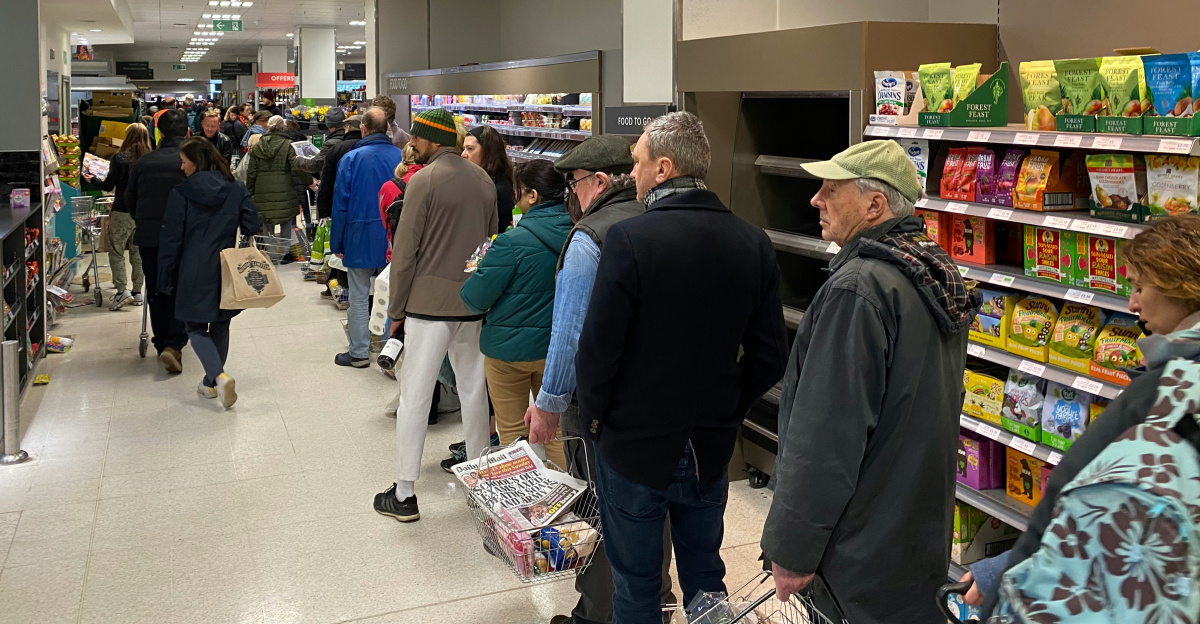
Multiple pressures converge behind the changes. Walmart cites shifting customer preferences, inflation-driven cost controls, and uneven demand across categories. Supply chain disruptions and ingredient availability also factor into product viability.
Similar moves by competitors suggest this is an industry-wide recalibration rather than a one-off event. For Walmart, streamlining assortments is positioned as a way to protect low prices while adapting to volatile market conditions.
Select Lines Discontinued
Among the most notable removals are older ONN 40-inch FHD Roku Smart TVs, Great Value Diet Cream Soda 12-packs, George men’s dress shoes, Better Homes and Gardens Fragrance Cubes, and the complete Progressive Furniture line.
Several Great Value Light Yogurt multipack flavors were also dropped. These removals span at least 10 product categories, signaling a broad reset rather than isolated discontinuations.
Regional Ripples
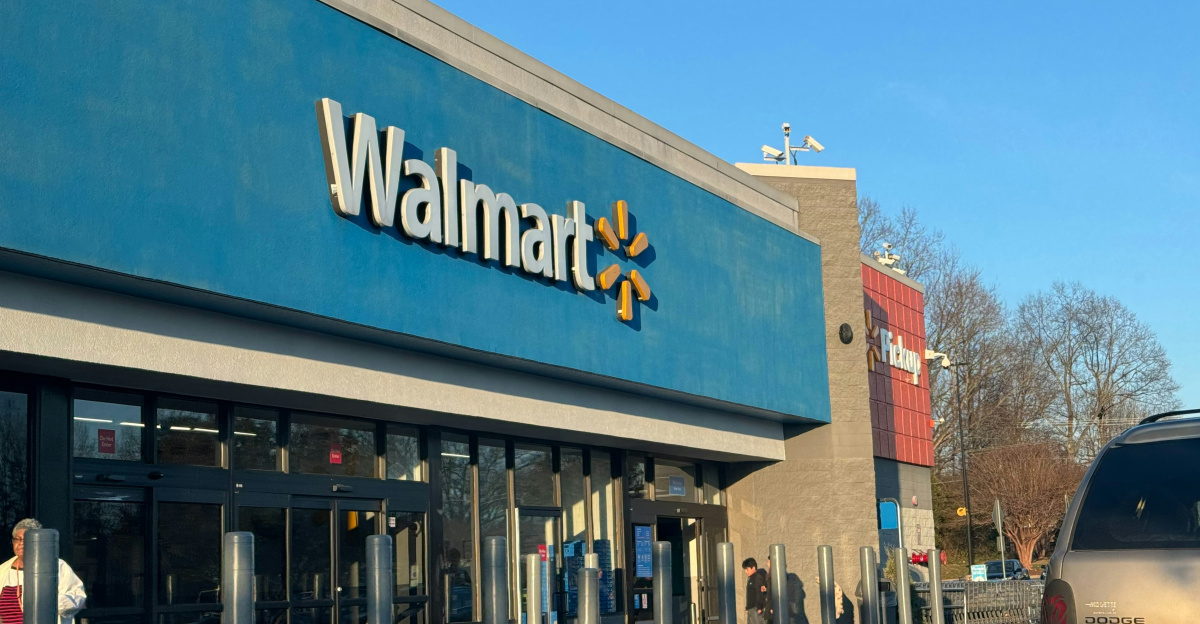
While decisions are made nationally, shoppers experience the impact locally. Midwest and Southern stores saw yogurt multipacks disappear first, while California locations phased out older ONN television models. Florida shoppers reported the abrupt absence of Progressive Furniture.
These variations reflect regional inventory timing rather than different strategies, but they add to consumer confusion as availability changes unevenly from state to state.
Shopper Heartache

For many customers, the changes feel personal. Budget-conscious families relied on items like Great Value sodas, yogurts, and George footwear as dependable staples. Online forums are filled with comments from shoppers frustrated by losing products they had finally settled on.
The lack of advance notice intensifies disappointment, especially for customers who chose Walmart specifically for consistent access to affordable essentials.
Rivals React
Walmart’s resets ripple outward to competitors. As Walmart pulls back on certain categories, rivals such as Target and Kroger adjust their own assortments to capture displaced demand. However, these chains face similar supply pressures, particularly in food categories affected by ingredient shortages.
Rather than fully replacing what Walmart removes, competitors are making selective adjustments of their own.
Macro Merch Shift

The changes reflect a broader shift in U.S. retail toward tighter assortments and faster turnover. Seasonal clearance cycles, trend-driven launches, and rapid discontinuations are becoming standard.
Walmart’s emphasis on cleaner labels, simplified offerings, and faster-moving products aligns with evolving consumer behavior, especially among younger shoppers who prioritize transparency and novelty over long-term brand loyalty.
Mini-Nugget: Dye Deadline

A major driver behind food changes is Walmart’s pledge to remove synthetic dyes from roughly 1,000 private-label food products by January 2027. This initiative requires reformulating or replacing existing items, making some current products unviable.
Certain yogurts and beverages were discontinued rather than reformulated immediately, contributing to the perception that popular items vanished overnight.
Customer Backlash
Online complaints surged as shoppers discovered missing items without warning. Common frustrations include confusion over whether products are temporarily out of stock or permanently discontinued. Electronics, beverages, and home fragrance items draw the most complaints.
Some shoppers report shifting purchases to online marketplaces, while others express concern that Walmart’s silence leaves customers guessing at every empty shelf.
Leadership Stance

Walmart leadership frames the changes as customer-driven. Executives emphasize responding to evolving preferences, improving quality, and introducing innovation at low prices. Internal teams focus on eliminating underperforming items to free space for newer offerings, including the bettergoods line, most of which is priced under five dollars.
The company maintains that these moves strengthen long-term value.
Strategic Pivot
Discontinued products are often replaced by reformulated or rebranded alternatives rather than direct replacements. Dye-free Great Value foods, updated home fragrance lines, and more sustainable furniture options are gradually introduced.
The strategy favors alignment with health, sustainability, and transparency trends, even if it means sacrificing familiar products that no longer fit Walmart’s future positioning.
Analyst Caution

Retail analysts warn that aggressive assortment cuts carry risks. While efficiency and margin improvements are likely, sudden removals can erode customer trust. Past examples show that once entire lines disappear, they rarely return.
Walmart’s scale cushions the impact, but analysts note that frequent resets may push some shoppers to diversify where they buy everyday essentials.
Horizon Scan
Looking ahead, further changes are expected through 2026 and beyond. The synthetic dye deadline alone could reshape large sections of Walmart’s food aisles. Expansion of plant-based, eco-conscious, and digitally native products suggests continued turnover.
Shoppers should expect ongoing adjustments rather than a return to the broad, static assortments that once defined big-box retail.
Policy Push

Regulatory and political pressure around food transparency adds momentum. Federal monitoring of dye usage and state-level restrictions influence retailer timelines.
Walmart’s voluntary commitments align with anticipated regulations, particularly in large markets like California and New York. These policy dynamics make reversals unlikely, reinforcing the permanence of many discontinued items.
Global Echoes

Global supply issues feed into local shelf changes. Cocoa shortages, labor disruptions, and manufacturing shifts affect imported goods and private-label sourcing.
Progressive Furniture’s exit reflects broader supplier realignments, while food shortages abroad influence U.S. availability. Walmart’s decisions both respond to and amplify these global pressures across its massive supply network.
Supply Strain

Environmental factors also play a role. Droughts reduce yields for certain crops, while fishing quotas limit seafood supply.
These constraints make some low-margin items harder to sustain at Walmart’s price points. Inventory resets increasingly factor in long-term supply stability, favoring products that can be sourced consistently over those vulnerable to climate or resource volatility.
Culture Clash

Reactions differ by generation. Older shoppers express nostalgia for dependable brands like George shoes and classic sodas. Younger consumers are more accepting of change, prioritizing cleaner ingredients and new launches.
Ethical considerations, such as dye removal, earn support despite inconvenience. Walmart’s shifts reflect a balancing act between legacy expectations and emerging values.
Bigger Signal
Walmart’s removal of 10 product categories is less about loss and more about transformation. The retailer is sharpening its selection to match future consumer behavior, even if it means letting go of familiar favorites.
Across more than 4,600 U.S. stores, availability is becoming more fluid. For shoppers, adaptability is now part of the Walmart experience.
Sources:
1. Walmart Corporate Newsroom – Walmart U.S. Moves To Eliminate Synthetic Dyes Across All Private Brand Food Products – Oct 1 2025,
2. Frugal Daily – 12 Walmart Products You’ll NEVER See Again in 2025! – Sep 19 2025,
3. YouTube Grocery Report – 12 Grocery Products That Will Disappear Before March 2025 – 2025,
4. FDA – Tracking Food Industry Pledges to Remove Petroleum-Based Food Dyes – Various,
5. Walmart Corporate Newsroom – Policies and Guidelines – Various