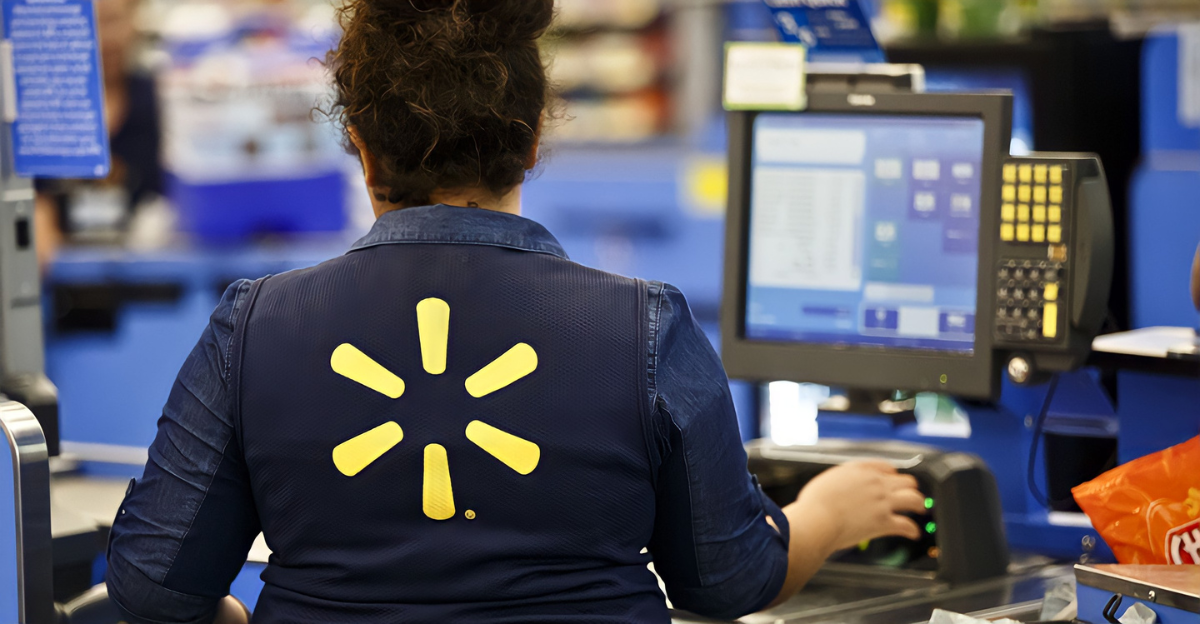
You may notice a different atmosphere when you walk into a Walmart, Target, or Kroger. Locked shelves, fewer self-checkout lanes, and new layers of surveillance are reshaping your shopping trip. Executives say the shift is no coincidence as retail theft, known in the industry as “shrink,” has reached levels that can no longer be ignored.
CNN reported that shrinkage now costs retailers tens of billions annually, prompting a wave of change. For these companies, the message is clear: theft prevention is no longer a side concern but is central to their survival.
Organized Crime Behind Rising Losses
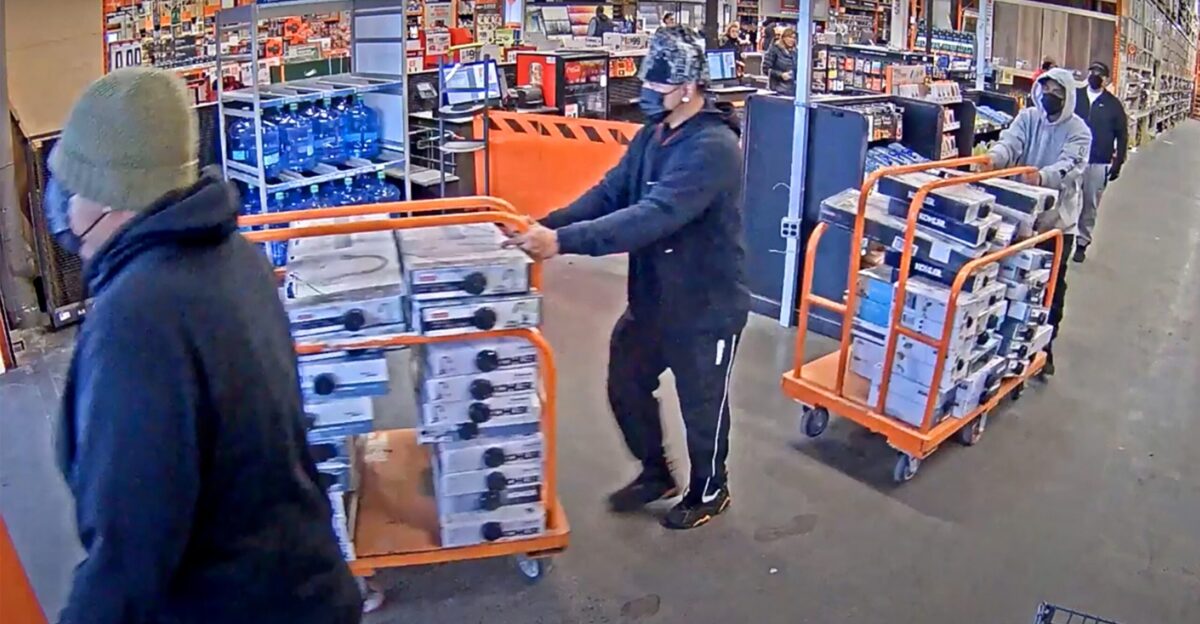
This isn’t just about someone pocketing a candy bar. According to the National Retail Federation, organized retail crime groups are driving much of the surge in theft, which estimates they’re now responsible for nearly 28% of shrinkage. These groups move stolen goods across state lines and resell them online, turning petty theft into big business.
The problem has grown too large for retailers to manage with old tools. Partnerships with law enforcement, data-driven monitoring, and stricter store controls have become the new playbook to outpace professional shoplifters.
Walmart Turns to AI Eyes
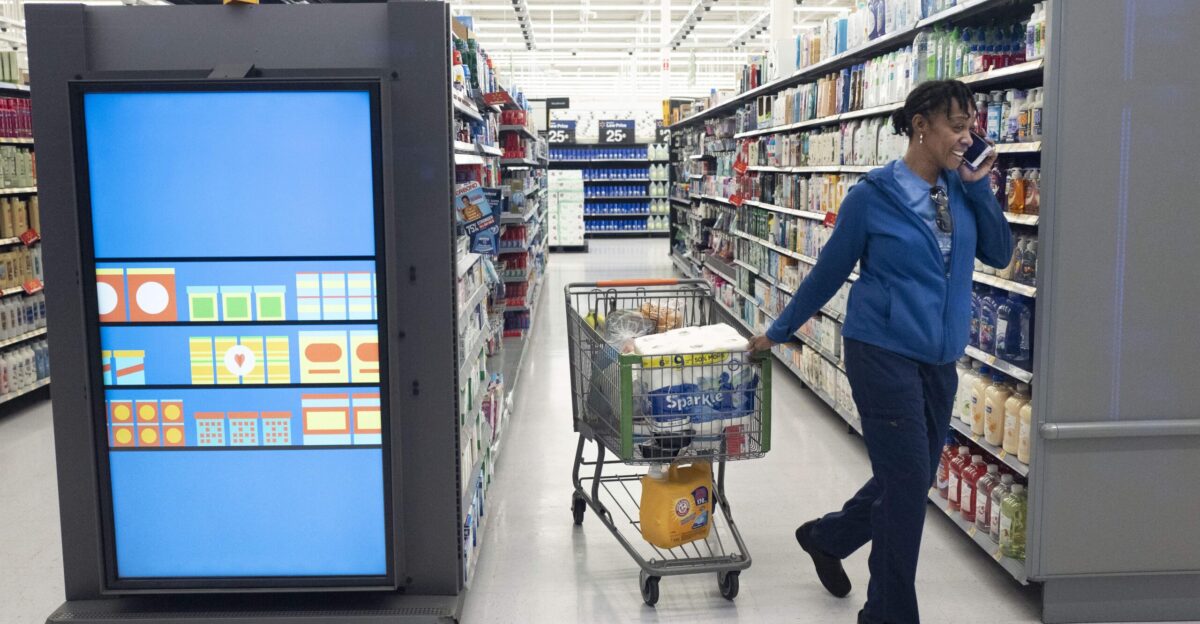
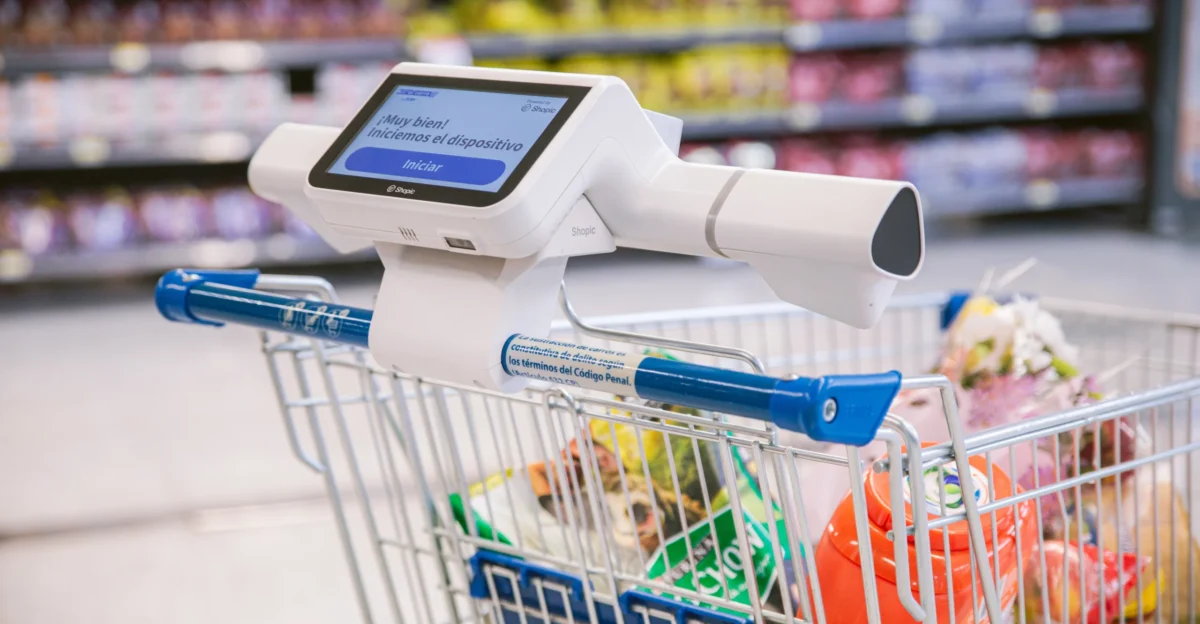
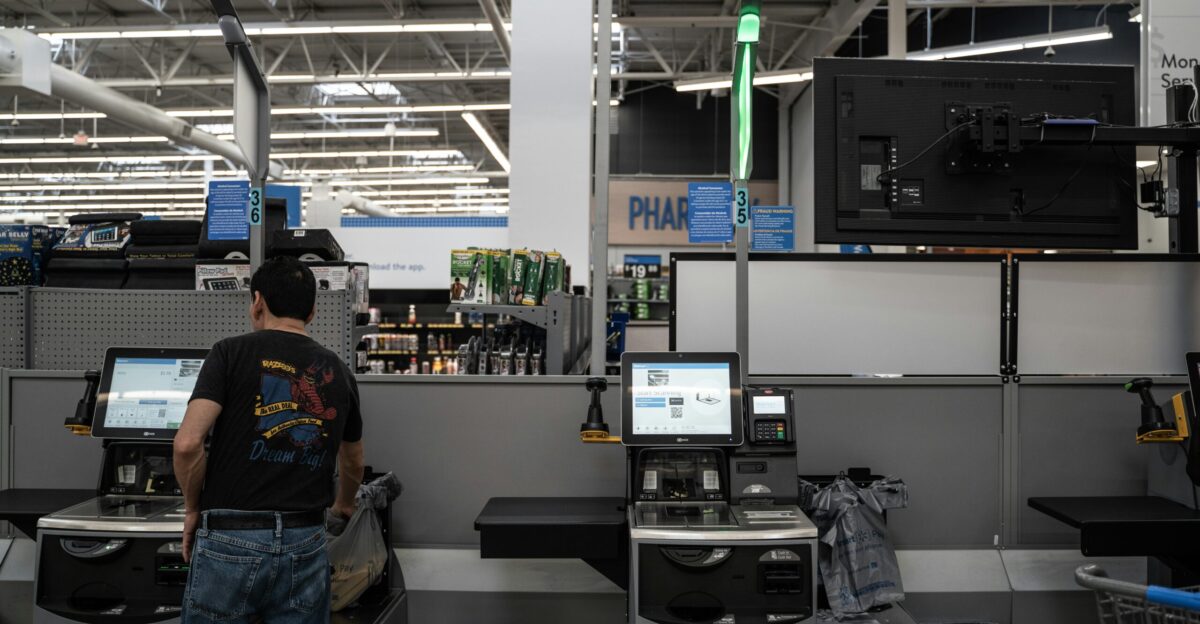
At Walmart, artificial intelligence has become the backbone of its strategy. The company’s “Missed Scan Detection” system quietly monitors self-checkout, flagging items that are not scanned and sending alerts to staff. A spokesperson told Business Insider that the technology isn’t just about catching thieves but also about minimizing mistakes.
Employees once tasked with chasing suspicious shoppers now monitor digital dashboards, responding only when flagged. Walmart describes this as “loss prevention warfare,” a dramatic shift that places data and predictive analytics at the heart of how the retailer protects its shelves.
Checkout Gets Smarter, Not Friendlier
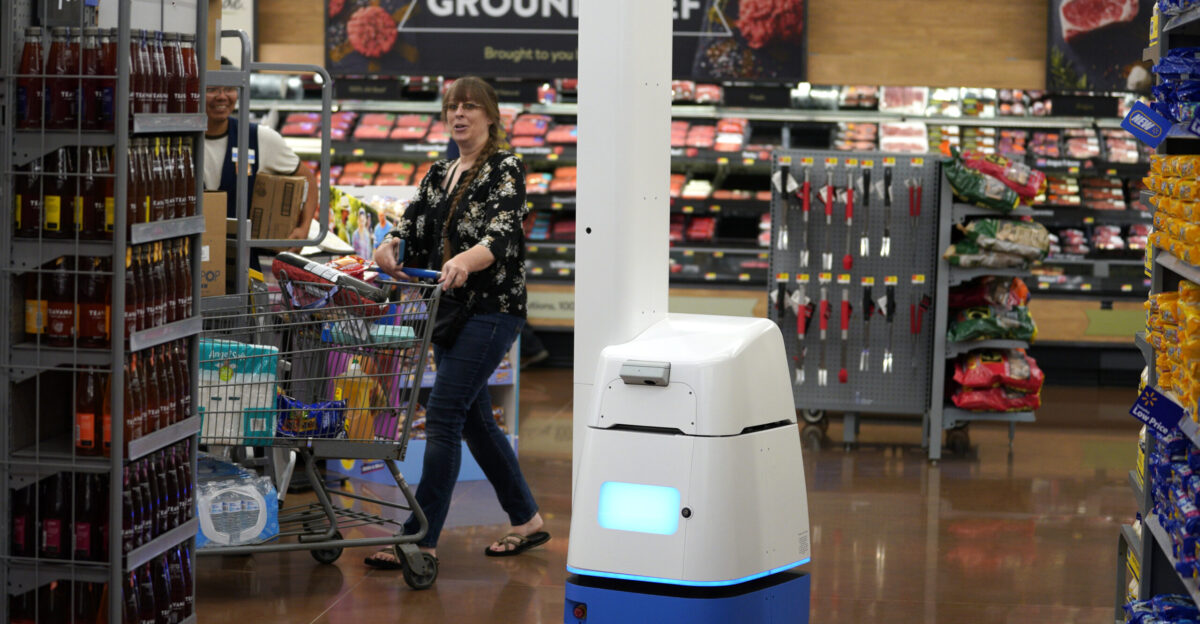
For shoppers, the changes can feel subtle, but they are noticeable. At Walmart self-checkouts, a skipped barcode triggers an immediate pop-up on staff devices, sometimes accompanied by a short video clip. The company stresses that this is as much about resolving honest slip-ups as it is about catching deliberate theft.
The idea is to avoid confrontations, offering a polite resolution instead of a tense showdown. Still, some customers say the experience feels more like being monitored than helped, which retailers argue is a necessary trade-off to keep losses under control.
Locked Shelves Signal New Reality
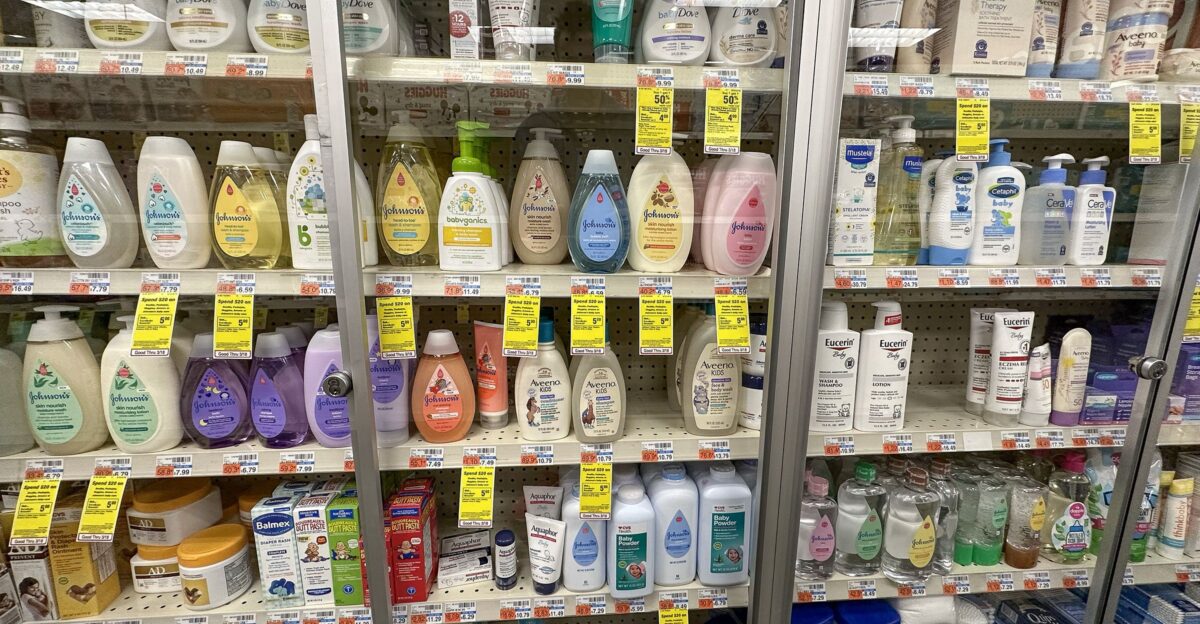
What once felt extreme—basic goods locked behind plexiglass—has quickly become routine. Walmart and Target now secure products as ordinary as socks and toothpaste. MoneyTalks News highlighted one Walmart location where police calls tied to theft dropped by half once self-checkout was removed and cases were locked.
For store managers, the proof is in the numbers. But for shoppers, the sight of plexiglass where deodorant should be is a daily reminder of how theft is reshaping the in-store experience, slowing down what used to be quick errands.
Self-Checkout Retreats in Hot Spots
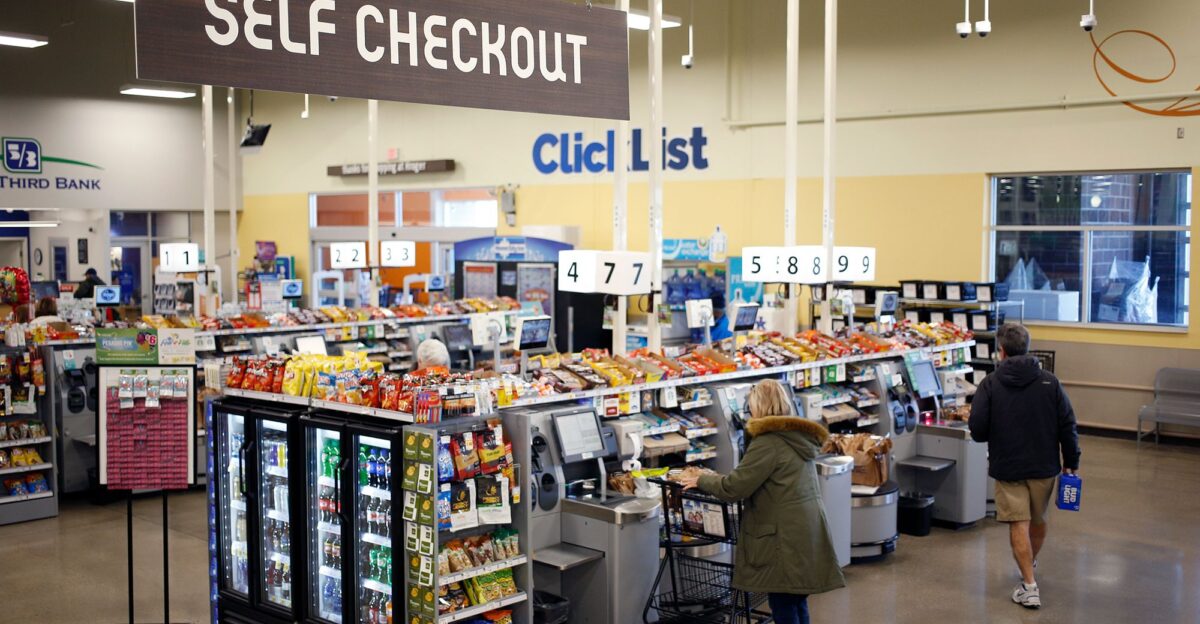
A decade ago, self-checkout was heralded as the future of retail convenience. Now, some stores are quietly pulling back. In Shrewsbury, Missouri, Walmart scrapped self-checkout entirely, and theft-related police calls fell 50%, according to TheStreet.
Target has taken similar steps, scaling back self-service in select stores. In neighborhoods with high theft, staffed lanes are making a comeback. For shoppers who prefer the speed of scanning their own groceries, it’s an unwelcome reversal. But for retailers, it’s a trade-off they believe reduces losses dramatically.
Target’s QR Code Experiment
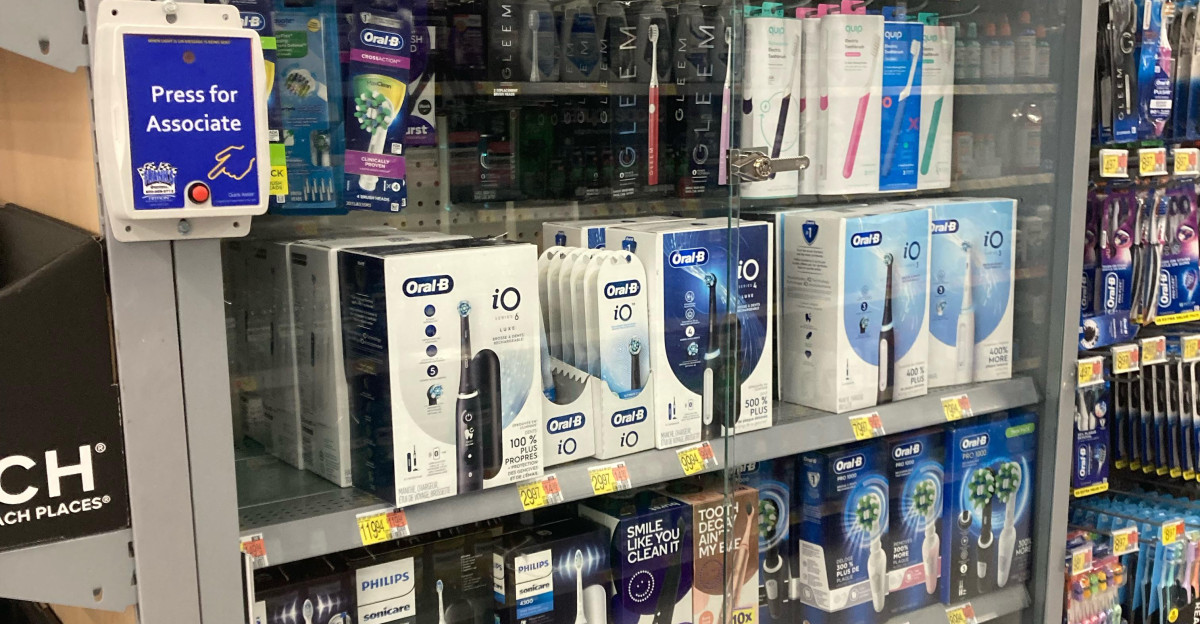
Target is trying a different fix by introducing smart display cases. Instead of waiting for an employee with a key, shoppers request products digitally, unlocking cases via QR codes. Bloomberg reported that the system is meant to streamline access to high-value items like electronics.
This hasn’t been seamless in early trials as customers have reported bottlenecks when employees juggle multiple requests. Target acknowledges the hiccups but frames the move as part of its broader effort to balance security with convenience, showing how even minor technological tweaks can ripple through the shopping experience.
Kroger’s Visual AI Watches Closely
Kroger has chosen to focus its efforts on Visual AI, which was developed with tech partner Everseen. The system uses cameras to review checkout behavior, alerting employees when a scan seems suspicious. More than 1,700 Kroger stores are already equipped, according to the Cincinnati Enquirer, with plans for wider rollout.
Executives say the software isn’t about treating every customer like a criminal but about reducing missed scans, whether intentional or not. The pitch is simple: fewer losses, faster checkouts, and better data. But some shoppers aren’t convinced the watchful eye is worth the trade.
Surveillance Sparks Unease
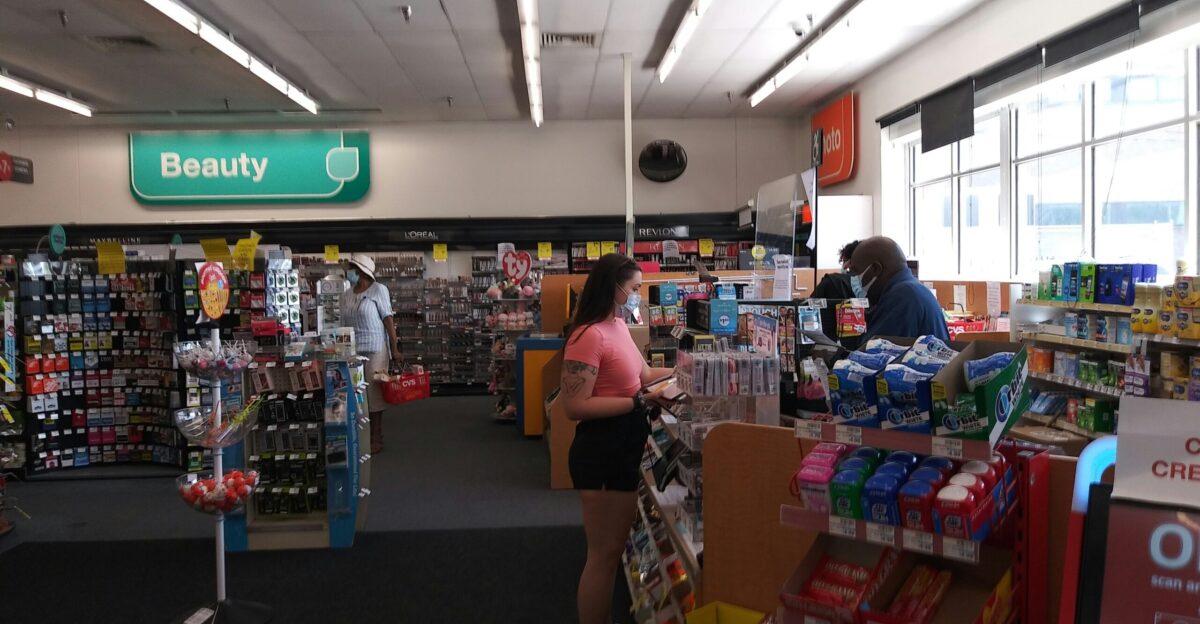
For customers, being flagged at checkout—even mistakenly—can sting. Critics argue that surveillance-heavy policies risk alienating honest shoppers, most of whom pay without issue. Some describe the experience as embarrassing or intrusive. Consumer advocates told CNBC that retailers could face backlash if shoppers start to feel mistrusted.
Companies insist the tools are about efficiency and fairness. Still, the tension is clear: While technology reduces theft, it also risks reshaping the delicate relationship between retailer and customer into one of suspicion rather than trust.
Early Signs of Success

Despite criticism, retailers point to results. Walmart says shoplifting accounted for just 11% of its police calls from January through May 2025, a noticeable decline from previous years. Broader industry data shows theft rates easing in stores with stricter measures.
Analysts credit the drop to layered strategies, such as removing self-checkouts in trouble spots, locking away targeted items, and investing in AI-driven detection. While the gains don’t erase the challenge, they suggest retailers are slowly regaining control after years of climbing losses.
Target’s Flexible Strategy

Target has taken a more tailored approach, adjusting policies based on local conditions. Oscar Arango of Flock Safety explained that the retailer uses real-time data to decide whether to restrict self-checkout or add new security layers.
This means one Target may feel strict and another more relaxed, depending on theft patterns in the area. By fine-tuning store-by-store measures, Target aims to minimize disruption while staying ahead of losses. For shoppers, it makes the experience unpredictable, but for the retailer, it’s a way to remain agile in the face of evolving theft.
Executives Now On the Hook

The push to fight theft is reaching the top of the corporate ladder. Reuters has reported that Walmart now ties shrinkage reduction directly to executive compensation. In other words, leaders are financially accountable for whether anti-theft measures succeed.
Analysts see this as a signal of how serious retailers are about the issue. By linking loss prevention to pay, boards ensure that theft isn’t just a problem for security staff—it’s a performance metric that matters at the highest levels of decision-making.
Laws Tighten the Net
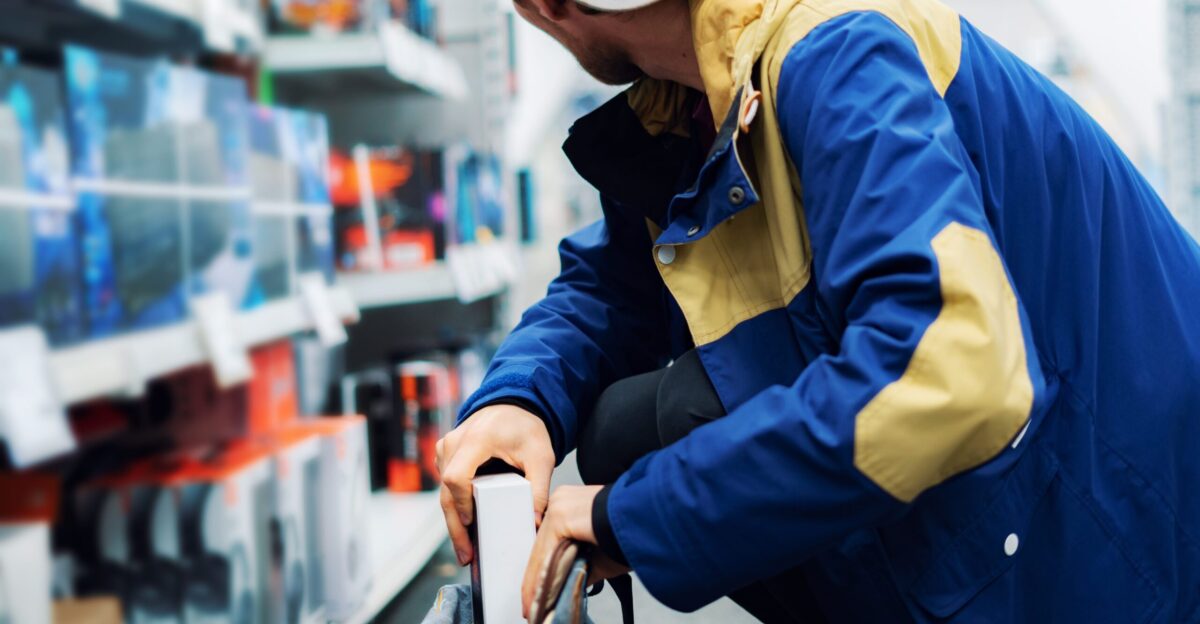
Retailers aren’t fighting alone. According to the National Retail Federation, lawmakers have passed more than 80 new measures targeting organized retail crime since 2020. These laws force online marketplaces to verify third-party sellers and impose harsher penalties on repeat offenders.
The Department of Justice has noted that the likelihood of getting caught is often a stronger deterrent than the sentence itself. Retailers continue investing heavily in detection technology, believing real-time monitoring may be more effective than legislation in curbing theft.
Customer Frustration Builds
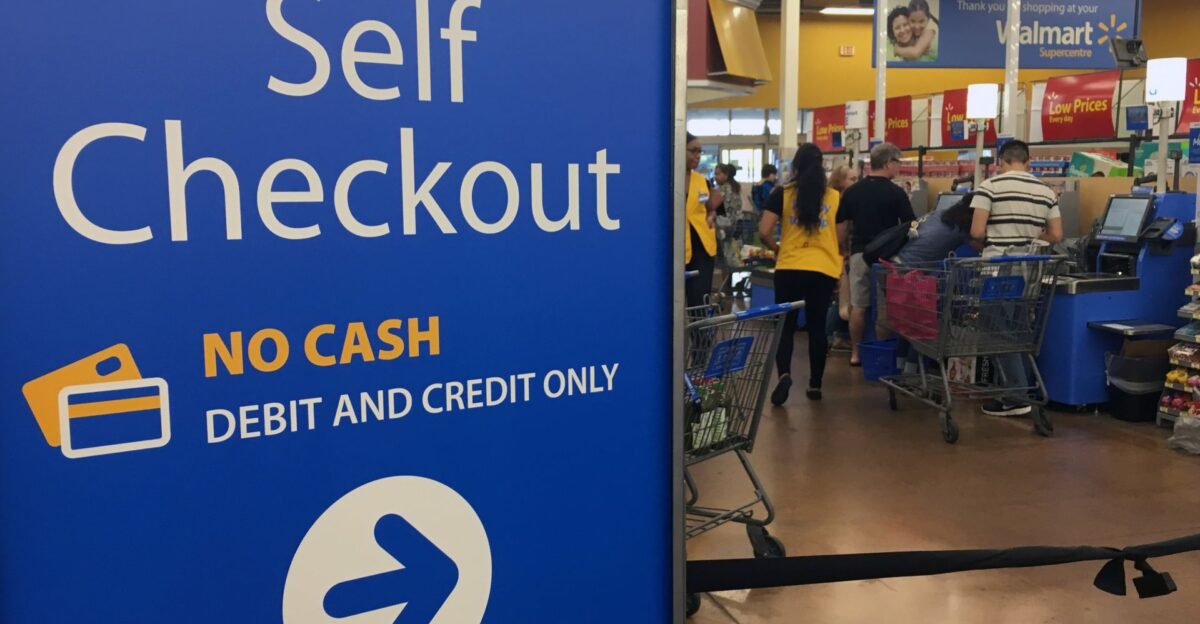
Even as theft declines, customer frustration is rising. Locked shelves, remote access cases, and reduced self-checkout lanes make what used to be a simple errand more complicated. Some shoppers vent on social media about having to “ask permission” for basic products.
Analysts told CNBC that retailers risk pushing customers online, where buying is faster and easier. The dilemma is stark: protect inventory or protect the customer experience. Currently, stores are betting they can do both, but shoppers remain unconvinced that the balance is working in their favor.
Smarter Tags Behind the Scenes

Not all changes are visible to customers. Retailers are expanding RFID tags and advanced tracking systems to monitor merchandise from the warehouse to checkout. Electronics, beauty products, and clothing, items frequently targeted by thieves, are among the most heavily tagged.
Industry experts say the benefit goes beyond security. These systems provide accurate, real-time inventory data, reducing stockouts and improving restocking efficiency. For shoppers, the impact shows up less in locked shelves and more in full ones, a subtle reminder that security measures can sometimes enhance convenience rather than hinder it.
Kroger Finds a Data Edge
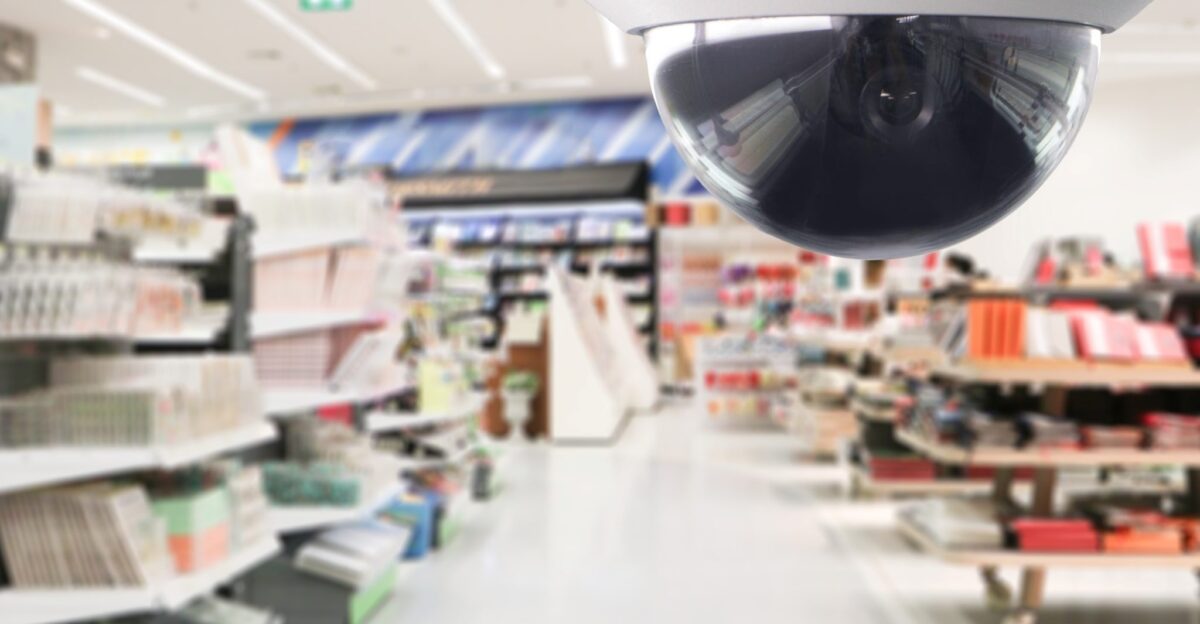
Kroger has been vocal about how new technology delivers more than just security. In a Lenovo case study, Kroger’s Chris McCarrick said advanced surveillance has improved accuracy in tracking stock and cut theft. That means fewer gaps on shelves and better forecasting for future orders.
The company describes it as a data win as much as a security one. For shoppers, it translates into more reliable product availability. For Kroger, it highlights the broader argument that anti-theft technology can double as a tool for smarter retail operations.
Walmart Embraces Cloud Surveillance

Walmart has shifted from local camera systems to cloud-based surveillance networks. Industry analysts note these platforms are “camera-agnostic,” pulling feeds from multiple sources into AI systems that scan for theft patterns. ArcadianAI reported that this allows Walmart to track incidents across the country in real time, strengthening its ability to respond to organized crime.
The system isn’t just watching aisles; it’s building intelligence networks that predict theft trends. This futuristic approach highlights how loss prevention has evolved into a hybrid of security, data science, and cyber defense.
The Bigger Theft Picture
Numbers help explain the urgency. A 2023 survey cited by Walmart found 15% of shoppers admitted to stealing at self-checkout, with only one-third ever caught. Meanwhile, the Council on Criminal Justice reported retail theft jumped 93% between 2019 and 2023.
Those figures pressure retailers to act, even if it means frustrating some customers. Industry leaders agree that ignoring theft is no longer an option. If unchecked, losses could undermine already thin retail margins and reshape stores’ operations.
The Cat-and-Mouse Race

Despite high-tech tools, the contest between retailers and thieves remains dynamic. Retail Dive reported that organized groups continue adapting and finding new tactics to bypass systems or exploit loopholes. Experts argue that retailers must pair technology with strong employee training and community cooperation to stay effective.
For now, the fight resembles a cat-and-mouse race, with each side evolving as the other adapts. Whether AI and new policies can ultimately outpace increasingly sophisticated thieves remains an open question shaping the next era of retail.
What Comes Next for Shoppers

The future of shopping at Walmart, Target, and Kroger will likely be a constant balancing act. Industry insiders expect policies to keep shifting, tightening in high-theft zones and easing in calmer ones as companies try to protect merchandise and customer goodwill.
For shoppers, the result will be an experience that varies widely by store and neighborhood. One thing seems inevitable: the retail floor has become the front line of a larger battle, where the stakes are profits and the trust that keeps customers returning.