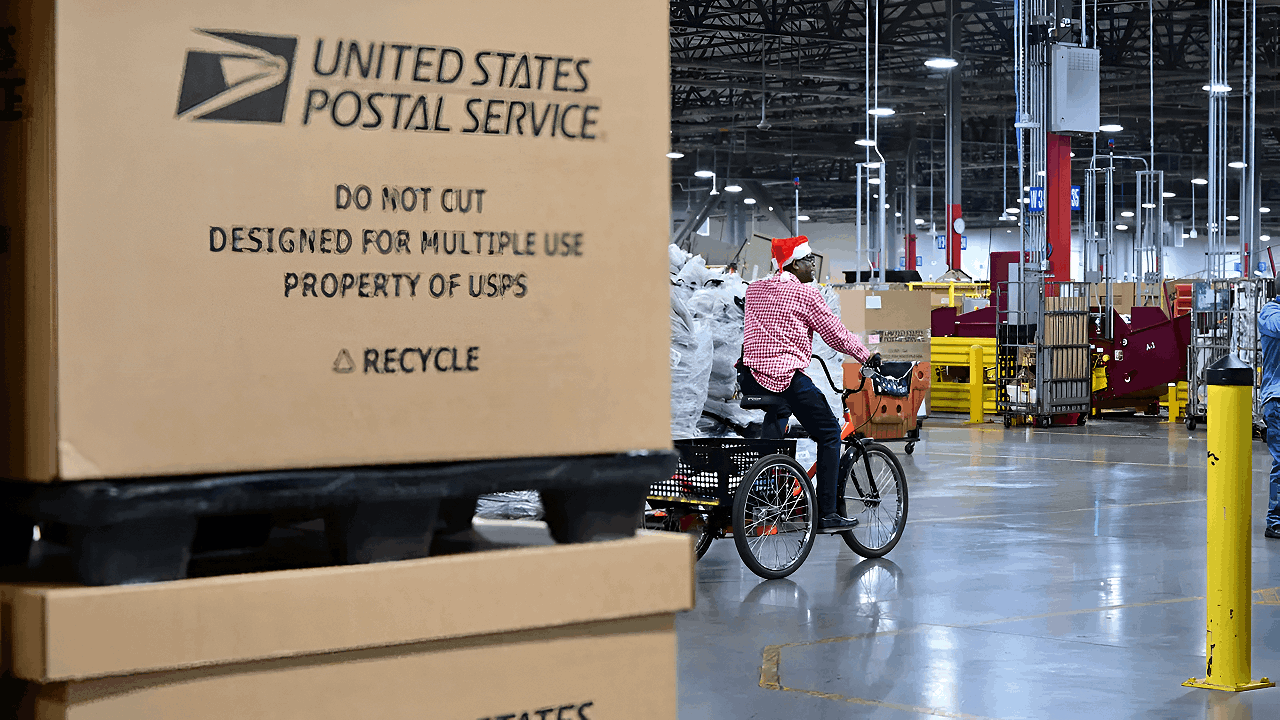
The holiday season is arriving with a new challenge for American shoppers and businesses: the U.S. Postal Service (USPS) has introduced a temporary surcharge of up to $16 on heavy, long-distance parcels, effective from October 5, 2025, through January 18, 2026. This marks the largest price hike in USPS history, reflecting the agency’s deepening financial crisis and raising concerns about the affordability of holiday shipping for millions.
The Roots of the Surcharge
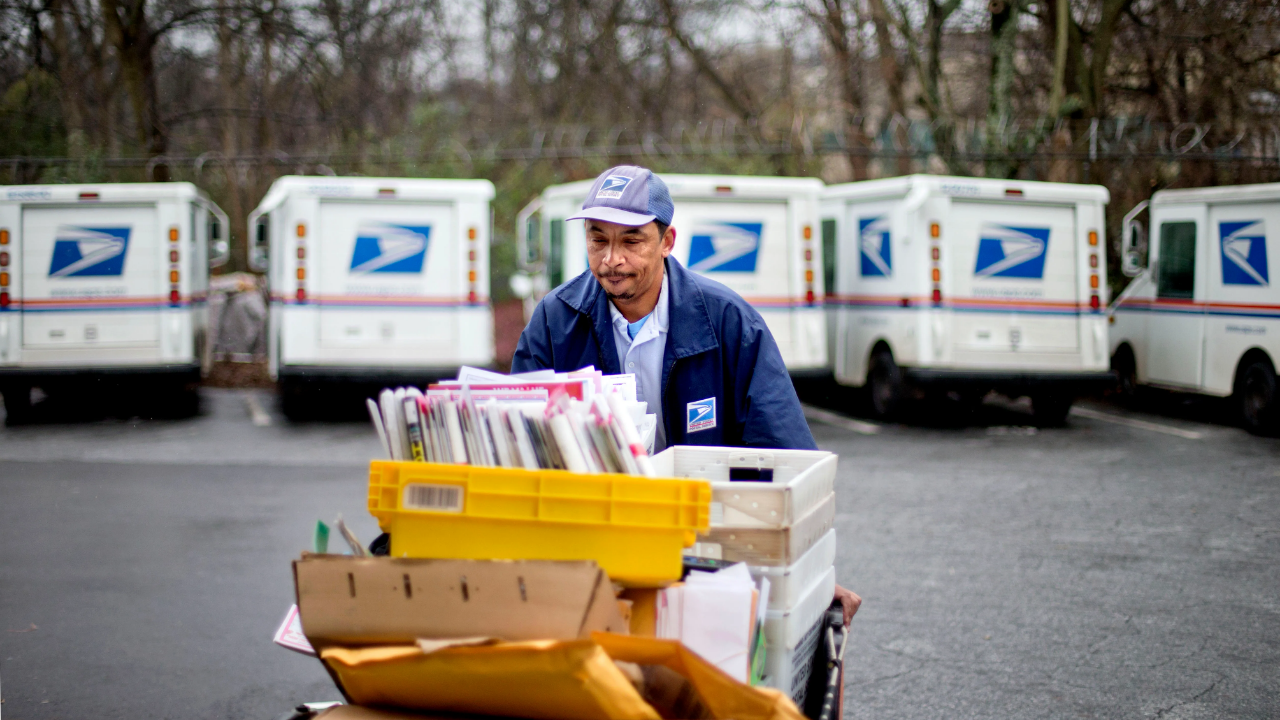
USPS is grappling with significant annual losses, reporting approximately $9 billion in deficits for fiscal year 2024, a figure that has intensified scrutiny over its financial health and operational sustainability. The surcharge is designed to offset the extra handling and transportation costs that surge during peak shipping periods. By aligning its pricing more closely with private competitors like FedEx and UPS, USPS aims to remain competitive in a crowded market. The move also signals a broader effort to stabilize its finances amid mounting pressures.
Consumers Feel the Pinch
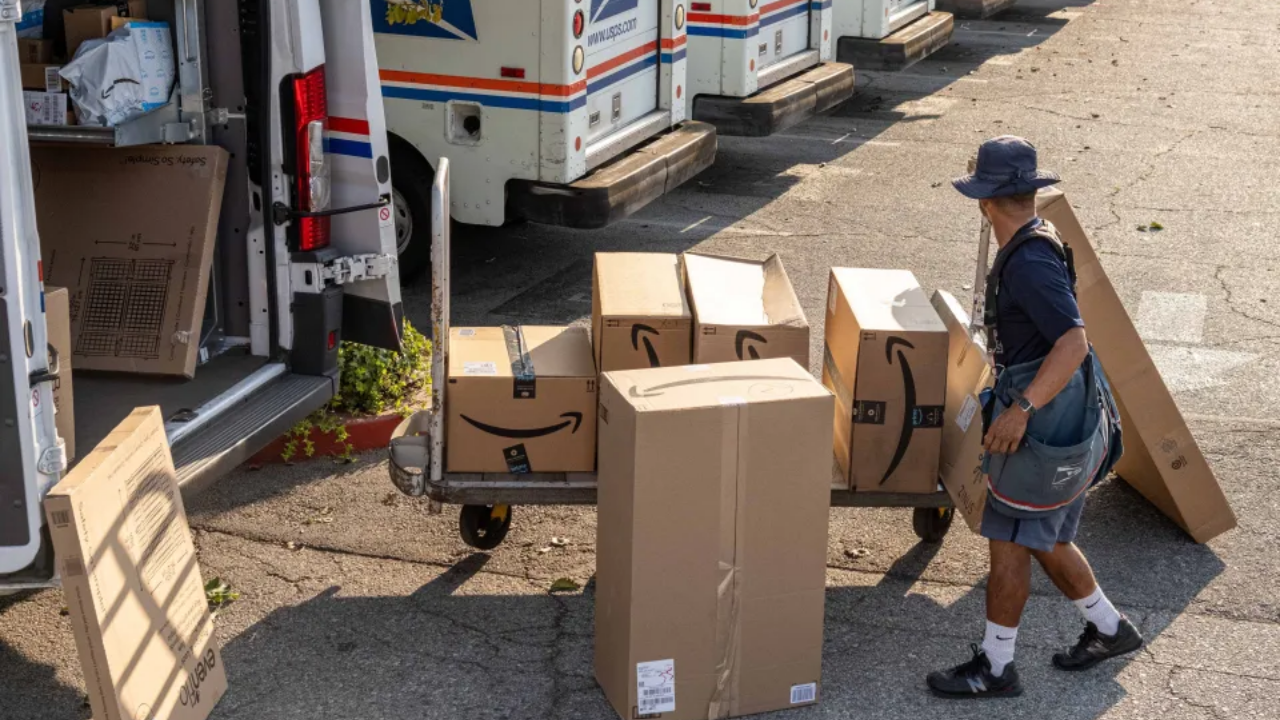
The new surcharge will affect approximately 169 million delivery points across the U.S., particularly impacting Priority Mail Express parcels weighing between 26 and 70 pounds. With consumer spending already projected to decline by 5% compared to last year, the additional shipping costs are likely to further strain small business budgets and holiday promotional strategies. Industry analysts note that small businesses in particular may face difficult decisions about absorbing these costs versus passing them on to customers.
Businesses Adapt and Innovate
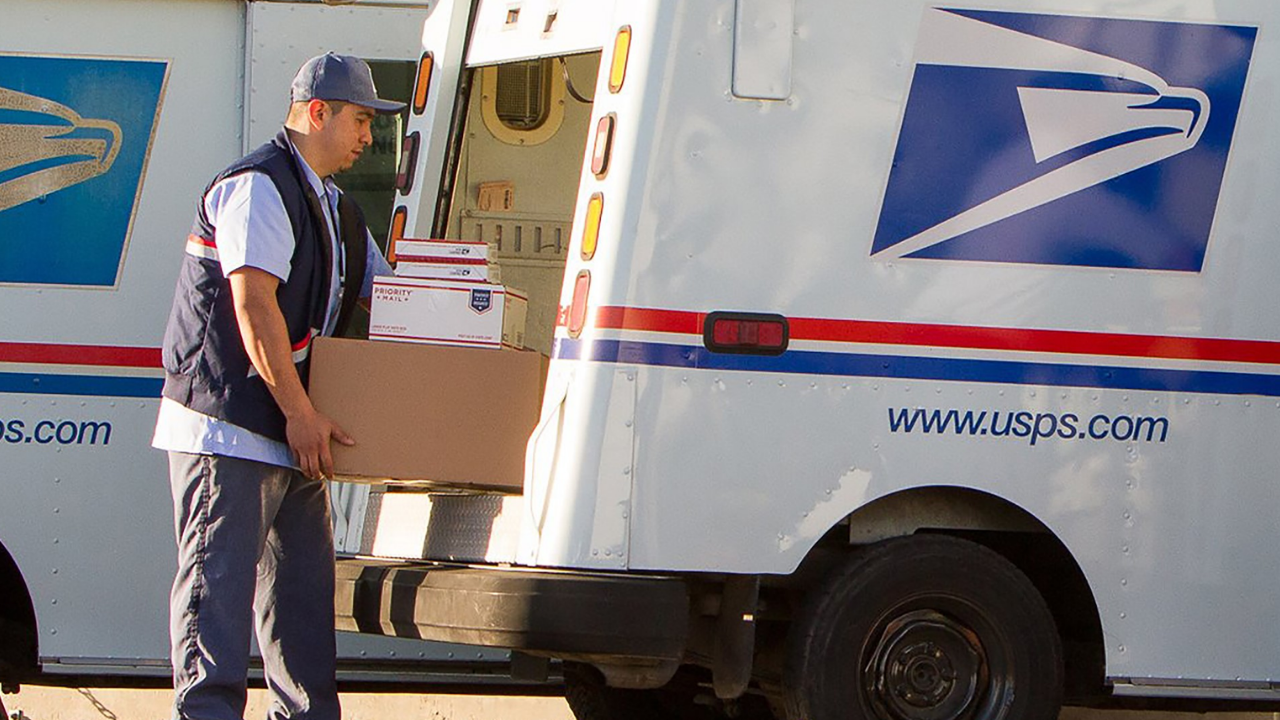
Retailers and small businesses are quickly reassessing their shipping strategies to mitigate the increased costs. Many are considering raising prices or limiting free shipping offers, while others are exploring alternative carriers. FedEx and UPS have also implemented seasonal surcharges, ranging from 40 cents to $108.50, which means switching carriers may not provide significant relief. Logistics experts suggest that businesses are looking at consolidating shipments and optimizing packaging to keep costs down and find efficiencies wherever possible.
Global and Local Impacts

The surcharge’s effects extend beyond U.S. borders, complicating international e-commerce. Sellers shipping products to global customers may face higher shipping costs, which can impact their pricing structures for international shipping. International buyers may experience increased fees or extended delivery timelines, leading some to consider local alternatives. Trade analysts have noted that higher U.S. shipping costs could push international buyers to look for local options, potentially having lasting impacts on cross-border transactions and trade relations.
Shifting Consumer Habits
The rising shipping costs are prompting a transformation in holiday shopping habits. More consumers are expected to prioritize local shopping or consider digital gifts as alternatives to relying on long-distance parcel delivery. Gift cards have emerged as the top planned purchase for the holiday season, with surveys showing that 52% of consumers plan to give gift cards to friends and 47% to family members, partly due to concerns about shipping costs. Consumer research indicates a shift toward value-driven, community-focused purchases, with shoppers becoming more mindful of their spending and looking for ways to save.
Looking Ahead
The holiday surcharge raises questions about USPS’s long-term viability and its continued role in the American shipping landscape. As the service grapples with mounting financial strains, strategies such as proposed price hikes could either rejuvenate revenue streams or negatively impact its customer base. Stakeholders are left questioning how such decisions will influence USPS’s future operations and whether they could lead to more drastic changes, such as structural reforms or shifts in service offerings. Addressing these challenges proactively is crucial in determining USPS’s relevance and sustainability moving forward.
In the meantime, both consumers and businesses are adapting to the new normal. Whether through technology investments or localized shopping habits, the narratives of this holiday season will unfold within the backdrop of evolving cost structures and consumer responses. The ability to navigate these changes will determine how successfully USPS and its affiliates can maintain their roles in an increasingly dynamic shipping environment.