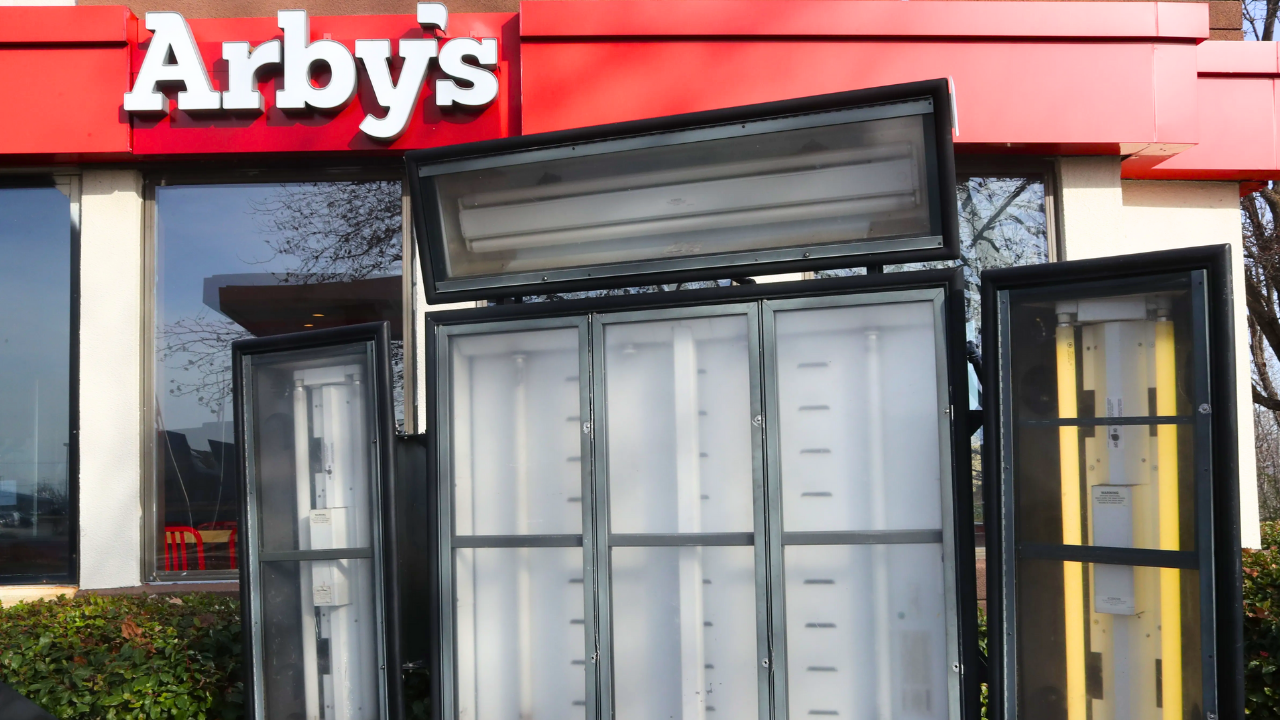
Arby’s, once a fast-food staple for many, suddenly vanishes from the streets of America. In just over a year, 62 of its locations closed, leaving communities in disbelief. The familiar roast beef sandwiches and curly fries are now out of reach for thousands.
The chain’s 6.3% sales drop in 2024 marked a significant decline in its portfolio performance. Why did the beloved “We Have the Meats” empire close these locations? Is this the beginning of the end for fast food as we know it?
The Price of Progress: Rising Costs and Declining Sales
In 2024, Arby’s experienced a significant sales decline within its parent company’s portfolio. Factors like inflation, rising food prices, and labor costs have taken a toll.
With menu prices rising 55% over the last decade, customers have become more selective, resulting in a significant decline in foot traffic and lower sales at Arby’s.
The Closure Impact on Communities
The closure of 62 Arby’s restaurants, including locations in Memphis, Fresno, and Jacksonville, has left communities without a trusted fast-food option.
Arby’s loyal customers, who once flocked for its roast beef sandwiches and curly fries, are left with fewer convenient alternatives, disrupting daily routines and dining habits.
Inspire Brands’ Struggling Response
In response to Arby’s poor performance, Inspire Brands has been restructuring its operations.
The company owns several other popular brands, including Dunkin’ and Buffalo Wild Wings, but has struggled to stabilize Arby’s decline. Despite its wide brand portfolio, the parent company continues to address Arby’s underperformance.
The Competitive Landscape: Fast Food Declines Across the Board
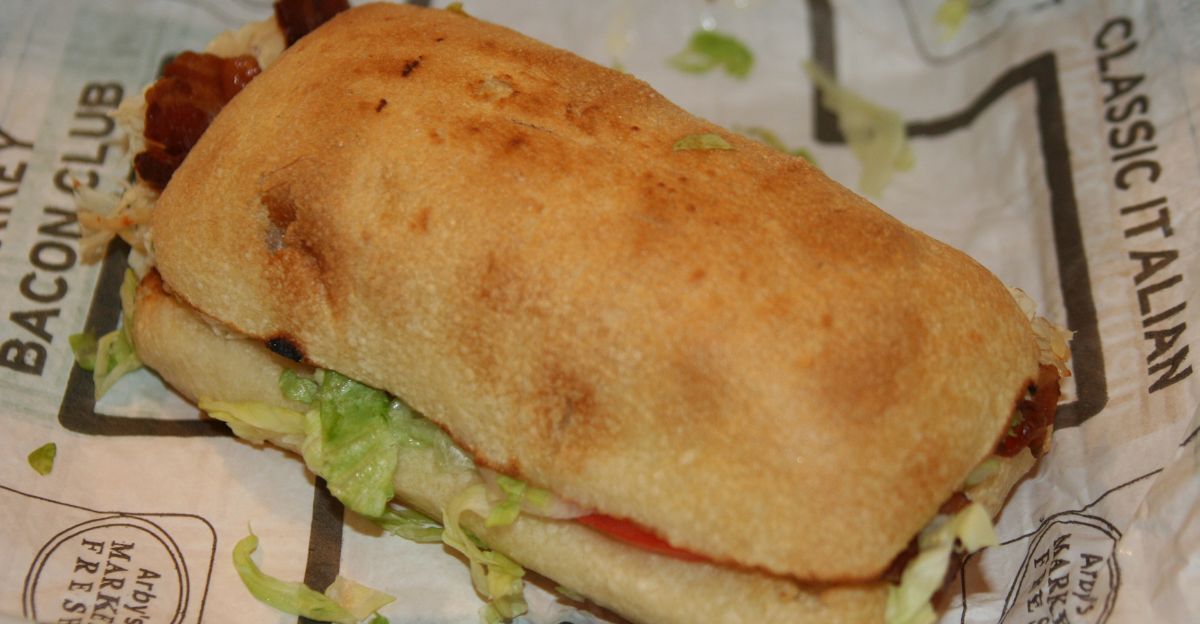
As Arby’s closes locations, other fast-food chains like Subway and Panera are facing their own challenges. Consumers are turning to these brands for affordable meals, but sales are also down across the industry.
Price hikes and the shift to grocery shopping have reshaped how Americans are choosing to spend on food.
External Factors: The Global Trade Impact
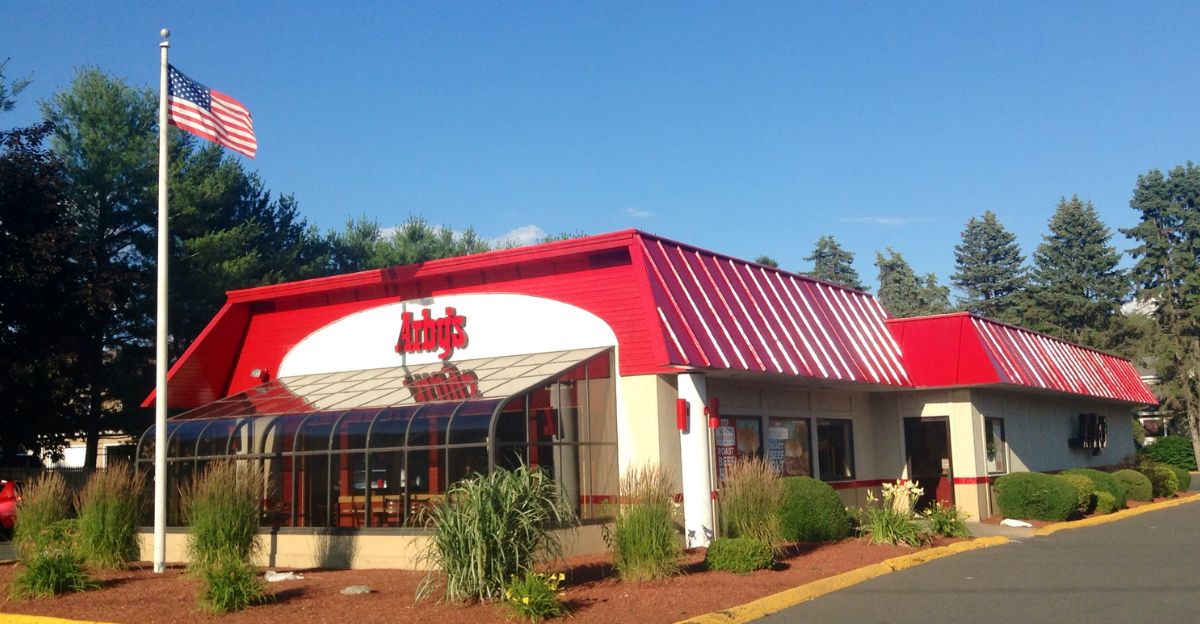
Global supply chain issues, particularly the rising cost of beef and other essential ingredients, have affected Arby’s ability to maintain its competitive pricing.
The fast-food industry’s struggles are linked to broader trade problems, such as tariffs and supply shortages, which have only exacerbated the situation.
Job Losses and Franchisee Struggles
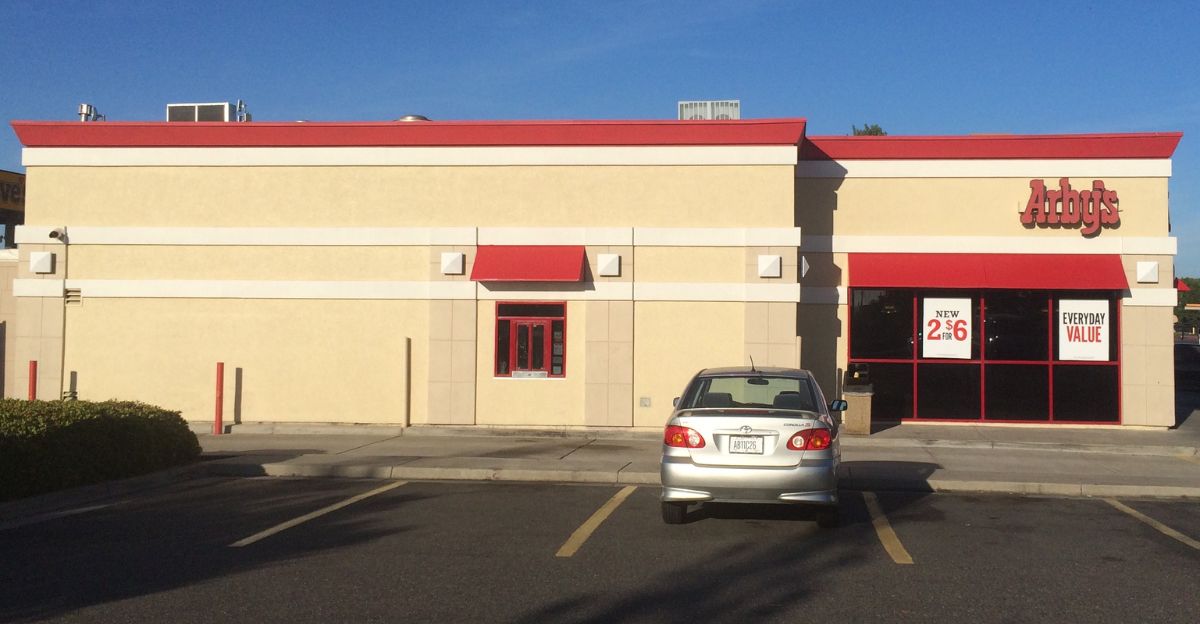
The closures have not only impacted consumers but also workers and franchisees. Employees and small business owners are facing financial hardship.
Franchisees have been forced to file for bankruptcy as weak sales and higher costs continue to strain their operations.
Political and Policy Responses
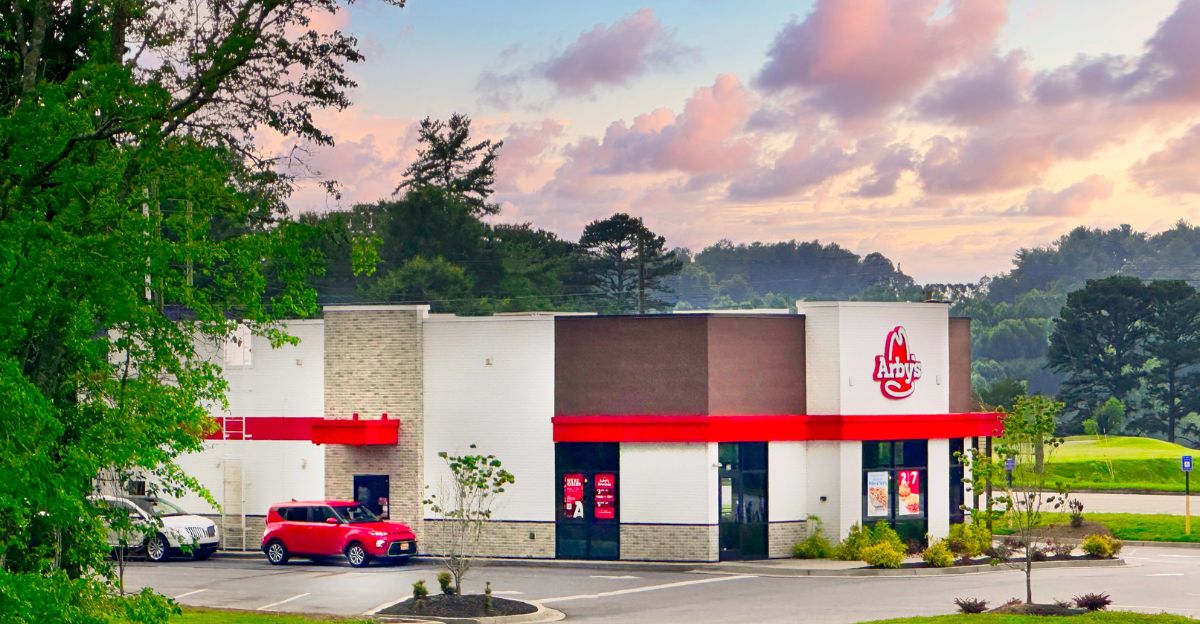
As Arby’s and other fast-food chains shut down, lawmakers are paying attention to the issue. Some are calling for support measures for small businesses and workers affected by the closures.
This highlights the need for policy reforms that support businesses and individuals impacted by economic uncertainty.
Inflation’s Impact on Fast Food Prices
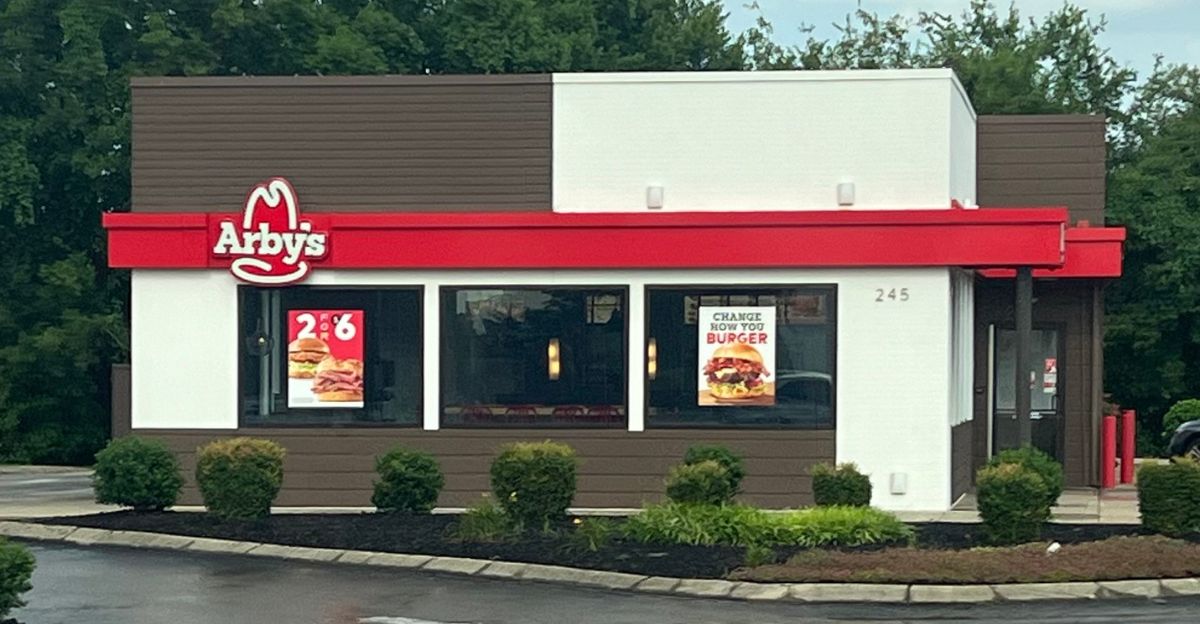
Food-away-from-home prices have risen by 3.7% in the 12 months leading up to September 2025. This inflation rate is higher than the national inflation rate, leading many consumers to cut back on discretionary spending.
These increased prices are having a direct impact on fast-food chains like Arby’s, whose customers are now avoiding pricier meals.
Shifting Consumer Habits
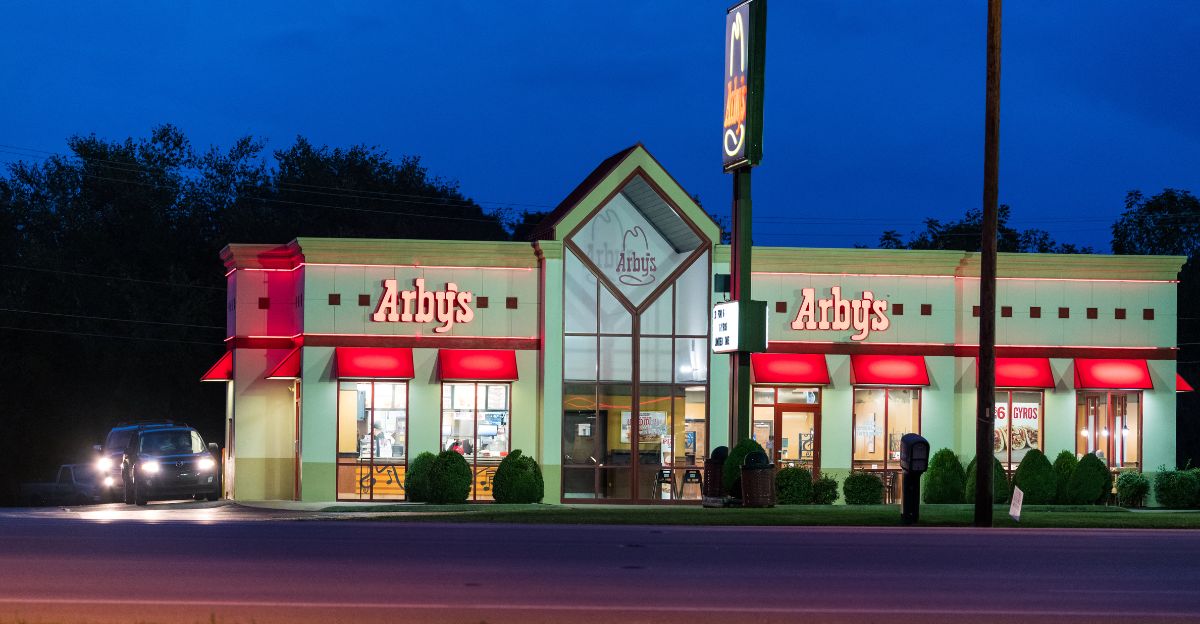
As fast-food chains like Arby’s close, consumers are increasingly turning to healthier, home-cooked meals. With more people cooking at home, the shift reflects broader trends in healthy eating and a more budget-conscious approach to food.
This marks a significant departure from the convenience-first mentality that once dominated the fast-food industry.
Environmental and Cultural Shifts
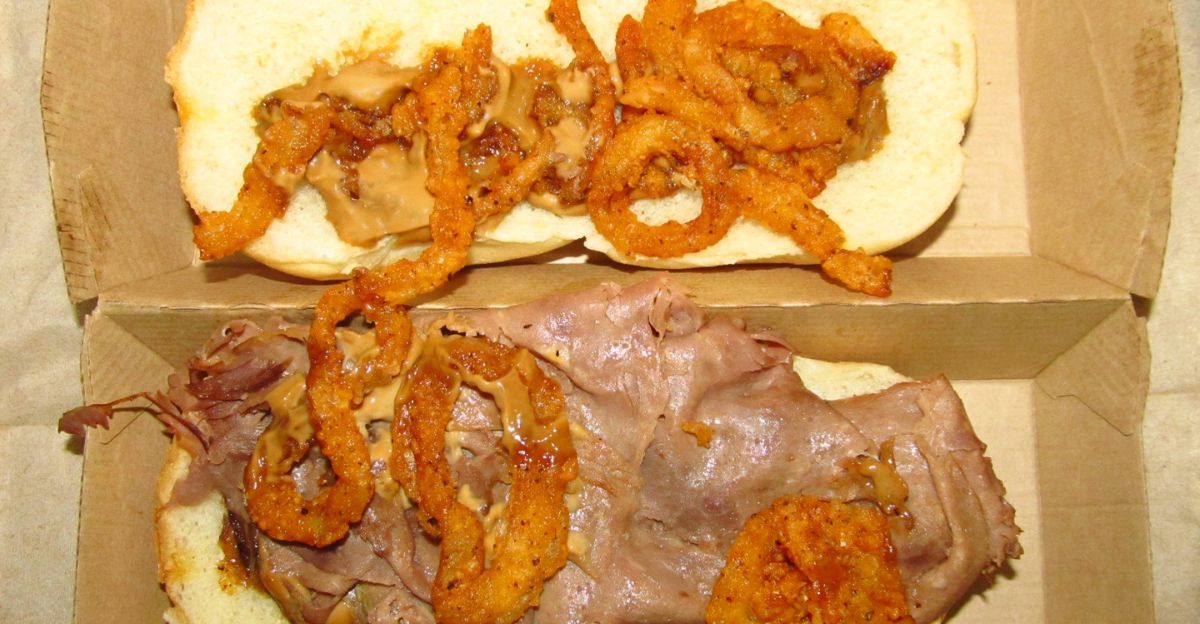
The closures are sparking a debate on the sustainability of the fast-food industry. Critics argue that the reliance on processed food and meat is environmentally and socially unsustainable.
As the industry faces challenges, there’s growing interest in healthier, more sustainable alternatives.
A Global Perspective: What It Means for Fast Food Abroad
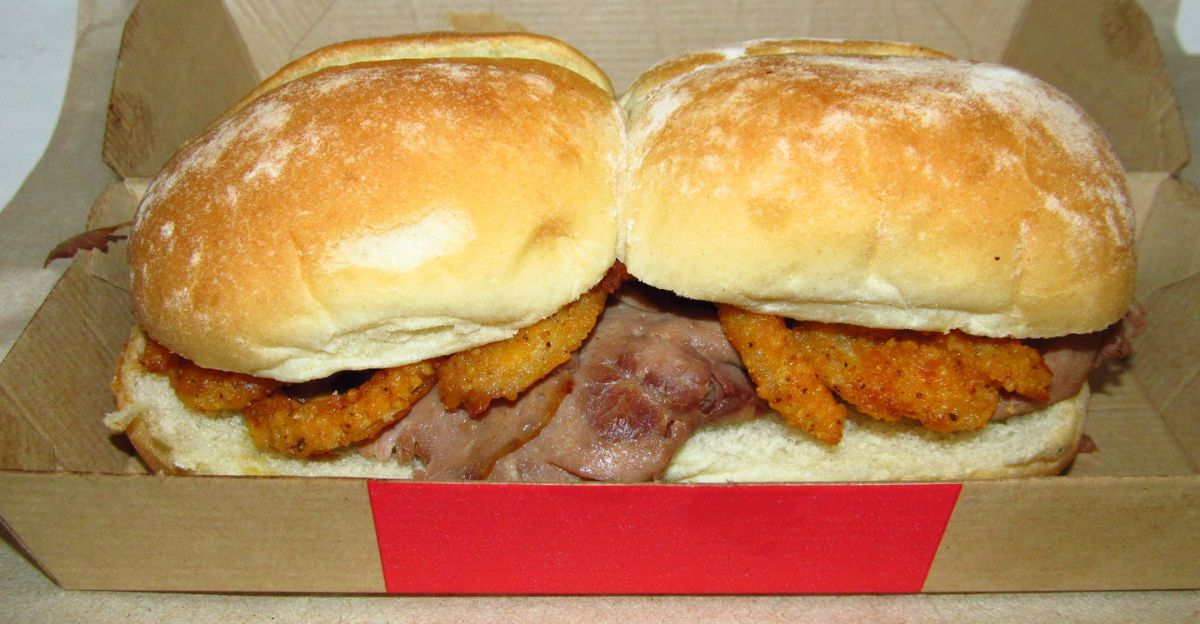
The closure of Arby’s restaurants is being observed internationally, with consumers in other countries also adapting to changes in taste and price sensitivity.
As American fast-food brands face difficulties, the global fast-food landscape is also shifting, with changing expectations from both consumers and governments.
The Winners and Losers of the Fast-Food Shake-Up
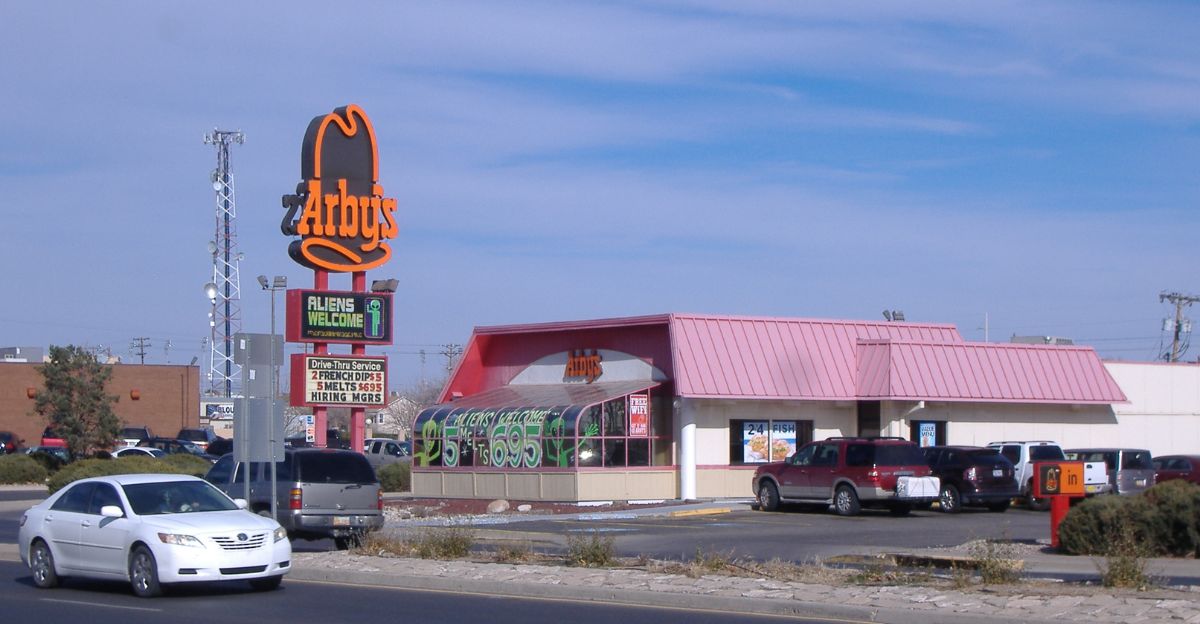
As Arby’s struggles, brands like Dunkin’ continue to perform better. The closures of Arby’s locations may present an opportunity for competitors to attract former Arby’s customers.
Companies that can maintain competitive prices are poised to benefit as consumer habits evolve.
Investor Insights and Consumer Advice
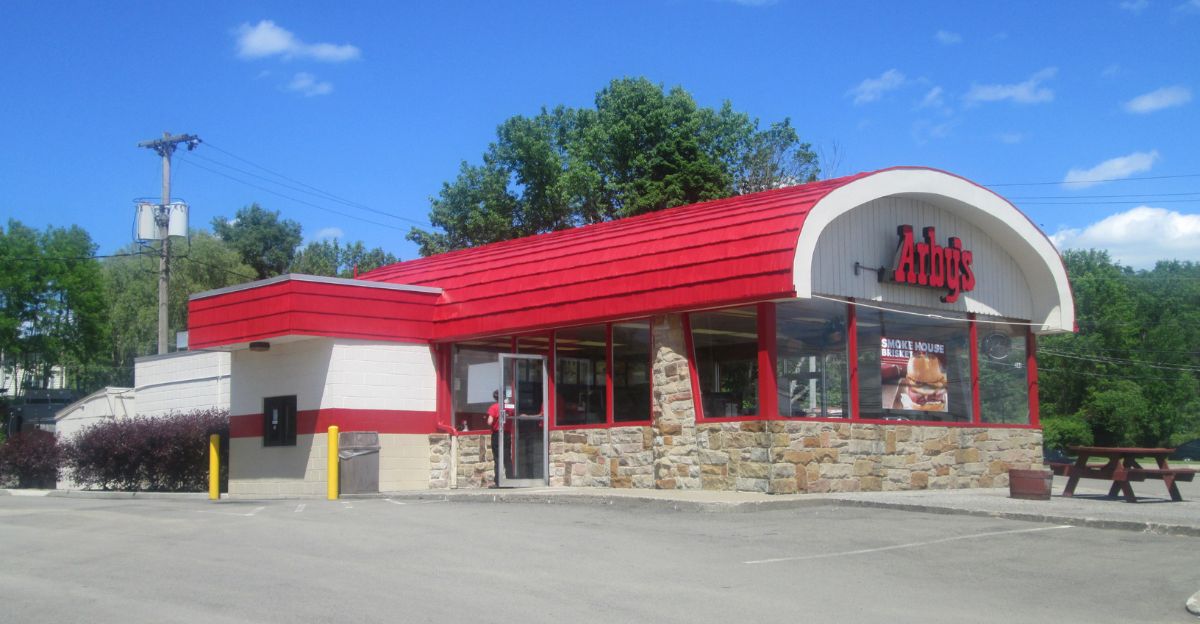
Investors are keeping a close watch on the fast-food sector, with speculation about further consolidation.
As Arby’s and other chains close locations, consumers are advised to seek out value deals and consider alternative dining options. The market for affordable meals is changing, and savvy consumers will be looking for new ways to dine out.
Looking Ahead: The Future of Fast Food
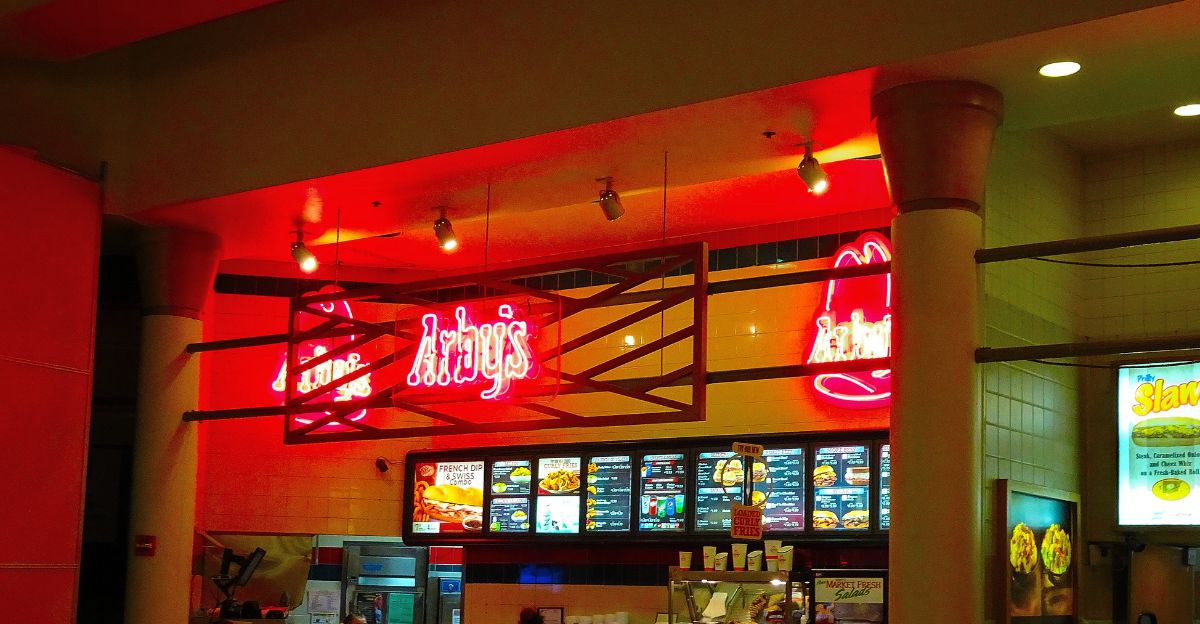
The closure of 62 Arby’s locations is just a symptom of broader shifts in the food industry.
As fast food adapts to changing economic and cultural conditions, the future may involve more sustainable, affordable, and health-conscious options. The industry will need to adapt or risk becoming obsolete in the face of changing consumer demands.