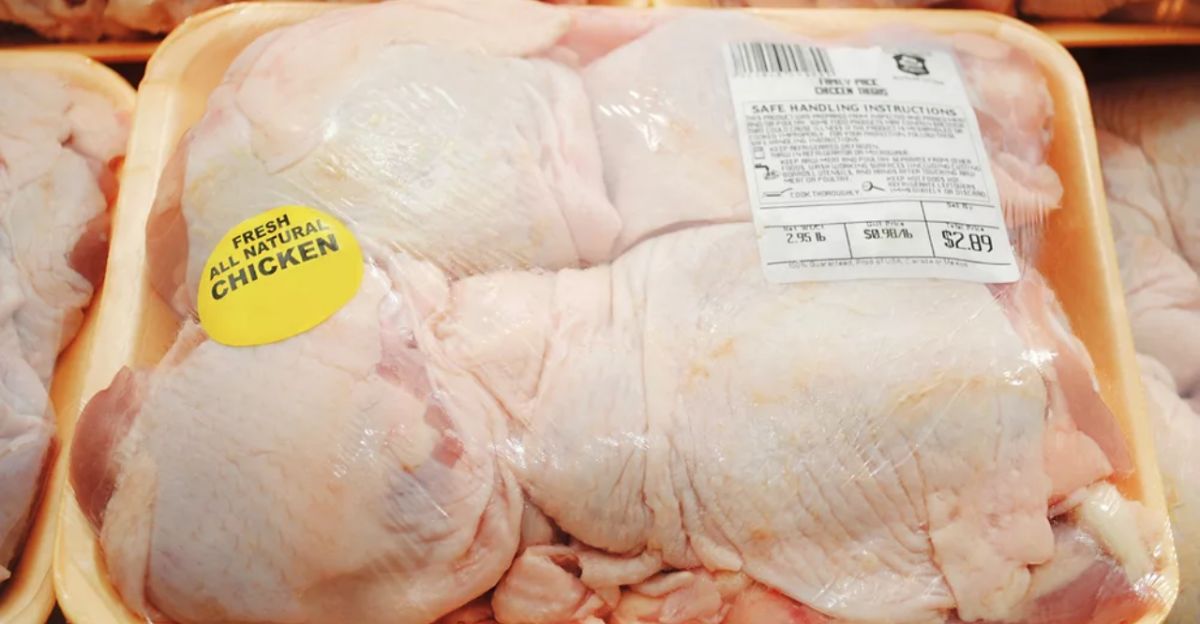
American shoppers scanned grocery shelves, stunned by soaring pork prices that lingered for nearly a decade. Behind the scenes, major meat companies had been quietly coordinating their production, cutting supply to inflate costs across bacon, ribs, and ham.
After seven years of battling in court, Tyson Foods agreed to pay an $85 million settlement, the largest ever in U.S. meat antitrust history. “The settlement provides substantial relief for all class members that submit valid claims,” said plaintiff attorney Michael H. Pearson in court documents filed in early 2025.
But this hefty payout is just one piece of a $208 million recovery fueling questions about the meat industry’s market control—and what shoppers paid along the way.
How Price-Fixing Hurt Shoppers
Lawsuits allege pork giants shared sensitive production data to coordinate prices, pushing up costs of bacon, ribs, and other staples. These practices impacted grocery retailers, wholesalers, and restaurants across the U.S. for almost ten years.
The broader effect touched both retail and foodservice sectors, increasing prices for everyday consumers. Next, we’ll examine the timeline behind this extensive price coordination.
Nine Years of Coordinated Actions
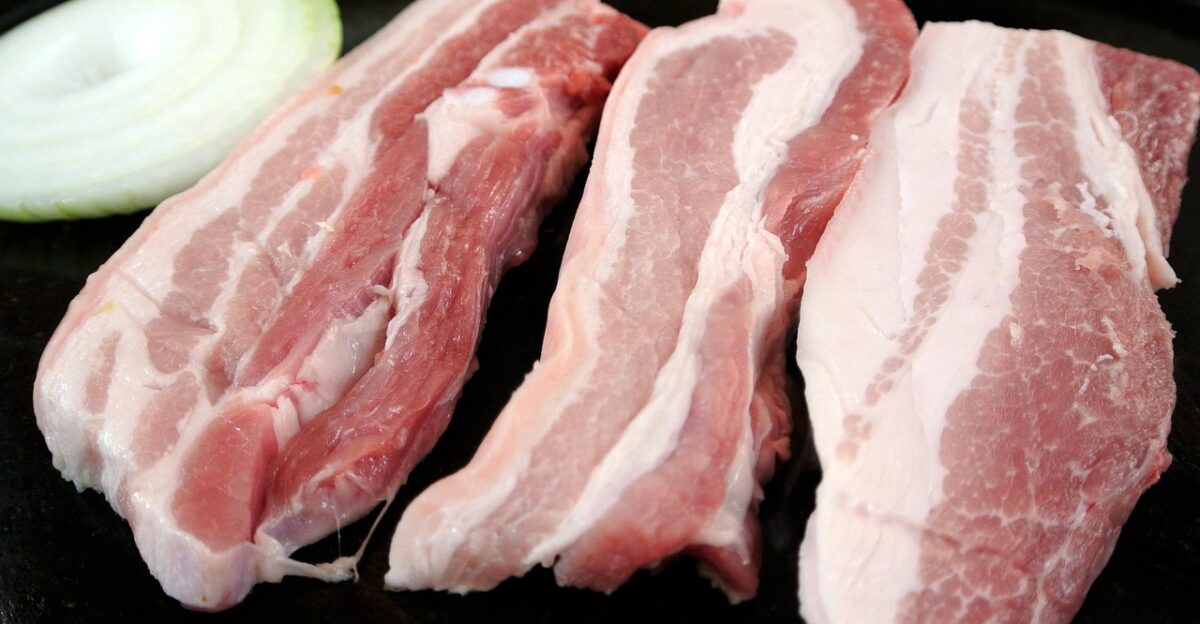
From 2009 to 2018, major pork processors used third-party data from Agri Stats to monitor and align production cuts, driving prices higher. Court filings state, “The largest pork processors implemented coordinated production cuts to decrease quantities and increase wholesale and retail pork prices”.
This extensive coordination underpinned inflated costs for consumers nationwide. The next slide discusses the economic impact on American families.
Inflation’s Toll on Families

Economic analyses reveal U.S. households collectively lost billions due to elevated pork prices during the conspiracy. Even slight price hikes translated to significant financial burdens, given pork’s popularity in American diets.
The sustained overcharges hurt family budgets and widened inflationary pressures. Now, Tyson’s record $85 million settlement caps this saga.
Tyson’s Historic $85 Million Settlement
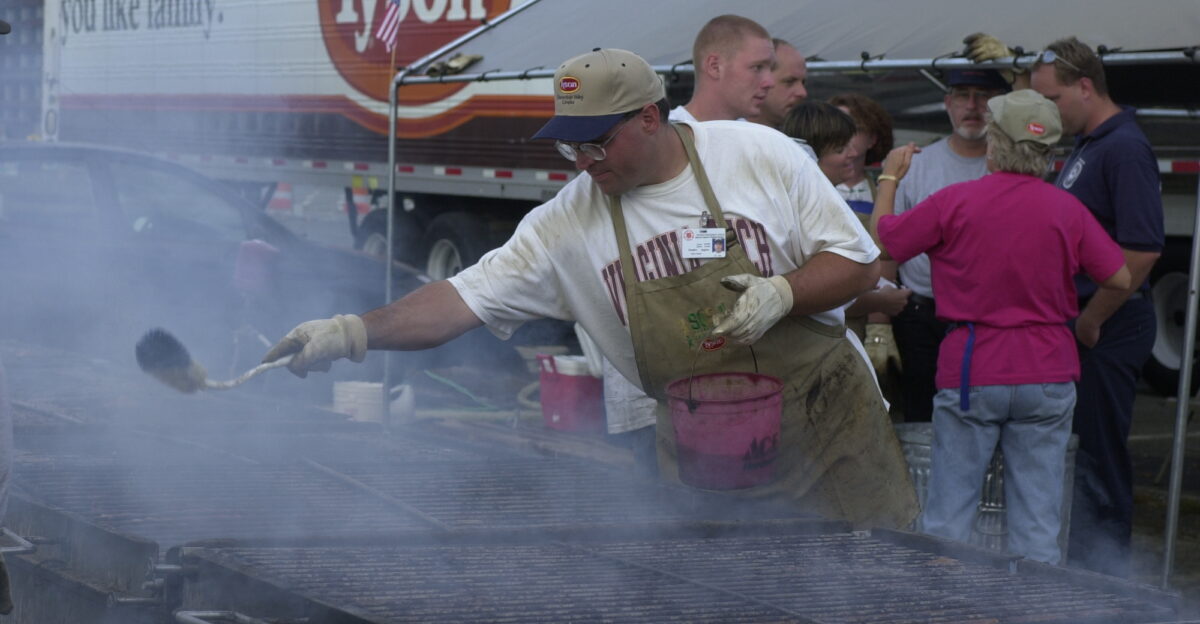
Tyson Foods’ settlement surpasses prior agreements, bringing total recoveries in the case to $208 million—the largest antitrust payout in the meat industry. The deal covers allegations from 2009 to 2018; Tyson admitted no wrongdoing but chose to settle.
This settlement sets a new benchmark for consumer restitution.
Tyson Foods: Industry Giant
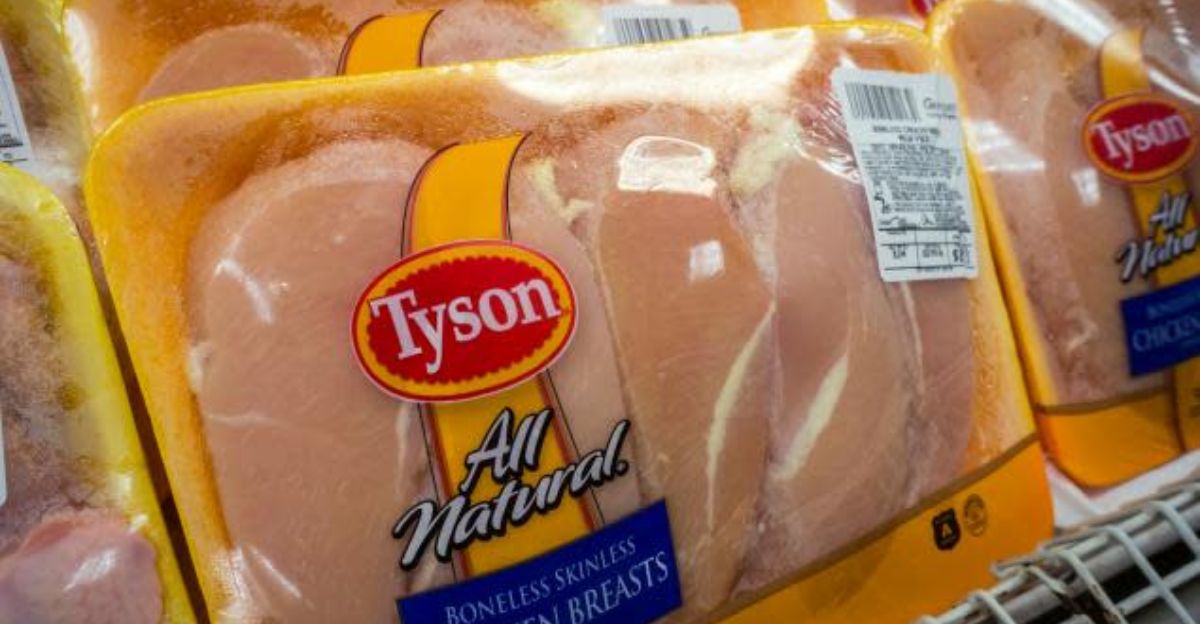
Tyson Foods, headquartered in Springdale, Arkansas, operates as the largest U.S. pork processor, handling hundreds of thousands of hogs weekly across multiple plants.
During the litigation period, Tyson submitted industry commentary stating, “We do expect to see liquidation accelerate and pork production decrease into 2010 and beyond to improve producer profitability,” said Donnie Smith, Tyson CEO, in 2010 to investors.
But Tyson wasn’t alone—other giants from Smithfield to Hormel soon faced similar allegations and multimillion-dollar settlements.
Smithfield Foods Sets a Precedent
Smithfield, owned by China’s WH Group, settled for $75 million in 2022 for claims spanning 2009-2018. The deal included requirements for future cooperation, advancing litigation and highlighting widespread industry exposure.
Smithfield’s agreement paved the way for further settlements. We then turn to JBS’s early resolution strategy.
JBS: Early Settlement and Cooperation
JBS USA paid $20 million early in litigation, covering consumer and institutional claims. This move allowed JBS to avoid higher settlement amounts later and cooperate with plaintiffs as the cases progressed.
Early cooperation shaped the dynamics for other defendants. Next, Hormel Foods’ limited settlement scope.
Hormel’s Settlement and Role
Minnesota-based Hormel paid $4.86 million in Sept 2024 to direct purchasers in a court-approved settlement. Attorney Michael H. Pearson noted, “This Settlement was on behalf of the Certified Class.” Hormel, a smaller player, also provided documents aiding the case.
Hormel’s involvement confirms the case’s broad reach. Moving forward, Clemens Food Group’s substantial settlement and judicial review.
Clemens Food Group’s $21 Million Deal
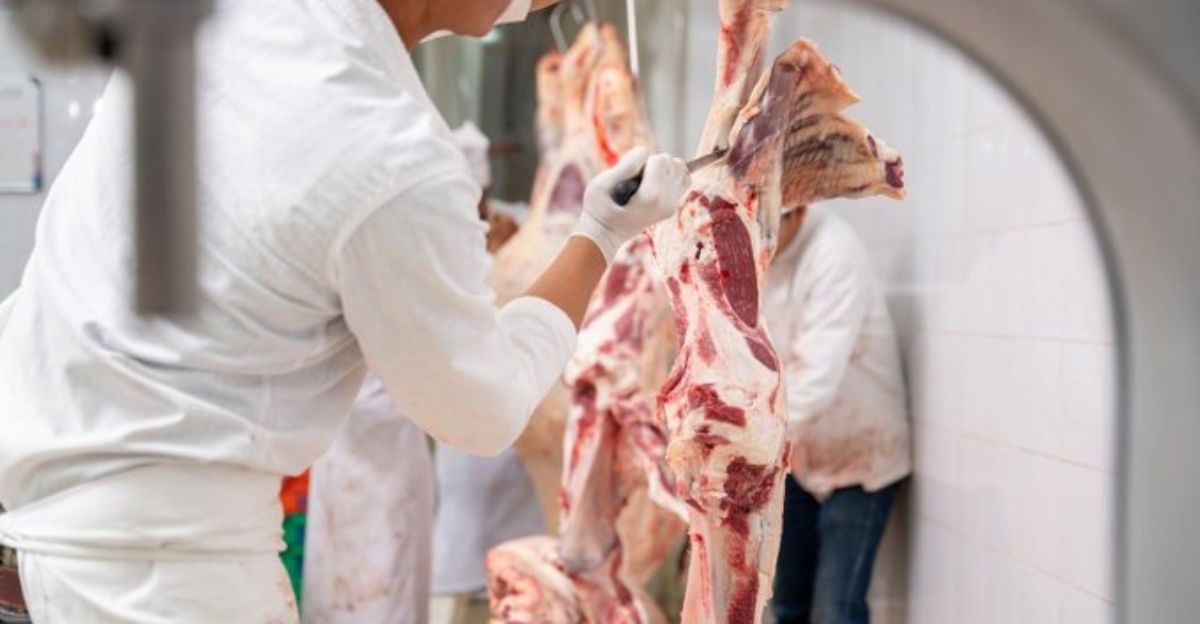
Family-owned Clemens Food Group paid over $21 million to resolve consumer and commercial claims. Judge John Tunheim granted preliminary approval, calling agreements “fair, reasonable, adequate and in the best interests of the settlement classes” .
Judicial endorsement underlines settlement fairness. Let’s now consider defendants still fighting the allegations.
Defendants Still Contesting Claims
Triumph Foods and data firm Agri Stats continue to deny wrongdoing and refuse settlement offers. Their resistance risks greater penalties, given precedents set by others’ high-value settlements.
This defiance underscores litigation challenges ahead. Next: Agri Stats’ alleged role as a data enabler.
Agri Stats’ Role in Coordination
The Department of Justice accuses Agri Stats of facilitating pork processors’ exchange of production data to indirectly coordinate prices and output. “Agri Stats enables and encourages processors to increase prices and restrict output,” DOJ stated in a 2023 complaint.
This claim targets systemic industry data sharing. Now, how will recovered funds reach consumers?
Distribution of Recovered Funds
Consumers who bought eligible pork products from 2009 to 2021 can claim settlement funds, covering retail and restaurant purchases. Claim amounts vary, with many eligible without receipts; final payments await resolution of all cases.
This compensation aims to redress years of overpayment.
Restaurant Chains Fight Back
Major chains like McDonald’s sued pork producers over inflated wholesale prices, citing margin squeezes and forced menu hikes. McDonald’s highlighted losses on menu items like the McRib sandwich due to increased prices.
Restaurants’ lawsuits amplify industry-wide impacts.
Major Grocers Seek Compensation
Retailers, including Walmart, Kroger, and Albertsons, filed lawsuits claiming wholesale pork overcharges harmed profits. Court filings stated, “The settlement provides adequate relief and cooperation”. Further compensation may be awarded as the litigation progresses.
Grocers join forces to recoup losses.
Broader Impact on Meat Markets
Similar price-fixing lawsuits in beef, poultry, and turkey have yielded hundreds of millions in settlements. Analysts note pork litigation’s revelations inform these cases, strengthening claims across protein industries .
Patterns of coordination appear industry-wide.
Inflation Linked to Price-Fixing
Economists found that pork prices rose by over 50% during the conspiracy due to coordinated supply cuts. A 2023 report concluded that processors cut output to avoid losses yet raised prices artificially.
These tactics contributed significantly to food inflation.
A New Legal Standard
The $208 million recovery creates a lasting deterrent against illegal food market coordination. It sets a high bar for antitrust remedies and signals heightened scrutiny on data-sharing practices in agriculture.
This case shapes future market oversight strategies. Finally, the landmark significance for consumers.
Landmark Victory for Consumers
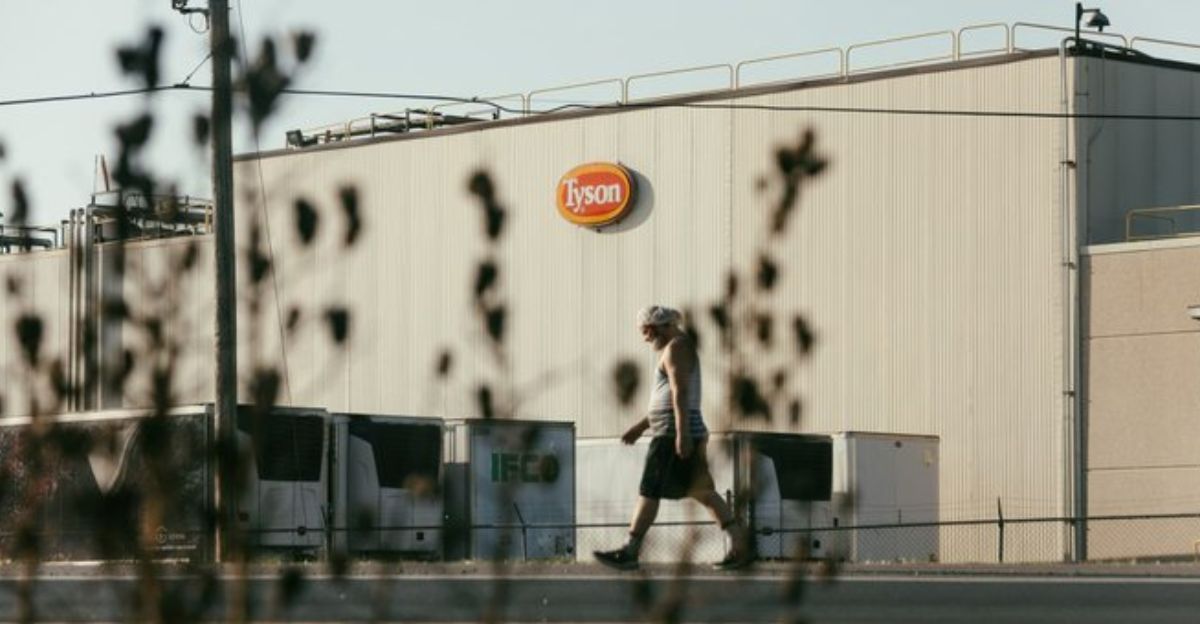
The combined settlements compensate millions for years of inflated pork prices, reinforcing that dominant firms face accountability for illegal coordination. This outcome strengthens consumer protection and fair competition in essential markets.
It marks a turning point in food industry transparency and justice.