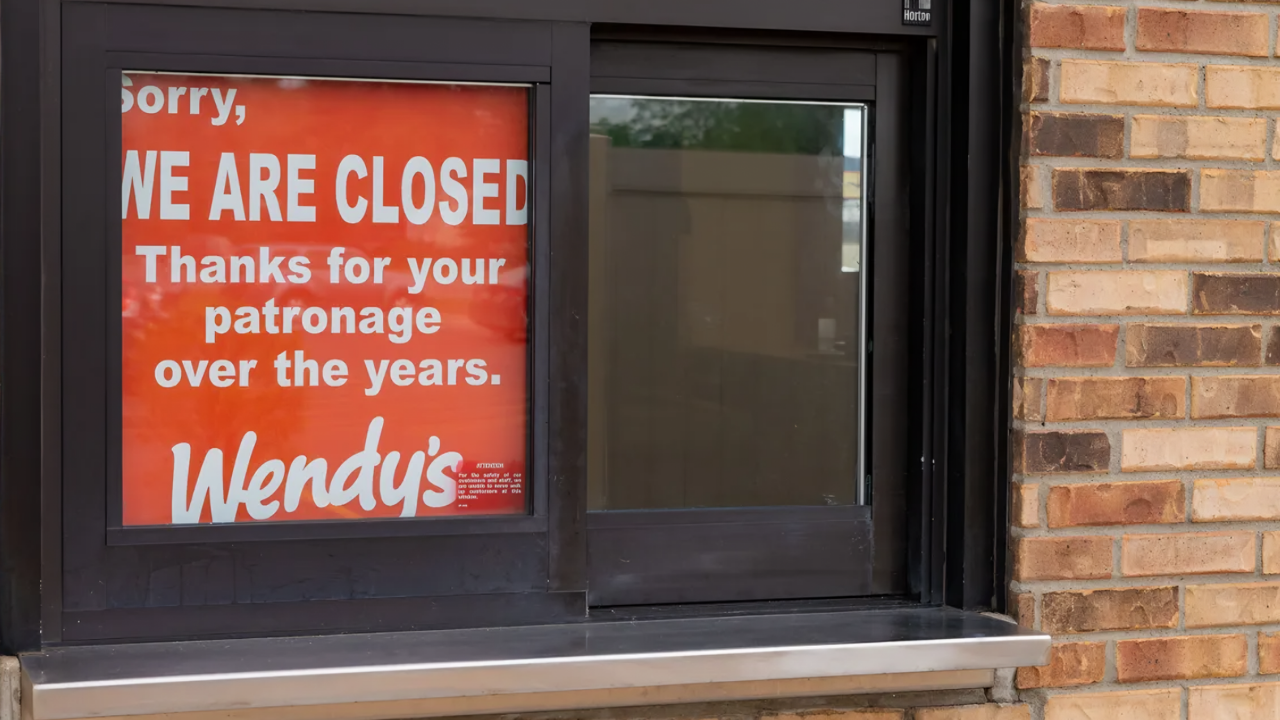
Wendy’s bold announcement on November 7, 2025, to close 350 underperforming U.S. stores by 2026 marks the chain’s largest retrenchment in over five years. Interim CEO Ken Cook framed the move as essential amid declining sales and rising pressures, signaling a pivot from expansion to optimization in a challenging fast-food landscape.
Project Fresh Unveiled
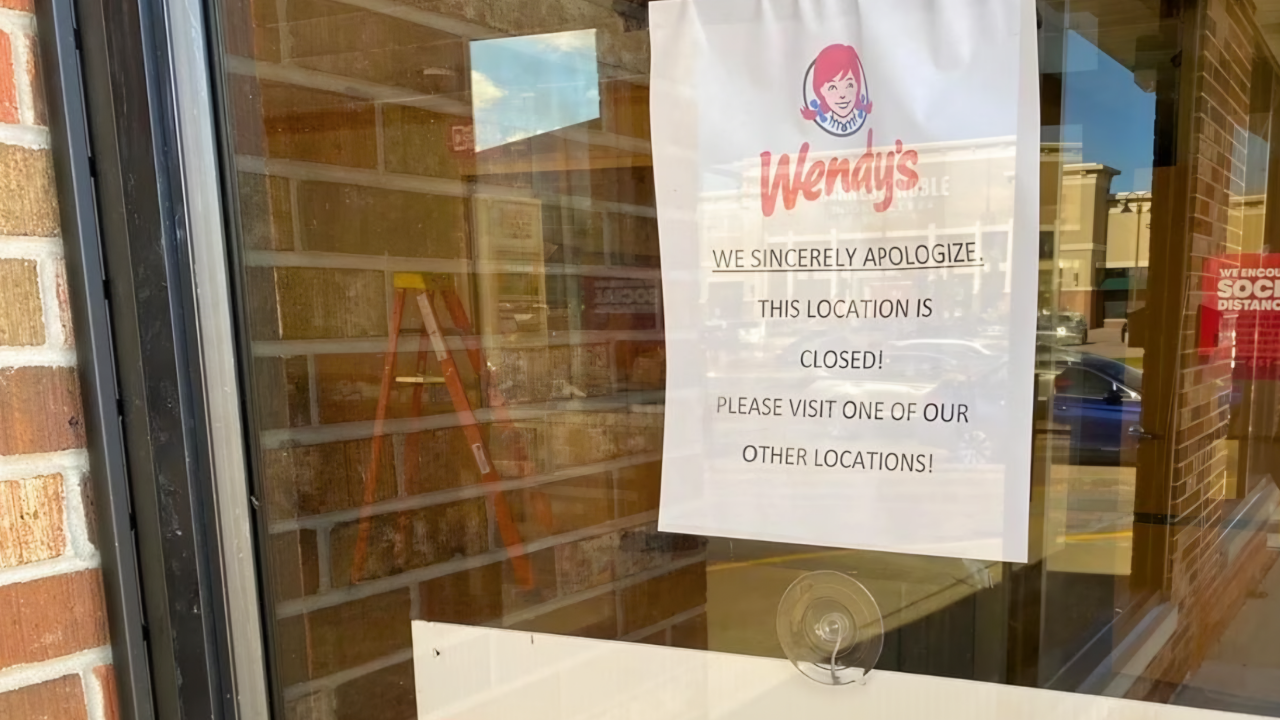
Ken Cook cited a 4.7% drop in same-store sales during the third quarter of 2025 as the primary driver, compounded by reduced customer traffic and escalating costs. The company is redirecting $20 million originally allocated for new stores toward marketing and technology upgrades to revitalize existing outlets. This shift prioritizes operational efficiency over sheer growth, aiming to lift performance across the remaining network.
Customer and Community Shifts
The closures represent a mid-single-digit percentage of Wendy’s nearly 6,000 U.S. stores, potentially leaving some communities without nearby access. Customers may switch to rivals or cook at home, boosting sales at surviving locations but eroding convenience. Significant job losses are anticipated, primarily among hourly crew and shift leaders, with impacts particularly acute in smaller markets where transfers to other stores may not be feasible for part-timers.
Franchise and Menu Overhaul

Many targeted sites were underperformers dragging down the system, prompting a portfolio review that includes possible transfers or upgrades. Wendy’s emphasis has moved to higher unit volumes at fewer, stronger locations. Investments target digital menu boards, app improvements, and new items like premium chicken tenders called Tendys, which sold out quickly at some spots ahead of broader promotion to drive-thru traffic.
Economic Headwinds Exposed

Broader trends fuel the decision: labor and food costs are climbing, while traffic wanes. Food-away-from-home prices rose 3.9% in August 2025, often exceeding wage growth. Fast-food prices jumped 39% to 100% from 2014 to 2024, with Wendy’s increases around 55%, prompting families—especially lower-income ones—to favor home cooking. This has cut industry traffic by approximately 1.5%, hitting value chains hardest as grocery visits rise.
Global Contrasts and Industry Ripples
While trimming domestically, Wendy’s pursues international growth, opening initial stores in Ireland and Australia with robust early sales. Despite U.S. challenges, international comparable sales grew 8.6% in the third quarter, backed by development agreements for hundreds of new sites worldwide, including continued expansion in Mexico. Closures mirror peers like Burger King and Starbucks, ending an era of unchecked expansion. Competitors such as McDonald’s stand to gain displaced patrons, while stronger franchisees may consolidate weaker units. Environmentally, shuttered sites cut traffic and energy but risk vacant storefronts; upgrades at keepers promise efficiency gains.
Wendy’s strategy under Project Fresh hinges on reversing sales declines and fortifying franchise health by 2028. Success will shape consumer access, local economies, and investor confidence, testing whether tech, marketing, and selective pruning can secure the brand’s position amid evolving dining habits and competitive pressures.
Sources:
Wendy’s Announces Strategic Plan Project Fresh and System Optimization Including U.S. Store Portfolio Review.” The Wendy’s Company press release, Oct 2025.
Wendy’s Is Set to Close Hundreds of Restaurants Across the U.S. by the End of 2025.” People, Nov 2025.
Wendy’s to Close Hundreds of U.S. Restaurants as Sales Slump.” San.com / Associated press‑style reporting, Nov 2025.
Wendy’s Could Close Hundreds of Restaurants as Same‑Store Sales Decline and Competitive Pressure Grows.” Restaurant Dive, Nov 2025.