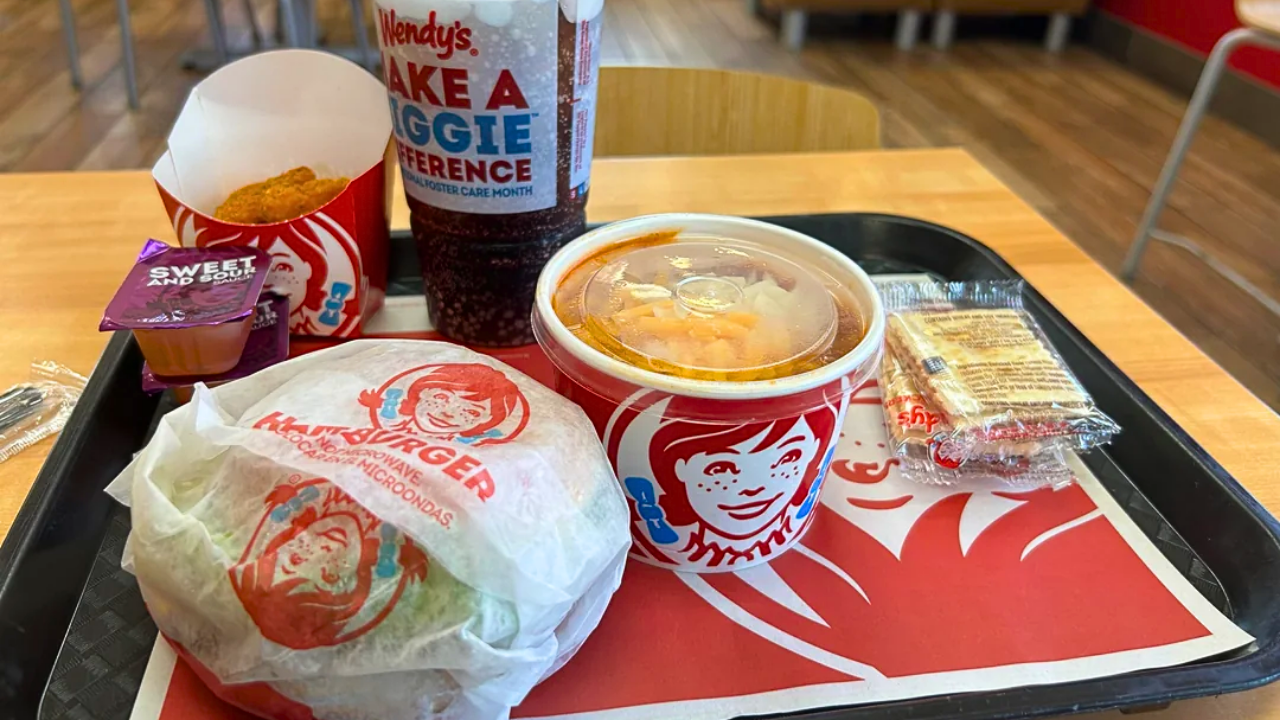
Wendy’s had quietly reduced the size of its signature “Biggie” drinks over time, cutting as much as 7 ounces without many noticing. The original 42-ounce “Great Biggie” had shrunk to 35 ounces, while the 32-ounce “Biggie” was now 30 ounces.
Customers continued to pay the same price, unaware of the change. What prompted this quiet shift, and how did it go unnoticed for so long? Stick around to uncover the truth behind Wendy’s portion control strategy.
The 2006 Rebrand
In 2006, Wendy’s decided to simplify its menu by removing the “Biggie” and “Great Biggie” names from its menu boards, renaming the 42-ounce “Great Biggie” to “large” and the 32-ounce “Biggie” to “medium.”
The company stated this was to reduce customer confusion and address growing health concerns. While the names changed, the sizes remained the same at that point. However, the actual portion sizes started to shrink over time without major announcements.
The Quiet Reductions
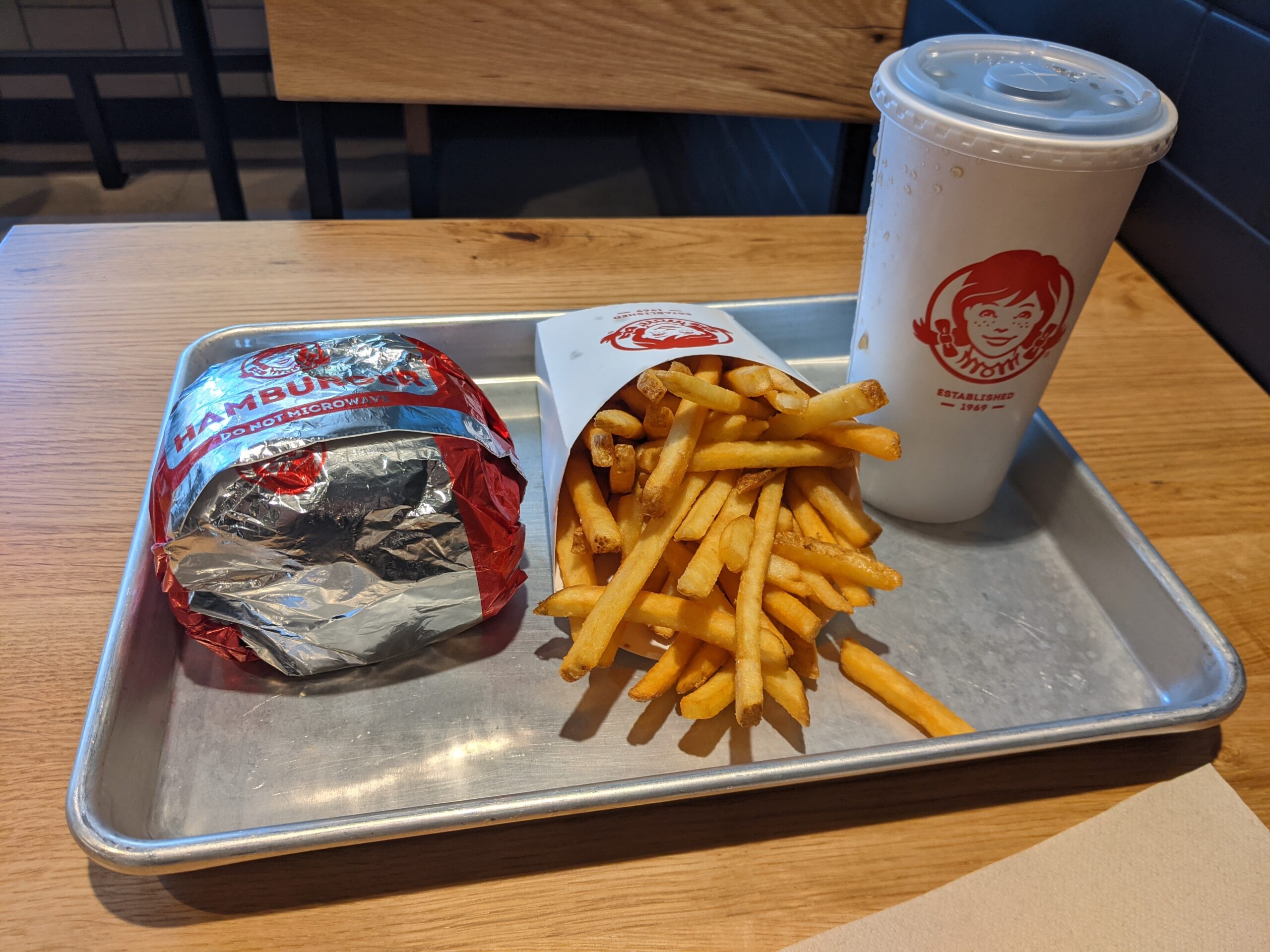
Without fanfare, Wendy’s began reducing drink sizes, cutting 7 ounces from the “Great Biggie” and 2 ounces from the “Biggie” over the years. Customers kept paying the same price, unaware of the smaller portions.
This change contributed to discussions about “shrinkflation” in the fast-food industry. How did Wendy’s manage to reduce portion sizes without sparking backlash?
A Trend Among Competitors
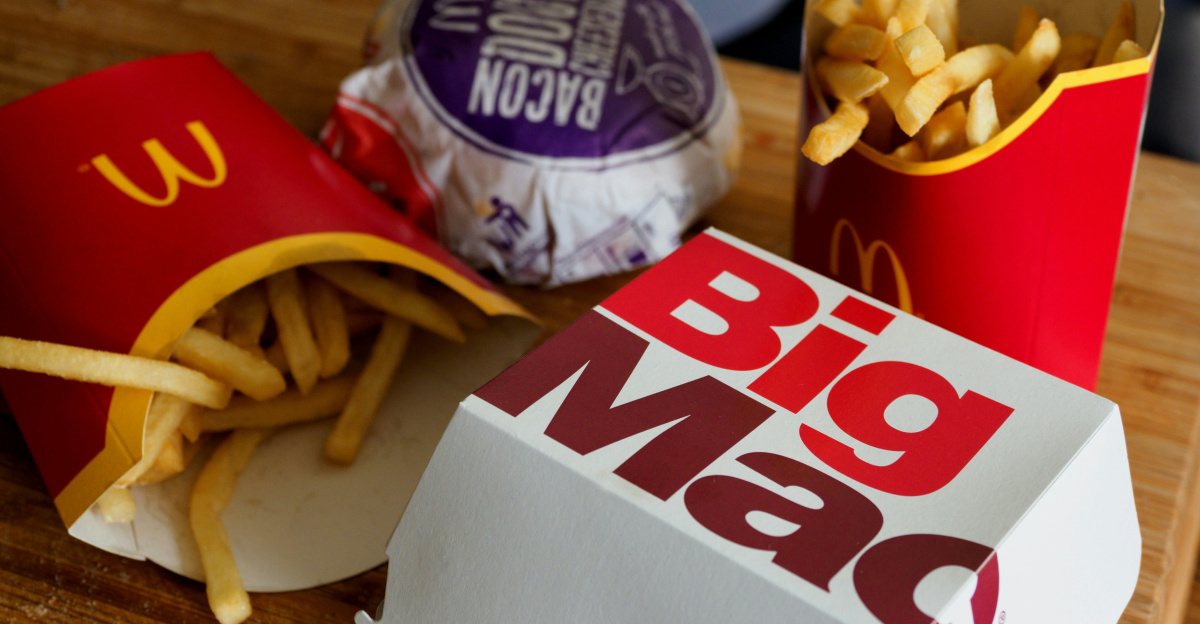
Wendy’s wasn’t alone in responding to growing health concerns about portion sizes. McDonald’s had already phased out its “Supersize” options in 2004, following backlash over the unhealthy nature of such massive meals.
While McDonald’s made a public announcement of its retreat from the “portion-size wars,” Wendy’s took a different approach by quietly rebranding its sizes without disclosing the eventual physical reductions. By the 2020s, other fast-food chains faced similar pressures to reduce portion sizes amid ongoing concerns about health and profitability.
The Evolution of Wendy’s Value Menu
Wendy’s Super Value Menu, which launched in 1989, originally included items like the “Biggie” drinks for just 99 cents. Over the years, the prices increased, and by 2006, prices for value items had risen as customers became accustomed to inflation.
At the same time, Wendy’s began gradually reducing the size of its drinks without ever explicitly communicating the changes. By 2019, the “Biggie Bag” revived the nostalgic “Biggie” branding for value meals, offering a sandwich, nuggets, fries, and drink for approximately $5—marking the first time Wendy’s tied the iconic name to value rather than size.
The Burger Size Debate
As Wendy’s reduced its drink sizes, other fast-food giants engaged in their own discussions about portion control. McDonald’s made improvements to its burger quality and cooking methods in the 2020s to distinguish itself from competitors.
Wendy’s, however, maintained its signature square patties, even as it faced legal challenges over burger images in advertisements. These cases were dismissed, but the continued debate over portion sizes shows the ongoing tension in the industry over what constitutes a fair serving size.
Global Impact of Shrinkage
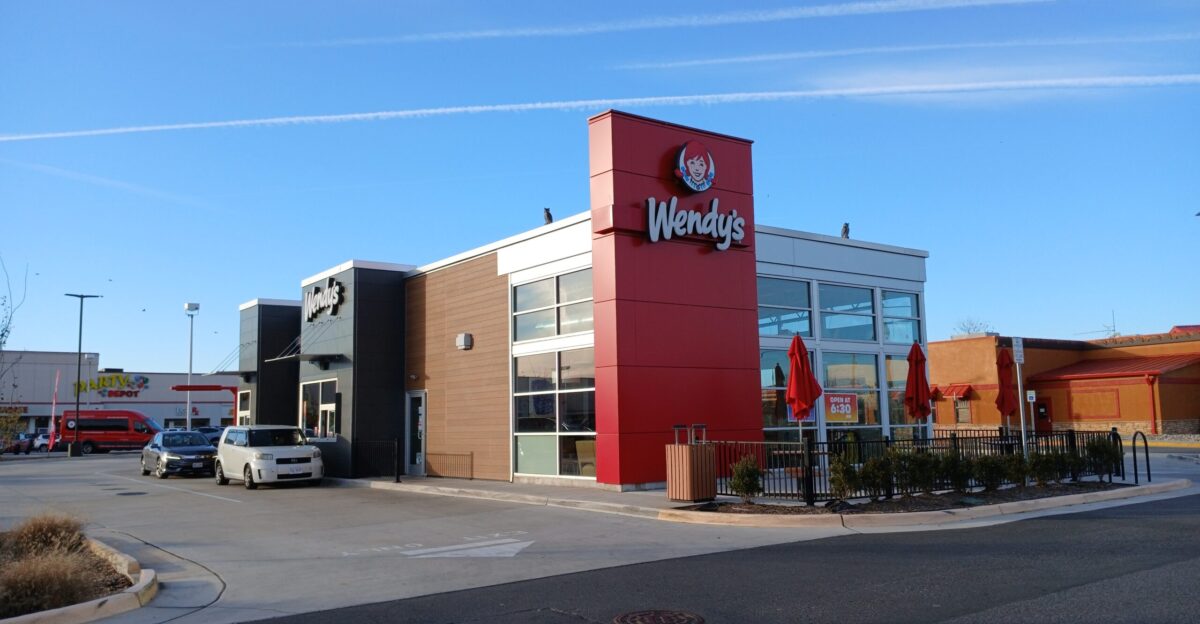
Wendy’s expansion beyond the U.S. in the late 1980s and 1990s included significant international growth, where the “Biggie” name change and later portion reductions were also implemented.
By 2025, Wendy’s had more than 1,300 international stores, all offering drinks sized similarly to those in the U.S. The global trend reflected a shift in the fast-food industry as a whole, moving toward smaller portion sizes and standardizing them across all markets.
Behind the Counter
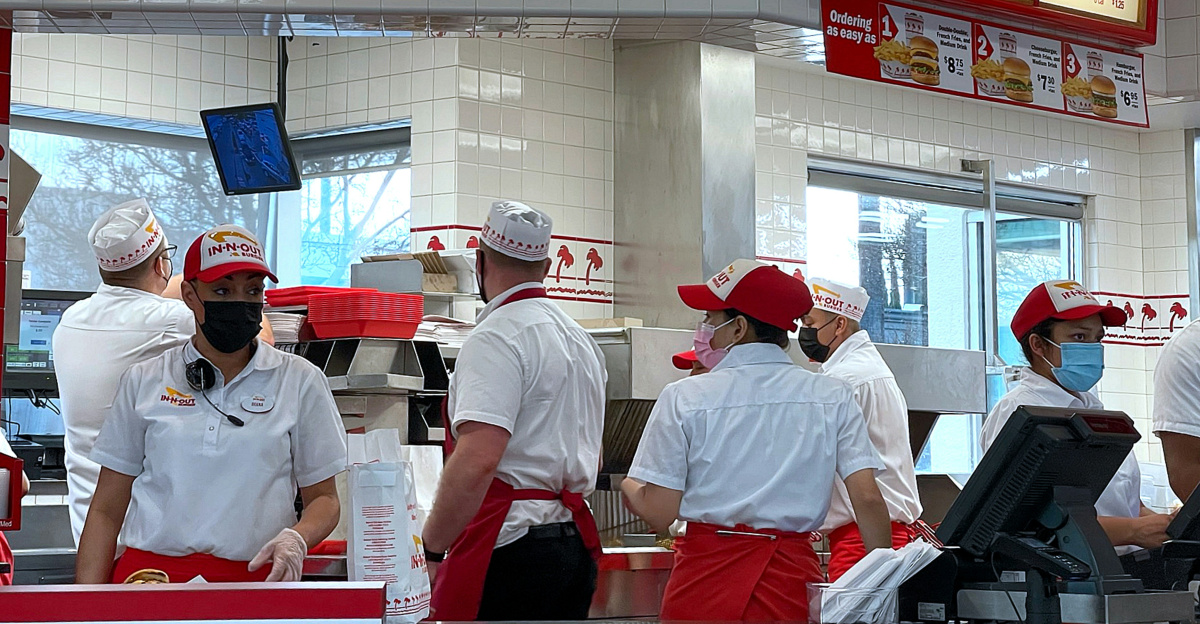
Wendy’s franchise workers in the U.S. were among the first to notice the shrinking drink sizes. Employee discussions confirmed that the cuts were occurring gradually over the years following the 2006 rebrand, with no official announcement from corporate.
Staff reported that while the company simplified the menu and messaging, customers were often confused by the changes, not realizing their “Biggie” drinks had been quietly downsized.
Regulatory Scrutiny

Despite public outcry over shrinking portion sizes, Wendy’s managed to avoid direct regulatory scrutiny for its drink size reductions.
While lawsuits were filed over burger visuals in the 2020s, the focus remained on calories and health rather than the actual sizes of the food and drinks. The absence of formal oversight allowed companies like Wendy’s to gradually adjust portion sizes with minimal legal consequence.
The Health Factor
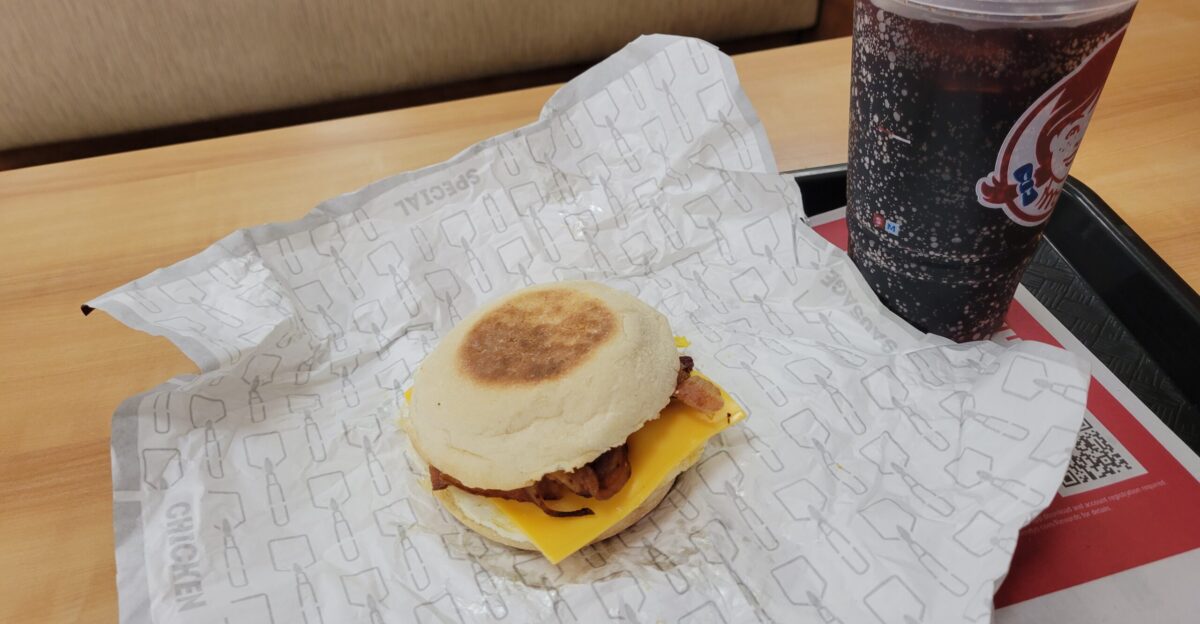
The health-conscious push in the fast-food industry after the release of Super Size Me in 2004 was part of what drove Wendy’s decision to remove the “Biggie” labels. The company began to shrink its drink sizes, citing health concerns and wanting to simplify its menu.
However, today’s fast-food drinks are still far larger than what was common in earlier decades—when McDonald’s largest soda was just 7 ounces in the 1950s—sparking continued debates about portion control and public health.
A Nostalgic Backlash
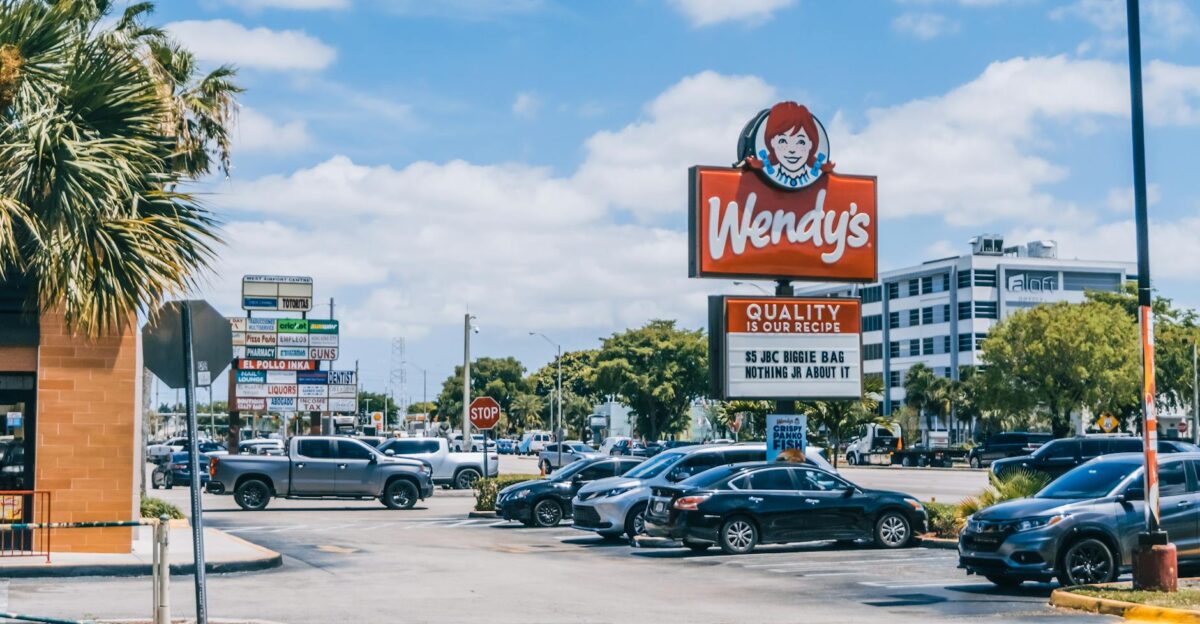
Wendy’s faced backlash from some customers, particularly as nostalgia for the “Biggie” era grew among longtime patrons. Many fans of the brand bemoaned the smaller drink sizes, reminiscing about the original offerings.
This nostalgic sentiment has been voiced online, particularly on platforms like Reddit, where discussions often centered on the perception of a decline in the quality of the food and drink offerings.
Impact on Wendy’s Bottom Line
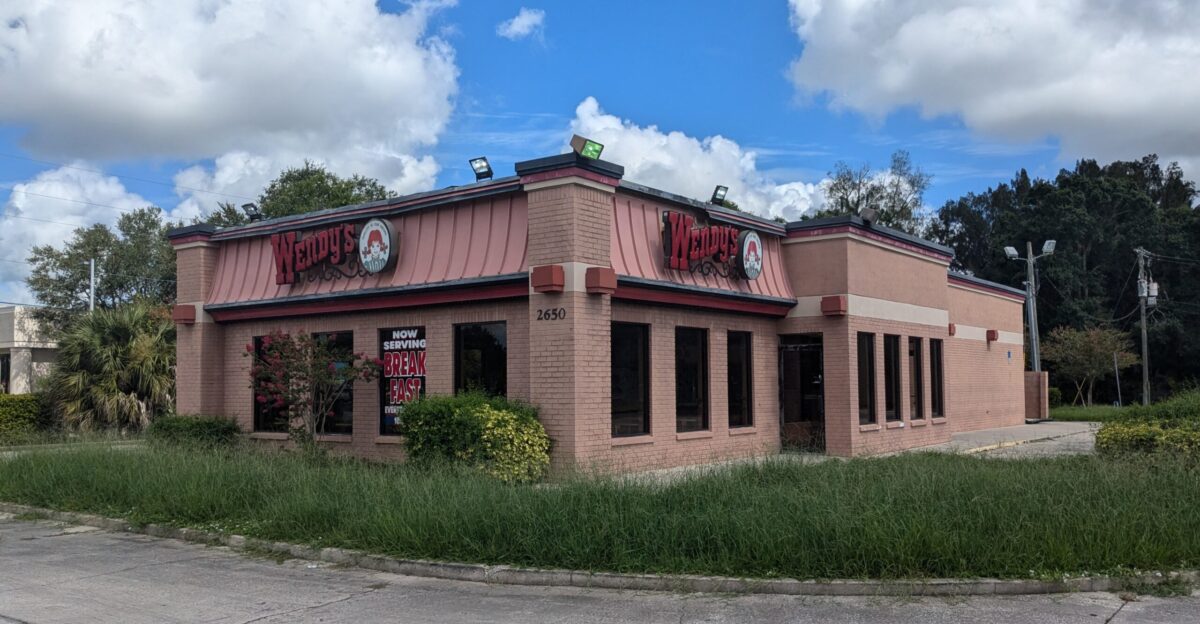
In 2024 and 2025, Wendy’s began closing underperforming locations across the U.S. and internationally. This, coupled with growing competition from McDonald’s and Burger King, has led to a shift in customer behavior.
The ongoing shrinkflation perception has affected Wendy’s reputation, while competitors have worked to strengthen consumer trust through various marketing strategies.
Stock and Pricing Trends
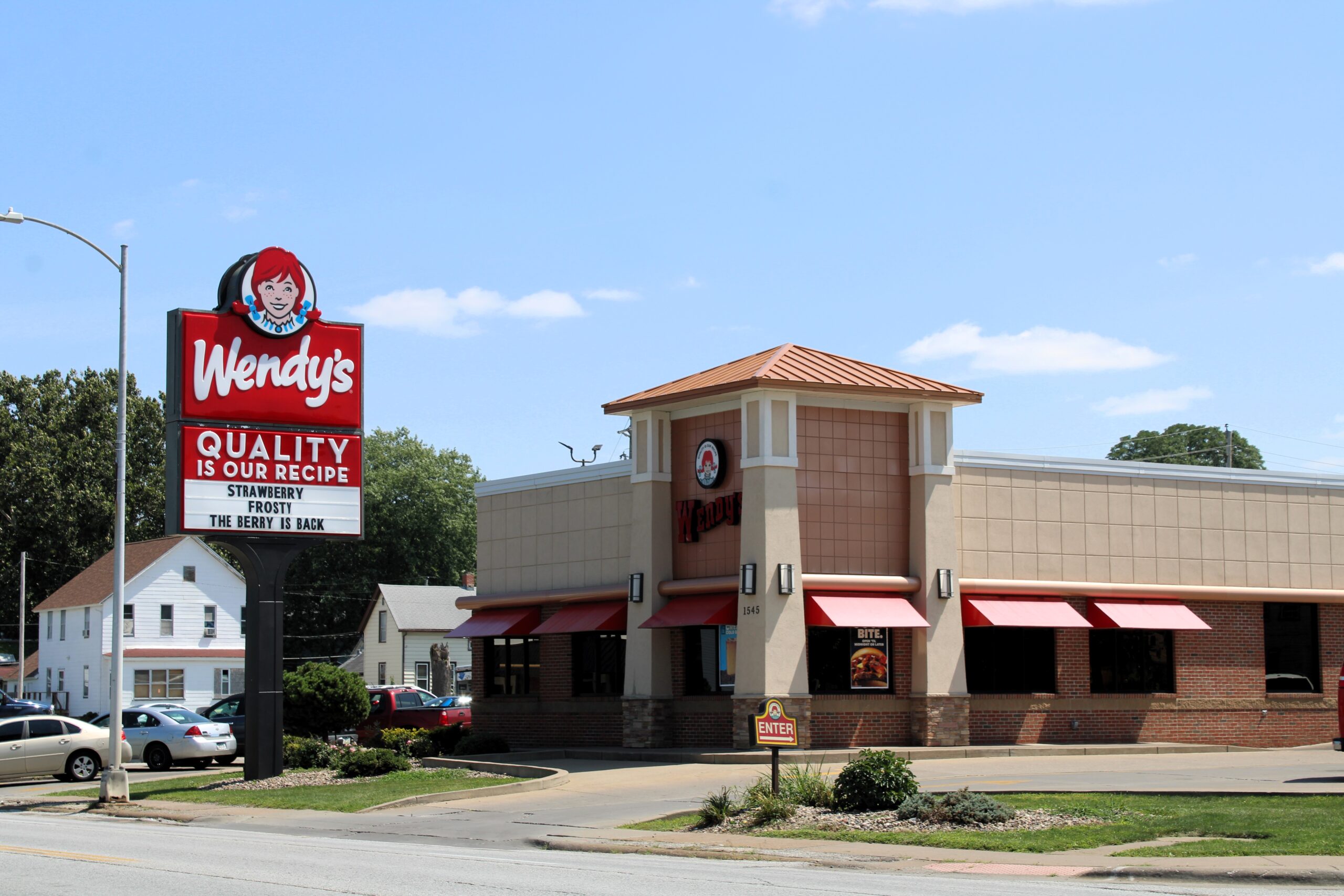
In 2024, Wendy’s saw growth in Frosty sales, a bright spot amid broader competitive pressures. However, customers are now encouraged to be more discerning when ordering drinks, comparing the ounces to menu listings.
As prices continue to rise since the 1989 value menu days, customers are looking for ways to get the most out of their fast-food orders, opting for smaller or water-based drinks to avoid the effects of shrinkflation.
What’s Next for Shrinkflation?
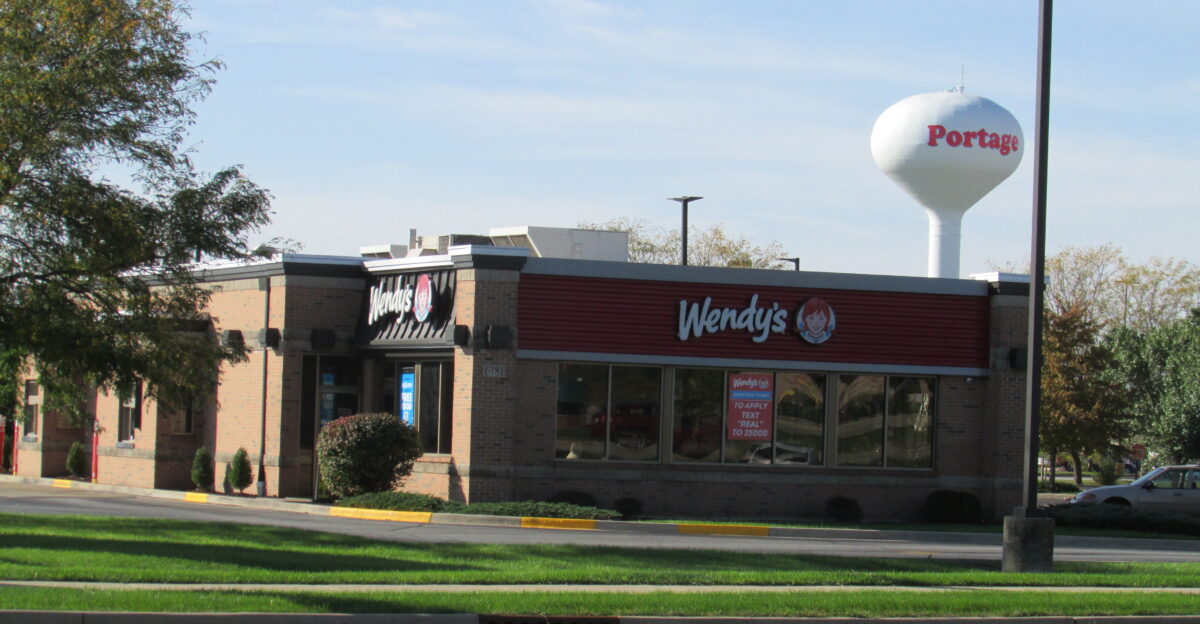
The quiet changes to Wendy’s drink sizes have reverberated throughout the fast-food industry, with both health concerns and consumer scrutiny prompting further downsizing. With growing consumer awareness and calls for transparency, the future of portion control in fast food may shift toward more openly communicated changes.
Wendy’s “Biggie Bag” offers a glimpse into the future, where value, not size, becomes the new focus of fast-food competition.
Sources:
“Whatever Happened To Wendy’s ‘Biggie’ Size?” Tasting Table, December 14, 2025.
“Portion Sizes and Obesity: Responses of Fast-Food Companies.” Journal of Public Health Policy, by Lisa R. Young and Marion Nestle, 2007.
“Customer Says Wendy’s Secretly Changed its Cup Sizes.” The Daily Dot, March 14, 2024.
“Wendy’s Tosses ‘Biggie’ Size.” CBS News, 2006.