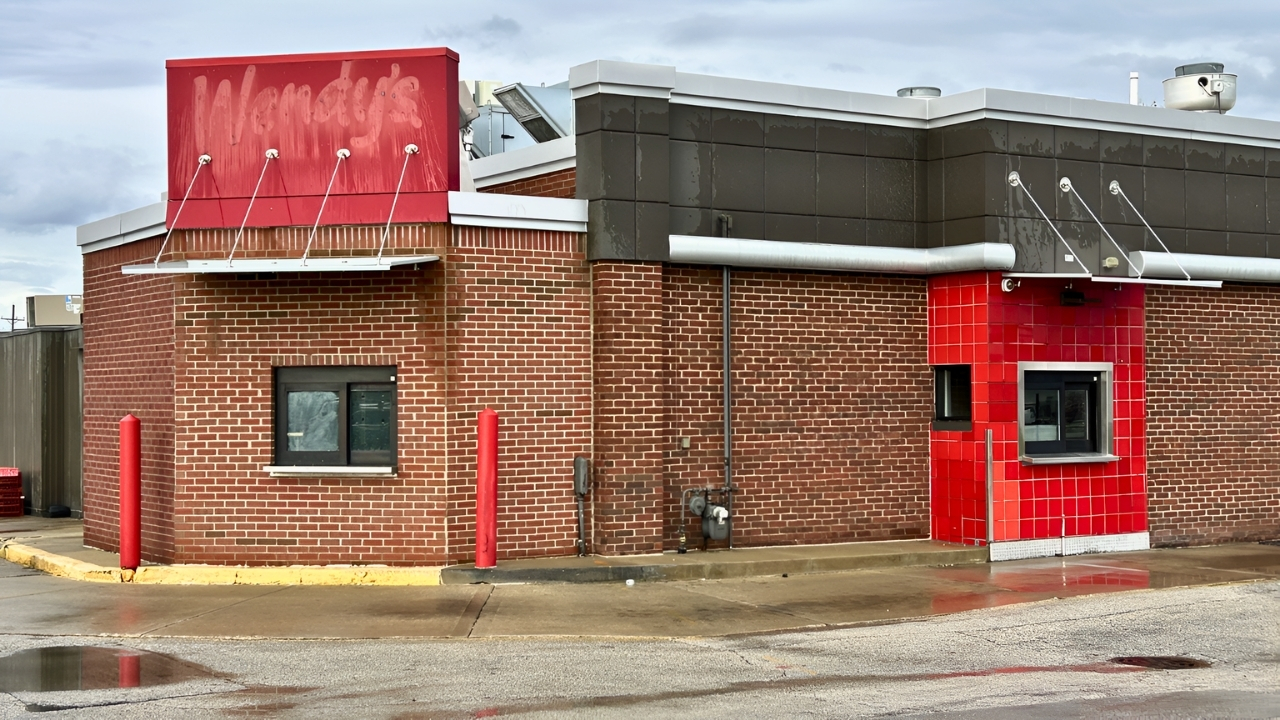
Wendy’s faces its largest U.S. retrenchment in decades, planning to close as many as 350 underperforming restaurants in 2025 and 2026 after already shutting about 140 in 2024. The pullback, driven by falling sales and a sharp drop in visits from its core lower-income customers, marks a turning point for the fast-food chain as it shrinks its domestic footprint while betting on international growth.
Sales Slump and Project Fresh

Interim CEO Ken Cook has outlined the financial backdrop to the closures: in the first nine months of 2025, same-store sales declined 4%, total revenue slipped 2% to $1.63 billion, and net income fell 6% to $138.6 million. The downturn has been most acute among lower-income diners, who historically formed the backbone of Wendy’s traffic.
As inflation and rising living costs squeeze household budgets, many of these customers are cutting back even on low-priced meals, treating fast food as an occasional indulgence rather than a routine purchase. In response, Wendy’s launched Project Fresh, a restructuring effort aimed at pruning weaker restaurants, tightening operations, and concentrating resources on locations and markets with stronger long-term potential. The planned closures, beginning in late 2025 and running into 2026, are the most visible element of that strategy.
A Smaller U.S. Chain, Tougher Environment
Before the latest restructuring, Wendy’s operated roughly 6,000 restaurants in the United States. After combining the approximately 140 units shuttered in 2024 with the up to 350 additional closures now planned, the domestic network is expected to fall to around 5,700 locations.
Under Project Fresh, some restaurants that no longer meet performance or brand standards will close outright, while others may be remodeled, upgraded, or transferred to new franchise owners. The goal is to emerge with a leaner, more efficient system that can compete more effectively in a market where value-focused diners have more options than ever, from rival burger chains to fast-casual concepts and supermarket prepared foods.
Industry-wide, fast food is under pressure. Analysts have long treated quick-service dining as relatively resistant to downturns, but Wendy’s recent results and the need for aggressive discounting suggest that assumption is being tested. The company has rolled out $5 and $8 meal bundles to attract price-sensitive customers, while competitors also intensify their own low-cost promotions as they vie for a shrinking pool of discretionary spending.
Strain on Franchisees, Workers, and Communities
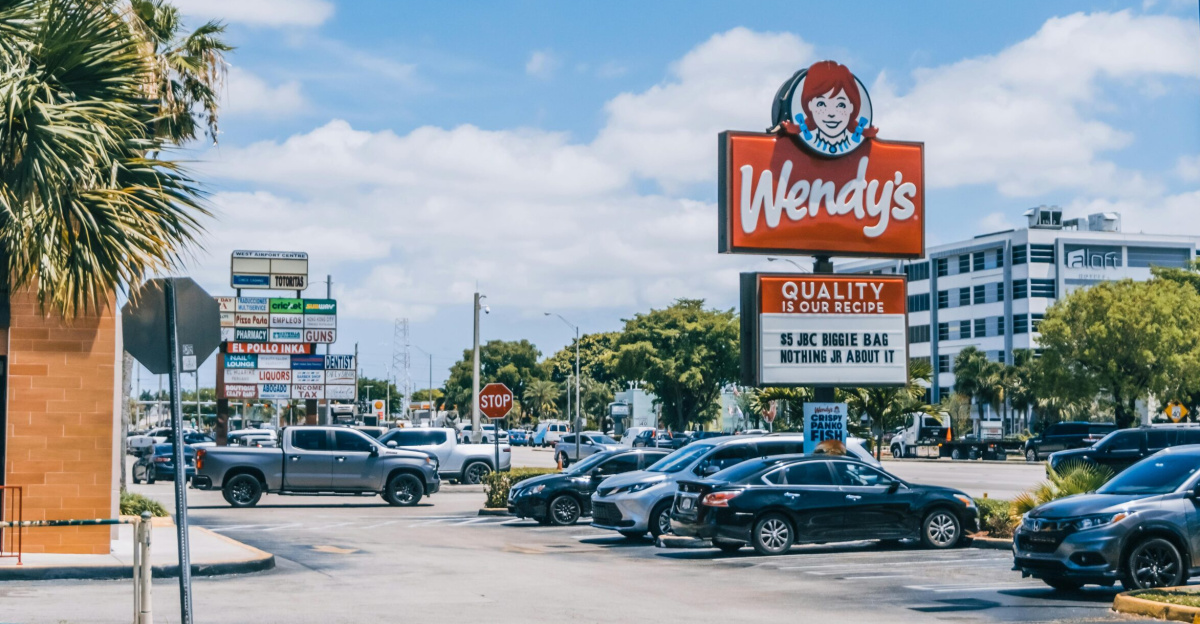
Most Wendy’s outlets are run by franchisees, many of whom are already wrestling with higher labor, food, and utility costs at the same time as sales soften. For these operators, the closure program can have mixed effects. Some will lose units that are no longer financially viable, which may mean exiting certain trade areas altogether. Others could take over locations from weaker operators or invest in upgrades to remaining restaurants in hopes of improving returns.
For employees at affected locations, the restructuring will mean job losses where stores shut down and uncertainty where ownership changes hands. At a local level, shuttered restaurants can leave behind vacant buildings and underused parking lots, raising questions for city planners and landlords about how to repurpose those sites. At the same time, reduced operations at weaker units may lower overall energy use and food waste within the chain, while potentially shifting traffic to busier, more efficient restaurants.
As a listed company, Wendy’s is required to detail major restructuring actions in filings with the Securities and Exchange Commission. Those disclosures will outline impairment charges, severance and closure costs, and the expected impact on earnings, giving investors and regulators a clearer view of the financial risks and anticipated benefits linked to Project Fresh.
Competition, Consumer Shifts, and Global Ambitions
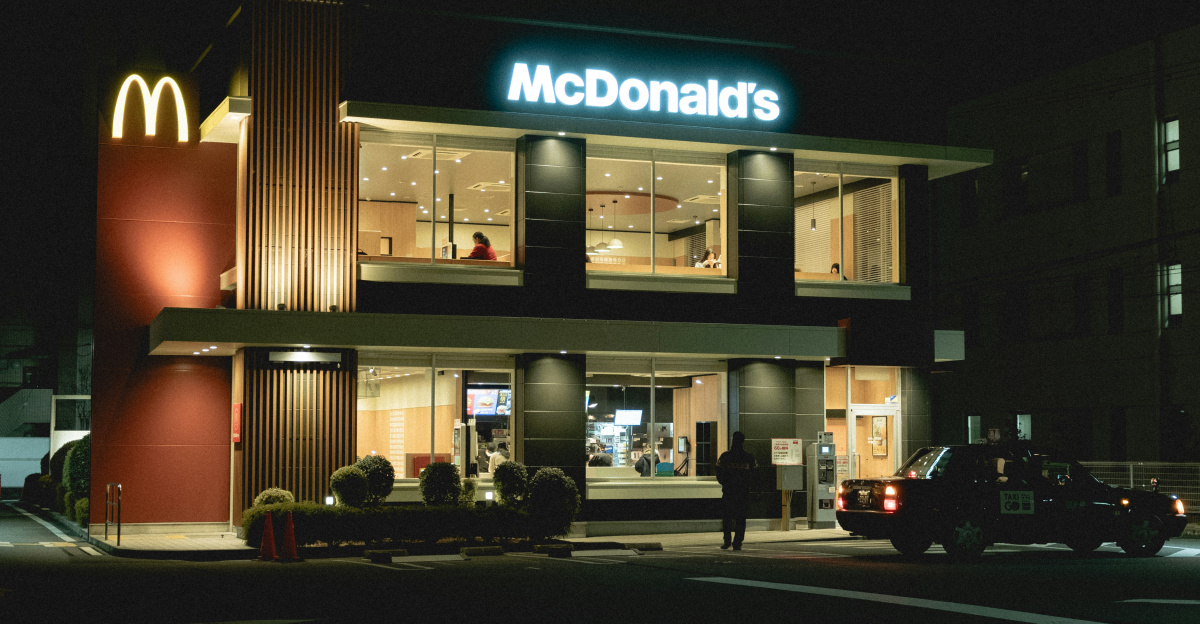
The exit of Wendy’s from certain neighborhoods opens space for other national brands and independent eateries. Chains such as McDonald’s and Burger King, already emphasizing value-based deals, may capture a portion of the displaced traffic. Smaller, locally owned restaurants could also gain customers, particularly in areas where they offer convenient alternatives.
Consumer habits are changing at the same time. Many households are cooking more at home, relying on grocery store prepared meals, or exploring delivery-only kitchens and fast-casual formats. To keep pace, Wendy’s is putting more emphasis on digital ordering, technology upgrades, and equipment investments at its remaining U.S. restaurants, aiming to improve speed, consistency, and convenience.
While cutting back domestically, the company is redirecting attention and capital toward international markets that it believes hold stronger growth prospects than the mature U.S. sector. Under Project Fresh, Wendy’s sees overseas expansion as a way to offset domestic headwinds and diversify its revenue base. The strategy could gradually shift the brand’s center of gravity outside the United States if global development outpaces its smaller home-market presence.
Uncertain Outlook for Brand and Investors
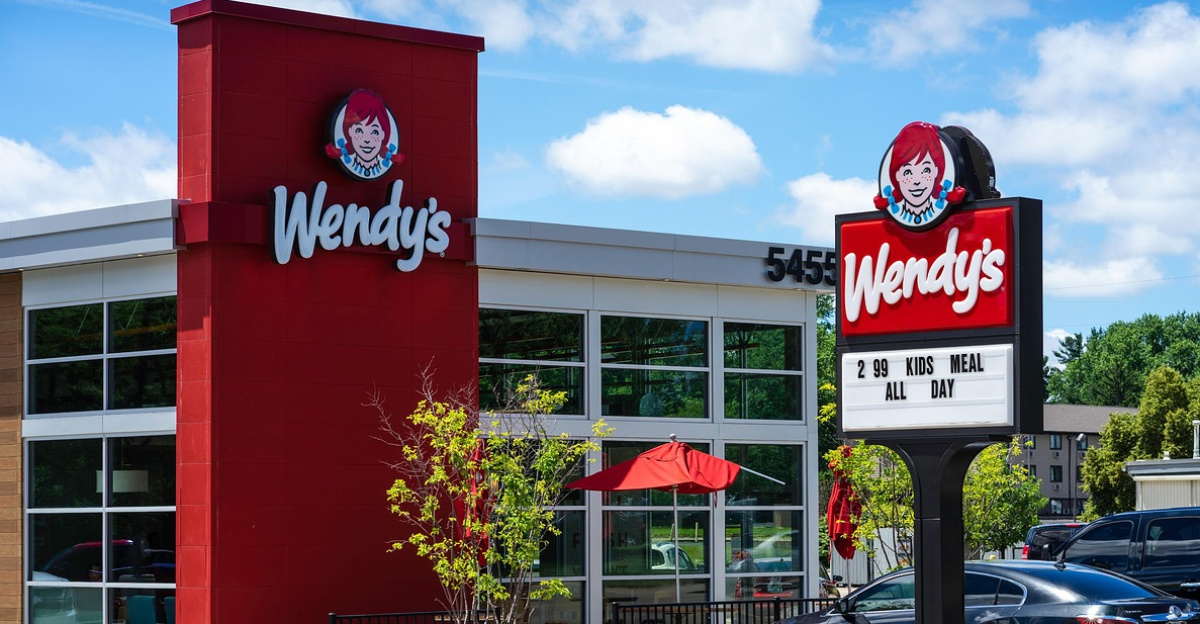
The dual track of large-scale U.S. closures and heightened international ambition leaves Wendy’s brand at a sensitive juncture. Some customers may view the shutdown of hundreds of domestic outlets as a sign of broader weakness, while others may experience an improved experience at remodeled, higher-volume restaurants that remain open. Internally, the company must balance the needs of its franchisees, employees, and shareholders as it navigates the transition.
On Wall Street, the pressure is already visible. Wendy’s share price has dropped 46% in 2025, and investors are watching to see whether a smaller, more focused restaurant base will translate into better same-store sales trends, healthier margins, and steadier earnings. By 2026, the scale of the closures, the performance of remaining restaurants, and the pace of international growth will together indicate whether Project Fresh represents a necessary retreat or a reset that leaves Wendy’s better positioned in a rapidly evolving quick-service landscape.
Sources:
Houston Chronicle: Wendy’s could close up to 300 stores by the end of 2025
People: Wendy’s is set to close hundreds of restaurants across the U.S. by the end of 2025